2027 Patient Navigator Roles You Can Target With a Community Health Degree

Co-Founder and Chief Data Scientist
Struggling to identify viable patient navigator roles while balancing work and study commitments highlights a pressing barrier for many with a community health degree. Recent data from the National Center for Education Statistics shows that 45% of undergraduate community health enrollees now pursue online courses, reflecting a pivot toward flexible education designed to accommodate adult learners and working professionals. This shift underscores the importance of selecting career paths that align not only with academic credentials but also with evolving workforce demands and scheduling constraints. This article outlines targeted patient navigator roles compatible with community health training, helping readers translate their degree into tangible job opportunities efficiently.
Key Things You Should Know
- Patient navigator roles targeting social determinants require competencies in data-driven risk stratification, with 45% of employers prioritizing candidates versed in integrated EHR analytics, raising entry barriers and necessitating ongoing technical training investment.
- Turnover rates exceeding 30% in community-based navigator positions, per 2024 Bureau of Labor Statistics data, force employers to weigh short-term staffing costs against long-term patient engagement outcomes when selecting candidates.
- The median program length for community health degrees supporting navigator roles exceeds three years, creating a temporal and financial tradeoff for career switchers needing rapid labor market entry amid accelerated healthcare delivery models.
What patient navigator jobs match a community health degree?
The viability of patient navigator careers for community health graduates hinges on specialized skills beyond foundational knowledge. Cancer screening navigators, for example, show measurable improvements in colorectal cancer screening rates by more than 18 percentage points compared to traditional approaches, illustrating how targeted expertise shapes outcomes. These roles require proficiency in patient education, cultural competency, and navigating healthcare systems-competencies central to a community health degree.
Chronic disease coordinators and social service navigators similarly depend on familiarity with community resources and health behavior modification techniques. However, employers increasingly demand fluency in data tracking and patient follow-up technologies, prompting many graduates to pursue certifications in health informatics or patient advocacy. This added credentialing reflects the operational complexities embedded in these roles.
Geographic and infrastructural disparities further complicate navigator work. Those serving underserved urban or rural areas must overcome limited infrastructure and insurance barriers, making resource linkage and social determinants of health management critical skills. Students evaluating community health degree patient navigator job opportunities should prioritize programs focused on applied methods and stakeholder engagement to align with employer priorities effectively.
For professionals weighing educational options, it's worth exploring online environmental health and safety programs accredited to complement community health credentials with relevant technical proficiencies that enhance patient navigation roles.
What education is required for patient navigator roles?
Positions for patient navigators in community health programs demand credentials that reflect practical engagement and coordination capabilities rather than solely foundational education. While entry-level roles often require just a high school diploma plus relevant certifications or healthcare experience, employers increasingly prefer candidates with an associate or bachelor's degree in fields like community health or social work to handle growing complexities in care coordination. For example, Kaiser Permanente's Community Health Navigator position in Portland offers $28.01-$32.98 hourly, valuing specialized expertise beyond basic credentials in these roles.
Advanced roles frequently require degrees combined with certifications such as Certified Patient Navigator credentials to validate both clinical understanding and administrative skills. Navigators must proficiently navigate healthcare regulations, advocate for patient rights, and communicate effectively across diverse populations. This is especially critical in hospital systems or clinics where the role involves reducing patient obstacles related to insurance, appointments, and treatment plans.
Employers assess education alongside direct experience, often favoring a bachelor's degree plus internships over a lower degree with no field exposure. For professionals transitioning from unrelated sectors, post-baccalaureate certificates focusing on care coordination or cultural competence present targeted upskilling without the time and cost of a degree. Balancing educational investment against potential wages and career trajectory is a key consideration.
These nuances underscore the importance of understanding patient navigator education requirements in community health programs, especially when selecting pathways that offer practical impact and employability within the evolving workforce. Many prospective candidates explore a healthcare administration bachelor's degree as a strategic foundation that aligns with these demands.
Which certifications help you qualify for patient navigator jobs?
Certification directly impacts eligibility and compensation for patient navigator roles, especially those linked to community health degrees. Certified Patient Navigator (CPN) credentials from organizations like the Patient Advocate Certification Board validate expertise in care coordination and system navigation, often giving candidates an edge in public-sector jobs. For example, lead population health community navigators in Minnesota report salaries ranging from $59,006 to $86,505, reflecting how certification can influence pay scales.
Other valuable certifications include the Certified Health Education Specialist (CHES) and the National Board for Certified Counselors (NBCC), which expand opportunities within underserved and behavioral health populations. Healthcare employers typically prioritize credentials emphasizing case management and cultural competence, particularly for Medicaid or Medicare clients. While the Certified Case Manager (CCM) credential is more relevant in hospital environments, community settings focused on social determinants of health may de-emphasize it.
Practical career planning requires alignment of certifications with local labor market demands and verification of required experience hours. Skills tied to electronic health record (EHR) proficiency and data reporting are increasingly essential for streamlining patient tracking and program evaluation. Candidates without certifications risk stalled progression and limited salary growth in government or nonprofit roles. Community health navigators targeting specialties like oncology or chronic illness must assess specific certification relevance alongside costs and renewal expectations.
When considering patient navigator certification programs for community health graduates, an informed approach includes weighing long-term employability against credential complexity. For those exploring educational routes, options such as the cheapest online MHA programs can offer cost-effective pathways that supplement certification benefits.
Are online community health programs respected by employers?
Employers view online community health degree programs through a pragmatic lens that heavily favors accreditation, curriculum rigor, and demonstrable skills over delivery mode. For example, hospital-based employers, such as NYU Langone, offer navigator roles paying between $47,308.39 and $53,000 annually, emphasizing that practical experience and proven competencies often outweigh traditional or online degree distinctions. This wage level signals that real-world skills and recognized credentials drive employment value more than the format of education.
Employment outlook for community health graduates increasingly demands supplemental internship or volunteer experience to validate online training, especially for roles requiring face-to-face client engagement. Public health departments and nonprofit agencies display growing flexibility toward online degree holders if applicants document relevant fieldwork and certifications, such as Certified Patient Navigator or community health worker credentials.
When choosing programs, candidates must weigh how curricula integrate applied learning and align with employer networks. Neglecting such experiential components can diminish return on investment despite holding an online degree. Programs from regionally accredited institutions listed in national databases like NCES or IPEDS offer better credibility.
Prospective students may explore comparative research on affordability and program structure by reviewing online RN programs. This helps align educational choices with tangible employment outcomes and long-term career strategy within community health pathways.
What should a community health curriculum include for navigation roles?
A community health curriculum focused on navigation roles must prioritize practical skills centered on care coordination, patient advocacy, and resource navigation within diverse, often underserved populations. Training should extend beyond theoretical knowledge to include health systems literacy, enabling students to identify and address barriers in healthcare access-especially in rural and marginalized communities. Navigators proficient in insurance systems and financial literacy can more effectively reduce patient out-of-pocket costs, which directly influences treatment adherence and health outcomes.
Job market data from Indeed's Phoenix Healthcare Navigator listings show hourly wages between $21 and $24, underscoring employer demand for professionals who blend community outreach with clinical coordination. Programs that incorporate training in documentation, data collection, and outcome reporting prepare graduates to meet quality improvement standards that employers track closely.
Scenario-based learning reveals sector-specific nuances: oncology navigators require advanced clinical knowledge and psychosocial support capabilities, whereas maternal health navigators focus on prenatal education and connecting parents to social services. This specialization influences employability and should inform curriculum design.
Employers expect navigators to bridge language and cultural divides, making communication and cultural competence training essential. Additionally, hands-on experience with electronic health record systems and multidisciplinary collaboration readies students for integrated care environments where managing stakeholder relationships is crucial for effective navigation.
How do accredited community health programs compare with nonaccredited ones?
Accreditation fundamentally influences how employers in healthcare evaluate community health programs, often determining candidate viability more than curriculum content alone. Employers-especially hospitals, government agencies, and nonprofits-consistently favor graduates from accredited programs due to stringent quality controls that align education with industry needs. In contrast, nonaccredited degrees risk signaling uncertainty about practical skills and may prompt employers to require supplementary certifications.
For example, applicants for patient navigator positions benefit significantly when their degrees come from bodies like the Council on Education for Public Health (CEPH). These programs integrate critical competencies such as healthcare system navigation, patient communication, and disease prevention. Graduates from nonaccredited programs often face barriers to seamless employment transitions and may need additional clinical experience or fieldwork, which accredited curricula embed through practicums or internships.
This distinction directly affects market outcomes. The American Heart Association reports senior patient navigators earn $60,000-$70,000 annually, reflecting remuneration tied to verified skills and accredited training pathways. Prospective students should weigh upfront tuition costs against these tangible long-term returns, considering that nonaccredited routes commonly restrict access to higher-paying roles and steady career progression.
What clinical or practicum experience helps in patient navigation careers?
Clinical practicum experience sharply distinguishes candidates in patient navigation roles by delivering practical skills that classroom learning alone cannot provide. Rotations through outpatient clinics or federally qualified health centers (FQHCs) expose learners to real-world challenges such as managing limited resources and advocating for patients within tight budget constraints. This hands-on experience is directly linked to employer expectations, with navigators in nonprofit and community settings typically earning between $23 and $25 per hour.
Tradeoffs in practicum placement affect competence: hospital-based settings offer acute care exposure but less community context, while community health center rotations prioritize enduring relationships with underserved populations but might lack case complexity breadth. Critical skills develop where students engage in patient interaction, documentation, and teamwork with social services, often involving electronic health record (EHR) systems for streamlined communication.
Without structured practicums, navigators frequently struggle with workflow integration and problem-solving required on the job. Prospective students should weigh sites that balance supervision and variety to build versatile capabilities.
Key practical takeaways include:
- Experience coordinating care and navigating insurance and social determinants of health is essential.
- Documentation proficiency and interoperability within EHR systems improve employability.
- Skills gained in community health environments align closely with the demands of nonprofit employers.
How long does a community health degree take to complete?
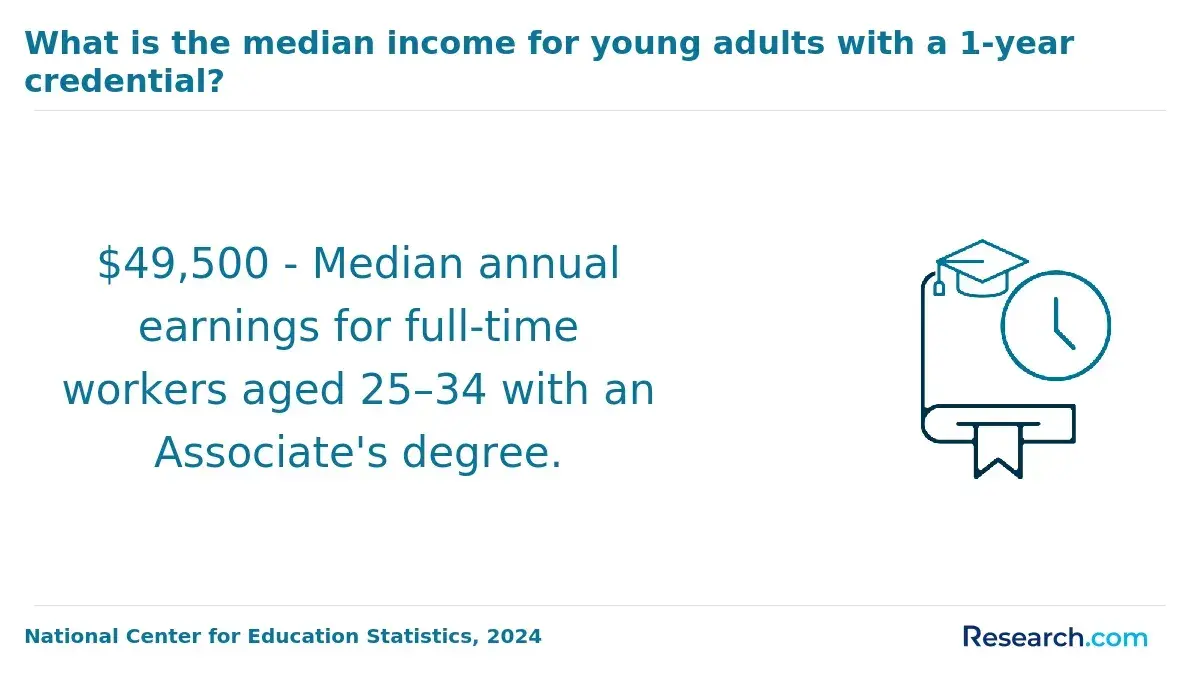
Pursuing a community health degree demands navigating the balance between education duration and practical experience critical to patient navigator roles. Associate degrees, typically two years full-time, offer foundational knowledge but rarely suffice for positions requiring hands-on outreach or navigation skills. Bachelor's degrees, generally four years, remain the benchmark for substantive patient navigation roles due to their mix of coursework and fieldwork aligned with employer standards.
For example, job listings such as NYU Langone's for Patient Navigation with Homelessness Outreach specify at least three months of prior healthcare-related outreach experience, illustrating the premium placed on practical exposure alongside formal education, with salaries ranging approximately $47,308 to $53,000 annually. Part-time or delayed study paths can further extend time to entering these roles, which may affect workforce entry and earning potential.
Students should weigh program formats that integrate internships or community placements to accelerate fulfillment of experience requirements and reduce underemployment risks. Accelerated certificates can shorten educational timelines but often limit upward mobility due to lacking bachelor's prerequisites. Key considerations include:
- Degree level's direct impact on employability and salary potential
- Hands-on experience as a non-negotiable criterion in hiring
- Tradeoffs between speed of completion and comprehensive credentialing
Balancing these factors helps mitigate friction in transitioning into sustainable patient navigation careers and aligns expectations with employer demand. This analysis draws from practical employment insights and program outcomes to guide decision-making for those targeting community health roles.
What salary can patient navigators earn with a community health degree?
Patient navigators holding a community health degree face substantial variability in earnings, shaped by geography, employer type, and professional skill set. While entry-level navigators often start near $43,000 annually, those with proficiency in care coordination or integrated health systems can surpass $70,000 in high-cost urban centers like New York or California.
The Mackenzie Health Patient Flow Navigator role illustrates a broader occupational shift from bedside assistance to managing intricate patient routing and community linkages. This evolution elevates compensation in organizations that prioritize multi-sector care collaboration, as opposed to models focused solely on clinical tasks.
Key salary influencers include certifications in care coordination, expertise in population health, and fluency in patient management technologies. Navigators embedded within accountable care organizations or health plans often receive performance-based bonuses linked to patient outcomes and flow efficiency-an aspect seldom seen in independent clinics.
Prospective professionals should weigh the increasing demand for digital literacy against the absence of advanced clinical credentials; supplementing community health knowledge with outreach or administrative responsibilities may be necessary to reach higher remuneration brackets.
Regional disparities also affect pay scales, with integrated health networks offering roles that align compensation with complex care management duties similar to the Mackenzie Health model. This highlights a practical benchmark for those considering strategic employment choices in the evolving community health navigation workforce.
What job outlook do patient navigators have in healthcare?
The patient navigator job market reflects nuanced demands that extend beyond earning a community health degree, requiring adaptability to varied employer expectations. Hospital-based navigators often focus on clinical pathways such as oncology or chronic disease management, necessitating advanced technical skills in electronic health records and insurance processes. Conversely, community settings prioritize cultural competence and social determinants of health, with navigators acting as advocates and resource liaisons.
This divergence means candidates must weigh where their skill sets provide the most leverage. Candidates lacking interdisciplinary communication abilities and cultural fluency face constrained advancement despite overall job growth. Employers further expect navigators to manage data collection and quality improvement activities, elevating the importance of health IT competence alongside traditional patient engagement skills.
Salary and career progression correlate strongly with demonstrated case management experience rather than credentials alone. Practical readiness therefore hinges on pursuing experience in both clinical and community contexts and building technical fluency.
- Hospital roles require detailed documentation, teamwork, and insurance expertise.
- Community roles demand outreach, education, and advocacy skills.
- Familiarity with health IT platforms and outcome tracking benefits all navigators.
Ultimately, advancing in this field depends on strategic upskilling that aligns with specific employer demands and real-world workflow, balancing technical fluency with cultural and interpersonal strengths.
Other Things You Should Know About Community Health
A community health degree offers flexibility but it does not guarantee seamless role changes across all healthcare sectors. Employers often expect specific experience or certifications for specialized patient navigator roles, so transitioning without targeted skills can limit opportunities. Prioritize gaining experience in diverse settings during your education to maximize your adaptability and avoid early career stagnation.
Entering the field immediately may accelerate employment and income but can restrict access to higher-responsibility roles and advancement. Additional certifications or specialized training enhance your marketability and salary potential but require further investment of time and money. If long-term career growth and leadership roles are priorities, plan for continued education beyond your initial community health degree.
Programs with embedded practicum placements significantly improve job readiness by offering hands-on experience and professional networking opportunities that theoretical programs lack. Employers consistently favor candidates with demonstrated practical skills, making practicum-focused programs a better investment for employability. When deciding, weigh the availability of quality fieldwork in the curriculum as a decisive factor.
References
- Is Online Health and Social Care Education Recognised by Employers? https://uk.hfonline.org/is-online-health-and-social-care-education-recognised-by-employers/
- Community and Health Services Navigation https://cambriancollege.ca/programs/community-and-health-services-navigation
- Patient Navigation Internship - HealthSource of Ohio https://www.healthsourceofohio.org/about-us/careers/student-opportunities/patient-navigation-internship/
- Online Bachelor’s Degree in Community Health and Wellness https://www.monroeu.edu/academics/undergraduate-programs/school-allied-health-professions/online-bachelors-degree-community
- Best Patient Navigator Job Description Template | Workstream ATS https://www.workstream.us/job-description/healthcare-patient-navigator.html
- Patient Navigator Training & Credentialing | American Cancer Society https://www.cancer.org/health-care-professionals/resources-for-professionals/patient-navigator-training.html
- What are patient navigators and how can they improve integration of care? https://www.knowledge-action-portal.com/en/content/what-are-patient-navigators-and-how-can-they-improve-integration-care
- Patient Navigator Certificate – Community College of Aurora https://ccaurora.edu/programs/behavioral-health/behavioral-health-patient-navigator-certificate/
- What Is the Difference Between Accredited and Non-Accredited Colleges? https://anchoru.com/what-is-the-difference-between-accredited-and-non-accredited-colleges/
- Patient Navigation Professional | Canadian Healthcare Education Network https://www.chenetwork.ca/patient-navigation-professional-certificate