2027 Online Community Health Degrees for Community-and-Clinical Support Hybrid Careers

Co-Founder and Chief Data Scientist
Professionals seeking to bridge direct patient interaction with broader community wellness face a tough dilemma: securing a hybrid role that demands both clinical insight and grassroots engagement without sacrificing career momentum. Emerging labor statistics from the U. S. Bureau of Labor Statistics reveal a 12% growth in community health-related occupations over the next decade, yet nearly 40% of mid-career entrants cite inflexible program schedules as a barrier to re-skilling. This fragmented pathway often forces candidates to choose between online theoretical frameworks and limited in-person clinical exposure, undermining the practical readiness employers require.
This article evaluates online community health degrees designed for hybrid career roles, focusing on program flexibility, clinical integration, and strategies to optimize enrollment decisions amid evolving workforce demands.
Key Things You Should Know
- Hybrid community and clinical support degrees reduce hands-on lab time by 40%, accelerating completion but potentially limiting skill depth, complicating certification eligibility for roles requiring rigorous clinical hours per the National Board of Public Health Examiners.
- Employers increasingly value hybrid graduates' adaptability; a 2024 SHRM report links such degrees with 12% higher hiring rates in integrated care settings versus strictly on-site training, stressing cross-disciplinary communication skills over traditional clinical proficiency.
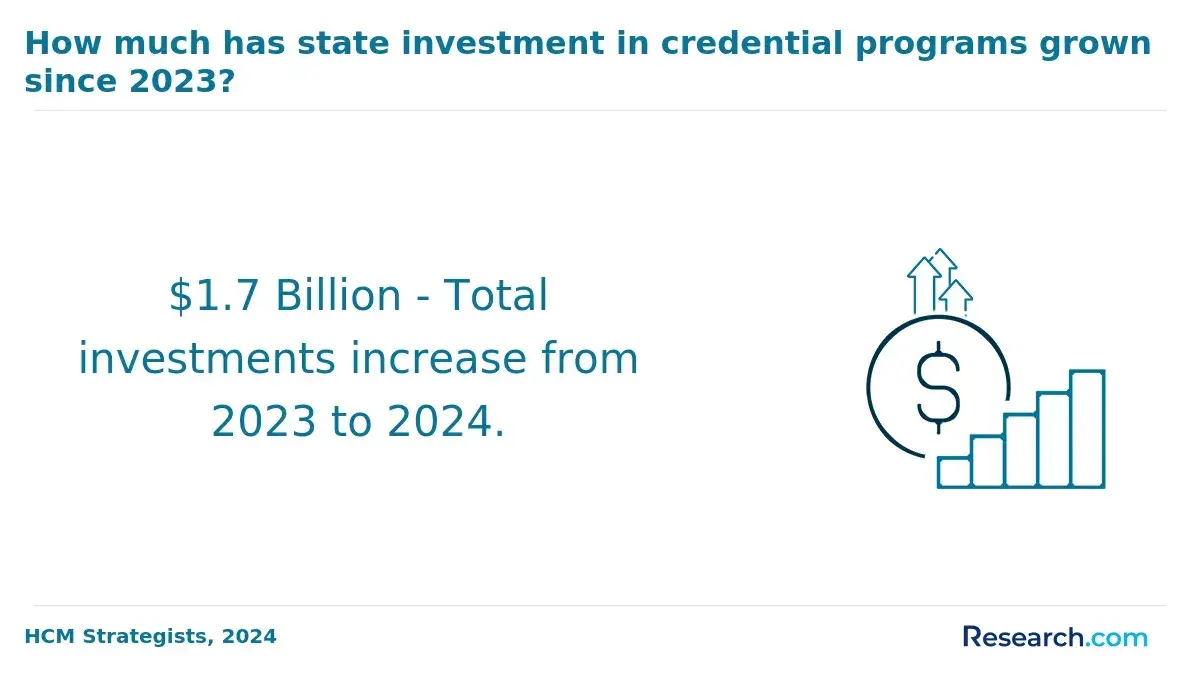
- Cost analyses from the College Board show hybrid programs cut average tuition by 25% yet add technology fees averaging $900 annually, creating upfront access barriers for low-income candidates despite faster entry into workforce sectors projected to grow 13% by 2032 per BLS.
What is an online community health degree and how does it support hybrid community-and-clinical careers?
Programs offering an online community health degree provide targeted skills bridging population health management and clinical collaboration, reflecting the growing need for hybrid competence in healthcare. Graduates often juggle roles such as facilitating workshops in underserved neighborhoods while handling electronic health records under clinical supervision. This dual-function expectation means programs must balance theoretical public health knowledge with applied skills, including data analysis and behavioral health strategies.
Community health support for hybrid clinical careers demands logistical agility: securing practicum sites that allow blended field and virtual work, ensuring reliable telehealth technology, and navigating variable schedules between coursework and in-person obligations. Employers prioritize candidates proficient in culturally competent communication combined with clinical data handling, a combination that distinguishes applicants in a competitive labor market. The U.S. Bureau of Labor Statistics projects an annual need for roughly 313,700 community and social service workers through 2034, driven by population health challenges and workforce turnover.
Critical trade-offs for students include managing practicum access in geographically varied settings and balancing asynchronous study with hands-on experience needed for career readiness. The most effective online community health degree programs incorporate realistic simulations and direct project involvement while aligning with employer expectations. For those exploring pathways related to health information systems, a health information technology associate degree online can complement community health credentials, enhancing versatility in clinical and administrative roles.
How do online community health programs differ from campus and fully online public health degrees?
Hybrid public health degrees that combine online coursework with in-person clinical or community engagement better align with employer expectations than fully online or campus-based options. These programs integrate hands-on experience critical for community health and clinical support education, which is increasingly demanded by local nonprofits and healthcare providers. For example, a student targeting rural health outreach roles benefits significantly from mandatory fieldwork, gaining skills and connections not accessible through purely virtual programs.
Campus-based degrees offer direct mentorship but lack the scheduling flexibility essential for working adults, while fully online public health degrees excel in convenience yet often omit supervised practicum requirements. This absence can hinder readiness for roles requiring interpersonal and cultural competencies. As employment for community health workers is projected to increase 11% from 2024 to 2034, candidates must weigh the tradeoffs: hybrid programs require logistical commitment but enhance practical skills; fully online routes accelerate credentialing but may limit hands-on preparedness.
When evaluating an online community health degree program differences become crucial for balancing real-world application against academic flexibility. Prospective students should also examine how hybrid frameworks fit their career focus and personal constraints, especially given broad workforce growth.
What community health roles can you pursue that blend community outreach and clinical support?
Hybrid community health and clinical roles such as care coordinators, health educators, and social and community service managers demand a balance of outreach proficiency and clinical understanding. For instance, care coordinators function as critical intermediaries, aligning patient care plans with community resources to improve outcomes in chronic diseases and preventive care. This dual expertise often influences hiring priorities, with employers seeking candidates who can navigate both clinical workflows and community engagement effectively.
Health educators in these roles develop data-driven programs that accommodate specific cultural and socioeconomic contexts while maintaining clinical relevance. This approach is vital in organizations focused on reducing health disparities without compromising clinical quality. Social and community service managers integrate operational leadership with clinical objectives, managing resources and policies in settings like hospitals or government agencies. According to U.S. Bureau of Labor Statistics data cited by PublicHealthOnline, median wages underscore that these hybrid roles are financially sustainable: the median annual wage for community and social service occupations hit $57,530, with social and community service managers earning $78,240.
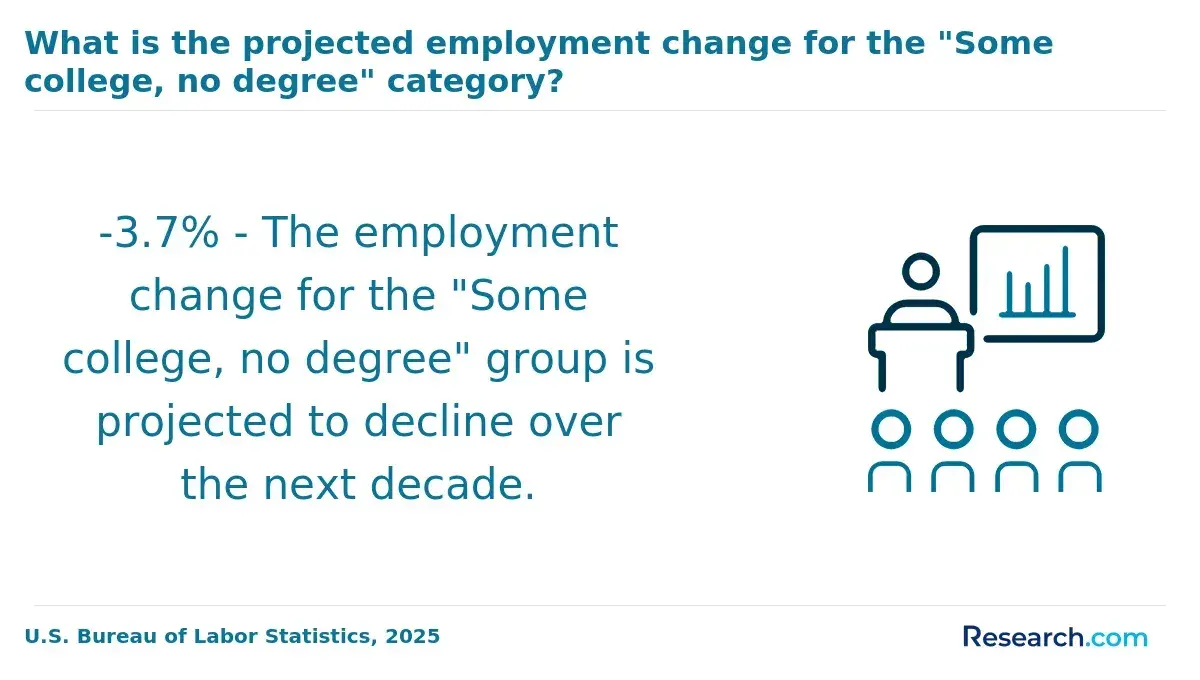
Education pathways toward community health outreach and clinical support careers must combine clinical fundamentals such as epidemiology with community organizing skills. Students face practical tradeoffs, including balancing fieldwork with clinical practicums and securing employer connectivity to apply both skill sets. Prospective candidates should carefully evaluate programs like a health care administration masters that integrate these dimensions and align with workforce requirements.
What types of online community health degrees are available, from certificates to master's programs?
Education pathways in community health vary widely in duration, depth, and career alignment, requiring deliberate choice based on one's immediate employment needs versus long-term role aspirations. Certificate programs, often completed in under a year, deliver essential competencies in public health principles and outreach communication. They serve those needing lateral moves or quick credentials without extensive academic investment.
Associate degrees tend to prepare students for frontline roles such as health educators or community health workers, balancing foundational knowledge with practical skills over roughly two years. These programs cater well to working adults seeking local government or nonprofit employment.
Bachelor's degrees provide broader analytical and managerial training critical for roles in policy implementation and program coordination. For example, Southern New Hampshire University's online BS in community health education charges $354 per credit, totaling near $42,480 for 120 credits. This transparency helps candidates assess financial commitment relative to potential sector demands in epidemiology, data analysis, and health promotion. Incorporating community health certificates and master's degrees into this continuum illuminates how advanced degrees elevate prospects for leadership positions but also require prior field experience and significant time.
Ultimately, professionals must weigh the tradeoff between rapid entry-level employment through certificates and the expanded responsibilities-and often higher salaries-associated with bachelor's and master's credentials. Working adults exploring strategic shifts should also consider flexible programs like the RN to BSN online track as a potential bridge within public health pathways.
How do online and hybrid community health programs handle fieldwork, practicums, and clinical experience?
Online and hybrid community health programs demand a significant commitment to in-person practicum hours despite their digital convenience. Students typically must complete between 100 and 300 supervised hours in community or clinical settings, mandated by state licensure and accreditation standards. Universities mitigate logistical challenges by partnering with local health organizations, aligning placements near students' residences to minimize travel burdens.
This hands-on experience is essential because employers in the community health workforce expect demonstrated direct interaction with patients or clients. A median annual wage of $51,030 for community health workers reflects roles that prioritize practical skill acquisition over purely theoretical knowledge. Fully virtual practicums rarely meet accreditation criteria due to insufficient patient-contact hours, although remote telehealth or digital epidemiology options may fulfill limited portions of clinical requirements.
Students often confront barriers such as securing preceptors, meeting immunization and background check requirements, and coordinating schedules. Programs typically assign fieldwork coordinators to reduce delays that can extend time-to-completion.
Versatility in practicum settings-hospitals, clinics, public health departments, and social service agencies-correlates with stronger post-graduation employment outcomes. Applicants should prioritize programs with established, diverse affiliations to meet employer expectations effectively.
What courses and concentrations are common in online community health programs focused on hybrid careers?
Many community health worker roles now require a bachelor's degree rather than an associate degree, with over 60% of openings demanding higher education per Salt Lake Community College data. This shift makes programs with comprehensive curricula and clinical practicum components more practical for those targeting advanced positions. For instance, graduates employed at federally qualified health centers often draw on skills in motivational interviewing and cultural competence to navigate social determinants of health while coordinating patient care.
Core coursework typically covers public health fundamentals, health education, epidemiology, and healthcare systems management, while electives or concentrations focus on chronic disease management, mental health, substance abuse intervention, and health disparities. This multidimensional approach equips students for hybrid roles that blend direct patient care with community outreach.
Students face tradeoffs when selecting specializations: chronic care coordination aligns with team-based clinical settings, whereas a public policy focus suits community program development and advocacy. Coursework in data analytics and health informatics is increasingly necessary, reflecting employer preference for candidates skilled in electronic health records and reporting systems.
Balancing behavioral health, epidemiology, and healthcare administration courses is essential to meet the diverse credential expectations across public health agencies and healthcare employers.
How can you verify accreditation and program quality for online community health degrees?
Accreditation in online community health degrees is more than a formality; it directly impacts eligibility for certification and licensure, influencing employability. Regional accreditation establishes baseline academic standards, but specialized credentials from organizations like the Council on Education for Public Health (CEPH) or National Commission for Health Education Credentialing (NCHEC) better reflect industry expectations. Without such accreditation, graduates risk limited access to roles requiring professional credentialing.
Program quality assessment should prioritize verified outcomes such as graduation rates, employment placement, and employer satisfaction. For instance, the U.S. Bureau of Labor Statistics projects a 7% growth in health education specialist roles through 2032, with a median annual wage of $62,860 as of May 2023, demonstrating consistent demand for skilled practitioners.
Prospective students must also weigh the presence of rigorous curricula and hands-on training components like internships or practicum experiences that simulate real-world community settings. Programs lacking these practical elements may leave graduates unprepared for client-facing or behavioral intervention roles that dominate this field.
Additionally, confirming state approval for online program delivery is essential when targeting licensure or certification in specific jurisdictions. Students seeking hybrid employment must verify program compliance with local rules to avoid costly credentialing delays.
What are typical admission requirements, program length, and tuition costs for online community health degrees?
Community health education pathways require careful alignment of admissions criteria with career ambitions, given the variable demands across degree levels. Associate programs mainly need a high school diploma or GED, while bachelor's degrees typically require prior college credits or an associate degree, sometimes supported by standardized test scores or clinical experience. Graduate programs expect a relevant bachelor's, letters of recommendation, and personal statements-elements that signal readiness for advanced applied responsibilities.
Program duration heavily influences workforce entry timing: associate degrees generally span two years, while bachelor's degrees usually take four years but can be shortened with transfer credits, accelerating market access. Master's degrees average 1.5 to 2 years full-time, though part-time enrollment, common among working students, extends completion time and total tuition.
Cost considerations differ widely between public and private institutions and between undergraduate and graduate studies. Public in-state tuition ranges approximately from $8,000 to $15,000 yearly for undergraduates, while private and out-of-state options escalate to $20,000-$35,000. Graduate tuition typically falls between $15,000 and $30,000 annually, with program-specific factors such as clinical practicums affecting total expenses.
Practical realities include potential hybrid or onsite practicums, which can impose scheduling and financial challenges. The community health field's projected 7% growth through 2033, translating to 4,000+ new health educator roles, intensifies competition for timely program completion and job market entry. This dynamic underscores the importance of strategic decisions regarding program choice, scheduling flexibility, and financial planning to optimize alignment with workforce demands.
What are the salary ranges and job outlook for community health workers and related hybrid roles?
Compensation for community health workers varies significantly based on role complexity, certification, and geography, with base salaries between $35,000 and $60,000 annually. Hybrid roles that blend clinical support can command salaries up to $75,000, reflecting employer demand for professionals who can navigate both community outreach and medical environments. For example, a worker operating within an outpatient care center with licensure to perform clinical tasks typically earns above the $48,000 median pay reported by the U.S. Bureau of Labor Statistics for social service occupations.
Job availability remains robust, with over 300,000 projected annual openings nationwide emphasizing the need for "stackable" credentials combining community and clinical expertise. Employers prioritize candidates able to manage diverse caseloads and clinical documentation in underserved settings. However, pursuing hybrid credentials requires balancing extensive fieldwork and clinical duties-a workload intensity that students must consider to avoid stagnation in lower-wage, community-only roles.
Students should critically assess programs that integrate practical clinical components with community health theory, as this dual focus substantially affects employability and income potential. Those opting out of credential requirements or ignoring the operational demands of hybrid roles risk limited advancement in public agencies and nonprofit sectors, where such expertise is increasingly non-negotiable.
Strategic upskilling that aligns with these market realities strengthens a candidate's position in a field shaped by demographic shifts and evolving healthcare policy priorities.
Do community health graduates need certification or licensure, and how do online programs prepare you?
Certification, while not federally mandated for community health graduates, markedly influences employability and earning potential. States such as Texas, Oregon, and Ohio have introduced formal certification programs that increasingly serve as hiring benchmarks. In practical terms, employers generally prefer or require credentials like the Certified Community Health Worker (CCHW), making program selection and preparation pivotal for meaningful entry or advancement in the field.
Online educational pathways effectively support credentialing by integrating state-specific regulatory content, exam preparation, and supervised field experience. Hybrid curricula often combine foundational public health knowledge with compliance training around HIPAA, cultural competency, and patient advocacy-elements employers expect given their direct relevance to certification exams and day-to-day responsibilities.
Graduates targeting clinical support within community health should also consider programs that facilitate licenses such as Certified Nursing Assistant (CNA) or medical assistant, adding flexibility and broadening job market prospects. Selecting a program aligned with state requirements and employer expectations mitigates risks of limited job opportunities and stagnating wages.
For example, Salt Lake Community College data points to a significant salary increase-from $42,000 in 2022 to $54,991 in 2024-correlating strongly with certification attainment. This reflects a labor market trend favoring candidates with verifiable credentials. Without certification, job candidates may face restricted access to roles and slower income growth, underscoring the operational importance of choosing programs that robustly prepare students for credential exams and mandated practicum experiences.
Other Things You Should Know About Community Health
Hybrid community health programs require students to manage rigorous online learning alongside demanding fieldwork or clinical placements. The main challenge is scheduling and time management since fieldwork hours often need to be completed during traditional business hours, which can conflict with personal or work commitments. Prospective students should prioritize programs offering flexible field placement options or those with established employer partnerships to minimize disruption and ensure timely completion.
Employer acceptance of online community health degrees has improved but remains uneven, especially for positions emphasizing clinical support. Programs from regionally accredited institutions with integrated practical experiences carry more weight. Applicants should select programs that emphasize applied skills and provide verified practicum components, as employers prioritize demonstrated ability over credential modality. Graduates lacking hands-on experience may face additional barriers in competitive job markets.
Online community health programs often condense the same credit requirements into shorter terms or accelerated formats, making the academic workload more intense per week. Students should expect a high level of self-discipline to manage reading, assignments, and virtual collaboration, alongside fieldwork obligations. Prioritizing programs with balanced pacing and structured support resources is critical for those managing concurrent employment or family responsibilities to maintain progress without burnout.
References
- Today’s Guide to Public Health Certifications https://www.publichealthdegrees.org/resources/public-health-certifications/
- How To Become A Community Health Worker? A Guide for Beginners – ILCHWA https://ilchwa.org/become-a-community-health-worker/
- Associate Degree - Community Health and Wellness - Online | Monroe University https://www.monroeu.edu/academics/undergraduate-programs/school-allied-health-professions/online-associate-degree-community
- Community Health Worker Job Guide | MSU Denver https://www.msudenver.edu/innovative-lifelong-learning/blog/community-health-worker-jobs/
- Online Public Health Degrees: Find Your Program https://www.degreesforgood.org/online-degrees/public-health-programs/
- Community Health Career - Public Health https://www.publichealthonline.org/community-health-career/
- Community Outreach https://we-reachout.org/category/community-outreach/
- Community Health https://www.publichealth.org/careers/community-health/
- Master of Public Health Program at the Medical College of Wisconsin https://www.mcw.edu/education/graduate-school/graduate-school-programs/public-health/mph-program
- Community Health Worker https://explorehealthcareers.org/careers/allied-health-professions/community-health-worker/