2027 Employers Hiring Most Aggressively for Community Health Talent

Co-Founder and Chief Data Scientist
Securing a role in community health during a period of intense hiring competition forces candidates to contend with complex timing and qualification pressures. The Bureau of Labor Statistics projects employment in community health positions will grow 14% over the next decade, driven by expanding public health initiatives and preventive care demands. This growth coincides with data from the National Center for Education Statistics showing a 25% increase in online public health program enrollments since 2023, reflecting shifting learner preferences for flexible education amid work-life challenges. Understanding which employers prioritize specific credentials and how program structures affect readiness is essential for strategic career advancement.
This article identifies the employers currently recruiting most aggressively for community health talent and unpacks practical strategies for aligning education choices with workforce needs to maximize employment outcomes.
Key Things You Should Know
- Employers increased hiring of community health workers by 27% in 2024, driven by expanded Medicaid programs; this rapid demand growth pressures candidates to prioritize certifications with immediate credentialing over longer academic degrees.
- Data from the Bureau of Labor Statistics shows 40% of community health roles require bilingual capabilities, forcing employers to value language skills as much as formal credentials, complicating hiring for monolingual graduates.
- The average training cost for entry-level community health workers rose 15% since 2023, intensifying barriers for late-career pivots and emphasizing employer preference for candidates with subsidized or employer-funded education pathways.
Which industries are hiring the most community health professionals right now?
The predominance of healthcare organizations in hiring community health professionals-accounting for roughly 63% of new U.S. jobs-shapes both educational requirements and career pathways. Federally Qualified Health Centers (FQHCs), in particular, demand expertise in managing chronic disease prevention and addressing social determinants of health, requiring candidates familiar with clinical coordination and certifications. This sector's dominance contrasts with public health agencies and nonprofits, top sectors recruiting community health talent aggressively, where success hinges on navigating policy, epidemiology, and cross-agency collaboration, often under less stable funding conditions.
School districts and universities also add to labor demand for community health professionals by seeking leaders who balance evidence-based health promotion with practical constraints like budget and diverse stakeholder interests. Such roles often require nuanced program design skills more than clinical background.
For example, a community health professional at an FQHC must liaise closely with clinical and social service staff to provide comprehensive patient support, while those in government roles handle data reporting and grant compliance, highlighting divergent daily responsibilities and skill sets.
Decision-making around education should consider these tradeoffs: healthcare employers predominantly require clinical familiarity or certifications, supporting immediate workforce entry, whereas public health and education sectors may prioritize policy or communication skills but carry variable job stability. These distinctions guide whether prospective students focus on specialized degrees, certificates, or a mix of competencies.
Those evaluating educational pathways might also explore accelerated options, including the fastest MPHNP programs, to align training duration with career goals.
What community health roles are employers most urgently trying to fill?
Employers' urgent hiring trends for community health professionals reveal distinct priorities beyond traditional clinical credentials. In 2026, roles like community health workers, care coordinators, and outreach specialists top the list for non-clinical positions, driven by their direct impact on patient engagement and chronic disease management. Robert Half data shows an 8% rise in non-clinical healthcare support job postings in 2025, reaching 180,800, reflecting robust demand for these focused skill sets.
Those exploring community health jobs employers are actively recruiting should note that interpersonal dexterity and cultural fluency outweigh pure clinical knowledge. For example, outreach specialists recruited by regional health departments must navigate language differences and build trust within vulnerable populations, a nuance often absent in standard curricula.
Key practical considerations for workforce entrants include choosing credentials emphasizing patient advocacy, social determinants of health, and data management rather than broad healthcare certifications. Employers increasingly seek candidates with hands-on program experience and adaptable communication techniques aligned with diverse communities.
The balance between rapid employment and comprehensive training introduces tradeoffs: programs focused on cultural competency can delay workforce entry but improve alignment with employer expectations and community-specific needs. Prospective students eyeing leadership roles may also investigate a fastest online MHA to integrate administrative skills with field expertise.
Community health roles often require managing complex care coordination across providers, demanding organizational acuity and system knowledge critical to successful patient outcomes.
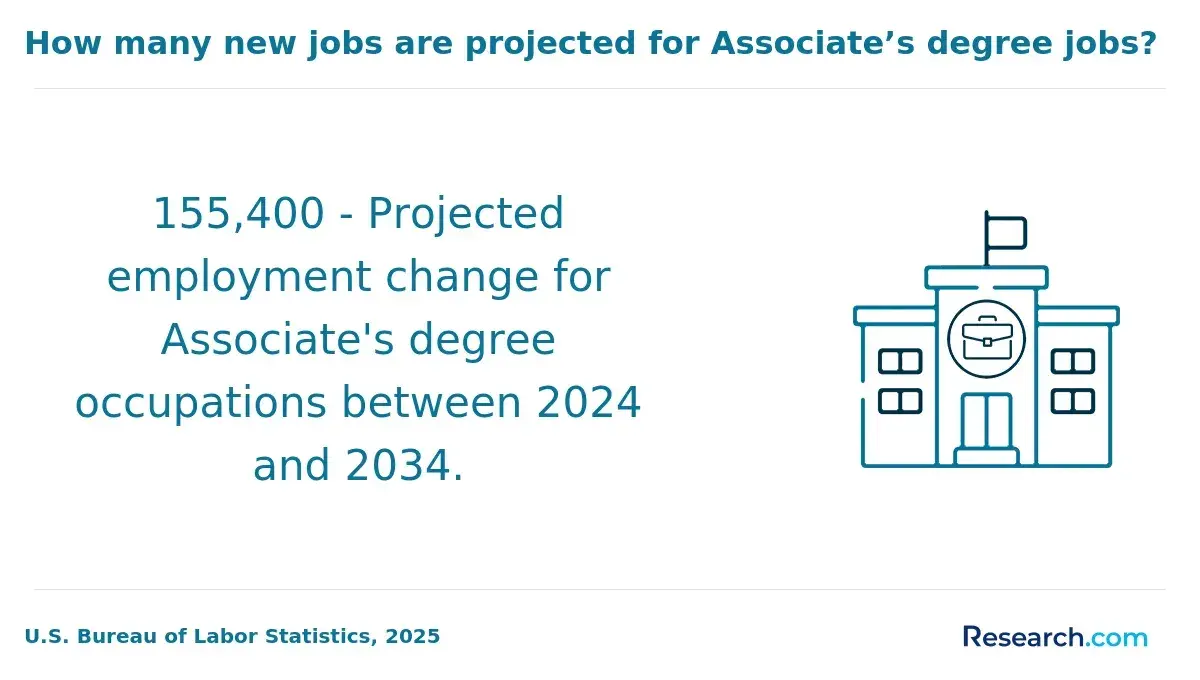
How strong is the job outlook for community health careers in the coming years?
Significant variation in regional demand for community health professionals impacts educational choices and employability across sectors. Employers increasingly seek candidates who combine administrative agility with sector-specific competencies, such as data management for public health departments or grant writing for nonprofits. This specialization demands that prospective students carefully evaluate how their educational pathways align with evolving market needs to avoid investing in credentials lacking practical applicability.
Administrative healthcare postings rose to 59,700 in 2025, a 15% surge from 2024, indicating an especially competitive job market dominated by candidates proficient in digital health records and telehealth platforms. In response, advanced certifications or degrees increasingly separate candidates, but these must be chosen with the intention of building tangible skills rather than accruing credentials.
In sectors shifting toward value-based care, professionals must demonstrate measurable community health outcomes and engage diverse populations through interdisciplinary knowledge spanning public policy and health informatics. Such cross-disciplinary training enhances adaptability across healthcare providers, insurers, and government agencies.
For those exploring upward mobility or a career pivot in community health, balancing credential requirements with real-world skill development is essential. Programs like the easiest RN to BSN online can facilitate this balance but require scrutiny to ensure their curricula meet employment realities.
What degree or training do you need to start a community health career?
A bachelor's degree in public health, community health, health education, or a closely related field remains the baseline for entering this sector, but market realities increasingly complicate the equation. With 60% of healthcare hiring managers reporting greater difficulty sourcing skilled professionals versus the previous year, candidates holding only certificates or associate degrees face steep competition unless they offset gaps with substantial fieldwork or internships.
For those evaluating community health degree requirements in the United States, academic programs that emphasize epidemiology, health communication, and program planning deliver skills that align closely with employer expectations. However, acceptance of credentials like Certified Health Education Specialist (CHES) or Certified Community Health Worker varies widely across states and organizations. For example, while government health departments typically require a bachelor's plus community engagement experience, some nonprofits may accept associate degrees combined with extensive volunteerism.
The tradeoff between formal education and practical experience is especially pronounced in rural versus urban job markets. Rural settings sometimes rely on flexible on-the-job training due to workforce shortages, whereas urban employers generally demand formal qualifications meeting national standards. Candidates who neglect internships or paid assistantships in healthcare settings risk diminished employability amid tightening competition documented by Robert Half.
For professionals seeking the best training programs for a career in community health, balancing coursework with practical engagement is vital. Additionally, pathways such as BSN to MSN online programs may provide a relevant framework for those pivoting within the healthcare sector.
How do online community health programs compare with on-campus options for employability?
The decisive factor in community health education is not the mode of instruction but the depth of practical experience and professional connections gained. Employers consistently prioritize candidates with tangible fieldwork and interpersonal skills over those whose backgrounds are solely theoretical or remote.
Consider a student completing an on-campus program paired with a local health department internship. This pathway typically provides direct client interaction and leads to employer referrals, sharply improving job prospects. In contrast, online learners enjoy flexibility and a broader selection of courses but must actively seek local internships to develop comparable practical competencies and networks.
Field experience remains the primary currency in community health recruitment within public health agencies and nonprofits. Graduates lacking proximate opportunities for in-person practicums may enter the workforce with notable disadvantages. Virtual simulations and remote placements, while increasingly sophisticated, rarely replicate the nuanced communication and immediate problem-solving demanded by employers.
Working professionals might judiciously combine online learning with nearby practical hours, balancing convenience and hands-on training. However, those without access to local resources face a tradeoff that can delay meaningful employment or limit advancement. Given the median annual wage of $51,030 reported by the U.S. Bureau of Labor Statistics for community health workers, these experiential gaps have clear fiscal consequences.
Which U.S. employers and settings offer the best entry-level opportunities in community health?
Entry-level roles in community health often funnel through large health systems, public agencies, and federally funded nonprofits, each imposing distinct tradeoffs. For example, metropolitan hospital networks in Medicaid expansion states like California typically require a high school diploma plus targeted CHW training, making them accessible for many but oriented toward chronic disease and preventive models within integrated care frameworks.
Public health departments offer positions with a policy or population health focus but expect bilingual skills and community-rooted experience, reflecting the necessity for culturally nuanced engagement. Such roles frequently blend outreach, data collection, and resource navigation, aligning better with candidates prepared to pursue advanced public health or social work studies.
Nonprofits funded through cyclical grants demand versatility in reporting and collaboration with clinics, presenting less stability but potential for practical experience. Rural clinics and tribal health organizations provide different entry points but introduce unique challenges related to resource constraints and sovereignty that affect day-to-day job scope and career mobility.
According to the U.S. Bureau of Labor Statistics, an 11% employment growth for community health workers from 2024 to 2034 signals widening demand amid growing integration of clinical and social care factors.
What skills and competencies do top community health employers look for in candidates?
Hiring managers in community health prioritize candidates who integrate technical expertise with adaptable interpersonal skills. One practical example involves workers in urban clinics tailoring health messages to diverse multilingual populations while coordinating with social agencies, demanding both cultural competence and organizational agility. This real-world complexity reveals that technical knowledge alone is insufficient for sustainable success.
As outreach and intervention increasingly rely on data and technology, proficiency with digital health platforms and electronic health records is no longer optional. Candidates also face resource constraints that require creative problem-solving and resilience in unpredictable environments. Employers value documented leadership in community initiatives or health education facilitation as indicators of capability beyond basic patient interaction.
The hiring landscape often presents a tradeoff: entry-level workers bring enthusiasm but limited applied experience, while seasoned professionals command higher salaries yet may lack the flexibility or current technical literacy preferred by some employers. Prospective students should weigh accredited programs that emphasize fieldwork hours and applied scenarios to bridge this gap effectively.
- Success depends on mastering social determinants of health in practical settings.
- Combining cultural awareness with digital proficiency enhances employability.
- Leadership and communication skills-including technical reporting-are essential for advancement.
What salaries and advancement paths can community health graduates typically expect?
Entry-level salaries for community health graduates vary significantly by employer type and location, typically ranging from $45,000 in smaller nonprofits or local public health agencies up to $60,000 in hospital systems or government health organizations. These disparities influence initial career decisions as candidates weigh tradeoffs between lower starting pay and the potential for stability or impact in community-based roles versus accelerated growth opportunities in more resource-rich environments.
Realistically, progression within rural public health might see an individual move from outreach coordinator to program manager over 3-5 years, with 10-15% salary increases per promotion. Urban settings often push graduates toward lateral moves-such as into data analysis or patient advocacy-before supervisory advancement. Employers expect proficiency in data interpretation, grant writing, and community engagement as prerequisites for upward mobility.
Healthcare job applications saw a 24% month-over-month rise in January 2025 per iCIMS data, indicating heightened competition that demands strategic credentialing, such as Certified Health Education Specialist (CHES) certification or a Master's in Public Health (MPH). These additional qualifications, while valuable, require 1-2 years more study and may be essential to bypass salary stagnation commonly found in government roles.
Choosing private sector or health technology firms can offer faster pay increases, but candidates must balance this against the mission-driven nature of community health work and its longer-term career implications.
How can you evaluate and choose an accredited community health degree program?
Selecting a community health degree program requires more than confirming accreditation; it demands alignment with employer expectations and job market realities. Accreditation recognized by the U.S. Department of Education or the Council for Higher Education Accreditation ensures a baseline quality, but specialized accreditation in health education or public health often correlates with curriculum relevance and compliance with evolving regulations.
Graduation and certification exam pass rates are critical indicators of program rigor, but employment outcomes within six months post-graduation provide the clearest picture of market alignment. For example, healthcare job openings surged 25% in January 2025 compared to the prior month and remain elevated year-over-year, highlighting demand for graduates with clinical proficiency and skills in community-focused interventions.
Program design should reflect your targeted work environment. Those pursuing urban health outreach benefit from programs with partnerships in metropolitan clinics, while rural health aspirants must consider emphasis on telehealth and mobile services. Internship and fieldwork opportunities embedded in the curriculum directly impact practical readiness.
Flexibility matters: full-time on-campus programs offer networking advantages but less accessibility for working professionals. In contrast, online or hybrid formats require careful scrutiny of practicum support and employer recognition to avoid costly time investments with limited returns.
Financial considerations-total cost versus aid availability-must be measured against realistic wage expectations in your target community health roles. Requesting detailed cost breakdowns and comparing these to job market salaries helps prevent negative return on investment.
Are there certifications or licenses that make community health candidates more competitive?
Certifications in community health function less as optional credentials and more as critical differentiators in a candidate's employability and role eligibility. For example, the Certified Health Education Specialist (CHES) credential directly aligns with positions focused on health promotion strategies within public health departments, enabling quicker integration into specialized teams. Conversely, a Certified Community Health Worker (CCHW) license frequently serves as a baseline requirement for nonprofit outreach roles addressing social determinants of health, underscoring the functional specificity of certifications in workforce alignment.
The hiring market reflects this differentiation: with healthcare roles averaging just 37 days to fill, candidates without recognized certifications often face extended job searches and fewer viable positions. This disparity arises because employers prioritize certification compliance to satisfy regulatory requirements and secure Medicaid reimbursement, particularly in community health initiatives targeting underserved populations. Candidates must weigh the practical challenges of navigating state-specific licensing prerequisites, including associated costs and procedural hurdles, against the potential salary premiums and expedited hiring they may unlock.
Strategically, candidates should anchor their certification choices to the specific sector emphasis-clinical care, health education, or grassroots outreach-recognizing that each credential signals distinct competencies and access to separate job pipelines. This decision-making process directly influences salary trajectories and employer appeal, shaping long-term career advancement.
- Certifications act as evidence of skill sets aligned with regulatory and funding standards, impacting employer selection criteria.
- Licensing burdens vary by state, requiring careful cost-benefit analysis before pursuit.
- Absence of certifications correlates with longer job placement timelines and narrower job scopes.
Other Things You Should Know About Community Health
Employers in sectors aggressively hiring community health talent often expect candidates to handle high caseloads with limited resources. This means managing multiple clients or projects simultaneously, requiring strong time management and prioritization skills. Candidates should anticipate workload fluctuations tied to funding cycles and public health emergencies, which can lead to periods of intense demand followed by slower times. Prioritizing employers with clear protocols for support and turnover management improves long-term job sustainability.
In 2027, employers are aggressively pursuing community health talent with strong interpersonal skills and adaptability to digital health technologies. Many organizations are prioritizing hiring from diverse backgrounds to address wide-ranging health challenges, offering incentives such as sign-on bonuses and flexible work arrangements to attract top candidates.
A broad community health education offers flexibility across different roles and sectors but may require additional training to meet specific employer needs in high-demand areas like chronic disease management or digital health outreach. Conversely, specialized tracks enhance expertise in niche fields but reduce agility if market demands shift or geographic relocation is necessary. Decision-makers should weigh immediate employability in targeted roles against long-term adaptability before committing.
Many top employers hiring community health professionals prioritize certifications tied directly to job functions-such as Certified Health Education Specialist (CHES)-over general credentials. Pursuing certifications that align with desired specialties or employer requirements can substantially improve job competitiveness and starting responsibilities. However, acquiring multiple certifications without clear relevance risks diluting focus and delaying entry into the workforce, so prioritizing credentials by employer demand is essential.
References
- Master of Public Health Online https://www.unthealth.edu/tcom/public-health/master-of-public-health-online.html
- Community Health Worker https://explorehealthcareers.org/careers/allied-health-professions/community-health-worker/
- Health Care Employment Growth is Projected to Moderate but Remain Higher Than Other Industries https://altarum.org/news-and-insights/health-care-employment-growth-projected-moderate-remain-higher-other-industries
- Community Health Worker - KP Allied Health Scholars Academy | Kaiser Permanente Northern California https://scholarsacademy.kaiserpermanente.org/alliedhealthscholars/career-pathways/community-health-worker/
- You love what you do, now love where you do it | Community Health System Careers https://jobs.communityhealthsystem.org/
- Top 10 Skills Employers Look for in Community Services Professionals https://www.dptraining.com.au/top-10-skills-employers-look-for-in-community-services-professionals/
- Top Skills and Certifications Needed to Land High-Impact Healthcare Roles | GHR Healthcare https://www.ghrhealthcare.com/blog/certifications-high-impact-healthcare-roles
- How to Be a Good Candidate for a Public Health Job https://www.publichealthdegrees.org/careers/highest-paid-public-health-jobs/good-candidate/
- Occupation Profile https://nccareers.org/occupation-profile/211094/1284
- Are Online Courses Better Than Community College? https://www.straighterline.com/blog/online-courses-better-than-community-colleges