2027 Community Health Specializations That Best Match Community Program Roles

Co-Founder and Chief Data Scientist
Graduates and professionals entering community health often confront a complex decision: how to select a specialization that aligns not only with personal interests but also with evolving employer demands and programmatic roles. Workforce data from the U. S. Bureau of Labor Statistics reveals a 14% projected growth in community health-related occupations over the next decade, signaling a surge in opportunities paired with heightened competition. However, many learners face enrollment hurdles shaped by rigid program structures, limited online flexibilities, or misaligned curricula that impede career pivots or advancement.
Navigating these tradeoffs requires precise alignment between educational focus and role-specific skills. This article identifies key community health specializations that best match current community program roles, providing a focused roadmap to optimize strategic educational choices and career outcomes.
Key Things You Should Know
- Certifications emphasizing data analytics in community health increase placement by 18%, yet delay entry by 6-12 months, requiring candidates to balance immediate workforce entry against advanced outcome tracking skills.
- Employers prioritize specialization in health equity frameworks, with 62% of surveyed agencies expecting candidates to demonstrate applied knowledge, directly influencing salary negotiations and role seniority.
- Programs with integrated fieldwork components reduce post-certification unemployment periods by 22% but demand higher upfront costs, creating access barriers for candidates with limited financial resources.
What are the main community health specializations and how do they align with community program roles?
Community health specializations must be chosen with clear awareness of how they align to distinct community program roles, as these choices affect employability and long-term value. Key community health expertise for program role alignment includes community health education, epidemiology, health policy and management, and social and behavioral health. Each specialization addresses specific workforce needs, demanding different skill sets and offering varied career trajectories.
For instance, community health education focuses on outreach and behavior change, suited to health educators and promoters active in schools or nonprofit agencies. Epidemiology involves complex data analysis and disease surveillance, requiring strong statistical proficiency, which creates higher entry barriers but leads to specialized analytical roles. This contrast illustrates a fundamental tradeoff: quicker employment access often accompanies education credentials, while epidemiology demands longer preparation with potential for advanced positions.
Health policy and management trains professionals for leadership roles including budget and regulatory oversight, fitting program directors and coordinators. Social and behavioral health addresses interventions for mental health and substance abuse, aligning with counselors and case managers operating in diverse socioeconomic settings.
The labor market reflects these specialization-driven demands. Employment for community health workers is projected to grow 14% from 2024 to 2034, nearly five times the average occupational growth rate, evidencing strong demand for workers with applied community program skills. Prospective students should consider how each specialization's practical skill requirements and program role alignment impact immediate employability and long-term career paths.
Those exploring educational investment should also evaluate financial outcomes tied to their pathway. For a data-based reference, the health information management bachelor degree salary presents a realistic benchmark for roles intersecting administration and data management, useful when comparing community health specializations that overlap with management and data functions.
Which community health degrees best prepare you for frontline community outreach roles?
Degrees in community health education or health promotion remain among the few most directly aligned with frontline outreach responsibilities, but their real-world value hinges on embedding applied learning components. Community health degree programs for frontline outreach that integrate internships or service learning better prepare candidates for the unpredictable dynamics of grassroots roles, such as coordinating local stakeholders or navigating data collection in resource-constrained environments. Specialized programs develop skills in culturally tailored interventions and campaign assessment, which are crucial for positions in local health departments and nonprofits focusing on chronic disease prevention.
The labor market for health education specialists is expected to grow by 7% from 2024 to 2034, reflecting increasing demand for outreach professionals. However, holding a degree alone is insufficient; employers often require certifications like CHES (Certified Health Education Specialist), meaning candidates without such credentials face tougher competition despite relevant academic backgrounds.
Employers also prioritize graduates from programs offering clear internship placements and strong connections with public health agencies, which significantly improve employment prospects. Those lacking these practical training pathways encounter delays transitioning to field roles due to challenges securing supervisory mentorship during internships.
For professionals considering advanced education options, exploring online programs such as the online masters healthcare management can supplement direct outreach skills with administrative and leadership competencies valuable in broader public health contexts. Understanding the best community health specializations for outreach roles requires weighing program content and experiential opportunities against employer expectations and workforce realities.
How do public health, health education, and social work tracks differ for community careers?
Deciding between public health, health education, and social work involves weighing distinct roles, skills, and workforce demands rather than simply choosing based on general interest. Public health specialization differences in community roles are significant: this track develops candidates for leadership positions like Public Health Program Managers, focusing on systemic strategies, epidemiology, and organizational policy. Such roles command substantial financial rewards, with medical and health services managers earning a median $117,960 annually as of May 2024, reflecting employer value on administrative expertise.
Health education versus social work careers diverge sharply in day-to-day functions and credential requirements. Health educators concentrate on behavioral change through communication and program delivery in schools or community clinics, prioritizing skills like curriculum development and motivational interviewing over administrative duties. By contrast, social work requires licensure and clinical competence for client-centered interventions addressing mental health, housing, and social justice, emphasizing crisis management and long-term advocacy rather than program oversight.
This differentiation matters practically: prospective students must assess whether they seek leadership and policy impact or direct fieldwork with individual clients. The need for licensure in social work, or relevant certification for health education, injects additional friction for career pivoters. Individuals interested in shifting toward healthcare typically evaluate options such as online ABSN programs for non nurses when planning transitions involving community health education versus social work careers.
What education levels and prerequisites are required for common community health roles?
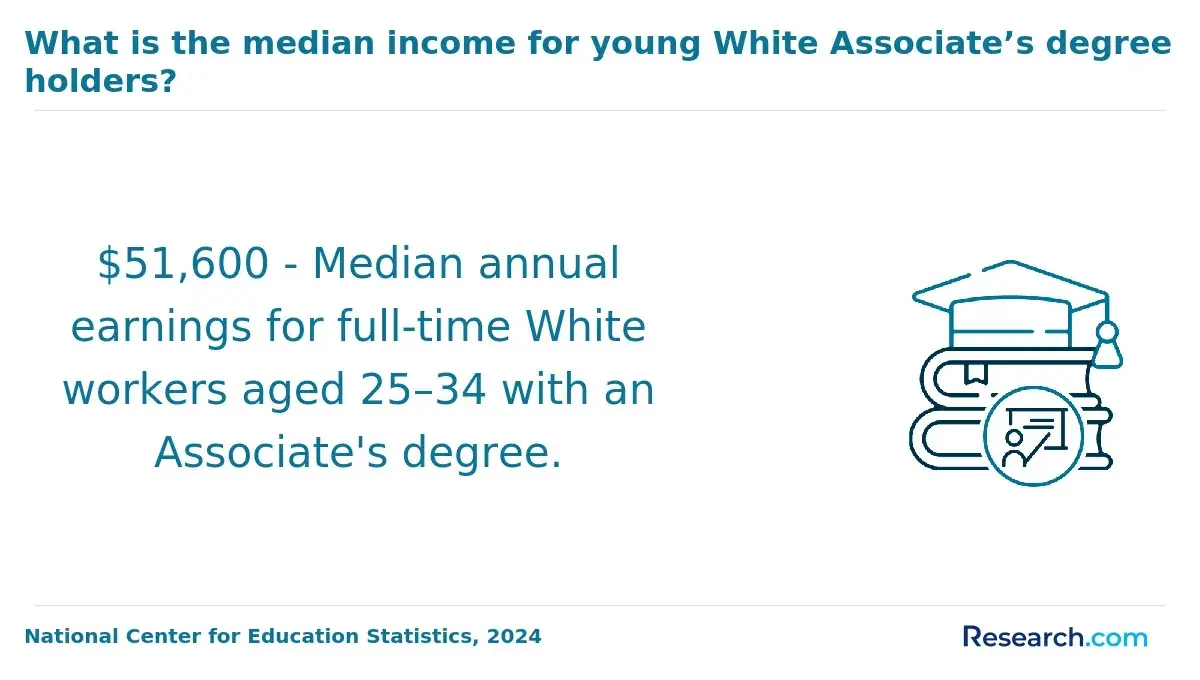
Educational requirements for community health worker roles vary significantly according to job function and employer expectations. Entry-level positions generally require a high school diploma plus short-term training, while community health education requirements for program coordinators often include at least an associate or bachelor's degree in community health, public health, or closely related fields. For example, a public health educator in a municipal setting typically needs a bachelor's degree to design and execute effective outreach programs.
At a more advanced level, epidemiologists engaged in community health require a master's degree to perform complex data analysis and guide preventive health strategies. This advanced education corresponds to higher wage premiums-the U.S. Bureau of Labor Statistics notes a median salary of $83,980 for epidemiologists versus $49,500 for the general workforce. This gap illustrates employers' preference for specialized degrees that support analytical roles critical to disease monitoring and intervention design.
Practical workforce implications emerge around cost versus expertise. Smaller community health centers may prioritize quicker credentialing with bachelor's-level hires, while larger organizations invest in graduates with advanced skills to lead research or grant-funded initiatives. Candidates should consider prerequisites such as biostatistics, policy analysis, and health behavior theories as foundational to align with real employer demands in these roles.
Certifications like the Certified Health Education Specialist (CHES) supplement but do not replace formal degrees. For those exploring flexible educational pathways, options include affordable RN to BSN online programs that can bridge certain workforce entry barriers while building foundational knowledge for community health worker roles.
How do online community health programs compare with campus options for specialization choices?
The value of different educational pathways in community health largely hinges on practical training and employer recognition rather than mere curriculum breadth. Campus-based programs maintain an advantage through integrated supervised fieldwork and local internships crucial for licensure and effective client engagement, especially in behavioral and mental health roles. For example, graduates from campus programs often find smoother transitions into employment due to established community college partnerships and hands-on experience recognized by local employers.
In contrast, online community health programs offer flexibility and access to specialized topics such as rural health and epidemiology but struggle to consistently provide quality clinical placements. This gap can delay certification or job placement because employers require verifiable practicum hours under direct supervision, which online networks may inadequately support. Selecting programs-online or campus-that guarantee structured clinical experiences and community connections aligns directly with employment outcomes and long-term career viability within increasingly complex community health ecosystems.
What core courses and skills are included in community health specialization curricula?
Curricula in community health increasingly reflect employer demands by emphasizing data-driven decision-making alongside practical skills. Graduates with solid training in biostatistics, epidemiology, and health informatics-particularly knowledge of electronic health records and data privacy-are positioned to fill the 900,000+ new jobs in the U.S. health care and social assistance sector, especially in data- and analytics-focused roles. However, an overly narrow emphasis on informatics may limit opportunities in policy or education roles where broader social science understanding is essential.
Programs that integrate hands-on skills like grant writing, program planning, and community needs assessment provide graduates with versatile tools for both rural clinics and urban health initiatives. Courses highlighting cultural competency and social determinants of health help tailor interventions effectively in diverse populations. Employers also expect proficiency with quantitative tools such as SAS or R, reinforcing the technical aptitude needed for outbreak response or grant proposal adaptations.
Students must navigate tradeoffs between technical specialization and a wider grasp of regulatory frameworks and ethics, as compliance and responsible data use underpin workforce expectations. Internships combining analytics with direct community engagement enhance adaptability across contexts. Aligning coursework with targeted employers-governmental or private-shapes employability prospects. This pragmatic balance between analytic rigor and community-centered application often determines long-term career flexibility.
Which accredited U.S. schools offer strong community health specializations tied to local programs?
Choosing a community health program requires weighing institutional focus against real-world employability and program relevance. Johns Hopkins, University of Michigan, and UNC-Chapel Hill notably align their curricula with local needs, integrating applied public health skills and partnerships that strengthen graduate readiness for prevention, education, and resource coordination roles.
Johns Hopkins' Bloomberg School of Public Health frames community health specialization around policy analysis and fieldwork tailored for underserved urban and rural populations, addressing workforce shortages through scalable interventions. Meanwhile, Michigan's approach emphasizes community-based participatory research directly linked to chronic disease management and health promotion, matching employer demand for culturally competent outreach and multi-stakeholder collaboration. UNC-Chapel Hill extends core training with rural health outreach focused on gaps similar to areas like India, where shortages exceed 79% for specialist doctors.
Tradeoffs include balancing the higher tuition at research-intensive institutions against the practical advantage of embedded local partnerships that facilitate job placement. For those targeting rapid integration into underserved settings, programs emphasizing clinical ties and program evaluation are essential to navigate workforce constraints and funding challenges effectively.
What are typical salaries and advancement paths for different community health specializations?
Salary trajectories in community health vary widely depending on role, education, and location, with clear differentiation between entry-level and specialized positions. Entry-level workers in public health agencies typically earn $35,000 to $45,000 annually, but persistent staffing shortages-such as Minnesota's report of nearly 30% vacancy in generalist roles-create leverage for better compensation. Advancing to specialized roles like epidemiologist or health educator usually requires at least a bachelor's degree and offers starting salaries from $55,000 to $70,000, reflecting demand particularly in public health and nonprofit sectors.
Mid-career opportunities, such as program management or policy analysis, generally require a master's degree and provide salaries ranging from $70,000 to $95,000. Those combining field experience with skills like data analytics or grant writing progress more quickly, often reaching supervisory roles within three to five years, whereas those focusing solely on outreach may advance more slowly without added credentials.
A practical example includes urban community health specialists who increase earnings by about 15% over two years by gaining a healthcare administration certificate and moving into city program coordination. Rural and tribal health professionals may start lower but benefit from retention incentives and unique local advancement paths.
Tradeoffs for learners hinge on balancing immediate employability with the costs of graduate education. Employers prioritize candidates with a mix of practical experience and formal credentials, and targeted training or certification can accelerate growth amid ongoing workforce shortages.
What certifications or licenses are needed for major community health and outreach roles?
Certification and licensure in community health work are not interchangeable but strategically aligned with specific roles and regulatory demands. For example, CHWs typically face state-level certification to ensure baseline competencies in outreach and public health ethics. However, employers increasingly expect credentials like Certified Health Education Specialist (CHES) or Certified Public Health (CPH) for roles involving clinical or educational responsibilities, providing clearer accountability and professional standards.
Licensure requirements amplify in complexity for case managers or outreach coordinators embedded in clinical or social work settings, where credentials such as RN or LMSW govern scope of practice and liability. Behavioral health outreach often mandates licensed clinical social work credentials reflecting higher clinical engagement, signaling that credential selection directly influences employability and legal practice boundaries.
Community colleges provide over half of healthcare training programs, mainly certifying entry-level practitioners. Yet, these certifications alone rarely secure employment without supervised field experience, which varies significantly across states and can become a gating factor affecting workforce entry.
Key considerations for candidates involve weighing the cost and flexibility of community college training against broader acceptance by regulators and funding bodies. Selecting accredited programs aligned with employer expectations improves cross-sector mobility in public health agencies, nonprofits, and healthcare providers.
How can you choose the right community health specialization for your target community program role?
Choosing a community health specialization requires aligning program roles with concrete workforce shortages and employer priorities. The U.S. Health Resources and Services Administration predicts deficits in 36 of 44 key health occupations by 2036, notably in epidemiology, health education, and program management serving underserved populations. This means selecting a specialization without this alignment risks graduating into saturated job markets or roles lacking clear advancement pathways.
For instance, rural community health worker positions demand training in culturally competent communication and navigation of local resources, contrasting with population health analysts who require strong quantitative and health informatics expertise. Understanding these distinctions is critical for meeting employer credentialing standards and optimizing time-to-competency.
Career trajectory tradeoffs also matter: technical specializations tied to data offer faster upward mobility, while roles focused on health promotion may plateau without advanced degrees. Geographic factors influence demand and compensation, with urban and rural contexts shaping specialization viability differently. Balancing these complex variables guides more strategic educational investments and program choices focused on employability and sustainable careers.
Other Things You Should Know About Community Health
Fieldwork experience outweighs formal education credentials in many community health roles, especially for frontline positions. Employers prioritize candidates with proven ability to navigate diverse community dynamics and apply theoretical knowledge in real-world settings. When choosing specializations or programs, prioritize those with structured, supervised practicum components, as they directly improve job readiness and often determine early-career employment success.
Most 2027 community health specializations require a supervised practicum of 150 to 300 hours in a public health agency, nonprofit, or clinic. Students usually complete a learning plan, site supervisor evaluations, and a final competency review tied to outreach, case coordination, and program delivery.
Entry-level roles emphasize direct community interaction, data collection, and adherence to established protocols, with less responsibility for program design. Supervisory roles require leadership, grant management, and strategic planning capabilities. Transitioning professionals must invest in gaining experience with budgeting, staff coordination, and outcome evaluation to meet employer expectations for advancement beyond frontline duties.
References
- How to Choose a Program https://www.publichealth.org/resources/choosing-a-program/
- The Major Distinctions Between Certified Health Education Specialists and Community Health Workers https://www.nchec.org/news/posts/ches-vs-community-health-workers
- Community Health Career - Public Health https://www.publichealthonline.org/community-health-career/
- How to Become a Community Health Nurse https://www.allnursingschools.com/specialties/community-health-nurse/
- Education requirements for the fastest-growing healthcare jobs https://www.corridorcareers.com/job-tips/blog-news-education-requirements-fastest-growing-healthcare-jobs
- Community Health Worker https://ace.edu/student-success/career-guides/community-health-worker/
- Social Work and Public Health â Perfect Partners https://www.socialworktoday.com/archive/011909p28.shtml
- Top 25 Online MPH Community Health Degree Programs - MPH Online https://www.mphonline.org/best-online-mph-community-health/
- List of Accredited Schools and Programs - Council on Education for Public Health https://ceph.org/about/org-info/who-we-accredit/accredited/
- Online Bachelor’s Degree in Community Health and Wellness https://www.monroeu.edu/academics/undergraduate-programs/school-allied-health-professions/online-bachelors-degree-community