2027 Community Health Careers That Reward Strong Communication Skills

Co-Founder and Chief Data Scientist
Frontline community health professionals frequently confront urgent communication challenges that directly impact patient outcomes-whether navigating language barriers, clarifying complex care plans, or coordinating across multidisciplinary teams under time constraints. The ability to convey information clearly is not optional but vital to preventing medical errors and ensuring equity in care delivery. Evidence from the National Center for Education Statistics shows a 15% increase in adult learners enrolling in flexible, online health programs since 2023, reflecting a broader workforce shift toward accessible skill-building that accommodates job demands without sacrificing career progression. This trend shapes how candidates balance education with immediate employment needs.
This article identifies high-impact community health career paths that emphasize strong communication skills and evaluates how evolving educational models affect accessibility, skill relevance, and advancement opportunities for professionals addressing these real-world challenges.
Key Things You Should Know
- National Center for Health Workforce Analysis data shows communication-intensive roles in community health grew 22% from 2019-2024, pressuring candidates to prioritize interpersonal skill certifications over purely clinical credentials, which can delay direct practice entry.
- Employers report 68% of successful hires in community health roles value demonstrated emotional intelligence more than formal degrees, shifting recruitment toward experience-based communication assessments versus traditional academic benchmarks.
- Programs with embedded communication skills training require 25% more instructional hours, raising tuition costs and extending time-to-credential completion by 3-6 months, affecting mid-career professionals' opportunity cost calculus.
What are the most common community health careers that rely on strong communication skills?
Effective communication is a defining requirement in many roles within community health careers requiring effective communication, profoundly influencing career feasibility and impact. Community health workers, health educators, and patient navigators each rely on nuanced communication strategies tailored to complex, real-world settings. For instance, community health workers bridge healthcare providers and underserved populations by translating medical jargon into accessible language while navigating cultural sensitivities and socioeconomic challenges. This role, with an 11% projected employment growth from 2024 to 2034 and a median wage of $51,030, demands both verbal clarity and empathetic listening to foster trust.
Health educators deploy persuasive communication to develop programs that resonate with diverse age groups and literacy levels. The absence of precise message adaptation risks diluting program effectiveness and squandering resources, emphasizing why training in communication is non-negotiable in common roles in community health with strong communication skills.
Patient navigators alleviate system-induced confusion by clearly explaining insurance details, appointments, and specialized care, often under tight time constraints. The ability to communicate empathically affects patient adherence and overall health outcomes directly.
Transitioning into these sectors requires candidates to assess their comfort with face-to-face interaction and the emotional labor involved, balancing foundational health knowledge with cultural competency and conflict resolution skills. Ignoring these demands can stall professional progress since both verbal and nonverbal cues orchestrate patient engagement and program success.
Those pursuing growth in community health roles often explore targeted education paths, including health information management online programs, which blend operational skills with communication proficiency to address evolving employer expectations.
What does a community health professional do and where do they typically work?
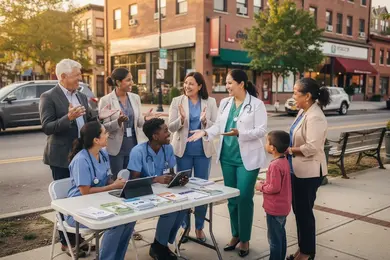
A community health professional job responsibilities in the United States often entail navigating complex logistical challenges while delivering tailored health education to diverse populations. In rural settings with limited healthcare access, practitioners must adapt communication methods to overcome language barriers and cultural differences, ensuring that medical guidance translates into effective behavioral change. This role demands not only strong interpersonal skills but also the capacity to work irregular hours to engage the community during events.
Typical workplaces for community health specialists in the US span public health departments, nonprofit organizations, hospitals, schools, government agencies, corporate wellness programs, and federally qualified health centers. Each setting requires distinct strategies: clinical environments focus on collaboration with healthcare providers to produce accessible patient materials, while schools emphasize interactive workshops for youth and families.
The U.S. Bureau of Labor Statistics reports a median wage of $63,960 for health education specialists as of May 2024, with combined job openings for health education specialists and community health workers projected at approximately 7,800 annually through 2034. This sustained demand reflects ongoing public health needs but also means candidates should prepare for funding instability and program continuity issues common in this sector.
To improve long-term employability, aspiring professionals should pursue credentials that emphasize evidence-based communication and population health analytics. These skills often differentiate candidates in competitive hiring processes, especially when paired with practical experience. For those evaluating educational pathways, assessing options such as a health administration degree online can offer flexible access to foundational knowledge relevant to managing community health initiatives effectively.
What education and training are required to start a career in community health?
The practical realities of obtaining community health education and training requirements extend beyond acquiring a degree; employers demand measurable communication skills integrated with public health expertise. Most roles require a bachelor's degree in public health, health education, or related fields, yet many positions favor candidates with master's degrees or specialized certifications that address communication competency. For example, public health communication specialists must convey complex information clearly to diverse populations, a skill typically refined through targeted coursework and direct field experience.
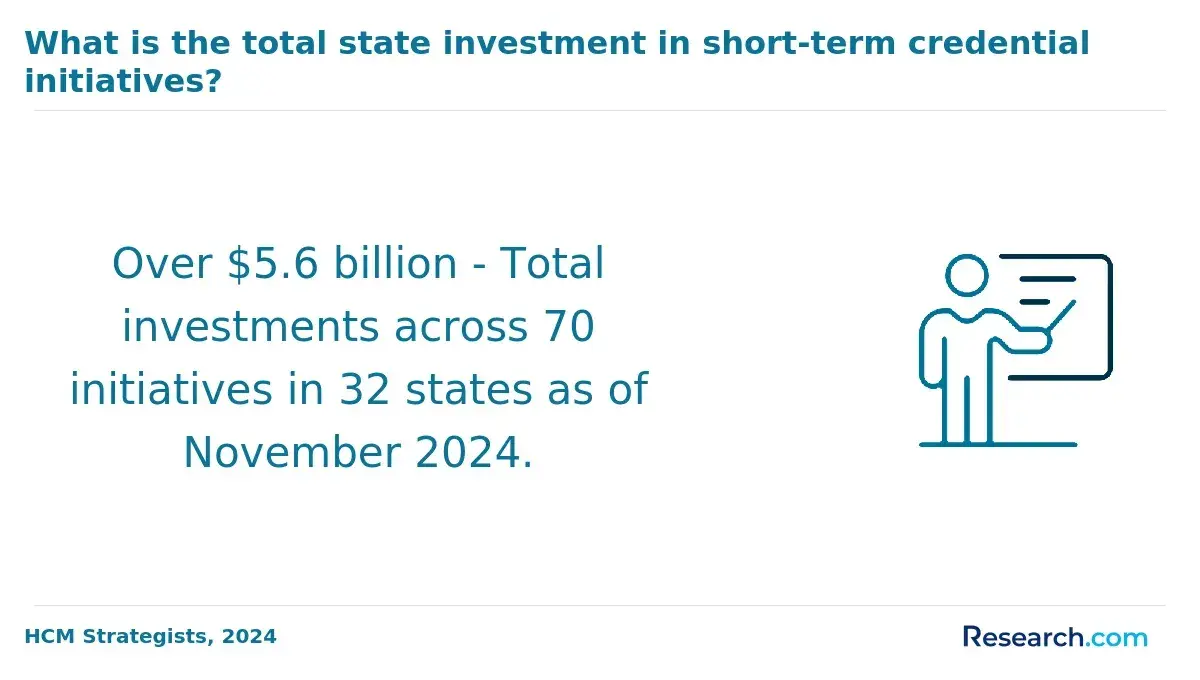
Employer demand has outpaced formal training availability, with only 36% of Canadian public health professional development opportunities in 2024 addressing communication skills directly. This shortfall complicates recruitment, compelling applicants to seek supplementary credentials or workshops, especially in public health messaging and media engagement. U.S.-based workers often complete state-approved certification programs post-degree that evaluate communication skills specific to local health priorities.
Those exploring how to become a community health worker should weigh practical skill acquisition against time and financial investments. Graduate-level education with a communication focus offers analytic and presentation tools essential for policy influence, but not all applicants can pursue this path. Demonstrable experience through case studies or community projects may substitute formal training to meet employer expectations within a competitive labor market.
Prospective students considering alternative entry points or career pivots could explore online ABSN programs for non nurses, which can offer relevant health education frameworks useful for some community health roles.
How do online community health degree programs compare to campus-based options?
Online community health degree programs offer theoretical knowledge comparable to campus-based learning but fall short in cultivating hands-on communication skills essential for most entry-level roles. According to a 2023 Frontiers in Public Health study, 92.33% of these jobs require strong oral and written communication, while 85.21% emphasize health education competencies-skills typically developed through campus experiences involving in-person practicums and live teamwork. These real-time interactions foster proficiency in public speaking, group facilitation, and interagency collaboration, which online formats rarely replicate fully.
The benefits of campus versus online community health education options hinge largely on the mode of training delivery and networking opportunities. Campus environments naturally support spontaneous mentorship and collaborative projects, strengthening soft skills that employers prioritize. By contrast, online programs demand a proactive approach to securing local internships or practical fieldwork, placing heavier responsibility on students to gain applied experience and avoid the risk of underdeveloped communication abilities.
Students seeking online pathways should carefully match their learning style with local access to practicums, as insufficient communication training can limit eligibility for the majority of roles. When supplemented by structured synchronous group activities and field engagement, online programs can align closely with campus outcomes, though this requires significant self-discipline.
For practical cost comparisons when exploring healthcare education pathways, the cheapest RN-BSN online program information can serve as a resource relevant to assessing affordability alongside educational format decisions.
What courses and skills in community health programs build strong communication abilities?
Educational programs that emphasize communication in community health must address a significant operational challenge: over 60% of patients report difficulty understanding medical information, directly affecting treatment outcomes and care coordination. This reality demands professionals who can customize messaging to varied literacy levels while navigating cultural and emotional factors.
Core curriculum elements focus on practical skills essential for real-world roles:
- Translating clinical terminology into accessible language for diverse patient populations.
- Managing cultural and ethical barriers that influence patient engagement.
- Applying behavioral counseling techniques such as motivational interviewing to enhance adherence.
- Coordinating care teams and ensuring clarity in multi-provider communications.
For example, oncology care coordinators must repeatedly adapt explanations of complex treatment plans, balancing medical accuracy with patient comprehension and emotional support. Failure to tailor communication can lead to delayed treatments and poorer health outcomes.
Employers seek candidates who demonstrate quantifiable communication success, including improved appointment adherence and lower readmission rates. Programs integrating simulated patient interactions and community placements tend to produce graduates better prepared for these expectations.
Striking the right balance between technical knowledge and interpersonal proficiency requires sustained interdisciplinary training and feedback. This balance often differentiates effective community health professionals from those who face challenges in patient education and engagement.
How can students verify accreditation and program quality for community health degrees?
Accreditation status profoundly influences employability and financial aid access for community health degrees, affecting real-world career trajectories more than nominal program rankings. Regional accreditation by recognized agencies like the Higher Learning Commission or WASC assures baseline academic standards, while specialized accreditation-such as from the Council on Education for Public Health (CEPH)-indicates targeted competencies valuable in health promotion employment. For example, a graduate from a CEPH-accredited public health concentration is more likely to meet employer criteria for behavior-change communication roles than one from an unaccredited program.
Outcome data like graduation rates, job placement metrics, and internship partnerships offer critical insight beyond accreditation alone. Programs embedded within local health agencies or nonprofits typically provide practical internships that enhance communication skills needed in health promotion campaigns, aligning well with market demands forecasted to grow at about 12-13% annually through 2030.
Key evaluation steps include:
- Verifying accreditation status on official accreditor websites, including any sanctions.
- Requesting employment outcomes and internship placement details directly from schools.
- Comparing curricula for emphasis on applied communication and multicultural competence.
- Seeking feedback from regional public health departments or associations on program reputation.
Students must carefully balance cost and delivery format with quality. Lower-cost or nonaccredited programs often lack employer recognition and exclude students from federal financial aid and certification eligibility, limiting long-term career mobility in a field responding to increasing public wellness initiatives.
What are the admission requirements, program length, and typical costs for community health degrees?
Choosing a community health degree program involves weighing practical constraints against workforce expectations. For example, selective bachelor's programs require a minimum GPA of 2.5 to 3.0 and often consider standardized test scores or relevant volunteer work, reflecting employer demand for candidates with foundational knowledge and demonstrated initiative. By contrast, graduate certificates and associate degrees typically prioritize pertinent work experience or prior coursework, offering faster entry routes but potentially narrower career options.
Program duration directly impacts career timing and earning potential. Associate degrees take about two years and tend to prepare students for entry-level roles such as outreach aides, where hands-on skills matter more than advanced theory. Bachelor's degrees, usually four years, develop stronger analytical and communication abilities, which align with positions requiring greater community engagement and program coordination. Master's degrees-lasting one to two years-focus on public health messaging in clinical and community contexts, a skill increasingly valued in today's health systems.
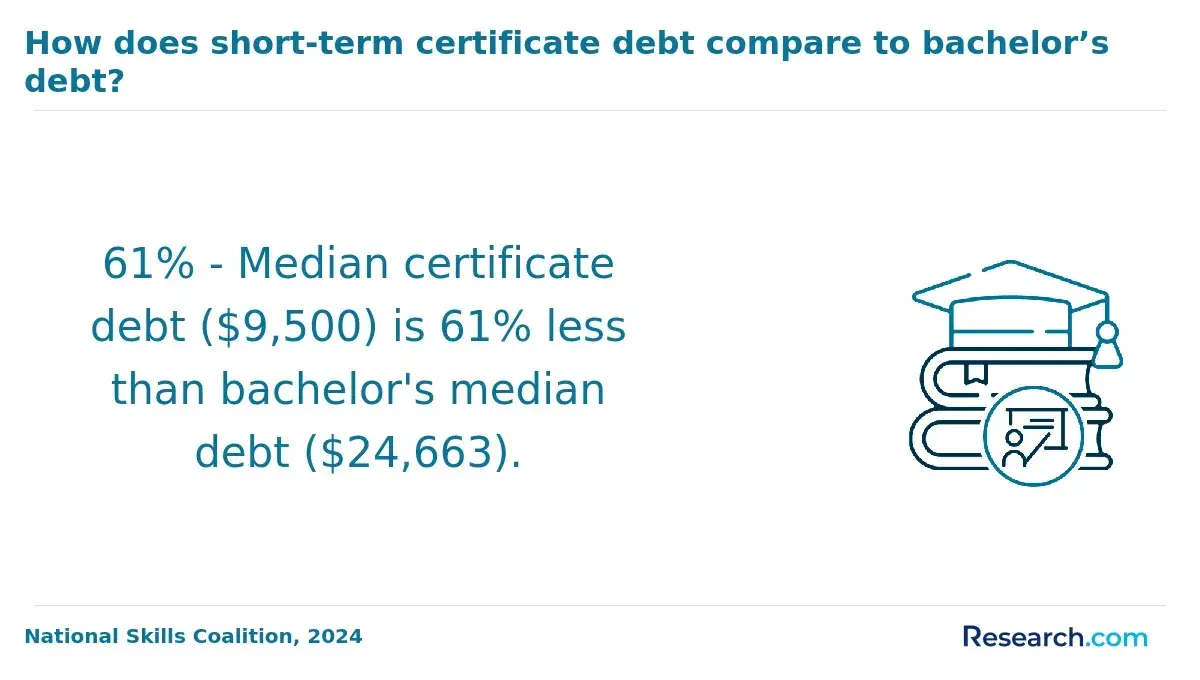
Cost considerations often shape pathway decisions. Annual tuition for public in-state associate programs ranges from $6,000 to $10,000, bachelor's degrees from $10,000 to $25,000, while graduate credentials may total $15,000 to $40,000. Additional fees and living expenses inflate these figures by 10-20%. Employer tuition support can ease financial burdens but usually entails service commitments.
Real-world hiring emphasizes candidates trained to navigate emotional barriers and low health literacy, factors shown by a 2023 Frontiers in Public Health study to significantly hinder effective healthcare communication. Programs integrating community internships with theory enhance readiness for these challenges, aligning graduates with workforce realities.
What entry-level and advanced job roles can community health graduates pursue?
Entry-level roles for community health graduates, such as health education coordinators or outreach specialists, require not just foundational knowledge but a capacity to convey complex health information with cultural competence. This skill set aligns directly with workforce data showing that over 70% of public health professionals identify gaps in health literacy and risk communication. Real-world accountability means graduates must convert technical data into user-friendly guidance that drives measurable outcomes, like improved patient adherence.
Advanced positions-health literacy specialists or public health program managers-demand strategic communication interventions tailored to specific populations. For instance, a health literacy specialist in a hospital might design discharge instructions that demonstrably reduce readmissions, linking communication effectiveness to financial and clinical performance metrics.
Graduates face a tradeoff: broad engagement roles at entry level versus specialized positions requiring advanced skills, certifications, or graduate training. Employers favor candidates who can show quantifiable impacts, pushing students to pursue internships or practicums with clear communication success metrics.
Key employability drivers include mastery of risk communication and the ability to adapt messaging across sectors like government, nonprofits, and healthcare. This focus on evidence-based communication outcomes is crucial for navigating both the practical realities and the evolving demands of community health roles.
What salary ranges and benefits can community health professionals expect in the United States?
Community health roles in the United States present a complex value proposition for candidates weighing salary against benefits and career trajectory. Typical annual wages range from $40,000 to $65,000, yet government and nonprofit employers often offer lower salaries supplemented by health insurance, retirement plans, paid leave, and professional development, which can significantly impact total compensation. For example, a community outreach specialist working within a large metropolitan health department could earn around $50,000 annually with comprehensive benefits, whereas a nonprofit outreach coordinator in a smaller city might make $44,000 but face constrained leave policies.
Tradeoffs emerge between private-sector positions that may offer higher base pay but less robust benefits and public-sector roles with greater job security and wellness programs. Geographic cost of living further complicates these decisions, particularly when targeting high-need urban areas like New York City, where demand for outreach workers remains strong, as documented in the 2025 NYC Community Health Worker at Scale report projecting a need for 10,000 such workers.
Advancement beyond entry-level roles requires investing in additional certifications or public health education, potentially increasing earning power by up to 20% over five years. Employers prioritize measurable community impact and communication skills; insufficient performance limits wage growth even with tenure. Candidates must carefully align educational pathways and employment sectors with practical workforce dynamics to manage long-term career viability.
What certifications or licenses strengthen career prospects in community health fields?
Certifications such as Certified Health Education Specialist (CHES) or Certified Public Health (CPH) serve as practical evidence of skills that employers value in community health roles, particularly those involving health communication and program oversight. For instance, a health communications manager in a public agency managing pandemic outreach campaigns must exhibit proficiency with digital messaging platforms, a competence closely aligned with these certifications. Post-COVID shifts intensified organizational investment in digital and social media capabilities; a majority of health communication professionals have seen this trend in action, increasing demand for credentials reflecting digital fluency.
Clinical licenses like Registered Nurse (RN) or Licensed Clinical Social Worker (LCSW) still play a vital role by fostering understanding of patient care and social determinants of health, which improves communication across diverse populations. However, these licenses require more extensive education and clinical hours, extending the timeline before workforce entry compared to communication-focused certifications. This creates a tradeoff between depth of clinical knowledge and faster credentials relevant to communication strategy.
Choosing the right credential depends heavily on career trajectory:
- Managerial paths in public agencies lean toward certifications emphasizing project management and media analytics.
- Frontline educators and advocates prioritize community engagement and cultural competency certificates.
- Emerging workforce demands emphasize digital communication skills to manage online patient engagement and counter misinformation.
Employers favor candidates demonstrating both communication expertise and command of evolving digital tools, reflecting a workforce shaped by recent studies such as the 2023 de Beaumont Foundation's Health Communications Workforce report.
Other Things You Should Know About Community Health
The workload often extends beyond standard office hours due to community outreach, education events, and crisis response activities. Professionals must balance administrative duties, data collection, and direct engagement, which requires time management and adaptability. Candidates should prioritize programs that include supervised fieldwork to prepare for this multifaceted demand effectively.
Nonprofit roles typically offer greater flexibility in program focus and innovation but may have less stable funding and lower salaries. Government positions provide more structured environments with consistent benefits but often involve bureaucratic constraints that limit creative communication approaches. Choosing between them should consider one's tolerance for job security versus impact agility.
Employers assess communication skills through practical evidence such as community engagement experience, translated outreach materials, and teamwork in diverse settings. Passive qualifications like coursework carry less weight compared to measurable impact shown in internships or prior roles. Applicants should seek programs or opportunities that emphasize measurable communication outcomes to meet employer expectations.
In 2027, community health professionals can leverage strong communication skills by facilitating clear interactions between healthcare providers and patients, leading community outreach programs tailored to diverse populations, and advocating for patients effectively. These roles enhance patient care and foster trust and understanding within communities.
References
- Community Health Career - Public Health https://www.publichealthonline.org/community-health-career/
- Essential Communication Skills in Health and Social Care (With Real-World Examples) https://nextgenlearning.org.uk/essential-communication-skills-health-social-care/
- Careers https://www.publichealthdegrees.org/careers/
- Public Health - INTERNATIONAL EUROPEAN UNIVERSITY, POLAND | EUROPE | STUDY IN POLAND | STUDY IN EUROPE | MBBS | GENERAL MEDICINE | BUSINESS | ENGINEERING | IT | EUROPE https://ieu.com.pl/european-medical-school-main/public-health/
- Community Health Worker https://ace.edu/student-success/career-guides/community-health-worker/
- NACHC Salary & Benefits Report - NACHC https://www.nachc.org/membership/nachc-salary-benefits-report/
- Health Communication Specialist - NVHealthForce https://www.nvhealthforce.org/jobs/health-communication-specialist/
- Top 10 Online Bachelor’s Degree Public Health Programs https://www.masterspublichealth.net/best/online-bachelors-public-health/
- Become a Community Health Worker | Career FAQs https://www.careerfaqs.com.au/careers/how-to-become/how-to-become-a-community-health-worker
- Career Paths for MPH Graduates: Top Job Roles in Public Health https://www.unicaf.org/career-paths-for-mph-graduates-top-job-roles-in-public-health/