2027 Best Online Community Health Degrees for Population Health Support Careers

Co-Founder and Chief Data Scientist
Facing the challenge of balancing full-time work, family commitments, and advancing a career in community health, many prospective students struggle to find degree programs that match their schedules without sacrificing quality. Enrollment data from the National Center for Education Statistics shows a 15% rise in adult learners choosing online health-related degrees since 2022, signaling a shift toward flexible, accessible education pathways. This change reflects growing demand for programs that accommodate working professionals aiming to enter or progress in population health support roles without disrupting existing responsibilities. This article identifies top-tier online community health degrees optimized for realistic career advancement and student flexibility.
Key Things You Should Know
- Employment growth for community health workers is projected at 12% through 2030 by the U.S. Bureau of Labor Statistics, prompting an emphasis on degrees integrating data analytics despite an average program cost 15% above related public health tracks.
- Employers prioritize candidates with practical experience in social determinants of health; programs lacking embedded fieldwork report 22% lower graduate hire rates, spotlighting a tradeoff between purely online formats and workforce readiness.
- Accelerated online degrees shorten time-to-completion by 30%, addressing workforce shortages but often sacrifice comprehensive curriculum depth, limiting preparation for advanced certification and leadership roles shown in 2024 Council on Education for Public Health data.
What is an online community health degree and how does it prepare you for population health careers?
Choosing an online community health degree requires weighing practical tradeoffs between flexible learning formats and the demands of synchronous coursework plus fieldwork. Graduates emerge with skills in health education, program planning, and quantitative analysis essential for supporting population health initiatives. For example, such programs prepare graduates to coordinate vaccination campaigns in underserved urban neighborhoods or to implement chronic disease prevention programs in rural areas, addressing varied needs across public health agencies, nonprofits, and healthcare systems. This targeted preparation aligns with employer expectations for professionals who can bridge community engagement with data-driven decision-making.
The program structure often integrates remote internships or service learning to simulate real-world challenges, reinforcing competencies in navigating complex healthcare ecosystems. This emphasis on applied experience complements theoretical coursework and cultivates fluency in epidemiological data analysis, a critical asset as healthcare increasingly emphasizes value-based care. Students considering this path should carefully evaluate how an online community health program prepares for population health support roles, especially in balancing work commitments with field requirements.
Employment projections indicate steady growth, with a 7% increase for community health workers through 2033. However, advancing beyond entry-level positions may require additional credentials or domain-specific experience. Prospective students must assess program accreditation and local partnerships, which can influence hiring outcomes significantly. Given this career context, familiarity with the health information management job description and salary is also advisable to understand adjacent workforce opportunities.
Which types of online community health degrees are available, and which level is best for my goals?
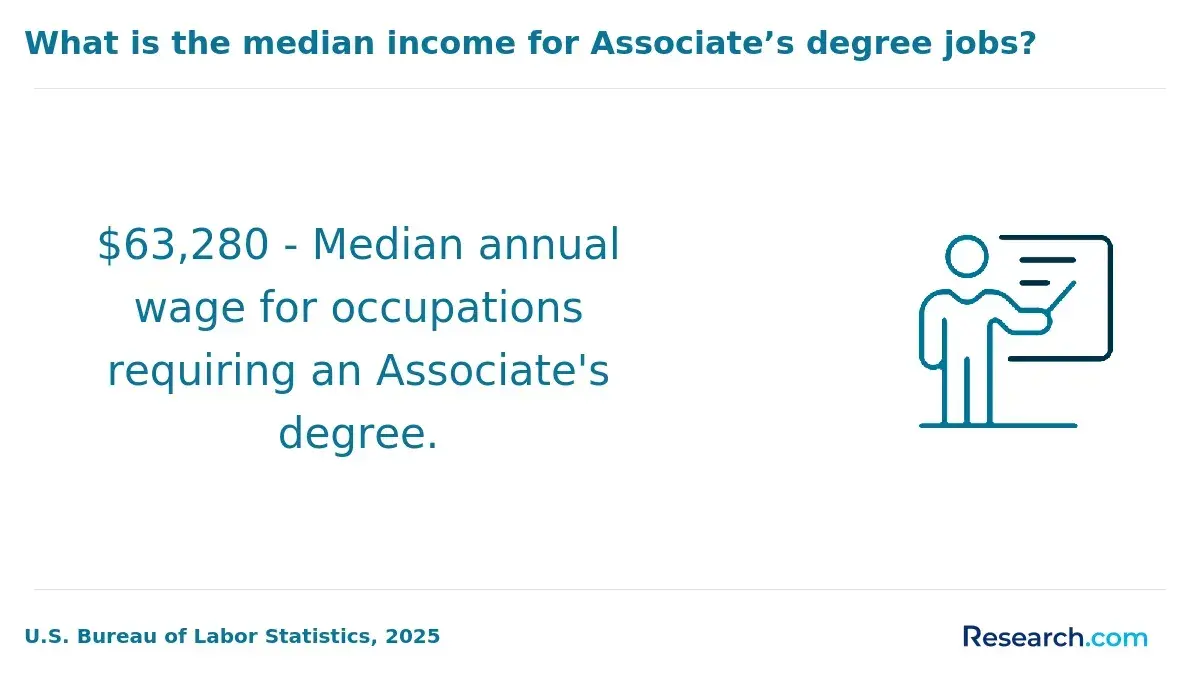
Selecting the optimal level within online community health degree programs hinges on distinct tradeoffs between time investment, employability, and career trajectory. Certificate programs offer quick entry and foundational knowledge but often cap upward mobility and earning potential. Associate degrees may enable basic community health roles, yet employers increasingly expect bachelor's credentials for positions requiring data management, program design, or leadership within community health careers.
A bachelor's degree offers the most practical balance for professionals aiming to pivot or advance. It equips graduates with competencies in epidemiology, health communication, and systems management that align with employer demand for data literacy and cross-sector collaboration. For example, a public health assistant transitioning to a project coordinator role typically needs a bachelor's degree to meet job expectations that certificates or associate degrees fall short of fulfilling. According to the U.S. Bureau of Labor Statistics, community health workers have a median annual wage of $51,030, with higher wages frequently tied to advanced degrees or specialized skills.
Master's degrees focus on leadership, strategic planning, and population health research, requirements for top-tier government or nonprofit positions. Their length and cost demand clear long-term career ambition. Decision-makers should weigh immediate employability against long-term growth.
Those seeking accelerated credentials might also consider options like a fast online master's in healthcare management to complement their community health degree. This aligns with the broader landscape of best degree levels for community health careers, balancing practical realities with upward mobility considerations.
How do I compare accredited online community health programs and verify a school's accreditation status?
Accreditation affects more than eligibility for federal aid-it directly shapes workforce readiness and long-term career viability in community health. Confirming a program's institutional accreditation via the U.S. Department of Education or the Council for Higher Education Accreditation is foundational, but programmatic recognition such as the Council on Education for Public Health (CEPH) is essential for industry-specific credibility. Employers in clinical and public health agencies increasingly prioritize graduates from programs demonstrating rigorous data analytics, health policy, and social determinants of health training.
When comparing accredited online community health degree programs, scrutinize outcomes like graduation rates and employment within six months post-graduation in relevant roles. For example, a 90% employment rate in population health support reflects strong workforce integration, which directly influences practical return on investment. Tradeoffs often occur between program flexibility and practicum intensity; working professionals must assess whether virtual internship support or local healthcare partnerships align with their career strategy.
The U.S. Bureau of Labor Statistics reports a median annual wage of $83,090 for medical and health services managers, illustrating the importance of selecting programs that enable certification or licensure tied to such pay scales. Evaluating how a program supports these outcomes is critical for strategic career pivots or advancement in this sector.
For those exploring educational costs and planning, affordable options for a MHA degree can be particularly relevant.
Clear verification of accreditation for online community health schools minimizes risk and ensures alignment with evolving employer expectations and regulatory standards.
What is the typical curriculum in an online community health program and what skills will I gain?
An online community health program curriculum grounded in applied public health disciplines demands more than theoretical study; it expects practical mastery in epidemiology, biostatistics, health behavior, environmental health, and health policy. Graduates must complete hands-on practicum or capstone projects involving real-world data analysis or intervention strategies for tangible population impact. This approach builds essential skills in program evaluation, grant writing, and strategic communication, all critical for operational success in diverse workplaces.
Key skills gained from community health degrees online include proficiency in both quantitative and qualitative research methods-tools that help professionals allocate resources effectively and design outreach tailored to vulnerable populations. For example, local health departments rely on such expertise to address health disparities and optimize service delivery amidst shifting budgets. Additionally, health informatics components prepare students for technical roles involving electronic health record systems and data-driven decision-making.
Employers increasingly demand leadership capacities in cross-sector partnerships and policy advocacy, cultivated through coursework emphasizing community engagement and systems thinking. Understanding how legislation influences public health funding is vital for those aiming to drive equity-focused initiatives.
The University of Oklahoma's online MPH in Community and Population Health aligns with a labor market projecting 1.9 million annual openings across healthcare and public health, reflecting both growth and replacement hiring. Navigating this landscape means weighing programs that stress applied analytics and strategic leadership versus more theoretical tracks, as this choice impacts long-term career mobility and employability. Those with nursing backgrounds might explore BSN to MSN programs to complement community health competencies.
How do online community health programs differ from on-campus options in format, flexibility, and learning experience?
Choosing between online and on-campus community health programs involves tradeoffs that influence a student's capacity to engage, network, and meet employer expectations. Online formats prioritize flexibility with asynchronous coursework paired with some live sessions, enabling those juggling professional or caregiving responsibilities to study without relocation or rigid schedules. This model suits someone working full-time in a nonprofit who needs to adapt learning around unpredictable hours.
However, online students face challenges securing local practicum placements independently, unlike on-campus peers who typically gain coordinated access to field sites. The limited spontaneous interaction inherent to virtual platforms can also reduce the depth of peer collaboration and mentorship opportunities usually found in person. Employers often recognize accredited credentials regardless of delivery mode but weigh proven practical experience heavily, making local practicum success and demonstrated competencies decisive.
Cost is a key factor: Boston University's online MPH shows a total tuition near $25,000, potentially lower than on-campus alternatives once commuting and housing expenses are considered. Yet, this financial advantage may come at the expense of reduced access to campus facilities and career services. Graduates targeting government agencies or organizations valuing flexible workloads typically benefit from online study, whereas those aiming for academic or institutional positions may gain more from the networking advantages of on-site programs.
What are the admission requirements and application materials for online community health degrees?
Admission requirements for online community health degrees often filter candidates by their demonstrated ability to translate academic achievements into practical, workforce-ready skills. A bachelor's degree from an accredited institution-typically aligned with health sciences-and a minimum GPA around 3.0 serve as baseline metrics. Employers and admissions committees prioritize applicants who can substantiate relevant community or public health experience, usually documented through a detailed résumé. This emphasis on real-world exposure reflects the industry's demand for professionals capable of addressing complex population health challenges.
Standardized tests like the GRE are increasingly optional, as changing admission policies post-2024 show a shift away from reliance on these scores. Application packets universally include transcripts, two to three recommendation letters, and a personal statement that must align career objectives with measurable public health outcomes. Some programs specifically require a narrative on health equity or intervention experience, echoing employer preferences for graduates with demonstrated cultural competence and intervention awareness.
International applicants add an additional layer of complexity, needing proof of English proficiency (TOEFL/IELTS) and third-party credential evaluations, which can delay enrollment by up to six weeks. For example, the University of Oklahoma's online MPH program, with a total cost of $24,150 ($575 per credit), offers a comparatively affordable option below the national average exceeding $30,000, a critical factor for professionals weighing return on educational investment.
Those transitioning from allied health careers often face hurdles in articulating transferable skills and must submit targeted statements to navigate this admission pivot effectively. Anticipating these requirements-and their logistical demands-can shape the timing and success of entry into the community health workforce.
How long do online community health degrees take to complete and what do they cost?
Completion timelines for online community health degrees reflect substantial variability tied to enrollment intensity and prior credits. Associate degrees typically take about two years, while bachelor's degrees require around four years of full-time study unless students pursue accelerated tracks. These accelerated options may reduce completion time through extra coursework or credit transfer but demand disciplined time management and heavier study loads. For working professionals seeking rapid entry into population health roles, part-time enrollment is often preferred despite extending overall duration.
Tuition for online community health bachelor's programs ranges broadly-from roughly $15,000 at public institutions to over $60,000 for private or out-of-state schools. For example, Arizona State University Online's Bachelor of Science in Community Health costs around $51,030, which aligns closely with early-career salaries reported in 2024. This parity suggests the investment may be justified for those aiming to meet employer credential expectations and secure entry-level positions.
Several operational factors influence the true cost and value of these degrees: delays in completion increase expenses and postpone workforce earnings; robust accreditation and program alignment with employer needs reduce risk of costly credential mismatches; and practical skill development through internships or capstone projects introduces additional time and indirect costs. Prospective students should analyze financial aid eligibility carefully and weigh upfront costs against prospective salary benchmarks and local labor market demands before committing.
What jobs can I get with an online community health degree in population and public health?
Graduates with an online community health degree focused on population and public health often face a competitive job market where technical skills must align with practical application. For example, an epidemiologist in a state health department analyzes disease trends and implements prevention programs, requiring strong data analytics and applied public health expertise. Employers-ranging from government agencies like the CDC to hospitals and nonprofits-seek candidates who bring both analytical proficiency and community engagement experience.
Population health coordinators working on Medicaid or Medicare projects concentrate on reducing hospital readmissions by deploying targeted outreach strategies informed by demographic data. These roles often demand familiarity with health IT systems and grant writing, highlighting the multifaceted skill set necessary to succeed.
Salary benchmarks from the U.S. Bureau of Labor Statistics indicate median wages between $55,000 and $95,000 annually, dependent on job function and geographic location. Urban settings with larger health systems typically offer quicker advancement but involve complex institutional navigation; remote positions exist but commonly require certifications such as Certified Health Education Specialist (CHES) to maintain competitiveness.
Students should weigh educational costs carefully. Liberty University's online tuition rates rank in the top 35% for affordability among online MPH programs, a useful metric when assessing return on investment versus potential debt and salary outcomes.
What salary ranges and job outlook can community health and population health professionals expect?
Population health and community health roles present distinct earning patterns shaped by sector and geography. Entry-level salaries generally range from $45,000 to $65,000, with mid-career professionals earning $70,000 to $95,000. However, advancing into senior management or director positions often requires navigating competitive thresholds, with compensation commonly surpassing $100,000 in large healthcare systems or government agencies.
The workforce landscape demands more than credentials; employers emphasize practical skills such as health informatics and cross-sector collaboration. For instance, a community health educator aiming to influence policy will find that data-driven decision-making capabilities significantly improve job prospects and salary potential, especially in grant-funded roles where budgets are tight and results must be measurable.
Key considerations include:
- Balancing credential attainment against real-world salary outcomes, as many mid-tier jobs saturate the market.
- Understanding geographic and employer type variances-public health departments and nonprofits often offer lower pay than hospital networks or private organizations.
- Recognizing that leadership roles frequently require advanced degrees and specialized certifications like Certified Health Education Specialist (CHES).
Employment projections through 2033 remain strong, driven by growing needs in managing chronic diseases and addressing health disparities. Professionals skilled in community health analytics and education who strategically leverage experience are positioned to capitalize on expanding opportunities.
Are there certifications, licenses, or professional credentials that enhance community health career prospects?
Credentials in community health serve as a decisive factor in competing for roughly 1.9 million annual openings projected by the U.S. Bureau of Labor Statistics through 2033. For instance, a Certified Health Education Specialist (CHES) credential signals verified expertise in designing and implementing health promotion strategies, a skill set valued by organizations targeting measurable population outcomes. Meanwhile, certifications like Certified Public Health (CPH) or Registered Environmental Health Specialist grant access to specialized public health roles, often tied to regulatory compliance and governmental standards.
Choosing whether to pursue certification involves weighing significant time and financial investment-preparation can span months or more, with ongoing continuing education requirements. This tradeoff is especially relevant to professionals transitioning from unrelated fields, where an associate or bachelor's degree paired with relevant entry-level work might offer faster workforce entry but possibly less distinction in competitive job markets.
Employers in urban centers often impose stricter credential requirements than rural counterparts, intensifying the advantage of certifications in metropolitan hiring landscapes. Candidates should directly verify employer recognition of credentials and understand continuing education demands to ensure that certifications complement their long-term career strategies.
- Certification enhances salary potential and market differentiation.
- Licenses align with roles demanding regulatory knowledge and public safety oversight.
- Time investment and cost may delay labor market entry for some candidates.
- Geographic factors influence credential value and necessity.
Other Things You Should Know About Community Health
Online community health degrees often require the same academic rigor as on-campus programs but demand greater self-discipline and time management skills. Without in-person structure, students must actively engage with coursework and virtual discussions while balancing personal and professional commitments. This format can benefit working adults but may overload those without prior experience handling independent study or digital collaboration.
Programs that integrate supervised fieldwork or internships offer practical experience that employers value highly in community health candidates. Prioritizing such programs enhances your ability to navigate real-world population health challenges and builds professional networks. However, these options may extend the program duration or require geographic flexibility, which you need to weigh against your timeline and resources.
Specialized community health degrees targeting areas like epidemiology or health promotion can increase job market competitiveness but limit flexibility if you change career focus. Generalized programs provide broader skills applicable across various public health roles but may face stronger competition for entry-level positions. Choose based on your clarity of career direction and willingness to invest in additional specialization later.
In 2027, notable online community health degree programs include those offered by institutions like Johns Hopkins University and the University of North Carolina. These programs are renowned for their comprehensive curriculum and strong emphasis on population health, preparing graduates for impactful roles in the field.
References
- What Can I Do With an Online Bachelor’s in Public Health? - MPH Online https://www.mphonline.org/jobs-online-bachelors-public-health/
- Health and Human Services: Campus & Online Degrees and Careers https://www.publichealthonline.org/human-services/online-degree-programs/
- List of Accredited Schools and Programs - Council on Education for Public Health https://ceph.org/about/org-info/who-we-accredit/accredited/
- What do you learn in a bachelor's in public health? | edX https://www.edx.org/resources/what-do-you-learn-in-a-bachelors-in-public-health
- Top Skills and Certifications Needed to Land High-Impact Healthcare Roles | GHR Healthcare https://www.ghrhealthcare.com/blog/certifications-high-impact-healthcare-roles
- Online Bachelor's Degrees in Public Health: Find the Right School https://www.edumed.org/online-schools/public-health-degrees/
- What Can You Do With a Community Health Degree | CUNE https://www.cune.edu/news/what-can-you-do-with-community-health-degree
- Schools of Public Health https://www.apha.org/professional-development/public-health-careermart/schools-of-public-health
- Share On Social https://www.northampton.edu/news/online-vs-on-campus-degree-whats-the-best-option-for-me.html
- Home https://www.publichealthdegrees.org/