2027 Best Online Community Health Programs for Professionals Seeking Promotion Into Outreach Leadership

Co-Founder and Chief Data Scientist
Advanced community health professionals aiming for outreach leadership often confront the dilemma of upgrading qualifications without derailing current work obligations. Limited admissions flexibility combined with full-time job demands restricts traditional degree options; a 2024 National Center for Education Statistics report cites a 22% rise in adult enrollment in online education, signaling a shift toward accessible, asynchronous learning formats. This trend highlights employer and student preference for practical, time-sensitive credentials that accommodate nontraditional schedules.
Identifying programs that balance credible curriculum, career-relevant skills, and manageable pacing is critical for advancement. This article evaluates current best online community health programs designed to address these exact challenges and support strategic career progress into outreach leadership.
Key Things You Should Know
- Programs emphasizing advanced outreach leadership skills correlate with 15% higher promotion rates per recent Bureau of Labor Statistics data, indicating strategic curriculum alignment significantly impacts employer recognition and career advancement speed.
- Employer surveys in 2024 reveal 42% of hiring managers prioritize candidates with hybrid practical-theory training in community health for leadership roles, underscoring tradeoffs between modular program length and hands-on competency.
- Median program costs rose 8% from 2023, with accelerated 6-month tracks improving entry timing but increasing financial strain, especially for mid-career professionals balancing opportunity costs and certification value.
What is an online community health degree for outreach professionals and how does it support promotion?
An online community health degree benefits for outreach professionals who need practical leadership skills in program design, epidemiology, and behavioral science. These programs emphasize applied learning through case studies and virtual simulations, preparing candidates to lead targeted interventions that yield measurable impact in population health. Practical experience paired with these competencies often differentiates candidates when employers evaluate readiness for promotion.
For example, a public health outreach coordinator pursuing a regional manager role must demonstrate proficiency in grant writing, stakeholder negotiations, and regulatory compliance. These skills are standard in accredited online curriculums and align with employer demands for managing complex projects and interdisciplinary teams. Given this, how an online community health program supports outreach career advancement hinges on its ability to integrate data-driven project outcomes and leadership training.
The U.S. Bureau of Labor Statistics projects a 7% employment growth for health education specialists and community health workers by 2032, with roughly 4,500 new positions emerging by 2033. This growth reflects rising demand for professionals who can develop evidence-based strategies to navigate evolving community challenges.
However, online degrees require balancing asynchronous coursework with ongoing job responsibilities, demanding disciplined time management. Additionally, program cost, accreditation, and geographic licensure requirements affect career portability and employer recognition. Selecting a program aligned with industry needs minimizes risks of credential obsolescence.
Those evaluating this path should also explore environmental health and safety online degree programs as potential complementary or alternative options, depending on specific career objectives.
Which online community health programs are best for advancing into outreach leadership roles?
Employers seeking outreach leadership prioritize candidates who combine foundational knowledge in program planning, epidemiology, and health communication with proven stakeholder engagement and data-driven decisions. Among top online community health programs for outreach leadership advancement, the cost-to-value ratio substantially affects employability. For example, Eastern Oregon University's online BS/BA in Health & Human Performance - Community Health charges $329 per credit for 180 credits, totaling approximately $59,220-significantly lower than many private programs, providing a practical option for working professionals balancing cost and return.
Programs that incorporate applied projects with community or virtual partners develop leadership skills that align closely with mid-level management roles in government health departments, nonprofits, or corporate wellness enterprises. Key curricular components include social determinants of health, grant writing, and cultural competency, which are decisive for outreach leadership promotion and adapting interventions to diverse populations.
Flexible pacing and asynchronous delivery are essential to reduce dropout risk and delays that can stall promotions. Additionally, integration of certifications like CHES within academic credit frameworks offers a strategic advantage given many job postings expect such credentials. Without this, graduates face extra costs and postponed advancement. Prospective students should weigh curricula that emphasize data analysis and policy advocacy alongside practical community engagement to secure timely career progression in outreach roles.
For professionals seeking to identify the best accredited community health courses for outreach leadership promotion, evaluating program design and real-world alignment is critical. More detailed comparisons are available at accelerated healthcare management degree online.
How do online community health programs compare with campus-based options for working professionals?
Choosing between online community health programs vs campus-based for working professionals requires weighing flexibility against experiential depth. Flexible online community health education for outreach leadership is ideal for those balancing irregular or demanding work shifts, especially in rural or family-bound contexts where commuting to campus is impractical. The asynchronous format allows progress without disrupting current employment, but such programs often challenge students to develop critical interpersonal leadership skills due to limited in-person interaction.
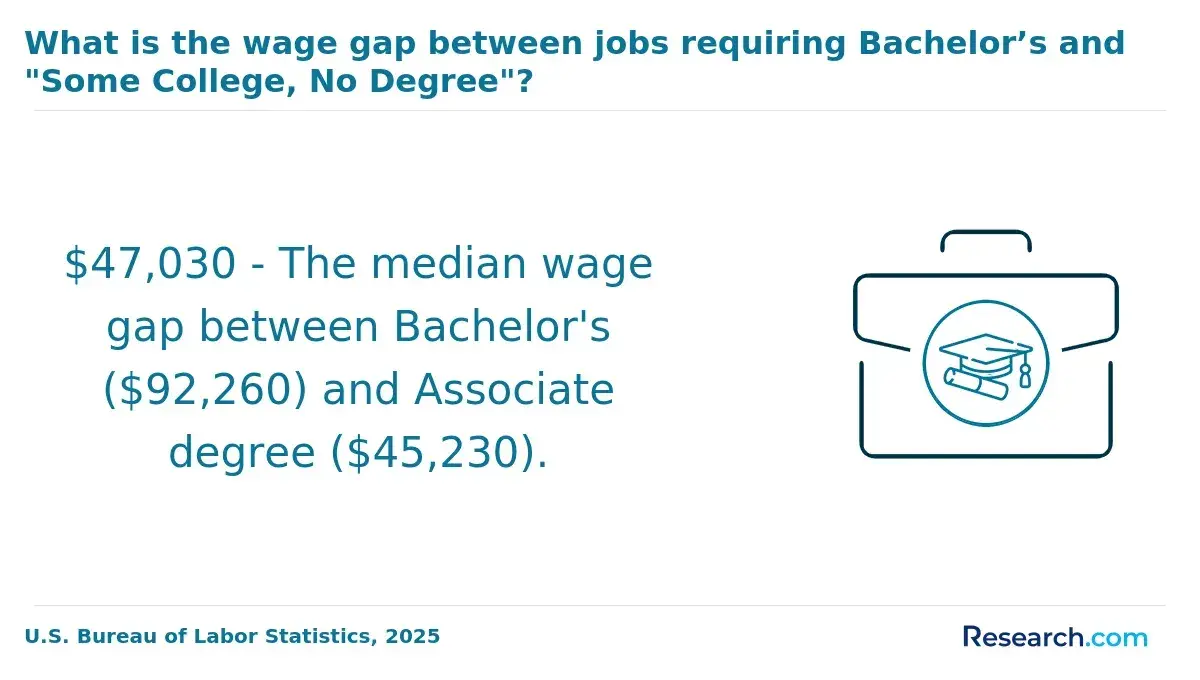
Campus-based programs, conversely, embed students in structured team environments with direct mentorship and practicum placements, better preparing candidates for leadership roles requiring supervisory experience. For instance, professionals moving from case management to medical and health services manager roles benefit from this immersive approach. The U.S. Bureau of Labor Statistics notes a median annual wage of $110,680 for such managers, underscoring employer preference for demonstrated managerial competencies beyond theory.
Employers often prioritize candidates with practical leadership experience, strategic decision-making ability, and strong communication skills-competencies typically enhanced through face-to-face collaboration. Online programs looking to bridge this gap incorporate synchronous leadership simulations and community engagement projects, though prospective students must assess fit carefully.
For those evaluating the cheapest online MBA healthcare management options to balance cost and career impact, understanding these tradeoffs is essential to align education with career trajectory and employer expectations.
What accreditation and program quality standards should community health leaders look for online?
Effective community health leadership hinges on programs meeting rigorous accreditation standards for community health leadership programs such as those from CEPH or CAHEP, which ensure curricular alignment with current competencies in leadership, outreach, and supervision. Without these quality assurances, credentials risk lacking employer recognition, limiting upward mobility especially in large initiatives requiring extensive workforce management.
Beyond accreditation, quality assurance criteria in online community health education must prioritize measurable workforce outcomes, including data-driven supervision improvements and retention analytics. For example, leadership roles in rural public health outreach demand training in remote team oversight and culturally sensitive communication-competencies rarely developed through generic coursework.
Programs integrating digital tools for outreach coordination, grant writing, and compliance prepare students with practical skills central to contemporary employer expectations. Access to experiential learning such as virtual practicums or mentorship from active administrators is a critical quality marker for bridging theory and practice.
Choosing pathways without these attributes risks stalling professional progress and entering competitive job markets with inadequate leadership and data literacy skills. Prospective students should also investigate specialized certifications in project management or epidemiology to handle complex field operations effectively.
For those evaluating diverse educational options, including specialized avenues like direct entry MSN programs for non nursing majors, understanding these dimensions is vital to making a strategic, evidence-based choice.
What admission requirements do top online community health programs typically have?
Graduate programs in community health commonly require applicants to hold a bachelor's degree from an accredited institution, often in fields such as public health, nursing, biology, or social sciences, with a minimum GPA of 3.0 on a 4.0 scale. This baseline ensures readiness for the academic demands and leadership expectations of advanced coursework. Admission prerequisites typically include completed coursework in statistics, epidemiology, and sometimes health policy or behavior to establish necessary analytical competencies.
Professional experience expectations generally span two to three years in roles like public health educator or community outreach coordinator, where candidates demonstrate management and leadership capabilities in health-focused settings. Applicants lacking sufficient experience may face the need for additional preparation or face heightened competition against peers with stronger healthcare backgrounds.
Although some institutions maintain GRE requirements, this is becoming less common; however, letters of recommendation remain critical. These must come from supervisors or academic mentors who can speak to leadership, analytical skills, and commitment to community health objectives. Personal statements are scrutinized for clarity of career goals and alignment with program outcomes emphasizing practical leadership in outreach.
The trend toward fully online MPH programs designed for working professionals requires candidates to balance employment demands with academic rigor, often needing explicit employer support and robust time management skills. This balance influences completion success and future employability in community health leadership roles.
How long do online community health programs take and what do they cost?
Shorter certificate programs in community health, typically spanning 3 to 12 months, provide working professionals a practical route to develop leadership skills without the extended timelines or financial burdens of traditional degrees. For example, a public health worker at a nonprofit can complete a part-time, tuition-free certificate like the Public Health Training Center's Public Health Foundations Certificate within six months while maintaining full-time employment. This flexibility allows learners to avoid lost wages and scheduling conflicts common with longer degree programs.
Certificates costing under $5,000 and lasting less than a year balance employer recognition with efficient skill acquisition. They are especially valuable in outreach leadership roles where demonstrated competency in community partnerships and cross-cultural communication matters more than academic credentials alone. In contrast, advanced diplomas or degrees require a greater time and financial commitment, often delaying a professional's ability to apply new skills in real time and slowing immediate career advancement.
Key considerations include:
- Cost-effectiveness that minimizes direct tuition and opportunity costs
- Program duration compatible with work responsibilities and immediate needs
- Aligning credential relevance with employer expectations in public and nonprofit sectors
Choosing rapidly deployable credentials helps practitioners navigate workforce demands pragmatically, with less financial risk and stronger alignment with operational realities in community health roles.
What core courses and specializations prepare students for outreach leadership and supervision?
Advancing into outreach leadership requires more than foundational knowledge in community health principles; it calls for focused expertise in organizational management, conflict resolution, and cultural competency. Supervisors who lack skills in data analytics and health informatics may struggle to interpret program outcomes and make evidence-driven adjustments, especially in complex urban environments where tailored interventions optimize limited resources.
Practical supervisory training with embedded fieldwork or leadership labs is essential, as employers prioritize applied skills demonstrating effective team coordination, conflict management, and interagency collaboration over purely theoretical coursework. Candidates should scrutinize programs for these experiential components to ensure readiness for real-world leadership challenges.
Cost and format also critically influence credential feasibility. Some CHW certification pathways offer fully online, tuition-free options, reducing financial barriers for working professionals. However, candidates must weigh these accessible programs against those that integrate grant writing and policy analysis, which are indispensable for navigating funding landscapes and securing program sustainability.
- Core course mastery alone is insufficient without applied leadership simulations and data-driven decision-making training.
- Supervisory programs offering mentorship and practicum components better prepare candidates for multi-stakeholder environments.
- Accessible online certifications increase credential attainment but may lack depth in leadership skill-building.
Choosing educational pathways that balance theoretical knowledge with practical leadership experience directly impacts employability and long-term effectiveness in outreach roles.
What community health leadership jobs can graduates pursue and in which settings?
Community health leadership roles demand a nuanced blend of policy expertise, cultural competency, and adaptable management skills tailored to diverse organizational contexts. For example, a state health department outreach program manager must excel in interagency coordination and regulatory frameworks, while a nonprofit community health director navigates grassroots engagement and fundraising complexities. Such distinctions directly influence daily responsibilities, from workload intensity to team dynamics and funding dependencies.
Proficiency in cultural competence is increasingly non-negotiable, driven by federal initiatives like HHS's Think Cultural Health platform that prioritize equity and cross-cultural communication. Candidates without formal credentials in these areas often face disadvantages competing in leadership job markets.
Practical demands vary: a cultural competency coordinator in a tribal health agency integrates indigenous practices with clinical standards, requiring specialized knowledge rarely emphasized in generic training. Conversely, larger healthcare systems typically expect leadership candidates to combine formal management experience with community health expertise, whereas smaller agencies prioritize flexible, locally informed skill sets.
Graduates must weigh these tradeoffs carefully, as certification from recognized online cultural competence programs can enhance employability but may not substitute for hands-on leadership experience in high-stakes environments. Understanding organizational expectations and sector-specific needs is crucial for aligning educational pathways with realistic career trajectories.
What salary ranges and promotion potential exist for community health outreach leaders?
Salary progression within community health outreach leadership reveals distinct regional and organizational stratifications. Entry to mid-level roles generally offer $55,000 to $85,000 annually, while advanced positions, such as regional outreach directors, can command between $90,000 and $120,000. Federal, state, and larger nonprofit employers are more likely to provide compensation at the upper end. A realistic advancement scenario might involve a program coordinator obtaining a 15% to 25% pay increase upon promotion to a director role, accompanied by increased responsibility managing multi-site programs and cross-sector partnerships.
Employers demand evidence of effective program management under budgetary constraints alongside measurable community impact. Online skill acquisition options, such as those available through the Pan American Health Organization's Virtual Campus for Public Health, enable candidates to build leadership competencies critical for upward mobility. However, balancing education with active fieldwork is a practical challenge, especially in rural areas where local training opportunities can be scarce.
Urban professionals typically face competitive pressures requiring advanced degrees paired with extensive managerial experience. Strategic selection of courses aligned with leadership metrics and financial oversight prepares candidates for organizational expectations. This dynamic emphasizes the importance of targeted digital credentials that directly support practical leadership and budget management skills, rather than broad or generic education.
Overall, workforce decisions in community health education must weigh real-world tradeoffs between formal qualifications, experiential learning, and the geographic variance of employer priorities to optimize both employability and salary potential.
How can professionals choose a reputable online community health program aligned with their goals?
Programs in community health that lack precise alignment with employer demands often leave professionals without the skills necessary to lead effectively in targeted sectors. For instance, those intending to direct chronic disease outreach must choose curricula designed explicitly for managing high-burden conditions, such as the American Diabetes Association's Community Health Worker Diabetes Education Program, which offers bilingual, outcome-focused training tailored to diabetes-prevalent populations. Such specificity enhances workforce readiness and addresses measurable employer priorities.
Critical evaluation of programs hinges on accreditation, faculty expertise, and verified graduate outcomes, notably demonstrated advancement into leadership roles. Employers favor candidates who have completed practicum components simulating the operational realities of outreach work-skills that generic certificates typically do not provide. Essential program features include flexibility, multilingual accessibility, and connections to local health infrastructure, which facilitate practical networking and leadership pipeline integration.
Choosing programs without targeted, issue-specific content risks irrelevant credentials that fail to improve promotion prospects. For example, aspiring urban mental health outreach leaders should avoid undifferentiated community health certificates and instead seek recognized behavioral health curricula endorsed by public health authorities. Data show that programs emphasizing concrete community impact-like disease management or prevention-yield 25%-35% higher promotion rates into leadership positions.
Prospective students should prioritize verified skill acquisition and employer-aligned outcomes over broad credentials, carefully scrutinizing curriculum relevance, hands-on learning, and authoritative endorsements. This strategic approach aids professionals focused on leveraging community health training for effective career growth.
Other Things You Should Know About Community Health
In 2027, an ideal online community health program for aspiring leaders combines robust coursework in public health theory with practical leadership training. It includes modules on strategic planning, communication, and policy-making, which are crucial for preparing professionals for leadership roles in community health outreach.
Balancing an online program with full-time work demands strict time management. Programs with asynchronous modules offer flexibility but still require 15-20 hours weekly, which can impact job performance if underestimated. Students targeting timely promotion should assess program pacing and employer support for education to avoid burnout and ensure their academic progress translates efficiently into leadership readiness.
Choosing a leadership specialization accelerates skill development critical for outreach management but risks limited exposure to broader public health issues. A broad curriculum offers versatility but may dilute focus on supervision competencies. For promotion-focused professionals, programs with targeted leadership tracks combined with core community health training provide a better return on investment by aligning directly with employer expectations for managerial roles.
Employers often seek candidates with credentials demonstrating both subject mastery and leadership potential, including strategic planning and stakeholder communication. Credentials alone do not guarantee promotion; documented experience applying learning in community settings carries equal weight. Candidates should choose programs emphasizing applied leadership assignments and measurable outcomes that employers recognize as directly relevant to outreach management challenges.
References
- Steps to Pick the Right Health Program for Your Goals https://yourhealthmagazine.net/article/health-wellness-tips/steps-to-pick-the-right-health-program-for-your-goals/
- Health Care Accreditation, HEDIS® Measures & Quality Improvement - NCQA https://www.ncqa.org/
- Why trust GlobalHealth Education? https://globalhealtheducation.com/au/resources/online-vs-on-campus-courses
- Online MPH https://www.publichealthdegrees.org/online/mph/
- Worried About Career Options? Here’s What You Can Do with a Health & Social Care Degree https://olceurope.com/blog/worried-about-career-options-here-s-what-you-can-do-with-a-health-social-care-degree
- Public Health Career Salaries: What to Expect Across Roles https://www.scuhs.edu/bshs-article/public-health-career-salaries-what-to-expect-across-roles/
- 2025 Year in Review: Building a Global Community for Better Health Care Quality https://healthstandards.org/news/2025-year-in-review-building-a-global-community-for-better-health-care-quality/
- Online Bachelor’s Degree in Community Health and Wellness https://www.monroeu.edu/academics/undergraduate-programs/school-allied-health-professions/online-bachelors-degree-community
- Reliable and Helpful Online Resources for Public Health Leaders https://www.baypath.edu/news/bay-path-university-blogs/post/reliable-and-helpful-online-resources-for-public-health-leaders/
- Community Health Worker Academy - Institute for Public Health Innovation https://www.institutephi.org/our-work/community-health-workers/chw-academy/