2027 Best Cities for Community Health Careers by Pay, Cost of Living, and Job Openings

Co-Founder and Chief Data Scientist
Choosing where to launch or advance a community health career is becoming more complex as wage disparities, living costs, and hiring rates shift unevenly across U.S. cities. A 2024 Bureau of Labor Statistics report shows community health roles expanding at three times the national average, but rising housing costs and competitive markets often undercut those gains.
For working adults balancing family obligations, program accessibility and local economic conditions dictate whether job offers translate to sustainable livelihoods or transient opportunities.
This article examines top U.S. cities for community health jobs by pay, cost of living, and openings to help professionals navigate these critical trade-offs and optimize their career decisions.
Key Things You Should Know
- Urban centers like Boston offer 15% higher community health salaries but incur a 25% above-average cost of living, creating tradeoffs between income and disposable earnings for professionals entering the field per 2024 Bureau of Labor Statistics data.
- Employers in states with high Medicaid expansion rates show 20% faster community health workforce growth, demanding candidates with diverse clinical and social service skills, reshaping recruitment and retention strategies.
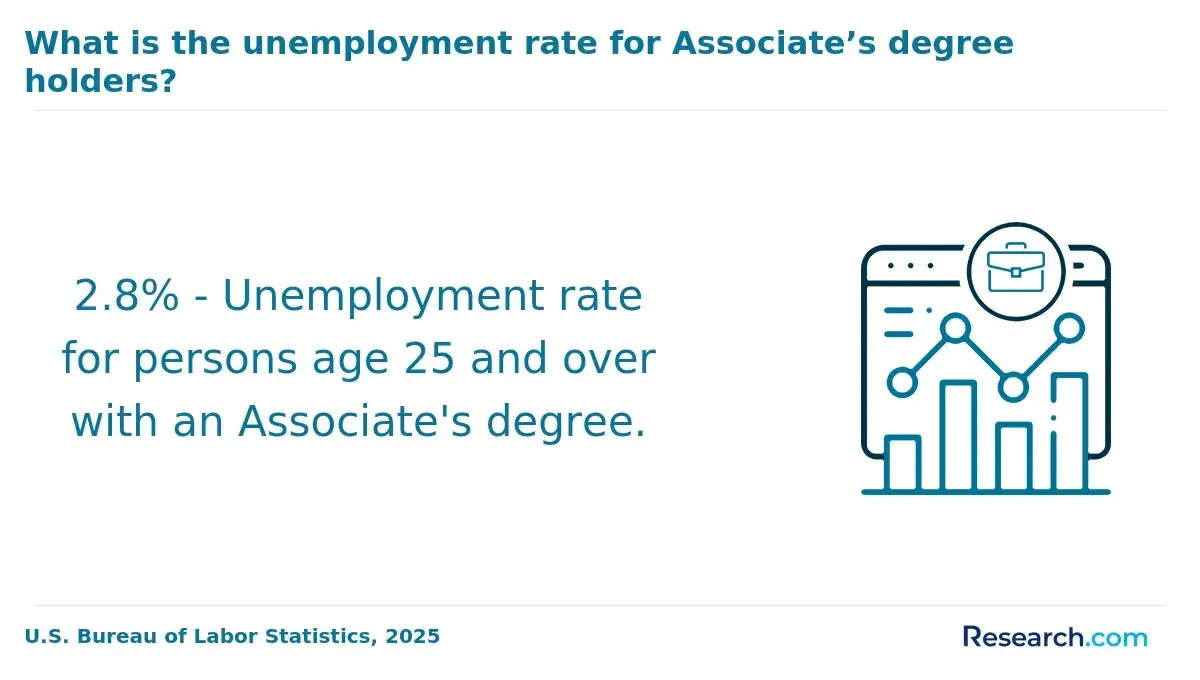
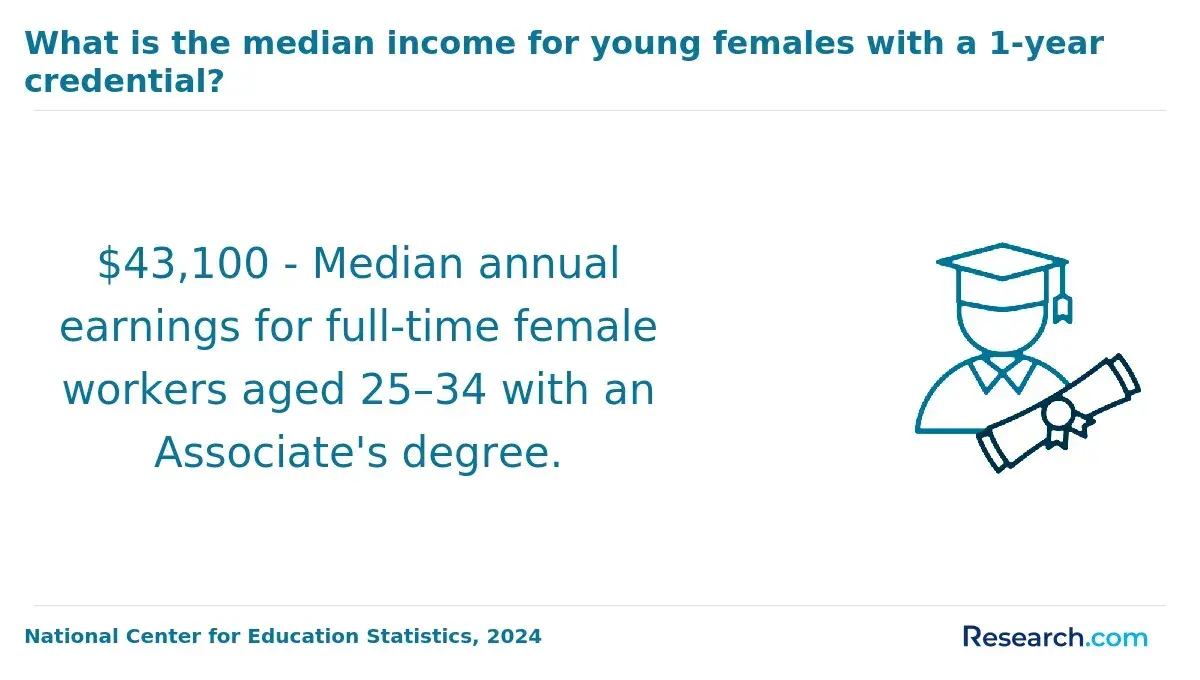
- Certificate and associate degree holders in community health face a 30% wage penalty relative to bachelor's degree holders, affecting timing and financial return on education investments across regional job markets analyzed by the National Center for Education Statistics.
What are the best U.S. cities for community health careers when balancing pay and cost of living?
Choosing the best U.S. cities for community health careers balancing salary and living costs requires prioritizing real purchasing power over nominal wages. Raleigh, NC, exemplifies this dynamic with average community health salaries approximately 10% above the national median and a cost of living index near 95. This balance allows practitioners to retain more income while avoiding urban cost pressures common in major metros.
Pittsburgh, PA, offers a distinct advantage for those weighing stable employer demand against expenses, with wages within 5% of larger cities and a 12% lower cost of living than national averages. This combination supports sustainable long-term career growth without the lifestyle compromises found in high-cost urban centers.
Tucson, AZ, illustrates a tradeoff: median salaries lag 15% below the national pace, but living costs drop by 25%, an arrangement that can benefit early-career professionals or those focused on community organizations and public health agencies rather than high-paying health systems.
Urban markets like Boston or San Francisco often offer higher wages but suffer from cost-of-living burdens that erase purchasing power, frequently requiring longer commutes or shared housing to maintain financial stability.
With healthcare and social assistance employment projected to grow 8.4% through 2034, candidates must analyze local healthcare infrastructure, employer partnerships, and cost dynamics when planning career moves or educational investments in this field.
Prospective professionals seeking accelerated alternatives should consider accelerated mental health counseling programs online as a strategic avenue for skill development aligned with evolving workforce demands.
Which cities offer the highest-paying community health jobs and strongest salary growth potential?
Seattle, Washington, and Boston, Massachusetts, consistently offer some of the highest-paying community health jobs in top cities, with annual salaries exceeding $80,000 for experienced roles such as public health analysts and program coordinators. However, this nominal wage premium often comes with steep living expenses, notably housing and transportation costs that can consume up to 40% of gross income in these urban areas.
In contrast, Dallas, Texas, provides a more balanced financial proposition, combining salaries approximately 15% lower than Seattle or Boston with significantly reduced living costs, resulting in stronger net income despite lower nominal wages.
Salary growth rates in the top markets outpace the national average, with annual increases of 3.5% to 4% compared to about 2.5% broadly, indicating sustained investment in healthcare infrastructure and public health initiatives. This environment creates a competitive hiring landscape where advanced skills in data-driven program evaluation, health informatics, or bilingual communication coupled with policy expertise become key differentiators.
Given the projected 1.9 million annual openings in healthcare occupations through 2034, candidates can enhance market relevance by aligning educational credentials with local workforce needs and employer expectations rather than assuming uniform opportunity nationwide.
For those weighing educational pathways, pursuing an online health administration degree can offer flexibility and focused preparation to meet these evolving demands.
Where are community health professionals most in demand based on job openings and hiring trends?
Urban hubs such as Houston, Dallas, and Atlanta exhibit the highest community health professional job demand by city in 2026, driven by growing populations requiring specialized health outreach and chronic disease management. These metropolitan areas present faster hiring cycles when candidates demonstrate bilingual skills and cultural competency, especially in immigrant-heavy neighborhoods where Spanish fluency accelerates placement rates by 20%-30%. This highlights the operational advantage of tailoring skillsets to local demographic complexities.
Wage disparities reflect cost-of-living variations, with cities like Seattle and Minneapolis offering hourly pay near $45 but accompanied by higher housing costs and commute burdens.
Conversely, Phoenix and Charlotte provide more balanced pay-to-cost ratios, appealing for long-term employment stability rather than short-term income maximization. These tradeoffs require prospective workers to critically assess relocation impact beyond surface salary figures.
Credentialing preferences increasingly influence hiring, particularly in states like New York and California, where Certified Community Health Worker (CCHW) certification is often mandatory. This shift toward formalized qualifications corresponds with evolving employer expectations and underscores the value of aligning educational investments with recognized credentials.
For those considering advanced study to facilitate a strategic career pivot in this field, examining health administration master programs can provide targeted management and policy knowledge complementary to community health practice. Prioritizing programs with clear pathways to employment can mitigate friction commonly encountered during career transitions.
How do education level and specialization affect community health salaries across different cities?
Education and specialization are the primary drivers behind variations in community health salaries by education and city, directly shaping candidate eligibility and employer preferences. Holding a master's degree in public health or related fields usually commands salaries 15% to 25% above bachelor-level positions.
In high-cost cities such as San Francisco or New York, specialists with advanced degrees in epidemiology or health policy can earn $10,000 to $20,000 more annually than entry-level roles, underscoring local market demand for targeted expertise.
Specialization affects earnings differently depending on job function and location. For instance, in Boston, mental health community health specialists receive about 18% higher pay than general health educators due to licensure and clinical competency requirements. However, in rural or less urbanized areas where broad community outreach skills are preferred, these premiums diminish significantly.
For workers without master's degrees, graduate certificates in areas like data analytics or chronic disease management can incrementally raise local salaries without the time investment of full degrees.
Regional employer preferences vary: southern states favor practical nursing credentials, while northern metros prioritize a blend of MPH degrees and management experience. Danville, CA, reports a 28.0% pay premium over the national average for candidates with specialized master's-level credentials in health informatics or similar fields.
Ultimately, aligning one's specialization and credentials with geographic salary trends requires balancing advanced education costs and local job market saturation. Those seeking accelerated options might explore the shortest RN to BSN program as a strategic step within this landscape.
What degrees and training do you need to start or advance a community health career?
Advancing within community health demands more than entry-level qualifications; it requires strategic educational investments aligned with career objectives. A bachelor's degree in public health or a related discipline forms a baseline for frontline roles but typically lacks the depth needed for supervisory or analytical positions.
For instance, medical and health services managers cannot rely solely on undergraduate credentials—they need graduate degrees combined with significant professional experience to justify salaries exceeding $117,000, per PublicHealthDegrees.org referencing BLS data.
Certification programs add practical value, requiring documented field hours alongside formal education, yet they do not replace the analytical and leadership competencies gained through master's-level study.
Prospective professionals should carefully consider program design tradeoffs, such as the balance between full-time, immersive studies versus part-time or online formats that accommodate ongoing employment.
Skipping advanced study or certification risks stagnation, especially as employers prioritize candidates demonstrating measurable impact on health outcomes alongside academic attainment. Effective advancement hinges on combining rigorous education with verifiable field contributions within government, nonprofit, or hospital settings.
How do online community health programs compare with campus options for quality and outcomes?
Employers in government and healthcare prioritize hands-on experience that campus-based community health programs traditionally deliver, such as supervised lab work and direct patient interaction. These elements align closely with the skills employers expect from candidates, exemplified by epidemiologists earning a median annual salary of $83,980.
Purely online programs often fall short in these areas, resulting in less practical exposure essential for outbreak management or diverse population health education roles.
Online community health education offers flexibility for professionals juggling careers or location constraints, but the tradeoff frequently involves limited opportunity for rigorous fieldwork. Some programs offset this by incorporating hybrid models requiring short residencies or practicums, which better prepare students for workforce demands.
When evaluating program quality and employability outcomes, consider these factors:
- Integration of verified internships or community projects that meet employer standards.
- State credentialing mandates demanding documented supervised practice, which is challenging to acquire fully online.
- Access to on-campus career services and employer networks that enhance job placement prospects.
For professionals targeting epidemiology or similar specialties, choosing a campus or hybrid pathway more effectively supports skills acquisition and aligns with real-world employer expectations, reducing the risk of underpreparedness upon entering the workforce.
What should you look for in accredited community health programs and schools in top cities?
Employers consistently favor graduates from community health programs with accreditation from recognized bodies such as CEPH, since these credentials ensure training is aligned with shifting public health needs and workforce competencies.
Candidates targeting specialized roles, like biostatistics, must verify that quantitative and analytical coursework reflects industry-standard tools, especially given that biostatisticians have a median salary near $104,350 annually, underscoring the financial implications of program rigor and relevance.
When weighing geographic options, students must consider how tuition cost interacts with local living expenses and immediate job market returns. An elite program in a high-cost urban area may not provide a favorable net benefit if employment outcomes or salaries do not correspond to the regional premium.
Close attention to graduate employment rates within six months and the spectrum of opportunities—particularly in government and nonprofit sectors—provides critical context for economic decision-making.
Programs offering direct access to real-world datasets, active partnerships with public health agencies, updated software platforms, and internship networks stand out for facilitating smoother transitions into the workforce.
Local employer involvement in curriculum advisory boards often signals responsiveness to labor market shifts reported annually by entities like the Bureau of Labor Statistics and National Network of Public Health Institutes.
Prioritizing such practical and dynamic program features reduces the risk of skills obsolescence and enhances alignment with evolving employer expectations in urban community health settings.
How much do community health degree programs cost, and how does cost vary by city?
Choosing where to pursue a community health degree requires a careful tradeoff between tuition costs, local job market dynamics, and living expenses. Public programs in large cities like New York or San Francisco command higher annual in-state tuition—generally $8,000 to $15,000—with private institutions exceeding $30,000. Conversely, mid-sized cities such as Cincinnati or Albuquerque offer significantly lower tuition rates, often between $5,000 and $10,000, which can reduce overall financial strain.
The total expense for associate or bachelor's degrees in community health ranges from about $20,000 at more affordable public colleges to upwards of $60,000 at private, high-cost urban schools. For working professionals seeking targeted credentials, certified programs under $5,000 may offer quicker workforce reentry without excessive debt.
Employment projections reveal a substantial growth—a 47% increase in home health aide roles with over 431,000 new jobs by 2026—emphasizing the need for practical skills from accredited programs that align with employer expectations. Graduating from expensive programs in saturated markets risks delayed return on investment and diminished net earnings.
Prudent candidates weigh educational costs against market demand and cost of living: affordable urban centers with expanding healthcare sectors provide faster, sustainable employment paths. Employer tuition assistance in these high-growth areas can further mitigate upfront costs.
What entry-level, mid-level, and advanced community health roles are available by location?
Entry-level roles in community health—such as health educators, outreach coordinators, and community health workers—reflect significant regional variation driven by local public health funding and employer capacity. For instance, Cleveland's average entry-level salary of $51,870 combined with a cost of living just 1% above the national average creates a financially viable market for new graduates to establish sustainable careers.
Mid-level positions, including program managers and epidemiologists, demand 3 to 7 years of experience or advanced certification and are typically found in metropolitan hubs with strong nonprofit and hospital networks. These roles often hinge on grant funding and evolving regional health priorities.
Advanced roles like public health directors and clinical research coordinators require graduate degrees, licensure, and leadership experience bridging research and operations. Cities hosting large academic medical centers or facing substantial chronic disease burdens present greater opportunities but often accompany higher living costs. This tradeoff necessitates careful consideration of salary versus lifestyle and debt repayment timelines.
Professionals should prioritize locations offering employer tuition partnerships or loan forgiveness programs, which significantly moderate financial burdens. Choosing cities like Cleveland can alleviate early-career financial strain, supporting longer-term retention and stability in the workforce. Balancing salary, cost of living, and educational investment is vital to career sustainability in community health.
For professionals interested in leadership and administrative advancement, an MBA in healthcare can complement a public health background by developing expertise in strategic planning, finance, operations, and organizational management. This combination may open opportunities in hospital administration, healthcare consulting, and executive leadership while broadening career options beyond direct community health roles.
What is the long-term job outlook for community health careers in different regions and metros?
Job growth in community health careers is uneven across U.S. regions, shaped by demographic shifts, healthcare infrastructure, and funding priorities. Indianapolis stands out with 72 healthcare jobs per 1,000, indicating strong demand and diverse openings. Metro areas with aging populations and higher chronic disease burdens, such as parts of the Midwest and Sun Belt, tend to offer more stable career options. Candidates targeting these areas should weigh job concentration against wage potential and career development resources.
Government-reliant regions and federally qualified health centers provide hiring stability but often at the cost of slower salary growth compared to private-sector roles. Meanwhile, metros featuring integrated health systems and nonprofit networks increasingly demand candidates with cross-disciplinary skills in data management, outreach, and policy, highlighting the need for versatile education pathways.
Professionals moving to high-demand metros like Indianapolis can leverage job volume for better starting wages and ongoing training access. Those in rural or lower-demand areas must strategically gain certifications in telehealth or population health analytics to stay competitive.
Aligning education with regional employer preferences—balancing experience and credentials against program cost and realistic salary expectations—remains essential for long-term career viability.
Other Things You Should Know About Community Health
In 2027, balancing workload and employer expectations in community health roles across cities involves assessing regional demands and resources. Larger cities might offer higher pay and more structured roles, requiring efficient time management. Conversely, smaller cities demand flexibility due to fewer resources but potentially offer improved work-life balance.
Choosing a city requires balancing salary against cost of living to ensure net income supports your lifestyle and savings goals. Cities with higher pay often have housing and transportation costs that significantly reduce disposable income, limiting long-term financial flexibility. Opt for cities where adjusted salary after expenses allows for career growth investment and personal stability rather than just nominal pay advantages.
Smaller cities and rural areas offer fewer job openings but often provide closer community ties and broader role responsibilities, which can accelerate skill development. These locations tend to have lower cost of living and less competition, but may come with limited advancement pathways and resources. Choose such areas if you value hands-on experience and community impact over rapid salary growth or corporate-style career progression.
Specialization strongly influences job prospects and compensation, especially in cities with large hospitals or public health agencies focused on specific challenges like epidemiology or chronic disease management. Generalist roles exist but usually offer lower pay and less job security in competitive markets. Prioritize specialized training aligned with local public health priorities to maximize employability and salary potential.
References
- Average Cost of College [2025]: Yearly Tuition + Expenses https://educationdata.org/average-cost-of-college
- How to Become a Community Health Nurse https://www.allnursingschools.com/specialties/community-health-nurse/
- The Growing Demand for Healthcare Professionals: Exploring Employment Trends https://www.urbanbound.com/blog/the-growing-demand-for-healthcare-professionals-exploring-employment-trends
- Top U.S. Cities and States for Healthcare Jobs - Goodwin Recruiting https://www.goodwinrecruiting.com/top-u-s-cities-and-states-for-healthcare-jobs
- Careers in Community Health - MPH Online https://www.mphonline.org/community-health-jobs/
- Looking to jump-start your career? These are the 10 best cities for recent grads https://www.benefitnews.com/list/top-10-cities-for-recent-grads-looking-for-work
- Public Health - Saint Paul College https://www.saintpaul.edu/programs/public-health/
- List of Accredited Schools and Programs - Council on Education for Public Health https://ceph.org/about/org-info/who-we-accredit/accredited/
- Global Work-Life Balance City Index 2025: Top Cities Ranked https://www.theblueground.com/research/best-cities-work-life-balance
- What Is the Difference Between Public Health and Community Health? https://online.worcester.edu/programs/nursing/msn-public-health/public-health-community-health-difference/