2027 School and Community Program Roles You Can Target With a Community Health Degree

Co-Founder and Chief Data Scientist
Mid-career professionals with community health degrees often confront a fragmented job market where roles in schools and local programs vary widely in scope and requirements. With the U. S. Bureau of Labor Statistics projecting a 12% growth in health educator positions through 2032, demand exists but navigating this landscape requires precise targeting to align credentials with employer expectations.
Simultaneously, nearly 45% of adult learners in 2024 prefer flexible or hybrid learning modalities, signaling a shift in how expertise is developed and valued over time. This article clarifies key school and community program roles accessible with a community health degree and guides strategic positioning to maximize career impact.
Key Things You Should Know
- Employment growth in school and community program roles within community health is projected at 8% through 2030 by the U.S. Bureau of Labor Statistics, pressuring candidates to acquire specialized certifications to stay competitive.
- Employers increasingly prioritize data literacy and cultural competency for community health graduates, creating tension between traditional degree curricula and evolving workforce demands.
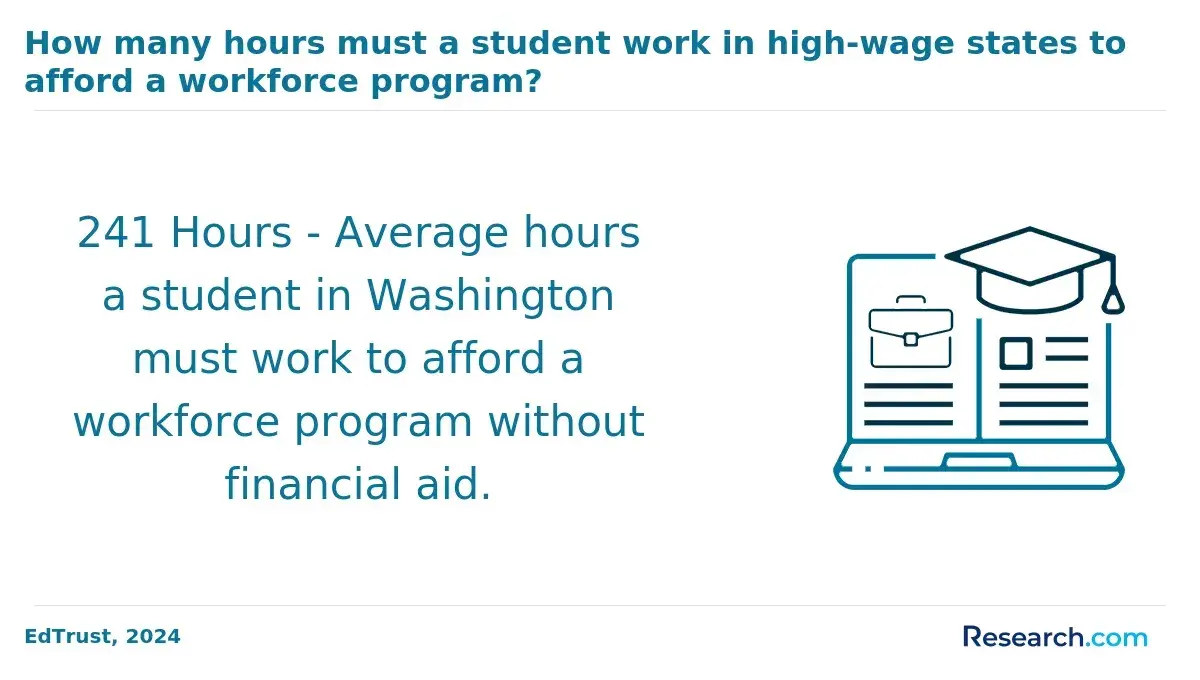
- Delays in credential attainment due to program cost and limited financial aid constrain access for non-traditional students, impacting workforce diversity and time-to-employment in community health sectors reported by the National Center for Education Statistics.
What is a community health degree and how does it prepare you for school and community roles?
A community health degree career opportunities depend heavily on preparing graduates for hands-on program design, evaluation, and communication roles within varied social contexts. Graduates routinely apply skills gained from a community health degree for school and community roles by managing projects like school-based nutrition initiatives addressing childhood obesity, requiring coordination with educators, budget oversight, and outcome measurement.
Employer expectations center on demonstrated competence in data analysis, culturally sensitive engagement with diverse populations, and clear communication across stakeholders. The field's inherent unpredictability-such as irregular hours, frontline outreach demands, and travel within communities-favors candidates comfortable with operational variability. Workforce projections from the U.S. Bureau of Labor Statistics reveal a 12% growth rate for health education specialists and community health workers through 2034, outpacing the national average and signaling more than 15,000 new positions.
Choosing a program involves weighing curriculum rigor against credentials like the Certified Health Education Specialist (CHES), which, while not always required, can significantly enhance job prospects. Additionally, candidates must navigate employment sectors such as public schools, government health agencies, and nonprofit organizations, where job stability is often linked to fluctuating funding and community priorities. For those considering broader health-related education options, reviewing environmental health and safety online degree programs can provide complementary pathways to extend practical expertise within public health fields.
Which school and community program roles can you pursue with a community health degree?
Community health degree job opportunities in school and community programs often require navigating distinct operational demands, making clear that not all roles carry the same weight or pathways for progression. For example, community health workers frequently act as vital conduits in underserved areas, executing vaccination drives for low-income populations, which directly influence real-time immunization rates and chronic disease prevention metrics.
School health educator positions, by contrast, require designing health curricula tailored to varying ages and cultural backgrounds, addressing sensitive topics like mental health or nutrition while aligning with district standards. Program coordinators engaged in school and community program careers with a community health degree balance grant management and stakeholder collaboration alongside evaluative research, demanding advanced data analysis capabilities.
Employers commonly prioritize candidates with practical experience in data collection and intercultural communication, reflecting the operational complexity of these roles. The U.S. Bureau of Labor Statistics notes a median annual wage of $51,030 for community health workers, with an 11% employment growth projection through 2034, signaling sustained community investment in preventive initiatives. Candidates should recognize that entry-level roles often demand adaptability under field conditions but offer relatively swift advancement to supervisory posts. Those seeking expedited credentials might consider a fastest online master's in healthcare management to complement and broaden their skill set for leadership roles.
What education and skills do employers look for in community health graduates working in schools?
Employers in school settings demand community health graduates who combine formal education with targeted skills tailored to program coordination and health promotion. A bachelor's degree in community health, public health, or a related field forms the baseline, but advanced positions typically require a master's. Critical competencies include data analysis to interpret health trends, grant writing for funding, and navigating health regulations specific to educational environments. These skills align closely with education requirements for community health graduates in schools.
Successful candidates demonstrate effective communication to engage diverse student populations and liaise with stakeholders such as parents, school administrators, and local health agencies. Designing evidence-based interventions adjusted for urban, rural, and underserved communities is a key expectation.
Operational demands include managing multiple programs, budgeting resources, and meeting tight timelines. Proficiency with electronic health records and compliance software reflects the growing digitization of health data systems in education. Practical experience from internships or practicum placements in school health settings markedly improves job prospects.
The U.S. Bureau of Labor Statistics projects 23% job growth from 2024 to 2034 for medical and health services managers, many coordinating school-based programs. This trajectory heightens the value of leadership and project management skills alongside technical knowledge. For example, a community health graduate managing a school wellness program must uphold student confidentiality laws while coordinating external providers and reacting swiftly to public health issues like outbreaks or mental health crises.
Tradeoffs arise between pursuing graduate education for managerial roles or gaining immediate frontline experience. Candidates benefit from hybrid expertise blending practical program delivery with administrative acumen. Those evaluating advanced study pathways may explore health administration master programs to balance managerial ambitions against workforce realities.
How do online community health programs compare with campus-based options for this career path?
Choosing between online community health degree programs vs campus-based options requires weighing flexibility against experiential rigor. Online programs suit working professionals needing adaptable schedules but often demand high self-discipline and may offer less consistent practicum quality. Campus-based programs commonly provide direct faculty mentorship, in-person internships, and networking that align with employer expectations, especially for roles involving complex team leadership and health services management.
Employers in this sector prioritize candidates with demonstrable experience managing health initiatives. Campus programs leverage local partnerships to embed real-world internships, while online formats increasingly offer virtual practicums-though the relevance and strength of these placements can vary and should be carefully vetted. This difference highlights a core tradeoff for students comparing online and traditional community health education pathways.
Consider a scenario where a working public health nurse seeks to pivot into management: an online program can accommodate variable shifts while maintaining employment. In contrast, a recent graduate targeting hospital administration may find greater immediate employability benefits through the immersive, network-rich environment of a campus program.
According to Emory University's Rollins School of Public Health, medical and health services managers earn a median salary of $118,000 with 23% projected job growth. This demand favors those with credentials aligned to leadership skills and applied experience, areas where campus programs generally excel. Prospective students evaluating options can also explore related pathways like the BSN to MSN program for tailored advancement opportunities.
What courses and practicum experiences best prepare you for school and community program work?
Programs preparing students for roles in community health must integrate practicum experiences that go beyond theoretical knowledge, emphasizing direct involvement with vulnerable populations. Placement in schools, local health departments, or nonprofits allows candidates to confront systemic barriers and coordinate across disciplines-skills that align with employer priorities in this sector. Practical exposure that includes client advocacy and crisis management sharpens interpersonal abilities essential for effective resource navigation.
Core coursework should combine epidemiology, social determinants of health, and policy advocacy with data collection and cultural competency training. This multidisciplinary approach equips graduates to design and evaluate targeted interventions. However, programs overly focused on technical content without substantive community engagement often hinder career momentum and may necessitate additional certifications for advancement.
Employers value candidates able to bridge classroom theory with pragmatic application, especially in resource-limited environments like public schools or urban community centers. For instance, New England College's analysis of Bureau of Labor Statistics and PayScale data notes client advocates earn a median annual salary around $44,170 as of March 2025, reflecting the market's recognition of hands-on experience.
Decision-makers should thus prioritize programs emphasizing policy implementation and community engagement over those centered on passive clinical observation to better position graduates for sustainable employment.
How can you evaluate accreditation and program quality for community health degrees in the U.S.?
Choosing a community health degree program without verifying CEPH accreditation risks graduating without skills aligned to employer expectations, particularly for data-driven roles in public health departments. Accreditation by bodies recognized by the U.S. Department of Education or CHEA ensures curricula include essential practicum components and advanced methods needed for applied data analysis and evaluation. These elements directly impact graduate readiness and limit extended job searches or extra certifications.
Employment outcomes should weigh heavily in program selection. For instance, a 2026 analysis by Emory University identifies data scientists in public health as earning a median $113,000 with a 34% projected growth. Programs that integrate biostatistics and intensive data analysis better position students for such in-demand roles. Conversely, programs lacking transparency on graduate placement can signal outdated or inadequate training.
Other practical considerations-faculty expertise, internship partnerships, training on current health technologies, and flexible delivery-affect both the quality of preparation and a student's ability to balance work and study. Employers increasingly expect proficiency in extracting actionable insights from healthcare datasets, which stems from accredited, outcome-oriented training rather than generic public health degrees.
Prospective students should use verified program data and employer feedback to evaluate tradeoffs between program rigor, flexibility, and workforce alignment, ensuring their education translates into tangible career advancement within the evolving community health landscape.
What are typical admission requirements, program length, and costs for community health degrees?
Admission to community health degree programs typically requires a bachelor's degree from an accredited institution, a minimum GPA around 3.0, and prerequisite courses in biology, statistics, and social sciences. Master's programs often demand relevant work experience or internships, especially for specialized tracks like epidemiology or program evaluation. Program lengths vary: associate degrees take about two years, bachelor's four years, and master's one to two years full-time. Part-time or accelerated options can extend these timelines.
Students oriented toward roles requiring quantitative skills, such as data analysis or program evaluation, should seek programs with strong biostatistics and research methods components. For instance, operations research analysts supporting program evaluation roles earn a median wage near $91,000 with expected growth of 22% by May 2024, emphasizing labor market demand for analytical proficiency within community health contexts.
Balancing study intensity with ongoing employment often leads working professionals to select part-time or online programs despite longer completion times. Internship and practicum opportunities significantly influence job placement outcomes. Additionally, cataloging indirect costs-textbooks, software, certification exams-can add $1,000-$3,000 over the degree span. Early financial planning and exploring scholarships or employer tuition assistance reduce these burdens.
What entry-level, mid-level, and leadership careers exist in school and community health programs?
Entry-level roles in school and community health programs, such as health educators or outreach coordinators, prioritize direct engagement and basic data collection skills, typically requiring a bachelor's degree. For example, a health educator organizing vaccination awareness workshops must also navigate coordination with local healthcare providers to ensure effective student participation. These positions offer hands-on experience but involve limited administrative responsibility.
Mid-level positions demand a combination of program management and analytical skills, often including grant writing and multi-project oversight. A mid-level coordinator managing diabetes prevention initiatives across multiple schools balances budgeting and stakeholder communication, facing tradeoffs between community interaction and organizational tasks while meeting funding deadlines.
Leadership roles, including program directors and policy advisors, emphasize strategic planning and large-scale advocacy. These professionals leverage data to influence policy and form partnerships, such as district-wide mental health initiatives. Progression to leadership usually requires advanced degrees or extensive experience and skills in negotiation and regulatory compliance.
The Bureau of Labor Statistics projects an average of 1.9 million annual job openings in healthcare occupations, encompassing public health outreach. Prospective workers must strategically develop relevant credentials and hands-on experience to succeed amid competitive hiring, particularly as roles evolve toward integrated community and organizational responsibilities.
What salary ranges and job outlook can you expect in school and community health roles?
Entry to mid-level roles in school and community health typically offer salaries between $45,000 and $75,000, but this range varies significantly depending on experience, location, and job function. For example, a school health educator might start near $45,000, whereas a public health program manager with advanced skills and tenure could earn from $65,000 to $75,000. Specialized leadership positions, particularly in urban districts or large organizations, often exceed $85,000.
The U.S. Bureau of Labor Statistics projects a 9% growth in community and social service specialist roles through 2033, driven by increasing needs for policy advocates and health program coordinators. However, employment stability and salary potential differ across sectors:
Hiring managers prioritize candidates who can navigate stakeholder collaboration, secure funding, and rigorously evaluate program outcomes. Combining a community health degree with skills in data analysis, grant writing, and cultural competency improves both employability and compensation. Those investing in ongoing certification or graduate training often gain a decisive advantage in this competitive field. Prospective candidates should weigh these sector-specific tradeoffs carefully to match their career goals with practical realities of funding cycles, employer expectations, and workforce demands.
Are certifications or state credentials needed for school and community health positions, and how do you earn them?
Certifications and state credentials are gatekeepers in school and community health roles, particularly where compliance, education, or counseling intersect with regulatory mandates. For instance, community health workers aiming to operate within school systems must often secure state-approved certification or training aligned with local and federal frameworks, such as CDC guidelines. Licensure requirements vary substantially by state and role; school nurses typically need registered nurse licenses plus specialized state credentials to practice in educational settings.
Achieving these credentials involves completing accredited programs-usually bachelor's or master's degrees in public health or related disciplines-and passing rigorous examinations overseen by professional organizations like the National Commission for Health Education Credentialing. Many credentialing paths include ongoing continuing education for recertification every three to five years, ensuring practitioners remain current with evolving standards.
Employers weigh credentials heavily to mitigate organizational risk and validate adherence to evidence-based practices. In public health consulting, where annual salaries range widely (as noted in the Emory University 2026 report, from $50,000 to over $300,000), certifications enhance credibility and access to higher-compensation contracts. Without proper credentials, prospective workers often face employment limitation to entry-level or volunteer positions, particularly outside jurisdictions with less formal requirements.
Other Things You Should Know About Community Health
In 2027, career paths for those with a community health degree include roles such as community health workers, program coordinators, health educators, and public health advisors. These professionals typically work in schools, non-profits, and government agencies, focusing on health promotion, disease prevention, and community engagement.
Supplementing a community health degree with certifications, such as Certified Health Education Specialist (CHES) or specialized training in program evaluation or data management, significantly enhances job prospects. Employers in schools and community settings increasingly prefer candidates with credentials that demonstrate applied skills beyond the degree. Prioritize certifications aligned with your target roles rather than pursuing multiple unrelated credentials, as strategic focus on recognized qualifications influences salary and leadership opportunities most effectively.
Choosing a research-focused track may improve analytical and evaluation skills valuable for grant writing and policy roles but can limit immediate employability in hands-on community programming roles. In contrast, concentrating on implementation skills strengthens readiness for frontline positions requiring program coordination, community outreach, and education. Candidates should decide based on employer expectations in their preferred settings-schools often value implementation skills, while public health agencies may prioritize research expertise. Balancing both can dilute mastery and extend program duration.
A community health degree provides foundational knowledge but rarely equips graduates for independent program leadership at the outset. Employers expect at least moderate field experience or supervised practicum involvement demonstrating real-world problem-solving and stakeholder management. New graduates should seek roles offering mentorship or associate positions before advancing to autonomous leadership. Prioritizing programs with strong field placement components accelerates readiness for independent roles and reduces early-career employment gaps.
References
- What Is a Community Health Degree? https://www.nec.edu/news/what-is-a-community-health-degree
- Faculty of Graduate and Postdoctoral Studies | University of Manitoba - Community Health Sciences (MPH) https://umanitoba.ca/graduate-studies/admissions/programs-of-study/community-health-sciences-mph
- What Can You Do With a Community Health Degree | CUNE https://www.cune.edu/news/what-can-you-do-with-community-health-degree
- Community Health Worker https://explorehealthcareers.org/careers/allied-health-professions/community-health-worker/
- Community Health Worker https://www.ccsf.edu/degrees-certificates/community-health-worker
- Public Health - INTERNATIONAL EUROPEAN UNIVERSITY, POLAND | EUROPE | STUDY IN POLAND | STUDY IN EUROPE | MBBS | GENERAL MEDICINE | BUSINESS | ENGINEERING | IT | EUROPE https://ieu.com.pl/european-medical-school-main/public-health/
- Online Bachelor’s Degree in Community Health and Wellness https://www.monroeu.edu/academics/undergraduate-programs/school-allied-health-professions/online-bachelors-degree-community
- Public Health Career Salaries: What to Expect Across Roles https://www.scuhs.edu/bshs-article/public-health-career-salaries-what-to-expect-across-roles/
- 12 top careers in community services built for people who care | Acknowledge Education https://www.acknowledgeeducation.edu.au/knowledge-hub/careers-community-services-opportunities
- DCC Practicums: How They Boost Job Readiness https://discoverycommunitycollege.com/blog/practicums-for-job-readiness-at-dcc/