2027 Best Value Online Secondary Education Master's Degrees: Affordable Accredited Programs with the Highest ROI

Co-Founder and Chief Data Scientist
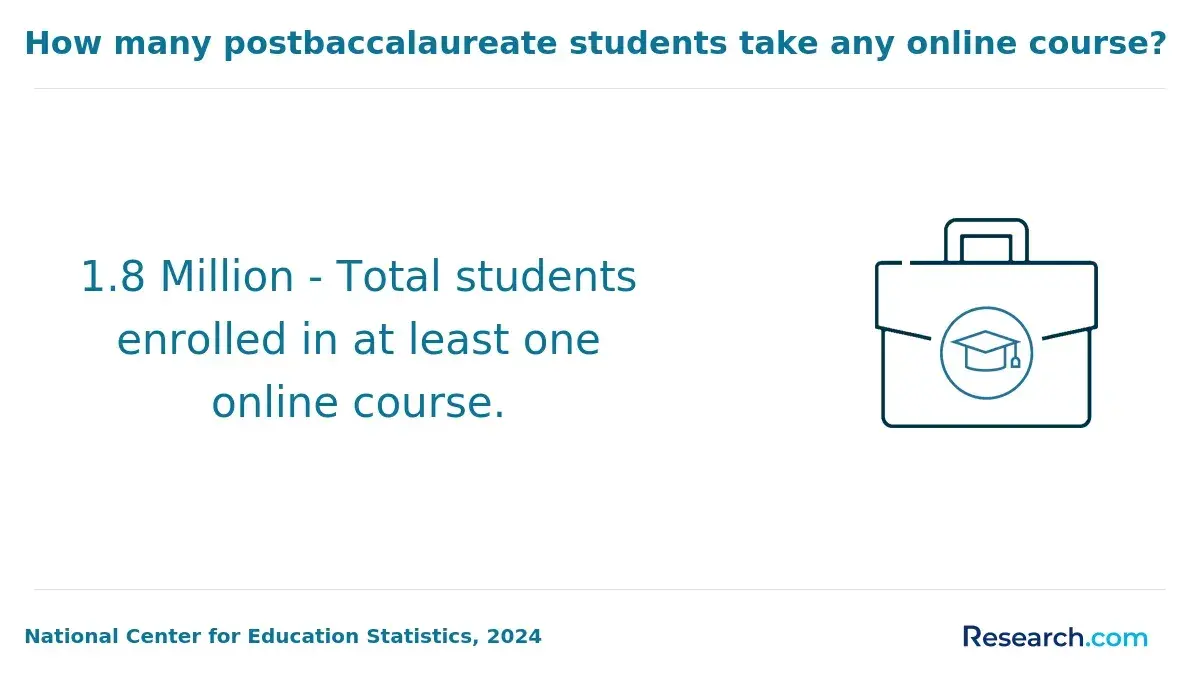
Choosing an online secondary education master's program often involves juggling affordability, accreditation, and the career benefits that follow. With online enrollments surging over 12% annually according to the National Center for Education Statistics, flexibility is no longer a luxury but a baseline expectation. This growth underscores the urgency for prospective students to identify programs that genuinely balance cost and academic rigor while delivering measurable returns in professional advancement.
Selecting the wrong program can mean significant debt with limited career mobility. This guide offers a clear, data-driven framework to help first-generation graduates and career changers make informed choices grounded in real-world outcomes.
Key Things to Know About the Best Value Online Secondary Education Master's Degrees
- Affordability in online secondary education master's programs often means streamlined curricula with fewer electives, requiring students to balance cost savings against potentially narrower specialization options.
- Accreditation signals to employers that coursework meets established academic standards, crucial since workforce demand increasingly favors credentials verified by recognized bodies for teacher licensure eligibility.
- Growing enrollment of adult learners in these programs reflects a shift toward career mobility, but adult students must weigh timing constraints and potential lost income during study periods when planning enrollment.
What Are the Best Value Online Secondary Education Master's Programs in the U.S.?
Best value in an online secondary education master's degree involves more than just tuition-it requires balancing cost against accreditation rigor, program completion rates, and measurable salary improvements after graduation. For working professionals and first-generation graduate students, choosing a program that prioritizes recognized accreditation guarantees licensure compatibility and employer trust.
Higher-than-average graduation rates reflect effective student support systems critical in online learning environments. Meanwhile, salary lift after degree completion signals real workforce market gains that validate the investment. Overlooking these factors for cheaper tuition alone can lead to credential stagnation or limited career advancement.
Below is a curated list of five accredited U.S. universities with fully online secondary education master's programs, organized by tuition affordability. Each program's delivery style and distinguishing feature offer essential context for candidates weighing flexibility against curricular focus and regional relevance.
- University of Arkansas: Estimated total tuition approximately $16,000; fully asynchronous; streamlined curriculum tailored for currently employed educators seeking licensure advancement without campus commitments.
- Northern Arizona University: Estimated total tuition around $17,500; primarily asynchronous; notable for integrated field experiences that meet regional teacher certification requirements.
- University of Wisconsin-Milwaukee: Estimated total tuition about $18,200; blended synchronous and asynchronous; emphasizes leadership skill development in secondary education.
- Florida State University: Estimated total tuition near $22,000; mostly asynchronous with optional synchronous sessions; distinguished by faculty engaged in active research and a robust public school alumni network.
- University of North Carolina at Greensboro: Estimated total tuition $24,000; fully asynchronous; focuses on culturally responsive teaching strategies suited for diverse secondary classrooms.
This section provides a structured overview of program characteristics such as accreditation, completion rates, tuition, salary impact, and delivery format. Together, these elements highlight differences in quality, cost, flexibility, and career outcomes for prospective students.
- Accreditation: Programs carry CAEP or regionally recognized accreditation, ensuring academic rigor and licensure eligibility.
- Graduation Rate: All report online program completion rates exceeding 75%, signaling strong learner support.
- Salary Lift: Graduates typically experience salary increases of 10-20% within 1-3 years, affirming program ROI.
- Delivery Format: Most offer asynchronous coursework that accommodates employed students, with some synchronous elements enhancing peer collaboration.
- Data Sources: Tuition figures are current for the 2023-2024 academic year, verified through institution reporting and IPEDS records for precision.
In practical decision-making, evaluating affordable accredited secondary education master's degrees with highest ROI requires understanding these program nuances and workforce implications. For candidates seeking structured pathways that balance cost, quality, and career impact, these five options exemplify the spectrum of delivery models and curricular emphases suitable for different professional and personal circumstances.
While tuition affordability is crucial, protecting employability and licensure outcomes through proper accreditation and demonstrated post-degree salary lift should guide final program selections. For those interested in alternatives with fast payback timelines, exploring quick online degrees could offer complementary perspectives on career return dynamics.
What Accreditations Should an Online Secondary Education Master's Program Have?
Choosing an online secondary education master's program without verifying its accreditation can seriously limit both your financial aid options and long-term career mobility. For instance, credits earned at a regionally accredited institution are far more likely to transfer smoothly to another school or be recognized by employers, unlike degrees from nationally accredited or unaccredited programs, which often face skepticism in hiring and licensure.
Accreditation comes in two essential forms for these programs. Regional accreditation serves as the foundational institutional approval granted by one of seven recognized agencies such as the Higher Learning Commission (HLC), Southern Association of Colleges and Schools Commission on Colleges (SACSCOC), or Middle States Commission on Higher Education (MSCHE). This status is critical for federal financial aid eligibility, credit transferability, and widespread employer recognition, which together influence both access and the practical value of the credential.
Programmatic or field-specific accreditation addresses the specialized content and outcomes of secondary education master's programs. For teacher preparation, for example, accreditation by bodies like the Council for the Accreditation of Educator Preparation (CAEP) ensures the curriculum aligns with industry standards relevant to licensure and classroom readiness. This layer is particularly important for candidates who require licensure or want assurance that their training meets current educational workforce expectations.
Red flags include programs holding only national accreditation, which typically signals lower rigor and weaker credit acceptance, or those accredited by unrecognized entities, both of which could jeopardize employer credibility and reduce career opportunities.
Before committing, ask admissions representatives these questions to validate the program's standing:
- Regional Accreditation: Is the institution regionally accredited by one of the seven recognized bodies?
- Programmatic Accreditation: Does the program hold any accreditation relevant specifically to secondary education or teacher preparation?
- Credit Transferability: Are program credits widely accepted by other institutions and recognized by licensing boards?
- Recognition: Is the accreditation recognized by the U.S. Department of Education or the Council for Higher Education Accreditation?
How Much Does an Online Secondary Education Master's Degree Cost on Average?
The total cost for an online secondary education master's degree can vary widely, typically ranging from moderate to high depending on institutional type and fee structures. Public universities often present a more affordable option, with per-credit-hour tuition substantially lower than private or nonprofit schools. However, for online learners, this advantage may lessen since many programs apply a flat-rate tuition regardless of residency, eliminating traditional in-state versus out-of-state cost differences.
Beyond tuition, several additional fees frequently go unnoticed but materially impact overall expenses:
- Tuition: Core charges generally calculated per credit hour, with public institutions offering lower rates, yet private/nonprofit schools sometimes provide bundled fee options.
- Mandatory Fees: Fixed charges including registration, student services, and library access can add hundreds annually to program costs.
- Technology Fees: Recurring payments supporting digital platforms and coursework software, often assessed per term or credit.
- Thesis or Capstone Fees: Separate fees for final project oversight or evaluations that some programs require, adding unexpected costs.
- Proctoring Costs: Expenses linked to using third-party online exam supervisors, frequently billed directly to students.
- Residency Requirements: A limited number of programs mandate brief on-campus residencies, imposing travel and lodging expenditures.
These factors illustrate why the online secondary education master's degree cost in the United States should be considered holistically rather than by tuition alone. Comparing averages, public universities generally deliver a lower total program cost, while private/nonprofit institutions command higher tuition but sometimes offer more flexible payment arrangements.
- Public University Average: Generally lower tuition per credit hour, but with flat-rate pricing for online learners that may eliminate residency discounts.
- Private/Nonprofit Average: Higher tuition and fees overall, but often packaged with additional services or support.
For professionals managing family or work, these cost layers affect budgeting and decisions around program ROI. To explore affordability options across higher education, it's helpful to reference resources like the best affordable online colleges, which provide transparent pricing data alongside program quality metrics.
What Is the Return on Investment (ROI) of an Online Secondary Education Master's Degree?
The financial return on investment (ROI) for an online secondary education master's degree often hinges on the balance between salary growth and the program's total cost. Calculated as the salary increase following graduation minus the full expense of the degree, divided by the cost, ROI helps frame whether the investment yields a worthwhile payback, typically expressed as a percentage or years needed to recover expenses.
Median salaries for secondary education teachers with master's credentials generally rise from a pre-degree range of $45,000-$55,000 to around $58,000-$70,000 post-degree, showing a potential salary uplift of 15% to 27%. Considering program costs usually fall between $15,000 and $40,000, the break-even point often spans 3 to 7 years, depending on individual variables.
- Work Experience: Seasoned educators usually see faster financial returns because advanced roles and stipends become accessible.
- Institution Prestige: Graduates of recognized, regionally accredited programs tend to benefit from stronger networks and salary opportunities.
- Regional Demand: Places facing teacher shortages or offering educational incentives can improve compensation, accelerating ROI.
- Specialization: Emphasis on STEM subjects, special education, or administration frequently correlates with higher salary boosts than general secondary education tracks.
- Non-Monetary ROI: Beyond pay, the degree can expand career flexibility, promotion potential, and stability amid fluctuating job markets.
What Are the Admission Requirements for an Online Secondary Education Master's Program?
Admission to online secondary education master's programs balances academic indicators with professional context, reflecting employer and institutional expectations for graduate readiness. A minimum undergraduate GPA around 3.0 on a 4.0 scale is typical but not absolute; candidates with substantial relevant experience may still be considered, especially if the program emphasizes professional potential. For example, a working teacher returning for advanced credentialing might compensate for a lower GPA with strong recommendations and a compelling personal essay.
- Letters of Recommendation: Usually two to three are needed, ideally from academics or supervisors familiar with your skills and work ethic. These letters offer insights into your suitability beyond transcripts, which is crucial in evaluating readiness for graduate-level education roles.
- Statement of Purpose: This essay demands clear articulation of your career aims and how the program fits them, serving as a lens through which committees assess both motivation and communication ability.
- Resume or CV: Up-to-date documentation of your education, professional experiences, certifications, and teaching-related activities is essential, helping programs understand your background and trajectory.
- Prerequisites: Some programs require foundational coursework, particularly for technical or STEM-related secondary education tracks, where quantitative skills are necessary.
- Standardized Tests: Increasingly, GRE or GMAT scores are optional or omitted altogether, favoring holistic application reviews that accommodate working professionals and career changers.
- Practical Tip: Because admission criteria differ widely even among accredited programs, applicants should strategically apply across reach, match, and safety schools to optimize acceptance chances while aligning with their academic profiles and career objectives.
What Is the Minimum GPA Requirement for a Secondary Education Master's Program?
Most accredited online secondary education master's programs require a minimum undergraduate GPA between 2.75 and 3.0, establishing a baseline for admission consideration. However, competitive programs often target applicants with a GPA of 3.2 or higher, reflecting the typical academic profile of admitted students rather than a strict cutoff. This distinction matters because meeting minimum eligibility does not guarantee acceptance, whereas striving for the competitive GPA increases the likelihood of enrollment and access to better resources or funding.
For example, a working professional changing careers may have a 2.8 GPA but extensive classroom experience and a strong portfolio, making them a viable candidate through GPA waivers. These waivers allow programs to substitute professional expertise, relevant portfolios, or standardized test scores to offset lower academic marks. Additionally, some schools offer conditional or provisional admission to candidates who do not meet GPA thresholds outright but demonstrate potential through initial coursework performance.
Admitting committees typically use a holistic review approach, weighing factors like work history, letters of recommendation, and personal statements, which can mitigate the impact of a below-threshold GPA. As you assess the average GPA needed for admission to secondary education graduate programs in the US, remember these figures represent generalized guidelines rather than firm cutoffs.
- Minimum Eligibility: The lowest GPA allowing application review but not guaranteeing admission.
- Competitive GPA: Reflects enrolled students' typical academic standing and admission likelihood.
- GPA Waivers: Substitutions based on experience, portfolios, or test scores to overcome low GPA.
- Conditional Admission: Allows entry with requirements to meet academic benchmarks.
- Holistic Review: Considers non-GPA factors important to admission decisions.
Choosing a program requires balancing GPA standards with other factors like affordability and career return on investment, particularly for first-generation graduate students and career-changers. For those navigating these tradeoffs, exploring related programs such as an accelerated online associates business degree might offer alternate pathways aligning with professional goals and financial constraints.
What Financial Aid Options Are Available for Online Secondary Education Master's Students?
Securing financial aid for an online secondary education master's often involves strategic prioritization due to limited grant availability compared to undergraduate programs. Graduate candidates frequently encounter surprises around aid eligibility-especially since federal grants like Pell Grants are not offered at this level. Navigating loans, scholarships, and employer resources with deliberate timing and research can significantly ease the financial burden and influence program choice based on net cost versus long-term career value.
- Federal Loans: Students primarily rely on Direct Unsubsidized Loans and Graduate PLUS Loans, which have higher borrowing limits but come with stricter credit checks and variable interest terms. Subsidized loans common to undergrads do not extend to graduate students, affecting affordability calculations.
- Institutional Scholarships and Fellowships: These merit-based awards differ widely across institutions and require proactive inquiry into eligibility criteria and deadlines. Many programs exhibit stiff competition for these limited funds, making early engagement crucial.
- Employer Tuition Reimbursement: Professionals working in education or related sectors should exhaust employer policies that may cover part or all tuition costs but often mandate service commitments or job relevance that impact flexibility.
- Graduate Assistantships: Although more common in on-campus settings, some online programs offer assistantships that include tuition waivers or stipends, necessitating timely applications and program-specific research.
- External Scholarships: Associations tied to secondary education fields provide discipline-focused scholarships. These awards are generally less competitive and offer essential supplemental funding.
Filing the FAFSA with its updated Student Aid Index is essential for gauging eligibility, but graduate-level applicants should anticipate more complex assessments and fewer automatic grants. To maximize aid, candidates should apply early, target discipline-specific awards, negotiate financial aid offers where possible, and investigate state grants that sometimes extend to graduate education students.
How Long Does It Take to Complete an Online Secondary Education Master's Degree?
Completion time for an online secondary education master's degree significantly affects workforce entry and salary progression, making realistic timelines essential for informed decisions. Full-time students typically finish these programs within 18 months to 2 years, balancing intensive coursework alongside professional responsibilities.
However, the majority-part-time students-often extend their studies between 2.5 and 4 years due to work and family commitments. This enrollment trend underscores that most online degree seekers prioritize flexibility over speed, aligning with employer preferences valuing depth and demonstrated persistence over rapid graduation.
- Credit Hour Requirements: Most accredited programs require 30 to 45 credit hours, with load shaping how quickly students can progress.
- Course Load: Taking more classes per term accelerates completion but may increase cognitive and financial strain, impacting retention.
- Transfer Credits: Prior graduate coursework can reduce time to degree, though acceptance varies by institution and curriculum alignment.
- Program Structure: Cohort-based models enforce fixed timelines enhancing peer support but limit scheduling flexibility; self-paced formats offer adaptability but demand strong self-management.
- Accelerated Programs: Some tracks allow completion in 12 months; however, rapid programs warrant scrutiny for accreditation and employer recognition, which weigh more heavily than speed in hiring decisions.
- Thesis or Capstone Requirements: Mandatory research or projects typically add one to two semesters, contingent on faculty guidance and student pacing.
Those evaluating how long does it take to complete an online secondary education master's degree in the United States should weigh these factors against career goals and personal circumstances. For applicants prioritizing affordability and return on investment, a steady pace with recognized accreditation matters more than accelerated completion.
For a sense of admissions competitiveness or program accessibility, the easiest MBA program data can offer comparative insights on enrollment flexibility and acceptance trends relevant across graduate studies. Understanding average completion time for online accredited secondary education master's programs requires balancing these operational realities with long-term workforce outcomes.
What Specializations or Concentrations Are Available in Online Secondary Education Master's Programs?
Specializations within online secondary education master's programs fundamentally shape a graduate's employability and salary prospects by directing expertise toward specific educational or administrative roles. For example, a candidate pursuing a school leadership position will benefit more from a concentration in Educational Leadership than a generalist track, given the targeted skills and employer expectations for such roles.
Often, programs require declaring a concentration upon admission, making early decision-making essential, while others provide elective flexibility. When selecting from concentrations, it is critical to analyze job postings in your target region and roles to identify those specializations that carry higher demand or salary premiums. Commonly available concentrations in affordable accredited secondary education concentrations in the United States typically include:
- Content Area Teaching: Emphasizes specialized pedagogy for core subjects such as math, English, or science, key to advanced certification opportunities.
- Educational Leadership: Focuses on skills for administrative positions like department heads or principals, where management and policy knowledge drive job eligibility and higher pay.
- Special Education: Centers on inclusive teaching strategies and legal frameworks for students with disabilities or diverse needs, a field with steady demand.
- Instructional Technology: Integrates digital education tools to enhance secondary classroom engagement and student outcomes.
- Curriculum and Instruction: Covers program design and assessment tailored specifically to secondary learners, influencing hiring in curriculum development roles.
- Bilingual/ESL Education: Addresses effective instruction for English language learners, reflecting growing multicultural classroom populations.
- STEM Education: Targets science, technology, engineering, and math instruction, often linked to expansive regional demand and competitive compensation.
- School Counseling: Prepares educators to guide students academically and emotionally, aligning with increasing school support service needs.
Not all concentrations hold equal labor market weight; for instance, leadership and STEM fields tend toward higher median salaries compared to generalist programs. Engaging with alumni or faculty advisors and reviewing labor market data can help ensure your chosen concentration delivers a meaningful return on investment.
Additionally, verifying the program's accreditation by recognized bodies such as the Higher Learning Commission or the Council for the Accreditation of Educator Preparation is essential in securing both federal aid and employer recognition.
- Accrediting Bodies: Regional agencies like the Higher Learning Commission (HLC) or Southern Association of Colleges and Schools (SACS), plus program-specific entities such as the Council for the Accreditation of Educator Preparation (CAEP).
- Program Duration: Ranges typically from 1.5 to 3 years depending on specialization and enrollment status.
- Admission Requirements: Usually require a valid teaching license, a bachelor's degree in education or a related field, and relevant experience.
- Salary Impact: Leadership and STEM concentrations generally yield higher median compensation than elective or generalist tracks.
Prospective students balancing cost, credibility, and career outcomes might also explore pathways like online cybersecurity degree programs for veterans, which demonstrate how specialized online degrees cater to shifting market needs across fields.
How Do Online Secondary Education Master's Programs Compare to On-Campus Programs in Quality and Recognition?
Employer perception of online secondary education master's programs has shifted significantly, with accreditation emerging as the decisive factor in credential recognition. Research by SHRM indicates that most hiring managers do not distinguish between online and on-campus degrees from the same regionally accredited institution, particularly when the diploma or transcript omits the "online" designation. This equalizer means that choosing between modalities should focus more on institutional reputation and graduate outcomes than delivery method alone.
However, on-campus programs still offer practical advantages that can affect immediate workforce integration and long-term networking possibilities:
- Networking: On-campus students benefit from face-to-face interactions with peers, faculty, and events, which often facilitate deeper professional relationships not fully replicated by virtual platforms.
- Recruitment: Campus recruiting pipelines provide direct connections to internships and jobs, a feature that can accelerate career entry, especially in competitive education markets.
- Practical Experience: Applied disciplines requiring access to labs or practicum sites gain from on-site resources, though some online programs mitigate this through hybrid residencies or partnerships with local schools.
Prospective students should scrutinize the program's institutional prestige and alumni employment records-commonly assessed via LinkedIn profiles-to forecast return on investment. Salary differentials among graduates frequently reflect these factors rather than enrollment format. For first-generation and career-changing students balancing affordability and credibility, prioritizing these program attributes over modality is essential to optimize long-term career trajectories.
What Graduates Say About the Best Value Online Secondary Education Master's Degrees
- Jase: "Balancing a full-time job and family commitments made it tough to consider going back to school, but I chose this affordable, accredited master's program for secondary education because of its flexible schedule. The online format allowed me to complete coursework at my own pace, which was critical given my workload. While it didn't immediately lead to a salary jump, the skills I gained helped me secure a teaching internship that later opened doors in the district, even though many employers still prioritized licensure."
- Kyro: "With limited funds but a strong desire to pivot into teaching, I picked one of the best value programs to maximize ROI and minimize debt. The cost-effectiveness meant I could focus on building a teaching portfolio and completing classroom practicums without financial stress. After graduating, I found that employers increasingly valued my hands-on experience and remote learning adaptability, although I still had to navigate credentialing hurdles before landing a permanent role."
- Aaron: "I was hesitant at first because I knew secondary education roles often require extensive credentials, but my job didn't offer tuition assistance, and I needed something affordable. This program's hybrid learning model made it manageable alongside my other responsibilities, and while the program boosted my instructional skills, I soon realized that without licensure, advancement and salary growth were limited. Still, the degree helped me transition into education support roles and laid the groundwork for further certifications."
Other Things You Should Know About Secondary Education Degrees
Various financial aid options are available, including federal student loans, scholarships, and grants. Check eligibility for programs like the TEACH Grant, which supports future educators, or specific scholarships offered by institutions emphasizing affordability and accredited high ROI programs in 2027.
Many employers offer tuition reimbursement if the degree aligns with the employee's current or future job responsibilities, but policies differ widely in coverage limits and eligible programs. Online master's degrees from regionally accredited institutions with recognized teacher preparation credentials are more likely to qualify for reimbursement. Prospective students should verify employer policies and choose programs meeting both accreditation and regional relevancy criteria to maximize financial support.
Students in 2027's best value online secondary education master's programs usually need a reliable computer with high-speed internet, updated operating systems, and specific software like Microsoft Office. Some programs may also require access to a webcam and microphone for interactive online sessions.
References
- Master of Education (Secondary Education) https://www.ualberta.ca/en/graduate-programs/master-of-education-secondary-education.html
- Master’s in Secondary Education Admission Requirements https://www.bridgeport.edu/academics/programs/sec-edu-ms-cert/admission-requirements
- How Long Does It Take to Get Masters in Education https://aituedu.org/how-long-does-it-take-to-get-masters-in-education/
- Admissions | M.A.T. Secondary Education https://education.mercer.edu/academic-programs/initial-teacher-certification/m-a-t-secondary-education/admissions/
- Most Affordable Online Master’s in Education for 2025 https://www.onlinemastersdegrees.org/most-affordable/education-programs/
- 30 Best Master's In Education Programs | GSH https://www.gradschoolhub.com/best/masters-in-education/
- How to Pay for Grad School in 2026 - NerdWallet https://www.nerdwallet.com/student-loans/learn/ask-brianna-paying-graduate-school
- 2025 Most Affordable Online Master's Programs https://www.onlineu.com/most-affordable-colleges/masters-degrees
- Master of Science inSecondary Education https://www.albany.edu/education/programs/ms-secondary-education
- Master's Degree: How Long Does It Take? https://creditsforteachers.com/masters-degree-how-long-does-it-take-a-complete-guide-for-teachers/