2027 Is Secondary Education a Hard Major? What Students Should Know

Co-Founder and Chief Data Scientist
Secondary education is often perceived as less demanding than other majors, but this misconception overlooks its rigorous academic and practical requirements. Approximately 20% of education majors nationwide focus on secondary education, reflecting a steady interest in preparing educators for middle and high schools.
This article will explore the course rigor, workload expectations, and essential skills necessary for success in a secondary education major. Key factors such as individual learning styles and prior experience will also be examined to clarify why some students find this path more difficult than others.
Key Benefits of Secondary Education as a Major
- Secondary education develops essential classroom management and communication skills, benefiting diverse learners such as career changers and full-time workers returning to school.
- It offers varied academic challenges that foster critical thinking and adaptability, supporting students from traditional and non-traditional backgrounds in professional growth.
- Students gain confidence through practical teaching experiences, preparing them to handle rigorous coursework while building resilience for future educational roles.
Where Does Secondary Education Rank Among the Hardest College Majors?
Secondary education is generally not listed among the nation's most challenging college majors. Difficulty rankings often consider factors like average weekly study hours, technical coursework complexity, and the extent of practicum or fieldwork.
While secondary education majors do complete practicum and student-teaching assignments, these experiences tend to be less technically demanding compared to rigorous lab work or advanced math found in STEM fields.
For instance, chemistry majors have an average GPA around 2.78, indicating higher difficulty, whereas education majors usually graduate with higher GPAs, reflecting comparatively lower workload intensity and academic strain.
The difficulty of secondary education varies depending on the institution, program design, and individual student abilities. Students skilled in communication and classroom management may find it less taxing, whereas others might face challenges with curriculum planning or teaching requirements.
Compared to social work or elementary education, secondary education's demands are often similar, yet it is generally viewed as less strenuous than engineering or pre-med programs.
Ultimately, how tough students find this major depends largely on their strengths and preparation, making difficulty a subjective measure rather than an absolute ranking.
What Factors Make Secondary Education a Hard Major?
Many students find secondary education a challenging major due to the complex academic and skill-related demands required for success. The combination of intense coursework and practical experience can create significant hurdles throughout the program.
- Academic Rigor in Secondary Education Programs: Students face a demanding curriculum that emphasizes critical thinking, analytical writing, and problem-solving across multiple disciplines including literature, mathematics, science, and social sciences.
- Workload Demands for Secondary Education Majors: Managing extensive reading, lesson planning, and classroom management alongside fieldwork places a heavy time commitment on students. Effective time management and perseverance are essential to meet these workloads while utilizing university support resources.
- Technical and Analytical Complexity: Majors must master subject content and pedagogical theories, applying educational psychology, evaluation methods, and differentiated instruction that align with state and national standards. This integration increases the analytical challenges of the program.
- Field-Specific Demands: Programs include teaching practicums that require real-world classroom experience and performance assessments. Additionally, completion of licensure exams and progression milestones further intensify the academic pressure.
These factors make secondary education a demanding major for many students, but it remains a vital path for those committed to a career in teaching. Those exploring degrees in this area may find further guidance on the best college majors for the future.
Who Is a Good Fit for a Secondary Education Major?
Knowing who thrives in a secondary education major helps students assess if this path suits their strengths and interests. Success in this field often depends on personality traits and skills that align with the demands of working in educational settings with adolescents and teenagers.
- Strong Communicators: Candidates who are good motivators with strong communication skills excel because they can engage students effectively and foster a positive learning environment.
- Adaptable Learners: Teaching adolescents and young people requires flexibility to address diverse learning styles and behavioral challenges, so students comfortable adapting tend to succeed.
- Organized Planners: Managing lesson plans, grading, and fieldwork requires excellent organizational skills to balance the varied workload efficiently.
- Problem Solvers: Secondary education majors often study educational psychology and instructional methods, benefiting those who enjoy critical thinking and solving classroom challenges.
- Confident Public Speakers: Students comfortable with public speaking and classroom management thrive as they lead discussions and keep adolescents engaged.
Alongside these traits, students interested in secondary education frequently share a genuine passion for working with adolescents and young people.
Those exploring whether this field fits their goals may also find valuable insights in the best degrees for seniors online to consider flexible learning options.
Students in secondary education majors often face challenges due to the need to master both subject content and teaching methods simultaneously. However, adopting targeted strategies can help balance these demands and make the program more manageable.
- Plan Your Semesters Carefully: Spread out difficult content and education courses over several terms to avoid overloading any single semester and reduce stress.
- Develop Self-Regulation Habits: Set clear study goals and break projects into steps, while regularly evaluating if your learning methods are effective.
- Integrate Fieldwork with Coursework: Use practicum experiences to deepen your understanding by applying classroom theories in real teaching environments.
- Utilize Comprehensive Academic Support: Seek combined resources like tutoring, advising, and subject-specific help to improve performance in demanding courses.
- Focus on Subject Area Expertise: Strengthen your knowledge early in your main teaching subject to build confidence and lessen pressure during student teaching.
When I spoke with a graduate who majored in secondary education, she recalled feeling overwhelmed by balancing content and pedagogy at first. She emphasized how crucial it was for her to stick to a flexible but detailed semester plan that prevented piling up tough classes together.
She also highlighted the value of reflective learning habits, noting, "Breaking assignments into parts made everything feel doable instead of intimidating." Field experiences, she said, were "eye-opening when connected directly to what I was studying," helping her see theory come alive.
She stressed the importance of tapping into tutoring early, sharing that the combined advising and tutoring support she accessed became a lifeline during intensive periods. Her biggest takeaway was that deepening her subject knowledge early allowed her to teach with more confidence, reducing stress as she advanced.
Her experience shows that although challenges are real, thoughtful strategies can transform a secondary education major into a more manageable and rewarding journey.
Admissions to secondary education programs in the United States tend to be less competitive than those for majors like engineering or business. This is largely because these programs usually attract fewer applicants, and schools often have enough space to accommodate them.
Many institutions actively encourage students to enter teaching fields to help fill ongoing teacher shortages. As a result, prerequisites and GPA requirements are generally moderate, making entry more accessible compared to more selective disciplines.
Selectivity varies depending on the school and region. Most programs require a minimum GPA between 2.5 and 3.0, with some higher-ranked institutions demanding more.
Applicants may need to complete foundational coursework in subjects like math, English, or science before formally declaring the major. While some programs look for previous experience with youth or a clear passion for teaching, these expectations are usually less rigorous than for STEM fields.
A professional with a background in secondary education shared his experience, noting that applying was "straightforward but required careful preparation." He mentioned feeling relief when meeting the GPA cutoff but added that gaining some volunteer experience helped strengthen his application.
"I wasn't competing against thousands, but showing genuine commitment mattered," he said. This approach boosted his confidence in navigating the admissions process and affirmed his decision to pursue teaching.
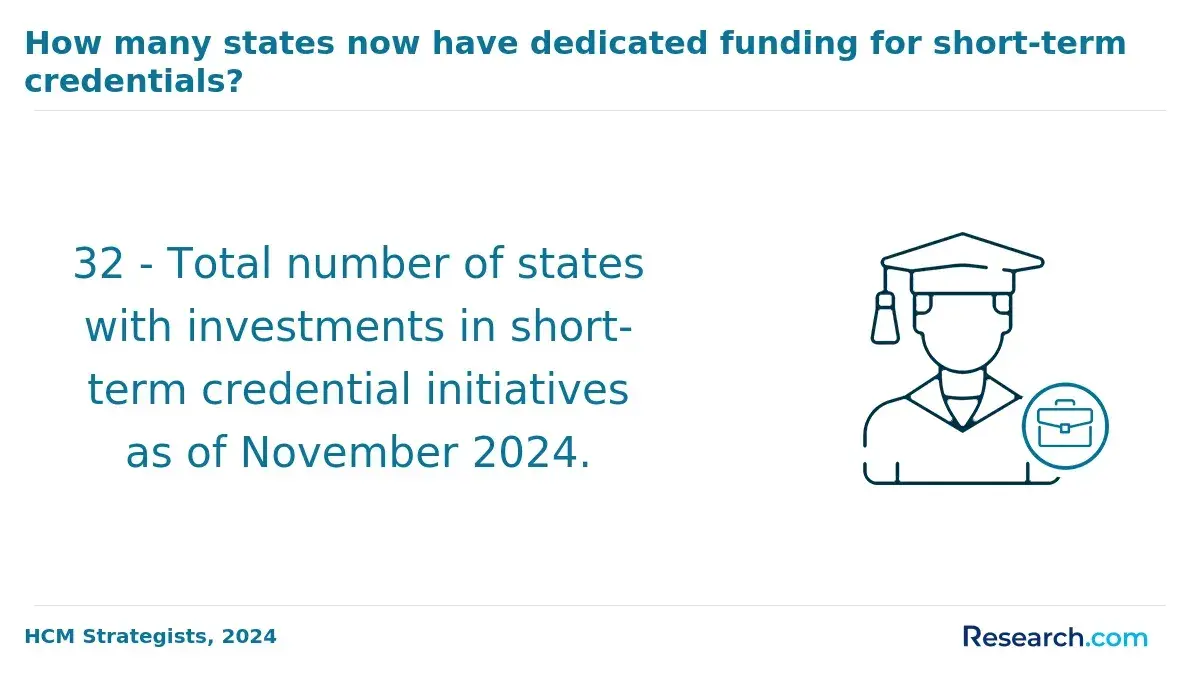
The challenge level of earning a secondary education degree online is generally comparable to that of an on-campus program, though individual experiences vary widely. Whether a student finds one format harder depends on personal skills and circumstances.
Below are key differences between online and on-campus secondary education degrees that influence the learning experience:
- Academic Expectations: Both modalities adhere to the same accreditation and state standards, ensuring comparable rigor across programs.
- Workload and Pacing: Online programs provide flexibility to progress at one's own pace, benefiting self-disciplined learners, while on-campus courses follow fixed schedules with structured supervision.
- Interaction and Support: On-campus students enjoy immediate face-to-face engagement and community, whereas online learners may face less real-time interaction, potentially affecting motivation and support.
- Learning Environment: Campus settings offer hands-on experiences and direct access to faculty, while online formats rely heavily on virtual tools and self-directed study.
- Challenges Unique to Each Format: Online students often confront technical difficulties and higher attrition rates, which contribute to concerns about is earning a secondary education degree online more challenging for some individuals.
Understanding these differences can help prospective students evaluate how the differences between online and on-campus secondary education degrees might impact their academic success and engagement.
For those interested in broader career implications, resources like what master degrees make the most money offer additional insights into educational pathways.
Accelerated secondary education programs are generally harder than traditional formats due to their condensed timelines and increased workload intensity. The rapid pacing and content density require students to assimilate large volumes of material in a short period, often resulting in greater daily and weekly demands.
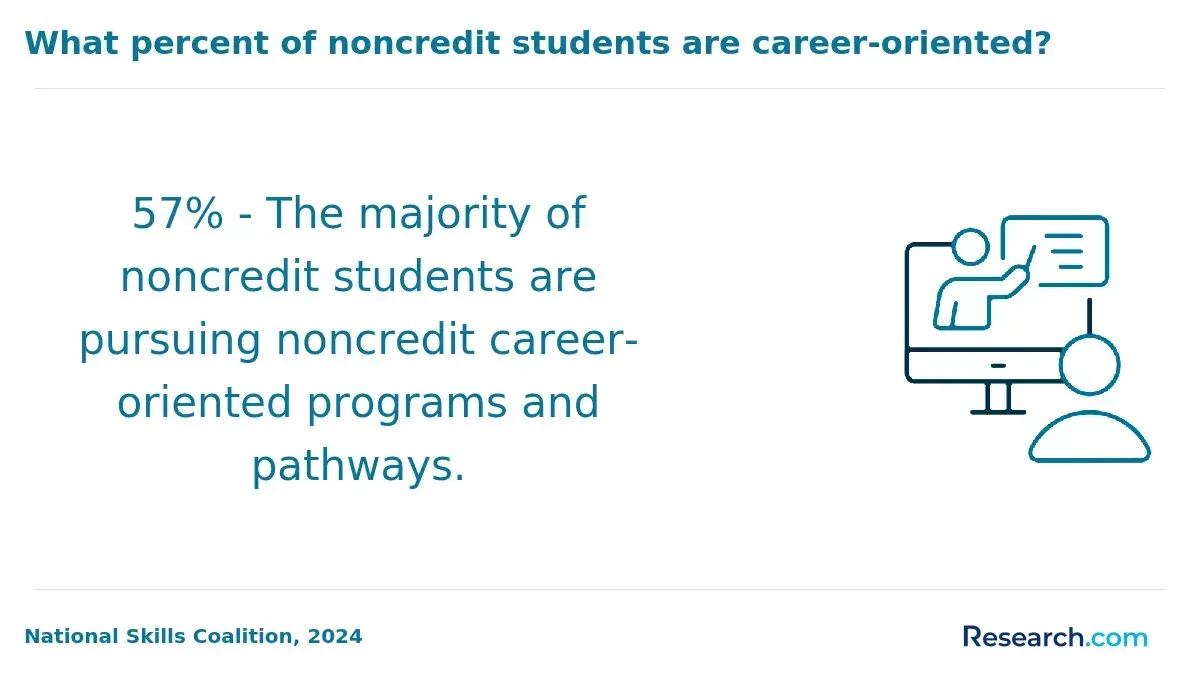
This fundamental difference shapes distinct student experiences in each format. Below is a comparison that highlights these factors as part of the broader accelerated secondary education program challenges in the US.
- Course Pacing and Content Density: Accelerated programs deliver the same curriculum in substantially less time, forcing students to engage with material at a faster rate compared to traditional programs that allow for deeper exploration.
- Workload Management: Students in accelerated tracks face higher stress due to extended study hours with minimal breaks, whereas traditional students benefit from a more balanced schedule better suited to diverse needs and academic support.
- Academic Expectations and Skill Demands: Accelerated formats demand advanced time management, self-discipline, and resilience, while traditional pathways suit those requiring more gradual, supported learning environments.
- Learning Retention and Stress Levels: The compressed schedule in accelerated programs limits opportunities for review and reflection, which may reduce long-term retention and elevate stress compared to the structured flexibility of traditional programs.
- Flexibility and Daily Structure: Traditional students often enjoy schedules that accommodate work and family commitments, unlike accelerated students who must commit full-time to intense coursework.
Understanding the differences between accelerated and traditional secondary education degrees is crucial for prospective students considering their best fit.
Resources listing top non profit accredited online universities offer valuable guidance for those seeking flexible but credible options in secondary education programs.
Students majoring in secondary education can often balance part-time work, but success depends largely on course demands, scheduling, and individual habits. This field usually requires significant outside study time-often 15 to 20 hours weekly-for readings, lesson planning, and projects.
Flexibility varies as some programs offer evening or online classes, while others mandate daytime labs or fieldwork, which can restrict job opportunities. A student's ability to organize time effectively also plays a crucial role in managing both commitments.
Many secondary education students choose part-time roles with adaptable schedules, such as tutoring or campus positions, to accommodate intense academic periods. They often adjust credit loads in particularly demanding semesters to avoid overload.
The discipline's cycle of lesson development, regular projects, and practical experience like student teaching can cause peak workloads that challenge work hours.
Accessing campus tutoring or online academic resources further supports students navigating these competing responsibilities, enabling them to maintain academic progress alongside employment.
Career paths for secondary education majors vary in difficulty, responsibility, and required skills. While some roles match the rigor of the major, others may be less demanding or challenging in different ways depending on the position.
- High School Teacher: Typically teaching grades 9-12 in a specific subject, this role involves lesson planning, grading, classroom management, and meeting state standards. It is generally as demanding as the major itself, requiring deep content knowledge and strong organizational skills.
- Middle School Teacher: Working with grades 7-8, this position demands adapting advanced concepts for younger learners and managing developmental challenges. The job's difficulty aligns with the major, though classroom management may be more taxing than subject mastery.
- Instructional Coordinator: Responsible for designing curriculum and overseeing teaching standards outside the classroom, this role shifts challenges from teaching to strategic planning. It requires significant expertise and collaboration, making it demanding in a different way than classroom roles.
- Academic Advisor: Guiding students through their academic choices, this job emphasizes interpersonal and organizational skills. It tends to be less intense academically than teaching but can be emotionally demanding due to student support needs.
- Postsecondary Administrator: Managing programs and student services at colleges or universities, this role involves policy implementation and leadership responsibilities. It is often less demanding academically but requires strong administrative and leadership abilities.
For students weighing whether is teaching harder than studying secondary education, most classroom careers maintain the degree's rigor, while alternative careers demand different skill sets.
Those seeking supported pathways may explore most affordable online universities for working students that align with these career options. Overall, the diversity of careers for secondary education majors offers varied challenges matching different professional strengths and interests.
There is no direct link between the academic difficulty of a secondary education major and higher salaries for graduates. While the major demands rigorous coursework in both content and teaching strategies, tougher academics do not automatically lead to increased pay.
Factors like market demand and skill development can improve job prospects and effectiveness in the classroom, but they don't guarantee higher earnings.
Instead, salary levels tend to reflect broader influences such as state budgets and collective bargaining agreements rather than the challenge of the coursework itself.
Secondary education graduates' salaries are shaped by several key factors beyond major difficulty. Geographic location plays a major role, with states like California and New York offering average salaries above $95,000, while others such as Mississippi and South Dakota remain under $50,000.
Job roles and experience matter too: high school teachers typically earn around 6% more than the K-12 average due to specialized certifications and subject expertise.
Additionally, demand in fields like STEM can bring modest pay bonuses, while advanced degrees and years of teaching can raise income levels. Despite this, teachers generally earn about 67-80% of what other professionals with similar education and experience make.
What Graduates Say About Secondary Education as Their Major
- Adriana: "Pursuing secondary education was definitely challenging but incredibly rewarding. The coursework pushed me to develop strong communication and organizational skills, which have been invaluable in my teaching career. Considering the average cost of attendance, I felt it was a worthwhile investment in shaping my future. "
- Eduardo: "Majoring in secondary education was tougher than I initially expected, especially balancing theory with hands-on experience. However, it deeply changed how I view learning and personal growth, making the financial and time commitment feel justified. The cost was significant but manageable with careful planning. "
- Santiago: "Secondary education is no easy major; it demands dedication and resilience. That said, the knowledge I gained has empowered me professionally and personally, and despite the cost of attendance being high, the impact on my career path makes it feel like a smart choice overall. "
Other Things You Should Know About Secondary Education Degrees
Most secondary education graduates need a state-issued teaching license or certificate to teach in public schools. Requirements usually include a bachelor’s degree, supervised student teaching, passing state content and pedagogy exams, and a background check approved by the state education agency.
Student teaching is a critical and time-intensive component of secondary education programs. It usually occurs near the end of the degree, requiring full-time commitment for several weeks or even a full semester.
This hands-on experience is essential for developing classroom management skills and applying educational theory in practice.
- How does a college degree improve graduates’ employment and earnings potential? - APLU https://www.aplu.org/our-work/4-policy-and-advocacy/publicuvalues/employment-earnings/
- 12 Barriers to Education for Children Living in Poverty https://www.globalcitizen.org/en/content/12-barriers-to-education-around-the-world/
- 7 Reasons Why Majoring in Education Is a Good Idea https://www.geneva.edu/blog/program-spotlight/7-reasons-why-majoring-in-education-is-a-good-idea
- Online Vs In-Person Classes: Is One Better Than The Other? https://unity.edu/articles/online-vs-in-person-classes/
- How To Choose Between Online Vs. Traditional Education Programs | PLNU https://www.pointloma.edu/resources/accelerated-undergraduate/how-choose-between-online-vs-traditional-education-programs
- What Can I Do With a Teaching Degree (Besides Teach)? https://www.alleducationschools.com/blog/what-can-i-do-with-a-teaching-degree-besides-teach/