2027 Remote Jobs You Can Get With a School Psychology Master's Degree

Co-Founder and Chief Data Scientist
Consider a licensed school psychology graduate balancing family obligations while seeking a fully remote position. Despite holding a master's degree, many such professionals confront constraints as 67% of school psychology roles remain tied to in-person or hybrid formats, reflecting employer prioritization of direct student interaction. Remote jobs advertised as flexible often demand specialized credentials, ongoing state licensure, or local school district affiliation-factors limiting true location independence. Moreover, emerging telepractice roles emphasize technical fluency and data management skills, which may not align with traditional training.
This article examines realistic remote career options for those with a school psychology master's degree, clarifying practical pathways and limitations.
Key Things to Know About Remote Jobs You Can Get With a School Psychology Master's Degree
- Remote roles often exclude direct testing or crisis intervention duties requiring in-person licensure, limiting fully remote work to consultation or research, which demands clear employer communication about credential scope.
- According to 2024 workforce reports, 32% of school psychology job openings offer hybrid models, reflecting employer caution toward fully remote setups due to regulatory and practical challenges in student assessment.
- Graduate-level skills in data analysis and report writing translate well to remote roles, but extended remote licensure processing times can delay viable employment, influencing program selection and career timelines.
What Remote Jobs Can You Get With a School Psychology Master's Degree?
Remote jobs for school psychology master's graduates remain a nuanced segment of the broader mental health and educational workforce. While telepsychology roles providing virtual counseling and assessment services represent the most straightforward remote option, these positions demand maintaining valid licensure in the client's jurisdiction as well as compliance with confidentiality regulations, limiting geographic flexibility. Employers typically seek candidates with established clinical experience and proficiency in digital platforms, emphasizing that entry-level graduates may face challenges securing fully remote roles without prior hybrid or in-person work history to demonstrate competency in direct client engagement.
Another realistic remote career avenue lies in educational consulting, where graduates work with schools and families on individualized education programs and behavior plans without physical site visits. This pathway leverages school psychology training in assessment and special education law but often requires adaptability to asynchronous communication and collaborative technology tools. The remote versus hybrid distinction is significant here, as some consultancies expect periodic on-site meetings while others operate entirely virtually, shaping job search strategies and influencing candidate marketability in specific regions.
Remote research and program evaluation roles also align well with the skill sets of school psychology graduates, particularly for those with strong data analysis and methodological expertise. Universities and nonprofits frequently contract these specialists to analyze educational outcomes or mental health initiatives, although opportunities seldom include direct client service, altering the professional trajectory compared to traditional counseling roles. In weighing options, graduates must balance the appeal of location-independent work with potential tradeoffs in licensure portability and the predominance of hybrid models while navigating increasing demand across healthcare systems and educational institutions.
For those exploring related healthcare fields emphasizing remote flexibility, resources like RN to BSN without clinicals programs might offer complementary pathways.
Which Industries Hire Remote Professionals With a School Psychology Master's Degree?
Remote roles for professionals with a school psychology master's degree are concentrated mainly in education, telehealth, and nonprofit sectors, each presenting distinct operational realities. Educational institutions, particularly K-12 districts and virtual schools, remain significant employers, though remote positions in this area grew by just 15% over the past two years according to the U.S. Bureau of Labor Statistics. These roles often demand proficiency not only in psychological assessment but also in digital collaboration and intervention planning within virtual learning environments.
Conversely, telehealth platforms are rapidly expanding remote opportunities by leveraging graduate-level credentials to meet rising demand for mental health services accessible outside physical clinics, though these positions frequently require additional technology skills and adherence to remote client confidentiality protocols.
Nonprofits focusing on child development and learning disabilities offer another viable path, emphasizing data-driven program evaluation and policy analysis with full virtual work arrangements. Yet, these roles are often highly competitive due to limited openings and may require advanced research expertise beyond typical practitioner competencies.
In contrast, healthcare and private practice sectors tend to restrict remote work due to stringent licensing and reimbursement policies, while many government roles blend remote and on-site responsibilities, complicating pure remote employment. Choosing among these sectors means balancing role availability, professional growth opportunities, and flexibility against the regulatory and practical constraints shaping remote work in each industry.
A remote school psychologist shared that early in her job search, she applied broadly across education and telehealth jobs but found that education-focused employers often expected occasional on-site meetings, which conflicted with her need for full remote flexibility. She also noted telehealth companies valued her credential but prioritized candidates with experience in digital platforms and teletherapy certifications, pushing her to reskill. Meanwhile, nonprofit roles, though fully remote, required robust research backgrounds she initially lacked, prompting her to adjust her applications and career expectations. This experience underscored the importance of sector-specific understanding and targeted skill development when pursuing remote positions in school psychology.
What Are the Highest-Paying Remote Jobs for School Psychology Master's Degree Graduates?
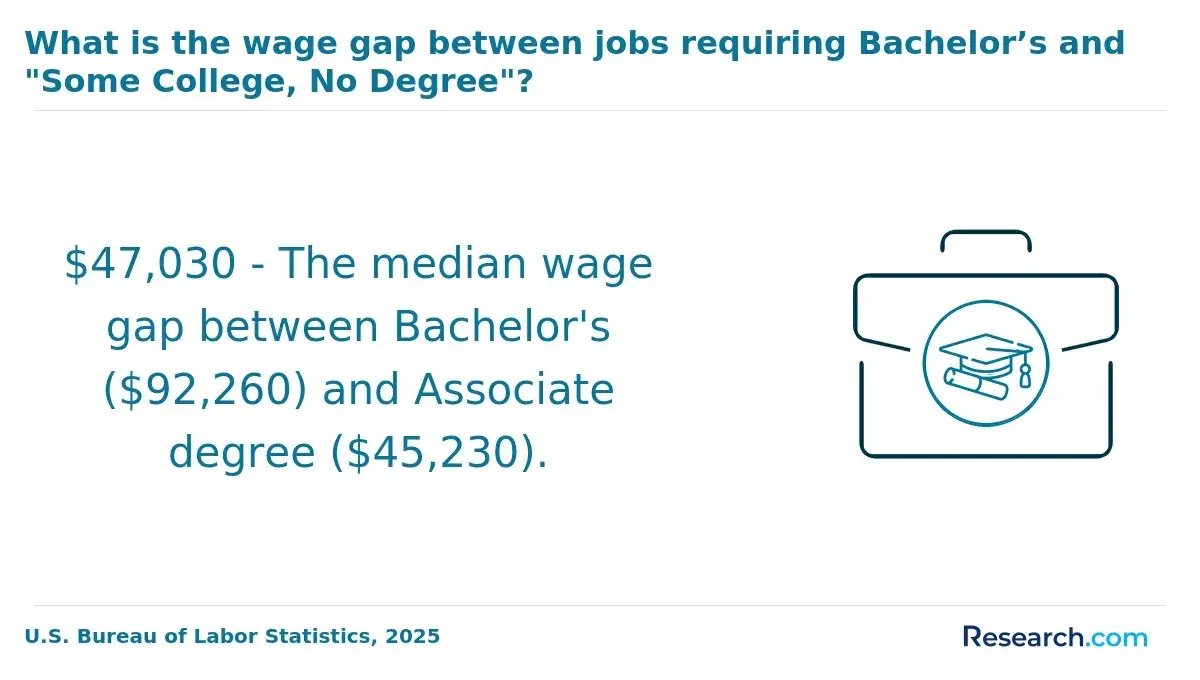
The highest-paying remote roles for graduates with a master's degree in School Psychology typically blend advanced credentials, specialized expertise, and flexible service delivery models that extend beyond conventional school settings. Positions such as telepsychology consultants or behavioral analysts often require licensure like Licensed Specialist in School Psychology (LSSP) and prioritize candidates with proven skills in digital assessment or intervention design. For example, remote telepsychology roles demand not only clinical competency but also the ability to manage virtual client relationships, a factor that narrows eligibility to experienced practitioners and limits entry-level access despite attractive salary potential.
Moreover, labor-market data from the U.S. Bureau of Labor Statistics in 2024 highlights a median wage for school psychologists around $77,000, but those operating fully remotely in specialized sectors can exceed this median by leveraging niche skills such as bilingual assessment or trauma-informed consultation. Employers in private healthcare and nonprofit organizations increasingly seek remote experts who combine behavioral consultation with program development, yet geographic pay adjustments and contractual work models affect total remuneration and job stability. Navigating these roles requires balancing credential requirements, such as state licensure, with the realities of client demand and employer flexibility, influencing long-term career trajectory and remote work feasibility.
Remote opportunities offering the strongest compensation frequently arise in environments that value leadership in program innovation or clinical oversight delivered via digital platforms. However, candidates must weigh tradeoffs including competitive credentialing barriers, reduced on-site supervision, and fluctuating demand for remote versus hybrid service models. Understanding these operational and regulatory nuances enables prospective professionals to strategically align their qualifications with available remote roles that do not simply replicate traditional school psychology functions but expand into consultative and technical domains with higher earning potential.
Can You Get a Remote Job With a School Psychology Master's Degree and Little or No Experience?
Securing entry-level remote positions in school psychology with little to no direct experience remains challenging due to employer preferences for candidates who have completed supervised internships or hold relevant licensure. The sensitive and specialized nature of psychological services reinforces the need for practical experience, making it difficult for new graduates to purely leverage their master's degree alone.
Data from the U.S. Bureau of Labor Statistics in 2024 highlights that while remote opportunities in this field are on the rise, many employers prioritize applicants who can demonstrate applied skills through practicum hours, telehealth experience, or verifiable portfolios.
Remote jobs for school psychology graduates with no experience require strategic navigation of these expectations. Positions focused on direct client services almost universally require state certification, telepractice proficiency, and strong remote work discipline, which often limits immediate access for newcomers without supervised training. However, some entry points exist through assistant roles or volunteer telehealth services that provide supervised exposure and skill accumulation.
Graduates who invest in building competencies remotely-instead of waiting to accumulate traditional in-person experience-can improve their prospects, though the path remains more incremental and competitive compared to other health-related remote roles like a masters of health administration.
What Skills Do Employers Look for in Remote Candidates With a School Psychology Master's Degree?
Remote positions in school psychology demand more than foundational knowledge; employers prioritize candidates who excel in autonomous problem-solving and clear, tailored written communication. Mastery in digital tools for collaboration and secure data management is often assessed through practical examples such as practicum experiences or capstone projects that demonstrate effective stakeholder engagement and task ownership without direct supervision.
Given the reliance on asynchronous communication, candidates must also navigate project management and client interactions with a high degree of self-discipline. Recent data from the Society for Human Resource Management emphasizes that 72% of educational employers value self-motivation and accountability as pivotal traits, reinforcing that technical skills alone are insufficient without demonstrated applied effectiveness in remote contexts.
Assuming a master's degree inherently conveys readiness for remote roles overlooks critical gaps that employers frequently encounter. Candidates may have limited exposure to specialized telehealth software or struggle with the nuances of asynchronous dialogue, leading to misalignments with team workflows or compliance expectations. The absence of direct remote work experience can place candidates at a disadvantage compared to peers who have integrated digital collaboration into daily practice.
Furthermore, licensing requirements and state-by-state regulatory frameworks complicate this landscape, reducing flexibility and sometimes requiring supplemental credentials beyond the graduate degree itself. These tradeoffs underline why practical, demonstrable remote competencies and contextual knowledge are key differentiators during hiring.
One recent applicant described how their interview for a remote school psychology role involved a thorough discussion of how they managed a multi-week virtual assessment project during their practicum. The hiring manager focused less on academic scores and more on the candidate's approach to scheduling sessions independently, adapting communication styles for different family dynamics remotely, and utilizing encrypted platforms to protect sensitive data. Initial uncertainty about meeting these expectations gave way to confidence when the candidate shared measurable outcomes and lessons from navigating technical challenges without on-site support, which ultimately influenced the employer's decision to extend an offer.
How Can a School Psychology Master's Degree Help You Qualify for Remote Leadership and Management Roles?
A master's degree in school psychology strengthens candidacy for remote leadership roles by cultivating skills vital to managing dispersed teams and complex programs. Unlike traditional in-person supervision, remote management demands rigorous accountability through measurable outcomes, adept asynchronous communication, and trust-building across locations. Employers increasingly expect remote leaders to combine clinical expertise with strategic coordination, leveraging interdisciplinary teamwork and data-driven decision-making, which are foundational to graduate training in school psychology and serve as critical differentiators in remote leadership positions.
The practical application of these skills often translates into leadership capacities such as program evaluation, crisis intervention management, and cross-functional decision-making that involve compliance oversight and ethical considerations. For example, a regional director overseeing multi-site mental health services remotely must rely heavily on digital collaboration tools and telepractice competencies emphasized in school psychology programs. While a master's degree alone does not guarantee promotion into remote management careers with school psychology graduate degree backgrounds, it signals preparedness for consultative duties and remote team mentoring, skills increasingly prioritized amid hybrid and virtual work trends.
Moreover, candidates balancing career shifts or assessing flexibility tradeoffs might explore complementary remote-friendly graduate pathways like accelerated BSN programs for non nurses California to broaden healthcare-oriented leadership options. Nonetheless, school psychology master's degree remote leadership roles remain distinct through their focus on educational and mental health systems, where managing data integrity, ethical program implementation, and multi-tiered support frameworks are indispensable for successful virtual oversight.
Can You Work as a Freelance Consultant With a School Psychology Master's Degree?
Working as a freelance consultant with a school psychology master's degree demands more than academic credentials; it requires strategic positioning and compliance with complex licensure regulations that vary by state. Many clients expect consultants to demonstrate specialized expertise in areas like educational assessment or behavioral intervention, alongside verifiable accomplishments such as published work or professional endorsements. Remote consulting opportunities may be limited by legal constraints around interstate practice, forcing consultants to carefully navigate their service area and scope, particularly when advising on matters subject to state licensure.
Income stability is a significant challenge, with project availability and payment timing often fluctuating; according to the 2024 Freelance Economic Report, 42% of independent consultants across industries face unpredictable cash flow. This financial variability compels freelancers to invest in continuous client development and maintain strong networks to secure steady contracts. Moreover, the distinction between advisory roles and regulated practice is critical-freelancers must clearly establish boundaries to avoid legal risks, which frequently means focusing on consultation and training rather than direct psychological services.
For master's degree holders deciding between traditional employment and freelance consulting, the choice hinges on willingness to manage these operational complexities and to develop robust professional credibility remotely. Freelance work can suit those who excel in client-facing communication and business development, but often demands specialization to meet niche needs effectively. Ultimately, successful consultants are those who treat freelance practice as a dynamic, project-based business requiring careful regulatory awareness, portfolio building, and a realistic grasp of the tradeoffs in client acquisition and income predictability.
Where Can You Find Legitimate Remote Jobs for School Psychology Master's Degree Holders?
Locating legitimate remote roles with a master's degree in school psychology requires navigating a fragmented and credential-sensitive job market. Many remote positions are affiliated with district or educational institutions that maintain strict licensure and supervision protocols, reducing the pool of truly remote and autonomous opportunities. For example, candidates often find postings on professional association job boards like the National Association of School Psychologists or through university alumni networks, where institutional vetting is stronger and position descriptions clarify telework frameworks.
According to the U.S. Bureau of Labor Statistics' 2024 Occupational Outlook, telepsychology and remote consultation roles have expanded by about 15% in educational settings, reflecting growing digital service adoption but also intensifying competition among qualified applicants.
Remote job seekers in this field must critically evaluate listings to avoid hybrid or unreliable roles misrepresented as fully telework. The workforce research firm Gartner reports that nearly 20% of education-related remote positions use ambiguous language about work location and supervision requirements, underscoring the need to confirm licensure recognition, employer credibility, and oversight structures before applying.
Large school districts, nonprofit groups, and academic institutions frequently post remote openings with transparent licensing and geographic mandates, contrasting with general remote work platforms that may lack sector-specific filtering. Graduates should anticipate tradeoffs between flexibility, regulatory hurdles, and employer expectations, shaping realistic job search strategies that prioritize established channels and verified listings over high-volume but less specialized aggregators.
What is the Salary Potential for Remote Professionals with a School Psychology Master's Degree?
Salary potential for remote professionals with a School Psychology master's degree varies significantly based on role specialization, licensure, and employer expectations. While the U.S. Bureau of Labor Statistics (2024) reports a median annual wage near $79,000 for school psychologists, this figure more accurately reflects traditional in-person positions rather than remote roles, which often fall within telehealth, virtual assessments, and consultancy.
For instance, an early-career remote specialist conducting basic data collection might earn between $50,000 and $60,000 annually, whereas experienced practitioners offering in-depth behavioral interventions or virtual evaluations with proper state licensure can exceed $90,000, particularly within established health systems or school districts integrating significant remote services.
Geographic pay disparities complicate this landscape, as many employers adjust compensation based on the client's location rather than the professional's residence, which can limit earning opportunities depending on the states served. The credentialing process, such as acquiring the National Certified School Psychologist (NCSP) certification or equivalent treatment provider licenses, further impacts salary by aligning qualifications with industry standards and remote practice regulations.
Understanding actual salary ranges for remote professionals with a school psychology master's degree requires assessing these variables alongside evolving employer demand for flexible delivery of psychological services in education and healthcare sectors.
Job seekers exploring the average earnings for school psychology remote jobs in the United States must also weigh investment in technology and ongoing professional development to maintain licensure, as these factors indirectly affect total compensation and career sustainability. Those weighing career pivots or flexible work options can benefit from sector research and realistic salary expectations without assuming compensation matches the established averages seen in traditional settings.
For comparative context on compensation trends and pathways in remote roles, consider reviewing data such as how much do drug reps make, which highlights remote earning variances across healthcare-related professions.
What is the Long-Term Career Outlook for Remote Jobs Requiring a School Psychology Master's Degree?
The long-term career outlook for remote jobs requiring a school psychology master's degree is cautiously optimistic but shaped by significant constraints. While the U.S. Bureau of Labor Statistics projects an 8% growth in employment for school psychologists from 2022 to 2032, much of this growth centers on traditional, in-person roles rather than fully remote positions. This distinction matters for candidates evaluating remote flexibility, as licensure and regulatory requirements often mandate onsite assessments or interventions, limiting the scope of fully remote work in many educational environments.
Remote work viability increasingly depends on proficiency with digital communication technologies and adherence to privacy standards for telehealth services. A 2024 workforce survey by the National Association of School Psychologists found that 35% of professionals expect remote work to become a regular component of their jobs, highlighting some shift toward flexible models.
However, nearly 70% voiced concerns about maintaining effective interventions and collaboration remotely, reflecting ongoing challenges that influence employer expectations and career sustainability for graduates considering these roles. Geographic flexibility can offer advantages in serving rural or underserved populations, but the need to navigate multistate licensure adds complexity to long-term career planning focused on remote options.
For those exploring degrees related to health and psychology, parallels in remote job growth with other fields can inform decision-making. Graduate students weighing educational pathways might compare outcomes with programs such as an online environmental health and safety degree, which reflect broader industry trends in remote service delivery. Leadership and specialized district-wide roles in school psychology, however, remain tied to physical presence or travel, meaning remote work is more complementary than a replacement for traditional employment models in the field over the next decade.
What Do Graduates Say About Working Remotely With a School Psychology Master's Degree?
- Lauren: "After completing my master's in school psychology, I chose a remote role focusing on data analysis for behavioral interventions. What stood out was how employers valued my hands-on internship experience and portfolio over licensure alone. This practical edge helped me transition smoothly into remote work, though I quickly realized salary growth without certification can be limited, so I'm now considering additional credentials."
- Tori: "Working remotely after graduation gave me the flexibility I needed to balance family commitments, but landing a full-time position required patience. Many openings prioritized candidates with extensive field experience or licensure, so I initially accepted contract work to build a stronger profile. This gradual career approach felt more realistic than expecting immediate placement in traditional school settings."
- Elaine: "My master's in school psychology led me to a tech company's remote student support team, which was a pivot from my original expectations. Employers here emphasized certifications and evidence-based tools more than typical licensure, reflecting the evolving landscape of remote roles. While the work is rewarding, advancing beyond entry levels without additional schooling remains a challenge I'm navigating carefully."
Other Things You Should Know About School Psychology Degrees
Remote positions in school psychology often demand irregular hours to accommodate client or student schedules across different time zones. This can blur boundaries between personal and professional time, making work-life balance more challenging than with traditional in-person roles. Candidates should prioritize positions with clear expectations around availability and consider whether their home setup supports managing asynchronous communication effectively.
Remote internships can offer scheduling flexibility but may limit hands-on assessment opportunities and direct observation of in-person interventions critical for skill development. Prospective students should prioritize programs that blend remote learning with some in-person practicum components when possible, as this hybrid model better prepares candidates for the complex demands of licensed practice and employer expectations.
Employers expect meticulous record-keeping and adherence to legal standards, which can be more demanding remotely due to the lack of immediate supervision or peer collaboration. Professionals need to develop superior self-discipline and tech proficiency to manage digital documentation securely and comply with evolving telehealth regulations. Prioritizing roles with robust administrative support can mitigate these challenges and improve job satisfaction.
References
- Inside Online Master’s Programs in School Psychology https://www.onlinemastersdegrees.org/best-programs/psychology/school-psychology/
- Remote School Psychologist Jobs - Soliant Health https://www.soliant.com/school-healthcare-jobs/school-psychologist-jobs/remote-jobs/
- Teletherapy School Psychologist Jobs - VocoVision https://www.vocovision.com/teletherapy-jobs/school-psychologist-jobs/
- MA in Educational Psychology, PPSP Credential https://www.umassglobal.edu/academic-programs/ma-educational-psychology-ppsp-credential
- School Psychologist https://epicspecialeducationstaffing.com/best-school-psychologist-jobs/
- Remote Masters In Psychology Jobs https://www.virtualvocations.com/q-remote-masters-in-psychology-jobs.html
- School Psychologist Career Path: Requirements, Salary, and Job Outlook - Online Psychology Programs https://onlinepsychologyprograms.org/career-paths/school-psychologist/
- Interested in a career in Educational Psychology? https://www.aep.org.uk/interested-career-educational-psychology
- School Psychologists Jobs and Careers | Presence https://presence.com/join-our-network/sp/
- The 15 Highest-Paying Jobs with a Psychology Master's Degree https://www.bestpsychologydegrees.com/posts/highest-paying-jobs-with-a-psychology-masters-degree/