2027 Entry-Level Jobs With a Kinesiology Master's Degree

Co-Founder and Chief Data Scientist
Graduates with a master's in kinesiology often face a decentralized hiring landscape shaped by varied employer demands across healthcare, rehabilitation, fitness, and research sectors. Entry-level roles frequently require adaptability to interdisciplinary teams, with many employers prioritizing certifications and practical experience alongside academic credentials.
Recent trends reveal increasing emphasis on data literacy and technology integration in kinesiology-related roles, reflecting shifts in workplace efficiency and outcome tracking. Understanding these evolving workforce structures is crucial for navigating initial job searches and career entry in fields such as exercise physiology, biomechanics, and sports management. This article examines typical job positions and the context in which they emerge for kinesiology master's graduates.
Key Benefits of Entry-Level Jobs With a Kinesiology Master's Degree
- Entry-level roles often focus on applied skills rather than research, highlighting a tradeoff where practical experience gained may limit immediate access to advanced specialist positions requiring deeper theoretical expertise.
- Employers in rehabilitation and sports science increasingly demand certifications alongside a master's degree, indicating that degree holders should plan additional credentialing to meet evolving workforce standards.
- The typical 2-year master's program duration delays labor market entry compared to bachelor's graduates, which can affect early career earnings momentum but provides essential technical competencies for sustainable advancement.
What Entry-Level Jobs Can You Get With a Kinesiology Master's Degree?
Entry-level roles following a master's degree in kinesiology rarely equate to minimal responsibility or basic tasks. Graduates often assume positions demanding specialized understanding of human movement and health sciences, coupled with analytical decision-making and client engagement.
These jobs reflect industry demands and the specific focus of the graduate program, with many roles providing meaningful contributions to clinical, fitness, or community health settings from the outset.
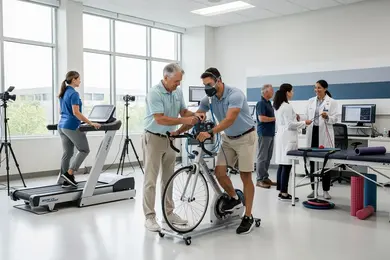
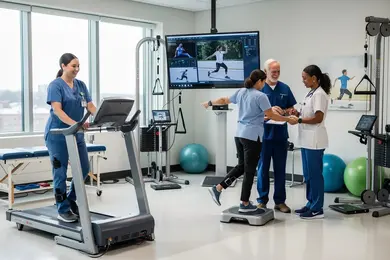
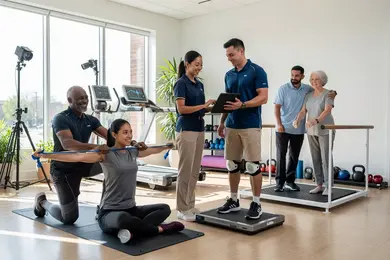
- Exercise Physiologist: This role involves assessing, designing, and overseeing fitness and rehabilitation programs that improve cardiovascular and muscular function. Recognized as entry-level due to the need for supervised clinical experience, it provides a practical foundation for advanced certifications and long-term specialization in clinical exercise science. According to the U.S. Bureau of Labor Statistics, demand for exercise physiologists is growing faster than many other occupations, indicating robust employment opportunities.
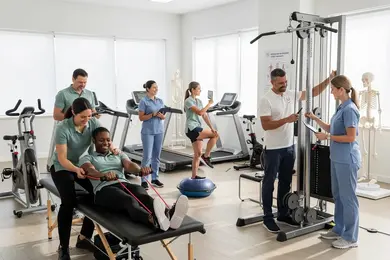
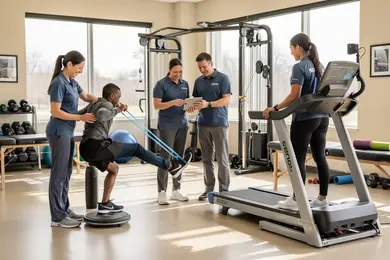
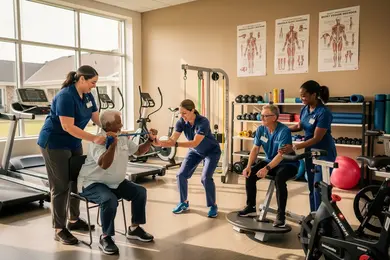
- Physical Therapy Assistant: Often accessible to kinesiology graduates with additional certifications, this position supports licensed physical therapists in executing patient rehabilitation plans. The hands-on nature cultivates valuable technical skills and clinical exposure, serving as a stepping stone toward advanced therapeutic roles or licensure, which progressively elevate professional scope and autonomy.
- Wellness Coordinator: Positioned in corporate, community, or government wellness programs, this role emphasizes program development, health promotion, and risk reduction strategies. While typically offering lower initial salaries than clinical roles, wellness coordinators gain critical experience in organizational management and client communication, forming a platform for leadership roles or policy advocacy within health promotion domains.
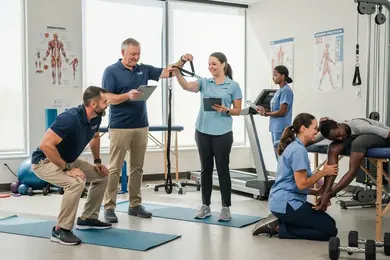
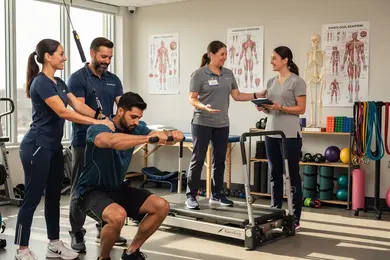
- Rehabilitation Specialist: This entry-level role focuses on assisting patients recovering from injury or illness, applying biomechanical principles and therapeutic techniques. It often functions as a foundational role from which practitioners pursue further specialization in physical therapy, occupational therapy, or sports rehabilitation, reflecting the complexity and adaptability of kinesiology master's degree entry-level job opportunities.
For graduates interested in complementary certifications or specialized training, programs such as medical coding and billing certification may also enhance qualifications for administrative or informatics pathways, broadening their employment prospects beyond traditional clinical settings.
What Sectors Have the Strongest Demand for Graduate-Level Talent?
Demand for master's graduates in kinesiology is largely driven by structural shifts and ongoing workforce needs rather than just the popularity of the degree itself. Sectors exhibiting persistent hiring trends typically require advanced expertise in human movement, data analysis, regulatory compliance, or interdisciplinary collaboration that aligns with graduate-level training.
Understanding the economic and technological factors behind these trends clarifies which career paths may offer more sustainable opportunities and room for skill-based growth.
- Healthcare Services: The healthcare sector remains the leading employer for kinesiology graduates as hospitals and specialized clinics prioritize patient rehabilitation and chronic disease management. Increasing emphasis on evidence-based therapeutic interventions and aging population health needs sustains demand for clinical exercise physiologists, cardiac rehab coordinators, and occupational therapy support roles. Regulatory requirements and evolving care models promote hiring professionals who can integrate kinesiology expertise with clinical protocols.
- Fitness and Wellness Industry: Growth in preventative health programs and corporate wellness initiatives fuels opportunities in this sector, where kinesiology graduates design tailored exercise regimens for diverse populations. The pressure to demonstrate measurable outcomes combined with competition for roles means employers favor candidates with practical experience and communication skills. This sector's expansion reflects broader consumer health trends and organizational cost-containment strategies.
- Rehabilitation Technology and Research: Emerging fields like biomechanics analysis, assistive device development, and applied kinesiology research require specialized quantitative and technical skills. Organizations investing in innovation and data-driven rehabilitation approaches seek master's-level graduates who can manage complex analytics and support product development. These roles often demand additional technical certifications alongside academic credentials.
- Government and Education: Public health bodies and educational institutions recruit kinesiology professionals for program implementation and teaching roles that reinforce community health and workforce training. These positions often come with requirements for further certification or advanced degrees but offer more stability and long-term career progression tied to policy-driven health initiatives and academic rigor.
A kinesiology master's graduate shared that navigating rolling admissions was unexpectedly challenging during their job search. They initially hesitated to accept a program offer, waiting for responses from other schools with different specialization strengths. This delay coincided with a tightening job market, which increased pressure to secure internships and certifications early.
Ultimately, the graduate chose a program aligned with healthcare rehabilitation, a decision shaped by observed sector demand and the urgency imposed by enrollment deadlines, highlighting how timing and market awareness can significantly affect early career trajectories.
Which Entry-Level Kinesiology Careers Have the Highest Starting Salaries?
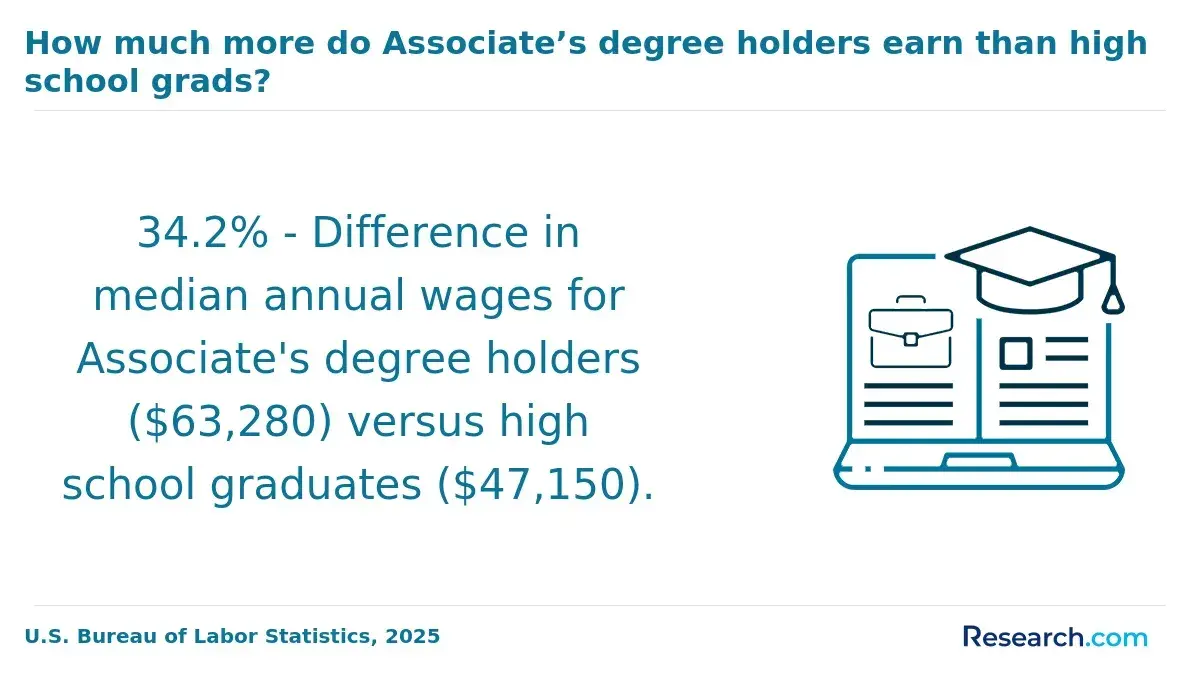
Starting salaries for master's graduates in kinesiology are shaped by factors beyond academic credentials alone. Compensation commonly reflects specialized skills, regulatory complexities, industry demand, and the measurable impact a role has within organizations.
The highest-paying entry-level positions usually involve increased responsibility, require analytical expertise, or serve sectors with significant market growth and scarce qualified professionals.
- Clinical Exercise Physiologist ($55,000-$65,000): Positions in clinical exercise physiology command top-tier starting salaries due to the intricate blend of scientific knowledge and patient care required. Employers value these professionals for their ability to design evidence-based exercise regimens for individuals with chronic diseases or injury recovery, which often translates into improved health outcomes and reduced healthcare costs. The role demands certifications and strong analytical skills, reinforcing its higher pay relative to general fitness roles and providing a foundation for advanced clinical practice.
- Physical Therapy Assistant ($50,000-$60,000): Entry-level physical therapy assistants typically earn close to clinical exercise physiologists because they provide hands-on rehabilitative support under licensed therapists' supervision. The need for state-specific certifications and licensing limits the labor supply, pushing salaries upward. This position serves as a critical clinical touchpoint and a common pathway to specialization within physical therapy fields, adding longer-term career value.
- Sports Performance/Strength and Conditioning Coach ($48,000-$60,000): In collegiate or professional sports settings, these roles command strong starting pay tied to specialized certifications like CSCS and internships that enhance practical expertise. The sports performance sector relies heavily on networking and proven outcomes, which influences salary. While these jobs can be competitive and geographically constrained, they offer upward mobility into higher-profile coaching or athletic administration roles.
- Health Promotion/Wellness Coordinator ($40,000-$50,000): Positions focused on corporate fitness or wellness programs typically land in a lower starting salary bracket due to their emphasis on education and program management rather than direct clinical intervention. These roles benefit from broader job availability but often have limited early salary growth unless supplemented by advanced credentials or niche specialization. They reflect an employer valuation tied more to organizational culture and preventative health measures than to acute care technical skills.
Which Industries Pay the Most for Entry-Level Kinesiology Master's Graduates?
Entry-level compensation for kinesiology master's graduates is influenced more by industry context than individual credentials alone. Industries that offer higher starting salaries generally operate with elevated profit margins, regulatory oversight, or require specialized expertise that directly affects organizational outcomes.
Kinesiology skills that mitigate injury risk, improve health outcomes, or optimize human performance are especially valued where labor market scarcity intersects with strong institutional demand.
- Healthcare Sector: Physical and occupational therapy clinics, rehabilitation centers, and hospitals pay top-tier entry salaries due to their critical role in patient recovery and regulatory requirements for clinical expertise. The increasing prevalence of chronic conditions and an aging population drive steady demand, pushing employers to secure kinesiology talent capable of supporting complex therapeutic regimens within multidisciplinary teams.
- Professional and Collegiate Sports Organizations: Athletic programs invest heavily in strength and conditioning coaches, athletic trainers, and sports performance analysts who apply kinesiology knowledge to maximize athlete outcomes and injury prevention. The revenue-driven sports industry relies on these specialists to sustain competitive advantage, which justifies premium starting wages to attract candidates with the requisite skills and certifications.
- Corporate Wellness and Employee Health Programs: Fueled by cost-containment strategies and the shift toward preventive care, corporations increasingly recruit kinesiology professionals to develop wellness initiatives aimed at reducing healthcare claims and improving productivity. This sector pays competitively, reflecting both the economic benefit of reduced absenteeism and the evolving recognition of kinesiology's strategic role in workplace health.
- Government Health Agencies and Research Institutions: Positions in public health and biomechanics research typically offer more modest starting pay combined with job stability and benefits. These roles benefit from regulatory funding and grants, emphasizing data-driven kinesiology applications that inform policy, ergonomics, and community health-although lower financial returns correspond with the non-commercial nature of much public-sector work.
Typical industries paying the most for entry-level kinesiology master's graduates include healthcare, professional sports, corporate wellness, and government agencies, each reflecting differing economic drivers and labor market dynamics. Since salaries vary by geography and organizational size, focusing on these sectors aligns with the highest earning potential early in a kinesiology career.
Prospective students evaluating programs that may offer conditional admission should consider how these industry realities align with their professional goals and academic standing.
For candidates exploring alternative pathways or weighing their eligibility, understanding the structure behind these salary patterns is crucial. Also, for those wondering about related healthcare roles and their economic outlook, reviewing perspectives on is medical coding a good career may provide complementary insights into allied health professions.
Which Skills Are Most Valuable in Entry-Level Positions?
Entry-level hiring for master's graduates in kinesiology increasingly centers on demonstrable skills rather than the credential alone. Employers focus on candidates' ability to practically apply technical and analytical expertise to address tangible challenges in healthcare, rehabilitation, and wellness environments.
This skill-oriented evaluation informs both initial job offers and the potential for rapid integration into multidisciplinary teams, highlighting the need for graduates to showcase actionable proficiencies early in their careers.
- Analytical Skills: Mastery of interpreting biomechanical data and fitness metrics allows graduates to tailor intervention plans that meet specific client needs. This capability is critical in settings such as physical therapy clinics or athletic training centers, where measurable outcomes drive treatment effectiveness and influence employer confidence in a candidate's decision-making ability.
- Effective Communication: The ability to translate complex scientific information into clear, relatable terms for patients, colleagues, and coaches enhances collaboration and adherence to recovery or training protocols. This skill often differentiates candidates by fostering stronger client rapport and smoother interdisciplinary coordination, which employers see as essential for job retention and progression.
- Technical Proficiency: Familiarity with industry-standard software, such as motion capture systems or electronic health records, increases operational efficiency and accuracy. According to labor market data from 2024, candidates adept with these tools receive higher starting salaries and encounter fewer barriers when transitioning into clinical or administrative roles.
- Adaptability and Problem-Solving: Entry-level practitioners frequently face unpredictable client responses and resource limitations, requiring flexible thinking and inventive solutions. These soft skills contribute not only to day-to-day workload management but also to positive performance evaluations, which are crucial for early-career development and expanding responsibilities.
One kinesiology master's graduate shared that during the rolling admissions period, uncertainty about acceptance timing influenced their preparation for entry-level roles. The candidate hesitated to commit to professional certifications while awaiting admissions decisions, recognizing that acquiring specific analytical and technical skills early would strengthen their job prospects.
Upon eventual acceptance, the graduate immediately focused on advancing software competencies and communication techniques, which directly expedited their initial employment and alleviated anxiety linked to delayed progression.
Do Employers Hire Kinesiology Master's Graduates Without Professional Experience?
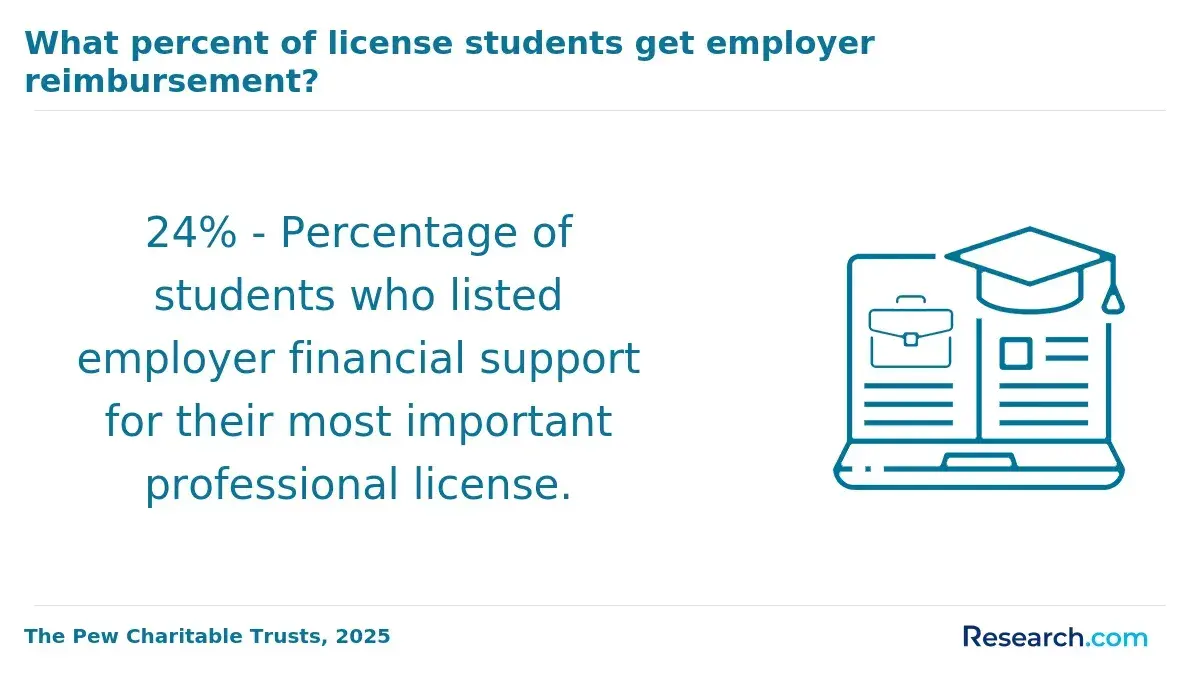
Many employers do hire kinesiology master's graduates without professional experience, particularly within structured entry-level positions that serve as pipelines for early-career talent. These roles often exist in departmental settings where on-the-job training is standard, allowing employers to mitigate hiring risks while assessing candidates' ability to translate academic knowledge into practical applications.
Hiring trends for kinesiology master's graduates suggest that while some organizations remain cautious, a significant portion values the advanced theoretical foundation and adaptability these candidates bring, especially when practical experience is scarce. However, competition remains intense as candidates with internships or practicum experience typically stand out in initial screenings.
Conditions enabling hiring decisions without prior professional background often hinge on demonstrated competencies beyond coursework. Employers increasingly look for strong academic performance coupled with internships, capstone projects, or relevant certifications that signal tangible skill acquisition. Supplementary credentials, such as group fitness instructor licenses or evidence of research involvement, can partially substitute for direct work experience by verifying a candidate's technical and analytical capabilities.
This nuanced form of skill verification aligns with the emphasis on competency-based hiring frameworks, allowing candidates to showcase potential beyond traditional employment history. Entry-level kinesiology jobs without experience typically favor applicants who can document these practical engagements, reflecting a labor market that values validated skill substitution.
Industry variation plays a critical role in access to opportunities for inexperienced kinesiology graduates. Fields such as technology, consulting, and data-driven sectors display higher tolerance for limited prior exposure, often prioritizing analytical and research skills over client-facing experience. Conversely, sectors like rehabilitation, athletic training, and clinical exercise physiology tend to require documented practical competence due to regulatory constraints and direct patient interaction demands.
According to recent workforce analyses, nearly 65% of employers in these more regulated domains prefer candidates with some practical experience. For kinesiology graduates navigating these hiring realities, exploring pathways such as internships or pursuing external coursework like online BSN programs for non nurses can broaden professional preparedness and employability.
Which Certifications Help Entry-Level Kinesiology Master's Graduates Get Hired?
Employers frequently rely on certifications to confirm practical competencies that academic kinesiology programs alone may not fully verify. While a master's degree in kinesiology establishes a theoretical foundation, certifications serve as concrete evidence of job-ready skills and specialized expertise sought in entry-level roles.
These credentials help reduce employer uncertainty by signaling an applicant's ability to apply discipline-specific protocols and tools effectively within industry settings.
- Certified Strength and Conditioning Specialist (CSCS) - This certification is widely respected in sports performance and rehabilitation settings for its emphasis on exercise prescription rooted in scientific principles. Holding a CSCS credential provides entry-level candidates with a signal of applied knowledge in athletic conditioning workflows, often preferred by employers seeking professionals capable of translating kinesiology concepts into practical training regimens.
- Certified Exercise Physiologist (CEP) - The CEP credential validates clinical exercise testing and program design skills, which are highly relevant for roles in rehabilitation and preventive health sectors. Its recognition by healthcare and wellness industries enhances early-career prospects by demonstrating an ability to safely and effectively implement exercise protocols tailored to diverse populations, aligning with evolving workforce demands documented in recent labor reports.
- American College of Sports Medicine (ACSM) Certified Personal Trainer - Targeted toward entry-level personal training roles, the ACSM CPT certification offers practical skill verification in individualized fitness assessment and client motivation. Its prevalence in corporate wellness and community fitness settings reflects employers' preference for candidates already familiar with industry-standard assessment tools and client management software.
- Functional Movement Screening (FMS) - FMS certification provides specialized competency in movement pattern assessment, which enhances a candidate's ability to identify injury risks and optimize rehabilitation strategies. For kinesiology graduates aiming at rehabilitation or athletic training domains, the FMS credential signals advanced practical assessment capabilities that complement academic knowledge, bolstering employability in competitive job markets.
What Remote Jobs Can You Get With a Kinesiology Master's Degree?
Remote opportunities for master's graduates in kinesiology have grown significantly due to digital transformation, cloud-based technologies, and the increasing globalization of talent recruitment. However, suitability for remote work depends heavily on job functions that produce quantifiable outcomes, rely on digital communication platforms, and require limited synchronous collaboration.
Roles with clear metrics, client interaction via video or apps, and the ability to deliver services or analysis asynchronously are particularly compatible with distributed work environments.
- Wellness Coach or Tele-Fitness Instructor: These positions leverage kinesiology expertise to provide personalized exercise guidance and motivation through digital platforms. The remote setup demands strong communication skills and adaptability to virtual coaching tools, with performance measured by client engagement and retention rather than physical presence.
- Health Data Analyst: Graduates analyze population health trends and fitness tracker data remotely for digital health firms or research entities. The role involves advanced data analytics and epidemiological knowledge applied via specialized software, fitting well with asynchronous workflows and project-based deliverables common in telecommuting arrangements.
- Remote Ergonomics Consultant: Consultants assess home or office workstations virtually to advise on injury prevention and productivity enhancements. This job's reliance on digital assessments and report writing allows for flexible scheduling and remote client management, though initial freelance contracts can evolve into longer engagements with consistent impact documentation.
- Telehealth Exercise Specialist: Although less common at entry level due to licensure and practical constraints, some platforms offer supervised virtual assessments for physical therapy or exercise physiology services. These roles require navigating regulatory frameworks while delivering standardized treatment protocols remotely, often with real-time video interaction and thorough digital recordkeeping.
Across these roles, employer expectations emphasize digital literacy, self-management, and the ability to translate kinesiology competencies into measurable, client- or data-focused outputs suited to remote verification. Career growth often depends on acquiring supplementary certifications, building virtual client networks, and demonstrating consistent productivity within distributed team models shaped by telehealth and digital wellness trends.
How Competitive Is the Entry-Level Job Market for Kinesiology Master's Graduates?
The entry-level job market for kinesiology master's graduates in 2024 presents uneven competitiveness shaped by varying industry demand, regional labor conditions, and specialized subdiscipline focus. Sectors such as healthcare, sports performance, and corporate wellness show distinct hiring cycles and growth patterns, causing some areas to experience more intense competition than others.
Geographic factors also play a significant role, with metropolitan centers offering more opportunities but drawing larger applicant pools, while rural or underserved regions often face talent shortages. U.S. Bureau of Labor Statistics data projects an 11% growth rate across roles relevant to kinesiology, but this growth does not guarantee clear pathways for all graduates, especially given the rising number of entrants each year, contributing to increased market saturation.
Employer expectations for entry-level positions extend beyond academic credentials to measurable technical skills, relevant certifications, and hands-on experience. Candidates who can demonstrate internships, applied project work, or certifications such as Certified Strength and Conditioning Specialist often outcompete peers lacking practical exposure. This dynamic intensifies competition even for roles traditionally viewed as accessible to new graduates.
As a result, many graduates discover that securing their preferred kinesiology job demands proactive development of field-specific proficiencies and strategic signaling of their qualifications.
Strategic positioning within the entry-level kinesiology job market becomes essential in saturated segments. Graduates aligning their education and experience with niche needs can reduce competition pressures, especially by targeting subfields with talent shortages or emerging demand.
Additionally, understanding broader labor market realities-such as employer preferences for certifications or cross-disciplinary skills-can help distinguish candidates. For those exploring credentialing paths, resources like CPC provide insight into certification impact on employability. Awareness of these factors is critical for navigating the complexities of the entry-level kinesiology job market trends and positioning oneself effectively despite graduate kinesiology careers with no experience challenges.
Which Entry-Level Roles Have the Strongest Long-Term Growth Potential?
Long-term career growth in kinesiology is shaped less by the initial job title and more by the depth of skills gained, responsibility levels, industry exposure, and available advancement paths. The strongest entry-level kinesiology careers typically offer transferable competencies, insight into strategic health or wellness decisions, and avenues to cultivate specialization valued throughout evolving healthcare and fitness landscapes.
Roles that provide opportunities to engage in clinical procedures, data-driven health assessments, or administrative leadership often yield more robust professional trajectories.
- Physical Therapy Assistant: This role grants practical exposure to rehabilitation protocols and patient care management, essential for progressing to licensed physical therapist positions or clinical coordination. Given strong demand in aging populations, growth in this career often includes specialization opportunities and leadership in outpatient or hospital settings.
- Exercise Physiologist: Focused on therapeutic exercise planning, this position builds expertise in clinical evaluation and certification-driven treatments. It serves as a gateway to advanced roles in cardiac rehabilitation, sports performance, or clinical research management.
- Wellness Coach: Positioned at the intersection of health promotion and behavior change, this role fosters skills in client engagement and program development that translate well into corporate wellness leadership or case management roles.
- Rehabilitation Technician: Supporting multi-disciplinary teams enhances familiarity with complex care pathways, a foundation for moving into supervisory roles or specialized technical certifications.
Conditional admission candidates should weigh whether such entry points align with their long-term goals, recognizing that some roles emphasize narrower skill sets leading to quicker plateaus without further credentialing.
Employer scrutiny often intensifies around provisional admissions, making demonstrated commitment and academic support-such as tutoring or mentoring-invaluable to success. Graduates benefit most when their program's outcomes closely match in-demand, strong-growth roles that provide tangible pathways for advancement.
For those interested in broader health-focused doctoral options without GRE barriers, exploring APA accredited PsyD programs can complement kinesiology expertise with clinical psychology perspectives.
Entry-level kinesiology careers with highest growth potential depend heavily on clarity around skill accumulation and organizational value creation beyond job titles. Understanding this helps align early roles with tangible, upward workforce progression.
What Graduates Say About Entry-Level Jobs With a Kinesiology Master's Degree
- Bryson: "After completing my master's in kinesiology, I quickly realized that employers in entry-level roles place a much higher value on practical experience than on certifications alone. I focused my job search on internships and volunteer opportunities, which eventually led me to a position where I could demonstrate my skills through a solid portfolio. While licensure wasn't immediately necessary, I found that without it, salary growth was slower and promotions required additional credentials. Navigating these realities helped me set realistic career milestones rather than expecting rapid advancement straight out of the gate."
- Tripp: "Graduating with a kinesiology degree, I was surprised by how flexible the job market could be, especially with the rise of remote work. Although some clinical roles required licensing, I found several positions focused more on data analysis and wellness coaching where my master's education was the primary qualification. This flexibility allowed me to enter the workforce faster than I anticipated and gave me the space to pursue licensure part time. However, I'm aware that limiting myself to non-licensed roles could mean a plateau if I don't eventually get certified."
- Joshua: "My experience after finishing my kinesiology master's was marked by a fair amount of competition for the same entry-level jobs. Many employers emphasized a combination of hands-on internships and specialty certifications over academic credentials alone. I ended up taking a role that was slightly outside my initial focus to gain more practical experience, which I believe was crucial for advancing later. It became clear that being adaptable was as important as having the degree itself, especially given hiring preferences in the field."
Other Things You Should Know About Kinesiology Degrees
Practical experience embedded in your graduate program significantly influences employability and job performance. Programs that integrate internships, clinical hours, or hands-on projects align closely with employer expectations and tend to reduce the onboarding period. Graduates from research-focused or purely theoretical programs may face longer adjustment times or need supplemental experience post-graduation, which can delay career advancement.
Choosing between broad versus specialized entry-level roles depends on your long-term goals and current skills. Taking on generalist roles may provide diverse experience but can slow mastery in specific kinesiology applications, potentially affecting advancement in targeted fields like rehabilitation or biomechanics. Conversely, early specialization may limit immediate job options but can accelerate expertise and make you more competitive for niche positions over time. New graduates should carefully assess their career focus before committing.
Entry-level roles often demand substantial physical and mental effort, particularly in clinical or sports settings where irregular hours and hands-on client engagement are common. Understanding this upfront is critical, as high workload intensity can lead to burnout if not managed properly. Positions with administrative or research components may offer more predictable schedules but might come with different performance pressures, such as publication or grant deadlines.
References
- Naturalistico https://naturalistico.com/en/learn/blog/7-kinesiology-career-paths-youll-actually-enjoy
- What Can You Do with a Kinesiology Degree? https://careerkarma.com/blog/jobs-for-kinesiology-majors/
- What Can I Do in My Career With a Master’s in Kinesiology? https://www.pointloma.edu/resources/health-sciences/what-can-i-do-my-career-masters-kinesiology
- Kinesiology Careers: 3 tips to get you started | Symmetrix https://www.symmetrix.ca/blog/kinesiology-careers