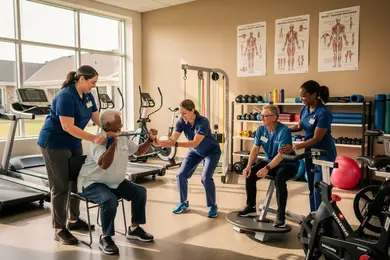
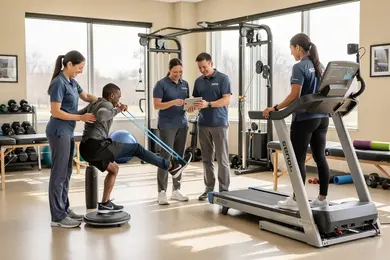
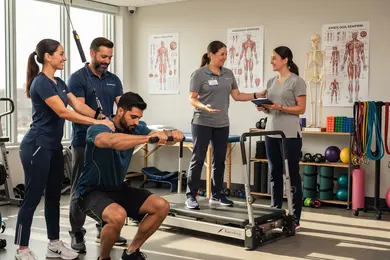
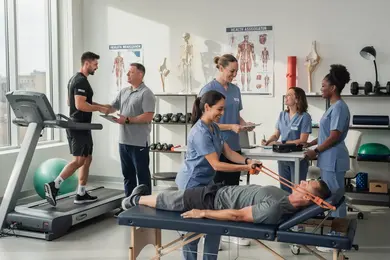
2027 Kinesiology Master's Programs With Practicum Placement Support

Co-Founder and Chief Data Scientist
Choosing a kinesiology master's program involves more than coursework-it demands careful evaluation of practicum placement support, which is critical to bridging theory with practice. Many prospective students face challenges assessing how programs manage placement logistics, including matching criteria, supervisor credentials, site variety, and adherence to accreditation standards. In 2024, enrollment trends from the National Center for Education Statistics reveal a 14% rise in adult learners prioritizing flexible and supported field experiences, signaling a shift toward programs that accommodate diverse schedules and professional backgrounds. Understanding these operational nuances enables informed decisions aligned with career goals and real-world readiness.
Key Things to Know About Kinesiology Master's Programs With Practicum Placement Support
- Matching processes requiring students to accept placements without site choice can streamline timelines but reduce exposure to preferred specialties, limiting tailored skill development valued by employers in niche kinesiology roles.
- Supervisors with certified clinical experience ensure pragmatic feedback that aligns with workforce demands, though scarcity in qualified mentors may restrict program capacity and delay practical training completion.
- Diverse practicum site options enhance access for adult learners balancing work, but higher coordination costs may increase program expenses or enrollment timing, influencing affordability and student retention.
What Are Kinesiology Master's Programs With Practicum Placement Support?
A kinesiology master's practicum is more than just a placement; it represents a structured, compulsory component integrating academic theory with supervised professional engagement specifically designed to hone applicable skills under formal mentorship. This distinction matters because many programs label experiential components similarly-as internships or field placements-without the same level of curricular integration or institutional facilitation.
Practicum placement support becomes crucial for students, particularly those without established networks or those in rural areas, who face barriers in independently securing meaningful and accredited practicum sites. Programs offering kinesiology master's programs with practicum placement support differentiate themselves by actively managing site matching, maintaining approval standards aligned with accrediting bodies, and providing fallback options in case initial placements fail.
This institutional involvement contrasts sharply with programs expecting students to source their own practicums, where inconsistent quality and delayed credential progress are common risks. For instance, a career changer relocating from a non-urban setting might find a program offering coordinated practicum site networks essential to avoid lengthy gaps in hands-on experience that employers increasingly view as requisite for entry-level roles.
Moreover, the rigor of supervisor oversight and formal evaluation in supported placements shapes student readiness more reliably than loosely structured field experiences.
- Structured Integration: Practicums serve as mandatory, graded components aligning coursework with supervised professional tasks customized for kinesiology skill sets.
- Placement Assistance: Programs actively manage or facilitate placement logistics, contrasting with those requiring student-driven site sourcing.
- Supervisor Oversight: Practicums have formalized mentorship from qualified professionals tasked with consistent student evaluation.
- Site Diversity & Accreditation: Robust programs maintain a portfolio of approved settings that meet accrediting standards and provide relevant exposure.
- Contingency Planning: Supported programs prepare alternatives to address site availability challenges, ensuring continuity and completeness of the practicum experience.
This analysis is vital for recent graduates, working professionals, and geographically constrained students who must weigh how kinesiology graduate programs offering field placement assistance can influence the trajectory of their professional development. The following sections will dissect program features that affect practicums' quality and accessibility, empowering informed decisions beyond surface-level institutional claims.
Why Is Practicum Placement Support Critical in Kinesiology Master's Programs?
Effective practicum placement support in kinesiology master's programs fundamentally determines a graduate's ability to meet professional expectations and enter the workforce promptly. Without institutional oversight, students often encounter significant hurdles that delay credentialing and undercut practical skill development. Structured placement mechanisms are essential not only to fulfill accreditation mandates but also to align with evolving workforce demands and licensing requirements.
Placement delays or poorly matched practicum sites can create gaps in required supervised hours, imperiling state licensure eligibility and narrowing employment prospects. Conversely, programs with comprehensive placement infrastructure leverage vetted partnerships and contingency arrangements that uphold quality and ensure timely completion.
- Outcomes Research: Empirical studies link active placement support with higher rates of on-time practicum completion and demonstrated clinical competence, which translate into superior job readiness and employer confidence.
- Licensing Board Requirements: Regulatory bodies frequently require practicum hours under appropriately credentialed supervisors at approved facilities, making coordinated placement indispensable to meet these conditions without administrative burden falling on students.
- Professional Association Standards: Bodies such as the American Kinesiology Association set benchmarks for supervision quality, site diversity, and curriculum integration, compelling programs to maintain direct involvement in placement logistics.
- Risks of Student-Driven Placement: When students must independently secure placements, they face heightened risks of delays, unsuitable practicum environments, inadequate supervision, and ultimately compromised certification eligibility.
- Advantages of Program Partnerships: Formalized site networks provide stable practicum options, tailored support for geographic challenges including rural access, and ongoing quality assurance, which collectively reduce student stress and improve educational outcomes.

How Do Kinesiology Master's Programs Structure Their Practicum Components?
Master's programs in kinesiology place considerable emphasis on practicum components, which shape how students translate theory into work-ready skills. The structure of these field experiences significantly influences a student's ability to manage concurrent responsibilities, a critical factor especially for those balancing jobs or families. Programs commonly differ in how and when practicums occur, with each approach presenting distinct tradeoffs for learner flexibility and depth of immersion.
Key structural elements include:
- Timing: Most placements take place in the last one or two semesters, after foundational courses build essential knowledge, ensuring students are prepared to contribute meaningfully within professional settings.
- Credit Hours: The practicum usually accounts for between 3 and 6 credit hours, reflecting a substantial time investment that can total from 100 to several hundred hours, depending on program requirements and intensity.
- Integration with Coursework: Programs may offer sequential practica across multiple semesters, facilitating gradual competency development, or opt for concentrated block placements lasting several weeks, which allow deeper site engagement but reduce scheduling flexibility. Others combine practicum with active coursework, demanding strong time management yet promoting immediate application of academic concepts.
- Flexibility: Sequential models often better serve those with external commitments or geographic constraints, while intensive blocks can deliver richer experiences but may challenge those unable to relocate temporarily. Concurrent placements require managing workload peaks but provide continuous practical exposure.
- Supervision and Site Diversity: Effective kinesiology master's programs prioritize qualified supervisors who possess relevant expertise. Diversity in practicum sites supports aligning student interests with career aspirations and is crucial for maintaining rigorous fieldwork supervision and practicum site diversity in kinesiology graduate programs. Strong contingency plans for site changes further reflect program quality.
Evaluating kinesiology master's programs requires scrutinizing not just total placement hours but how sequencing, supervision intensity, and capacity for accommodating varied student circumstances function together to enhance employability. For prospective students, especially those navigating geographic or personal constraints, comparing program structures in this context is essential to selecting a practicum model that offers both rigor and realistic manageability.
More broadly, those seeking programs listed among the best online colleges with no application fee should consider how practicum frameworks align with their long-term professional objectives and current life demands.
Securing practicum placement assistance in kinesiology master's programs hinges on a student meeting specific academic and professional prerequisites that reflect both regulatory demands and the operational needs of placement sites. These requirements help ensure candidates possess the foundational competence and reliability necessary for rigorous hands-on settings, while also protecting the institutions and communities involved in their training.
- GPA Threshold: Programs typically require a minimum GPA near 3.0 on a 4.0 scale, reflecting the clinical sites' preference for students who demonstrate consistent academic performance and commitment.
- Prerequisite Coursework: Completion of core subjects such as anatomy, physiology, biomechanics, or exercise science is standard, providing essential theoretical grounding to engage effectively in practicum tasks.
- Background Check: Passing criminal background screenings is compulsory to address liability concerns and ensure safety within vulnerable populations encountered during fieldwork.
- Health Documentation: Verified immunizations, tuberculosis tests, and occasionally drug screenings safeguard practicum environments from preventable health risks.
- Professional Liability Insurance: Many programs mandate students obtain liability coverage, creating a legal safety net for both trainees and host organizations.
These conditions align with accreditation expectations and foster trust between academic programs and practicum sites. Students who delay fulfilling these ahead of time risk placement interruptions, which can slow degree progress and impede transitions into professional roles.
Proactive communication with program advisors before or early in enrollment is critical. Requesting a detailed timeline for meeting each prerequisite can enable students-especially those balancing employment or residing in less accessible regions-to strategically navigate administrative hurdles and avoid last-minute obstacles.
Practicum site selection in kinesiology master's programs significantly shapes the skills and perspectives students develop, influencing their readiness for varied professional roles. Aligning placements with career objectives is critical since each setting cultivates distinct competencies and exposes students to different client populations and organizational cultures.
- Hospitals: Students engage with complex cases in acute and rehabilitative care, honing clinical assessment skills and navigating interdisciplinary teams within structured medical systems.
- Outpatient Clinics: These environments offer experience in rehabilitative therapies and performance enhancement, emphasizing hands-on patient interaction and episodic care, often dealing with musculoskeletal or chronic conditions.
- Schools: Placements in educational settings focus on pediatric kinesiology, where students design physical activity programs tailored to children and adolescents within institutional frameworks.
- Community Agencies and Nonprofits: These sites emphasize public health initiatives, wellness promotion, and program coordination, providing exposure to diverse populations and social determinants of health.
- Government Offices: Offering experience in policy development, research, or occupational health, these placements develop understanding of regulatory environments and public health infrastructure.
- Private Practices: Combining clinical care with business operations, students gain client-centered treatment experience alongside insight into entrepreneurship challenges.
- Corporate or Workplace Environments: Focusing on employee health, ergonomics, and occupational wellness, these sites train students in risk assessment and program evaluation targeted at working adults.
Students should investigate how programs distribute practicum sites and whether they can influence placement decisions, as site variety and supervisory quality directly affect employability and skill relevance. Without alignment to career goals, students risk gaining experience misaligned with future job expectations, which can limit professional development and networking opportunities in a competitive field.
Matching students with practicum placements in kinesiology master's programs involves navigating complex tradeoffs that directly affect student readiness and employability. Programs that fully manage site assignments offer centralized control and ensure accreditation compliance but may limit student agency and site variety. Conversely, hybrid models permitting students to select from curated site lists promote specialization alignment and student preference but risk placement delays when site availability is constrained.
These distinctions reflect important workforce realities, especially for career changers or students in rural areas who contend with fewer nearby sites.
- Geographic Proximity: Proximity to practicum sites greatly shapes placement feasibility. Urban centers provide diverse, high-quality experiences but exclude many living rurally, where expanded regional networks may increase access but reduce site variety.
- Student Interests: Alignment with specialization areas such as sports performance or rehabilitation enhances relevance but may narrow choices based on local industry strengths, influencing long-term employability.
- Site Availability: High demand for limited slots at premier sites can cause waitlists and delay graduation timelines, underscoring the need to understand site capacity upfront.
- Supervision Capacity: Qualified mentors are essential for experiential learning but their availability varies, potentially restricting placement options within accredited programs.
- Accreditation Alignment: Accredited programs mandate practicum sites meet standards that safeguard educational quality but inherently constrain placements to approved organizations.
Prospective students should inquire how far in advance placements are finalized, what contingencies exist if preferred sites are unavailable, and whether they have formal input before site matching. For professionals seeking to formalize expertise, such transparency can clarify the real-world implications of program structures. Those considering transitions into kinesiology or managing geographic constraints must weigh these factors carefully.
For guidance on related professional pathways, consider exploring online PharmD programs, which similarly emphasize practicum placement support within healthcare fields. Understanding the kinesiology practicum placement matching process and available student practicum placement support in kinesiology programs empowers informed decision-making beyond promotional materials.
Field supervisors and faculty liaisons serve complementary but distinct roles in kinesiology practicum programs, with the quality of supervision often shaping whether a student transitions successfully into the workforce. Field supervisors bring hands-on expertise, overseeing daily activities and ensuring practical skill development within accredited settings.
This role demands specific qualifications-typically professional licensure or certification in kinesiology or related domains, plus multiple years of direct experience verified by bodies like CAAHEP or state licensure boards. Without this baseline, the practicum risks becoming a superficial exercise rather than a meaningful applied learning opportunity.
Faculty liaisons operate primarily as academic monitors, bridging communication between the student, the practicum site, and the university. They manage site visits, virtual check-ins, and intervene if issues arise, ensuring the practicum aligns with curricular goals and institutional standards. Their engagement level directly impacts how effectively students integrate field experiences with theoretical knowledge.
- Field Supervisor Qualifications: Licensure or certification with verified experience, generally 2-5 years, validated by recognized accreditation bodies.
- Faculty Liaison Responsibilities: Academic oversight, regular communication with all parties, site assessments, and student progress evaluation.
- Supervision Quality Impact: A critical determinant of skill mastery, confidence, and readiness for the kinesiology workforce.
- Program Transparency: Clear policies on liaison-student contact, site visit schedules, and conflict resolution protocols.
- Contextual Adaptations: Remote and flexible liaison support is essential for students in rural or distant locations.
Prospective students should inquire about the frequency and nature of liaison contact, the protocol for site visits, and the escalation procedures for conflicts or subpar placements. Programs lacking clear contingency mechanisms can leave students vulnerable to ineffective supervision, which impairs skill acquisition and limits employability.
Securing practicum placements in kinesiology master's programs often involves complex barriers that can undermine students' progression and employability. Programs with robust support infrastructure recognize that challenges like geographic scarcity of approved sites or credential clearance delays are more than logistical inconveniences-they can directly affect students' ability to fulfill degree requirements and enter the workforce on schedule.
For example, a student in a rural area may face a shortage of practicum sites, making the presence of a vetted and frequently updated site database essential to avoid extended delays or compromised learning experiences.
Data from recent enrollment trends indicate that programs with dedicated practicum coordinators see lower attrition rates due to more efficient placement processes, underscoring the practical benefit of structured support resources for kinesiology practicum site placement.
- Geographic Scarcity: A centralized system of diverse and approved practicum sites, including rural and underserved locations, mitigates risks tied to limited local options.
- Competitive Demand: Programs counter high student volumes competing for scarce slots by employing transparent matching systems and pursuing additional site agreements.
- Credential and Clearance Delays: Clear timelines, administrative assistance, and pre-placement checklists help minimize start-date disruptions due to background or health clearances.
- Mid-Placement Site Failures: Documented contingency protocols ensure continuity through backup sites or alternative assignments if placements fall through.
- Personal Hardships: Open communication and counseling services provide tailored support for those facing health, financial, or situational challenges affecting practicum completion.
Students with employment constraints or specialized career goals-common in transitions or formalizing existing expertise-should proactively inquire about contingency planning and site diversity before committing. Such inquiries reveal a program's capacity to align with real-world hurdles and employer expectations, ultimately influencing the quality and reliability of the practicum experience.
For those researching this field, understanding how to become a nurse practitioner provides parallels in evaluating specialized credential pathways that combine academic rigor with workplace readiness.
Accreditation standards crucially shape how practicum components function within kinesiology master's programs, directly impacting graduate readiness and employer acceptance. Choosing a program without scrutinizing how accreditation governs its practicum risks enrolling in a curriculum whose field experience may fail to meet professional licensure or employment verification requirements.
For example, a graduate whose practicum supervision ratios or site approval lack accreditation compliance might face delays or rejections when applying for certifications, limiting workforce integration despite possessing theoretical knowledge.
- Regional Institutional Accreditors: Bodies like the Middle States Commission on Higher Education oversee overarching institutional quality rather than detailed kinesiology practicum requirements. However, they mandate measurable learning outcomes and institutional alignment for practicum supervision and site approval, ensuring consistency across all academic units. This baseline affects programs' capacity to secure viable placement sites, particularly impacting students in rural or resource-limited areas.
- Commission on Accreditation of Allied Health Education Programs (CAAHEP): As a key programmatic accreditor frequently engaged with exercise science and allied health degrees, CAAHEP requires clear practicum objectives, a formalized site approval process, and supervision ratios typically capped around 10:1. Minimum practicum hours usually hover near 400, guaranteeing comprehensive hands-on exposure that many employers expect for entry-level or certification-ready candidates.
- National Strength and Conditioning Association (NSCA) Educational Endorsement: While not an accreditor, NSCA standards emphasize qualified supervisors-often certified professionals-and a diversity of practicum sites. Their focus on well-documented, rigorous practical experience caters to students aiming for professional certifications, influencing programs to structure practicum placements with an eye toward career readiness.
- Professional Associations for Kinesiology or Exercise Science: Groups like the American Kinesiology Association advocate for qualified mentors, formal evaluation tools, and transparent site approval processes. Their guidance includes contingency planning to support students outside metropolitan hubs, a critical consideration for those navigating geographic or systemic barriers.
Prospective students should examine accreditation standards relevant to their kinesiology master's program of interest and secure written confirmation of current status from admissions. Understanding how each program manages supervisor selection, site placement, and contingency safeguards becomes essential when comparing practicum quality, especially given the practical consequences highlighted by accreditation compliance.
For individuals assessing kinesiology pathways amid competing priorities or geographic constraints, this scrutiny helps avoid programs offering minimal practicum support. Students exploring transitions into kinesiology or formalizing existing expertise may also find it informative to review parallel credentialing options, such as easiest counseling degree programs, to gauge practical field training standards across related health disciplines.
Online and hybrid kinesiology master's programs must navigate intricate regulatory and logistical challenges that significantly affect practicum placement quality and accessibility. Since practicum supervision requires compliance with state-specific licensing standards and site agreements, programs serving students across multiple jurisdictions face operational complexity that directly impacts students' field experience and timelines.
For instance, a student enrolled in a program headquartered in one state but residing in a rural area of another may experience placement delays or site scarcity due to limited local partnerships or regulatory mismatches.
- Nationally Networked Site Databases: These centralized repositories streamline matching students to approved practicum sites nationwide, enhancing convenience for geographically dispersed cohorts. However, variability in site quality and sparse availability in underserved or rural regions can undermine consistent practicum experiences.
- State-Specific Placement Coordinators: By employing coordinators embedded within individual states, programs tailor placements to local compliance and licensing nuances-improving regulatory alignment and supervision quality. Yet, this approach requires substantial administrative overhead and may prolong placement arrangements, particularly in states with fewer practicum opportunities.
- Partnerships with Multi-Site Organizations: Collaboration with organizations operating multiple locations offers more predictable supervision standards and smoother placement logistics. Still, these partnerships tend to concentrate in urban centers, limiting practical options for students outside metropolitan areas.
- Student-Identified Site Approval: Some programs empower students to propose practicum sites-allowing candidates in remote or working settings to leverage local networks. This flexibility transfers the administrative burden to students, potentially delaying practicum start dates and complicating quality assurance.
Prospective students should query how many placements the program successfully completes across diverse states, what support mechanisms exist for rural or underserved students, and whether any state-specific licensing challenges hinder degree portability. Understanding these factors is crucial as inconsistent practicum placements can affect employability and long-term professional credibility in a kinesiology career.
Measured against 2024 labor market trends, kinesiology graduates with reliably supervised practicum experience typically access higher starting salaries and more diverse job opportunities across healthcare, fitness, and rehabilitation sectors.
What Graduates Say About Kinesiology Master's Programs With Practicum Placement Support
- Bryson: "Balancing a full-time job with the program's workload was challenging, but I chose this kinesiology master's specifically for its practicum placement support, which promised real-world experience. That decision paid off when I secured an internship that directly led to a part-time role in sports rehabilitation. However, I quickly realized that employers in my area value hands-on experience and relevant certifications more than licensure alone, which has influenced my continuing education path."
- Tripp: "After switching careers from finance, I had limited time and financial resources to invest in further education, so I opted for a kinesiology program with strong practicum connections to accelerate workforce entry. The practical placements helped me build a portfolio and network that landed me a job in wellness coaching within six months. Despite this, I noticed the salary growth is modest without pursuing a clinical certification, so I'm weighing whether to specialize further or broaden my skill set."
- Joshua: "I was cautious about returning to school due to family commitments, but the flexible schedule and practicum options of my kinesiology master's made it feasible. The real-world internships gave me insight into the healthcare system and confirmed that many employers prioritize diverse experience and adaptability, especially for remote or hybrid roles. Still, competing for advanced clinical positions remains tough without specific licensure, which I plan to address through additional certifications."
Other Things You Should Know About Kinesiology Degrees
Common placements include university athletic training rooms, rehabilitation clinics, hospital wellness departments, and community fitness centers. Many programs require 150 to 300 supervised hours and assign a faculty supervisor plus an on-site preceptor. Some sites are reserved for students pursuing strength and conditioning or clinical exercise pathways.
It's crucial to inquire about the program's practicum matching process, including whether placements are mandatory, how much choice or input students have, and the diversity of available sites. Programs that provide dedicated coordinators, established partnerships with a variety of employers, and contingency plans for placement disruptions generally offer better real-world preparation and reduce the risk of delays. Prospective students should prioritize programs that also ensure supervisors have relevant qualifications and a track record of mentoring because supervisor quality directly influences practical learning outcomes.
Strong practicum support can be leveraged for early professional networking, direct employer referrals, and targeted skill development aligned with desired job roles. Students should evaluate whether a program facilitates placements in settings that match their intended career pathways-such as rehabilitation, sports science, or wellness-to gain relevant experience that employers value. Prioritizing programs with robust placement infrastructure can shorten job search time post-graduation and increase the likelihood of higher starting positions, especially in competitive labor markets.
- What Do Faculty Liaisons Have to Offer? https://www.socialworker.com/feature-articles/field-placement/What_Do_Faculty_Liaisons_Have_to_Offer%3F/
- How do I get kinesiology experience if I'm brand new to the field? https://www.yourkinesmentor.com/how-do-i-get-kinesiology-experience-if-im-brand-new-to-the-field/
- Kinesiology, MS https://www.tamucc.edu/programs/graduate-programs/coehd/kinesiology-ms.php
- KSR Student Preparation for Practicum https://www.ualberta.ca/en/kinesiology-sport-recreation/programs/undergraduate-programs/practicum/preparation-for-practicum.html
- MSc in Kinesiology https://kinesiology.ucalgary.ca/current-students/graduates/msc-kinesiology
- Standards, Procedures & Guidelines https://www.aacnnursing.org/ccne-accreditation/accreditation-resources/standards-procedures-guidelines
- Kinesiology Internships Abroad - RealStep https://www.real-step.com/en/articles/kinesiology-internships-abroad/
- 5 Essential Tips for Practicum Placement Success https://sundancecollege.com/blog/tips-for-practicum-success/
- Kinesiology Accreditation - CCUPEKA https://www.ccupeka.org/statements-2/
- Kinesiology (MKin) https://www.uregina.ca/academics/programs/khs/masters-kinesiology.html