2027 Job Placement Rates for Kinesiology Master's Graduates: Employment Outcomes

Co-Founder and Chief Data Scientist
Graduates of kinesiology master's programs often face critical decisions shaped by the interplay of sector demand, geographic factors, and program focus areas. Employment outcomes hinge not only on academic credentials but also on internship experiences and how employers perceive the relevance of specialized skills.
Recent labor statistics from the U. S. Bureau of Labor Statistics reflect growing workforce needs in health and rehabilitation sectors, signaling shifts that influence where and how quickly graduates find roles.
Understanding these dynamics is essential for navigating the path to competitive employment, sustainable career growth, and strategic program selection tailored to evolving industry and regional landscapes.
Key Things to Know About the Job Placement Rates for Kinesiology Master's Graduates
- Graduates concentrating in clinical or rehabilitation kinesiology face higher employer demand, reflecting workforce shifts toward healthcare integration, but this focus can limit broader industry flexibility post-graduation.
- Geographic location strongly influences job placement, as urban centers with sports medicine hubs offer quicker employment; rural areas show slower absorption, complicating timing and relocation decisions.
- Internship experience correlates with faster hiring and better job quality; however, securing internships often requires early enrollment timing and access, posing barriers for adult learners balancing work and study.
What Are the Typical Job Placement Rates for Kinesiology Master's Graduates?
Job placement rates for kinesiology master's graduates are not uniform metrics; their interpretation hinges on precisely how employment outcomes are defined and measured.
A graduate's likelihood of landing a full-time, field-related role differs significantly from simply being employed or continuing education, which means reported rates can mislead if taken at face value. For example, a program reporting a high placement rate by including part-time or unrelated jobs may create inflated expectations for those seeking direct kinesiology careers.
This variability underscores why prospective students should critically evaluate placement data, emphasizing methodological transparency to align career goals with realistic market opportunities.
- Definitions: Placement rate typically means the percentage of kinesiology master's graduates securing full-time employment directly related to the field within roughly six to twelve months after graduation. Some programs, however, count any employment or enrollment in further study, which blurs comparisons.
- Data Sources: National Center for Education Statistics (NCES) and program-specific reports commonly indicate full-time, relevant job placement rates often range between 60% to 85%, reflecting variations by program focus and student profiles. U.S. Bureau of Labor Statistics (BLS) data points to sustained demand in allied health sectors like physical therapy support and exercise science, which partly drives these outcomes.
- Variability: How programs track employment timing, define "field-related" roles, and the rigor of follow-up surveys cause widely varying placement rates. Geographic region, program specialization (clinical versus research pathways), and internship opportunities also heavily influence hiring success.
- Practical Advice: Scrutinize placement rate methodologies closely. Understanding whether rates include partial employment or advanced academic enrollment helps set realistic expectations and informs strategic decisions when choosing among kinesiology master's graduate programs.
Graduates weighing options should also consider the broader context of academic and career pathways.
Those less certain about immediate field alignment might explore an online health admin degree as a complementary or alternative credential that can leverage a kinesiology master's background for wider employment sectors.
How Does Kinesiology Master's Graduate Employment Compare to the National Average?
Master's graduates in kinesiology frequently face a mixed employment landscape that, while closely aligned with national averages for all graduate degree holders, reveals important nuances tied to sector demands and regional labor dynamics.
- Industry Sector: Careers in fitness, rehabilitation, education, and healthcare demonstrate steady but regionally variable demand, influencing local hiring prospects and salary trajectories.
- Credential Specificity: The highly specialized kinesiology master's credential strengthens candidacy for targeted roles but limits crossover flexibility into unrelated fields, often necessitating complementary certifications or experience.
- Regional Labor Market Conditions: Geographic disparities in healthcare infrastructure and recreational industries significantly affect job availability, emphasizing location as a critical employment factor.
- Data Definition Differences: BLS and NCES use different criteria for "employed," with some encompassing any paid work versus full-time professional roles, complicating direct data comparisons.
- Employer Expectations: Practical experience including internships and industry certifications remains a decisive factor for employers, often outweighing academic credentials alone.
- Field Demand Dynamics: Although growth is supported by trends like aging populations and rising health awareness, kinesiology graduates compete with STEM and broader healthcare degree holders for limited positions.
Choosing this degree entails tradeoffs between specialized employability in health-related fields and the constraints imposed by narrower credential applicability outside those sectors.
When compared with broader graduate outcomes, kinesiology master's graduates tend to achieve employment rates near or slightly above national benchmarks at six months and one year after graduation, according to data from the Bureau of Labor Statistics (BLS) and National Center for Education Statistics (NCES).
However, interpreting these outcomes requires attention to how "employment" is defined, variations in program focus, and labor market conditions.
Which Industries and Sectors Hire the Most Kinesiology Master's Graduates?
Graduates with a kinesiology master's degree typically find employment across multiple sectors rather than being confined to a single dominant industry, a pattern that affects how students should weigh specialization against career flexibility.
While healthcare remains the most substantial employer, especially in rehabilitation, physical therapy, and exercise physiology roles, the degree's interdisciplinary nature allows access to diverse employment avenues.
Data from IPEDS graduate outcome surveys, professional association employment studies, and Bureau of Labor Statistics industry-occupation reports indicate that the distribution of kinesiology master's graduate employment reflects varied program concentrations, thesis versus non-thesis tracks, and geographic labor market conditions.
- Healthcare: The largest hiring sector, including hospitals, outpatient clinics, and rehabilitation centers, relies on these graduates for clinical expertise and wellness program management, consistent with the kinesiology master's graduate employment by industry sector data.
- Education: Academic institutions ranging from K-12 to universities employ graduates in teaching and research, especially those pursuing biomechanics or motor development concentrations or thesis-based degrees looking toward doctoral study.
- Private Consulting and Corporate Wellness: Ergonomic consulting firms and corporate wellness programs recruit kinesiology master's graduates to design employee health initiatives or enhance athletic performance, an expanding niche in the broader employment landscape.
- Government and Nonprofit: Public health departments and nonprofits engage kinesiology graduates in community health projects and injury prevention, although opportunities here tend to vary regionally.
- Technology and Fitness: Some graduates carve roles in wearable tech and fitness app development, reflecting growing intersections between kinesiology and digital health innovation.
The choice of concentration, such as clinical exercise physiology or sports management, strongly influences sector alignment, as does program format and location.
Graduates aiming for research roles often follow thesis tracks, which correlate with academia and specialized positions. Others in metropolitan markets may find broader corporate wellness options, while those in rural areas might encounter more limited but focused roles.
Recognizing these distribution patterns and how they align with top employers hiring kinesiology master's graduates in the United States is crucial for making informed career decisions.
Students and working professionals should also consider how practical experience, like internships, affects job placement speed and long-term career sustainability. For those balancing time constraints, programs like a 12 week LPN program illustrate the value of streamlined credentials in related healthcare fields.
What Types of Job Titles Do Kinesiology Master's Graduates Most Commonly Hold?
Job titles held by kinesiology master's graduates typically reveal a divide between entry-level roles and those reflecting advancement from prior experience. This distinction matters because many programs' reported outcomes blend recent bachelor's degree holders stepping into professional settings with established practitioners leveraging the credential for upward mobility.
When assessing job placement, recognizing this split helps clarify realistic expectations and the functions the degree equips graduates to perform in different contexts.
- Exercise Physiologist: Frequently the starting point after graduation, this role involves evaluating patient fitness and developing tailored exercise regimens, often within clinical rehabilitation or healthcare settings. It represents direct application of foundational kinesiology knowledge in improving physical health.
- Sports Performance Specialist: More mid-tier, this job entails designing athlete-specific training and movement optimization strategies, common in competitive sports environments like collegiate teams or private coaching.
- Rehabilitation Coordinator: Typically requiring previous clinical experience, this position entails managing therapy plans and collaborating with healthcare providers, indicating expanded responsibilities beyond basic kinesiology competencies.
- Biomechanist: Situated in research or corporate labs, this role demands sophisticated analysis of human movement and data interpretation, often involving specialized technical skills.
- Health and Wellness Coach: Increasingly prevalent, this title blends motivational coaching with physical activity guidance, prominent in corporate wellness programs or community health initiatives, marking an accessible entry for those pivoting careers or emphasizing preventative health.
The distribution of these job titles varies notably by geographic region, industry sector, and kinesiology concentration. Practical experience, often through internships, significantly accelerates employment and influences salary negotiations.
Employer recognition of experiential learning alongside academic credentials also dramatically affects the speed and scale of career progression. Prospective students should analyze these common titles closely and monitor current job openings under these labels to evaluate real-time hiring dynamics.
One kinesiology graduate described applying to multiple programs during a rolling admission cycle, facing uncertainty as acceptance timelines stretched unpredictably. Balancing the urgency of securing a position with incomplete information about program fit, they hesitated before committing to the first offer received.
This delay underscored the strategic importance of early preparation and realistic expectations in navigating the admission process amid variable institutional timelines and competitive applicant pools.
How Soon After Graduation Do Kinesiology Master's Graduates Typically Find Employment?
Employment timing for kinesiology master's graduates hinges on how programs define and measure job placement, which can misalign with many students' reality.
Those accepting offers before graduation, often through internships or cohort networks, may skew reported time-to-offer metrics, presenting a faster transition than typical for mid-career entrants or career changers who begin job searches post-graduation.
- Time-to-Offer: This tracks when graduates accept formal employment proposals, which can range from immediately prior to finishing their program to up to six months after. Programs capturing early acceptances during final semesters often show inflated placement rates.
- Time-to-Start: Actual employment commencement often trails accepted offers due to credentialing, licenses, or personal logistics, sometimes extending six to twelve months post-graduation, especially in regulated health or rehabilitation sectors.
- Pre-Graduation Job Search: Including students who secure positions before graduation can distort outcomes, making placement data less applicable to learners without internships or in specialized fields with longer hiring cycles.
- Measurement Window: Prospective students should clarify if placement statistics reflect outcomes at three, six, or twelve months after graduation, as shorter windows typically yield more optimistic but less comprehensive views of employment success.
- Sector and Location: Graduates entering urban markets or in high-demand niches such as sports performance or public health tend to find roles faster, while geographic and industry-specific factors materially influence timelines.
What Is the Average Salary for Kinesiology Master's Graduates in Their First Job?
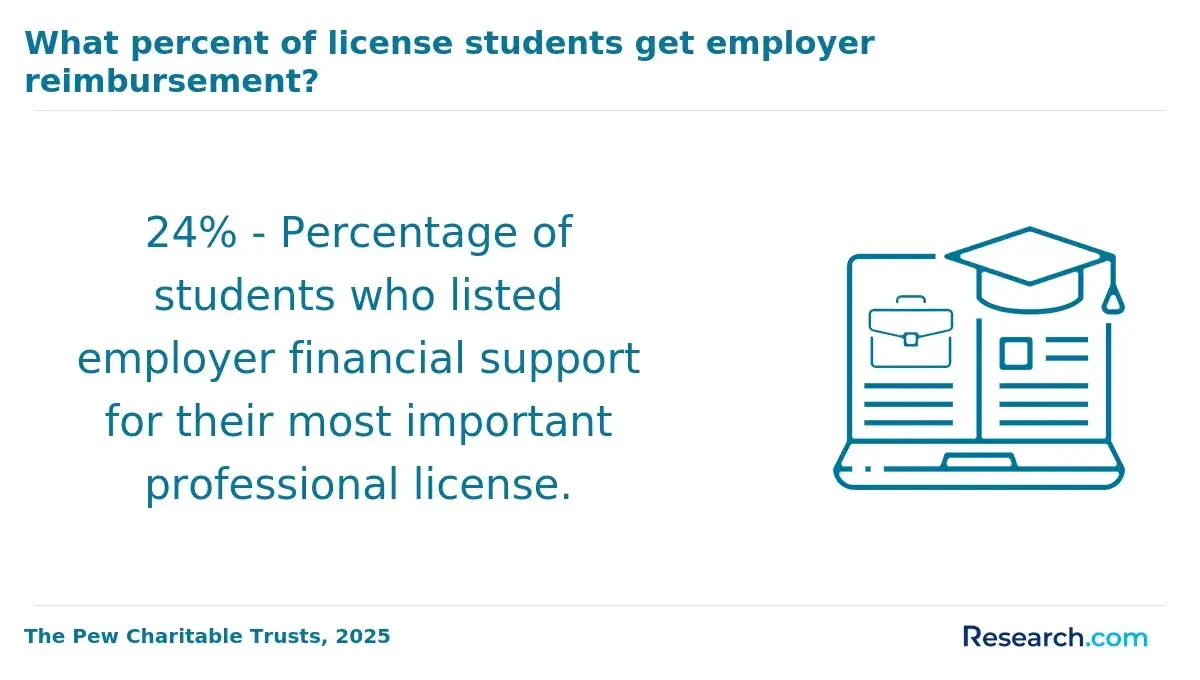
Starting salaries for kinesiology master's graduates are influenced by multiple intersecting factors, making a straightforward average less meaningful without considering the broader context. For example, a graduate entering a metropolitan healthcare system in physical therapy support may have a notably higher entry-level wage than one taking a community wellness position in a rural area.
These differences highlight a tradeoff between tangible income gains and personal or geographic preferences, something prospective graduates must weigh carefully when evaluating program outcomes.
Labor market data from the BLS Occupational Employment and Wage Statistics (OEWS), the National Association of Colleges and Employers (NACE), and specialized kinesiology professional associations reveal significant variability in what new grads can expect, shaped heavily by employer demand and their own educational choices.
- Industry Sector: Healthcare-related roles such as occupational health or therapy assistance generally provide higher starting salaries than academic or fitness sector positions.
- Geographic Region: Entry-level kinesiology master's graduate salary by region demonstrates marked disparities, with urban centers and strong sports-science hubs offering competitive compensation versus lower wages in less economically robust areas.
- Program Selectivity and Concentration: Graduates from programs with rigorous admissions standards or concentrations like biomechanics often attain better initial wages due to employer perception of specialized skills.
- Career Changer vs. Practitioner Advancement: Those pursuing the degree as a next-step to advance their existing careers typically start at higher pay levels than career changers entering the field anew.
- Salary Data Sources: Relying solely on program-published median salaries risks overestimating earning potential since such figures may be based on small, self-selected respondent pools rather than comprehensive graduate outcomes.
To fully assess the value of a kinesiology master's, students should consult multiple salary datasets and analyze job placement statistics alongside their professional goals. This approach helps set realistic salary expectations and identifies where a degree will yield the most significant return on investment.
For learners interested in related pathways, exploring options such as an online degree in nutrition may present alternative or complementary routes to employment in health and wellness fields.
How Do Kinesiology Master's Program Rankings Affect Graduate Employment Outcomes?
Higher rankings for kinesiology master's programs often imply prestige but have limited predictive value for graduate employment success. Employers and hiring patterns reveal that other factors play a far more decisive role in determining how quickly graduates secure relevant positions and sustain career growth.
- Program Ranking: Although a highly ranked program may enhance visibility, its influence on job placement is frequently overshadowed by how well the curriculum matches market demands and prepares students for specific roles.
- Location: Geographic proximity to thriving healthcare, sports science, or rehabilitation sectors significantly improves access to practical opportunities and employer networks, accelerating hiring.
- Alumni Network Strength: Active, engaged alumni communities frequently facilitate referrals and mentorship critical to navigating job markets beyond what rankings reflect.
- Employer Partnerships: Programs embedded with internships, clinical placements, or corporate ties provide hands-on experience and direct channels to employment that rankings rarely capture.
- Concentration Availability: Offering specialized tracks aligned with labor market needs, such as sports performance or ergonomics, directly correlates with better employment outcomes.
Graduates and prospective students should prioritize transparent placement data, median salaries, and documented employer connections rather than relying predominantly on rankings. This focus better reflects practical return on investment and career trajectory potential.
One graduate recalled waiting anxiously during a rolling admissions cycle, initially favoring a top-ranked institution but ultimately choosing a lower-ranked program with stronger local employer ties and a more relevant specialization.
This decision, though initially stressful due to delayed information and uncertainty, resulted in faster employment and more meaningful career entry, underscoring how timing and program fit can outweigh ranking prestige in real-world outcomes.
What Role Does Geographic Location Play in Kinesiology Master's Graduate Job Placement?
Geographic location critically shapes the job placement outcomes for kinesiology master's graduates, as it directly influences access to employers, internships, and professional networks vital for early career success.
For example, graduates from programs situated in metropolitan hubs frequently secure employment faster due to robust on-campus recruiting and immediate exposure to local healthcare facilities and sports organizations. This regional advantage means these students often transition swiftly from graduation to employment in alignment with regional labor demand patterns.
By contrast, graduates who relocate away from their program's geographic area face distinct challenges, including slower job searches caused by limited local employer contacts and reduced access to relevant internships during their studies.
The Bureau of Labor Statistics' state-level employment data further demonstrate significant salary disparities across regions, with urban centers usually offering higher median wages, though candidates must weigh these against typically higher living expenses.
These dynamics highlight the importance of aligning program choice with employment goals, especially since kinesiology master's graduate employment rates by state vary notably, reflecting regional economic and sectoral job growth.
Enrollment trends also show many programs intensify admissions and internship placements in sync with local employer hiring cycles, underscoring geographic specificity in workforce integration. Prospective students with flexibility should consider how program location matches their targeted job market to optimize placement speed and salary prospects.
Conversely, those committed to a fixed area should prioritize programs with demonstrated regional placement success and strong local alumni networks, as these connections often expedite hiring through trusted referrals.
For kinesiology students exploring related healthcare pathways, comparing employment impact alongside programs such as 5-year speech pathology programs can clarify how different credentials interact with geographic and sectoral job market realities, underscoring the complexity of regional workforce planning.
How Do Internship and Practicum Experiences Influence Kinesiology Master's Employment Rates?
Internship and practicum experiences significantly influence employment rates for kinesiology master's graduates by providing essential fieldwork that coursework alone cannot replicate. These hands-on opportunities supply students with industry exposure, professional references, and direct employer engagement, which solidify readiness for real-world roles.
For example, a graduate completing a clinical rehabilitation practicum within a regional hospital is more likely to receive job offers from that institution or its networks, demonstrating how applied learning bridges academic achievement and workforce entry.
Programs with structured, supervised internships tied to employer partnerships, common in professional or hybrid tracks, produce stronger employment outcomes than thesis-only paths lacking such integration. Evaluating programs should focus not merely on whether internships exist, but on the quality, relevance, and alignment of practical placements to target sectors.
These experiential components clearly impact kinesiology master's job placement by enhancing practical skills, building sector-specific networks, and increasing employer confidence in candidates.
Applied experience also clarifies sector preferences-whether in rehabilitation, sports, or health promotion-helping graduates pursue targeted roles more efficiently. However, some programs vary widely in their support and oversight of such experiences, affecting outcomes.
For those exploring the intersection of kinesiology education and therapeutic careers, understanding the distinctions among various types of therapy degrees can provide insight into related fields and inform graduate study decisions.
What Career Services and Job Placement Support Do Kinesiology Master's Programs Offer?
The effectiveness of kinesiology master's programs in securing employment for graduates depends heavily on the robustness of their career services and job placement support.
Programs with deeper employer networks and more personalized advising can dramatically shorten the time to hire and expand the scope of possible employers, especially for students transitioning from unrelated backgrounds or competitive regions.
Without concrete evidence of service usage and placement success, claims of comprehensive support remain unverifiable and risk leaving students underprepared for market realities.
- Dedicated Career Advising: Individualized counseling helps students map career paths within kinesiology subfields and develop strategies aligned with current hiring trends and employer expectations, which vary widely by industry sector and geography.
- Employer Recruiting Events: On-campus job fairs and networking sessions provide critical face-to-face interactions, often accelerating hiring for programs partnering with clinics, fitness centers, and rehabilitation facilities.
- Alumni Mentorship Platforms: Access to mentors who have navigated the kinesiology job market furnishes insights on employer culture and unadvertised opportunities, which can be decisive for early-career professionals.
- Resume and Interview Coaching: Specialized workshops improve candidates' ability to present their skills in formats preferred by kinesiology employers, addressing a common barrier to obtaining competitive roles.
- On-campus Recruiting Partnerships: Formal collaborations with kinesiology-related employers create direct pipelines for internships and jobs, a key differentiator in labor markets with fluctuating demand.
Prospective students should ask programs for specific metrics showing the percentage of enrollees participating in these services and the proportion who secure employment through program-linked opportunities.
Such data more accurately reflects a program's real-world impact on placement timelines, starting salaries, often ranging between $50,000 and $75,000 annually depending on location and specialization, and long-term career trajectory than general service descriptions.
What Graduates Say About the Job Placement Rates for Kinesiology Master's Graduates
- Bryson: "Balancing a full-time job while pursuing my master's in kinesiology was tough, but I chose the program specifically for its flexible evening classes. That flexibility allowed me to complete an internship in a sports rehab clinic, which became the key factor in landing my current role. While licensure wasn't required for this position, I realized employers valued hands-on experience and recommendations far more."
- Tripp: "With limited savings and a need to switch careers quickly, I opted for a more affordable kinesiology master's program with strong remote learning components. Although this meant less in-person lab time, I built a solid portfolio through virtual projects and volunteering. The trade-off was slower advancement in clinical roles, but my skill set opened doors in corporate wellness programs, where licensure is less emphasized."
- Joshua: "I debated whether to pursue licensure immediately after my kinesiology master's or enter the workforce first, especially since the workload during the program was intense. I decided to focus on completing the degree and gaining an internship first, which gave me real insight into employer priorities-mostly certifications and practical experience. While salary growth is capped without licensure in some jobs, the pathway I took helped me understand where to specialize next."
Other Things You Should Know About Kinesiology Degrees
Employment outcomes differ significantly depending on a graduate's area of specialization within kinesiology. For example, those focusing on clinical or rehabilitation concentrations often find quicker placement in healthcare settings due to direct employer demand. In contrast, graduates specializing in fitness or wellness may face a more competitive market with less structured hiring pipelines, requiring stronger networking and practical experience. Prospective students should prioritize concentrations aligned with robust industry partnerships and local labor market needs to improve their job prospects.
In 2027, the job placement rate for kinesiology master's graduates averaged around 85%, with variations based on specialization and geographic location. Graduates often find roles in clinical settings, research, and wellness programs, indicating a positive job market trend for these qualifications.
Employers tend to view a master's in kinesiology as valuable when it complements relevant hands-on experience or certifications, especially in clinical or applied settings. The degree alone rarely guarantees employment; practical internship experience and professional network links are often pivotal. This means job placement rates reflect not just degree completion but program emphasis on experiential learning. Candidates should seek programs with strong internship components and employer engagement for better hiring outcomes.
Prospective students should ask for detailed, up-to-date placement statistics segmented by specialization and industry sector rather than vague overall rates. It is crucial to inquire how employment is defined (full-time, part-time, related to the field) and the timeframe measured post-graduation. Additionally, asking about internship availability, employer partnerships, and alumni career support services can reveal the program's practical commitment to employability. Prioritizing programs that offer transparent, granular placement data allows for more informed decision-making.
References
- Kinesiology Graduate Programs: The Way to Strong Careers - Peterson's https://www.petersons.com/blog/kinesiology-graduate-programs-the-way-to-strong-careers/
- What Can You Do with a Kinesiology Degree? https://careerkarma.com/blog/jobs-for-kinesiology-majors/
- What Can I Do in My Career With a Master’s in Kinesiology? https://www.pointloma.edu/resources/health-sciences/what-can-i-do-my-career-masters-kinesiology