2027 Best Kinesiology Master's Specializations for Career Growth

Co-Founder and Chief Data Scientist
Career growth within kinesiology masters programs increasingly depends on specialization-driven skill differentiation amid workforce shifts toward interdisciplinary expertise and technological integration. Employers now prioritize candidates adept in both evidence-based practice and data analytics, reflecting expanding roles in health informatics, rehabilitation robotics, and population health management.
Additionally, evolving certification standards and regulatory frameworks heighten the value of specializations aligning with credentialing pathways. Professional mobility also hinges on the capacity to navigate sectoral transformations in sports science, clinical exercise physiology, or ergonomics.
This article examines how distinct master's specializations correspond to these dynamic industry demands, enabling informed decisions that align specialization choice with measurable, long-term career potential.
Key Benefits of the Best Kinesiology Master's Specializations for Career Growth
- Specializations emphasizing biomechanical analysis often require intensive lab work, limiting part-time study flexibility but equipping graduates with highly technical skills sought in advanced rehabilitation roles.
- Employers increasingly prioritize candidates with specialization-based certifications reflecting niche expertise, particularly in neurorehabilitation, signaling a shift toward differentiated hiring criteria over general kinesiology degrees.
- Programs with remote coursework reduce geographic and time barriers, yet cost premiums for such access can impact long-term financial planning, especially for professionals balancing family and work commitments.
Which Kinesiology Master's Specializations Offer the Best Career Growth?
Choosing a kinesiology master's specialization is a strategic decision that directly shapes long-term career trajectories, influencing leadership access, employability across sectors, and adaptability to evolving industry demands.
Career growth outcomes increasingly hinge on how well specializations embed scalable skills relevant to healthcare innovation, rehabilitation technologies, and preventive health management, rather than simply offering immediate job placement.
- Exercise Physiology: This specialization acts as a gateway to roles involving clinical rehabilitation, sports performance optimization, and chronic disease management, where measurable outcomes drive promotion velocity. Its alignment with expanding preventive healthcare models enables graduates to transition toward program leadership and interdisciplinary collaborations, enhancing earning potential over time.
- Sports Biomechanics and Motor Control: By combining biomechanics expertise with data analytics and emerging sensor technologies, this field opens access to research-intensive and high-impact performance roles. Mastery of technology integration creates a competitive advantage for advancement in professional sports franchises and research institutions, fostering cross-sector mobility.
- Rehabilitation Sciences/Therapeutic Kinesiology: Specializing here offers direct pathways to critical healthcare roles with steady demand, such as physical therapist assistants and rehabilitation specialists. Programs emphasizing clinical internships and certifications provide differentiated credentials that accelerate progression into supervisory or specialist positions within healthcare organizations.
- Health Promotion and Wellness: Focused on community and corporate wellness strategies, this specialization develops expertise in preventive medicine and public health policy. While competition may be tighter, cross-disciplinary skills in program management and policy advocacy create opportunities for leadership in health promotion sectors, expanding long-term career scope.
Occupational demand across these concentrations reflects the 13% to 20% projected growth in exercise science and therapy-related professions reported by the U.S. Bureau of Labor Statistics in 2024, confirming their robust expansion beyond average occupational growth.
Notably, advanced specialization in these fields supports progressively complex roles, making them among the best kinesiology master's specializations for career advancement and among the highest paying kinesiology master's concentrations in the United States.
Those weighing specialization options should also consider how credentials align with sector-specific expectations: for example, rehabilitation sciences typically require certifications coupled with clinical experience, while biomechanics professionals benefit from quantitative analytics skills tied to emerging wearable tech.
For those interested in bridging health and technology with online flexibility, exploring PharmD online programs may complement clinical or wellness credentials, responding to expanding interdisciplinary demands in healthcare.
Which Kinesiology Master's Specializations Are Most In Demand?
Demand for kinesiology master's specializations reflects shifting industry priorities and technological advancements rather than fixed rankings. Employment prospects differ notably by sector, shaped by factors such as digital innovation, demographic trends, and evolving organizational requirements.
- Sports Biomechanics: This specialization benefits from the integration of wearable technology and sophisticated motion analysis systems, which enhance athletic performance and injury prevention. Employers in professional sports and research increasingly seek candidates adept at applying biomechanical data.
- Clinical Exercise Physiology: With chronic conditions on the rise and an aging population, healthcare systems prioritize rehabilitation and preventative exercise programs. Master's graduates in this domain find strong demand due to requirements for clinical certifications and supervised practice hours.
- Exercise and Health Promotion: Growing public health challenges such as obesity and diabetes drive demand for specialists who develop and implement scalable, community-based wellness initiatives. Employment typically involves multidisciplinary collaboration and policy-oriented roles in government and nonprofit settings.
- Neurokinesiology and Motor Control: This niche field aligns with expanding research linking movement science to neurological recovery and cognitive health. Although smaller in scale, it offers stable long-term prospects within specialized rehabilitation centers and research institutions.
What Skills Are Developed in Different Kinesiology Master's Specializations?
Different kinesiology master's specializations cultivate distinct combinations of technical, analytical, leadership, and applied competencies that shape professional identity and influence long-term career opportunities.
These specializations do more than dictate coursework; they create unique skill portfolios that align with specific workplace demands, affecting employability and advancement potential across diverse kinesiology-related sectors.
- Clinical Exercise Physiology: Graduates gain expertise in diagnostic evaluation and the design of therapeutic exercise regimens, crucial for rehabilitation and chronic disease management roles. This specialization develops evidence-based decision-making skills that translate directly into clinical settings, where precision and patient safety are priorities.
- Sports Performance: Focused on optimizing athletic capabilities, this track hones skills in biomechanics, sport-specific training protocols, and nutritional strategies. Professionals from this background often drive performance improvement programs for elite athletes and teams, with competencies valued for their direct impact on competitive success and injury risk reduction.
- Rehabilitation Science: This specialization emphasizes motor learning principles, injury prevention, and patient-centered care coordination. Graduates emerge equipped to manage complex rehabilitation cases and collaborate in multidisciplinary healthcare teams.
- Health Promotion: Developing behavioral intervention skills, community health assessment, and program evaluation expertise, this track prepares practitioners for leadership roles in public health and wellness initiatives.
A 2024 workforce report from the National Center for Health Workforce Studies highlights that over 65% of kinesiology graduates credit their specialized training with significant enhancement of practical decision-making skills, an advantage widely recognized by employers seeking candidates with robust applied competencies and communication skills.
An individual who completed a master's in clinical exercise physiology shared that during their rolling admissions cycle, they hesitated to finalize the application due to work obligations and uncertainty about prerequisite completion. The delay forced a last-minute rush to prepare necessary documents and confirm clinical hours, which caused considerable stress.
However, the experience underscored the importance of early, strategic planning and readiness to navigate rolling admission deadlines-critical advice for prospective students balancing employment and academic entry requirements.
Licensure requirements serve as a critical structural factor influencing specialization choices within kinesiology master's programs. While not every specialization demands professional licensure, those that do are typically linked to regulated healthcare roles with clearly defined standards, responsible practice mandates, and compliance obligations.
These requirements shape program curricula, admission criteria, and students' post-graduation eligibility, effectively setting boundaries on mobility and professional scope.
- Physical Therapy licenses are mandatory in this specialization to protect patient safety and ensure competency in clinical care. Licensing agencies require graduates to pass the National Physical Therapy Examination and complete clinical hour benchmarks, which is why many programs have transitioned to a doctoral-level standard.
- Athletic Training has recently tightened regulatory oversight with licensure requirements becoming compulsory in many states starting in 2024. This reflects growing demands for standardized practice and patient protection in sports medicine.
- Occupational Therapy traditionally requires licensure to ensure practitioners meet established standards for patient intervention and rehabilitation. The licensure mandates influence program content heavily, embedding clinical competencies alongside theoretical knowledge.
- Exercise Physiology often operates outside strict licensure regulation, though voluntary certifications like Certified Exercise Physiologist credentials can augment employability and professional credibility.
- Biomechanics and Motor Behavior typically do not require licensure, reflecting their focus on research, coaching, and performance analysis rather than direct clinical intervention.
Students exploring kinesiology master's programs with licensure requirements must consider how these credentials influence not only immediate career entry but also long-term advancement and professional autonomy.
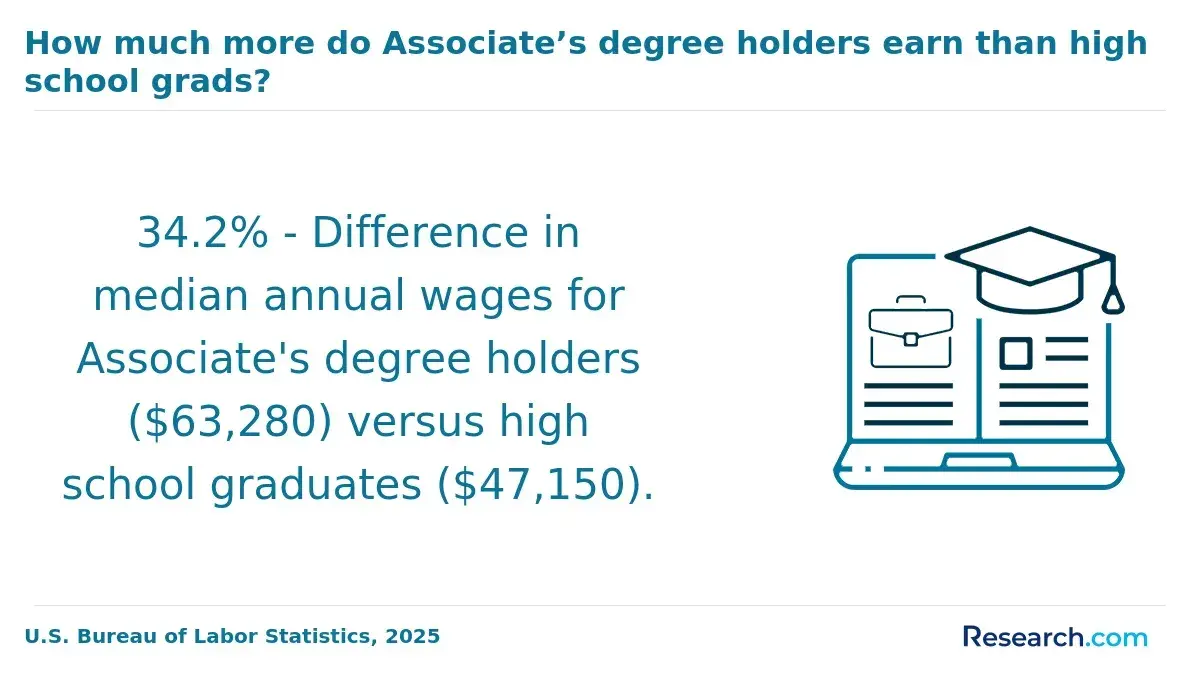
According to recent labor studies by the U.S. Bureau of Labor Statistics, fields requiring licensure tend to offer more stable job prospects and higher median earnings but require substantial upfront time and financial commitments.
Prospective candidates looking to balance these factors may find specialized guidance helpful, including resources on fast degree programs that can potentially shorten time to credentialing.
Selecting a kinesiology master's specialization is a pivotal strategic decision for career changers, as it significantly influences how smoothly they bridge prior experience with new professional demands.
Effective specializations reduce redundant skill gaps while amplifying access to roles where foundational competencies transfer readily, thus easing workforce integration.
- Exercise Physiology: This specialization leverages assessment and therapeutic exercise design skills that many transitioning professionals-especially those from fitness, coaching, or non-clinical backgrounds-can quickly adapt to. It aligns with entry-level clinical or wellness roles where employers value practical, applied knowledge.
- Biomechanics: Suited primarily for individuals with prior science or engineering experience, biomechanics emphasizes analytical and technical expertise. Employers in product development, ergonomics, and rehabilitation device design require a hybrid of kinesiology knowledge and quantitative skills.
- Sports Rehabilitation: This path merges kinesiology with physical therapy principles, catering to those moving from athletic training or allied health fields. It demands familiarity with injury prevention and recovery protocols, which are in increasing demand across healthcare systems.
- Health and Wellness Promotion: Although less technical, this specialization appeals to career changers from public health, education, or community outreach, offering clear pathways into preventive care roles. Its broad applicability to diverse settings often translates into accessible entry points but may require supplementary certifications to advance clinically.
The Bureau of Labor Statistics projects a 12% growth rate through 2034 in healthcare-related kinesiology positions, underscoring strong sectoral demand and reinforcing the advantage of clinically and technically grounded specializations for career changers intent on sustainable employment.
A student who previously worked in corporate wellness shares how navigating the rolling admissions timeline shaped their specialization choice. Faced with uncertainty about acceptance, they strategically applied early to programs offering exercise physiology due to its broad compatibility with their background.
Despite initial delays in hearing back, they used the waiting period to strengthen prerequisite knowledge, ultimately enrolling with confidence when the offer came. The experience underscored how admissions timing and program fit were as critical as specialization content for a successful transition.
Online kinesiology master's specializations can strategically accelerate career growth, particularly for working professionals balancing education with employment. Their effectiveness hinges on alignment with evolving industry requirements and support for mobility within digital and hybrid work frameworks, where applied skills and remote collaboration increasingly shape advancement.
- Exercise Physiology and Rehabilitation Science: These areas emphasize clinical and therapeutic applications, enabling immediate integration of new competencies in healthcare settings. The demand for expertise in chronic disease management and aging populations drives steady expansion, with many employers requiring licensure or certification that elevates promotion potential.
- Sports Performance and Coaching: This specialization's growth depends on continued credentialing and up-to-date knowledge in strength and conditioning. It fosters leadership pathways by combining technical skill with athlete management, but success requires navigating a competitive landscape and maintaining skill currency through ongoing education.
- Kinesiology Informatics: Integrating biomechanics, data analytics, and wearable tech, this field responds to industry transformation emphasizing tech fluency. Professionally, it facilitates transitions into research or tech-driven roles, emphasizing digital collaboration and innovation, which are vital for higher-level positions in fast-evolving environments.
- Clinical Kinesiology with Licensure Focus: Specializations closely tied to state licensure offer structured upward mobility but come with regulatory and educational prerequisites. Their alignment with healthcare employers' strict certification standards ensures candidates have tangible credentials that support leadership and specialized roles.
- Fitness Leadership and Corporate Wellness: These areas prioritize practical experience and continuing education over formal licensure, favoring professionals adept in program management, client engagement, and organizational wellness initiatives. They offer scalable career paths in hybrid and remote contexts, where digital platforms facilitate broader client reach and operational effectiveness.
According to U.S. Bureau of Labor Statistics data updated in early 2024, healthcare-aligned specializations in kinesiology show job growth exceeding 15% over the next decade, underscoring how market demand influences specialization viability.
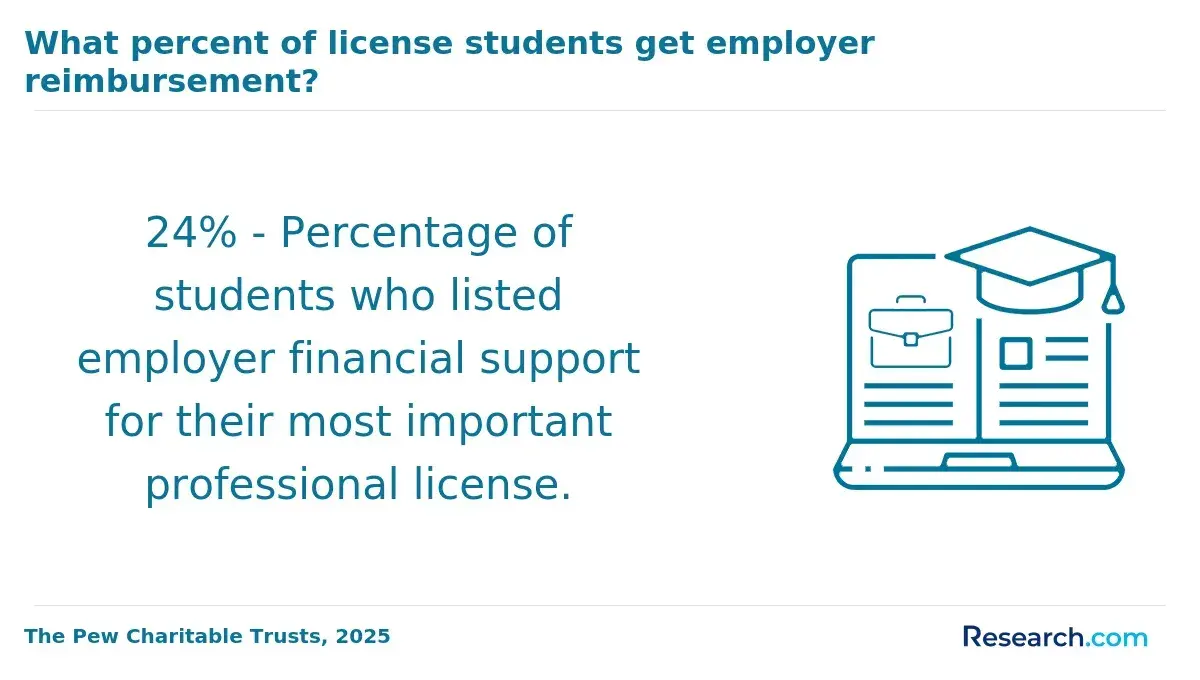
Those considering online kinesiology master's programs for career advancement should weigh how effectively programs integrate applied practicum opportunities, which significantly enhance employability and salary progression.
For students balancing flexibility with impact, specialization choice must also factor in access to experiential learning, as real-world application accelerates advancement. This practical focus differentiates high-value programs from generic curricula and informs decisions about which pathways best leverage emerging workforce trends.
Additionally, individuals interested in health-related fields may consider combining kinesiology studies strategically with other credentials, such as those supporting a nutritionist bachelor degree online, to diversify their expertise and expand interdisciplinary opportunities.
Advancement into management roles within kinesiology typically reflects the accumulation of strategic, operational, and leadership responsibilities rather than the mere attainment of an advanced degree. Various master's concentrations cultivate distinct leadership assets, influencing how readily graduates transition into supervisory or executive positions.
- Sports Management and Exercise Science Administration: This concentration develops core competencies in operational oversight, budgeting, program development, and personnel management-skills directly tied to running fitness or athletic organizations. Exposure to facility management and resource allocation provides essential cross-functional visibility.
- Health Promotion and Wellness Leadership: Focused on organizational behavior, community health strategy, and corporate wellness program execution, this track enhances graduates' abilities to manage complex stakeholder relationships and lead health initiatives across varied environments.
- Biomechanics and Rehabilitation Science with Administrative Electives: While primarily clinical, this concentration offers management potential when supplemented with healthcare administration or project management coursework. Such combinations foster skills in supervising rehabilitation clinics or research teams, involving oversight of clinical operations and team coordination.
- Business-Integrated Kinesiology Concentrations: Master's pathways incorporating organizational leadership or dual degrees like an MBA provide substantial advantages in ascending to executive-level roles. These programs enhance understanding of business strategy, financial decision-making, and leadership dynamics.
Earning potential among kinesiology master's specializations diverges notably, reflecting distinct industry demands and professional environments. Graduates focusing on exercise physiology or physical therapy-related roles frequently earn between $75,000 and $90,000, as supported by U.S. Bureau of Labor Statistics and Payscale figures.
These careers typically require additional licensure and operate within healthcare systems experiencing steady growth due to aging populations and chronic health trends.
In contrast, specializations in sports management or fitness coaching generally start lower, around $45,000 to $60,000, as employers prioritize hands-on experience and certifications more than advanced degrees.
Meanwhile, areas like biomechanics and ergonomics often offer intermediate salaries, roughly $60,000 to $80,000, due to their blend of research, corporate wellness, and product development applications.
Salary variations arise less from the degrees themselves and more from the structural context surrounding each specialization. Fields tied closely to healthcare enjoy higher compensation partly because of regulatory barriers and the necessity for formal licensing, which limit supply and elevate wages.
Additionally, roles involving direct clinical care or complex physiological assessment tend to carry greater organizational impact and responsibility, justifying premium pay.
Conversely, specializations relying heavily on business, coaching, or general fitness often face lower wage ceilings because revenue generation is less directly linked to individual practitioners' expertise and certification requirements remain less stringent.
Moreover, technical skills in research or ergonomics command specialized analytical capabilities that position professionals as important but middle-tier contributors in corporate and academic settings.
Long-term earning trajectories can diverge significantly from initial salary levels. Although healthcare-related kinesiology roles often start with higher pay, advancement hinges on securing further certifications and leadership roles within clinical or administrative hierarchies. Fitness-focused professionals may see slower salary acceleration without transitioning into entrepreneurial or management positions.
Additionally, research and ergonomics specialists might experience moderate growth linked to emerging industry trends but require ongoing skill development to maintain relevance. Understanding these dynamics helps prospective kinesiology master's students evaluate not only immediate salary but also career sustainability and professional mobility within their chosen specialization.
Choosing a specialization within a kinesiology master's program is a critical strategic career decision that extends well beyond simply following personal interest. Many common mistakes arise because students focus too much on immediate motivations or perceived prestige, overlooking the long-term labor market realities and how their choice will affect employability and career adaptability.
A 2024 National Center for Workforce Analytics survey found that nearly 43% of kinesiology graduates struggled to find relevant employment tied to their specialization, underscoring how these early decisions carry lasting professional consequences.
- Prioritizing Passion Without Market Research: Students often select specializations based solely on current enthusiasm or personal interest, neglecting whether those areas have sufficient employer demand. This mismatch can limit job prospects, salary growth, and future flexibility.
- Ignoring Emerging Fields and Technology Integration: A frequent error is overlooking cutting-edge specializations that combine kinesiology with healthcare tech, rehabilitation science, or data analytics. Many stick to traditional paths like exercise physiology without appreciating that employers increasingly value interdisciplinary skills linked to advancing technology.
- Underestimating the Importance of Certifications and Practical Experience: Relying on specialization alone is insufficient; many employers expect additional certifications or internships that demonstrate applied competence. Failing to secure these credentials can hamper hiring prospects and limit progression to higher-responsibility roles.
- Disregarding Regional and Sector-Specific Workforce Dynamics: Local job markets vary considerably-some areas prioritize clinical exercise specialists, others occupational ergonomics. Students who do not align their specialization with regional demand may face longer job searches and lower satisfaction.
- Following Trends Without Understanding Industry Viability: Chasing popular "hot" fields without a nuanced understanding of industry sustainability often results in oversaturation or short-lived opportunities. Informed decision-making requires distinguishing transient hype from enduring sector growth.
Incorporating these considerations into specialization choices improves alignment with evolving employer expectations and workforce realities. Prospective students might also explore options through pathways such as how to avoid specialization selection errors in kinesiology master's programs, including gaining practical experience and reviewing labor market data.
For those balancing education with work commitments, programs that allow you to study exercise science online can provide the flexibility to build these critical skills while progressing.
Ultimately, robust decision frameworks grounded in labor market research and career strategy help kinesiology students navigate the complexity inherent in specialization selection for sustainable professional success.
Strategically aligning a kinesiology master's specialization with long-term career plans requires a comprehensive analysis of industry demand, critical competencies, and typical career trajectories within targeted fields. Students should treat specialization selection as an integral component of a multi-year professional strategy rather than a short-term academic milestone.
This involves assessing whether a specialization's skill set supports sustained employability amid evolving industry trends, such as telehealth integration or wearable technology adoption, while also matching desired leadership or technical roles down the line.
According to a 2024 report from the U.S. Bureau of Labor Statistics, close alignment between specialization and industry demand significantly improves employment rates and salary growth within five years post-graduation, underscoring the importance of this upfront strategic analysis for students aiming at long-term professional growth.
Effective decision-making frameworks include systematically mapping the outcomes of each specialization to specific job roles, analyzing the portability of gained skills across subfields like rehabilitation or ergonomics, and evaluating how chosen concentrations facilitate transitions into leadership or research-intensive positions.
Students must recognize risks associated with prioritizing immediate interests or short-term demand spikes without considering broader workforce shifts that could render certain specializations less valuable over time.
Emphasizing specialization choices that offer transferable skills and a foundation for future professional responsibility can help mitigate these risks.
Those seeking insight into practical program accessibility can also review data on which LPN programs are easiest to get into, illustrating how program characteristics influence career entry points in related healthcare disciplines.
What Graduates Say About the Best Kinesiology Master's Specializations for Career Growth
- Bryson: "After completing my master's in kinesiology, I found that employers were heavily focused on candidates' practical experience, such as internships and portfolio work, rather than solely on licensure credentials. This meant I had to prioritize gaining hands-on hours and certifications to stand out, which shaped my early career decisions. The program gave me a solid foundation, but navigating the workforce required strategic choices beyond the classroom."
- Tripp: "Choosing kinesiology was a deliberate move to pivot from a purely clinical background to working with wellness programs that offer more flexibility and remote work options. While I noticed salary growth was more modest without advanced licensure, I appreciated the quicker transition into the workforce and the ability to tailor my roles to evolving industry needs. This balance between stability and adaptability was key in my career trajectory."
- Joshua: "The reality of the kinesiology field meant that even after graduation, competing for certain roles was tough without specialized credentials, and some advancement opportunities were limited. In hindsight, I see how building a diverse skill set and networking during the program helped me maneuver those challenges. The experience-driven learning was invaluable, but I had to be very pragmatic about where I invested my time to progress professionally."
Other Things You Should Know About Kinesiology Degrees
Exercise physiology is the strongest choice for doctoral study or research careers. It usually includes advanced lab methods, statistics, and thesis or capstone research, which prepare students for PhD programs. Programs often require 30 to 36 credit hours and a faculty-supervised research project.
Employers increasingly expect kinesiology graduates to demonstrate not only technical expertise but also interdisciplinary skills such as data analysis, communication, and leadership. Specializations that integrate contemporary industry tools and emphasize real-world problem solving tend to be more competitive in the job market.
Programs lacking updated curriculum components or practical exposure may produce graduates with narrower skill sets, limiting career progression. Therefore, selecting a specialization that aligns with employer-valued competencies and includes industry partnerships or internships is critical for long-term employability.
Choosing between a broadly applicable specialization and a niche-focused one involves assessing one's career ambitions and market volatility. Broad specializations can open diverse career paths and adaptability to shifting job markets but may offer less depth in any single domain.
Conversely, niche specializations offer deeper expertise and potentially higher initial positioning but risk reduced flexibility if industry demand shifts. For most students, a pragmatic approach favors broad or hybrid specializations that balance in-depth knowledge with adaptable skills, providing better resilience and career longevity.
- Top 5 Kinesiology Programs in 2026 https://bold.org/blog/best-kinesiology-programs/
- For Career-Driven Master's Students, a Flexible Program is Essential https://paloaltou.edu/resources/blog/career-driven-masters-students-flexible-program-essential
- Eight Graduate Programs for Kinesiology Majors | USAHS https://www.usa.edu/blog/graduate-programs-for-kinesiology-majors/
- Long-Term Goals for Students: A Complete Guide to Success - Sunbeam World School 1 https://sunbeamworldschool.com/blog/long-term-goals-for-students/
- Kinesiology Online Master's: See & Compare Top Programs https://www.edumed.org/online-schools/kinesiology-degrees/masters/
- Kinesiology Degree Salary https://www.collegehelpguide.com/degrees/kinesiology/salary/
- What Can I Do in My Career With a Master’s in Kinesiology? https://www.pointloma.edu/resources/health-sciences/what-can-i-do-my-career-masters-kinesiology
- MKin or MSc: Which Program is Right for YOU? https://www.yourkinesmentor.com/mkin-or-msc-which-program-is-right-for-you/
- Is kinesiology right for you? https://www.atsu.edu/college-of-graduate-health-studies/academics/master-of-science-in-kinesiology/is-kinesiology-right-for-you
- Kinesiology Degree: Is It Right for You? · PrepScholar https://blog.prepscholar.com/what-is-kinesiology-major