2027 Most In-Demand Kinesiology Master's Specializations

Co-Founder and Chief Data Scientist
Shifts in workforce demands and credentialing standards now shape how prospective graduate students assess kinesiology master's specializations. Rather than viewing "in-demand" as a simple ranking based on popularity or salary, students must consider factors like employer expectations, regulatory alignment, and the transferability of technical and managerial skills across sectors.
Regional labor market variations and industry-specific growth patterns influence which concentrations offer durable career pathways. Programs emphasizing experiential learning, certification readiness, and faculty expertise often better prepare graduates for evolving roles. This analysis explores kinesiology specializations through a multifaceted lens, addressing career advancement, industry mobility, and long-term adaptability amid changing professional standards.
Key Things to Know About the Most In-Demand Kinesiology Master's Specializations
- The growing emphasis on rehabilitation kinesiology reflects employer demand for expertise in injury recovery protocols, yet this specialization often requires additional clinical certifications, increasing time and financial investment.
- Specializations in exercise physiology carry strong workforce signals, with a 12% employment growth rate projected through 2030, underscoring sustained healthcare sector integration and skill relevance.
- Biomechanics-focused programs face access limitations due to specialized lab requirements, impacting program availability and necessitating early enrollment decisions aligned with career timing and research opportunities.
What Makes a Kinesiology Master's Specialization "In Demand"?
An in-demand kinesiology master's specialization typically reflects a convergence of labor-market necessity, distinct skill acquisition, and integration with enduring or emerging professional roles within kinesiology-related fields. Demand often hinges on factors such as geographic location, the types of employers involved, the relevant industry sectors, the degree to which new technologies are adopted, and prevailing regulatory frameworks.
Specializations that prepare graduates for roles with consistent future need-rather than temporary hiring bursts-demonstrate stronger market alignment. For example, occupations linked to exercise science and rehabilitation are projected by the U.S. Bureau of Labor Statistics to grow significantly, underscoring sustained opportunity in these areas as some of the most in-demand kinesiology master's specializations in the United States.
However, relying solely on indicators like job-posting frequency, program enrollment popularity, or general salary claims risks misrepresenting actual fit and long-term value. Demand as a decision factor requires nuanced interpretation of curriculum depth, availability of experiential learning, and relevance of certifications or licensure connected to employer expectations.
Prospective students must also consider faculty expertise and the tangible outcomes among alumni, emphasizing transferability of skills across related roles. The influence of trend-driven program marketing can further distort perception, making it critical to look beyond surface demand signals toward indicators of durable career applicability.
This evaluative lens particularly benefits working professionals, career changers, and learners focused on advancement who seek clear alignment between graduate study and evolving workforce needs. Choosing a highly demanded specialization is not merely about entering a field with high hiring volume but about selecting a path with validated credentialing, opportunities for applied skill development, and adaptability to industry transformation.
In this context, programs that provide robust linkage to recognized professional standards and employer preferences generally offer a more strategic investment, contributing to informed decision-making that balances immediate employability with sustainable professional progression. For those interested in related degree pathways with practical components, reviewing options such as RN to BSN programs without clinicals can also provide insight into structuring career-relevant education.
The 10 Most In-Demand Kinesiology Master's Specializations
Employment trends in kinesiology master's programs increasingly mirror practical demands from healthcare, athletics, and technology-driven sectors. Specialist skills in injury prevention, rehabilitation, and performance optimization align with shifts in employer priorities shaped by healthcare cost pressures, aging populations, and integration of data-driven practices.
Prospective students must weigh how each specialization addresses evolving workforce needs and licensing or certification pathways that influence real career mobility and longevity.
- Exercise Physiology: Practitioners here play a key role in managing chronic disease through tailored exercise regimens, much sought after as healthcare systems emphasize non-pharmacological interventions. Growth forecasts by the U.S. Bureau of Labor Statistics (10% through 2032) reflect expanding outpatient and wellness program roles, but this field demands continual updating of clinical knowledge and collaboration with multidisciplinary teams.
- Sports Science and Performance: This specialization's relevance lies in preparing graduates for competitive sports environments where biomechanical analysis and physiological monitoring drive athlete development. Employers prefer candidates fluent in technology-enabled performance tools, though opportunities are often concentrated in elite or collegiate sports contexts.
- Rehabilitation Science: Advances in physical therapy and increased rehabilitation needs for aging and disabled populations sustain demand here. Graduates typically engage in hospital and outpatient care settings, but must navigate credentialing rigor and evolving insurance frameworks.
- Biomechanics: Applied research roles in developing ergonomic solutions and wearable health technologies support steady job growth, driven by innovation in biotech and industry standards. Candidates benefit from cross-disciplinary fluency in engineering and physiology.
- Health Promotion and Wellness: Employers value professionals capable of integrating behavioral science with kinesiology to design scalable community or corporate interventions aimed at lifestyle diseases. This area demands strong program evaluation skills and adaptability to policy shifts.
- Motor Control and Learning: Specialists contribute to neurorehabilitation and assistive technology development by bridging neuroscience and movement science. Research-intensive roles often require advanced analytical skills and awareness of regulatory clinical trial environments.
- Occupational Ergonomics: Addressing workplace injury reduction and productivity, this specialization responds to cost-related organizational concerns. Graduates often work within corporate or government systems and must keep pace with dynamic human factors research and compliance mandates.
- Adapted Physical Activity: This growing niche addresses accessibility and individualized fitness solutions for disabled populations. Expansion of inclusive health policy in education and recreation sectors underpins reliable employment, though practitioners may face varied state-level certification requirements.
- Sports Psychology: Increasing awareness of mental health's role in sports performance creates demand for expertise that enhances psychological resilience and recovery. Formal licensure and integration into multidisciplinary athlete support teams shape professional prospects.
- Clinical Kinesiology: Merging exercise science with medical rehabilitation, this specialization is salient in managing chronic diseases within aging demographics. Career paths often require alignment with healthcare provider accreditation and interdisciplinary collaboration frameworks.
A prospective kinesiology master's student recently reflected on selecting a specialization after reviewing detailed program curricula and job market data. Initially drawn to sports psychology due to personal interest, the student hesitated after discovering licensing complexities and limited entry-level positions.
Comparing practicum placements and alumni outcomes, they found that exercise physiology offered more transparent certification routes and broader employer demand despite being less immediately appealing. This process underscored the importance of aligning specialization choice not only with interest but also realistic employment conditions and credentialing pathways.
Which Kinesiology Master's Specializations Lead to the Highest-Paying Careers?
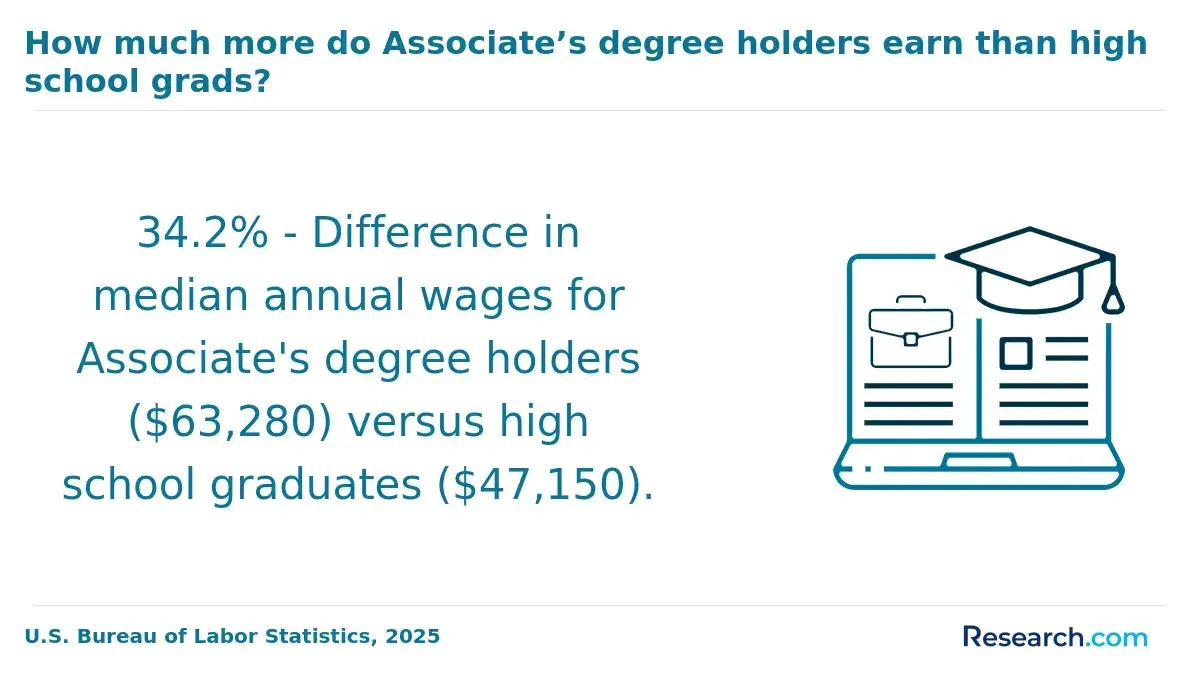
A master's degree in kinesiology can lead to diverse careers in healthcare, sports performance, rehabilitation, and corporate wellness. While salaries vary based on industry, certifications, and experience, specializations that emphasize clinical expertise, human performance optimization, or leadership responsibilities typically offer the highest earning potential.
Professionals who combine advanced education with industry-recognized credentials often qualify for senior roles with significantly higher compensation.
- Exercise Physiology ($75,000–$110,000+): Exercise physiologists apply scientific principles to improve physical performance, manage chronic diseases, and support rehabilitation programs. Those working in hospitals, cardiac rehabilitation centers, sports medicine clinics, or research institutions often earn higher salaries, particularly when they hold advanced certifications and oversee specialized health programs.
- Sports Performance and Strength & Conditioning ($80,000–$120,000+): This specialization prepares professionals to enhance athletic performance through evidence-based training, injury prevention, and performance assessment. Strength and conditioning coaches employed by professional sports organizations, collegiate athletic programs, and elite training facilities can earn substantial salaries, especially as they advance into leadership positions.
- Biomechanics ($85,000–$130,000+): Biomechanics specialists analyze human movement to improve athletic performance, reduce injury risk, and develop rehabilitation strategies. Many work in research institutions, sports technology companies, medical device firms, and healthcare organizations. Their combination of scientific expertise and technical skills often leads to some of the highest-paying opportunities within kinesiology-related fields.
- Corporate Wellness and Human Performance ($80,000–$115,000+): Professionals in corporate wellness design and manage programs that improve employee health, productivity, and workplace safety. Large corporations, healthcare organizations, and consulting firms increasingly invest in wellness initiatives, creating opportunities for kinesiology graduates to move into well-compensated management and consulting roles.
- Sport and Fitness Management ($85,000–$125,000+): This specialization combines kinesiology knowledge with business and leadership training. Graduates may pursue careers as fitness directors, sports facility managers, athletic program administrators, or wellness executives. Leadership positions within large fitness organizations, collegiate athletics, and sports enterprises frequently offer salaries that exceed those of many direct-service kinesiology roles.
Which Kinesiology Master's Specializations Offer the Best Job Growth?
Evaluating which kinesiology master's specializations offer the best job growth requires examining employment forecasts alongside employer needs, industry shifts, and evolving skill demands. Projections from the U.S. Bureau of Labor Statistics indicate a 13% growth rate for exercise physiologists and rehabilitation specialists through 2032, reflecting a rising demand driven by aging populations and preventative care focus.
Specializations integrating telehealth technologies and data-informed interventions demonstrate greater adaptability to changing healthcare delivery models. Considering the transferability of skills across roles and settings is essential, as those linked to rehabilitation sciences and healthcare integration align better with expanding interdisciplinary opportunities than more saturated areas like athletic training.
Relying solely on job growth data can overlook important factors such as regional employment variations, credentialing hurdles, and sector-specific saturation affecting practical access to roles. Many kinesiology master's specializations require stringent certification or extensive clinical experience, which may delay workforce entry despite promising demand.
Additionally, some fields experience cyclical hiring or limited advancement pathways, challenging long-term career sustainability. Prospective students should weigh how program requirements and local labor markets intersect with their goals to ensure viability beyond initial employment. For flexibility and to manage concurrent commitments, exploring self paced degrees might offer pathways better suited for balancing professional and personal responsibilities while targeting the top career paths in kinesiology master's programs.
Which Kinesiology Master's Specializations Are Best for Career Changers?
Certain kinesiology master's specializations present more accessible pathways for career changers by valuing transferable skills and offering curricula designed to bridge gaps in prior knowledge. Programs emphasizing exercise physiology, sports management, or health coaching often require fewer prerequisites and incorporate applied learning experiences such as internships or practicums that facilitate hands-on skill development relevant to mid-career transition roles.
These specializations tend to align well with candidates from healthcare, education, or business backgrounds by focusing on fundamental principles of human movement and wellness programming. Labor statistics from 2024 indicate a 12% growth in demand for wellness-related expertise, reflecting a market preference for adaptable professionals with interdisciplinary understanding rather than narrowly clinical credentials.
However, selecting a specialization primarily on projected demand can lead to challenges when prerequisite knowledge or credentialing requirements are steep, as seen in research-intensive tracks or clinical exercise physiology pathways. These fields often demand robust prior experience or technical competencies that career changers may lack, increasing barriers to meaningful employability and networking within established professional communities.
Without direct industry context, candidates risk facing steep learning curves and competition from peers with more relevant hands-on experience. Strategically, it is vital to assess specialization fit based on realistic admission criteria and the presence of bridging opportunities rather than solely market growth projections.
A graduate who transitioned from a business role found deciding on a kinesiology specialization daunting due to a lack of science prerequisites. They initially leaned toward sports management but hesitated, concerned about insufficient practical exercise physiology knowledge. Leveraging faculty guidance and alumni network insights, they chose a health coaching track with a strong applied internship component, which helped develop behavioral change skills valued by employers.
They described relief at finding a specialization that both accommodated their non-traditional background and provided clear pathways to credentialing and employment, illustrating the importance of aligning specialization choices with existing strengths and accessible practical experiences.
Which Kinesiology Master's Specializations Are Best for Working Professionals?
Working professionals pursuing a master's in kinesiology must prioritize specializations that align closely with employer demand, schedule flexibility, and applicable skill development. The most advantageous programs emphasize direct relevance to roles these students can realistically hold without leaving their jobs, integrating coursework that complements existing responsibilities to maximize immediate workplace impact.
Advancement potential hinges on specializations offering practical skillsets that employers value and that fit within demanding work-life schedules. Evaluating top kinesiology graduate programs suited for career advancement involves assessing whether curricula provide part-time, evening, or online formats tailored to employed students seeking meaningful returns on their educational investment.
Specializations such as exercise physiology and sports biomechanics stand out for working professionals because they often offer hybrid or asynchronous learning options, allowing students to engage with project-based coursework linked to their current job functions. The 2024 U.S. Bureau of Labor Statistics projects an 11% employment growth for exercise physiologists, underscoring its workforce relevance.
Coursework designed around internship flexibility and certification alignment further supports continued career momentum without interruption. Those balancing employment with graduate study may also explore multidisciplinary programs merging sport management or health promotion, which emphasize leadership and policy roles compatible with part-time schedules, forming a core of the best kinesiology master's specializations for working professionals.
However, highly technical or clinical specializations can pose significant scheduling and workload challenges due to intensive field placements or research demands. Such tracks, although offering strong labor market value, may require compromises on flexibility, making them less feasible for professionals unable to commit extended hours outside work.
Selecting a program entails a trade-off between robust experiential learning and maintaining career progression, with particular attention to programs designed for adult learners. For those weighing specialized credentials alongside other advanced credentials, resources like the FNP post master's certificate online illustrate how targeted online formats support working adults in health-related fields.
How Do Online and Flexible Kinesiology Master's Specializations Compare?
Online and flexible kinesiology master's programs vary notably in design, which influences sequencing, cohort diversity, faculty interaction, and practical training opportunities. Fully online formats often rely on asynchronous coursework, limiting synchronous engagement and hands-on labs, essential for specialties with clinical skill demands.
Hybrid models partially address this by integrating periodic in-person residencies that foster peer collaboration and direct mentorship, better aligning with workforce expectations for applied competencies. This structural diversity affects not only academic engagement but also access to internships or practicums, critical for meeting licensure requirements and positioning graduates in high-demand roles.
Flexibility alone does not guarantee program quality or employer appeal; deeper scrutiny of curriculum rigor, accreditation status, and experiential learning integration is crucial. Programs that lack sufficient practicums or simulation labs risk graduates being underprepared for roles requiring physical assessment or clinical expertise.
Employer recognition increasingly favors programs embedding career services and synchronous advising to boost completion rates and professional readiness, consistent with findings from the 2024 National Center for Education Statistics showing blended delivery health sciences programs have higher retention than purely online counterparts. Additionally, technology infrastructure and support can shape the learning experience, influencing whether students can engage fully with core skill development necessary across kinesiology specializations.
For working professionals and career changers, flexible kinesiology pathways offer continuation of employment while pursuing advanced credentials, but demand careful workload management and evaluation of networking possibilities often reduced in asynchronous settings. Accelerated options may expedite workforce entry but may constrain time for deeper experiential learning, whereas part-time formats provide steadier pacing but extend financial and temporal commitments.
Ultimately, aligning format and specialization with one's career goals, anticipated employer standards, and practical skill acquisition remains vital to maximizing long-term employment and earning potential in kinesiology-related fields.
What Skills Do Students Learn in In-Demand Kinesiology Master's Specializations?
In-demand kinesiology master's specializations are strategically designed to cultivate advanced skill sets that reflect labor market demands and employer expectations, rather than serving as mere academic labels. These programs integrate applied technical training with interdisciplinary collaboration, emphasizing competencies directly linked to workforce needs and long-term career trajectories in health, rehabilitation, and performance fields.
- Advanced Technical Proficiency: Students gain a deep understanding of biomechanics, exercise physiology, and motor control, often through hands-on labs and practicum experiences. This technical foundation enables them to design targeted intervention programs that improve movement efficiency and patient outcomes, a capability increasingly valued in clinical and sports settings.
- Data-Driven Analytical Skills: Coursework and research projects sharpen students' abilities to interpret complex datasets, apply evidence-based methodologies, and evaluate intervention outcomes. Employers prioritize these skills for their role in driving innovation and ensuring practices align with evolving scientific standards, especially amid emerging performance technologies.
- Interdisciplinary Leadership and Communication: Given the collaborative nature of kinesiology-related professions, students develop leadership abilities that span client interaction, team coordination, and public health communication. These skills are critical for managing diverse stakeholder groups and advancing health promotion initiatives.
- Applied Research and Critical Evaluation: Field-specific research instruction trains students to critically analyze scientific literature and conduct experimental studies, which supports adaptability in dynamic professional environments. This research agility is essential for roles involving occupational therapy or sports science, where continuous integration of new evidence shapes best practices.
- Specialized Competency in Injury Prevention and Adaptive Activity: Programs emphasize practical knowledge in preventing injuries and customizing physical activity for varied populations, addressing employer demands in corporate wellness, rehabilitation, and athletic training sectors. Mastery here contributes to reducing healthcare costs and improving client quality of life.
A U.S. Bureau of Labor Statistics projection estimates a 13% growth in exercise physiologist positions through 2032, underscoring the rising demand for graduates who combine these multifaceted skills with effective client-centered approaches, making skill integration a decisive factor for employability and career sustainability.
What Are the Admissions Requirements for Popular Kinesiology Master's Specializations?
Admissions requirements for popular kinesiology master's specializations serve not only as eligibility checkpoints but also as indicators of how closely a program aligns with specific career trajectories and advanced skill demands. These criteria reflect variations in specialization focus, the depth of prerequisite knowledge, and professional expectations tied to diverse employment outcomes.
- Relevant Undergraduate Background: Most graduate programs expect applicants to hold an undergraduate degree related to kinesiology, exercise science, or health sciences. When the applicant's prior education lacks direct specialization, programs often require prerequisite coursework in subjects such as anatomy, physiology, biomechanics, or motor learning to ensure foundational competency.
- Work Experience and Practical Exposure: Applied specializations, especially those emphasizing physical activity promotion or rehabilitation, frequently prioritize candidates with relevant professional experience, internships, or portfolios that demonstrate practical skills. This requirement differentiates programs focused on clinical readiness from those emphasizing research.
- Licensure and Certification Requirements: Clinical areas like athletic training or physical therapy preparation typically demand proof of current certification or eligibility to take licensure exams. These stipulations align admissions standards with workforce regulations and underscore the technical and ethical readiness needed for clinical placements.
- Standardized Testing and Academic Performance: While minimum GPA thresholds commonly range from 3.0 to 3.5, highly competitive programs may set higher standards. Test-optional policies have become more prevalent, yet some programs still use GRE scores to comprehensively assess quantitative and analytical skills relevant to advanced kinesiology studies.
- Additional Application Components: Beyond grades and tests, many programs mandate recommendation letters, writing samples, or personal statements that reveal an applicant's commitment and fit for the specialization. Selective programs may include interviews to evaluate interpersonal skills crucial for clinical or leadership roles.
Recent graduate program requirements for kinesiology master's degrees reflect this complexity, with a 2024 report from the National Kinesiology Graduate Council noting a 15% rise in enrollment for specializations integrating technology and data analytics. This trend signals a growing emphasis on quantitative skills and interdisciplinary knowledge to meet evolving labor market demands.
Applicants exploring clinical or specialized tracks might also benefit from consulting resources like functional medicine nurse practitioner programs for comparative insight into licensure and certification pathways that influence admission standards across healthcare professions.
How Should Students Compare Cost, Financial Aid, and ROI by Kinesiology Specialization?
Rather than a simple tuition-versus-earnings calculation, this evaluation varies by specialization, shaped by program design, market alignment, and the student's career stage.
- Tuition Structures and Hidden Costs: Programs differ in tuition rates, fees, and credit requirements depending on specialization. Practicum or internship components can add expenses for travel, equipment, or background checks, increasing total investment beyond the sticker price.
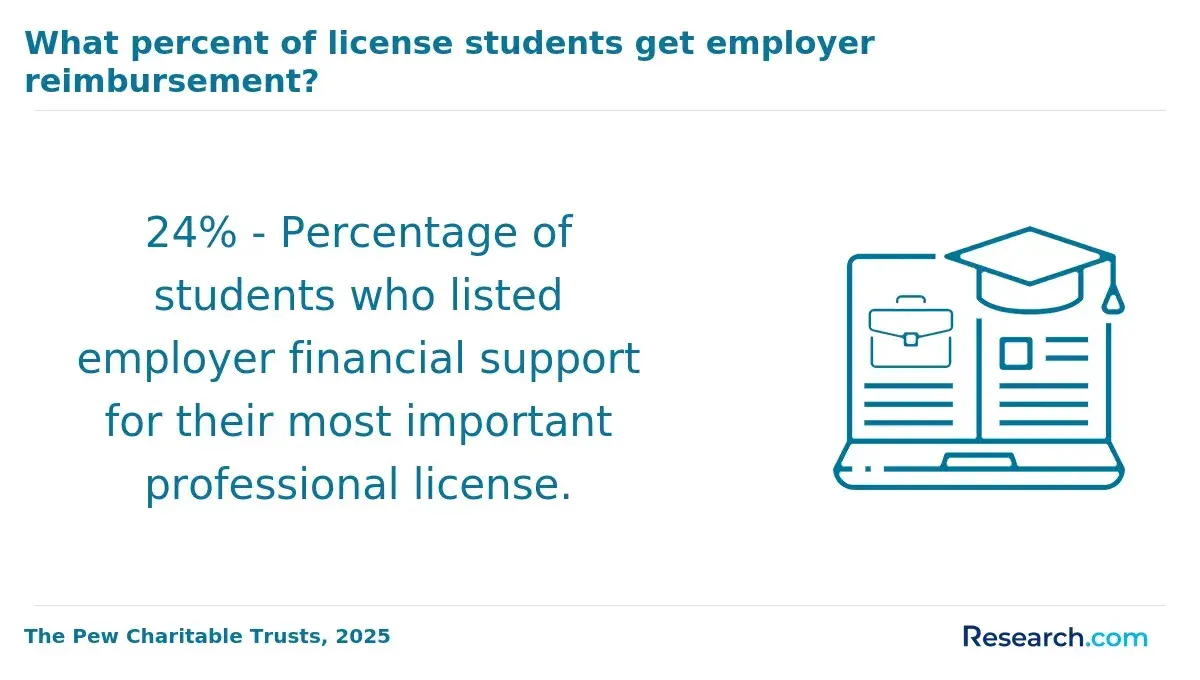
- Financial Aid and Employer Support: Eligibility for scholarships, grants, or employer tuition reimbursement may vary by specialization or institution. Understanding these nuances can reduce out-of-pocket costs and influence debt exposure.
- Certification and Licensing Preparation: Specializations geared toward certifications may require additional fees for exam prep, study materials, or credential maintenance, affecting the total cost and career mobility.
- Opportunity Costs and Time-to-Completion: Some specializations demand longer completion times or flexible pacing, which impacts income loss or work-study balance during the program.
- Market Demand vs. Short-Term Earnings: Students should beware of overvaluing immediate salary signals without considering evolving industry needs or long-term job security within specific kinesiology fields.
Finally, prospective students should also look into related fields when evaluating financial and educational commitments. For example, those wondering about healthcare training pathways might want to explore insights on which LPN programs are easiest to get into, as these options affect cost and career trajectory differently.
What Do Graduates Say About Their Kinesiology Master's Specializations?
- Bryson: "After completing my master's in exercise physiology, I quickly realized that employers highly value hands-on experience and relevant certifications over just the degree itself. I had to invest time in internships and building a solid portfolio, which ultimately opened up more doors than simply relying on licensure. The program gave me a solid foundation, but the real challenge was demonstrating practical skills in competitive job markets."
- Tripp: "I chose sport biomechanics because I wanted to enter a field with flexible work options, and that has held true. Many roles now offer remote consulting or data analysis, which suits my lifestyle better than traditional clinical settings. However, I found salary growth can plateau unless you pivot into management or specialized research, so I'm actively exploring additional certifications to stay competitive."
- Joshua: "Reflecting on my time in the human movement science track, I noticed employers often prioritize candidates with broad practical experience rather than those who focus exclusively on academics. I had to be pragmatic about gaining diverse work environments and sometimes accept roles that weren't my ideal job to build credibility. Negotiating advancement requires patience, especially without further licensure or a doctorate."
Other Things You Should Know About Kinesiology Degrees
The availability and emphasis on hands-on clinical experience vary widely across kinesiology master's specializations. Programs that integrate intensive clinical practicums tend to better prepare graduates for employer expectations in healthcare or rehabilitation settings. If your goal is to work in direct patient care or therapy, prioritize specializations with structured, supervised fieldwork, as lacking this can limit your job readiness despite strong theoretical knowledge.
Some kinesiology master's specializations are heavily research-oriented, requiring significant time investment in labs or thesis projects that may not translate directly to applied roles. For students focused on clinical practice, athletic training, or wellness programming, a research-heavy track might delay entry into the workforce and reduce opportunities for practical skill development. Prioritize programs that balance scientific rigor with applied learning if your intent is to enter industry roles rather than academia or research careers.
In 2027, the most in-demand kinesiology master's specializations include Exercise Physiology, Biomechanics, and Sports Psychology. These fields are sought after due to growing interest in health and wellness, the need for injury prevention, and the increasing demand for mental performance enhancement in sports and rehabilitation.
Broader kinesiology master's programs offer flexibility to pivot across multiple sectors but may lack depth in high-demand niches, potentially making graduates less competitive for specialized roles. Conversely, narrowly focused specializations provide depth and targeted expertise valued by certain employers but can limit mobility if labor market trends shift. If job security and adaptability are priorities, favor programs that blend core kinesiology principles with elective specialization options to preserve career flexibility.
References
- Does College Pay Off? A Comprehensive Return On Investment Analysis - FREOPP https://freopp.org/whitepapers/does-college-pay-off-a-comprehensive-return-on-investment-analysis/
- College Costs Breakdown: Real Life Scenarios and Financial Aid Options | University of Health Sciences and Pharmacy in St. Louis https://www.uhsp.edu/college-costs-breakdown-real-life-scenarios-and-financial-aid-options/
- Online MBA Specializations Comparison: Key Differences https://www.onlinecu.in/blog/cu/how-do-online-mba-specializations-compare.php
- Is kinesiology right for you? https://www.atsu.edu/college-of-graduate-health-studies/academics/master-of-science-in-kinesiology/is-kinesiology-right-for-you
- What Can You Do with a Kinesiology Degree? https://careerkarma.com/blog/jobs-for-kinesiology-majors/
- Master's Degree in Kinesiology | UT San Antonio | Master's Program in Kinesiology | Earn Your Degree (MS) in Kinesiology https://future.utsa.edu/programs/master/kinesiology/
- Kinesiology Online Master's: See & Compare Top Programs https://www.edumed.org/online-schools/kinesiology-degrees/masters/
- Eight Graduate Programs for Kinesiology Majors | USAHS https://www.usa.edu/blog/graduate-programs-for-kinesiology-majors/
- Comparing Financial Aid Packages: 5 Key Factors | ELFI https://www.elfi.com/comparing-financial-aid-packages-5-factors-to-consider/
- College ROI: How to Compare Costs, Outcomes and Fit Counselor Guide: Which Students Thrive in Small Colleges https://oglethorpe.edu/post/college-roi-costs-outcomes-fit/