
2027 How to Become a Medical Biller & Coder in Illinois

Co-Founder and Chief Data Scientist
Becoming a medical biller and coder in Illinois is a practical healthcare career option for people who want to work with patient records, insurance claims, reimbursement, and compliance without becoming a clinician. The role sits at the intersection of healthcare administration, coding accuracy, payer rules, and digital health records, so training choices matter.
This guide explains how to enter the field in Illinois, what education and certification options are worth considering, how much medical billers and coders earn in the state, where jobs are commonly found, and what challenges new professionals should expect. It also covers financial aid, employer expectations, technology trends, and the questions you should ask before choosing a program.
Quick Answer: Becoming a Medical Biller & Coder in Illinois
- Illinois does not require a state license for medical billing and coding, but employers commonly value formal training and professional certification because the work affects reimbursement, documentation accuracy, and compliance.
- The field shows a 5% job growth outlook in Illinois, and openings are supported by healthcare demand, digital records, insurance complexity, and the ongoing need to replace workers who retire or change careers.
- Medical billers and coders in Illinois earn around $45,193 annually on average, although pay can vary by experience, certification, employer type, location, and whether the role focuses on billing, coding, auditing, or revenue cycle support.
- Programs from institutions such as University of Illinois and Harper College can help students build job-ready knowledge in medical terminology, coding systems, claims processing, healthcare documentation, and administrative workflows.
- Education requirements for medical billing and coding in Illinois
- Certification requirements for medical billers and coders in Illinois
- How to prepare for billing and coding certification
- Financial aid options for Illinois students
- Reasons to pursue this career path in Illinois
- Employers that hire medical billers and coders in Illinois
- Medical billing and coding salary in Illinois
- Skills needed for medical billing and coding work
- Professional development and long-term career growth
- How clinical knowledge can improve coding accuracy
- Technology and automation trends in billing and coding
- Patient privacy and data security expectations
- Job outlook for medical billing and coding in Illinois
- Common challenges in the profession
- Alternative career paths for experienced billers and coders
- Professional associations and networking
What are the education requirements for Medical Billing & Coding in Illinois
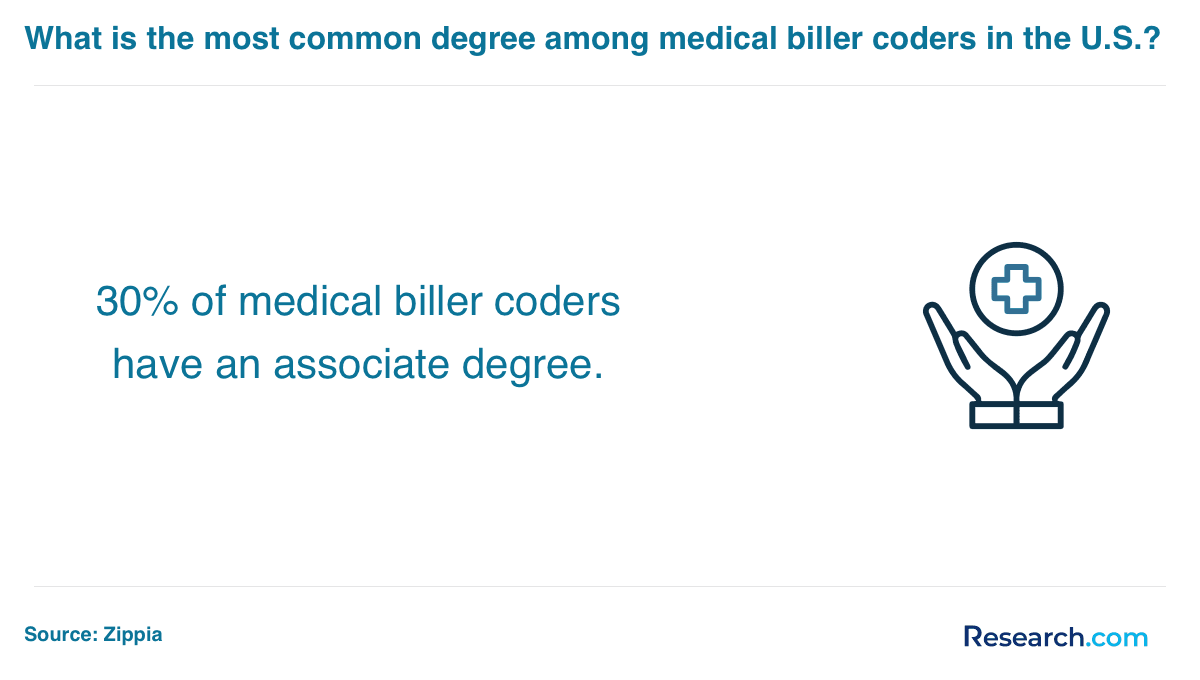
Illinois does not require a bachelor’s degree to work in medical billing and coding. Most people enter the field through a certificate, diploma, or associate degree program that teaches medical terminology, anatomy, coding systems, claims processing, health records, and reimbursement rules. A high school diploma or GED is typically the starting point for admission.
The best education route depends on your timeline, budget, prior college credit, and career goal. A short certificate may be enough for entry-level billing or coding support roles, while an associate degree can be useful if you want broader healthcare administration training or plan to move into supervision, compliance, or health information management later.
| Education option | Best for | What to check before enrolling |
| High school diploma or GED plus targeted training | Students who want to qualify for entry-level training programs | Confirm that the program teaches ICD-10, CPT, HCPCS, medical terminology, and insurance billing basics. |
| Medical billing and coding certificate | Learners who want a focused, shorter pathway into the field | Ask whether the curriculum prepares students for CPC, CCS, CBCS, or another recognized certification exam. |
| Associate degree | Students who want broader preparation in healthcare administration, records management, and office operations | Review transfer credit policies, total program cost, online availability, and employer partnerships. |
| Continuing education after employment | Working professionals who need to keep pace with code changes, payer rules, and software updates | Make sure courses count toward certification renewal if you already hold a credential. |
- High School Diploma or GED: This is the standard baseline for entering a medical billing and coding program in Illinois. Schools such as the College of DuPage generally expect applicants to have this credential before beginning postsecondary training.
- Certificate or Associate Degree Programs: A certificate usually concentrates on coding, billing, claims, and documentation. An associate degree, including options offered by Harper College, often adds general education and healthcare administration coursework, which may help students qualify for a wider range of administrative roles.
- Professional Certification: Illinois does not legally require certification, but credentials from the American Academy of Professional Coders (AAPC), the American Health Information Management Association (AHIMA), or a similar organization can make a resume stronger and may be preferred by employers.
- Continuing Education: Coding systems such as International Classification of Diseases, Tenth Revision (ICD-10) change over time. Professionals need ongoing training to stay accurate, reduce claim errors, and maintain certification when renewal requirements apply.
One Illinois medical biller and coder described the early training period as demanding but clarifying. She said the hardest part was learning how clinical documentation, payer rules, and government requirements connect, but each course and workshop made the work feel more manageable. Her experience reflects a common reality: this career is accessible, but it rewards careful study and consistent practice.
Do you need certification to work as a Medical Biller & Coder in Illinois?
No. Illinois does not require medical billers and coders to hold a state-issued license or certification. However, certification is often one of the strongest ways to show employers that you understand coding guidelines, medical terminology, payer documentation, and claims workflows.
Certification can be especially useful if you are applying for your first healthcare administration job, competing for hospital coding positions, or moving from general office work into revenue cycle roles. Some employers may list certification as preferred, while others may require it for specific coding jobs.
| Certification | Issuing organization | Common fit |
| Certified Professional Coder (CPC) | AAPC | Physician office, outpatient, and professional services coding roles |
| Certified Coding Specialist (CCS) | AHIMA | Hospital coding roles involving inpatient and outpatient documentation |
| Certified Billing and Coding Specialist (CBCS) | National Healthcareer Association | Entry-level roles that combine billing, coding, insurance, and claims support |
- Certified Professional Coder (CPC): Offered by AAPC, the CPC credential focuses on assigning codes for medical services such as procedures, diagnoses, and professional healthcare services. It is commonly associated with physician practice and outpatient coding work.
- Certified Coding Specialist (CCS): AHIMA offers the CCS credential for coders who work with complex medical records, including hospital-based inpatient and outpatient cases.
- Certified Billing and Coding Specialist (CBCS): The National Healthcareer Association offers the CBCS for professionals who want to demonstrate combined knowledge of billing processes, coding, insurance, and reimbursement support.
Most certification pathways require candidates to pass an exam and understand medical terminology, coding systems, documentation rules, and reimbursement concepts. Certification is not a legal gatekeeper in Illinois, but it can improve credibility and help employers assess readiness.
An Illinois professional I spoke with described certification preparation as intense but worthwhile. She said the exam process forced her to study details she had previously overlooked, and passing gave her more confidence when speaking with providers, insurers, and hiring managers.
How can aspiring Medical Billers & Coders in Illinois prepare for certification?
Certification preparation should be organized around the exam you plan to take. A student preparing for CPC may need a different emphasis than someone preparing for CCS or CBCS. Before paying for a course, review the exam outline, required manuals, allowed resources, prerequisites, and renewal expectations.
- Start with the exam blueprint: Review the official requirements for credentials such as Certified Professional Coder (CPC) or Certified Coding Specialist (CCS). This helps you avoid studying too broadly while missing high-value exam topics.
- Build command of core coding systems: Certification exams commonly test knowledge of ICD-10, Current Procedural Terminology (CPT), and Healthcare Common Procedure Coding System (HCPCS). Practice with realistic documentation examples instead of memorizing codes in isolation.
- Use workshops and professional events: Organizations such as the Illinois Health Information Management Association (IHIMA) can help students and working professionals stay connected to coding updates, regulatory changes, and local employment expectations.
- Consider structured review courses: Colleges such as the College of DuPage may offer preparation that reinforces exam topics, provides practice questions, and helps students identify weak areas before test day.
If speed is a priority, compare shorter options carefully. Research.com’s guide to accelerated medical billing and coding programs can help you understand what compressed training looks like and what trade-offs to consider. Fast programs can be useful, but only if they provide enough practice with documentation, coding guidelines, claims logic, and exam-style questions.
| Preparation step | Why it matters | Common mistake to avoid |
| Choose the credential first | Each exam emphasizes different work settings and competencies. | Buying a course before knowing which exam it supports. |
| Study coding manuals and guidelines | Coding accuracy depends on understanding rules, not just code lookup. | Trying to memorize without practicing real scenarios. |
| Take timed practice exams | Certification tests require both accuracy and pacing. | Waiting until the final week to test exam readiness. |
| Review missed questions | Error analysis helps identify weak knowledge areas. | Retaking practice tests without learning why answers were wrong. |
Are there financial aid programs for Medical Billers & Coders in Illinois?
Yes. Illinois students may be able to reduce training costs through grants, scholarships, veterans benefits, community college support, employer tuition assistance, or workforce programs. Eligibility depends on residency, income, school type, program approval, enrollment status, and other requirements.
- Illinois Veterans Grant (IVG): This program provides up to 100% tuition coverage for state colleges for eligible veterans and their dependents, making it especially relevant for military-connected students entering healthcare administration.
- Illinois Community College Board (ICCB) Grants: ICCB grant opportunities can support community college access and workforce training for eligible students, including low-income learners pursuing career-focused programs.
- The City of Chicago’s Scholarship Program: This program offers up to $5,000 for eligible Chicago residents, including high school graduates and adults returning to school in healthcare training programs.
Students comparing program costs should look beyond tuition. Fees, textbooks, code books, exam vouchers, technology requirements, and certification renewal expenses can change the real cost of completion. If you are considering a two-year credential, Research.com’s list of associates in medical billing and coding can help you compare online associate-level options.
| Cost question | Why to ask it |
| Does tuition include coding manuals, software access, and exam preparation? | Some programs advertise tuition only, while required materials may add to the total cost. |
| Is the program eligible for grants, scholarships, or veterans benefits? | Not every short-term training option qualifies for every aid source. |
| Are certification exam fees included? | Exam costs can affect affordability if they are paid separately. |
| Does the school offer job placement support? | Career services can matter for students who are new to healthcare. |
Why become a Medical Biller & Coder in Illinois?
Illinois can be a strong place to start a medical billing and coding career because the state has a large healthcare sector, major hospital systems, community clinics, academic medical centers, and administrative roles connected to revenue cycle management. The work is detail-heavy, but it offers a healthcare path for people who prefer records, compliance, and claims over direct patient care.
- Stable healthcare demand: Hospitals, clinics, physician groups, and outpatient centers need trained staff to code services, submit claims, resolve denials, and protect documentation quality.
- Reasonable living costs outside the most expensive areas: Illinois has a cost of living index of 94.4, and many communities outside central Chicago may offer a more manageable cost structure for early-career workers.
- Career mobility: Billing and coding can lead to roles in auditing, health information management, practice administration, compliance, and revenue cycle operations.
- Access to large employers: Illinois includes major healthcare organizations where coders and billers may work with complex claims, specialized departments, and advanced electronic health record systems.
This path is a good fit for people who like rules, accuracy, documentation, and problem-solving. It may not be ideal for someone who dislikes repetitive review, payer follow-up, software systems, or ongoing changes in coding guidance.
| Choose this career if you... | Consider another path if you... |
| Enjoy detailed work with records, codes, and insurance rules. | Want a role centered on direct hands-on patient care. |
| Can stay focused while reviewing documentation for accuracy. | Prefer work that changes dramatically every hour. |
| Are comfortable learning software and compliance requirements. | Dislike computer-based administrative work. |
| Want a healthcare role that may support office, hospital, or remote workflows. | Expect certification alone to guarantee a specific salary or job offer. |
An Illinois medical biller and coder described the transition into the field as challenging at first because the pace was fast and coding language felt unfamiliar. Over time, she said local training, professional support, and repeated exposure to real claims helped her become more confident and see how her work supported both providers and patients.
What are the top employers for Medical Billers & Coders in Illinois?
Medical billers and coders in Illinois can work for hospitals, physician groups, outpatient centers, billing companies, insurance-related organizations, academic medical centers, and remote revenue cycle teams. Large healthcare employers may offer more specialized coding roles, while smaller clinics may expect one employee to handle several billing, coding, scheduling, and administrative tasks.
- Northwestern Memorial Hospital: This Chicago-based hospital is known for advanced care and research activity. Coding and billing staff in this type of environment may work with high-volume documentation and complex specialty services.
- University of Chicago Medical Center: As an academic medical center, this employer combines patient care, education, and research. Billing and coding roles may involve specialized departments, detailed records, and advanced health information systems.
- Advocate Health Care: This large Illinois healthcare network includes hospitals and outpatient services, creating opportunities for professionals interested in revenue cycle operations across multiple care settings.
- OSF HealthCare: With services across multiple locations, OSF HealthCare may offer billing and coding work connected to community-focused care, administrative accuracy, and systemwide healthcare operations.
- Rush University Medical Center: Rush combines clinical care, education, and research, making it a potential fit for coders and billers who want exposure to complex services and structured healthcare administration.
| Work setting | Typical billing and coding focus | What applicants should expect |
| Large hospital system | Specialty coding, inpatient or outpatient documentation, denials, audits | More specialization and stronger emphasis on compliance and productivity metrics. |
| Physician practice | Professional services coding, claims submission, payer communication | Broader duties and frequent interaction with providers and office staff. |
| Community clinic | Claims, patient accounts, eligibility checks, basic coding support | Varied administrative responsibilities and community-facing service needs. |
| Revenue cycle company | Billing operations, coding support, denials management, remote workflows | Production expectations and possible work across multiple clients or specialties. |
A medical biller and coder in Illinois explained that the work often involves balancing speed with accuracy. She said one difficult claim can require close reading, communication with clinical staff, payer rule review, and careful code selection, which makes the job more analytical than many people expect.
How much do Medical Billers & Coders earn in Illinois?
The average annual salary for medical billers in Illinois is around $45,193. Actual pay can be lower or higher depending on the role, region, employer, experience level, certifications, specialty knowledge, and whether the job includes coding, billing, auditing, denial resolution, or broader revenue cycle responsibilities.
- Experience level: Entry-level workers typically start with more basic coding, billing, or claims support duties, while experienced professionals may move into auditing, specialty coding, denials, or supervision.
- Healthcare setting: Larger hospitals and health systems may offer different pay structures than small clinics because claim volume, documentation complexity, and compliance requirements can vary widely.
- Certification: Credentials such as CPC or CCS can support stronger job applications and may be associated with higher-paying roles, although no certification guarantees a specific wage.
Before choosing a program, compare training cost with realistic salary expectations. Research.com’s breakdown of medical billing and coding certification cost can help you think through tuition, exam preparation, and credential expenses.
The chart below shows how credentials can relate to earnings patterns among medical billing and coding professionals. Use it as one data point, not as a promise of individual salary outcomes.
What are the essential skills required to excel as a Medical Biller & Coder in Illinois?
Medical billing and coding requires more than code lookup. Strong professionals understand documentation, payer rules, healthcare privacy, claim workflows, software systems, and communication with providers or insurers. Accuracy matters because errors can lead to denials, delayed reimbursement, compliance problems, or patient account confusion.
| Skill | How it is used on the job |
| Medical terminology | Helps coders interpret diagnoses, procedures, anatomy, and provider notes. |
| Coding system knowledge | Supports accurate use of ICD-10, CPT, and HCPCS in documentation and claims. |
| Attention to detail | Reduces claim errors, missing information, duplicate billing, and incorrect code selection. |
| Analytical thinking | Helps identify why claims are denied and what documentation or coding changes may be needed. |
| Communication | Supports collaboration with providers, office staff, insurers, and patients when clarification is required. |
| Technology fluency | Allows professionals to work effectively with electronic health records, billing platforms, and claim systems. |
Some professionals strengthen their healthcare knowledge by studying adjacent roles. For example, understanding the responsibilities covered in medical assistant certification in Illinois can help billing and coding workers better understand clinical documentation and front-office workflows.
How Can Ongoing Professional Development Bolster Career Growth in Illinois?
Medical billing and coding is not a “learn it once” profession. Coding updates, payer requirements, compliance expectations, telehealth billing practices, and software tools can change, so continuing education is important for accuracy and advancement.
Ongoing development may include certification renewal courses, specialty coding workshops, payer-specific training, revenue cycle seminars, compliance updates, and professional association events. Workers who keep learning may be better positioned for auditing, team lead, compliance, or health information management roles.
It can also be useful to understand nearby healthcare careers and how their documentation affects coding. For a broader view of healthcare career pathways, Research.com’s guide on how long does it take to become a pharmacist in Illinois provides context on another licensed profession with strict education and regulatory expectations.
How Does Nursing Insight Enhance Medical Billing & Coding Practices in Illinois?
Clinical knowledge can improve coding quality because coders often rely on provider notes, medication details, procedures, diagnoses, and care timelines. A biller or coder does not need to become a nurse, but understanding how nurses document patient care can make medical records easier to interpret.
For professionals who want to understand clinical workflows more deeply, reviewing how to get a nursing license in Illinois can show how nursing education, scope of practice, and licensure differ from administrative healthcare roles. That perspective can help coders communicate more effectively with clinical teams while staying within their own job responsibilities.
How Will Emerging Technologies and Automation Reshape Medical Billing & Coding in Illinois?
Automation, electronic health records, AI-assisted coding suggestions, real-time claim edits, and digital auditing tools are changing how billing and coding work is performed. These tools may speed up routine tasks, but they do not remove the need for human judgment. Professionals still need to verify documentation, understand payer rules, correct errors, and recognize when automated suggestions are incomplete or inaccurate.
The strongest candidates will likely be those who combine coding knowledge with comfort using digital systems. They should know how to review edits, investigate denials, protect data, and document decisions clearly. Learning about advanced clinical roles, such as how to become a nurse practitioner in Illinois, can also help administrative professionals understand how complex provider documentation may become in higher-acuity settings.
How Do Medical Billers & Coders in Illinois Ensure Data Security and Patient Privacy?
Medical billers and coders handle sensitive patient information, so privacy and data security are central to the job. Professionals must follow HIPAA expectations, use secure systems, avoid unnecessary disclosure, protect login credentials, and report suspected privacy concerns through the proper internal process.
Common safeguards include role-based access, strong passwords, multi-factor authentication, secure networks, audit trails, staff training, and careful handling of printed or downloaded records. Healthcare students who want broader context on patient privacy and clinical recordkeeping can also review Research.com’s guide to top nursing schools in Illinois.
What is the job outlook for Medical Billing & Coding in Illinois?
The employment outlook for medical billing and coding in Illinois is steady. In 2020, Illinois employed approximately 11,090 professionals in this field. By 2030, employment is projected to reach 11,660, representing 5% growth over the decade.
Illinois is also expected to have about 860 job openings per year from 2020 to 2030. Those openings include new roles as well as vacancies created when workers retire, transfer, or leave the occupation.
Students who want flexible training can compare online options, but they should verify program quality before enrolling. Research.com’s list of accredited medical billing and coding training online can help applicants evaluate programs that teach job-relevant skills.
Opportunities may be found in Chicago-area hospital systems, suburban clinics, rural healthcare facilities, physician offices, billing companies, and remote revenue cycle teams. The right setting depends on whether you prefer high-volume specialization or broader administrative responsibilities.
What are the challenges for Medical Billers & Coders in Illinois?
Medical billing and coding can be stable work, but it is not simple clerical processing. Professionals must keep up with coding rules, payer policies, documentation standards, audits, privacy requirements, and software updates while maintaining accuracy under productivity expectations.
- Staffing pressure: Some healthcare organizations operate with lean administrative teams, which can increase workloads and make time management essential.
- Regulatory and coding changes: Coding guidelines, payer rules, and documentation requirements can shift, so workers need ongoing learning habits.
- Insurance complexity: Different payers may have different rules for authorization, claims, modifiers, documentation, and denial appeals.
- Technology changes: Telemedicine, electronic health records, automated edits, and billing platforms require digital confidence and adaptability.
- High accuracy expectations: Small mistakes can delay payment, create rework, or trigger compliance concerns, making attention to detail critical.
| Common mistake | Better approach |
| Choosing the cheapest program without checking curriculum depth | Compare total cost, certification preparation, coding practice, software exposure, and career support. |
| Assuming all online programs are equally useful | Review outcomes, instructor qualifications, exam alignment, and whether the program matches your career goal. |
| Ignoring certification until after graduation | Plan early for the credential most relevant to your target job setting. |
| Expecting salary outcomes to be guaranteed | Use salary data as a guide and consider experience, location, employer, and credential differences. |
| Underestimating communication skills | Practice explaining coding or claim questions clearly to providers, payers, and office teams. |
A seasoned Illinois coder described difficult days as “solving a puzzle without all the pieces at first.” She said the job became more satisfying as she learned how to research payer rules, ask better documentation questions, and resolve problems that once felt overwhelming.
What alternative career paths can Medical Billers & Coders in Illinois pursue?
Medical billing and coding can be a starting point for several healthcare administration careers. The transferable skills include documentation review, compliance awareness, claims analysis, health record accuracy, software use, and communication across clinical and administrative teams.
- Health Information Technician: This role focuses on maintaining accurate patient records, supporting data quality, and helping organizations meet documentation and compliance standards.
- Medical Office Manager: Experienced billers and coders may move into office leadership, especially if they understand scheduling, insurance, provider workflows, staff coordination, and patient account processes.
- Healthcare Compliance Specialist: Professionals who enjoy regulations, audits, and policy interpretation may pursue compliance roles that help healthcare organizations follow laws, payer rules, and internal standards.
- Clinical Data Analyst: Workers with strong analytical skills may transition toward data-focused roles that use healthcare information to identify trends, improve operations, or support quality initiatives.
These options may appeal to professionals who want broader responsibility or higher earning potential. Research.com’s guide to medical billing and coding salary per hour can help readers compare compensation expectations across related roles and experience levels.
Can professional associations and networking drive career success?
Yes. Professional associations can help medical billers and coders stay current, prepare for certification, find mentors, attend workshops, and learn about job openings. Organizations such as AAPC and AHIMA can be especially useful for credential information, continuing education, and specialty coding communities.
Networking is valuable because many entry-level applicants have similar coursework. Employers may notice candidates who participate in professional events, ask informed questions, and show commitment to ongoing learning. If you are exploring the wider healthcare field, Research.com’s guide on how to become a registered dietician in Illinois offers another example of how credentials, education, and professional standards shape healthcare careers.
What Medical Billers & Coders in Illinois Say About Their Careers
- "Working as a medical biller and coder in Illinois helped me grow professionally while contributing to patient care from the administrative side. The training options and healthcare environment here pushed me to keep improving." – Xavier
- "Illinois gave me exposure to modern billing systems and a healthcare culture that values both accuracy and service. The work can be challenging, but I like knowing my role supports providers and patients." – Juan
- "Medical billing and coding changed my career direction. Certification, continuing education, and steady practice helped me build stability and see a clear path for advancement." – Charity
References:
- AAPC. (n.d.). Certified Professional Coder (CPC®) Certification. AAPC certification resource. Retrieved 14 April 2025.
- AAPC. (n.d.). Salary by credential. AAPC salary resource. Retrieved 14 April 2025.
- AHIMA. (n.d.). Certified Coding Specialist (CCS®). AHIMA CCS certification overview. Retrieved 14 April 2025.
- Chicago Department of Family and Support Services. (n.d.). Community Service Block Grant Scholarship. Chicago scholarship information. Retrieved 14 April 2025.
- Illinois Community College Board. (n.d.). Grant Opportunities. ICCB grant opportunities. Retrieved 14 April 2025.
- Illinois Department of Veterans' Affairs. (n.d.). Illinois Veterans’ Grant. Illinois Veterans’ Grant details. Retrieved 14 April 2025.
- National Healthcareer Association. (n.d.). Certified Billing & Coding Specialist (CBCS) Exam Application. NHA CBCS exam application. Retrieved 14 April 2025.
- O*NET OnLine. (n.d.). Medical Records Specialists: Local Salary Trends – Illinois. O*NET Illinois trends. Retrieved 14 April 2025.
- U.S. Bureau of Labor Statistics. (2024). Occupational employment and wage statistics: Medical records specialists. BLS occupational wage data. Retrieved 14 April 2025.
- World Population Review. (n.d.). Cost of Living Index by State. Cost of living index by state. Retrieved 14 April 2025.
- ZipRecruiter. (n.d.). What Is the Average Medical Coder Salary by State? ZipRecruiter state salary data. Retrieved 14 April 2025.
Key Insights
- Illinois does not require a state license for medical billing and coding, but certification can improve employability and may be expected for many coding-focused roles.
- A certificate can be enough for some entry-level jobs, while an associate degree may offer broader preparation for healthcare administration, records, and future supervisory roles.
- The average annual salary for medical billers in Illinois is around $45,193, but earnings depend heavily on experience, credentials, employer type, specialty knowledge, and location.
- Employment is projected to grow from approximately 11,090 professionals in 2020 to 11,660 by 2030, with about 860 job openings per year during that period.
- Before enrolling, compare total cost, certification alignment, curriculum depth, financial aid eligibility, career support, and whether the program gives enough practice with real documentation and claims scenarios.
- Technology is changing the work, but automation does not replace the need for trained professionals who can verify codes, interpret documentation, manage denials, and protect patient data.
Other Things You Need to Know About Becoming a Medical Biller & Coder in Illinois
No Illinois state license is required, but employers often prefer national certification. Common options are the CPC from AAPC and the CCS from AHIMA. Many training programs prepare students for one of these exams, which can improve hiring prospects in hospitals, clinics, and billing offices.
To become a medical biller and coder in Illinois in 2027, you typically need a high school diploma or GED, followed by completing a medical billing and coding certificate program. Consider obtaining certification from an accredited body, such as the AAPC or AHIMA, as it enhances job prospects.


