2027 Fastest Online History Degree Programs You Can Finish in Under 2 Years

Co-Founder and Chief Data Scientist
If you want a history credential quickly, the key question is not simply “Which program is fastest?” It is “Which accredited online history program can accept enough prior credit, fit your weekly schedule, and still produce a degree employers and graduate schools will recognize?” For many working adults, transfer students, military learners, and career changers, the fastest route is usually a degree-completion pathway rather than starting a full bachelor’s program from zero.
Many students pursue shorter timelines because work, family, military service, or career plans make a traditional four-year path difficult. Recent data shows that 35% of online history degree students seek accelerated programs to enter the workforce faster. The right program can help you move faster, but speed depends on factors such as transfer credits, term length, course load, year-round enrollment, and institutional policies.
This guide explains how accelerated online history degrees work, what formats can be completed in under two years, what admissions teams look for, how transfer credits affect graduation speed, what employers consider credible, and how to compare cost, technology requirements, and career outcomes before enrolling.
Key Benefits of Online History Degree Programs You Can Finish in Under 2 Years
- Completing an online history degree in under 2 years enables faster workforce entry, with accelerated graduates reporting 25% quicker job placement in relevant fields compared to traditional timelines.
- Lower tuition and reduced living expenses cut overall education costs by up to 40%, making accelerated online history programs more affordable without sacrificing academic quality.
- Flexible online formats support working adults, reflecting a 12% annual growth in adult learners enrolling in history degrees, highlighting demand for accessible, accelerated education.
What Features Make an Online History Program Accelerated?
An accelerated online history program is designed to help students earn credits faster than a standard semester-based degree. The best options do not simply remove coursework; they compress delivery, allow more frequent starts, and give qualified students ways to apply previous college credit toward the degree.
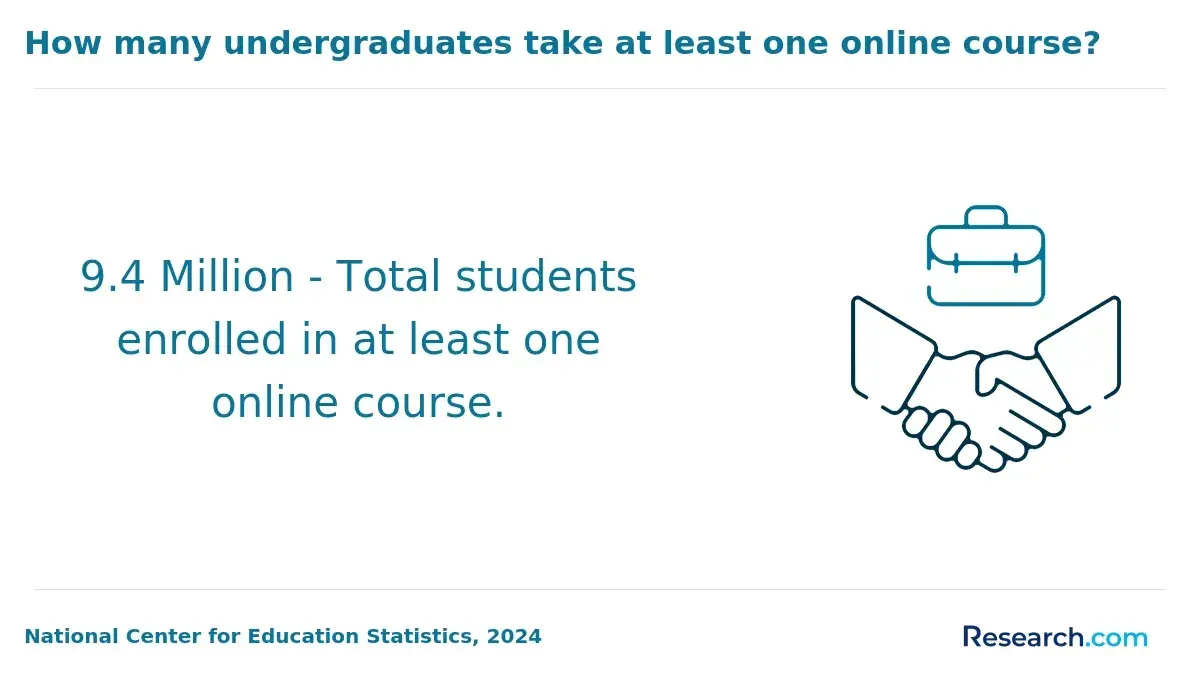
Recent data from the National Center for Education Statistics shows that such structures can reduce time-to-degree by up to 50%, which is why fast track online history degree admissions appeal to students who already have college credits or can study year-round.
- Compressed course terms: Instead of 15-week semesters, accelerated programs often use 5-8 week sessions. Students complete fewer courses at one time but move through more sessions per year.
- Year-round scheduling: Programs that offer fall, spring, summer, and multiple subterms help students avoid long gaps between courses. This can be especially useful for degree-completion students who need only upper-division history requirements.
- Higher course-load options: Some schools allow motivated students to take more credits per term. This can shorten the timeline, but it also increases weekly reading, writing, and research demands.
- Asynchronous coursework: Many accelerated online history programs let students view lectures, complete discussions, and submit assignments on their own schedule. This format is helpful for working adults, but it requires strong self-management.
- Generous transfer and prior-learning policies: The fastest programs often work best for students who already have general education credits, associate degrees, military credit, or other approved college-level learning.
Speed should not come at the expense of academic quality. A strong accelerated history degree still includes research methods, historical interpretation, primary-source analysis, and substantial writing. Students comparing flexible online pathways may also review related options such as online BCBA master’s programs, which use similar online scheduling models even though they lead to a different field.
What Are the Online History Degree Formats You Can Finish in Under 2 Years?
The format of the program determines how realistic a two-year timeline will be. For most students, finishing an online history degree in under two years is most achievable when they enter with substantial transfer credit. Students starting with no prior credits should confirm whether the advertised timeline applies to the full degree or only to the remaining major requirements.
Common fast online history degree formats include the following:
- Accelerated term-based programs: These programs replace traditional 15-week semesters with 5- to 8-week courses. Students may complete several short terms in one academic year, which increases the pace of credit completion.
- Competency-based education (CBE): In CBE models, students advance by demonstrating mastery rather than waiting for a fixed course calendar to end. This can benefit students with strong reading, writing, and research skills, but not every history program uses this format.
- Full-time intensive tracks: These tracks require a heavier course load each term. They can shorten the path to graduation but may be difficult for students working full time or managing family responsibilities.
- Year-round enrollment models: Programs with summer and multiple start dates allow students to keep progressing without long breaks. This is one of the most practical ways to reduce total completion time.
- Degree-completion programs: These are often the fastest option for transfer students. They focus on upper-division coursework after general education and elective credits have already been completed elsewhere.
When comparing formats, look beyond the advertised completion time. Ask whether courses are always available when needed, whether prerequisites can delay progress, and whether the history capstone or research seminar is offered every term. Students comparing cost-efficient online education options in other fields can also review affordable online counseling degree options.
What Are the Admission Requirements for Accelerated Online History Degrees?
Admission requirements for accelerated online history degrees are often similar to traditional online programs, but schools may look more closely at academic readiness because the pace is faster. Applicants should be prepared to show that they can handle frequent deadlines, heavy reading, research assignments, and advanced writing.
Common requirements and expectations include the following:
- Minimum GPA requirement: Many programs expect a GPA between 2.5 and 3.0. A higher GPA may strengthen an application, especially for intensive tracks.
- Official transcripts: Schools review prior college work to determine admission eligibility and transfer credit. Students with an associate degree or extensive previous coursework may be better positioned for a sub-two-year timeline.
- Completion of foundational coursework: Some programs expect applicants to have general education courses or introductory history classes completed before entering advanced major coursework.
- Standardized or placement test scores: Some schools may request SAT, ACT, or placement test results, particularly for applicants without recent college experience.
- Transferable credits or work experience: Prior college credits are often the biggest factor in finishing quickly. Some institutions may also evaluate military training, professional learning, or other approved experiences.
- Readiness for intensive study: Admissions teams may look for evidence of discipline, time management, and motivation. In an accelerated format, falling behind in the first week can affect the entire term.
Before applying, request a preliminary transfer evaluation if the school offers one. This can show how many credits will apply to the degree, which requirements remain, and whether the advertised timeline is realistic. Students considering related online academic fields may also compare expectations for a library science degree, where research, organization, and online study habits are similarly important.
Transfer credit is usually the most important factor in finishing an online history degree quickly. Many accelerated programs accept between 60 and 90 credits toward a standard 120-credit bachelor’s degree. The more credits a school accepts and applies directly to requirements, the fewer courses you need to complete after enrollment.
Students should pay attention not only to how many credits a school accepts, but also to how those credits count. Credits that transfer only as electives may not reduce major, general education, or residency requirements as much as expected.
- Maximum transferable credits: Many programs set transfer caps around 60-90 credits for a 120-credit bachelor’s degree. This can make a less-than-two-year timeline possible for students who enter with substantial prior coursework.
- Course equivalency review: Registrar or admissions offices compare previous courses with the school’s degree requirements. A U.S. history survey, for example, may be treated differently from an upper-level research seminar.
- Recency requirements: Some transfer credits must fall within the last 5 to 10 years, especially when schools want to ensure that prior learning still meets current academic standards.
- Minimum grade rules: Programs may require a minimum grade for transfer courses. Students should confirm whether pass/fail credits, developmental courses, or professional training credits are accepted.
- Residency requirements: Even when a school accepts many transfer credits, it may require students to complete a minimum number of credits at that institution before graduating.
Before enrolling, ask for a written degree plan. It should list accepted credits, remaining courses, sequencing requirements, and the earliest realistic graduation date. This prevents a common mistake: choosing a “fast” program and later discovering that required history courses are available only in certain terms.
Most accelerated online history students take fewer classes at the same time than students in a traditional semester, but they complete terms more often. Data from 2022 show that around 60% of these students enroll in two to three courses per term, which can be a manageable balance for students who want steady progress without overwhelming their schedule.
The right course load depends on your work hours, writing speed, reading capacity, and familiarity with online learning. History courses often require substantial reading, discussion posts, essays, document analysis, and research projects, so credit load does not always reflect the full weekly workload.
- Term length: In 5- to 8-week terms, two courses can feel like a full-time commitment because assignments arrive quickly and overlap.
- Pacing model: Self-paced or competency-based courses may let students move faster, but only if they can consistently produce high-quality work without weekly reminders.
- Course difficulty: Introductory surveys are usually easier to combine than upper-level seminars, historiography courses, or capstone projects.
- Prerequisites and sequencing: Some courses must be taken in order. This can limit how many classes you can take at once, even if you want to accelerate.
- Outside responsibilities: Students working full time may need to choose a slower pace to avoid poor grades, missed deadlines, or burnout.
A practical approach is to start with a manageable load in the first accelerated term, then increase only after you understand the program’s expectations. Finishing fast is valuable only if you can maintain strong academic performance.
Employers are more likely to respect an accelerated online history degree when it comes from an accredited institution and the graduate can demonstrate strong research, writing, analysis, and communication skills. A 2023 survey by the National Association of Colleges and Employers found that 75% of employers regard online degrees from accredited institutions as equally credible to traditional degrees.
The word “accelerated” is usually less important than the school’s reputation, accreditation, curriculum quality, and your ability to explain what you learned. In many hiring situations, employers may not even know the program was accelerated unless you choose to mention it.
- Accreditation: Employers and graduate schools are more likely to trust degrees from properly accredited institutions. Accreditation helps confirm that the school meets recognized academic standards.
- Program rigor: A credible history program includes research methods, source evaluation, historical interpretation, and substantial writing. A short program that lacks these elements may be less useful.
- Relevant skills: Employers value analytical writing, evidence-based reasoning, digital research, communication, and the ability to synthesize complex information.
- Experience beyond coursework: Internships, museum work, archival projects, teaching support, public history experience, or research assistant roles can strengthen the value of the degree.
- Portfolio evidence: Writing samples, research projects, digital exhibits, or capstone work can help candidates show what they can do rather than relying only on the credential.
Some bias against fast-track degrees may still exist, especially if a program appears unusually short or is poorly explained. To reduce that risk, choose an accredited school, keep strong academic records, and be ready to discuss the workload and learning outcomes clearly in interviews.
The cost of a fast online history degree depends on tuition, transfer credits, fees, course load, and how long you remain enrolled. Accelerated programs can reduce some time-based expenses, but they are not automatically cheaper. A program with high per-credit tuition may still cost more than a slower public option.
- Per-credit tuition: Public schools tend to charge lower rates, often between $200 and $400 per credit, while private schools may charge up to $800 or more. Since accelerated programs commonly require around 60 to 65 credits, tuition is usually the largest expense.
- Total program cost: The combination of per-credit tuition and required credit hours results in a total price range generally between $12,000 and $52,000.
- Additional fees: Students may pay technology fees, application fees, graduation fees, online course fees, or course material costs. These can add up, especially in programs with multiple short terms.
- Transfer-credit savings: Credits accepted from previous coursework can reduce the number of credits you must pay for at the new institution.
- Financial aid and tuition support: Eligible students may use financial aid, scholarships, grants, military benefits, or employer tuition assistance. Always confirm that the program and enrollment load meet aid requirements.
When comparing programs, calculate the total cost to graduation, not just the per-credit price. A school with slightly higher tuition may be more affordable if it accepts more transfer credits and lets you finish sooner. Also ask whether tuition is charged per credit, per term, or through another model, because heavy course loads can affect the final price differently.
A fast online history degree can support careers that require research, writing, analysis, cultural knowledge, documentation, and communication. It can also help working adults qualify for roles that require a bachelor’s degree, even when the job is not specifically titled “historian.” Employment of historians is projected to grow 6% from 2022 to 2032, faster than the average for all occupations.
Common career paths include the following:
- Historian: Historians research historical records, analyze sources, and prepare reports, publications, exhibits, or educational materials. The median annual wage for historians was about $63,210 in 2022.
- Museum Technician: Museum technicians help preserve artifacts, support exhibitions, maintain collections records, and assist with public-facing displays.
- Archivist: Archivists organize, preserve, and provide access to records and historical documents. Some roles may prefer or require graduate-level training.
- Research Analyst: Research analysts gather information, evaluate sources, identify patterns, and prepare findings for organizations, agencies, or academic projects.
- Cultural Resource Manager: Cultural resource managers help protect historic sites, coordinate preservation work, and support compliance with preservation-related rules and procedures.
Salaries in these roles typically range from $40,000 to $75,000 annually, depending on experience and employer. Students should be realistic: some history-related roles are competitive, and advanced positions in archives, museums, academia, or public history may require specialized experience or graduate education.
To improve job prospects, use the degree program to build a portfolio. Strong writing samples, digital history projects, internship experience, archival work, or museum volunteering can make the credential more marketable. Students planning to continue their education can also compare online master’s programs that may expand career options.
Accelerated online history programs move quickly, so unreliable technology can become an academic problem. Students need tools that support frequent reading, research, writing, discussion, video participation, file storage, and deadline tracking.
- Reliable internet access: High-speed internet is important for streaming lectures, joining live sessions, downloading readings, accessing library databases, and submitting assignments on time.
- A dependable computer: A laptop or desktop is usually more practical than a phone or tablet for research papers, citation management, document annotation, and long discussion posts.
- Learning management system access: Courses are usually delivered through an LMS that houses syllabi, readings, quizzes, grades, discussions, and assignment portals. Students should check it frequently in accelerated terms.
- Video conferencing tools: Some programs include live discussions, presentations, office hours, or group work. A webcam, microphone, and quiet workspace can help students participate professionally.
- Productivity software: Word processing, presentation tools, cloud storage, note-taking apps, citation managers, and calendar tools can help students manage reading loads and writing deadlines.
- Digital library access: History coursework often depends on scholarly databases, archives, journals, ebooks, and primary-source collections. Make sure the school provides adequate online library resources.
Before enrolling, review the program’s technology requirements and test your setup. In a 5- to 8-week course, losing several days to software or internet problems can be difficult to recover from. Students researching other flexible online pathways can also review affordable online master’s programs to compare technology-driven learning models.
The fastest online history degree is not always the best choice. The right program should be accredited, affordable, transparent about transfer credit, realistic for your schedule, and aligned with your career or graduate-school plans.
Use the following criteria when comparing programs:
- Accreditation status: Confirm that the institution is accredited. Accreditation affects credibility, transferability, graduate-school eligibility, and financial aid access.
- Transfer-credit policy: Ask how many credits the school will accept, how they apply to requirements, and whether there are limits by course age, grade, or institution type.
- Actual time to completion: Request a degree plan based on your transcript. Advertised timelines may not apply to students with fewer transfer credits or scheduling conflicts.
- Course availability: Make sure required history courses, research methods, and capstone classes are offered often enough to support an accelerated timeline.
- Curriculum quality: Look for courses in historical methods, source analysis, writing, global or regional history, and research. A strong curriculum should build skills, not just fill credits.
- Cost and financial aid: Compare total cost to graduation, including tuition, fees, materials, and the impact of transfer credits. Confirm aid eligibility before enrolling.
- Student support: Accelerated students benefit from responsive advising, library access, writing support, tutoring, career services, and technical help.
- Career fit: Review whether the program supports your goals in education, museums, archives, public history, research, administration, or graduate study.
A good final step is to speak with an admissions advisor and ask direct questions: How many of my credits will apply? What courses remain? What is the fastest realistic graduation date? What happens if I need to slow down? Clear answers are a sign that the program understands accelerated students.
What Graduates Say About Their Fastest Online History Degree Programs
- : "I discovered the accelerated online history degree while searching for a cost-effective way to complete my education quickly. With tuition totaling less than traditional programs, I finished in just 18 months and saved both time and money. This fast track not only deepened my passion for history but also helped me secure a promotion in my museum career much faster than I expected. — Jaxley"
- : "Choosing a fast online history program was a deliberate decision after weighing the average costs and my work commitments. The program cost was surprisingly affordable, especially given the flexibility it provided. Completing it in under two years allowed me to pivot my professional focus efficiently, giving me the credentials to consult on historical research projects sooner than I hoped. — Oakley"
- : "Completing an accelerated history degree online was an intense but rewarding experience. The cost was reasonable compared to on-campus options, and finishing within two years showcased my dedication to employers. This expedited path gave me a significant edge in the competitive field of academic administration, proving that a fast, affordable history degree can truly make a difference. — Thiago"
Other Things You Should Know About History Degrees
Yes, prerequisites often include a high school diploma or GED. Some programs may require previous college credits or specific courses in history. The exact requirements vary by institution, so it is essential to check with the program administration for details.
In 2027, some of the fastest accredited online history degree programs include Southern New Hampshire University and the University of Maryland Global Campus. These programs offer accelerated courses, enabling students to complete their degrees in under two years while maintaining a high standard of education.
Several universities, like Southern New Hampshire University and Liberty University, offer condensed online history degree programs, allowing credit transfers from previous studies. This path can significantly shorten completion time, enabling students to finish in under 2 years by meeting specific credit requirements.
- Most Affordable Online Bachelor's In History https://thebestschools.org/rankings/bachelors/affordable/online-bachelors-history/
- History Online Courses https://www.immerse.education/history-online-courses/
- History Bachelor's Degree Online - Penn State World Campus https://www.worldcampus.psu.edu/degrees-and-certificates/penn-state-online-history-bachelor-of-arts-degree
- History – Career 360: Virtual Career Center SNHU https://career360.snhu.edu/channels/history/
- Jobs for History Majors: Where Will Your Degree Take You? https://online.maryville.edu/online-bachelors-degrees/history/careers/
- Is an Online Master’s Degree in History Worth Anything? https://www.trainingskart.com/blog/is-an-online-master-s-degree-in-history-worth-anything
- How Do Employers Feel About Online Degrees | CSU Global Blog https://csuglobal.edu/blog/how-do-employers-feel-about-online-degrees
- Online History Degree | Bachelor's BS BA in History | EOU Online https://online.eou.edu/programs/bachelors-history/
- Technology Requirements for Online Accelerated Degree Students - Bachelors Degree Center https://www.bachelorsdegreecenter.org/online-learning/technology-requirements/
- Impactful jobs for history degree graduates | Probably Good https://probablygood.org/degree-paths/history-jobs/