2027 Accelerated vs. Traditional History Degrees: Pros & Cons

Co-Founder and Chief Data Scientist
Choosing between accelerated and traditional history degrees involves weighing distinct advantages. Accelerated programs attract working adults and career changers aiming to finish quickly, offering intensive study schedules. Traditional degrees, however, allow a slower pace, which can foster more in-depth academic engagement and research opportunities. Notably, enrollment in accelerated history programs in the U.S. has grown by over 30% in recent years, reflecting rising demand.
This article explores differences in time commitment, learning experience, and career outcomes. It highlights key factors students should consider, such as personal goals, learning style, and professional ambitions when deciding the best path for their history education journey.
Key Points About Accelerated vs. Traditional History Degrees
- Accelerated history degrees offer flexibility, appealing to working adults and career changers who need condensed schedules and quicker entry into history-related professions.
- Traditional history programs support deeper academic engagement through extended study periods, fostering critical thinking and comprehensive research skills valued in academia and museums.
- Students in traditional formats benefit from stronger peer networks and a paced learning environment, allowing mastery of complex historical analysis and debate over several years.
What Are the Differences Between Accelerated vs. Traditional History Programs?
Accelerated and traditional history degree formats differ mainly in pacing, scheduling, and the intensity of learning. These variations affect how students manage their time and engage with course materials. Below is a comparison of the key differences between accelerated history degree vs traditional history degree structure.
Understanding these differences between accelerated and traditional history degrees can help students choose the format that best suits their learning style and life commitments.
- Course Intensity: Accelerated history programs compress material into shorter timeframes, such as eight-week modules, leading to a faster pace and a more demanding weekly workload. Traditional programs spread the same content over longer semesters, allowing for a more measured study approach.
- Scheduling and Flexibility: Accelerated formats run year-round with multiple start dates, offering continuous study opportunities. Traditional programs follow a fixed academic calendar with fall and spring semesters, providing extended breaks that may benefit those balancing extracurricular activities or work.
- Cohort Experience: Accelerated programs often have smaller, tightly knit cohorts moving through the curriculum together, fostering close networking and personalized faculty attention. Traditional programs typically enroll larger, more diverse classes, creating broader peer interactions but less cohort intimacy.
- Curriculum Pathway: Accelerated history degrees emphasize a fixed curriculum with limited electives, focusing on a clear academic route. Traditional programs offer greater flexibility to customize degrees with electives, supporting deeper exploration and specialization.
- Instructional Method and Learning Pace: Due to the rapid pace, accelerated students need strong self-direction and organizational skills to keep up. Traditional students benefit from slower pacing that allows for deeper engagement with course content, enabling more comprehensive topic exploration.
For those interested in pursuing degrees that align with both efficient study structures and rewarding career paths, exploring the highest paying college majors can be an insightful next step.
How Fast Can You Finish an Accelerated vs. Traditional History Program?
Program length varies significantly between accelerated and traditional history degrees, with accelerated formats condensing coursework into shorter terms, while traditional paths follow a standard academic pace over four years. Understanding these timelines can help students choose the best route based on their personal and professional goals. Below is a comparison of how quickly students can finish each program type.
Accelerated programs can often be completed in two to three years, while the traditional history degree length in the US typically requires four years of full-time study.
- Transfer Credits: Students bringing in prior college credits or an associate degree may shorten their time to graduation, especially in programs with generous credit transfer policies. This can apply to both accelerated and traditional formats but may be more advantageous for accelerated programs aiming for faster completion.
- Full-Time vs. Part-Time Enrollment: Full-time students progress more quickly, often completing studies within the expected timelines. Part-time enrollment extends the duration in both program types, requiring careful planning for those balancing work or other responsibilities.
- Course Intensity and Scheduling: Accelerated history degree programs demand heavier course loads each term and usually run year-round with fewer breaks. This intensity helps students finish within a compressed timeframe but requires strong time management skills.
- Competency-Based Credit: Some programs allow credit for prior learning or experience, enabling qualified students to move through coursework faster, typically more common in accelerated or non-traditional offerings.
- Institutional Policies: Rules around course loads, prerequisites, and program structure vary by institution and influence how quickly students can complete either an accelerated or traditional degree track.
For those interested in exploring flexible degree options, consider looking into the top online degrees for seniors to find programs that align with diverse needs and schedules.
What Are the Admission Requirements for Accelerated vs. Traditional History Programs?
Admission requirements for accelerated and traditional history programs often share common standards, including GPA thresholds, test scores, and prerequisite coursework. However, they differ significantly in how they evaluate academic readiness and professional experience, reflecting the varied demands of each pathway. Below is a comparison highlighting the key differences in admissions expectations for both program types.
- Academic Performance: Accelerated history degree admission requirements typically demand a higher minimum undergraduate GPA, often around 3.0 or above, to ensure students are prepared for intensified graduate-level coursework. Traditional history program entry criteria tend to be more flexible, sometimes accepting applicants with GPAs as low as 2.5-2.75, accommodating a broader range of academic backgrounds.
- Prerequisite Coursework: Applicants to accelerated history programs usually must have completed a substantial number of undergraduate credits (e.g., 60-89 credits) before admission, demonstrating readiness for advanced study. Traditional programs often admit students at the beginning of their undergraduate journey without specific credit completion requirements.
- Letters of Recommendation and Faculty Endorsement: Accelerated programs often require strong letters from history faculty that attest to the candidate's writing ability and motivation at the graduate level. Traditional programs tend to rely on standard admissions materials such as transcripts and test scores, rarely mandating faculty recommendations.
- Assessment of Graduate-Level Skills: Accelerated program applicants may need to demonstrate skills through writing samples, interviews, or advanced coursework to prove their ability to handle graduate research. Traditional programs generally do not require such evidence at the point of entry.
Students considering these options should weigh these requirements carefully to determine the best pathway for their academic and professional goals. For those exploring the financial return on degree choices, the bachelor degree that makes the most money might also factor into the decision process.
Accelerated history degree programs condense the standard curriculum to be completed in two or three years, unlike traditional programs that usually span four years. These faster-paced courses demand more intensive study, heavier workloads, and often use flexible online or hybrid delivery methods compared to mostly in-person traditional courses.
Below are key distinctions between accelerated and traditional history programs:
- Course Length: Accelerated programs shorten the timeline by combining summer sessions and heavier semester loads, ideal for motivated learners eager to enter the workforce quickly. Traditional programs extend across four years, offering a more gradual academic experience suited for those valuing campus life and balance.
- Weekly Workload: Students in accelerated formats face substantially higher weekly reading, research, and assignments, requiring strict time management and discipline. Traditional students benefit from a steadier pace, allowing time for reflection and extracurricular activities.
- Instruction Style: Accelerated courses frequently leverage online or hybrid models, providing flexibility for working adults or career changers. In contrast, traditional history programs emphasize in-person instruction, fostering face-to-face interaction and community engagement.
- Learning Outcomes: Both formats maintain academic quality by meeting accreditation requirements and core competencies. Institutions monitor progress to ensure graduates achieve the same disciplinary standards regardless of program speed.
Costs for accelerated and traditional history programs can vary significantly, mainly due to differences in program length and delivery method. While tuition rates per credit often align closely between the two, accelerated programs typically lower overall expenses by enabling faster completion and less time paying for tuition and living costs.
Here are some key cost-related distinctions between accelerated and traditional history degree options in 2025:
- Program Duration and Total Cost: Traditional campus-based history degrees usually last four years and cost around $33,640 annually, totaling roughly $135,000. Accelerated programs, frequently offered online, shorten this timeframe to 2-3 years, reducing total costs to about $100,000 or less by finishing sooner.
- Tuition Rate per Credit: The average per-credit fee for online bachelor's history programs is approximately $509, while traditional institutions charge closer to $791 per credit. Some public universities impose higher fees for out-of-state students, whereas select private schools may offer flat rates.
- Opportunity Costs and Living Expenses: Students in accelerated programs spend fewer semesters in school, which lowers spending on housing, meals, and other fees. Graduating earlier also opens the door to full-time employment sooner, potentially increasing long-term earnings.
- Financial Aid Availability: Both program types provide access to federal aid and scholarships; however, the shorter duration of accelerated degrees can limit total debt accumulation over time.
Students enrolled in both accelerated and traditional history degree programs in the US may qualify for federal financial aid, yet eligibility and funding schedules often vary due to differences in program length and enrollment status. Accelerated courses, typically lasting 5 to 8 weeks, have unique application deadlines and disbursement timelines compared to semester-based degrees.
Below is a comparison of how financial aid works for each format:
- Federal Aid Eligibility: Both program types can access federal direct loans, including unsubsidized and PLUS loans, but loan amounts may fluctuate based on enrollment intensity and academic calendar.
- Scholarship Timelines: Universities often provide scholarships for history students, though award criteria might differ with accelerated tracks requiring quicker application due to condensed terms.
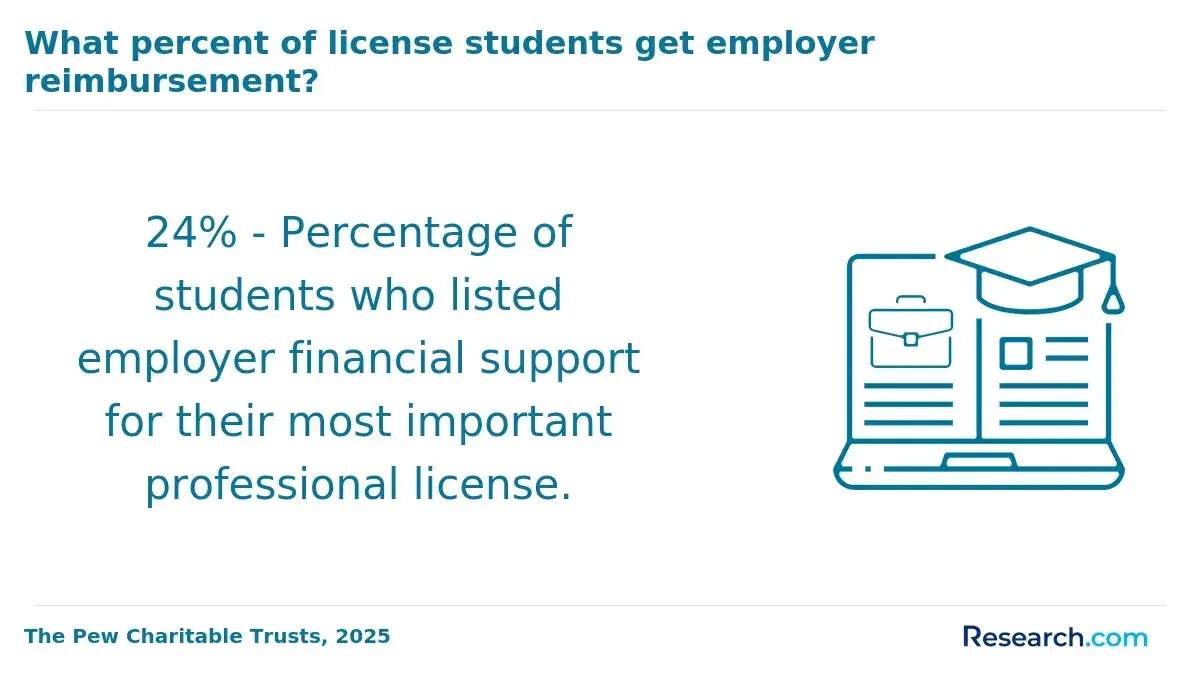
- Employer Tuition Assistance: Employer reimbursement programs cover both formats; however, accelerated degrees may appeal more to employers because of faster degree completion, allowing for a quicker return to work.
- Aid Disbursement and Renewal: Accelerated students should be vigilant about earlier disbursement dates and more frequent renewal deadlines to maintain funding throughout their intensive study periods.
A professional I spoke with chose an accelerated history degree and shared his experience navigating financial aid: "It was definitely challenging to keep track of the different deadlines since everything moved so fast. I had to stay in constant contact with the financial aid office to ensure payments arrived on time. The quick pace meant I couldn't afford delays, but securing aid made it manageable. I felt supported once I understood the system better, and finishing early was worth the effort." His reflections highlight the importance of proactive communication and organization when managing aid in accelerated programs.
Student support is essential for academic achievement, yet it varies notably between accelerated and traditional history programs. These differences span the type, timing, and delivery of services. Below is a comparison of common student support types in both formats.
- Academic Advising: Accelerated history programs provide more frequent but shorter advising sessions, often via virtual platforms with rapid messaging to suit the fast pace. In contrast, traditional programs tend to offer scheduled, in-person meetings that promote deeper academic planning and stronger advisor-student relationships.
- Tutoring: Tutoring for accelerated students is mainly online with flexible evening or weekend hours, but students may struggle to get timely help due to quick coursework demands. Traditional students access well-established on-campus tutoring centers and peer study groups supporting steady and consistent learning.
- Career Services: Accelerated learners often engage with career resources through webinars and virtual fairs, allowing flexibility but potentially less personal interaction. Traditional students usually benefit from face-to-face workshops, networking events, and alumni panels, fostering robust mentorship and institutional ties.
- Peer Interaction: Traditional history programs typically encourage more in-person peer collaboration and community building, leading to higher satisfaction and support. Accelerated formats may lack this depth due to compressed schedules and remote learning environments.
Employment outcomes are often a primary factor for students choosing between accelerated and traditional history degree programs. Both formats can open doors to rewarding career paths, but individual circumstances, program rigor, and employer preferences may influence the speed at which graduates secure jobs. Below is a comparison of trends and factors affecting hiring timelines for graduates of these two program types.
Consider these insights on job placement and employment outcomes:
- Employer Perception: Traditional history degrees are sometimes viewed as more comprehensive, which can reassure employers about graduate readiness. Accelerated program graduates may face questions about depth of knowledge but can demonstrate strong motivation and time management skills.
- Career Readiness: Graduates from both paths develop relevant skills, but traditional students often benefit from extended networking opportunities and internships that may accelerate job offers.
- Industry Demand: Demand for history graduates in sectors like education, research, and archives remains steady; employers emphasize experience alongside credentials, influencing hiring speed.
- Flexibility and Adaptability: Accelerated program graduates often have recent workplace experience or tighter schedules, allowing them to quickly apply skills and adapt to job requirements.
Reflecting on this question, a professional hired promptly after completing a traditional history degree shared that her job search involved balancing optimism with patience. "I applied to numerous roles, attended networking events, and leveraged professor connections," she said. While the process took a few months, she credits the thorough preparation and internship experiences during her studies with giving her confidence in interviews. She noted, "Though it wasn't instant, the deep understanding and relationships I built helped me find a position aligned with my passion within a reasonable timeframe."
Accreditation ensures academic quality and legitimacy for both accelerated and traditional history degree programs, regardless of the pacing or delivery format. This process impacts important factors such as eligibility for federal financial aid, the transferability of credits between institutions, and employer recognition of the degree.
In the United States, institutional accreditation is the primary standard applied equally to both types of programs, ensuring that students receive an education that meets established quality criteria. Whether a program is accelerated or follows a conventional timeline, maintaining accreditation is essential for students' academic and professional success. For those seeking options, it is also helpful to review lists of best non profit accredited universities offering online or flexible programs.
The regional accreditation of traditional history degrees typically applies equally to accelerated programs, though institutions may design accelerated coursework with condensed schedules to fulfill the same requirements in a shorter time frame. Accrediting bodies assess whether institutions uphold consistent academic standards and learning outcomes regardless of the program's pace. Programmatic accrediting agencies and recognized regional bodies oversee this process, ensuring degree legitimacy nationwide.
Students should always verify the institution's accreditation status before enrolling to confirm that their degree will be widely recognized by employers, other universities, and qualify for federal aid. Understanding how accreditation for accelerated history degree programs works can help prospective students make informed decisions about their educational path.
Choosing between an accelerated and a traditional history degree depends largely on your career goals, schedule flexibility, and preferred learning pace. Both options offer distinct advantages depending on your personal circumstances and priorities. To determine the best accelerated vs traditional history degree program for your goals, it is essential to consider several key factors before making a decision.
Below are important factors to consider when choosing history degree format:
- Time Commitment: Accelerated programs require a sustained, intensive effort, typically compressing four years of study into two or less with minimal breaks. Traditional degrees offer a more gradual pace with regular semesters or quarters, allowing breaks and time for other commitments.
- Learning Style: Fast-paced learners who prefer immersive study may thrive in accelerated formats, while those who value in-depth exploration and reflection often benefit from the traditional path's flexibility and time.
- Career Goals: If rapid entry into the workforce or advanced degree pathways such as 4+1 master's programs appeal to you, acceleration might be advantageous. Conversely, students seeking broad academic development, internships, or scholarships may find traditional programs better suited to their needs.
Accelerated programs can reduce education costs and enable students to start earning sooner, but leave less room for extracurriculars or part-time work. Traditional degrees allow more balance and opportunities to engage in campus life. Aligning with your lifestyle and long-term objectives ensures the best choice. For those who wish to explore careers quietly and thoughtfully, resources about careers for an introvert may offer helpful guidance.
What Students of Accelerated vs. Traditional History Programs Say About Their Degree
- Alfonso: "Pursuing a traditional history degree has been both rewarding and challenging. The depth of material covered allowed me to develop critical thinking skills, though the cost was quite high, with tuition fees and other expenses adding up over several years. However, the steady pace helped me absorb complex historical concepts deeply, and I feel well-prepared for a career in education or research."
- Eduardo: "My experience in a traditional history program has been reflective and enriching, especially because it gives time to engage extensively with primary sources and historiography. While the longer duration requires a significant financial commitment, it's an investment that broadens my worldview and sharpens analytical skills crucial for museum curation. It's demanding but immensely satisfying."
- Thiago: "The accelerated history degree program pushed me to learn at a much faster pace, which was both exhilarating and exhausting. Although the shorter timeline helped reduce overall costs and get me into the workforce sooner, I sometimes felt pressed for time to fully digest the complexities of historical events. Still, this intensive experience boosted my confidence and professional skills dramatically."
Other Things You Should Know About Traditional vs. Accelerated History Degrees
Yes, if the degree is earned from a regionally accredited institution. Graduate schools and employers usually focus on accreditation, GPA, writing skills, and research training, not the pace of study. Programs that include a capstone, thesis, or 30-plus upper-division history credits carry stronger academic weight.
Accelerated programs often cover the core history curriculum but may offer less time for electives and specialized seminars. This can mean fewer opportunities to explore niche areas of history in depth. Students in accelerated tracks should proactively seek out independent study or research projects to supplement their learning when possible.
In 2027, students undertaking accelerated history degrees might face intensified workloads and reduced time for in-depth research. Managing such demands alongside personal responsibilities could result in higher stress levels compared to traditional programs, impacting overall academic performance and learning experience.
- A Comparison between Accelerated Failure-time and Cox Proportional Hazard Models in Analyzing the Survival of Gastric Cancer Patients https://pmc.ncbi.nlm.nih.gov/articles/PMC4645729/
- How To Choose Between Online Vs. Traditional Education Programs | PLNU https://www.pointloma.edu/resources/accelerated-undergraduate/how-choose-between-online-vs-traditional-education-programs
- 3+3 Accelerated Program https://www.barry.edu/en/academics/arts-and-sciences/history-ba/3-3-accelerated-program
- History, or Public History Accelerated (Accelerated M.A. ) https://wmich.edu/grad/program-masters-history-accelerated
- The Impact of History Degrees: Opportunities and Trends Among History Degree Jobs https://www.ucumberlands.edu/blog/the-impact-of-history-degrees
- Online Accelerated College Degrees https://www.affordablecollegesonline.org/college-resource-center/accelerated-degrees/
- what jobs can you do with a history degree https://blog.tangent.com/scholarship/dkVRRD/5OK105/what_jobs-can__you__do-with_a-history-degree.pdf
- Dual College Degree vs. Accelerated Degree: What’s the Difference? https://www.sacredheart.edu/news-room/news-listing/dual-college-degree-vs-accelerated-degree-whats-the-difference/