2027 Online vs On-Campus History Degree Programs: Pros & Cons

Co-Founder and Chief Data Scientist
Choosing between an online and an on-campus history degree is not just a question of convenience. It affects how you study, how much you may pay, how you build relationships with faculty and peers, and how easily you can balance school with work, caregiving, or other responsibilities.
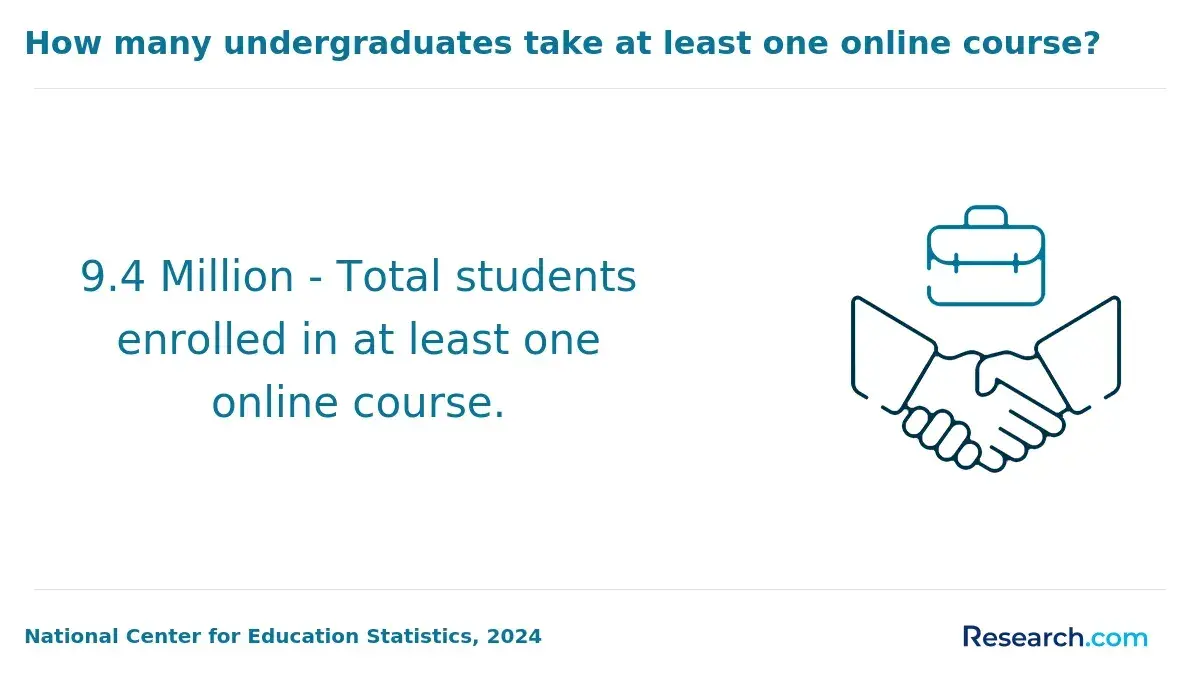
Online history degrees have become more common as students look for flexible, accessible ways to complete college coursework. Recent data shows a 12% increase in enrollment for online programs nationwide, reflecting a broader shift in how students compare degree options. Still, online study is not automatically better or easier. History is a reading-, writing-, and research-intensive field, so the right format depends on how well a program supports deep analysis, primary-source work, discussion, and independent scholarship.
This guide compares online and on-campus history programs across structure, admissions, academic support, completion time, cost, financial aid, credibility, employer perception, salary outcomes, and fit. Use it to identify which format matches your learning style, schedule, budget, and long-term goals.
Key Benefits of Online vs On-Campus History Degrees
- Online history degree programs offer flexible scheduling, allowing 65% of students to balance studies with work or family commitments according to recent education surveys.
- They often provide access to a wider range of courses from universities nationwide, giving learners a broader perspective than many on-campus options limited by geography.
- On-campus history degrees enhance student engagement through face-to-face interactions with professors and peers, which studies show can improve retention and critical thinking skills by up to 20% compared to online formats.
Are online vs. on-campus history programs structured the same way?
Online and on-campus history programs usually cover similar academic ground, but they are not experienced in the same way. Both formats may require survey courses, upper-division electives, research methods, historiography, writing-intensive assignments, and a capstone or thesis. The main differences are how courses are delivered, how students participate, and how much structure the program provides week to week.
For history majors, format matters because the discipline depends heavily on reading, discussion, source interpretation, and sustained writing. A strong online program should not simply post readings and collect essays; it should create regular opportunities for faculty feedback, peer exchange, and guided research.
- Course delivery: Online programs use learning platforms for lectures, readings, assignments, discussion boards, quizzes, and feedback. Some courses are asynchronous, while others include live virtual meetings. On-campus programs require students to attend lectures, seminars, labs, or discussion sections in person at scheduled times.
- Scheduling: Online programs often give students more control over when they complete weekly work, as long as deadlines are met. This can help working adults, military students, caregivers, and students who live far from campus. On-campus programs provide a more fixed routine, which can help students who need structure and immediate accountability.
- Class discussion: History courses often rely on debate, interpretation, and evidence-based argument. On campus, these conversations happen in real time. Online, they may occur through discussion boards, video meetings, group documents, or recorded responses. Online discussions can be thoughtful because students have time to compose responses, but they may feel less spontaneous.
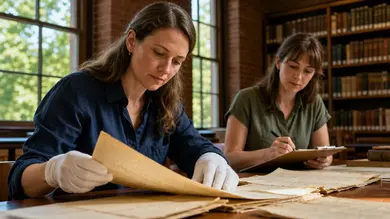
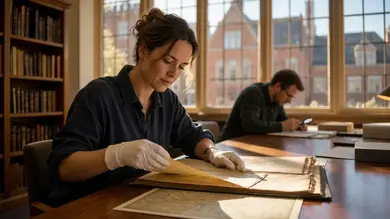
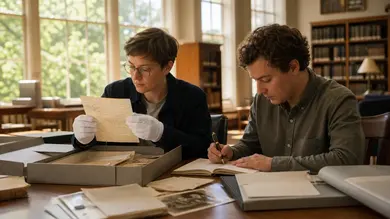
- Research access: On-campus students may have easier access to physical archives, special collections, faculty offices, and library spaces. Online students typically rely more on digital databases, e-books, scanned documents, virtual librarian consultations, and remote archive access.
- Student engagement: Online learning requires more self-direction. Students must track deadlines, ask questions early, and stay active in virtual discussions. On-campus students may benefit from the built-in rhythm of classes, office hours, campus events, and informal conversations after class.
- Electives and specialization: Both formats can offer concentrations in areas such as public history, American history, world history, military history, archival studies, or museum studies. Online students should check whether required electives are offered regularly online, not just listed in the catalog.
The best structure depends on the student. If you learn best through scheduled seminars, in-person debate, and direct access to campus archives, an on-campus program may be stronger. If you are disciplined, comfortable with digital tools, and need flexibility, an online program can offer the same academic foundation in a more adaptable format.
Are admission requirements the same for online vs on-campus history degree programs?
Admission requirements are often similar for online and on-campus history programs, especially when both formats are offered by the same accredited institution. Schools generally expect applicants to meet the same academic standards because the degree should represent the same level of learning regardless of delivery format.
The differences usually appear in process, documentation, and readiness checks. Online programs may place more emphasis on whether applicants can succeed in a self-directed, technology-based environment.
- Academic qualifications: Undergraduate history programs generally require a high school diploma or GED. Graduate history programs typically require a relevant bachelor's degree. Both online and on-campus programs may set minimum GPA expectations, though requirements vary by institution.
- Standardized tests: Some institutions accept SAT/ACT scores for undergraduate applicants and GRE scores for graduate applicants in either format. However, some online history degree programs are increasingly waiving these requirements to attract non-traditional or working students. A test waiver does not necessarily mean the program is academically weaker; applicants should judge quality by accreditation, curriculum, faculty, and student outcomes.
- Application materials: Both formats commonly ask for transcripts, letters of recommendation, and a personal statement. Graduate programs may also require a writing sample because history study depends heavily on research and analytical writing.
- Online readiness: Online programs may ask applicants to confirm access to reliable internet, suitable hardware, and basic digital literacy. Some schools also use orientation modules or readiness surveys to help students understand the workload and technology expectations.
- Work experience: Undergraduate history degrees rarely require professional experience. Some online graduate programs may value work experience, especially if the program serves adult learners, educators, military personnel, or career changers.
- Residency or campus requirements: Some programs marketed as online may still require brief campus visits, proctored exams, fieldwork, internships, or synchronous sessions. Applicants should verify these details before applying.
Before assuming an online program is easier to enter, compare the actual admissions page, curriculum, faculty credentials, accreditation status, and graduation requirements. Students considering shorter, career-focused alternatives may also review top paying 6 month certificate programs, but certificates and history degrees serve different academic and career purposes.
Do online history students receive the same academic support as on-campus students?
Online history students can receive academic support comparable to on-campus students, but the quality depends on how intentionally the university designs its services. Strong online programs provide remote access to tutoring, writing support, librarians, academic advising, faculty office hours, technology help, and career services. Weak programs may technically offer these services but make them hard to access across time zones or work schedules.
Because history majors spend significant time reading complex texts, developing arguments, using citations, and conducting research, academic support is especially important. Prospective students should ask not only whether services exist, but how quickly students can use them.
- Tutoring and writing support: Both formats may offer tutoring, but delivery differs. On-campus students often visit writing centers or tutoring offices. Online students usually use video appointments, written feedback, chat-based support, or asynchronous essay review. For history students, writing support should include thesis development, source integration, citation style, and revision strategies.
- Library and research help: Academic libraries increasingly serve both groups through digital databases, e-books, research guides, interlibrary loan, chat support, and remote consultations. On-campus students may have an advantage when a project requires physical archives or special collections, while online students benefit when the institution has strong digitized holdings.
- Faculty access: On-campus students can speak with professors before or after class and attend office hours in person. Online students may rely on email, discussion forums, video meetings, and virtual office hours. A good online program sets clear faculty response times and encourages regular interaction.
- Advising: Both online and on-campus students need help choosing courses, planning prerequisites, tracking graduation requirements, and preparing for graduate school or careers. Online advising should be available by phone, video, and email rather than only during campus business hours.
- Career services: Campus-based students may attend in-person career fairs, networking events, and alumni panels. Online students may use virtual career coaching, resume review, interview practice, remote workshops, and online job boards. Employer acceptance of online history degrees is increasing when accreditation standards are met.
- Peer connection: On-campus programs naturally create more informal interaction through classes, clubs, and events. Online students may need to be more intentional by joining virtual study groups, history associations, research forums, or program discussion spaces.
When comparing programs, ask for specifics: Are librarians available remotely? Are writing tutors trained to support history papers? Do online students receive the same career advising? Are faculty office hours offered in multiple formats? The answer to these questions matters more than a general claim that support is “available.”
Completion time depends on degree level, enrollment status, transfer credits, course availability, and whether the program uses a traditional semester calendar or a more flexible online schedule. In general, full-time online and on-campus history bachelor's programs are designed around a similar four-year timeline, but online students often have more options to accelerate or slow down.
- Online history degree: Most online bachelor's history degrees are structured for completion in four years of full-time study, matching the timeframe of traditional programs. Because many online courses are asynchronous or offered in multiple terms, students may be able to adjust their pace. Some part-time students may take up to six years. Graduate students in online master's programs can often finish in as little as 18 months full-time or extend up to five years while balancing other commitments.
- On-campus history degree: On-campus history degrees typically require four years of full-time attendance with fixed semester schedules. Part-time enrollment may be available, but it can extend completion time to five years or more. Students may have less flexibility to change pace because courses are tied to classroom schedules, campus calendars, and in-person availability.
Online programs can be faster when they offer accelerated terms, year-round enrollment, generous transfer policies, and frequent course rotations. They can also take longer when students reduce their course load because of work, family, health, or financial pressures. On-campus programs may feel more predictable because the schedule is fixed, but required courses that are offered only once per year can still delay graduation.
A professional who pursued an online history degree shared that the advertised time was four years, but his own path took closer to five because he balanced coursework with a full-time job and family responsibilities. “The flexibility was crucial,” he noted, “because there were weeks when work demands were heavy, and I had to slow down, then other times I could double up on classes.”
His experience highlights the main trade-off: online study can adapt to a busy life, but that flexibility requires planning and self-discipline. For many students, the goal is not simply finishing quickly; it is finishing with strong research, writing, and analytical skills while maintaining other responsibilities.
Online history programs are often cheaper in total cost, but not always. The biggest savings usually come from avoiding campus housing, commuting, parking, relocation, and some campus-based expenses. Tuition itself varies by institution, residency status, program level, and fee structure.
The average annual tuition for an online bachelor's degree in history is around $24,912, compared to $33,640 for on-campus students. However, students should not rely on averages alone. Some public universities charge online students a separate per-credit rate, and some online programs may cost more than in-state on-campus tuition.
- Tuition and fees: Online programs may have lower tuition, but they can also include distance-learning, technology, or course fees. On-campus students may pay activity, facilities, health, transportation, or recreation fees. Compare the full cost of attendance, not just tuition.
- Housing and living expenses: Online students often avoid campus room and board. On-campus housing can increase total cost, especially for students who would otherwise live at home or in lower-cost housing. Living expenses for campus housing can add an average of $744 more per year than standard living costs.
- Transportation: On-campus students may pay for commuting, gas, parking permits, transit passes, or relocation. Online students can usually avoid these costs, which can make a meaningful difference over several years.
- Technology: Online students need a reliable computer, internet access, and sometimes software or webcam equipment. These costs are usually smaller than housing and commuting savings, but they should still be included in the budget.
- Work flexibility: Online programs can reduce opportunity cost by allowing students to keep working while enrolled. This may be especially important for adult learners. On-campus students can also work, but fixed class schedules may limit availability.
- Financial aid and scholarships: Both formats may qualify for federal aid when the institution and program meet eligibility requirements. Some institutional scholarships, housing grants, or campus employment opportunities may be more accessible to on-campus students.
The most affordable choice is the one with the lowest net cost after grants, scholarships, fees, living expenses, and lost income are considered. Students comparing broad degree options may also ask what is the easiest bachelors degree to get, but affordability and ease should not be the only factors. A history program should still offer rigorous writing, research, and faculty support.
Online and on-campus history students may have access to many of the same financial aid sources, including federal aid, state aid, institutional scholarships, grants, employer tuition benefits, and private loans. The key conditions are accreditation, program eligibility, enrollment intensity, residency rules, and satisfactory academic progress.
Students should start by confirming that the school participates in federal student aid programs and that the specific online or on-campus history degree is eligible. Not every program at an otherwise recognized institution automatically qualifies in the same way.
- Federal aid: Federal financial aid such as Pell Grants, Direct Loans, and work-study programs typically support both online and on-campus students at accredited institutions. Online students enrolled less than half-time may be ineligible for certain federal loans, while Pell Grants are prorated for part-time attendance. This is especially important for adult learners who choose lighter course loads.
- State aid: State grants and scholarships often depend on residency, enrollment at an approved institution, and program eligibility. In-state students at public colleges may have stronger access to state aid than out-of-state online students.
- Institutional scholarships and grants: Colleges may offer merit aid, need-based grants, departmental awards, transfer scholarships, or scholarships for history majors. On-campus students sometimes have access to a larger pool of awards tied to residential enrollment, athletics, honors programs, or campus participation. Online students should ask whether they are eligible for the same institutional aid.
- Work-study: Federal work-study may be easier to use on campus because jobs are often located at the institution. Some schools offer remote work-study or off-campus placements, but availability varies.
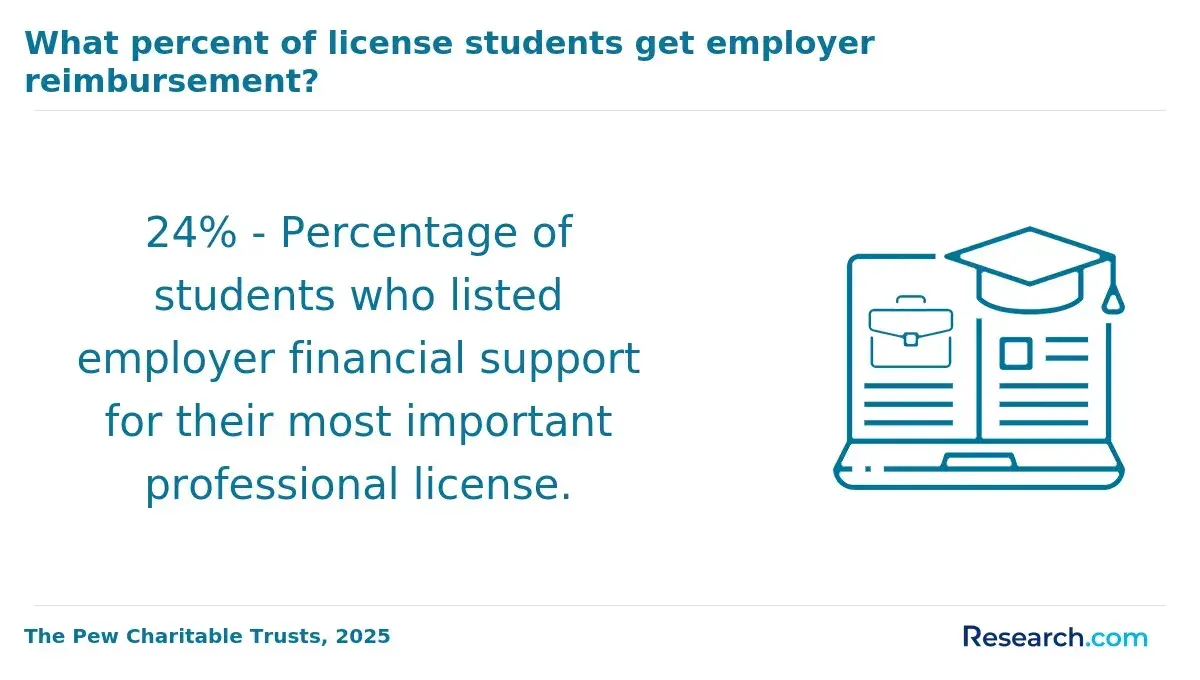
- Employer tuition reimbursement: Working professionals may find online programs easier to pair with employer tuition benefits because online schedules can fit around full-time work. Students should confirm grade requirements, reimbursement limits, approved majors, and whether repayment is required if they leave the employer.
- Private student loans: Private loans may be available to both online and on-campus students at eligible institutions. Because terms vary by lender and borrower profile, students should compare interest rates, repayment options, and total borrowing carefully.
Online history degrees often cost less annually, which can reduce borrowing needs. Students looking for lower-cost graduate pathways can also compare cheap online master's programs, while still checking accreditation, faculty expertise, and whether the curriculum supports their goals.
An online history program can be just as credible as an on-campus program when it is offered by a properly accredited institution, taught by qualified faculty, and built around rigorous learning outcomes. Credibility is not determined by the delivery format alone. It depends on academic quality, institutional reputation, curriculum depth, student support, and whether the degree is recognized by employers and graduate schools.
For students, accreditation should be the first checkpoint. Employers, graduate admissions committees, and professional organizations usually care more about whether the institution is accredited and reputable than whether the student attended online or in person. Many universities use the same faculty standards, course outcomes, and degree requirements across formats.
Reputable online history programs should include substantial reading, research, writing, primary-source analysis, and historiographical training. They should also provide access to digital libraries, research databases, faculty feedback, and advising. A program that is flexible but academically thin may not serve students well, even if it is inexpensive or convenient.
Employer perceptions of online history degrees have improved. A 2022 survey from Northeastern University shows that over 61% of HR leaders regard online credentials as equal to those earned on campus when the institution is accredited and reputable. Diplomas and transcripts typically do not differentiate between online and traditional graduates, which can help reduce format-based bias.
Online credibility has also strengthened as universities invest in virtual classrooms, interactive historical simulations, museum partnerships, digitized archives, and remote collaboration tools. Still, students should verify program quality rather than assuming all online degrees are equal. Look for transparent faculty profiles, clear degree requirements, strong library access, career support, and evidence that online students receive the same academic expectations as campus students.
Most employers are less focused on whether a history degree was earned online or on campus than on the reputation of the institution, the relevance of the applicant’s experience, and the skills the graduate can demonstrate. History graduates are often evaluated on writing, research, communication, analysis, project management, teaching ability, archival experience, public history work, or policy knowledge, depending on the role.
Survey data from the National Association of Colleges and Employers (NACE) Job Outlook 2024 reveals that 87.4% of employers who track degree modality have hired graduates with online degrees, with 100% offering equal starting salaries regardless of the degree format. This suggests that degree modality alone is not usually a salary barrier when employers already recognize online credentials.
Some employers may still assume on-campus students have stronger face-to-face communication, leadership, or networking experience. Online graduates can counter that concern by highlighting internships, research projects, presentations, teaching experience, volunteer work, digital collaboration, and measurable achievements. In many workplaces, the ability to communicate well remotely is now an asset.
- What matters most: Accreditation, school reputation, writing samples, internship experience, references, research ability, and job-specific skills.
- Where on-campus programs may help: In-person networking, faculty mentorship, campus recruiting, museum partnerships, and local archive access.
- Where online programs may help: Work experience while studying, remote collaboration skills, time management, and access for students who cannot relocate.
A professional who completed an online history degree said employment outcomes depended more on internships and research projects than on the format of instruction. She found that employers valued her ability to manage deadlines and communicate effectively in virtual settings. “I felt well-prepared for a collaborative work environment, especially since so much professional interaction now happens remotely,” she noted.
The practical takeaway is clear: choose a credible program, then build evidence of skill. Employers may notice the institution name, but they hire based on what you can do with the degree.
Online and on-campus history graduates can earn comparable salaries, especially when their degrees come from accredited, reputable institutions. Salary differences are usually driven less by format and more by career path, location, experience, graduate education, professional credentials, internships, and the strength of a candidate’s portfolio.
A history degree can lead to many different fields, including education, archives, museums, public history, research, writing, communications, law preparation, government, nonprofit work, and business roles that value analysis and communication. Because these paths pay differently, comparing online and on-campus salaries without considering occupation can be misleading.
- Institutional reputation and accreditation: Graduates from respected, accredited universities—whether online or on campus—typically have stronger credibility with employers and graduate schools. A degree from a recognized institution can matter more than the delivery format.
- Career pathway: Salary depends heavily on the role. Teachers, archivists, museum curators, writers, researchers, and analysts operate in different labor markets. Employers usually base pay on job duties, experience, location, and skills rather than whether coursework was completed online.
- Experience during the degree: Internships, assistantships, research projects, museum work, archival training, teaching practice, and writing samples can influence early career opportunities. On-campus students may find some in-person opportunities more accessible, while online students may gain work experience by staying employed while studying.
- Networking: Campus programs may provide more informal networking through faculty, peers, events, and local partnerships. Online students can build networks through virtual conferences, alumni groups, professional associations, remote internships, and faculty outreach.
- Debt and net return: Online programs may lower total cost and allow students to keep earning income while enrolled. Even when salaries are similar, lower borrowing can improve the financial return of the degree.
- Career services: Strong advising, resume support, interview preparation, and alumni access can improve outcomes in either format. Students should compare career support before enrolling.
For students weighing cost against career value, the best question is not simply which format pays more. It is which program will help you build the strongest combination of degree credibility, experience, writing ability, research skill, and professional network. Students comparing flexible programs may also review easiest online degrees that pay well, while keeping in mind that salary outcomes depend on the career path chosen after graduation.
The right format depends on how you learn, how much structure you need, what you can afford, and what kind of academic experience will help you reach your goals. Online and on-campus history degrees can both be strong choices, but they serve different student needs.
Use the following factors to make a practical decision:
- Choose online if you need flexibility. Online history programs are often better for working adults, parents, caregivers, military students, transfer students, and students who cannot relocate. They are also useful for learners who are organized, self-motivated, and comfortable communicating in writing.
- Choose on campus if you want structure and immersion. On-campus programs may be stronger for students who benefit from scheduled classes, in-person discussion, faculty access, student organizations, campus events, and a traditional college environment.
- Compare total cost, not just tuition. Include fees, housing, transportation, books, technology, lost income, and likely borrowing. Online may be cheaper overall, but an in-state public on-campus option with strong aid can sometimes cost less.
- Check research resources. History students need access to library databases, archives, primary sources, and research guidance. If your interests require physical archives or museum placements, verify how each program supports that work.
- Evaluate faculty and curriculum. Look for faculty expertise in your area of interest, regular online course availability, upper-division electives, writing-intensive requirements, and opportunities for a thesis, capstone, internship, or public history project.
- Ask about career preparation. Strong programs help students translate history training into careers through internships, advising, alumni connections, resume support, and graduate school preparation.
- Be honest about your habits. Online learning gives freedom, but it also removes many external reminders. If you struggle with time management, an on-campus or hybrid format may provide helpful structure.
A useful rule of thumb: choose the format that will help you complete the degree with the least unnecessary friction while still giving you access to rigorous coursework, strong feedback, and relevant experience. Students exploring online education more broadly may review the most popular school for trade skills online, but a history degree should be evaluated by liberal arts quality, research support, accreditation, and career fit rather than trade-school criteria alone.
Here's What Graduates of Online vs On-Campus History Programs Have to Say About Their Degree
- Jamal: "Completing my history degree entirely online was a game-changer for balancing my full-time job and family responsibilities. The flexibility allowed me to dive deep into research without sacrificing my personal life. I especially appreciated the vast digital archives and interactive forums that connected me with professors and peers nationwide. This experience not only sharpened my analytical skills but also opened doors to remote consulting opportunities with museums. I feel empowered to continue growing professionally while staying rooted in my community."
- Maria: "Attending the on-campus history program was an unforgettable journey of intellectual and social growth. Immersed in lively classroom discussions and campus events, I developed lifelong friendships and a profound passion for historical narratives. The access to physical libraries and direct mentorship from faculty created a supportive environment for critical thinking and public speaking. Starting my career in education, I credit this immersive experience with giving me confidence and a strong presence in the classroom. My degree fueled my commitment to inspiring younger generations to appreciate our shared past."
- Devon: "The hybrid history degree offered the best of both worlds: hands-on engagement during on-site sessions combined with the convenience of online coursework. This flexibility allowed me to tailor my learning around internships and part-time work, enriching my practical experience in archival management. The blend of formats developed my adaptability and time-management skills immensely. Thanks to this program, I secured a role at a regional historical society, where I contribute to community outreach and preservation projects. This path cultivated both my professional expertise and passion for public history."
Other Things You Should Know About Online & On-Campus History Degree Programs
Yes. Many online history programs use proctored midterms or final exams, often through approved testing centers or remote proctoring software such as ProctorU. Schools may also require live video identity checks and locked-browser testing, especially for upper-division survey and historiography courses.
Online history degrees from accredited institutions are generally respected, especially if the school has a strong reputation. Employers often value the skills and knowledge gained rather than the delivery method. However, demonstrating self-discipline and engagement through online study may be important in some job markets.
- Online History Degree | Different History Degrees Online https://www.elearners.com/online-degrees/liberal-arts/history/
- On-campus vs online university degree: pros and cons https://www.idp.com/vietnam/blog/university-online-vs-on-campus/
- Online vs in-person learning in higher education: effects on student achievement and recommendations for leadership - Humanities and Social Sciences Communications https://www.nature.com/articles/s41599-023-02590-1
- The Surprising Cost of Online Education: Why 83% of Online Degrees Aren’t More Affordable https://www.nexford.edu/insights/the-surprising-cost-of-online-education-why-83-of-online-degrees-arent-more-affordable
- Quick links https://history.washington.edu/admissions-overview
- Comparing Earnings: Traditional vs. High Paying Online Degrees - Simpli.com https://www.simpli.com/history/comparing-earnings-traditional-vs-high-paying-online-degrees
- The Pros and Cons of Online Education Graduate Programs - Graduate Programs for Educators https://www.graduateprogram.org/blog/the-pros-and-cons-of-online-education-graduate-programs/
- Average Salary of a College Graduate: 2025 Predictions by Major https://www.rezi.ai/posts/average-salary-of-a-college-graduate
- Online Bachelor's Degree Completion Financial Aid https://www.hamline.edu/admission-aid/financial-aid/online-bachelors
- History, BA https://www.uis.edu/history/academic-programs/undergraduate/history-ba