2027 Can You Complete an Online History Degree Program While Working Full-Time?
Audited and Verified:
Our Editorial and Data Verification Process
Research.com uses government datasets, official education statistics and primary institutional information to support its career and degree guides. Our review process checks factual accuracy, occupational definitions, source dates and the requirements associated with the credentials discussed.
How This Article Was Fact-Checked
Our editorial team verifies salary estimates, employment projections, education requirements and program information against original data providers and official organizations. Salary figures are checked against the relevant occupational definitions and reporting periods. Information about licensure, accreditation and required in-person training is reviewed separately.
Fact-checked and verified on:

Co-Founder and Chief Data Scientist
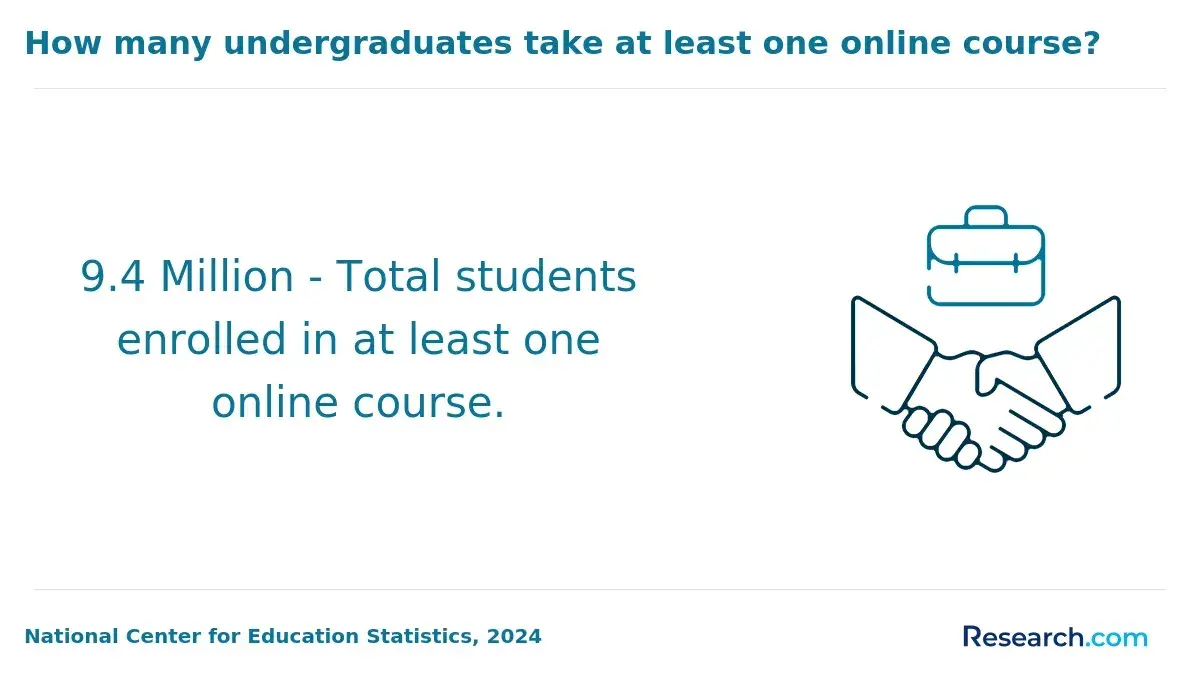
Full-time professionals often face the challenge of managing demanding work schedules, family responsibilities, and the rigorous coursework required for an online history degree. According to the National Center for Education Statistics, over 70% of online learners in the U.S. are adults balancing employment with their studies, highlighting a growing need for flexible education options in disciplines like history.
This article aims to help full-time workers assess whether pursuing an online history degree fits their lifestyle. By exploring time management strategies and program structures, readers can make informed decisions about handling academic commitments alongside professional and personal obligations.
Key Benefits of Completing an Online History Degree Program While Working Full-Time
- Flexible scheduling allows full-time workers to study during evenings or weekends, accommodating research projects or essay deadlines without sacrificing job responsibilities.
- Access to digital archives and online resources supports in-depth historical analysis, vital for coursework and thesis development, saving commuting time to physical libraries.
- Many programs offer asynchronous lectures, enabling students to balance work shifts with lectures on topics like American history or global movements at their own pace.
How Long Does It Take to Complete an Online History Degree While Working Full-Time?
Completion time for an online history degree while working full-time varies widely, influenced by individual circumstances and program structure. Understanding the average time to finish an online history degree while working helps set realistic expectations for prospective students.
Several key factors affect how long to complete a bachelor's in history online for working adults:
- Enrollment Status: Part-time study, often chosen by full-time workers to balance commitments, generally extends the degree timeline. Full-time students may finish faster but must manage a more demanding schedule.
- Course Format: Asynchronous courses offer flexibility to fit studies around work hours, promoting steady progress. Accelerated terms, typically five to eight weeks, allow faster completion but require intense weekly effort.
- Transfer Credits: Prior academic credits can significantly shorten degree length. Some students reduce their bachelor's timeline to as little as 18 months by transferring eligible courses.
- Work Schedule and Study Hours: The number of weekly hours dedicated to coursework impacts pacing. Those with demanding jobs often select lighter course loads, extending graduation plans.
- Program Requirements: Capstone projects, internships, or practicum elements may add time and require scheduling flexibility for working adults.
Master's degrees for working professionals typically take about two years but can extend up to five years with part-time study. For those considering accelerated options, programs such as a 1 year online masters degree exist and may be suitable depending on career goals and availability.
Is an Asynchronous or Synchronous Online History Program Easier for Students Working Full-Time?
For students working full-time, an asynchronous online history degree for working professionals is generally easier to manage than synchronous programs because it allows greater flexibility in balancing coursework with job and family responsibilities. The course format significantly impacts a student's ability to keep up with assignments and lectures, as asynchronous formats let learners access materials anytime, accommodating varying schedules. This flexibility makes it feasible to progress in a history program without sacrificing professional or personal obligations.
Asynchronous online history programs let students watch recorded lectures, participate in discussion boards, and submit assignments on their own schedule, offering a flexible asynchronous learning format for full-time students. In contrast, synchronous programs require attending live sessions, which can cause conflicts for those with unpredictable work hours, though they provide real-time interaction and immediate feedback.
For example, a student might review archival research lectures late at night in an asynchronous course but must attend scheduled webinars in synchronous formats. Many prefer asynchronous learning because it supports autonomy while maintaining engagement in historical debates. More about finding the easiest master degree options can help students select the best fit for balancing work and study.
What Time Management Strategies Help Online History Students Working Full-Time?
Balancing full-time work with online history studies demands strong time management to avoid falling behind and feeling overwhelmed. Effective strategies can help students stay organized and make consistent progress.
Here are five research-backed techniques tailored for full-time professionals pursuing an online history degree:
- Use a digital calendar or planner: Schedule dedicated study blocks each week using apps like Google Calendar to protect focused time from interruptions and distractions.
- Break down assignments: Divide large projects or readings into smaller tasks with specific deadlines to prevent cramming and improve the quality of work.
- Pomodoro Technique: Work in concentrated 25-minute intervals followed by short breaks, which helps maintain focus during dense reading or writing sessions.
- Establish a study routine: Identify the most productive times in your day, such as early mornings or evenings, and consistently reserve these for coursework.
- Limit distractions: Avoid multitasking and minimize time-wasters like social media during study periods through apps or physical reminders.
Breakdown of All Fully Online Title IV Institutions

Full-time professionals frequently find it difficult to balance demanding job duties with the rigorous reading, research, and writing involved in online history degree programs. Managing work, personal life, and coursework simultaneously often results in significant stress and time constraints.
The primary challenges faced by these students include:
- Time Management and Scheduling Conflicts: Full-time employment leaves limited time for academic responsibilities, especially when combined with family or other obligations. History courses require focused study periods free from distractions, making it hard to maintain consistent progress.
- Information Overload: Students must quickly digest and analyze large amounts of primary and secondary sources, including books, articles, and digital archives. The intense research demands can become overwhelming when balanced with full-time work.
- Financial Pressures: Paying tuition without incurring debt is a challenge, particularly for lower-income students. Increased work income may reduce financial aid eligibility, adding monetary stress while pursuing the degree.
Completing internships can be a major hurdle for individuals balancing full-time jobs, yet they remain a vital component of many online history programs by providing hands-on experience.
To make this feasible, programs have adapted with various strategies that cater specifically to working professionals.
- Remote and Virtual Internships: These allow students to undertake internship tasks entirely online, removing location constraints. This flexibility is crucial for those managing busy work schedules alongside academic goals.
- Flexible Scheduling: Internships often accommodate part-time hours, evenings, or weekends, enabling students to fit their commitments around full-time employment without sacrificing quality experience.
- Project-Based and Self-Directed Options: Some programs offer internships centered on independent projects, such as research or digital archiving, letting students work autonomously and submit deliverables electronically to manage their time efficiently.
- Credit for Professional Experience: Relevant prior or current work experience can sometimes count towards internship credit, provided it meets academic criteria and faculty approval, reducing redundancy for experienced professionals.
- Dedicated Internship Support: Coordinators and faculty mentors guide students in securing suitable placements, setting realistic goals, and balancing internships with work, which enhances the learning experience and eases scheduling conflicts.
Balancing a full-time job while pursuing an online history degree demands reliable technology to manage coursework efficiently without compromising professional responsibilities. Having the right tools not only ensures seamless access to academic resources but also supports effective communication and flexible learning schedules.
Below are key technology requirements that help full-time students thrive in their studies.
- High-Performance Computer: Meeting the minimum computer requirements for online history degree programs is crucial. A computer with at least an Intel Core i7 (12th Gen) or AMD Ryzen 7 processor, 16GB RAM (32GB preferred for multitasking), and a dedicated graphics card like NVIDIA RTX 3070 ensures smooth handling of video lectures, research archives, and multimedia presentations, critical for analyzing large historical datasets.
- Reliable Broadband Internet: A stable, fast internet connection is vital to participate in live seminars, stream lectures, and download extensive reading materials without interruption. This connectivity is essential to avoid delays in submitting assignments and to fully engage in virtual classroom discussions.
- Collaboration and Communication Platforms: Tools such as Zoom, Microsoft Teams, and learning management systems like Canvas or Blackboard enable real-time interaction with instructors and peers. These platforms facilitate group projects and virtual office hours, integral to discussions on historical events and research methodologies.
- Digital Research and Reference Tools: Access to academic databases like JSTOR and citation management software such as Zotero or EndNote streamlines archival research and bibliography organization. These tools are indispensable for students working online, improving accuracy and efficiency in managing extensive historical data.
- Cloud Storage and File Management: Services like Google Drive, Dropbox, and OneDrive provide secure storage and easy sharing of coursework and historical essays. Cloud solutions allow full-time professionals to organize documents and access files on various devices, making study breaks during work hours more productive.
Choosing the best laptop for working professionals studying history online is an investment in educational success, supporting the demanding needs of research and coursework. For those seeking accelerated options to begin, exploring the fastest associates degree online programs can provide a head start while maintaining a full-time job.
Financial aid can play a crucial role for full-time professionals pursuing an online history degree, helping to reduce tuition expenses and ease the challenges of balancing work and study. Knowing your eligibility is important because working full-time may influence the type and amount of aid you qualify for.
Below are key considerations about whether you can receive financial aid while working full-time.
- Enrollment Status: Federal financial aid programs typically require students to be enrolled at least half-time, usually about 6 credits per semester for undergraduates. Even if you work full-time and prefer part-time study, maintaining half-time enrollment is important to access aid like Pell Grants and federal loans.
- FAFSA Application: Completing the Free Application for Federal Student Aid (FAFSA) is mandatory to be considered for most federal and state aid programs. Your full-time employment income will be evaluated, but other factors-such as household size and number studying in your family-can affect your qualification positively.
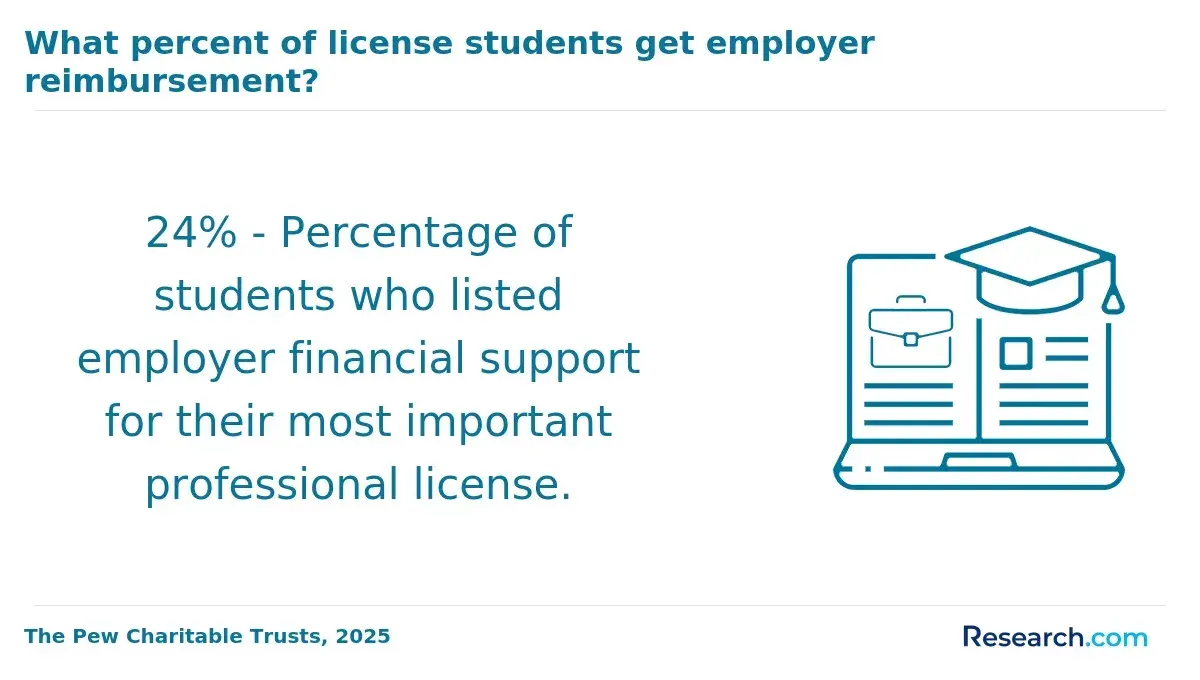
- Employer Tuition Assistance: Many employers provide tuition reimbursement or remission programs that can lower your education costs. These benefits often extend to employees attending online programs, including history degrees, and some universities partner with employers to offer discounts.
- Types of Aid Available: You may qualify for a combination of federal grants, student loans, scholarships, and state aid. Some scholarships specifically target nontraditional or adult students pursuing online degrees, which can be advantageous to full-time workers.
- Impact of Income: Although your earnings may reduce eligibility for need-based aid, deductions, dependents, and tax credits like the American Opportunity Credit can help offset costs. It's important to factor in all these elements when applying for financial aid for online history degree programs.
For those wondering can you get federal student aid while working full-time, the answer often depends on your enrollment status and individual financial circumstances. To explore options, consider researching offerings from top ranked online schools, which frequently provide flexible aid options suited for working professionals.
Employer support has become a crucial factor for full-time professionals pursuing an online history degree, as workplace policies significantly influence their ability to balance academic and job responsibilities. Flexible and understanding employers can make it easier to manage coursework alongside professional duties.
Here are key insights into how employers typically support or hesitate to support employees pursuing online history degrees.
- Tuition Reimbursement and Financial Support: Many employers offer tuition assistance programs that lower the financial barrier for students. This support is vital for working students who might otherwise delay education due to cost, allowing them to focus on coursework and improve completion rates.
- Flexible Scheduling Accommodations: Progressive organizations provide flexible hours or reduced workloads during intensive semesters. For history students handling research and writing projects, this flexibility helps maintain job performance without sacrificing academic progress.
- Career Advancement Recognition: Some employers value online history degrees equally to traditional ones in promotion decisions. This can motivate employees to continue their education, knowing their credentials strengthen their case for advanced roles, such as management or research positions.
- Professional Development Leave: Certain workplaces offer paid time off for educational milestones like exams or project deadlines. Such policies demonstrate commitment to employee growth and help working students dedicate focused time to their studies.
- Skepticism About Online Credentials: Despite positive trends, some U.S. employers remain cautious about online history degrees, questioning their rigor. This skepticism can pressure students to validate their coursework and accreditation, affecting their experience negatively.
Given this mixed employer landscape, those considering an online history degree should research whether their workplace aligns with common patterns of employer support for online history degrees in 2025. Students may also explore options like affordable online bachelor degree programs to optimize their educational investment.
Completing an online history degree while working full-time can positively affect your salary, though the impact varies by several factors. Demand is strongest in sectors like education, government, and management, where earnings range widely. Advanced degrees such as a master's or PhD typically yield about 20% higher median incomes than bachelor's degrees. Employers increasingly value accredited online degrees, especially when candidates also showcase applicable skills. Additionally, relevant professional experience gained during employment enhances salary prospects, particularly in managerial or analytical positions.
Continuing full-time work while earning an online history degree offers practical benefits, including increased chances for promotions, better job security, and immediate use of newly acquired skills on the job. For instance, history graduates in legal or management roles may earn around $95,000 on average, compared to $55,000-$58,000 for those just starting their careers. Nonetheless, salary improvements depend on the specific industry, individual employer advancement policies, and broader economic trends, meaning outcomes will differ from person to person.
Choosing the right online history program is critical for full-time workers balancing demanding jobs and academic goals. A program's flexibility and support systems often dictate whether students can manage their time effectively and complete their degrees.
Consider these essential elements when evaluating options.
- Flexible Scheduling: Programs offering asynchronous classes or multiple start dates provide the adaptability busy professionals need. Formats like accelerated six-week courses or self-paced modules help students maintain work-life balance while progressing steadily.
- Support Services: Robust academic advising, career counseling, and access to digital resources ensure full-time workers receive personalized guidance. These services keep students motivated and help address challenges related to coursework or career planning.
- Accreditation and Reputation: Selecting a regionally accredited institution guarantees academic standards and widely recognized credentials. Schools with established histories serving adult learners often provide stronger alumni networks and more relevant program offerings.
- Career-Focused Curriculum: Programs emphasizing research, writing, and critical analysis foster skills applicable beyond academia. Specializations or capstone projects tailored toward professional fields enhance career advancement opportunities.
- Cost and Financial Aid: Understanding tuition costs alongside grants and scholarships helps prevent financial strain. Flexible payment options can make pursuing an online history degree more accessible for working adults.
What Graduates Say About Completing an Online History Degree While Working Full-Time
- Alfonso: "Balancing a full-time job and my online history degree was challenging but manageable thanks to the flexible pacing the program offered. The cost was surprisingly reasonable compared to on-campus options, which made investing in my education less stressful. Earning this degree has already opened new doors in my career-I feel more confident and knowledgeable every day."
- Eduardo: "Studying history online while working full-time gave me the freedom to learn at my own pace, which was crucial for managing my busy schedule. Reflecting on the cost, it was a smart investment because it allowed me to enhance my skills without accumulating heavy debt. This degree has personally enriched my understanding of the world, and professionally, it's helped me to approach problems with a more analytical mindset."
- Thiago: "The experience of juggling a demanding job with an online history degree was intense but rewarding. I appreciated that the tuition fees were lower than I expected, making it a cost-effective way to advance my education. The knowledge gained has been immediately applicable in my role, improving both my professional performance and my appreciation for historical context in policy issues."
Other Things You Should Know About History Degrees
To pursue an online History degree while working full-time in 2027, students typically need a reliable computer with a high-speed internet connection, updated software like Microsoft Office, and possibly a webcam for virtual meetings. Check specific program requirements beforehand.
Working adults should verify whether the program accepts up to 90 transfer credits from prior college study and requires a minimum 30-credit residency at the degree-granting institution. Many accredited universities also set a grade floor of C or better for transferred history and general education courses.
Most full-time workers should plan for 12 to 18 hours of study per week in addition to a 40-hour job. A standard 3-credit history course usually requires 6 to 9 hours weekly, so taking two classes means 12 to 18 hours outside work.
- Has online learning all but destroyed the university experience? — Neil Mosley Consulting https://www.neilmosley.com/blog/has-online-learning-all-but-destroyed-the-university-experience
- Online History Degree https://www.snhu.edu/online-degrees/bachelors/ba-in-history
- Online History Degrees https://www.affordablecollegesonline.org/degrees/history-programs/
- Getting Your Employer to Pay for Your Online Masters https://www.onlinemastersdegrees.org/financial-aid/employer-tuition-assistance/
- Boost Your Student's Success: Time Management for Online Students https://www.asuprepdigital.org/blog/time-management-for-online-students/
- Master’s title https://www.ecpi.edu/blog/do-employers-care-if-you-have-an-online-degree
- Key Factors in Selecting a Masters in History Online - Related Ads https://relatedads.com/key-factors-in-selecting-a-masters-in-history-online/
- 5 Pros and Cons for Studying a Distance Learning Degree in 2025 | Distancelearningportal https://www.distancelearningportal.com/articles/174/why-study-distance-learning-degree.html
- Online learning | University of London https://www.london.ac.uk/study/where-study/online-learning
- Internship Program https://www.gilderlehrman.org/programs-and-events/internships