2027 Easiest Online Instructional Design Degree Programs That Pay Well: High-Salary Degrees with Simple Admissions

Co-Founder and Chief Data Scientist
Many prospective students seeking Instructional Design degrees face challenges with complex admissions and uncertain job prospects. According to the U. S. Bureau of Labor Statistics, employment for instructional coordinators, which includes instructional designers, is projected to grow 11% from 2022 to 2032, faster than average. However, navigating program choices with high earning potential and straightforward entry requirements can be overwhelming.
This article identifies the easiest online Instructional Design degree programs that also lead to lucrative careers. It will guide readers through simple admission criteria, salary expectations, and career outcomes to help make informed decisions efficiently.
Key Benefits of the Easiest Online Instructional Design Degree Programs That Pay Well
- Many online instructional design programs offer simplified admissions, often requiring just a bachelor's degree and minimal standardized testing, increasing accessibility for working adults by 25% since 2018.
- Flexible online formats enable students to balance studies with employment; distance learning in instructional design grew by 45% from 2016 to 2021, reflecting strong demand for adaptable education.
- Graduates in instructional design earn median salaries above $75,000, supported by a 10% projected job growth through 2030, highlighting lucrative career prospects post-degree.
How to Tell If Online Instructional Design Programs Have Easy Admission Requirements?
Simplicity in admission processes makes a significant difference for working adults and career changers seeking quick and flexible entry into instructional design careers. Programs with easier admissions remove common barriers caused by complex requirements and lengthy application steps, helping students begin their education with less delay and stress.
Many programs that offer easy admission in online instructional design degrees share several distinct features. The main characteristics of these accessible admissions are:
- No entrance exams required: Programs often waive standardized tests like the GRE, reducing financial costs and streamlining applications.
- Minimal or no prerequisite courses: Coursework requirements tend to be limited, allowing applicants without specific education or technology backgrounds to qualify.
- Experience-based holistic review: Admissions committees frequently consider professional experience alongside or instead of formal academic records, recognizing the value of real-world skills.
- Provisional or conditional acceptance options: Some programs permit students to begin coursework while completing admission documents, enabling faster starts.
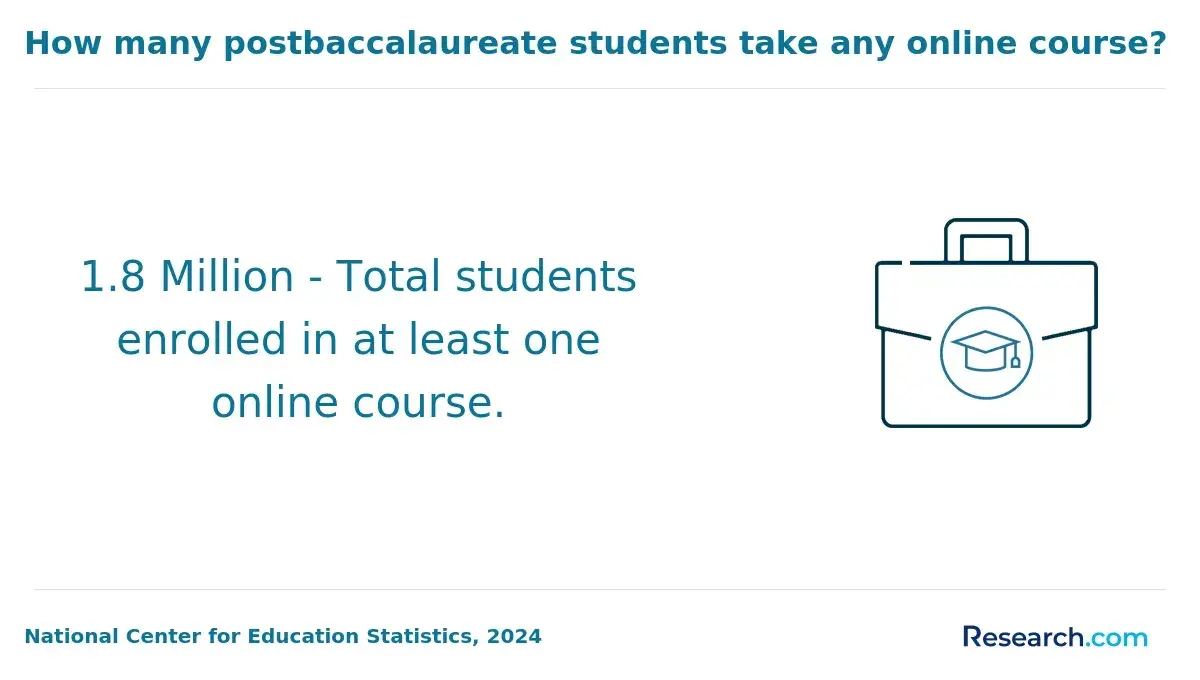
These admission characteristics align with trends shown by the National Center for Education Statistics, which highlight increased engagement among nontraditional students. For those exploring fields related to instructional design, particularly those seeking high-paying jobs, selecting programs with these features can ease the transition. Additionally, students interested in technology may explore ai online degree programs to complement their skillsets. Easier admission in online Instructional Design programs helps meet the needs of a diverse student population by offering practical, flexible paths forward.
What High-Paying Jobs Can You Get With an Easy Online Instructional Design Degree?
Choosing accessible online programs aligned with salary goals and employment prospects is crucial for students pursuing an easy online instructional design degree with strong career prospects. The field shows promising growth, with instructional coordinators earning a median annual wage of about $67,000 in 2023 and job growth projected at 7% through 2031, faster than average for all occupations. Here are some high-paying instructional design jobs graduates can pursue:
- Instructional Coordinator: These professionals develop curriculum and training materials, assess educational programs, and implement technology-enhanced learning solutions. Salaries range from $55,000 to $90,000 depending on experience.
- eLearning Developer: Responsible for designing and creating online courses and multimedia content, they ensure engaging virtual learning experiences with typical salaries between $60,000 and $85,000.
- Learning Experience Designer: Focused on optimizing learner engagement and usability through user-centered design principles, they earn approximately $65,000 to $95,000 annually.
- Curriculum Specialist: These experts analyze and improve educational content across various platforms, drawing from research and best practices, with salaries generally falling between $58,000 and $88,000.
- Training and Development Manager: They oversee employee training programs and staff development initiatives in organizations, often earning from $70,000 to over $100,000 based on the sector and experience.
Working adults and career changers seeking easy online instructional design degrees benefit from understanding these career paths and salary expectations. For a broader look at related educational options, consider exploring accelerated msw programs that also cater to flexible and accessible learning.
Can You Get Into an Online Instructional Design Program With a Low GPA?
GPA requirements provide insight into a student's preparedness for demanding coursework, serving as a standard measure of academic readiness. Yet, applicants with low GPAs can still secure admission into online instructional design programs by demonstrating other strengths. Recent data from the Online Learning Consortium reveals that nearly 40% of these programs implement holistic admissions, evaluating professional experience and personal qualities alongside academic records.
Below are practical strategies for students aiming to offset a low GPA during application:
- Leverage relevant work experience: Applicants can highlight careers or roles involving education, training, or technology to showcase applicable skills beyond grades.
- Provide strong recommendation letters: Endorsements emphasizing perseverance, potential, and relevant abilities can counterbalance academic weaknesses.
- Complete prerequisite courses or certifications: Successfully finishing preparatory classes can evidence current academic capability and commitment.
- Craft a reflective personal statement: Explaining past academic challenges alongside motivation and growth helps admissions officers understand the candidate's full context.
One graduate of an online instructional design degree program shared her experience about entering with a low GPA. She described the anxiety of worrying whether her academic record would prevent acceptance but found that her professional background and clear personal statement played key roles. "My recommendation letters highlighted skills and determination I'd developed through years in training roles," she recalled.
Taking additional online courses before applying helped reassure the admissions committee of her readiness. She emphasized that the process felt less daunting when the program valued the whole applicant, not just GPA. Ultimately, her story affirms that thoughtful preparation and presenting a comprehensive application can open doors even with academic setbacks.
Breakdown of All 2-Year Online Title IV Institutions

Program duration plays a crucial role for students aiming for a fast transition into the workforce or a new career. Completing an easy online instructional design degree in under a year requires strategic planning and flexibility. Several factors can help students accelerate their studies, including the following options:
- Full-time enrollment: Taking the maximum allowable course load each term enables students to accumulate credits faster, reducing overall completion time.
- Accelerated courses: Some programs offer shortened class durations that speed up pacing, allowing students to finish courses more quickly without compromising content quality.
- Prior credits or experience: Applying previous college credits or relevant professional experience toward degree requirements can significantly lower the number of courses needed.
- Flexible scheduling: Programs that provide year-round study options, including summer and winter sessions, allow learners to maintain momentum without extended breaks.
These elements are especially beneficial in fast online instructional design programs with simple admissions, which reduce barriers and administrative delays. Motivated learners such as working adults and career changers can take advantage of these features to finish their degrees swiftly. However, it remains essential to review each program's credit transfer policies and course pacing to ensure alignment with personal timelines. Thoughtful planning balances rapid completion with academic rigor, preparing students effectively for high-paying instructional design roles.
For those considering further educational advancement, exploring affordable online executive MBA programs can be a complementary path to expanding leadership skills.
Students commonly debate whether online instructional design programs are less demanding than traditional campus courses, influenced by how delivery methods affect engagement, scheduling, and workload management. Recent data shows that about 75% of distance learners in education report satisfaction with online formats, and completion rates for these programs have been rising steadily.
Several elements often make online programs more accessible or manageable for many students, including:
- Flexible pacing: Online courses frequently enable learners to proceed at their own rhythm, helping reduce stress and allowing customization to fit personal learning preferences.
- Time saved from commuting: Eliminating daily travel frees valuable hours each week, which students can reallocate to studying, work, or family commitments.
- Continuous digital access: Course materials, recordings, and discussion boards are typically available around the clock, supporting review and clarification whenever needed.
Nonetheless, some challenges remain, such as less face-to-face interaction and higher demands on self-motivation and discipline, which can make online study harder for certain individuals. Many programs uphold the same academic rigor as campus versions, requiring consistent effort to meet standards.
In speaking with a recent graduate from a notably straightforward online instructional design program, he shared that the convenience to balance full-time work and family life made the experience feel significantly easier than his expectations of on-campus study. He described the coursework as well-structured yet flexible, allowing him to absorb material at his own pace without compromising quality. "Having everything accessible anytime reduced a lot of pressure," he explained, "I didn't have to worry about missing lectures or commuting late after work, which made staying engaged a lot simpler." Despite some initial apprehensions about online learning, his positive experience highlighted how the program's design catered well to busy adults seeking practical credentials without the logistical hurdles of in-person classes.
Accreditation is a crucial factor when considering easy online instructional design programs, as it verifies the quality and legitimacy of the education provided. This is especially important for programs that emphasize flexibility or swift completion, ensuring that students receive a credible credential. Recent data from the Online Learning Consortium shows that more than 80% of respected online instructional design programs hold either regional or national accreditation, underscoring growing employer acceptance of online qualifications.
The types of accreditation prospective students should look for include:
- Regional accreditation: This is the most prestigious type in the U.S., granted by organizations like the Middle States Commission or Western Association of Schools and Colleges. It signifies that the institution meets high academic standards and is often favored by employers and graduate programs.
- Programmatic accreditation: Targeted to specific fields, this includes endorsements from bodies such as the International Society for Educational Technology (ISET) or the Council for the Accreditation of Educator Preparation (CAEP). These accreditations focus on the quality of instructional design or education technology curricula.
In addition to these, verifying that accreditation comes from agencies recognized by the U.S. Department of Education or the Council for Higher Education Accreditation (CHEA) is vital. Choosing an accredited program not only ensures educational quality but also enhances chances for credit transfer, professional certification, and ongoing career development opportunities.
Tuition costs play a crucial role for prospective students seeking accessible online instructional design degrees, especially for those balancing work and family life. Recent trends indicate that average tuition for these programs is rising by about 3% annually, reflecting growing demand and investments in quality online education. Below are some key factors affecting tuition rates.
- Average tuition range: Most easy online instructional design programs charge between $10,000 and $25,000 for a full master's degree, providing competitive pricing to accommodate working adults and career changers.
- Program format impact: Fully online programs tend to offer lower tuition because they eliminate campus fees and reduce overhead costs. In contrast, hybrid programs that mix online coursework with in-person sessions usually have higher costs due to facility usage and additional resources.
- Contributing fees and charges: Beyond tuition, technology fees, course materials, and program-specific expenses can add to the overall cost, influencing affordability for students searching for affordable easy admission instructional design degrees.
- Program length and credit requirements: Accelerated or shorter programs may charge more per credit but allow quicker completion, whereas traditional programs spread costs over a longer timeframe. Knowing these variables helps with budgeting and financial planning.
Emphasizing fully online, transparent-fee programs supports more straightforward admissions and better cost management. Prospective students may also consider exploring accelerated online degrees as a pathway to reduce time and tuition investment while advancing toward their instructional design careers.
Transfer credits play a crucial role for prospective students seeking to complete an online instructional design degree more efficiently. By accepting academic work from prior institutions, programs can reduce the total credit hours required, which shortens the time spent in the program and lowers overall expenses. In fact, about 38% of online undergraduate students utilize transfer credits, reflecting a significant trend in online education paths.
Key ways transfer credits simplify completion for instructional design candidates include:
- Reduced course load: Transfer credits allow students to bypass foundational courses they have already mastered. This decrease in required courses accelerates progress toward graduation.
- Lower tuition costs: Fewer credits mean paying for less coursework, which can substantially reduce financial burdens for students pursuing their degree.
- Scheduling flexibility: With fewer classes needed, learners can better tailor their study schedules to fit work and personal commitments, enhancing program accessibility.
- Recognition of prior knowledge: Transfer credits enable students to leverage previous academic or professional experiences, aligning with transfer credit policies for easy completion of instructional design degrees.
This streamlined approach benefits working adults, career changers, and those with nontraditional backgrounds who seek quicker entry into high-salary instructional design roles. For additional guidance on efficient degree paths, consider exploring easy associate degrees as a reference point for flexible credit transfer opportunities.
Online learners pursuing instructional design degrees often face challenges that demand strong academic support to stay on track. Effective assistance not only helps manage coursework but also boosts motivation and persistence, which are essential for successful program completion. Various support services are available to address these student needs.
- Tutoring services: These provide targeted help in difficult subjects and enhance writing skills, making complex instructional design concepts more accessible.
- Academic advising: Advisors assist students in selecting appropriate courses, understanding degree requirements, and balancing their studies with personal and professional responsibilities.
- Career services: Support includes resume development, interview coaching, and job search resources, helping learners move toward well-paying instructional design careers.
- Technical support: Students receive help navigating online learning platforms and resolving software or device issues to ensure uninterrupted access to course materials.
These structured resources create an engaging and supportive online learning atmosphere, especially benefiting adults who are juggling work and education or those transitioning from other careers. Access to tailored help enables students to meet their academic and career objectives more effectively.
Choosing the right online instructional design degree is key for students aiming for well-paying jobs with accessible admissions. Programs that simplify entry requirements while offering strong career prospects provide the best value. Consider the following important aspects when evaluating options:
- Admission flexibility: Look for programs that waive GRE requirements or accept diverse educational backgrounds, making it easier for working adults and career changers to enroll.
- Accreditation: Regional accreditation ensures the program meets quality standards, enhancing credibility with employers and improving job market outcomes.
- Cost: Compare tuition and fees carefully to find affordable programs that do not sacrifice educational rigor or support services.
- Program length and format: Options with accelerated timelines or part-time schedules allow students to balance studies with existing commitments more effectively.
- Career services: Access to job placement help, internships, or networking can boost your chances of securing a high-paying instructional design role.
- Industry demand alignment: Prioritize programs connected to sectors with growing instructional design needs, as job growth is projected to remain strong through 2031.
What Graduates Say About Their Easy Online Instructional Design Degrees That Pay Well
- Cayden: "I was drawn to an easy online instructional design degree program because of its flexibility and affordability, costing me less than $15,000 overall. The streamlined coursework allowed me to balance work and study, and now I'm happily advancing in a growing field where my salary has increased by 30%. It genuinely changed my career trajectory, making complex concepts approachable. "
- Amber: "The decision to enroll in an easy instructional design degree program came after thorough research on affordable options, roughly averaging $12,000 in tuition. I appreciated the straightforward curriculum that didn't overwhelm me yet fully prepared me for professional challenges. Reflecting on my growth, this degree opened doors to roles I never imagined, with compensation that reflects my enhanced skill set. "
- Judith: "Choosing one of the easiest online instructional design degrees was a strategic move; with costs around $10,000, it was a smart investment in my professional development. The program's simplicity didn't undermine its value - I gained critical expertise that employers value, and my earning potential has improved significantly. As a result, I approach my career with confidence and a solid foundation."
Other Things You Should Know About Instructional Design Degrees
In 2027, some online instructional design programs allow completion in as little as 12 months. Look for accelerated programs that offer compressed terms, allowing for quicker graduation without sacrificing content. Always verify the program's accreditation and reputation before enrolling.
Yes, numerous scholarships are available for online instructional design degree programs in 2027. These can be merit-based or need-based, and some are specific to instructional design. Institutions may offer their own scholarships, and external organizations also provide funding opportunities for eligible students.
- Instructional Design for e-Learning Certificate Program - School of Education https://drexel.edu/soe/academics/certificates/Instructional-Design-for-e-Learning/
- Instructional Design and Technology, B.S. Online https://uwf.edu/programs/online/instructional-design-technology-bs/
- 18 Best Instructional Design Certificate Programs Online https://www.ispringsolutions.com/blog/instructional-design-certificate-programs
- The 21 Best Instructional Design Masterâs Degree Programs | Devlin Peck https://www.devlinpeck.com/content/instructional-design-masters
- Virtual Learning Instructional Design Certificate | ATD https://www.td.org/education-courses/virtual-instructional-design-certificate
- 7 Best Instructional Design Certificate Programs for 2025 - Trupeer AI https://www.trupeer.ai/blog/instructional-design-certificates
- 10 Education Graduate Programs Low GPA Requirements https://www.gradschools.com/degree-guide/teacher-education-programs-low-gpa
- Bachelor of Arts in Instructional Design https://www.uagc.edu/online-degrees/bachelors/instructional-design-v2
- Online Master's in Instructional Design Degree Programs https://techguide.org/design/online-masters-in-instructional-design/
- Peck Academy: Become a Certified Instructional Designer https://www.peckacademy.com/