2027 Can You Get Licensed With an Online Instructional Design Degree? Requirements, Rules, and What to Know

Co-Founder and Chief Data Scientist
Many prospective students pursuing an online instructional design degree wonder if the credential leads to licensure or formal certification. With the instructional design job market expected to grow 9% over the next decade, understanding licensing requirements is critical for career planning. Unlike fields such as teaching or nursing, instructional design does not have universal state licensure mandates, creating confusion about eligibility and credential value.
This article clarifies when licensure applies, explores industry certification options, and explains how online programs affect credentialing, helping readers make informed decisions about their educational and professional pathways.
Key Benefits of Getting Licensed with an Online Instructional Design Degree
- Licensure with an online instructional design degree enhances professional credibility, meeting industry standards that improve eligibility for advanced roles in educational technology and corporate training sectors.
- Licensed instructional designers access broader employment opportunities, including government and specialized agencies, supporting greater job mobility across states and sectors.
- Certified professionals report higher earning potential and leadership prospects, with data showing licensed instructional designers have a 15% salary premium over non-licensed peers.
Can you get licensed with an online instructional design degree?
In the United States, instructional design itself does not require formal licensure, so you cannot obtain a state-issued license specifically for instructional design, whether your degree is earned online or on-campus.
However, completing the required coursework and practical components of an online instructional design degree prepares graduates thoroughly for professional practice, covering learning theories, curriculum development, technology integration, and assessment methods.
This comprehensive training equips students with the knowledge and skills necessary to succeed in the field, even though licensure is not mandatory. Many prospective students exploring online instructional design degree licensure requirements will find such programs valuable as a foundation to enter related professions or pursue additional certifications.
Although a license is not directly available, earning an online instructional design degree offers significant benefits, including access to regulated career paths in education, corporate training, and development roles. These opportunities often involve increased responsibilities and leadership positions, with higher earning potential supported by accreditation and verified expertise.
Graduates can also enhance their credentials by pursuing certifications from organizations like the Association for Talent Development or the International Society for Technology in Education.
Those interested in broader credential recognition may also explore online BCBA programs as an example of accredited, professional development options in adjacent fields. Understanding how to get licensed with an instructional design degree involves leveraging accredited education to qualify for such advanced career and certification opportunities.
Do licensing requirements for instructional design vary by state?
Licensing rules for instructional design exist to ensure that professionals maintain high competence and protect public interests. However, requirements vary significantly from state to state, with approximately 40% of states enforcing specific licensure or certification standards related to instructional design or closely related educational roles. These differences affect how candidates prepare for and obtain credentials across jurisdictions.
Key areas where state-specific rules for instructional design licensure differ include:
- Examinations: Some states mandate passing particular professional exams tied to instructional design, while others do not require any testing. This influences the timeline and preparation needed for licensure.
- Supervised experience: The amount and type of supervised practice required vary widely. Candidates may face differing eligibility criteria depending on how states evaluate practical experience in instructional design roles.
- Continuing education: Ongoing professional development requirements also differ, as states may demand various numbers of hours to maintain credentials. This affects long-term career planning and compliance.
- Renewal policies: The frequency and costs associated with renewing a license or certification are not uniform, impacting professionals' budgeting and scheduling for renewals.
Prospective students considering an online instructional design degree should research these instructional design licensing requirements by state thoroughly to ensure compliance with their home state's policies. This is especially important for those pursuing MSW accelerated programs or other online degrees that may have implications for licensure eligibility and career mobility within education and training fields.
Are online instructional design programs different from campus programs for licensure?
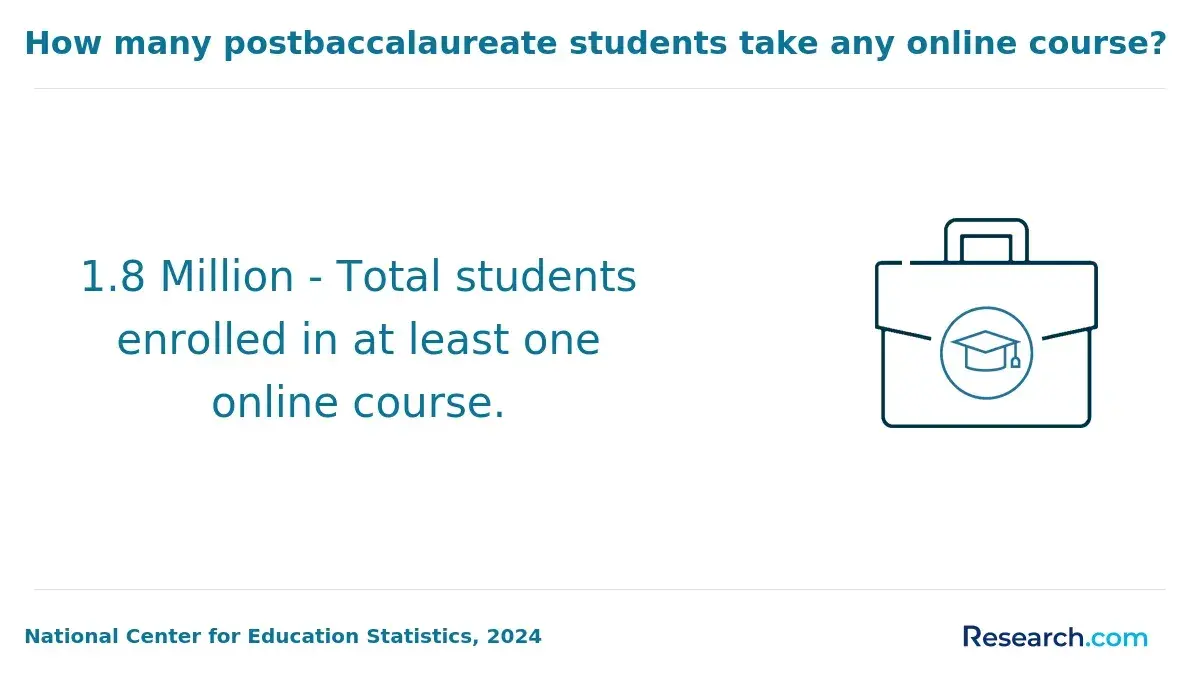
The delivery format-online or campus-based-does not impact eligibility for licensure in instructional design as long as the program meets accreditation and state requirements. A recent trend shows that over 75% of U.S. colleges now offer online degrees whose graduates regularly qualify for professional licensure, demonstrating broad approval of online education by licensing authorities.
- Curriculum Coverage: Both online and campus programs are expected to cover essential instructional design skills thoroughly to prepare students for professional roles. Licensing agencies focus on whether key competencies are taught, not the mode of instruction.
- Practical Components: Hands-on experience remains vital, with many programs integrating internships or project-based learning to solidify applied skills, regardless of delivery style.
- Assessment Methods: Comparable evaluations including exams, portfolios, and projects are used online to ensure students meet competency thresholds, mirroring traditional formats.
- Employer Perceptions: Employers increasingly regard accredited online degrees as equivalent to traditional degrees, appreciating the rigor behind well-designed online programs.
A licensed professional who completed an online instructional design degree shared his experience about course selection when I asked about elective classes. He recounted initially worrying whether the electives would be relevant enough to his career goals, especially since he couldn't directly interact with instructors or peers face-to-face.
However, he appreciated that the courses offered flexible, specialized topics allowing him to tailor his learning to emerging trends in instructional technology. He recalled feeling challenged by self-paced assignments but ultimately valued how this pushed him to manage time effectively.
When it came time for licensure, he found the process straightforward, with no questions raised about the online nature of his degree-reinforcing his belief that quality content and preparation mattered far more than where he attended classes.
Clinical or practicum hours are designed to prepare students for hands-on professional practice by providing supervised real-world experience, often necessary for licensure in various fields. These hours help students apply theoretical knowledge, develop practical skills, and meet certification requirements.
Instructional design programs, particularly online degrees, generally do not require clinical or practicum hours similar to those found in health or social services fields. However, understanding typical practicum components clarifies how such experiences fit within professional education.
- Typical Hour Requirements: Programs requiring clinical or practicum hours often set minimum hour thresholds to ensure adequate supervised experience. Instructional design degrees rarely mandate a set number of in-person hours, focusing instead on project-based learning.
- Types of Placements: Clinical placements usually occur in professional settings directly related to licensure areas. Instructional design may offer internships or supervised projects arranged with local organizations to simulate real instructional contexts without formal clinical requirements.
- Supervision: Supervision by licensed or experienced professionals is essential in fields with licensure mandates to guide skill development. In instructional design, mentorship during internships provides feedback and portfolio-building opportunities rather than formal clinical oversight.
- Skills Gained: Clinical hours foster practical abilities, professional judgment, and accountability in real environments. Instructional design emphasizes applied skills through case studies and design simulations aligned with industry standards.
- Online Program Considerations: While online instructional design practicum requirements rarely include traditional clinical hours, students may participate in internships or collaborative projects in their local communities. This approach enables practical experience without compromising the flexibility of online learning.
Those aiming for licensure or certification in related education or training fields should verify specific clinical or practicum hour requirements through relevant licensing agencies. For distinct guidance on similar professional degrees with practicum components, prospective students can explore resources on online marriage and family therapy programs, which often highlight clinical hour expectations.
Understanding clinical hours for instructional design licensure and the nature of online instructional design practicum requirements helps clarify what practical experiences, if any, are needed when pursuing this career path through online education.
Licensing exams play a crucial role in confirming that professionals possess the necessary skills and knowledge to succeed in instructional design careers. They serve as a benchmark for employers and help candidates verify their qualifications to advance in this competitive field.
Recent data indicates that roughly 60% of test-takers pass the Certified Professional in Learning and Performance (CPLP) exam, highlighting its rigorous standards. The following key points outline essential details about the exam and its relevance for online instructional design graduates.
- Exam Name: The Certified Professional in Learning and Performance (CPLP) is a widely accepted credential for instructional designers aiming to demonstrate their expertise.
- Content Areas: The exam covers domains such as instructional design, learning technologies, training delivery, and performance improvement, ensuring a comprehensive evaluation of candidate skills.
- Format: It combines multiple-choice questions with performance-based tasks, assessing both theoretical knowledge and practical application.
- Preparation Strategies: Candidates prepare by studying core materials, completing practice tests, and applying real-world scenarios to strengthen their understanding.
- Retake Policy: Multiple attempts are permitted, though candidates must observe designated waiting periods between exams to review and improve their knowledge.
- Relevance for Online Graduates: Passing the CPLP exam holds equal weight regardless of whether the degree was earned online or through traditional programs, focusing solely on demonstrated competency.
When speaking with a licensed professional who completed her instructional design degree entirely online, she shared how the exam process felt both challenging and rewarding. "Balancing work, study, and the pressure of the performance tasks was intense," she reflected, emphasizing the significance of the practice tests in building confidence.
She appreciated that the exam acknowledged the skills she had gained through her online coursework, stating, "It wasn't about where I studied but what I knew and could do." Her experience underscored the value of the CPLP credential in opening doors to advanced career opportunities, reinforcing that thorough preparation and persistence are key to success.

Supervised work experience is not a mandatory requirement for licensure in instructional design, as this profession lacks a formal national licensing framework. However, practical, mentored experience is often valued by employers to develop essential skills and ensure candidates are prepared for professional responsibilities.
Industry data shows that around 60% of instructional design job listings prefer applicants with supervised experience. Below are key aspects of such experience in this field:
- Duration: Typically ranges from three to twelve months, depending on the employer or specific program, allowing adequate time to develop practical competencies.
- Work Settings: Commonly takes place in corporate training units, educational organizations, or e-learning companies that provide real-world project involvement.
- Mentorship: Involves guidance and constructive feedback from experienced instructional designers, fostering professional growth and refinement of techniques.
- Skill Development: Focuses on hands-on tasks such as curriculum creation, technology integration, and project coordination to enhance job readiness.
- Career Impact: Though not always required for certification or licensure, this experience strengthens practical abilities and often improves employment prospects for graduates.
Licensure reciprocity involves agreements allowing professionals licensed in one state to practice in another without fulfilling all new licensing requirements. This flexibility is valuable for instructional design graduates seeking to work across state lines or regions. Several key factors influence how reciprocity applies to online instructional design graduates:
- Eligibility Criteria: Reciprocity often requires graduation from an accredited program aligned with specific state standards, completion of required coursework, and relevant practical experience. These criteria ensure that the graduate's training meets professional benchmarks, which is crucial for licensure portability.
- Program Requirements: Since instructional design does not have a universal national license, each state's acceptance of online degrees can vary. Graduates should verify that their program meets state-specific standards to improve reciprocity chances, especially given concerns about the accreditation of online credentials.
- State Agreements: Some states participate in formal compacts or mutual recognition agreements that simplify the credential transfer process. Others require separate applications, background checks, or additional exams, particularly when the degree was earned through online study rather than traditional in-person programs.
- Application Process: Graduates generally need to submit educational transcripts, proof of original licensure, and possibly verification of professional experience or continuing education. Timely and accurate documentation supports smoother approval across jurisdictions.
- Potential Limitations: Online instructional design graduates may face challenges related to accreditation status or curriculum differences that affect state licensing rules for instructional design degrees. Researching individual state policies early is essential to mitigate these issues and enhance career mobility.
Those considering an instructional design degree should also explore options for the cheapest online bachelor's degree programs, as cost efficiency combined with accreditation quality can influence licensure success downstream.
Online instructional design programs have grown rapidly, with enrollment in distance learning increasing by more than 30% in recent years. Many students focus on licensure outcomes to ensure their education aligns with certification requirements and career goals. Below is an overview of the key advantages and challenges associated with these programs.
Pros
- Flexibility: Students can manage coursework alongside professional or personal responsibilities, supporting continuous progress toward licensure.
- Accessibility: Geographic barriers are removed, granting wider access to programs regardless of location.
- Practical experience opportunities: Some programs incorporate virtual internships or project-based assignments that satisfy certain licensure practical requirements.
- Career preparation: Online formats can still provide relevant skills and knowledge to help maintain credentialing eligibility.
Cons
- Limited supervision: Reduced in-person mentorship may impact skill development necessary for some licenses.
- Perception challenges: Certain employers and licensing bodies might view online degrees as less rigorous, potentially affecting professional recognition.
- Hands-on training: Achieving practical, face-to-face experience remotely can be difficult but may be mandated for licensure.
- Networking limitations: Fewer opportunities for direct interaction may hinder connections valuable for career advancement.
Licensure in instructional design can significantly affect earning potential, with certified professionals often earning 10-15% more than those without credentials. This salary difference highlights the value employers place on validated expertise, especially for individuals holding an online instructional design degree. Understanding the impact of licensure on salary benefits is essential for those weighing further certification after graduation.
Licensure influences salary and career advancement through multiple channels:
- Eligibility for Leadership Roles: Holding licensure often qualifies instructional designers for higher-level or managerial positions that come with increased salaries and decision-making responsibilities, enhancing their career trajectory.
- Access to Larger Projects: Certified professionals are more likely to be entrusted with projects of broader scope or larger budgets, reflecting their reliability and expertise, which typically leads to financial incentives or bonuses.
- Specialized Responsibilities: Licensure can open doors to niche areas such as curriculum development or educational technology consulting, roles that command higher pay due to specialized skill sets.
- Increased Job Security: Employers associate licensure with professionalism and competence, often translating into greater job stability and stronger negotiating power for better salaries.
- Professional Networking and Development: Certification provides improved access to industry networks and continuous learning opportunities, which can enhance income prospects and career growth over time.
While earning an online instructional design degree lays the academic foundation, supplementing it with licensure frequently improves marketability and income potential. Graduates are encouraged to explore specific certifications that align with their career goals and industry requirements. For those looking to balance education and career advancement efficiently, exploring 1 year graduate programs may provide a strategic pathway.
Ultimately, understanding the impact of instructional design license on salary can guide professionals to make informed decisions about pursuing licensure. Awareness of the salary benefits of online instructional design licensure helps graduates maximize their return on investment and career satisfaction.
Licensure can influence the career paths available to graduates with an online instructional design degree, with some roles demanding formal credentials while others focus more on skills and experience. Many graduates find opportunities both within and outside licensed professions, depending on employer preferences and state regulations.
In fact, a recent survey showed that roughly 30% of instructional design jobs prefer candidates with teaching licenses or certificates, while 70% emphasize practical design abilities over formal licensure. Below are the key distinctions between licensed and non-licensed job options.
Jobs With a License
- Curriculum Coordinator: Often found in school districts, this role requires teaching credentials and involves overseeing curriculum development to ensure it aligns with educational standards.
- Educational Consultant: This position typically mandates a teaching license and focuses on advising schools or educational agencies to improve instructional strategies and program effectiveness.
- State-Approved Training Developer: Licensed professionals in this role design specialized training programs that meet government or public education requirements, which can lead to higher salaries and advancement in formal education sectors.
Jobs Without a License
- Instructional Designer: This role centers on creating and enhancing course content across corporate, nonprofit, or higher education settings without needing formal licensure.
- E-Learning Specialist: Professionals build digital learning experiences and integrate technology to improve training outcomes, largely focusing on skill proficiency rather than credentials.
- Training Specialist: Responsible for developing and delivering workplace training programs, this role values practical expertise and design skills more than teaching licenses.
What Graduates Say About Getting Licensed with an Online Instructional Design Degree
- Claudia: "I was pleasantly surprised by the affordability of the online instructional design degree program, as it cost significantly less than I initially expected-roughly in the $15,000 to $25,000 range including licensure fees. The flexible schedule allowed me to balance work and study seamlessly, making the learning process enjoyable and stress-free. Since graduating and becoming licensed, I've been able to take on leadership roles in curriculum development, which truly accelerated my career growth."
- Jade: "Reflecting on my experience, the cost of the online instructional design program was well worth the investment, considering it averaged around $20,000 total including licensure costs, much less than traditional programs. The coursework was rigorous but perfectly structured for remote learning, encouraging deep understanding of design principles. Getting licensed opened so many doors for me professionally, giving me credibility and the confidence to contribute meaningfully to educational technology projects."
- Noelle: "From a professional standpoint, the online instructional design degree was a practical and cost-effective choice, with total expenses including licensure coming in under $25,000. The program's online format suited my busy lifestyle and offered relevant, hands-on assignments that prepared me well for real-world challenges. Achieving licensure validated my skills in the industry, allowing me to consult with various organizations and elevate my career in instructional design."
Other Things You Should Know About Instructional Design Degrees
The International Board of Standards for Training, Performance and Instruction (IBSTPI) publishes instructional design competency standards. In higher education, the Quality Matters rubric is widely used to evaluate online course design. These standards guide employers, but they are not state licensing rules.
The absence of a standardized licensing system means that instructional design is largely governed by employer expectations and industry standards rather than state law. This can lead to variability in qualifications and expectations, making portfolios and experience particularly important for job seekers. It also allows flexibility but requires candidates to proactively demonstrate expertise.
- 13 Instructional Design Careers for Skilled Professionals and Beginners https://www.ispringsolutions.com/blog/instructional-design-careers
- Jurisdictions and Requirements - CIDQ https://www.cidq.org/for-certificate-holders/jurisdictions-and-requirements/
- Best Certification for Breaking into Instructional Design field | Articulate - Community https://community.articulate.com/discussions/exchange/best-certification-for-breaking-into-instructional-design-field/1231669
- Doctor of Education in Instructional Design | National University https://www.nu.edu/degrees/educational-leadership/programs/doctor-of-education-in-instructional-design/
- Careers - Vault https://vault.com/professions/instructional-designers/requirements
- Top Instructional Design Degrees https://www.instructionaldesigncentral.com/instructionaldesigndegree
- Instructional Design, Master of Science (0428) https://catalog.wku.edu/graduate/education-behavioral-sciences/teacher-education/instructional-design-ms/
- Instructional Design Certificate | The Chicago School https://www.thechicagoschool.edu/programs/psychology/instructional-design/certificate/
- Bachelor of Arts in Instructional Design https://www.uagc.edu/online-degrees/bachelors/instructional-design-v2
- Online Degrees and Certificates for Instructional Designers: What You Need to Know - Learning Guild https://www.learningguild.com/articles/online-degrees-and-certificates-for-instructional-designers-what-you-need-to-know