2027 Web Development Master's Programs With Practicum Placement Support

Co-Founder and Chief Data Scientist
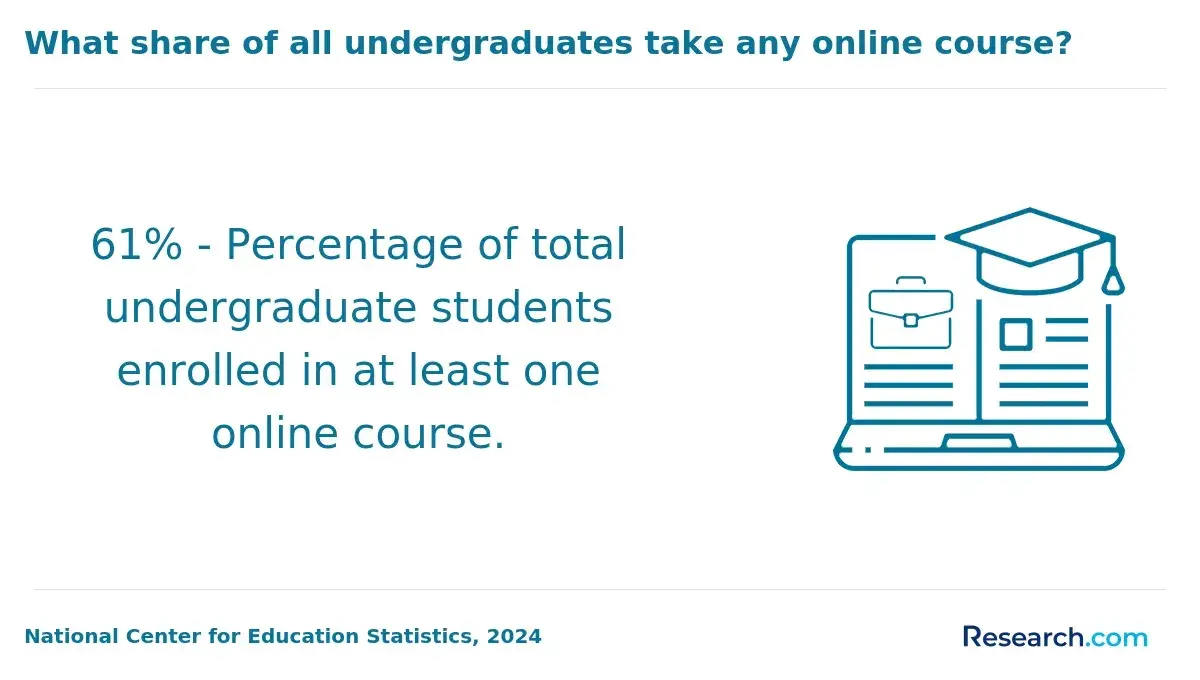
Entering a master's program in web development often involves navigating the complexities of practicum placements, which significantly shape real-world readiness. Programs vary widely in how they match students with supervisors, the diversity of practicum sites, and compliance with accreditation standards, all of which influence the quality and relevance of hands-on experience. According to a 2024 report by the National Center for Education Statistics, enrollment in online graduate programs grew by over 15%, underscoring the rising demand for flexible yet rigorous pathways. Understanding how these structural factors affect placement outcomes helps prospective students select programs aligned with their career trajectories and geographic constraints.
Key Things to Know About Web Development Master's Programs With Practicum Placement Support
- Matching processes that prioritize diverse industry partnerships enhance practical skill alignment but may limit student choice, requiring candidates to weigh specialization opportunities against network breadth.
- Supervisor qualifications grounded in current industry standards boost employer confidence in graduate readiness, signaling essential adherence to evolving workforce demands in web development roles.
- Site diversity within practicum placements introduces timing and accessibility tradeoffs, especially for working professionals balancing cost-effective options with meaningful experience across variable geographic and organizational contexts.
What Are Web Development Master's Programs With Practicum Placement Support?
A master's-level practicum in web development represents more than a traditional internship; it is an academically structured, supervised experience integral to demonstrating mastery of complex technical and project management skills under real-world conditions. Many programs simply label hands-on work as internships or field placements, but a practicum's distinct value lies in its direct integration with curriculum goals, formal assessment components, and curated site partnerships. This distinction matters significantly when comparing master's degree in web development with field placement support to those programs where students must secure their own experience, often placing an undue burden on those lacking existing industry contacts or living outside tech-centric urban areas.
Programs offering active practicum placement support share common operational elements that underpin quality and reliability:
- Site Coordination: These programs take responsibility for matching students with vetted employers or agencies whose projects align with learning outcomes, reducing the uncertainty around placement success and relevance.
- Supervision Quality: Assigned mentors typically have domain expertise and formal mentoring roles, providing structured feedback and evaluation rather than leaving students to self-direct their experience.
- Curriculum Integration: Practicums are embedded as graded course components with explicit deliverables, differentiating them from general work experiences or volunteer roles that may lack academic rigor.
- Geographic Flexibility: Many supported placements accommodate remote or virtual engagement, benefiting students in rural or geographically constrained regions who cannot relocate or commute to offices.
- Contingency Planning: Established programs maintain alternate site options or virtual backups to ensure students can complete requirements on schedule despite disruptions, preserving graduation timelines.
This article explores these defining characteristics and their implications to equip prospective students critically evaluating web development master's programs with practicum placement support-especially those seeking dependable pathways for meaningful field engagement that correspond with academic credentialing and workforce expectations.
Why Is Practicum Placement Support Critical in Web Development Master's Programs?
Practicum placement support is a decisive factor in shaping the professional trajectory of web development master's students. Without structured assistance, students often face placement delays or settings misaligned with their career goals, which can undermine skill acquisition and prolong program completion.
Research, accreditation bodies, and licensing boards recognize practicum experiences as pivotal benchmarks for graduate preparedness. These standards mandate clearly defined supervision, competency-aligned tasks, and minimum practicum hours that programs must facilitate to maintain quality and consistency. Robust placement frameworks are thus integral, not optional, for ensuring credential validity and workforce readiness.
- Structured Placement: Programs that cultivate active partnerships with diverse sites streamline the matching process, reducing the risk of delayed or unsuitable placements that often plague self-directed searches.
- Supervision Quality: Accredited programs typically require supervision by qualified practitioners to guarantee meaningful mentorship, which is seldom assured without program-managed oversight.
- Compliance With Standards: Licensure and certification entities frequently specify practicum conditions that encompass defined competency outcomes and minimum hours; program support greatly increases the likelihood of meeting these essential criteria.
- Risk Mitigation: Students navigating practicum sites independently risk exposure to irrelevant tasks, poor work environments, or lack of evaluative feedback, all of which can jeopardize timely graduation and skill mastery.
- Geographic Access: For students in rural or underserved regions, programs with extensive site networks provide crucial access to varied practicum opportunities that might otherwise be inaccessible.
How Do Web Development Master's Programs Structure Their Practicum Components?
Master's programs in web development that incorporate practicums face a crucial balancing act between theoretical depth and real-world applicability, with structure heavily influencing student outcomes. For example, a working professional juggling family responsibilities and employment will find that program flexibility-especially around practicum scheduling-can determine whether a degree is feasible or merely aspirational. Many programs position practicums late in the curriculum when foundational skills are established, linking applied tasks to capstone projects or thesis work to deepen integration with academic research.
- Timing: Often scheduled during the final semesters, practicums allow students to leverage acquired competencies before engaging with complex, applied projects.
- Credit Hours: Practicum components commonly require between 3 to 6 credit hours, though credit distribution may vary if spread over several terms.
- Integration with Coursework: Some programs embed practicum experiences within capstone or research requirements, while others maintain separate practicum credits but use reflective assignments to connect practice with theory.
- Models of Practicum Delivery: Sequential placements spread over time offer sustained skill development but may extend duration; intensive blocks suit full-time learners but can challenge those with outside obligations; concurrent placements provide flexibility at the risk of increased workload and divided focus.
- Logistical Flexibility: Programs offering remote or hybrid practicum placements better serve students with rural or geographic constraints, though remote supervision quality significantly impacts experience authenticity.
Evaluating these elements, especially the practicum supervisor qualifications and standards, is vital since effective mentorship aligns student experience with evolving industry expectations. Programs prioritizing diverse placement options and contingency strategies deliver more reliable practicum outcomes. Prospective students, including recent graduates and career changers, should consider how practicum sequencing and supervision intensity will affect their ability to balance training with employment or personal commitments. For those seeking an affordable master degree, these structural details often differentiate accessible, meaningful programs from nominal or disconnected practicum offerings.
Eligibility for practicum placement in web development master's programs hinges on meeting several foundational academic and professional standards that protect both students and host organizations. These criteria exist not merely as bureaucratic hurdles but to ensure students can engage effectively and compliantly within real-world settings, where legal oversight and organizational policies govern participation.
- GPA Thresholds: Programs frequently require a minimum GPA, often near 3.0 on a 4.0 scale, serving as a basic competency indicator that predicts a student's ability to manage complex project demands and supervisor expectations during placement.
- Prerequisite Coursework: Completion of core technical classes like programming fundamentals, database systems, and software design is essential. Skipping these risks poor practicum performance and places undue strain on host sites unprepared to compensate for skill gaps.
- Background Check Clearance: Many placements mandate passing criminal background screenings. This is critical where sensitive data or vulnerable populations are involved and reflects standard industry and legal safeguards.
- Immunization and Health Documentation: Though uncommon in purely technical domains, some placements in institutional or health-adjacent environments require proof of immunizations or health verifications aligning with site policies.
- Professional Liability Insurance: Certain programs or host sites insist on liability coverage to mitigate risks arising from student errors, reflecting professional standards increasingly seen in practicum agreements.
To avoid delayed starts or forfeited placement opportunities, prospective students should request detailed, program-specific timelines specifying when each requirement must be fulfilled. Early consultation with advisors and completing prerequisites before or at program onset are prudent strategies, especially for those balancing geographic constraints or career transitions who cannot afford administrative delays.
One recent graduate recounted how incomplete prerequisite documentation nearly postponed their practicum start. Admitted during a rolling cycle, they hesitated to submit background check materials immediately, uncertain about timing and necessity. This led to last-minute paperwork that compressed their onboarding and introduced avoidable stress. Their experience underscores the value of clarifying eligibility steps upfront and prioritizing completion early in the academic journey to maintain placement momentum.
The practicum site a master's student in web development encounters often dictates the specific skills and contexts they develop, making alignment with career objectives critical. For instance, placements in healthcare settings typically demand heightened attention to security and regulatory compliance, a proficiency that does not easily transfer to corporate environments focused on rapid iteration and scale.
- Hospitals: Students engage with sensitive, often legacy, systems creating patient-facing portals or staff tools where privacy and accessibility are paramount, reflecting healthcare's regulatory complexity.
- Outpatient Clinics: Smaller-scale than hospitals, these sites emphasize agile, user-centered development, fostering quick prototyping and compliance awareness suited for evolving clinical workflows.
- Schools: Educational placements expand skills in designing inclusive, age-appropriate learning platforms, balancing diverse user needs and strict accessibility standards.
- Community Agencies: These require adaptability in tailoring solutions for specific populations, developing communication skills for stakeholder engagement and scalable impact in resource-constrained environments.
- Nonprofit Organizations: Often mission-driven with tight budgets, nonprofits push students to innovate within limits, emphasizing outreach and clear, impactful web communication.
- Government Offices: Placements here teach navigating bureaucratic processes, cybersecurity protocols, and integrating with legacy infrastructure, reflecting public sector constraints.
- Private Practices: Small business-focused projects cultivate client liaison abilities and customized web solutions, useful for freelance or consultancy paths.
- Corporate or Workplace Environments: Large-scale teams expose students to formal development pipelines, collaboration tools, and enterprise systems critical for tech industry roles.
Candidates should investigate how a program distributes these site types and whether student preferences influence placement. Given the profound effect practicum context has on skill acquisition and professional culture immersion, proactive inquiry beyond admissions material is essential to ensuring the practicum's relevance to long-term career goals.
Matching students with appropriate practicum placements in web development master's programs reflects a critical tradeoff between centralized coordination and individualized choice, directly influencing student preparedness for workforce realities. Programs typically adopt either fully managed systems, where coordinators allocate placements based on partner availability, or hybrid approaches, which allow students to select preferred sites from approved lists before final assignment. This balance impacts how well placements align with specific career goals versus logistical feasibility.
Several key criteria inform how programs manage the web development practicum placement matching process, each carrying practical implications for students in diverse circumstances:
- Geographic Proximity: Prioritizing local or remote placements can dramatically limit opportunities for students in rural areas, often funneling them toward smaller employers and reducing exposure to major industry hubs, which affects long-term employability.
- Student Interests: Tailoring placements to align with specialization areas enhances skill relevance but frequently reduces available sites, requiring students to negotiate between ideal experiences and accessible options.
- Site Availability: Partner organizations' capacity fluctuates, meaning early engagement and flexibility are essential since not all students secure first-choice placements.
- Supervision Capacity: Qualified mentors are vital; programs vet sites for supervisory resources to ensure meaningful practicum experiences, excluding some otherwise attractive placements lacking structured guidance.
- Accreditation Alignment: Placements must often meet industry or program standards, narrowing available options especially outside established tech centers.
Prospective students should ask programs how far in advance placements are confirmed, what procedures exist if preferred sites are unavailable, and the extent of student input allowed in site selection. These factors influence the practical value of the practicum and its impact on career trajectories. Those exploring advanced credentials to formalize skills or switching into web development from related fields will benefit from programs with transparent, robust practicum placement matching. For those balancing geographic limitations or seeking specialized focus, understanding these operating variables becomes crucial.
For individuals interested in combining practical experience with formal education in fields beyond web development, options like an online degree business administration can complement technical training and broaden career flexibility.
Effective oversight in web development practicum programs hinges on the distinct yet interdependent roles of field supervisors and faculty liaisons, whose engagement directly shapes the applicability of student learning to professional environments. Field supervisors, embedded within the practicum site, translate classroom theories into actionable skills by ensuring daily tasks adhere to current industry standards and introducing practical challenges aligned with workforce expectations. Faculty liaisons, in contrast, maintain the academic framework by monitoring student progress, offering pedagogical guidance, and ensuring alignment with curricular goals through regular communication and site evaluations.
Key considerations include:
- Field Supervisors: Often industry veterans with three to five years minimum experience, chosen for their technical expertise and project oversight capability rather than formal licensure, which is rare in web development. Their role emphasizes hands-on mentorship and validating the educational relevance of practicum projects.
- Faculty Liaisons: Academic professionals usually holding advanced degrees, responsible for sustaining program integrity, supporting reflective learning processes, and intervening when site-based issues occur, often via scheduled visits or virtual check-ins.
- Supervision Qualifications: Quality is prioritized over licensing, focusing instead on demonstrated experience for supervisors and scholarly credentials for faculty liaisons, ensuring each contributes complementary oversight within their domains.
- Supervision Quality: This is arguably the single most influential factor in practicum success, affecting skill mastery, confidence formation, and professional networking opportunities. Insufficient supervision can severely undercut learning outcomes and employability.
- Student Inquiry: Prospective candidates should probe how faculty liaisons maintain contact during placements, the frequency and nature of site interactions, and established escalation pathways for conflicts or inadequate supervision, which is particularly critical for remote or non-traditional placements.
One web development master's graduate recalled prolonged uncertainty in securing a practicum placement due to staggered admissions decisions. With site allocations communicated late in the process, the student had limited time to prepare for supervisor engagement and arrange logistics. The experience highlighted how essential clear faculty liaison communication was for navigating delays and resolving ambiguities, reinforcing the need for applicants to assess programs' practicum support structures well before enrollment.
Programs that adequately support students struggling to secure practicum sites recognize that placement challenges directly affect timely program completion and readiness for employer expectations. A common scenario involves students in rural areas facing geographic scarcity, where local partners are limited and competition is fierce. Programs with robust support systems counter these obstacles through active placement management and resource diversification. For example, a dedicated practicum coordinator coordinating site allocations can alleviate the bottleneck created by overlapping program demands, reducing the risk of students losing critical experiential learning opportunities. Importantly, credential verification and clearances often cause delays; structured programs provide preparatory guidance and follow-up support to minimize downtime and comply with employer-imposed standards.
- Geographic Scarcity: Students studying outside urban centers frequently face a shortage of approved practicum sites, prompting programs to maintain updated databases and cultivate partnerships outside metropolitan hubs to widen placement options.
- Competitive Demand: Multiple cohorts vying for limited practicum placements mean competitive site allocation requires dedicated coordinators who negotiate and manage site assignments to reduce displacement risk.
- Credential and Clearance Delays: Delays due to background checks or professional clearances are mitigated when programs provide clear timelines, guidance, and follow-up, aligning student readiness with site requirements.
- Mid-Placement Failures: If a placement site withdraws unexpectedly, a documented contingency plan enables swift reassignment, limiting disruption in student progress.
- Personal Hardships: Students balancing work or family obligations benefit from flexible scheduling and accessible communication with placement staff to navigate challenges without program disruption.
A student-centered placement infrastructure typically includes a dedicated coordinator overseeing logistics, transparent communication channels, and protocols adaptable to individual circumstances. Prospective students-especially those in rural areas, with scheduling constraints, or specialized career goals-should inquire specifically about contingency plans, site diversity, and practicum support scope before committing. This approach addresses how programs assist students struggling to find practicum placements or seeking support services for students facing practicum site challenges.
Across academic disciplines, timing also plays a crucial role: data highlights a notable enrollment surge following early application deadlines, demonstrating the market's competitive nature and the critical timing for securing practicums. Those interested in adjacent or complementary fields might find analogous strategies within what can you do with an environmental science degree programs, which similarly contend with placement logistics and workforce alignment.
Accreditation standards critically shape how practicum requirements are structured and enforced in web development master's programs, influencing both educational quality and professional credibility. For students, especially those navigating regional accreditation requirements for web development field placement or studying remotely, understanding these standards determines whether their practicum experience meets employer and licensure expectations or risks diminished transferability and recognition.
- Regional Institutional Accreditors: Bodies like the Middle States Commission on Higher Education (MSCHE) and the Higher Learning Commission (HLC) review entire institutions and mandate that master's programs demonstrate practicum components aligned with institutional mission and education quality. They focus on ensuring sufficient supervision, clear learning objectives, and ongoing student support, but typically do not dictate precise practicum hours or ratio metrics.
- Programmatic Accrediting Bodies: While less prevalent in web development than in traditional IT fields, accreditors such as ABET impose more granular practicum standards. Their requirements include an approved site selection process, defined minimum practicum hours to guarantee meaningful exposure, and maintaining low student-to-supervisor ratios (often around 10:1), which enhance mentorship quality and feedback mechanisms.
- Professional Associations: Groups like the Association for Computing Machinery (ACM) and the International Web Association (IWA) provide voluntary guidelines emphasizing practicum relevance to current industry practices, advocating for partnerships with vetted organizations to ensure site and task quality. These guidelines help programs maintain alignment with evolving workforce needs, a key point for career changers and remote learners alike.
Failure to comply with accreditation standards can undermine a graduate's employability as many employers, advanced degree programs, and licensure boards verify that practicum experiences meet recognized criteria. Prospective students should thoroughly review specific practicum accreditation standards for web development master's programs and request written confirmation of a program's current accreditation status and practicum oversight from admissions. Those balancing geographic constraints or diverse professional backgrounds especially need clarity on how practicum placements are managed and supervised to avoid unexpected barriers.
For a broader perspective on accelerated education and career pathways relevant to skilled professionals, exploring resources on the fastest MBA programs online can provide insights into efficient credentialing that complements specialized technical training.
The geographic dispersion of students in online and hybrid web development master's programs introduces significant complexity in practicum placement support. An easy masters degrees online must secure site agreements compliant with local supervision regulations across multiple states and accommodate diverse time zones and licensing rules. This logistical patchwork directly affects student ability to complete practicums on schedule and can influence employer hiring perceptions, as scalable, quality supervision varies widely by location.
- Nationally Networked Site Databases: These maintain wide pools of approved practicum locations to increase options but often struggle with consistently verifying up-to-date supervision qualifications and may delay placement confirmations, especially in competitive markets.
- State-Specific Placement Coordinators: Specialized personnel focus on local regulations and site vetting, improving compliance and reducing placement risks. However, this approach demands greater institutional resources and may not scale well for programs serving students across many states.
- Partnerships with Multi-Site Organizations: Collaborations with national or regional companies facilitate smoother logistics and standardization of practicum experiences. The tradeoff often involves limited site diversity and a potential concentration of placements within certain geographies or industries, which may narrow practical exposure for students.
- Student-Identified Site Approval: Allowing students to propose practicum sites personalizes placements but requires rigorous program oversight to ensure supervisor credentials and accreditation compliance, shifting much responsibility to students and sometimes delaying approvals.
Prospective enrollees should probe how many students the program has successfully placed across their respective states, especially if based in rural or underserved regions where practicum access is more constrained. Understanding support mechanisms for navigating state-specific licensing issues and the portability of practicum experience can materially impact long-term employability. Employers increasingly expect verified practicum quality as part of credential evaluation, making these practical considerations central to program choice rather than promotional claims.
What Graduates Say About Web Development Master's Programs With Practicum Placement Support
- Jason: "Balancing a full-time job and family responsibilities meant my available study hours were limited. I chose a master's program with practicum placement support because I needed hands-on experience to build a portfolio quickly. While I did land an internship that boosted my coding skills, I quickly learned employers weigh real-world projects more heavily than certifications alone, which made my practicum crucial for getting foot-in-the-door opportunities."
- Camilo: "Switching careers in my mid-thirties was daunting, especially with the financial pressure of returning to school. I picked a program offering practicum placements to ease the transition into the tech industry without extended unpaid time off. The internship helped me secure a junior developer role, but I found that competition for higher-paying jobs remained steep without additional specialized certifications or experience beyond the practicum."
- Alexander: "I wanted to move from front-end to full-stack roles, but the workload and tight deadlines of the master's program tested my time management. The practicum placement was a key factor in my choice, providing exposure to real development cycles which textbooks couldn't replicate. Although I gained valuable teamwork experience and built a solid portfolio, I noticed some employers still preferred candidates with prior full-stack job experience, making the practicum a helpful but not definitive advantage."
Other Things You Should Know About Web Development Degrees
Students must inquire about the practicum's site matching process, the credentials and industry experience of supervisors, and how the program ensures alignment between practicum projects and curriculum competencies. Understanding whether the program has a diverse range of placement sites, including remote and non-urban options, is crucial, especially for those outside major tech hubs. Asking about contingency plans for placement disruptions, such as limited site availability or sudden changes due to employer needs, reveals how resilient and supportive the practicum system truly is.
Public universities often provide a broader network of regional employer partnerships, benefiting students in or near large metropolitan areas, but may lack the dedicated resources to customize placements extensively. Private universities frequently offer more tailored practicum experiences through smaller cohorts and active alumni networks, though their geographic reach may be narrower. For students in rural or geographically constrained areas, it is important to assess if the university supports virtual or remote practicum options effectively rather than relying solely on local employer connections.
Most programs require a practicum journal, weekly supervisor check-ins, and a final portfolio or technical report. Many also ask for 120 to 240 placement hours and a signed evaluation from the site supervisor before the practicum credit is posted on the transcript.
- What Are the Qualifications to Work in Web Development? — by Noble Desktop https://blog.nobledesktop.com/qualifications-to-work-in-web-development
- Becoming a Web Developer | Education and Experience https://www.computerscience.org/career/web-development/web-developer/how-to-become/
- How to Get an Internship in Web Development?: A Detailed Guide https://internshala.com/blog/how-to-get-an-internship-in-web-development/
- CSWE Accreditation Requirements and Standards https://lumivero.com/resources/blog/cswe-accreditation/
- What Do Faculty Liaisons Have to Offer? https://www.socialworker.com/feature-articles/field-placement/What_Do_Faculty_Liaisons_Have_to_Offer%3F/
- MSc Web Development https://www.roehampton.ac.uk/study/postgraduate-taught-courses/web-development/
- What to Expect from a Web Development Internship: A Beginner's Guide | Dicazo Computer Institute https://www.dicazo.com/blog/What-to-Expect-from-a-Web-Development-Internship-A-Beginners-Guide.html
- Certificate in Web Development with Practicum https://www.gwcollege.ca/pages/programs/certificate-in-web-development-with-practicum
- View of Evaluating the Field Practicum Experience in Social Work Fieldwork Programs Using an Online Survey Approach: Student and Supervisor Responses https://ejournals.bib.uni-wuppertal.de/index.php/sws/article/view/544/1074
- Web Development Course - Master Full Stack Development https://www.skillsetmaster.com/webdev