2027 Capstone vs Thesis Requirements for Web Development Master's Programs

Co-Founder and Chief Data Scientist
The decision between pursuing a capstone project or a thesis in a Web Development master's program significantly shapes the experience for graduate students juggling professional and personal commitments. Capstone work often involves industry-standard tools like React, Node.js, and cloud platforms, requiring iterative project cycles and client-style deliverables within fixed timelines.
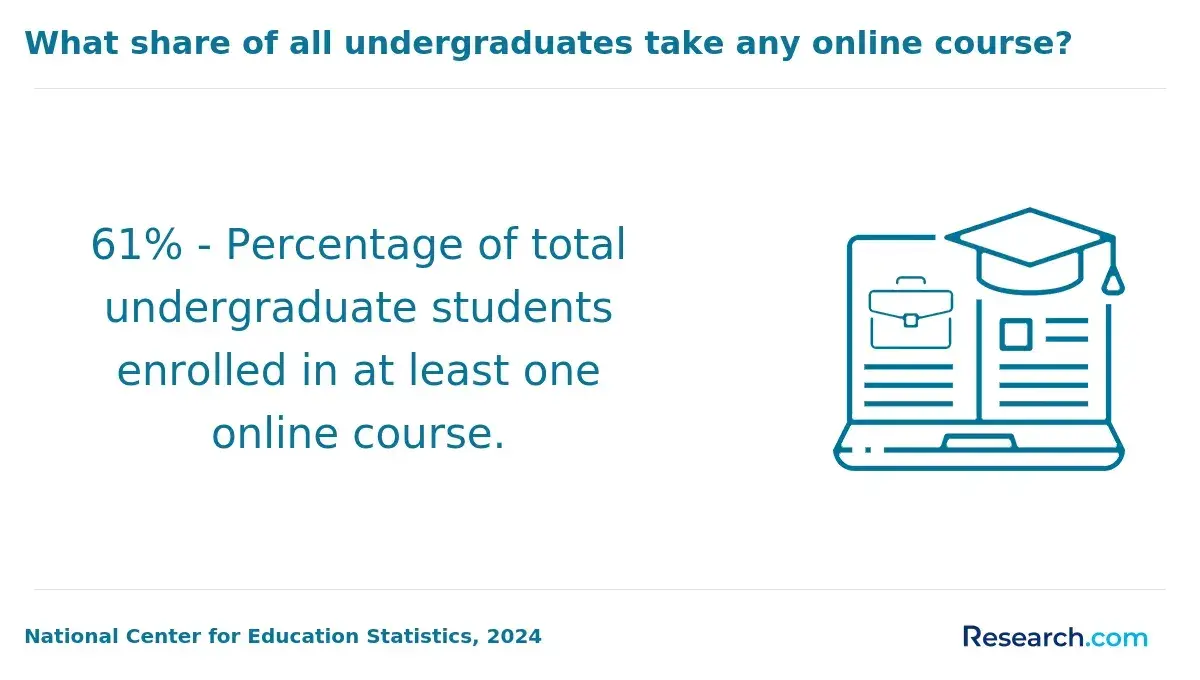
Conversely, thesis tracks emphasize structured research methodology, employing frameworks such as Agile for experimental design and statistical analysis tools aligned with HCI or software engineering inquiries, frequently involving committee oversight and formal defense. With over 45% of master's enrollees in tech fields identified as adult learners in 2024 by the National Center for Education Statistics, understanding these distinctions is vital for balancing education and career mobility.
This article examines how capstone or thesis requirements influence workflow, skill acquisition, and professional prospects to guide prospective students in selecting the best fit for their ambitions and schedules.
Key Things to Know About Capstone vs Thesis Requirements for Web Development Master's Programs
- Capstone projects emphasize practical application over original research, reducing overall time-to-degree and fitting better with working professionals' schedules compared to thesis commitments.
- Employers in tech fields increasingly value capstones for showcasing current, hands-on skills, impacting career mobility by aligning academic work with real-world development demands.
- The National Center for Education Statistics notes a 12% rise in adult enrollment in online master's programs, highlighting how thesis-intensive paths may limit accessibility due to greater time and resource requirements.
What Is a Capstone Project in a Web Development Master's Program?
A capstone project in web development master's programs functions as a crucial bridge between academic theory and practical application, geared to meet employer expectations for immediate job readiness. Unlike traditional theses focused on deeply specialized research topics, capstones demand the design, build, and deployment of functioning web solutions-mirroring professional workflows. This emphasis shapes student workload and timelines distinctly, offering clearer milestones and fostering skills that align directly with industry needs and teamwork dynamics.
- Professional Alignment: Capstone projects are structured to develop portfolio-ready work that demonstrates core competencies requested by hiring managers, such as full-stack development, UI/UX design, and integration of emerging technologies. This reduces the onboarding friction new graduates often face.
- Collaborative Workflow: Unlike solo thesis research, capstones often mimic agile, team-based development cycles common in web development firms, helping students cultivate interpersonal and project management skills crucial for scaling code in real environments.
- Time-to-Degree Impact: The clear, incremental deliverables dictated by capstone milestones allow many programs to offer accelerated or part-time tracks, appealing to working professionals who benefit from predictable pacing over the open-ended research typical in thesis paths.
- Applied Capstone Experience: Web development graduate degrees increasingly emphasize live implementation of technologies within capstones to verify students can navigate the software lifecycle end-to-end, rather than focusing on isolated technical questions common in thesis inquiries.
- Program-Design Rationale: The preference for capstones over theses reflects a pedagogical shift toward applied learning outcomes, prioritizing measurable skills and deployable artifacts over theoretical depth, which influences curriculum structure and faculty evaluation methods.
For students weighing degree options, understanding these functional differences in capstone project requirements for web development master's programs clarifies how each path affects employability and skill validation. In this context, tangible project deliverables are often favored by employers who seek practical, demonstrable coding and design capabilities. Those pursuing applied capstone experience in web development graduate degrees typically face more structured supervision but gain clearer evidence of their readiness for professional roles.
While a thesis might be more appropriate for students aiming toward research-oriented positions or doctoral study, the capstone's alignment with job market realities often makes it the preferred choice for adult learners and career changers who need to balance work, study, and skill acquisition effectively. For further insight on related alternative doctoral paths, consider reviewing easiest PhD to get.
What Is a Master's Thesis in Web Development Programs?
A master's thesis in web development programs represents a significant commitment distinct from project-based tracks like capstones. It demands rigorous research and deep engagement with complex technical or theoretical challenges that go beyond practical application, impacting employability and career trajectory especially in roles emphasizing innovation, consulting, or research.
- Research Depth: Unlike capstones focusing on immediate industry needs, a thesis requires systematic investigation-often blending literature reviews, hypothesis formulation, and data analysis-to advance understanding of web technologies or user experience issues.
- Faculty Mentorship: Continuous guidance from advisors is essential, ensuring research meets academic rigor and addresses both technical and theoretical dimensions, which can be critical for students aiming at doctoral studies or specialized R&D positions.
- Workload and Time Commitment: The thesis path imposes a heavier time investment and intellectual workload, making it less suited for professionals seeking faster degree completion or direct job-ready portfolios.
- Evaluation Criteria: Assessment emphasizes methodological soundness, originality of findings, and quality of any code or prototypes, rather than just functional implementation-a distinction that shapes how employers perceive candidate expertise.
- Career Implications: Graduates with thesis experience often position themselves as thought leaders or technical consultants rather than only developers, which can open doors in innovation-driven sectors and academic pathways where documented research competence is valued.
When Should You Choose a Capstone Over a Thesis in a Web Development Master's Program?
Choosing a capstone over a thesis tends to make strategic sense in Web Development master's programs when the priority is rapid, industry-aligned skill acquisition rather than deep academic research. For students balancing professional responsibilities or seeking to build a portfolio that directly reflects employer-valued competencies, capstones offer a streamlined pathway to demonstrating applied technical expertise. This often leads to faster program completion and tangible projects that hiring managers recognize as proof of readiness, whereas theses require extensive research efforts that may delay workforce reentry and lack immediate practical deliverables.
- Time Efficiency: Capstone projects generally demand less time than theses, focusing on design and implementation tasks that mirror real development workflows. This reduction in duration favors students with tight schedules or those aiming to capitalize quickly on new skills in competitive job markets.
- Career Orientation: Capstones center on solving practical problems, such as building web applications or improving user interfaces, aligning closely with job functions in development roles. Theses, by contrast, prioritize original research contributions, which may not translate directly to employability in typical developer positions.
- Faculty Role: Supervisors in capstone courses often act as mentors providing targeted guidance rather than demanding comprehensive theoretical justification. This mentorship suits learners seeking focused, feedback-driven progress without the exhaustive literature review and methodology design a thesis requires.
- Research Tradeoffs: Opting for a capstone limits exposure to rigorous research practices, which can narrow prospects for doctoral-level studies or roles emphasizing innovation through novel findings. The tradeoff is a faster, more applied credential at the expense of scholarly depth.
- Program Accessibility: Web Development capstones are frequently structured to accommodate part-time students and those juggling careers or families. Their flexibility reduces barriers that might make thesis commitments impractical or unsustainable under external pressures.
A graduate recalled facing a choice midway through their program's second semester, weighing a thesis's academic prestige against a capstone's practical appeal. With an employer eager for demonstrable skills and a looming project deadline, they opted for the capstone. Their work involved collaborating with a local tech firm to build a responsive web app, providing both immediate workplace value and a portfolio piece. Although initially hesitant about missing out on deep research, the student found mentorship focused and responsive, and ultimately secured a full-time developer position shortly after graduation, validating the pragmatic tradeoff.
Choosing a thesis over a capstone in web development master's programs significantly influences a student's academic and career trajectory. Thesis tracks require deeper theoretical engagement and original research, often accompanied by sustained faculty mentorship. This path suits students preparing for research-intensive roles or doctoral studies, where rigorous methodology and scholarly publication are valued.
- Research Preparation: A thesis demands comprehensive understanding of research design and analytical methods, fostering skills crucial for contributing new knowledge in web development. Programs preserve thesis options to support this advanced scholarly development, which a capstone's applied focus generally lacks.
- Faculty Guidance: Close mentorship during thesis work sharpens critical thinking and ensures adherence to academic standards beyond project execution, aligning outcomes with expectations for research careers.
- Career Differentiation: Completing a thesis can enhance a candidate's profile for roles emphasizing innovation, such as academic positions or specialized consulting, where a web development thesis advantages for research careers are clear.
- Long-Term Impact: Unlike capstones, theses often integrate opportunities for publication or conference presentation, strengthening credentials for competitive, research-oriented job markets.
- Strategic Alignment: Students targeting advanced study pathways, including PhD organizational leadership or similar fields, benefit from the thesis's emphasis on methodological rigor and original inquiry, which better prepares them for future academic or R&D demands.
The choice between capstone and thesis in master's programs for web development hinges largely on balancing finite time and focused output against extended independent research. Working professionals frequently find that each format demands distinct strategies for managing their academic and professional responsibilities.
- Time Commitment: Capstones typically fit within a single semester, structured to accommodate students juggling full-time employment by emphasizing concise deliverables. Theses stretch across multiple semesters, requiring sustained attention to research, which can disrupt work-life balance for those without flexible schedules.
- Workload Distribution: Capstone projects focus on tangible implementation and iterative feedback, often in collaborative environments, which creates distinct phases and deadlines. This segmented pace can ease task management compared to theses that demand continuous, self-directed inquiry and comprehensive problem-solving with fewer check-ins.
- Stress Factors: Capstone stress often arises from group coordination and adhering to applied project deadlines, which mirrors professional development cycles valued by employers. Thesis candidates face stress from navigating complex research questions, sparse advisor interaction, and the pressure to produce original scholarly contributions, potentially triggering extended revision cycles.
Capstone and thesis choices in master's programs for web development distinctly influence how graduates are perceived and positioned in the workforce. Selecting a capstone project often signals practical readiness to employers focused on applied skills, while a thesis conveys research depth valued in academic and specialized technical roles. For example, a professional aiming to join an agile startup may benefit more from a capstone's portfolio evidence demonstrating real-world problem-solving, whereas a candidate planning to pursue doctoral study or R&D positions might gain from the thesis's emphasis on original investigation and analytical rigor.
- Employer Perception: Capstone projects deliver tangible work samples that hiring managers in software development and front-end/back-end roles often scrutinize. This direct demonstration of applied skills can accelerate recruitment in environments valuing immediate productivity over abstract theory.
- Academic & Research Fit: A thesis highlights the ability to conduct sustained inquiry and develop theoretical frameworks, making it a strong credential for doctoral programs or specialized roles that prioritize innovation and long-term system design in web development.
- Time Commitment Tradeoff: Capstones typically require shorter periods and integrate existing knowledge to generate deliverables, suiting working professionals balancing job demands. Thesis tracks, by contrast, extend timelines but deepen expertise, fitting those targeting research-focused careers or roles requiring formal investigative experience.
- Career Trajectory Impact: Choosing a thesis often aligns with aspirations toward roles in academia, R&D, or organizations emphasizing strategic innovation pipelines. Capstone routes tend to favor immediate applicability within tech startups or agile teams seeking adaptable practitioners.
Students debating these options should also consider program structures and alternative degrees; for instance, a one year online MBA entrepreneurship could complement a capstone-focused web development master's by enhancing leadership and project commercialization skills.
Choosing between research-based and applied learning paths in master's programs for web development affects not only how students allocate their time but also the skills they cultivate and their career trajectories. Departments design thesis and capstone requirements to meet divergent needs: rigorous academic inquiry versus tangible industry-ready outcomes. This choice reflects a balancing act between deep theoretical insight and immediate practical impact.
- Skill Focus: Thesis pathways develop analytical rigor, demanding comprehensive literature synthesis, research design, and formal writing, which primes students for innovation roles or doctoral studies. Capstones sharpen technical execution and problem-solving within real-world contexts, favoring those targeting direct entry into development teams.
- Time Investment: Completing a thesis often extends the program timeline due to the iterative process of hypothesis testing and data validation. Capstones, structured around project deadlines and deliverables, typically offer more predictable schedules suited for working professionals.
- Evaluation Criteria: Faculty assessing theses emphasize originality and methodological soundness, which can challenge students unfamiliar with sustained academic critique. Capstone evaluation centers on functionality, usability, and demonstration of applicable skills, reflecting employer priorities in usability and deployment.
- Career Alignment: Thesis graduates are better positioned for research-driven roles or academic careers requiring publication history. Those completing capstones usually enter the workforce with practical artifacts-applications or prototypes-valued for their immediate relevance and usability by software employers.
- Resource Access: Research routes often depend on access to extensive datasets, faculty expertise in specialized subfields, or institutional support for dissemination, which may limit feasibility for some students. Applied projects allow collaboration with industry partners or leverage open-source frameworks, offering hands-on experience in current technologies.
A graduate from a 2023 web development master's program recalled debating the thesis versus capstone decision amid a full-time job. Opting initially for a thesis, the student found the slow pace-waiting months for data approval and committee feedback-frustrating and incompatible with work demands. Switching to a capstone in the final semester improved completion speed, with clearer milestones and more direct faculty support focused on building a functional web app for a nonprofit client. The supervisor valued practical results over original research contributions, easing grading stress but narrowing post-graduation options. The experience clarified that while the thesis pathway had promised a foundation for research roles, the capstone aligned more realistically with immediate career transitions and time constraints.
Advising and mentorship in web development master's programs distinctly influence how students navigate their capstone or thesis projects, with direct consequences for workload management and skill development. Thesis advising often mirrors traditional academic research oversight, demanding that students independently drive their inquiry under faculty who provide structured, periodic guidance primarily aimed at original contributions to knowledge. This model presupposes a higher degree of self-direction and long-term planning, which can extend degree completion time but cultivates rigorous research acumen valuable for roles in research-driven environments or doctoral pursuits.
Conversely, capstone mentorship is embedded in practical application, where faculty act as industry-informed collaborators helping students translate real-world problems into workable technical solutions. This approach entails more frequent, milestone-based feedback but less emphasis on theoretical depth. Such mentorship aligns with employer preferences in fast-evolving tech sectors where portfolio relevance and applied competencies trump academic publication records.
The difference is more than procedural; it informs student choices related to career trajectory, risk tolerance for independent research, and the ability to manage complex projects versus deliver concrete products efficiently.
- Structure and Oversight: Thesis advising typically involves multi-tiered supervision including committees to ensure comprehensive scholarly review, increasing administrative demands but reinforcing academic rigor.
- Project Focus: Capstone mentorship centers on deliverables driven by stakeholder requirements, prioritizing iterative development and practical problem-solving over exploratory research.
- Feedback Rhythm: Advising follows scheduled, often less frequent meetings conducive to deep reflection, whereas mentorship favors responsive, timed interactions aligned with project milestones.
- Career Implications: Thesis tracks cater to those targeting research-intensive roles or doctoral programs, while capstone paths better serve professionals seeking to expedite program completion with industry-applicable skills.
The decision between a capstone and thesis in web development master's programs hinges on distinct academic and professional priorities that shape student workload and output quality. For working professionals or career-changers balancing time constraints, the capstone's condensed format-focused on applied, practical skills-often aligns better with immediate employability. In contrast, the thesis demands substantial original research and methodological rigor, producing credentials favored in research-heavy roles or doctoral pathways. Understanding these variations clarifies how each structure impacts skill development and workforce readiness.
- Timeline and Scope: Thesis projects typically extend over multiple semesters, requiring sustained research and iterative drafts. Capstones are usually confined to a single semester, emphasizing rapid project cycles and direct application of development skills.
- Deliverables: A thesis culminates in a comprehensive written document and defense before a faculty committee, reflecting theoretical depth and scholarly contribution. Capstone deliverables include a project report, functional prototype, and presentation, showcasing practical problem-solving and technical execution.
- Assessment Structure: Thesis evaluation involves committee feedback and formal defense, which develops advanced critical thinking and academic communication abilities. Capstone assessments are guided primarily by a faculty advisor, focusing on project management and industry relevance.
- Professional Outcomes: Thesis work signals capacity for research-intensive careers or further academic study, while capstones demonstrate readiness for immediate application in tech environments, often preferred by employers valuing operational skills.
Students exploring typical structures of capstone and thesis projects in web development master's programs should weigh these differences carefully to match their goals, timelines, and professional contexts. For those managing multiple commitments, the capstone offers clearer time expectations, whereas the thesis demands deeper scholarly dedication. Insights into capstone vs thesis deliverables and assessment in web development graduate studies reveal important tradeoffs that affect career trajectory and degree utility.
For adults considering flexible options aligned with their stage in life, exploring college degrees for seniors can also inform decisions about how structured project work integrates with broader learning goals and workforce reentry strategies.
Flexibility in capstone versus thesis requirements within web development master's programs significantly shapes student decision-making by balancing academic rigor, time constraints, and career applicability. Institutional policies often reflect resource availability and program goals, affecting how and when students can switch tracks or extend projects. For working professionals or career-changers managing both job responsibilities and coursework, these rules directly impact degree completion timelines and workload management.
- Program Variation: Flexibility depends on each institution's capacity to support research supervision versus applied projects. Programs emphasizing rigorous research skills often enforce stricter thesis guidelines with less leniency for track changes, while programs prioritizing applied learning typically offer more adaptable capstone options to better align with professional outcomes.
- Switching Tracks: Some web development program policies allow students to switch between thesis and capstone pathways, but usually with conditions like additional coursework or schedule adjustments. This reflects institutional concerns about maintaining academic standards and managing faculty supervision loads.
- Defense and Approval: Thesis requirements commonly involve comprehensive faculty and committee approval, which can introduce delays and stricter evaluation criteria. Capstones often require only advisor endorsement, resulting in fewer procedural barriers and potentially faster completion.
- Working Student Impact: For those balancing employment, capstone projects generally provide more practical flexibility, accommodating alternative applied projects and extended timelines more readily. Conversely, thesis tracks, with tighter supervision and formal research demands, pose challenges for part-time learners or those needing flexibility in graduation planning.
This nuanced flexibility landscape means prospective students must critically evaluate policies on thesis substitution and extension within their chosen web development master's program, matching them against personal constraints and career ambitions. Those interested in programs tailored for veterans or similar groups might explore options such as the online cyber security degree for veterans, which often reflect specific flexibility priorities.
What Do Web Development Master's Graduates Say About Their Capstone Vs Thesis Experiences?
- Jason: "Balancing a full-time job with the capstone project was exhausting, but I chose to focus on a remote internship opportunity aligned with my thesis topic to build real-world experience. The time constraint pushed me to prioritize practical coding skills over theoretical research, which ultimately helped me land a junior developer role faster than expected. Although I wished for more time to polish the portfolio, the decision to emphasize actual client work paid off in interviews."
- Camilo: "Switching careers into web development meant I had to be cautious with costs, so I picked a program that offered a flexible thesis timeline. This allowed me to continue part-time consulting while developing a complex e-commerce platform for my capstone. The experience didn't lead directly to a full-time offer, but it became a key portfolio piece that convinced freelance clients of my technical ability and boosted my confidence to negotiate higher rates."
- Alexander: "With the heavy workload during the master's, I struggled to stay motivated, particularly when employers seemed to prioritize portfolios and certifications over degrees. Choosing a project that integrated popular frameworks gave me practical skills but limited deeper exploration of certain advanced topics. I secured a mid-level position, yet I realized career advancement here might require further certification or specialization beyond the thesis experience."
Other Things You Should Know About Web Development Degrees
Most programs require written approval from the graduate program director and the thesis chair before a switch is allowed. The student usually must submit a revised plan of study, meet a 3.0 GPA minimum, and transfer to the capstone before the thesis proposal is formally approved.
Capstone projects often encourage collaboration with real-world clients or industry partners, which can lead to valuable networking opportunities and practical feedback. Meanwhile, thesis work tends to be more independent and academically oriented, potentially limiting real-time industry interaction. If building connections within tech companies or startups is a priority, capstone projects can deliver stronger exposure. Those prioritizing scholarly contribution or specialized research may accept less direct industry engagement in exchange for academic depth.
Employers focused on applied skills and immediate project experience often value a capstone more, as it signals hands-on ability with current technologies and practical problem-solving. Conversely, a thesis may impress employers who prioritize analytical thinking, research capacity, or innovation potential, especially in R&D or academic-adjacent roles. For candidates targeting software development or full-stack engineering jobs, a capstone's practical evidence is generally more advantageous. However, those aiming for roles involving strategic technology development or policy might benefit more from the research skills a thesis highlights.
Changing from a thesis track to a capstone project in a Master's Web Development program in 2027 may delay graduation due to differences in objectives and timelines. Typically, approval from an academic advisor and fulfillment of specific prerequisites for the new track are required.
- Exploring factors that influence students’ career decision making at a South African University https://ajcd.africa/index.php/ajcd/article/view/99/467
- What Are Project Deliverables in Project Management? https://www.atlassian.com/work-management/project-management/project-deliverables
- Capstone Project vs Thesis in University: Key Differences Explained https://www.quetext.com/blog/capstone-project-vs-thesis
- Research-Based Learning: Characteristics https://colegiomirasur.com/en/blog/research-based-learning/
- DSpace https://uzspace.unizulu.ac.za/bitstreams/0f4cb128-9ffe-4aa3-9ac3-2d0e474f86a1/download
- Capstone Options in Master's in Communication Programs (Thesis vs Project) https://www.mastersincommunications.com/features/guide-to-graduate-communication-capstone-options
- Work Breakdown Structure in Project Management: Short Guide https://productive.io/blog/work-breakdown-structure-in-project-management/
- Client Challenge https://www.slideshare.net/slideshow/thesis-about-career-preferences-capstone/251789597
- Delivering flexibility https://mobilityexchange.mercer.com/insights/article/delivering-flexibility
- A list of 11 latest research topic ideas for web development https://crowjack.com/research/research-topic/web-development