2027 Application Deadlines for Online Web Development Master's Programs: Fall, Spring & Rolling Admissions

Co-Founder and Chief Data Scientist
A student juggling a full-time remote job and caring for a family faces a critical dilemma after missing the priority deadline for a fall online web development master's cohort at their target university. With some programs filling up quickly due to limited seats, delaying enrollment until the spring term risks losing transfer credit opportunities from recent coursework. Recent 2024 data shows that 43% of online STEM master's applicants opt for spring or rolling admissions, reflecting growing demand for flexible entry points amid career and personal commitments.
Understanding the distinct fall, spring, and rolling admission deadlines can empower students to optimize their application timing, secure desired start terms, and avoid costly enrollment delays.
Key Things to Know About Application Deadlines for Online Web Development Master's Programs
- Many online web development programs balance fixed fall and spring deadlines with rolling admissions, trading predictability for flexibility; students must weigh schedule certainty against potential cohort capacity limits impacting start dates.
- Employers increasingly value timely completion of projects aligned with fiscal cycles, making admission turnaround-often 4-6 weeks-critical for syncing program start with workforce reentry or skill upgrades.
- Earlier document submission links directly to financial aid priority and course registration; missing priority deadlines can delay aid disbursement, increasing upfront costs and limiting class availability for non-traditional students.
What are the Typical Application Deadlines for Online Web Development Master's Programs?
Fall admissions for online web development master's programs generally have deadlines clustered from late November through early February, but these dates vary by institution depending on enrollment size and internal calendar structures. Applying by priority deadlines set 2 to 3 months earlier is advisable to improve financial aid chances and secure course registration before the semester begins.
Missing these early cutoffs often means limited access to scholarships and preferred class sections, which can delay graduation timelines or restrict elective choices. For students balancing application materials like transcripts and recommendation letters, aligning efforts with these early windows prevents last-minute submission issues that frequently arise closer to final deadlines.
Spring admission typically targets a mid-July to mid-October deadline range, presenting a narrower timeline than fall cycles but still requiring thorough advance preparation for a January or February start. Rolling admissions provide flexibility but introduce unpredictability in cohort size and funding availability, compelling many to apply early despite the open-ended process.
Careful attention to each program's specific deadlines is essential as variations across online web development graduate programs influence admission competitiveness and planning. For those comparing options, including online MSW programs affordable benchmarks can offer insight into balancing cost, timing, and program quality within realistic enrollment constraints.
When are the Fall Admission Deadlines for Online Web Development Master's Programs?
Fall deadlines for online web development master's programs often span from early September to late November, with many institutions emphasizing priority submission in September or October to enhance access to financial aid and early decision advantages. According to recent data from the National Association for College Admission Counseling, roughly 65% of graduate programs adopt such priority deadlines, underscoring how missing these windows can restrict both funding options and course registration flexibility.
Students should weigh the tradeoff between rushing application materials to meet early dates and the possibility of more limited financial support or delayed decisions if applying closer to or after final deadlines. Programs with cohort caps frequently use final deadlines extending into November or early December, reflecting an operational balance between enrollment management and instructional quality that can affect admission timing and start-term readiness.
While rolling admissions remain relatively uncommon for fall entry, some more flexible programs leverage them to accommodate late-applying professionals, but this approach carries uncertainty regarding seat availability and financial aid. Decision notifications typically occur within four to eight weeks post-deadline, a period that shapes financial aid appeals and employment transitions for many applicants.
Navigating these timelines effectively requires advance preparation of transcripts, recommendation letters, and prerequisite verification to avoid delays. Understanding the differing admission cycles-fixed deadlines versus limited rolling options-and their direct effects on admission competitiveness and registration timing is essential for applicants aiming to harmonize academic start dates with their personal and professional obligations.
One graduate recalled submitting most application documents by mid-October but faced delayed transcript processing that pushed final submission into early November, just before the program's stated final deadline. The applicant had initially hesitated to submit incomplete materials, fearing reduced chances, but after confirming rolling reviews with admissions staff, ultimately submitted what was ready, supplementing missing components shortly after.
This cautious strategy mitigated risks involved with fall cohort capacities and financial aid packages, although it generated stress due to the compressed notification window. The experience highlighted the necessity of early preparation and direct communication with program coordinators to navigate nuanced deadlines effectively.
When are the Spring Admission Deadlines for Online Web Development Master's Programs?
Spring admission deadlines for online Web Development master's programs often require early and strategic planning due to variability in institutional policies and cohort sizes. While many schools set priority deadlines in early November to ensure full application review and financial aid access, final cutoffs commonly fall in mid-December.
Applicants who miss priority dates risk fewer available seats since some programs operate on rolling admissions, reviewing applications continuously until capacity is reached. This creates a practical tradeoff between submitting a stronger, timely application and the risk of limited enrollment options later in the cycle.
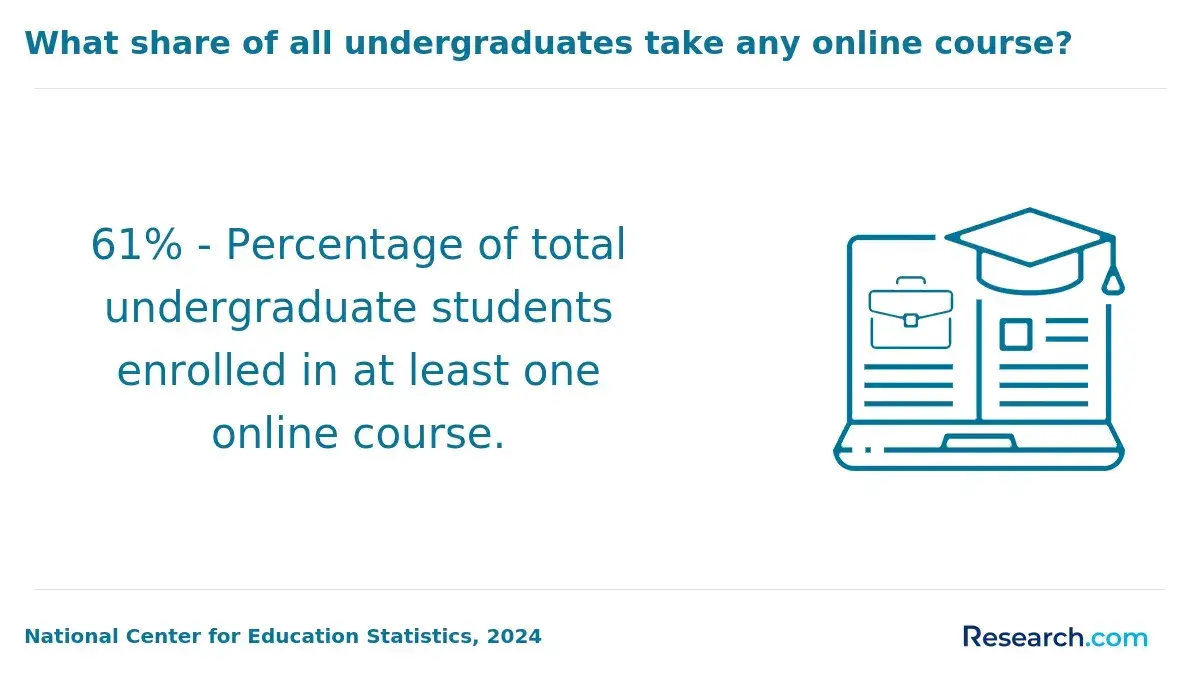
Document verification and admissions decisions typically take 4 to 8 weeks after deadline closure, leaving a narrow window for financial aid arrangements and course registration ahead of the spring semester. According to 2024 data from the National Center for Education Statistics, about 65% of computing-related master's programs have fixed spring deadlines, while the remaining 35% use rolling admission models, which further complicates applicant timing strategies.
Students balancing work or career transitions should consider these nuances carefully; late applications might provide flexibility but come with heightened risk of delayed starts or constrained class selections, especially since spring cohorts often offer fewer electives and smaller peer groups than fall intakes.
Identifying online web development master's programs with rolling admissions requires careful attention to how universities present application windows and enrollment options. Programs that offer rolling review typically highlight multiple start dates throughout the year or flexible cohort calendars on their admissions websites, often accompanied by priority deadlines rather than single cutoff dates.
For example, schools like Northeastern University and Stevens Institute of Technology list fall, spring, and summer entry points, enabling applicants to time submissions strategically. However, availability may differ by specialization within the program or depend on constraints such as practicum sequencing, accreditation mandates, or overall enrollment capacity, which can affect when and whether a student can begin.
Given that over 40% of online graduate programs in technology fields now provide rolling or multiple-start admissions, students should thoroughly examine admissions office communications and application portals to clarify whether a program's deadlines truly support flexible entry. Deciding to apply immediately versus waiting for a later term requires balancing quicker admission decisions against the risk of limited space or misalignment with internship schedules.
Prospective students must integrate these timing nuances with their personal and career plans, especially when considering programs with specialized tracks that might restrict start options. Those seeking guidance on program affordability and alignment with cybersecurity pathways can find relevant details by comparing options like a cyber security masters as part of their broader digital skillset development.
Successful enrollment in an online web development master's program hinges on synchronizing application timing with program-specific admission cycles and logistical demands. Programs with fixed fall and spring deadlines necessitate submissions several months in advance-not only to meet institutional cutoff dates but also to allow for prerequisite verifications, transcript requests, and recommendation collection, which frequently require 4 to 6 months of lead time.
In contrast, rolling admissions offer more flexibility but carry heightened risks due to limited seats that can fill quickly, often disadvantaging late applicants who may face closed classes or delayed onboarding. According to a 2024 National Association for Graduate Admissions Management report, preparing critical materials 6 to 9 months ahead optimizes both aid accessibility and registration options, an important consideration for students balancing professional or caregiving responsibilities alongside academic commitments.
Timing also directly influences financial aid processing and the ability to secure desired course loads, particularly in programs where enrollment impacts cohort progression and access to project-based learning opportunities. Applicants who underestimate the lead time for letters of recommendation or international transcript evaluations may find themselves forced into less advantageous start terms or increased administrative hurdles.
Coordinating application completion at least three months prior to deadline with concurrent financial aid submissions is essential to prevent bottlenecks in admission decisions, ensuring students can negotiate work-life-study balances without last-minute compromises. This strategic advance planning becomes vital for part-time students or those transitioning careers, whose scheduling constraints amplify the consequences of delayed submission or last-minute registration.
A part-time student juggling a full-time job and family responsibilities waited until late October to finalize transcripts and recommendations for a fall cohort admission with a November deadline. Despite completing the application before the deadline, delayed processing of her letters caused uncertainty about her acceptance until January, coinciding narrowly with spring enrollment decisions.
She reflected that starting preparations 8 months earlier would have alleviated the stress of waiting and expanded her options for course registration and financial aid, a lesson resonating with others managing complex personal and professional schedules during fall and rolling admissions cycles.
Admissions committees in online web development master's programs rely heavily on the timely submission of a comprehensive portfolio of materials to accurately assess candidate eligibility, especially within fall, spring, or rolling admissions cycles. Delays caused by pending transcripts or late recommendation letters can lead to missed deadlines, reducing enrollment options and pushing candidates into less desirable terms or waitlists.
For example, applicants often underestimate the time required for official transcripts to arrive from prior institutions, which can disrupt the document submission timeline for online web development graduate admissions and jeopardize admission consideration altogether.
Institutions typically require official transcripts demonstrating degree completion in computer science or related fields, and they rigorously verify these credentials as a baseline. While standardized tests such as the GRE are increasingly optional, other supplemental materials, like statements of purpose articulating career objectives and portfolios showcasing coding projects, remain crucial for differentiating candidates.
Applicants balancing work obligations or multiple applications must coordinate third-party submissions, such as reference letters and English proficiency scores, well in advance to prevent incomplete reviews that often result in automatic deferrals or rejections.
International students face added complexities with visa documentation and proof of English ability, further complicating their preparation timeline. Those seeking programs with flexible curricula might also explore additional options like office administration classes to supplement their technical expertise and enhance employability post-graduation. Understanding these operational demands is critical; without meticulous planning aligned with application materials required before online web development master's program deadlines, candidates risk limiting their program choices and delaying their entry into the increasingly competitive tech workforce.
Priority deadlines in online web development master's admissions serve as strategic markers for institutions to organize application reviews, financial aid distribution, and cohort planning. Applicants who meet these deadlines typically benefit from earlier access to scholarship opportunities and prioritized course registration, which can be crucial for those juggling professional or personal obligations.
For example, a working parent aiming to secure a spot in limited-capacity cohorts might find applying by the priority deadline essential to avoid enrollment delays or missing funding that often expires after this date.
Contrary to some assumptions, submitting by the priority deadline does not guarantee admission but influences when and how applications are evaluated, often allowing for a smoother onboarding process.
Data from the National Center for Education Statistics in 2024 highlights that programs with priority deadlines see up to 20% higher first-semester retention, reflecting better alignment between student readiness and program demands. Applicants applying past these dates may still be admitted-sometimes under rolling admissions-but typically face reduced access to financial aid, limited cohort choice, and less flexibility in scheduling orientation or foundational courses.
For students balancing work, family, or military commitments, prioritizing these deadlines improves enrollment predictability and resource access but requires balancing timing against the completeness and competitiveness of their application. Understanding the tradeoffs between priority and final deadlines-and the operational realities behind them-allows prospective students to strategically plan their applications to optimize both admission chances and practical readiness for program demands.
International applicants to online Web Development master's programs face complex timing challenges that directly influence their admission outcomes and enrollment readiness. For instance, fall admission deadlines, typically set months before the academic term, demand early submission to accommodate credential verification and English proficiency assessments, which can differ significantly by country, causing potential delays.
According to the National Association for College Admission Counseling 2024 report, around 65% of graduate programs emphasize early deadlines precisely to mitigate these administrative hurdles and streamline international enrollment.
Spring admission cycles, though later, compress the window for necessary document processing, increasing the risk of delayed decisions that may affect orientation or course registration. Rolling admissions offer flexibility but often require early applications from international students due to visa and credential evaluation timelines, a factor sometimes overlooked.
These deadline structures require applicants to weigh practical tradeoffs between flexibility and processing time, especially when time zone differences and institutional policies affect coordination with academic and administrative offices abroad.
Applying to an online web development master's program after the official deadline can be challenging due to cohort limits and scheduling. Programs with rolling admissions offer some flexibility, allowing late applicants to be considered until seats are filled, although earlier applicants usually have priority.
Approximately 35% of graduate programs adopted rolling admissions as of 2024, aiming to increase accessibility and diversity. Late applications may also gain entry through waitlists or deferred enrollments if admitted students withdraw or postpone their start dates.
Exceptions are occasionally made for extenuating circumstances such as military deployment or medical emergencies, but these require thorough documentation and are not guaranteed. Admission committees generally prioritize maintaining curricular cohesion, especially in sequential cohort models, which can limit late admission options.
Prospective applicants should consider if their program explicitly allows extended admissions and the potential impact on graduation timelines or scholarship eligibility. They should also assess if limited faculty or resources might affect their experience when entering mid-cycle.
For those exploring late application options for online web development master's admission, timing disrupts are a significant tradeoff. Missing deadlines often leads to diminished admission chances and may delay progress toward credential completion, which can in turn affect workforce entry or advancement.
Additionally, those considering alternative graduate pathways might explore specialized doctoral programs online no dissertation as options aligned with career goals but different application frameworks.
Application deadlines in online Web Development master's programs vary significantly due to differing institutional enrollment strategies and cohort management practices. Many programs maintain fixed deadlines aligned with traditional academic calendars, closing fall applications by late spring to ensure manageable intake and resource allocation. In contrast, rolling admissions models offer ongoing submission opportunities until capacity is reached, which can disadvantage late applicants as seats may fill rapidly.
For students comparing admission timelines for online Web Development master's degrees, these variations dictate crucial differences in how early they must prepare standardized tests, portfolios, and financial aid documentation, directly impacting the feasibility of balancing work and personal commitments during application periods.
Programs with multiple start dates or deferred enrollment options provide increased flexibility but often require early engagement with admissions to navigate waitlists or last-minute openings. Highly competitive cohorts may finalize admissions well before posted deadlines if demand exceeds capacity, forcing applicants to prioritize deadlines strategically when applying to multiple institutions.
This dynamic underscores the importance of understanding each program's specific timeline, as late applications-even when accepted-often face reduced chances for financial aid or preferred scheduling. For prospective students seeking less conventional pathways or technical prerequisites, exploring options like an easy bachelor's degree before graduate studies might offer viable preparatory alternatives within extended planning horizons.
What Do Graduates Say About Navigating Online Web Development Master's Program Application Deadlines?
- Jason: "Applying just before the deadline was a calculated risk, but prioritizing my portfolio over licenses made the most sense in the current hiring climate. Employers I talked to valued the practical projects I showcased more than formal credentials, which helped me land a role remotely much faster than expected. In hindsight, I would have allocated more time to securing internships during the program to enhance real-world experience."
- Camilo: "The application deadline pushed me to be more deliberate with timing, especially since I wanted to pivot careers without losing momentum. The flexibility of the online program allowed me to balance my job while prepping applications, but I found that without a traditional degree, some higher-paying roles remained out of reach initially. It was clear many employers favored certifications and demonstrable coding skills over licensure, so I focused on building a strong GitHub presence."
- Alexander: "Meeting the final application deadline was only part of the journey; navigating post-graduation hiring realities was tougher than expected. Many companies prioritize internships and teamwork experience, which I realized too late to fully embrace during the program. Nonetheless, the program's emphasis on current frameworks and remote collaboration prepared me well for entry-level positions, albeit with a modest starting salary that I'm now working to improve through continuous learning."
Other Things You Should Know About Web Development Degrees
Many U.S. online web development master’s programs accept TOEFL iBT scores of 80–90, IELTS scores of 6.5, or Duolingo English Test scores around 105. Some schools waive this if you earned a prior degree in English or in a country on their approved exemption list.
Applying to programs with earlier deadlines typically means entering the job market sooner, which is advantageous in tech fields like web development where timing matters. Early admission can align your graduation with peak hiring cycles, improving internship and employment prospects. However, rushing applications can compromise the quality of your submission or the fit of the program. Prioritize deadlines that balance sufficient preparation time with labor market timing rather than simply the earliest available.
Many prospective students in web development are working professionals juggling job responsibilities alongside study and application tasks. Tight deadlines compress decision-making, often forcing sacrifices in both application quality and pre-enrollment skill development. Programs with more extended or rolling deadlines help alleviate this pressure, enabling applicants to better assess program fit and prepare stronger portfolios or coding projects, which can directly affect admission success and subsequent academic performance.
Application deadlines aligned with financial aid cycles are crucial for securing scholarships, grants, or company tuition reimbursement in web development programs. Missing a deadline can mean losing access to limited funding, which may impact affordability and your ability to commit fully to the program. To optimize financial support, prioritize programs whose deadlines synchronize with your financial aid and employer reimbursement timelines, ensuring you meet all criteria to maximize funding availability.
- What You Need To Know About Scholarships For International Master’s Degrees (And Where To Ask About Them) https://edu.srtfairs.com/how-to-apply-for-a-masters-in-europe-what-to-clarify-before-you-apply/
- Best Web Development Master's Degree Programs, Jobs, and Salaries https://careerkarma.com/blog/web-development-masters-degrees/
- How to apply https://charm-eu.eu/learning/educational-offer/master-programme/how-to-apply/
- Explore the Best Web Development Degree Programs | Cyberdegrees.org https://www.cyberdegrees.org/listings/web-development/best-programs/
- Best Master's in Web Development Programs https://www.computerscience.org/degrees/masters/web-development/
- Graduate Admission Deadlines https://www.newschool.edu/admission/prospective-graduate-students/dates-deadlines/
- School of IT/Web Application Development - INTERNATIONAL EUROPEAN UNIVERSITY, POLAND | EUROPE | STUDY IN POLAND | STUDY IN EUROPE | MBBS | GENERAL MEDICINE | BUSINESS | ENGINEERING | IT | EUROPE https://ieu.com.pl/european-school-of-it-home/school-of-it-web-application-development/
- Top 10 Tips for Navigating the Graduate School Application Process https://penniedp.blog/2026/01/20/top-10-tips-for-navigating-the-graduate-school-application-process/
- How Long Does It Take to Learn Web Development in 2025? https://stemlink.online/blogs/learning-web-development-in-2025
- Master's Programs in Poland: Complete Intake Guide https://qogentglobal.com/blog/masters-programs-poland-intake-deadlines-guide