2027 Conditional Admission Web Development Master's Programs

Co-Founder and Chief Data Scientist
Conditional admission in web development master's programs addresses specific admissions uncertainties, such as limited professional experience, incomplete prerequisites, or uneven academic records. Institutions use these pathways to balance academic standards with nuanced applicant profiles. Typically, conditional admission involves post-enrollment requirements like remedial coursework or performance benchmarks.
Recent data from the National Center for Education Statistics in 2024 notes a rise in graduate applicants lacking uniform prior training, prompting more institutions to formalize conditional offers. This article analyzes program conditions, eligibility nuances, and institutional expectations, emphasizing real-world outcomes and career implications rather than promotional overviews or simplistic access narratives.
Key Benefits of Conditional Admission Web Development Master's Programs
- Conditional admission often requires meeting specific academic benchmarks mid-program, which can delay degree completion if not met; this tradeoff necessitates careful planning for balancing work and study demands.
- Employers increasingly recognize conditional admission graduates as adaptable learners, yet some remain cautious about initial preparedness, highlighting the importance of demonstrable project competencies to improve workforce integration.
- By lowering upfront entry barriers, these programs expand access for nontraditional candidates, though the extended timeline and potential additional coursework can increase total educational investment and opportunity cost.
What Is Conditional Admission in a Web Development Master's Program?
Conditional admission in a web development master's program acts as a structured entry pathway for applicants who do not yet fulfill all standard prerequisites or academic criteria at application time. Instead of outright denial, students receive provisional acceptance contingent upon completion of specific requirements such as prerequisite coursework, language proficiency, or foundational technical skills.
This approach integrates bridging measures designed to align student capabilities with program expectations before granting full academic standing. Often, conditional admission accommodates gaps that reflect less traditional backgrounds or emerging competencies without sacrificing initial enrollment opportunities.
Institutions implement conditional admission requirements for web development graduate programs as a strategic mechanism to uphold academic quality while broadening access to promising candidates who might otherwise be excluded. This framework balances inclusivity with rigor, ensuring that students demonstrate capacity to meet core standards within defined probationary periods, thus protecting the integrity of the program and outcomes for all enrollees.
Such policies respond to evolving workforce needs without diluting credential value, as reflected in a 2024 National Center for Education Statistics report noting that about 12% of master's entrants in STEM fields pursue conditional pathways. Prospective students should recognize the implications for academic planning and progression, factoring these provisional terms into their readiness and long-term educational strategies, especially when compared with the streamlined admissions of easiest EDD programs.
Who Qualifies for Conditional Admission to a Web Development Master's Program?
Conditional admission functions as an evaluative bridge rather than a simple acceptance or rejection. Universities use this pathway to identify candidates who demonstrate the potential to succeed in master's-level web development coursework but currently lack some foundational academic or technical qualifications. These programs impose performance benchmarks during an initial probationary phase, ensuring students gain essential competencies before fully matriculating.
- Applicants With Non-Related Academic Backgrounds: Candidates whose undergraduate degrees are outside computer science or related fields often lack the programming and software engineering fundamentals expected at the graduate level. Conditional admission allows institutions to gauge their capacity to acquire these skills through prerequisite or remedial coursework.
- Students With Slightly Below-Standard GPAs: Applicants marginally under a program's minimum GPA threshold may receive conditional offers if other aspects of their profile suggest promise. This approach recognizes that standardized metrics do not always capture the full potential for mastering complex technical subjects.
- International Students Facing Credential or Language Gaps: Variations in grading systems and language proficiency can obscure an applicant's readiness. Conditional admissions for these students often include mandated language support or academic integration courses to align their preparation with domestic program expectations.
- Candidates Transitioning From Adjacent Fields: Professionals moving from related disciplines such as information systems or digital design may require strengthening in core programming or algorithmic thinking. Conditional status enables tailored upfront training to bridge these specific academic shortfalls.
- Those Lacking Formal Technical Training but Demonstrating Practical Experience: Some prospective students possess hands-on web development skills but lack formal education credentials. Conditional admission balances recognition of experience with ensuring academic rigor through structured evaluation during initial enrollment.
A 2024 national report on graduate admissions highlighted that approximately 15% of STEM-related master's entrants begin under conditional status, underscoring how common this gateway is within evolving technical education pathways and hiring demands.
One web development master's graduate recounted the uncertainty of waiting during rolling admissions: although initially encouraged to apply conditionally due to a misaligned undergraduate focus, they hesitated to commit without clarity on prerequisite requirements and funding options. Ultimately, enrolling conditionally after careful planning delayed their program start by a semester but allowed time to acquire critical coding fundamentals, proving essential once full admission was granted.
Why Are Students Placed on Conditional Admission?
Conditional admission in Web Development master's programs arises when admissions committees recognize candidates who demonstrate potential but do not fully meet established entry requirements, such as minimum GPA levels, completion of prerequisite coursework, or language proficiency standards. This nuanced evaluation allows institutions to gauge academic readiness beyond rigid metrics, acknowledging that some applicants may lack foundational skills or formal backgrounds yet possess indicators of future success.
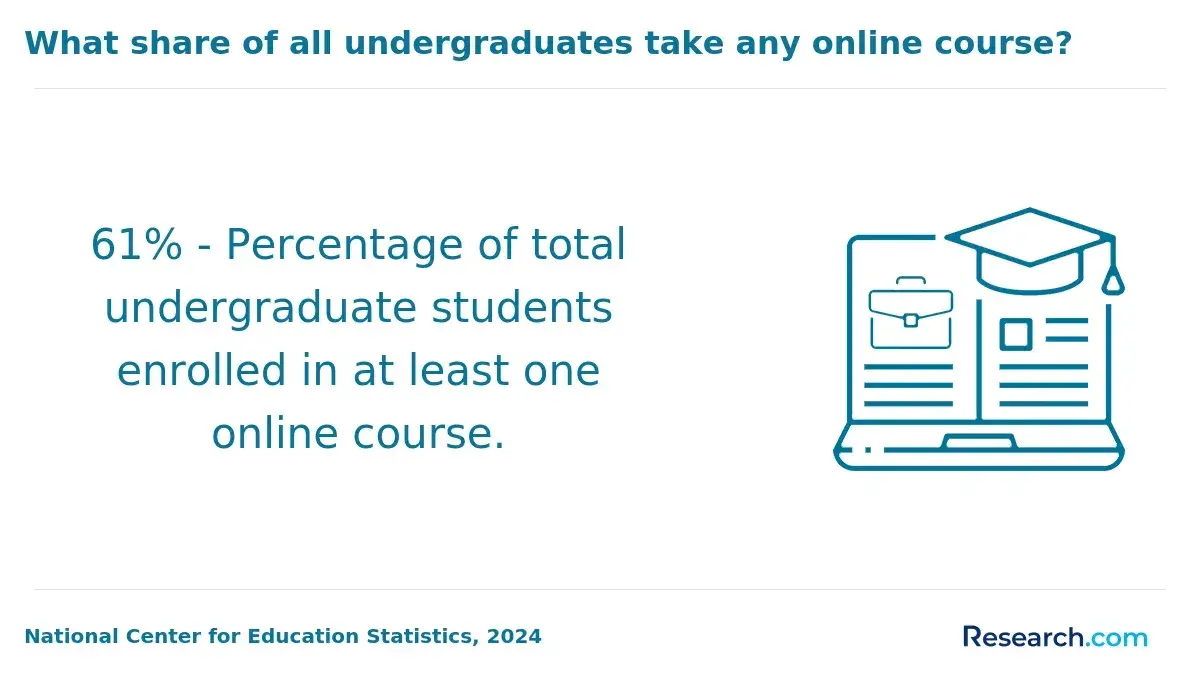
According to 2024 data from the National Center for Education Statistics, about 15% of applicants to technology-focused master's programs receive conditional offers, reflecting a sizeable subset of candidates requiring additional preparation before full enrollment.
Universities implement conditional admission as a strategic balance between broadening access and preserving program quality in Web Development education. This approach fosters greater diversity and accommodates non-traditional learners or career changers by providing provisional entry contingent on meeting targeted benchmarks like remedial coursework or skill demonstrations. It allows institutions to uphold academic rigor without outright exclusion, thereby managing enrollment flexibility while ensuring students referred to conditional status are positioned for eventual success rather than immediate dismissal.
Functionally, conditional admission acts as a diagnostic tool and support framework, enabling academic programs to identify specific readiness gaps early and direct students toward tailored interventions. By structuring clear performance criteria within this provisional period, programs can monitor progress and allocate resources such as tutoring or bridge courses to close competency gaps.
This system not only safeguards degree standards but also clarifies expectations and consequences, signaling to students the level of commitment and achievement required to transition into full standing within the Web Development master's curriculum.
Conditional admission requirements in web development master's programs function as deliberate benchmarks rather than arbitrary hurdles. Institutions impose these conditions to ensure candidates can bridge essential skill gaps before fully integrating into the graduate curriculum. Rather than merely procedural tasks, these requirements serve as early indicators of academic readiness, setting performance expectations aligned with graduate-level standards.
Meeting these conditions is critical for students admitted under conditional pathways, as failure to comply often results in dismissal or denial of full program status. For prospective students considering academic requirements for conditional admission in web development graduate programs, understanding these obligations clarifies both the demands and the rationale behind them.
- Completion of Prerequisite Coursework: Many programs require students to finish specific undergraduate-level classes in programming, databases, or software engineering. This step fills foundational knowledge gaps essential for succeeding in advanced web development topics, helping to level the academic playing field with peers who already meet baseline competencies.
- Maintaining a Minimum Grade Point Average: A GPA threshold, commonly around 3.0, exemplifies sustained academic performance and mastery during the conditional period. This metric acts as a checkpoint demonstrating the student's ability to handle graduate coursework rigor and signals commitment to academic improvement.
- Submission of Official Documentation: Timely delivery of transcripts, standardized test results, or documented professional experience ensures administrative compliance and confirms the authenticity of academic or experiential credentials. This safeguards program quality by validating a candidate's background.
- Participation in Orientation or Skill Assessments: Workshops or orientation sessions assess readiness and provide targeted support. These activities identify specific skill deficiencies early, enabling institutions to tailor interventions that increase the likelihood of student success in web development master's programs.
- Adherence to Deadlines: Strict deadlines for fulfilling the above requirements underscore the importance of time management and accountability. They ensure students progress without undue delay, minimizing extended time-to-degree impacts that can affect employment trajectories.
According to recent data from the National Center for Education Statistics, programs with structured conditional pathways see notably improved retention rates, highlighting how these conditions function not as barriers but as scaffolding to maintain academic standards. Students evaluating conditional admission pathways should recognize that beyond gaining program access, satisfying these requirements supports their longer-term employability, especially as employers increasingly emphasize verified coding proficiency and applied project experience. For individuals not initially meeting admissions criteria, conditional admission can represent a critical bridge to develop competencies aligned with workforce expectations.
For those navigating conditional routes, exploring credentials such as the EDD program framework may offer additional insights on managing academic progression and meeting institutional benchmarks effectively.
Many online web development master's programs do provide conditional admission options, though the exact frameworks differ based on institutional priorities, accreditation demands, and curricular rigor. Conditional pathways typically require applicants to demonstrate readiness through targeted prerequisites, minimum academic performance, or competency milestones before full enrollment.
Although not universally offered, such provisions have become more prevalent as schools respond to a more diverse applicant pool lacking conventional qualifications. A 2024 report from the National Center for Education Statistics highlights that about 12% of online graduate programs in STEM fields incorporate conditional admissions, reflecting cautious but growing integration aligned with quality assurance.
Online program designs inherently support conditional admission by enabling flexible pacing, modular coursework, and remote academic support systems that can bridge skill gaps without halting progression into graduate studies. This format allows institutions to enforce preparatory requirements like foundational coding modules or technical assessments that safeguard curriculum integrity while expanding entry opportunities.
The use of online assessments and progress tracking further helps maintain consistent academic standards despite varied student backgrounds. Overall, conditional admission in virtual settings balances widening access with the imperative of ensuring candidates possess essential competencies for success in demanding web development master's curricula.
A graduate recalled waiting anxiously during a rolling admissions cycle, initially unsure if conditional acceptance was an option given incomplete prerequisites. Upon contacting admissions, they learned conditional entry required completing a short preparatory coding course within a defined timeline.
Navigating that period involved juggling part-time work and rapid upskilling to meet the conditions, which added pressure but ultimately secured their place. This experience underscored the importance of early communication with admissions and assessing one's readiness to commit to the preparatory demands that conditional admission entails, especially in an online context where self-direction is critical.
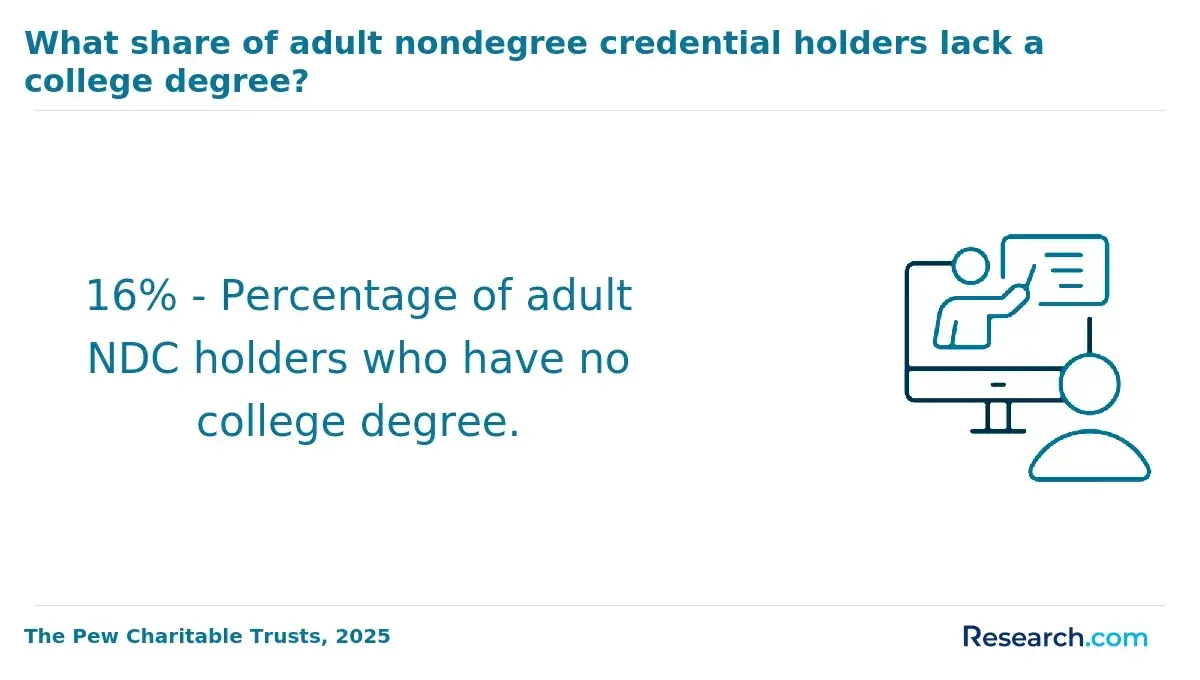
Resources designed to support conditionally admitted students are often integral components of the admission framework rather than optional additions. These targeted interventions function as deliberate mechanisms to help students overcome gaps in prior preparation, ensuring they meet the academic benchmarks required for success in a web development master's program. Approaching these resources as essential parts of the academic pathway emphasizes their role in improving retention and smoothing progression into full graduate standing, rather than merely providing reactive help for struggling students. Effective academic support for conditional admission in web development master's programs thus aligns institutional expectations with student readiness, creating structured routes for skill-building and performance improvement.
Typical support includes specialized foundational coursework that addresses technical weaknesses, such as programming languages or algorithmic thinking, which often represent core challenges for conditionally admitted students. Academic advising and tutoring services provide personalized monitoring and timely interventions, helping students stay on track with conditional admission requirements. Mentoring relationships offer ongoing guidance from faculty or advanced peers, contributing to the development of professional competencies alongside academic skills.
These supports collectively target the specific readiness gaps that conditional admission seeks to remediate, which is critical given evidence that structured tutoring can improve course completion rates by around 20%. Incorporating resources focused on managing workload, institutional navigation, and communication skills further complements the academic interventions by preparing students for the complex demands of graduate education and future employment.
The broader institutional rationale for these support systems includes improving overall program retention, promoting equity of access for students with diverse educational backgrounds, and ensuring consistent academic outcomes. By embedding these resources within conditional admission contracts, programs provide a scaffolded environment that balances academic rigor with realistic pathways for student success. This approach acknowledges the variegated entry points of students while maintaining performance standards expected by employers and graduate education benchmarks.
Prospective students should carefully evaluate the time, effort, and realistic expectations involved in accessing such resources, including career preparation components shown to increase employability outcomes, such as a 15% higher employment rate within six months reported by a major educational research organization. For those considering alternative routes to advanced credentials, examining the specific resource designs and their alignment with measurable academic and professional outcomes is essential. Additionally, prospective enrollees might explore related pathways like online PsyD programs for comparative insight on conditional admissions support structures.
Conditional admission in a master's program for web development typically elongates graduation timelines by mandating additional academic preparation before or alongside core program requirements. Students often face prerequisite courses or competency assessments aimed at bridging gaps in foundational knowledge, which naturally extends the overall duration of study. This preparatory phase interrupts the straightforward progression through graduate-level content, redistributing workload and demanding careful academic pacing to meet both remedial and advanced expectations.
Data from the National Center for Education Statistics in 2024 shows that such students frequently experience a delay of six to twelve months beyond the timeframe of fully qualified peers, reflecting the tangible impact of these added requirements.
Variability in how conditional admission affects completion times arises from differences in program structure and institutional policies. Some master's programs embed prerequisite coursework within the graduate curriculum, allowing concurrent enrollment that may shorten delays but increase student workload intensity. Others require these remedial courses be completed prior to full acceptance, pushing back formal matriculation and lengthening overall degree time.
The student's background and capacity to juggle preparatory studies with other commitments further influence progress, while part-time or accelerated pathways can modulate timeline impacts by offering greater scheduling flexibility or heightened demands. Consequently, the timeline extension tied to conditional admission is not uniform but shaped by a complex interaction of program design and individual circumstances.
Extended program duration owing to conditional admission carries broader implications for financial planning, workload management, and labor market entry timing. Longer study periods often mean higher cumulative educational costs and postponed eligibility for advanced roles that leverage a master's credential.
Students must balance the benefit of strengthened foundational skills with the practical realities of delayed career advancement and potential academic risk if remediation is not completed expediently. Recognizing these tradeoffs is critical for prospective students to align academic progression strategies with professional goals and personal resources, ensuring that conditional admission pathways serve as viable alternatives rather than unexpected obstacles in their web development careers.
Conditional admission in a web development master's program typically does not involve explicit additional tuition fees labeled as such; rather, cost differences arise from the program's academic structure. Many institutions require conditionally admitted students to complete prerequisite or foundational courses before moving fully into the graduate curriculum, which can increase total credit requirements. These extra credits or bridge courses often extend the program duration, thereby raising overall tuition expenses indirectly. The variation in how schools bundle or separate these preparatory courses means total costs for conditional students are highly context-dependent and not universally standardized.
Data from 2024 indicate baseline tuition for standard web development master's programs generally ranges from $15,000 to $40,000 for the full degree, depending on the institution and residency status, according to sources like the U.S. Department of Education College Scorecard and EducationData. Programs that require additional conditional coursework can push total tuition beyond this range due to extended enrollment periods and extra credit hours. Tuition per credit hour often remains consistent, but the accumulation of prerequisite credits lengthens the time and financial commitment required for conditional students compared to those admitted directly.
Indirect costs also influence the financial calculus for conditional admissions, including delayed workforce entry and potential lost income during extended study periods. Evaluating these programs requires considering total cost of attendance rather than isolated per-credit tuition, as additional semesters add living expenses and opportunity costs. Prospective students must weigh whether the foundational preparation offered justifies the extended timeframe and financial outlay, factoring in how this impacts long-term employability and salary prospects once graduated.
Conditional admission generally does not appear on transcripts or diplomas, meaning it rarely factors directly into how employers evaluate candidates in web development fields. Hiring managers focus primarily on completed degree credentials, technical competencies, and demonstrated project outcomes rather than the applicant's entry status. This aligns with findings from the Georgetown University Center on Education and the Workforce, which reported that 87% of employers prioritize relevant skills and work experience above admission history. Therefore, conditional admission's impact on long-term job prospects after conditional admission to web development master's programs is minimal insofar as labor market signaling is concerned.
Indirectly, the additional coursework or academic requirements tied to conditional admission can influence skill development and professional readiness. While these prerequisites may extend program duration or increase academic pressure, they also provide opportunities to solidify foundational knowledge before advancing to more complex material. However, hiring outcomes tend to be shaped more significantly by portfolio quality, internships, certifications, and hands-on experience than by academic admission pathways.
Prospective students should weigh these tradeoffs carefully, as strategic focus on experiential learning often outweighs the implications of conditional admission on career advancement. For those comparing educational pathways, resources such as the cheapest online photography degree listings illustrate how cost-effective alternatives with strong experiential components can support employment goals within competitive tech fields.
Determining the value of a conditional admission offer for a Web Development master's program requires a deep understanding of both immediate academic responsibilities and their long-term impact on degree completion. Conditional admission rarely represents a simple acceptance; it defines a structured set of expectations, often including prerequisites or performance benchmarks that must be met promptly.
Students engaged in evaluating conditional admission benefits for web development master's programs need to consider how these requirements affect momentum toward mastery and credentialing, especially given the strong labor market projections. The U.S. Bureau of Labor Statistics (2024) highlights a 15% employment growth in software and web development fields over the next decade, underscoring the importance of timely and effective program completion.
Key evaluation factors include the nature and volume of prerequisite work demanded, the potential extension of the program timeline, and added financial burdens these conditions may impose. Access to institutional support such as tutoring, advising, or language proficiency resources can significantly influence a student's ability to meet these conditions without derailing progress.
Critically, students must weigh these factors alongside alternative options, such as reapplying after strengthening their academic profile or pursuing different programs or credentials, including potentially more efficient paths like certain vocational or non-degree training. Comparing these pathways within a framework of opportunity cost and realistic success probability ensures that acceptance of a conditional offer is a deliberate, strategic choice rather than a default.
Long-term career outcomes are equally important in this calculus. Students should assess whether conditional admission truly leads to equivalent professional opportunities and skill development compared to direct admission routes. Alignment with long-term professional ambitions must drive the decision, not short-term acceptance pressures.
This approach helps maintain a clear focus on credentials' relevance and employability in a competitive technology sector. For students with intersecting interests or commitments, examining related fields such as those detailed in military friendly online electrical engineering degree programs can also be informative when comparing career impacts of conditional admission in web development programs.
What Graduates Say About Conditional Admission Web Development Master's Programs
- Jason: "After completing the conditional admission Web development master's program, I quickly realized that employers were more focused on real-world experience than just the degree itself. I prioritized internships and building a strong portfolio, which opened doors to junior developer roles despite stiff competition. While licensure wasn't a barrier in my area, I found advancement often required ongoing certifications or specialized skills beyond the master's."
- Camilo: "I appreciated the program's flexibility, which allowed me to start working remotely sooner than I expected. The conditional admission pathway meant I had to prove my skills early, and that hands-on approach prepared me for the practical challenges hiring managers look for. However, I noticed that salary growth can plateau without further credentials, so I plan to pursue additional certifications in emerging frameworks."
- Alexander: "The toughest part after graduation was navigating a tech job market that heavily weighs portfolios and specific project experience over formal qualifications. Even with a master's degree from the conditional admission track, I found myself pivoting toward freelance projects to build a demonstrable track record. This experience-driven approach eventually led to a full-time role, but it required patience and strategic career decisions."
Other Things You Should Know About Web Development Degrees
Programs with conditional admission often require students to complete prerequisite or remedial courses alongside core curriculum, which can increase overall workload and demand more disciplined time management. This concurrent burden means students may face tighter deadlines and less flexibility in pacing than fully admitted peers. Prospective students should assess their readiness for an accelerated or doubled course load and consider whether balancing foundational skill-building with advanced topics may impact their academic performance and stress levels.
Conditional admission programs in 2027 often adapt their curriculum swiftly to meet industry needs, ensuring students acquire relevant skills. Employers perceive these programs positively if they are responsive to technological advancements and industry standards, placing less emphasis on the conditional nature of admission itself.
Yes. Many 2027 conditional admission master’s programs let students enroll in 1–2 graduate web development courses while completing English requirements, such as an IELTS 6.5 or TOEFL iBT 80. Full standing is usually granted only after the language condition is cleared within the first term or two.
Conditional admission often means students must spend time consolidating fundamental skills before engaging deeply with new technologies, which can delay exposure to cutting-edge frameworks or practices. This lag may affect students' competitiveness in a fast-moving labor market if their program doesn't provide intensive, up-to-date training once conditions are met. Students should evaluate whether programs have mechanisms to accelerate access to advanced material post-conditional phase or risk falling behind peers who enter without such constraints.
- Information Technology (M.Sc.) - Front-end Development and Usability | mdh University of Applied Sciences https://www.mediadesign.de/en/master/information-technology-msc-front-end-development-and-usability
- General information on the admission procedure for the Master's study program https://www.uni-stuttgart.de/en/study/application/master/admission-information/
- Administrative Support | Showcase Online Toolkit https://joint-edu-offerings.unite-university.eu/administrative-support
- What Is Conditional Admission? How Does It Work? https://blog.prepscholar.com/what-is-conditional-admission
- Admission process 2025/2026 - Warsaw School of Computer Science https://wscs.eu/candidates/admission-process/
- Master of Computer Science https://catalogue.uottawa.ca/en/graduate/master-computer-science/
- What is conditional admission to bachelor programmes? https://ju.se/en/study-at-ju/application-and-admission/faq-/application-and-admission/2023-12-18-what-is-conditional-admission-to-bachelor-programmes.html
- Why should you pursue master's degree in computer science | UNF https://www.unfc.ca/blog/why-pursue-masters-degree-in-computer-science
- Conditional Acceptance - Meeting Conditions https://www.wittenborg.eu/conditional-acceptance-meeting-conditions.htm