2027 Online Education Degree Programs for Veterans: GI Bill Benefits, Costs & Top Considerations

Co-Founder and Chief Data Scientist
Many veterans face uncertainty about how to effectively use their GI Bill benefits when enrolling in online education degree programs. Despite the option for flexible learning, 40% of veterans initiating online education report challenges in understanding tuition coverage and housing allowance eligibility. This confusion can result in unused benefits or unexpected out-of-pocket expenses, complicating their transition from military service to civilian careers. Post-graduation employment rates for veterans completing online education programs have shown positive trends but remain uneven across institutions.
This article clarifies GI Bill applications to tuition and living expenses, evaluates costs, and outlines key considerations to maximize value in online education programs for veterans.
Key Benefits of Online Education Degree Programs for Veterans
- The GI Bill covers tuition and fees for many online education programs, allowing veterans to access quality degrees without upfront costs or financial burden.
- Online education degrees offer flexibility, enabling veterans to balance studies with work or family while transitioning from military to civilian life.
- Career support services tailored for military-connected students improve employment outcomes, with 65% of veteran graduates securing jobs within six months post-completion.
Who Qualifies as a Veteran for Online Education Degree Programs?
Access to GI Bill benefits can significantly reduce the cost of tuition and housing allowances for veterans pursuing online education degrees. Nearly 1.8 million veterans have been enrolled in postsecondary education programs, underscoring the critical need to understand eligibility requirements. The following eligibility categories are commonly used to determine who qualifies as a veteran for GI Bill benefits in online Education degree programs.
- Service Status: Veterans who served on active duty typically qualify, along with some active-duty service members seeking to upgrade their skills through online Education.
- Discharge Status: Only veterans with honorable or general discharges are usually eligible for GI Bill benefits; those with dishonorable discharges are generally excluded.
- Reservists and National Guard Members: Eligibility may extend to reservists and National Guard members who have completed required active duty or training, especially if activated under Title 10 orders.
- Dependent Benefits: Surviving spouses and dependents can qualify under programs such as the Fry Scholarship or transferred benefits, enabling them to enroll in online Education degree programs.
Veterans eligible for GI Bill benefits to pursue online education degrees can maximize their funding and support by knowing these criteria. Those interested in doctorate-level options might explore specific edd programs designed for fast track completion.
Do Online Education Degree Programs Accept Military Training for College Credit?
Transfer and prior learning credit can significantly shorten the time and cost for veterans and service members pursuing online education degrees. Nearly 70% of colleges grant credit for documented military training, making these opportunities essential for maximizing GI Bill benefits and accelerating degree completion.
Common evaluation methods include:
- Joint Services Transcripts (JST): These official transcripts list completed military courses and training, providing schools with standardized documentation to evaluate transferable credits.
- ACE Credit Recommendations: The American Council on Education (ACE) evaluates military training programs and issues credit recommendations which many institutions recognize for credit transfer.
- Competency-Based Assessments: Some programs allow students to demonstrate mastery through exams or projects, granting credit for skills already acquired in military service.
- Policy Limits: To maintain academic standards, most institutions cap the total amount of military credit that can be applied toward a degree, so veterans should review these limits carefully.
Veterans interested in online education degrees should also consider accredited programs designed to value military experience, such as an accelerated psychology degree, which may further enhance the benefit of credit transfer and allow faster degree completion tailored to prior learning.
How Do Online Education Degree Programs Work for Veterans?
Online education degree programs provide flexible structures that help veterans balance their studies with work, family, or military responsibilities. Below are key features that make these programs well-suited to their unique needs.
- Flexible Delivery: Courses are often asynchronous, allowing veterans to access materials and lectures whenever their schedule permits, which supports learning around other commitments.
- Self-Paced Options: Many programs offer accelerated or self-paced tracks so veterans can progress according to their personal circumstances without feeling rushed or held back.
- Comprehensive Support: Dedicated advisors, virtual tutoring, and veteran-focused resource centers provide ongoing academic guidance and help address administrative questions efficiently.
- GI Bill Utilization: Veterans can apply their tuition benefits directly to online classes, while the housing allowance adjusts based on either the college's location or their own residence when fully remote.
- Veteran-Specific Resources: Enrollment counselors knowledgeable about military benefits and online veteran communities foster a supportive academic environment tailored to military learners.
When asked about his experience, a veteran enrolled in an online education degree program shared, "Balancing family, work, and studies was overwhelming at first. Navigating GI Bill paperwork was confusing, but the advisors made it manageable. Having access to courses anytime really helped, especially during deployments and unpredictable shifts. The sense of connection with other vets online eased the isolation, making the whole process feel more attainable." This firsthand perspective highlights how these programs adapt to the realities veterans face while pursuing their degrees remotely.
Accreditation plays a vital role for veterans pursuing online education degree programs, especially when using GI Bill benefits. The Department of Veterans Affairs (VA) only authorizes these benefits for programs offered by accredited institutions, ensuring that the education provided meets recognized quality standards. There are two key types of accreditation: institutional, which validates the overall school, and programmatic, which focuses on specific degree programs such as education. Both are important for veterans because they impact the ability to transfer credits, meet state licensure requirements, and achieve employer recognition.
As of 2023, roughly 90% of GI Bill benefits are utilized at VA-approved, accredited schools, highlighting how crucial accreditation is for accessing funding and future career opportunities. Without proper accreditation, veterans risk attending programs that may not offer financial aid eligibility or have limited professional value. Checking the VA's approved program list and confirming both institutional and programmatic accreditation can help veterans protect their benefits and improve long-term employment outcomes.
Veterans comparing online education degree programs need to understand the total cost to maximize their GI Bill benefits effectively. The average annual tuition and fees for veterans at public institutions is about $7,500, making a thorough review of all expenses essential. Below are key cost factors veterans should consider.
- Tuition Per Credit: Tuition rates for online programs generally range from $200 to $600 per credit hour. This variation affects total program costs and must be matched against the GI Bill coverage for online education expenses to minimize out-of-pocket payments.
- Total Program Cost: Completing a bachelor's degree online often exceeds $20,000, depending on the credits required and the institution's tuition rates. Veterans should calculate total costs while factoring in their GI Bill benefits.
- Mandatory Fees: Fees such as technology, activity, and registration costs can add several hundred dollars annually to your expenses. These fees may not always be fully reimbursed, so it's important to include them in budgeting.
- Housing Allowance: Veterans using the Post-9/11 GI Bill for online programs generally do not receive a housing allowance, which can impact affordability since housing is a large education expense.
- Out-of-Pocket Expenses: If a school's tuition exceeds the GI Bill's covered amount or if fees are not fully reimbursed, veterans will face additional costs. Reviewing individual program policies is crucial for realistic financial planning.
Exploring options like executive mba programs online may offer alternative pathways with different cost structures that fit your benefit use and career goals.
Veterans exploring online education degree programs benefit from knowing how GI Bill provisions apply, especially since nearly 1 million veterans have utilized these benefits for higher education. This overview highlights key aspects of Post-9/11 GI Bill support relevant to online learners.
- Post-9/11 GI Bill Coverage: This benefit pays tuition and fees directly to approved institutions, removing the need for veterans to cover upfront costs when enrolling in qualifying online courses.
- Tuition and Fees: Eligible online programs must be offered by institutions approved for GI Bill use, ensuring veterans receive the financial support required for their coursework expenses.
- Housing Allowance: Monthly housing stipends are typically lower for online students, often calculated at half the national average or sometimes not provided, reflecting fewer living expenses compared to campus attendance.
- Book and Supply Stipend: Veterans may receive up to $1,000 annually to help cover the costs of textbooks and educational materials needed for their online studies.
- Eligibility Requirements: Benefits availability depends on meeting service duration and discharge status criteria, with the program designed to support veterans pursuing approved educational pathways.
When I spoke with a veteran who completed an online education degree program using her GI Bill benefits, she reflected on the unexpected challenges beyond finances. "Navigating the housing allowance was confusing since I wasn't living near campus," she explained. "I had to budget carefully, especially for internet and other tech needs critical for online classes."
She appreciated how covering tuition upfront wasn't an obstacle but stressed that understanding the full scope of benefits beforehand helped her avoid surprises. "Looking back, the support made a huge difference, but it was the planning and persistence that really helped me succeed." Her experience highlights the importance of not just knowing what benefits are available but also how to align them with one's unique situation in online education.
Veterans pursuing online education degrees benefit greatly from tailored support services that address their distinct challenges, improving retention and success. Research shows veterans who engage with these resources have a 20% higher retention rate compared to those who do not. The following key services are typically available to support their academic journey:
- Academic Advising: Personalized guidance helps veterans align their course selections and degree plans with both their educational goals and military background, ensuring smoother progress through their programs.
- Benefits Counseling: Experts assist veterans in navigating the complexities of GI Bill benefits, clarifying how tuition coverage and housing allowances apply to their specific situations to maximize financial aid.
- Mental Health Resources: Online counseling and support groups address the unique mental health needs of veterans adjusting to civilian education environments, providing accessible emotional and psychological support.
- Career Services: These include job placement support, resume development, and interview preparation designed to help veterans translate military skills into competitive civilian careers.
- Peer Support Networks: Connecting veterans with fellow service members fosters community and shared understanding, which is especially valuable in remote learning settings.
For veterans planning their online education degree, understanding the typical duration is essential for balancing coursework with work, family, or military responsibilities. This knowledge also helps ensure they make the most of their GI Bill benefits while aligning program length with personal commitments. Key factors influencing completion time include the following:
- Enrollment Status: Full-time students often complete programs faster, usually within two to four years, whereas part-time enrollment extends the timeline but offers greater flexibility for those managing other obligations.
- Credit Transfer: Veterans can shorten their path by transferring college credits earned previously, which reduces the amount of required coursework and accelerates degree completion.
- Military Training Credits: Many institutions recognize prior military training and experience, granting credit that further shortens the necessary study period for veterans.
- Scheduling Flexibility: Online programs commonly feature asynchronous classes, allowing veteran students to fit studies around active-duty schedules, work, or family time without sacrificing progress.
- Program Length Variations: The duration depends on degree type; associate degrees generally take about two years, bachelor's degrees approximately four years, and master's programs one to two years post-bachelor's.
Veterans seeking the veteran accelerated education degree programs duration should carefully consider these factors along with their GI Bill timelines to optimize benefit usage. Exploring options such as the cheapest online college bachelor degree programs can also impact the total cost-effectiveness of education since GI Bill benefits typically cover tuition and may include housing allowances when appropriately planned. Balancing these elements helps veterans efficiently complete an online education degree without overwhelming competing responsibilities.
Understanding potential career paths helps veterans align their online education degree options with long-term goals. Employment for education administrators is projected to grow 8% from 2022 to 2032, faster than the average for all occupations. Below are common roles veterans may pursue.
- Instructional Coordinator: Veterans can leverage their leadership and organizational skills to develop and oversee instructional materials and teaching standards, often working within K-12 schools, higher education, or government agencies.
- Education Administrator: This role involves managing school operations and staff, where veterans' discipline and management experience translate well. The demand for these positions is expected to increase significantly, reflecting stable employment prospects.
- Curriculum Developer: Designing and improving educational programs aligns with veterans' analytical skills and attention to detail. These positions exist across public schools, nonprofits, and educational nonprofits dedicated to community enrichment.
- Special Education Teacher: Veterans interested in direct teaching may specialize in special education, fulfilling vital community needs while benefiting from federal support such as the GI Bill to cover tuition and housing allowances in online programs.
Veterans teaching jobs with GI Bill benefits provide a cost-effective path to stable, meaningful employment that impacts communities positively. Exploring certificate programs online can also enhance credentials and open additional career doors without extensive time commitments. For more information on affordable options, veterans may consider looking into certificate programs online that offer competitive pay and flexibility.
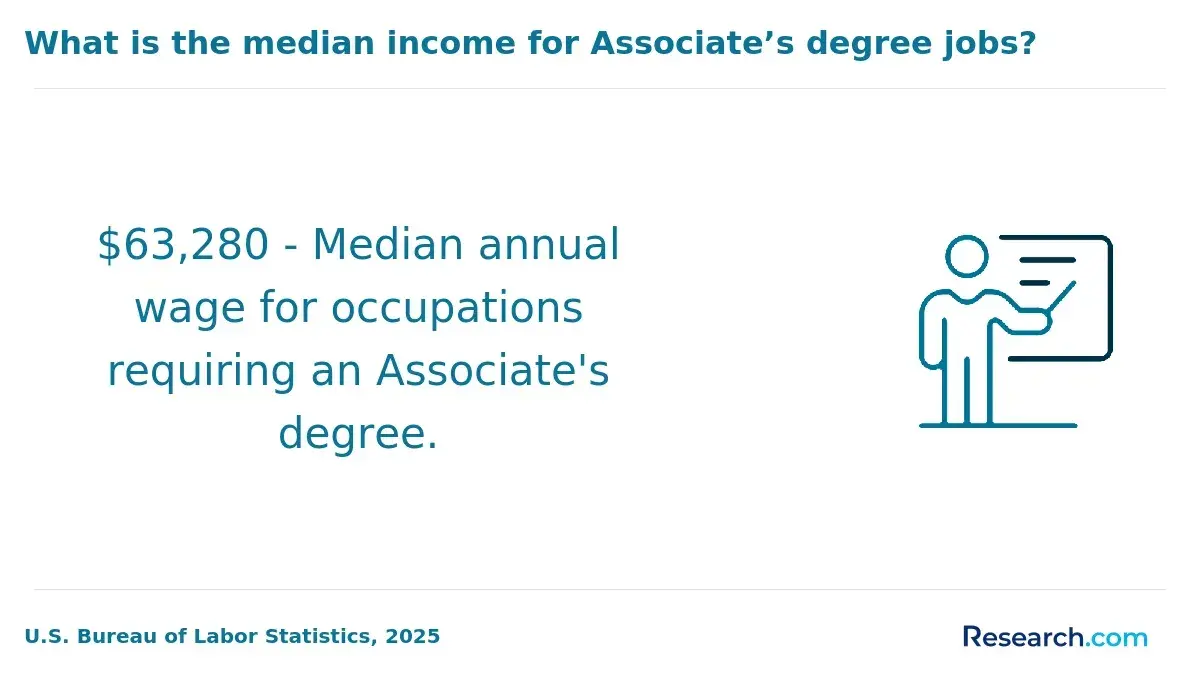
Evaluating potential salaries after earning an online education degree is key for veterans assessing the value of their programs and GI Bill benefits. The U.S. Bureau of Labor Statistics reports that the median annual wage for education degree holders is around $61,000, though actual earnings vary significantly. Several factors shape these outcomes, including:
- Industry Segment: Salaries differ based on whether veterans work in K-12 schools, higher education institutions, or corporate training environments, each offering distinct pay scales and advancement opportunities.
- Job Role: Positions range widely from classroom teaching to administrative or counseling roles, with varying responsibilities and corresponding compensation.
- Geographic Location: Veterans in urban areas or certain states typically find higher wages, reflecting cost of living and regional demand.
- Experience Level: Professional tenure and additional certifications influence income potential, rewarding veterans who continue to develop their expertise.
- Military Skills: Leadership, discipline, and management abilities gained in service often translate into enhanced earning power and faster career progression.
These elements collectively determine the salary range veterans can expect after completing an online education degree, highlighting the importance of aligning educational choices with personal and career objectives to maximize long-term benefits.
What Graduates Say About Their Online Education Degree for Veterans
- Taylor: "I chose to pursue an online education degree because the flexibility fit perfectly with my military schedule. Transitioning to civilian life was challenging, but the program's practical approach and accessible resources made it more manageable. Completing the degree has opened many doors in my teaching career, far exceeding my expectations on what I thought was possible. "
- Rome: "Reflecting on my choice to enroll in an online education degree, I realize it was a pivotal step in redefining my post-service identity. The support network and cost-effective tuition-averaging around $20,000-allowed me to focus on learning while smoothing my civilian transition. Now, as an education professional, I feel equipped and confident to make an impact in my community. "
- Bennett: "Pursuing an online education degree was a strategic move to leverage my military experience into a civilian career. The convenience helped me balance family life and studies while the curriculum strengthened my leadership skills. Graduating has not only enhanced my professional credibility but also made me a role model for other veterans considering education as a pathway."
Other Things You Should Know About Education Degrees
Veterans can transfer military education credits to online degree programs by submitting their Joint Services Transcript to participating schools. Schools evaluate these credits to match their course offerings, often resulting in reduced time and costs for completing a degree program in 2027.
In 2027, veterans choosing an online degree program should consider if the program requires any in-person residencies, which could impact their ability to balance commitments. They should verify if their GI Bill benefits cover any travel or accommodation costs associated with these requirements.
To receive full Post-9/11 GI Bill housing allowance, veterans usually must take at least one in-person class, unless the program is approved as fully online-only and paid at the national online rate. VA benefit payments also require enrollment in at least 7 credit hours for a standard semester system.
- Online Degrees for Veterans | Online, In-person, or On-base | NU https://www.nu.edu/military-and-veterans/veterans/
- College Credit for Military Training & Experiences https://www.dantes.mil/credit4training/
- Military Transition Programs For Veterans | VTS Nonprofit https://veteranstransitionsupport.org/no-cost-coursera/
- Online Degrees for Veterans: Flexible & Supportive | Lindenwood University https://www.lindenwood.edu/blog/the-power-of-online-education-for-veterans/
- Veterans https://www.uagrantham.edu/online-college-for-military-veterans/
- Careers For Veterans https://www.affordablecollegesonline.org/college-resource-center/degrees-careers-for-vets/
- Top Online Degree Programs: Veterans U.S. Veterans Magazine https://usveteransmagazine.com/usvm/top-online-degree-programs-for-veterans/
- Online Degree | Jobs for Veterans | G.I. Jobs https://www.gijobs.com/tag/online-degree/
- Maximize Your Military Training for College Credit (ACE and DANTES) https://www.vetsguide.com/contentPage.cfm
- Affordable College Options for Veterans: The Best Ways to Maximize Education Benefits and Save Money on Your Degree https://straighterline.com/blog/affordable-college-options-for-veterans-how-to-maximize-your-education-benefits-and-save-money-on-your-degree