2027 What Do You Learn in an Education Degree: Curriculum, Skills & Core Competencies

Co-Founder and Chief Data Scientist
Many prospective students struggle to understand what an education degree truly entails and how it prepares them for the workforce. According to the U. S. Bureau of Labor Statistics, employment for preschool, primary, secondary, and special education teachers is projected to grow 8% from 2022 to 2032. This highlights growing demand but also increasing competition. Understanding the curriculum, the practical skills developed, and the core competencies required is essential for making informed decisions.
This article explores these aspects in detail, clarifying what students learn, the skills they acquire, and how these align with career demands in the education sector.
Key Benefits of a Education Degree
- Education degrees emphasize curriculum design, training students to create inclusive lesson plans aligned with diverse learning needs and educational standards.
- Students develop critical skills in classroom management, communication, and technological integration, essential for effective teaching and student engagement.
- Core competencies include understanding educational psychology, assessment methods, and policy, enabling graduates to improve learning outcomes and adapt to evolving educational environments.
What Is a Education Degree?
An education degree is an academic qualification designed to prepare individuals for careers in teaching, educational leadership, and related fields within higher education. Typically offered at associate, bachelor's, master's, and doctoral levels, it serves those aiming to enter or advance in education professions. According to the U.S. Bureau of Labor Statistics, employment in education, training, and library occupations is expected to grow 5% from 2021 to 2031, reflecting ongoing demand for qualified professionals in this sector.
The purpose of an education degree is to build a solid foundation in teaching methodologies, learning theories, and educational systems. Programs focus on providing students with a broad understanding of how to support diverse student learning and development rather than solely on specialized vocational training. This balanced approach equips graduates to contribute effectively across various educational environments. The overview of education degree programs highlights this comprehensive preparation.
Several formats are available to accommodate different student needs, including traditional on-campus programs, accelerated paths, and fully online degrees. These options respond to the evolving landscape of professional development by offering flexibility, especially for working adults. Such adaptability aligns well with workforce demands for lifelong learning and continuous skill enhancement. Those exploring alternatives for education degrees might also consider options like the cheapest online mba programs for related career growth opportunities.
What Core Courses Are Included in a Education Degree?
Evaluating an education degree program requires a clear understanding of its core coursework, as these classes establish the critical skills and knowledge needed for effective teaching and educational leadership. Knowing the essential classes in education degree programs helps prospective students select the right curriculum aligned with their career goals. Below is a breakdown of common core courses found in many education degree curricula.
- Educational Psychology: This course examines how students learn and develop, equipping future teachers with strategies to tailor instruction effectively. It lays the foundation for understanding learner behavior and cognition, essential for advanced pedagogical approaches.
- Curriculum and Instruction: Focused on course planning and content delivery, it teaches students to design and assess curriculum aligned with academic standards, ensuring instruction meets diverse student needs.
- Foundations of Education: Covering the history, philosophy, and sociology of education, this class gives students context about educational systems and policies, preparing them to navigate and influence current practices.
- Classroom Management: Students learn techniques to create positive learning environments that foster engagement and maintain discipline, a crucial skill for effective classroom leadership.
- Assessment and Evaluation: This course trains students in various testing methods and their interpretation. Aligning with standards such as those from the National Council on Measurement in Education, it prepares educators to use assessment as a tool for improving learning outcomes.
- Special Education: Preparing teachers to support diverse learners, this course covers federal mandates like the Individuals with Disabilities Education Act (IDEA) and promotes inclusive strategies for students with special needs.
For those considering accelerated tracks, programs like a fast track social work degree online can complement education expertise by adding social work competencies. Understanding how these core courses integrate with broader educational skills helps guide decisions about degree programs and career development.
What Specializations Are Available in a Education Degree?
Specializations within education degrees enable students to customize their studies according to specific career goals, building expertise in targeted areas. This tailored approach enhances job readiness by focusing on skills relevant to particular educational settings and challenges. For example, employment of special education teachers is expected to increase by 11% from 2022 to 2032, reflecting growing demand in specialized education fields. Below are several prominent specializations that offer distinct career pathways.
- Early childhood education: Concentrates on teaching strategies for children from birth to eight years old, emphasizing cognitive and socio-emotional growth during critical early stages.
- Special education: Prepares professionals to support learners with disabilities or learning differences through personalized instruction and advocacy for inclusive classrooms.
- Educational technology: Involves the use of digital tools and online platforms to enhance teaching methods and learning experiences, meeting increasing demands for technology integration in schools.
- Curriculum and instruction: Focuses on developing and assessing instructional materials and methods to improve learning outcomes and align with educational standards.
- Educational leadership: Equips students with skills in administration, policy implementation, and school management to drive institutional improvement and leadership roles.
Choosing the right education degree program length is important for balancing time commitment, financial investment, and career goals. Students should consider how each format impacts their ability to progress efficiently while accommodating life obligations. Below is a comparison of typical durations across various education degree pathways.
- Traditional Full-Time: Usually completed in about four years, this path follows a structured schedule combining general education, teaching theory, and practical classroom experience. It suits students who can dedicate most of their time to study and want a steady, familiar pace.
- Part-Time: Extending to six years or more, part-time programs allow learners to take fewer courses per semester. These are ideal for those balancing work or family responsibilities without compromising coursework quality.
- Accelerated: Designed to finish in two to three years, accelerated formats use intensive course loads or year-round sessions. This route works well for highly motivated individuals who can manage rigorous study schedules.
- Online: Offering flexibility, online degrees range from two to five years depending on the student's pace. They provide equivalent core content and practical requirements while enabling asynchronous learning for those juggling jobs or remote locations.
When discussing "How long does it take to complete an education degree?" a graduate of a hybrid program shared his experience. He described juggling in-person classes with online assignments as both challenging and rewarding. "Time management became my biggest hurdle," he said, noting that shifting between formats demanded constant adjustment. Still, blending face-to-face interaction with digital flexibility helped him stay engaged and complete the program without sacrificing work commitments. The balance was "tough at times," but ultimately it built his confidence to handle diverse teaching environments once he entered the profession.
Developing technical skills is a fundamental component of education degree programs, equipping graduates to effectively integrate technology into modern teaching and administrative roles. Mastery of these skills enhances instructional quality and operational efficiency in educational settings. The U.S. Bureau of Labor Statistics projects an 8% employment growth for education professionals utilizing technology from 2022 to 2032, reflecting rising demand. Below is an overview of essential technical competencies cultivated in these programs.
- Learning management systems (LMS): Students become proficient in platforms like Canvas or Blackboard, enabling them to organize course materials, facilitate online learning, and monitor student progress efficiently.
- Data analysis and assessment tools: Training emphasizes the use of software such as Excel and specialized assessment platforms to evaluate student performance, identify learning gaps, and inform instructional adjustments.
- Instructional design and multimedia integration: Education students learn to develop engaging lesson plans, incorporating evidence-based strategies and multimedia elements to enhance comprehension and retention.
- Classroom management software: Competence in tools for tracking attendance, behavior, and parent communication supports effective classroom oversight and engagement.
Developing strong soft skills is vital for those pursuing a career in education because these abilities enhance interactions with students, colleagues, and the broader community. These skills complement technical expertise by fostering collaborative and adaptive learning environments that support long-term professional success. Below is an overview of key soft skills cultivated during education studies.
- Communication: Effective communication involves clearly expressing ideas both verbally and in writing, facilitating understanding and engagement among diverse learners and staff.
- Teamwork: Working cooperatively with fellow educators and support staff encourages sharing insights and resolving challenges collectively, which strengthens school communities.
- Problem-solving: The ability to identify issues within classroom settings and apply creative solutions is essential for meeting the varied needs of students and maintaining a productive learning atmosphere.
- Critical thinking: Evaluating educational theories and student performance data enables educators to refine teaching approaches and improve academic outcomes.
- Adaptability: Flexibility in adjusting to curriculum updates, new educational technologies, and student diversity is necessary for effectively navigating the evolving demands of the profession.
When discussing the question, "What soft skills do education students develop?" a professional who completed an education degree shared her experience. She recounted how initial challenges in managing classroom dynamics pushed her to hone her communication and problem-solving abilities. Facing diverse student needs required quick thinking and openness to change, which helped her build resilience. She reflected that working closely with mentors and peers sharpened her teamwork and critical thinking, providing valuable feedback and perspective. This ongoing development of interpersonal skills, she noted, was instrumental in advancing her career and confidently addressing real-world educational challenges.
About 85% of education degree programs in the United States incorporate internships or cooperative education (co-op) experiences as a vital part of their curriculum. These placements are usually mandatory, designed to connect academic knowledge to practical teaching environments. Students commonly undertake these experiences in schools or educational settings under the guidance of seasoned educators. This hands-on phase allows them to practice lesson planning, classroom management, and instructional methods acquired in their studies.
Internships and co-ops generally last for a semester or an academic year and range from part-time to full-time commitments. While some programs offer these opportunities on an optional basis, the majority require at least one clinical experience to graduate. Beyond gaining practical skills, these experiences help students create professional relationships that can support job hunting.
Exposure to varied educational settings enhances their understanding of different learner populations and educational contexts, ultimately strengthening their readiness to enter the profession with confidence and competence.
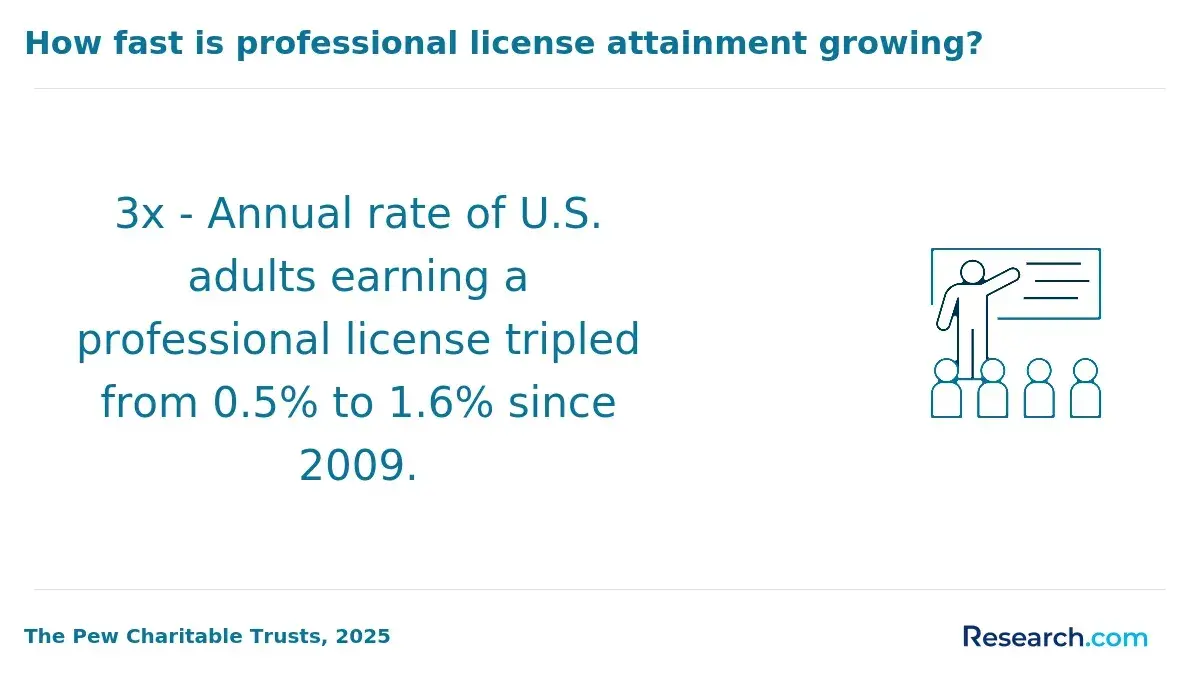
Professional certifications can significantly complement an education degree by enhancing practical skills and improving career readiness. These credentials often provide a competitive advantage by aligning with state or national teaching standards and bridging the gap between theory and practice. This leads naturally to the question of how certifications fit into education curricula.
Certifications included in education degree programs are not always mandatory but often offered as opportunities integrated alongside coursework. Many programs embed certification preparation within specialized courses, practicum experiences, or workshops, allowing students to meet licensure or endorsement requirements while completing their degree.
For those programs without embedded certification opportunities, students typically seek these credentials independently after graduation through state education departments or accredited organizations. Pursuing certifications separately can offer flexibility and enable focus on areas like ESL, literacy, or special education, improving employment prospects.
Students interested in related specialized fields might also consider exploring mft online programs as a complementary pathway. The integration of education curriculum with embedded certification opportunities, whether offered during the degree or pursued after, helps prepare graduates to meet licensing standards and enhances their readiness for diverse educational roles.
Exploring the range of jobs available for education degree holders helps clarify how versatile and impactful this field can be. With a projected 7% growth in employment for kindergarten and elementary school teachers from 2022 to 2032, demand remains steady for professionals equipped with these skills. Understanding education graduate career opportunities enables students to align their goals with the diverse roles supported by their training.
- Classroom teachers: Many graduates work at elementary, middle, or high school levels, delivering subject-specific instruction and fostering student development in various academic disciplines.
- Early childhood educators: Positions in preschools and daycare centers allow graduates to support the developmental needs of young children, focusing on foundational learning and social skills.
- Educational administration: Roles such as school counselors, curriculum developers, and education coordinators involve designing instructional materials, managing programs, and implementing student success strategies.
- Special education professionals: Graduates often work with students facing diverse learning challenges, creating tailored teaching plans to meet individual needs and support inclusive education.
- Corporate trainers and educational technology specialists: The degree also prepares individuals for careers outside traditional classrooms, including training employees and developing digital learning tools in various organizational settings.
- Community outreach and instructional design: Graduates may engage in efforts to improve educational access and effectiveness through program design and communication strategies in nonprofit or public sectors.
Education programs cultivate core competencies in classroom management, curriculum planning, assessment methods, and educational psychology, which are essential across these roles. For those seeking advanced credentials, exploring masters programs online can provide further specialization and career advancement opportunities within this broad field.
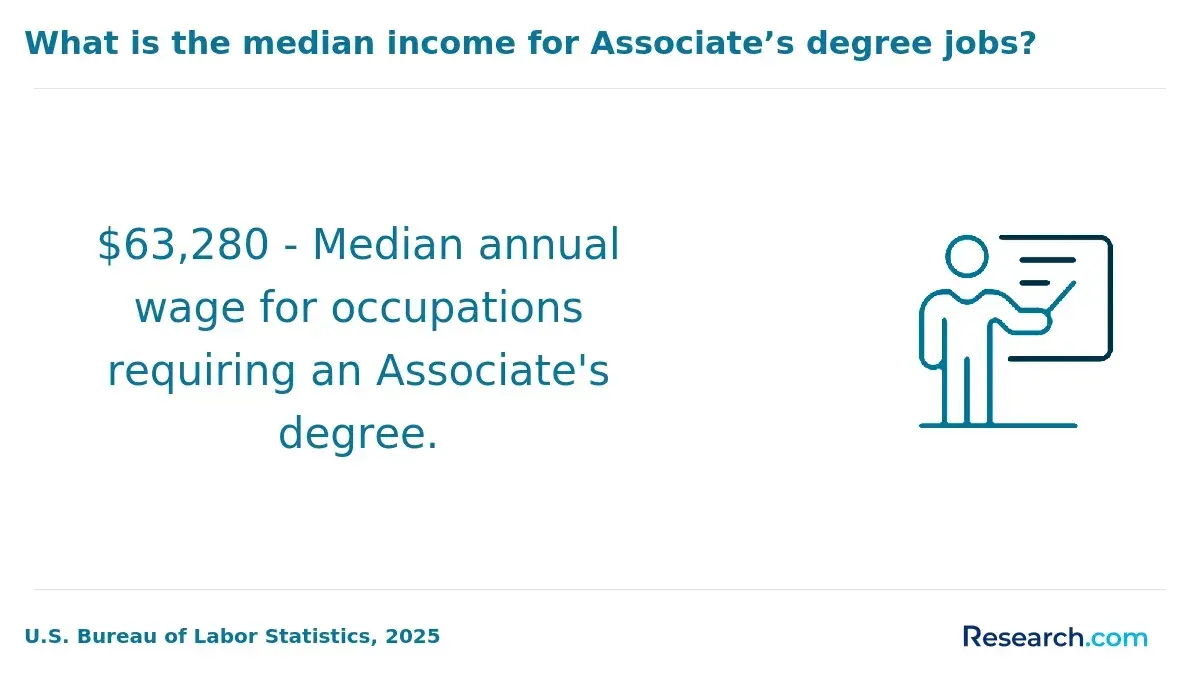
Understanding potential salary outcomes is essential for evaluating the return on investment of an education degree. In 2022, the median annual wage for elementary, middle, and high school teachers in the United States was approximately $62,870. Knowing how salaries progress with experience and specialization helps new graduates and early-career professionals make informed decisions about their education and career paths.
Average earnings for education majors vary widely depending on factors like experience, role, and sector, which we will explore in detail below.
- Starting Salaries: New education degree graduates can expect starting salaries typically ranging from $40,000 to $50,000. These figures tend to be more common in public schools or less urban areas, where budgets and cost of living influence base pay.
- Mid-Career Growth: Teachers with several years of experience often earn between $60,000 and $75,000 annually. This growth reflects skill development, additional certifications, and opportunities to take on more responsibilities within educational institutions.
- Advanced Roles and Specializations: Educators who move into administration, curriculum development, or specialized fields can see salaries exceed $80,000. Attaining advanced degrees, such as a master's, or acquiring specialist certifications, often contributes to these higher earning potentials.
- Influencing Factors: Geographic location, type of educational institution, and subject expertise are critical factors affecting pay scales. Urban and high-cost living regions typically offer higher wages, while teaching high-demand subjects or obtaining certifications can result in financial bonuses or enhanced compensation.
For students considering how to maximize their earnings with an education degree, exploring online degree programs that focus on high-demand certification areas may provide additional opportunities to enhance salary prospects.
What Graduates Say About Their Education Degree
- Taylor: "The education degree program's core curriculum was comprehensive, covering both theory and hands-on teaching methods, which really helped me understand diverse learning styles. I developed strong skills in curriculum planning and classroom management, which gave me confidence to step into my first teaching role. Considering the average cost of attendance, it felt like a great investment in shaping my career in education."
- Maui: "Reflecting on my education degree experience, the emphasis on child psychology and inclusive education deeply shaped how I approach teaching today. The program built my competencies in critical thinking and adaptability, essential traits for dealing with varied student needs. This foundation has made a significant impact on my ability to foster an engaging learning environment. "
- Clara: "Professionally, the degree's rigorous core courses in assessment and educational technology equipped me with practical tools to enhance student outcomes consistently. The skills gained have enabled me to take on leadership roles within schools, advancing my career beyond classroom instruction. The balance between theoretical knowledge and practical application was well worth the financial commitment. "
Other Things You Should Know About Education Degrees
In 2027, education degree programs focus on competencies like digital literacy, classroom management, and inclusive teaching strategies. These skills are essential to navigate diverse learning environments and integrate technology effectively in teaching practice.
Education degree courses use lesson plans, teaching demonstrations, reflective journals, exams, group projects, and supervised practicum evaluations. Many programs require a passing grade of 70% or higher in core modules, plus a final classroom placement assessed by university supervisors and partner-school mentors.
Education degrees prepare students for diverse classrooms by focusing on inclusive teaching strategies, understanding cultural differences, and fostering equitable learning opportunities. Programs emphasize adaptability to various learning needs, incorporating multicultural education principles and developing skills to create supportive and effective classroom environments.
- Education Certificate Programs | ACE https://ace.edu/degree-programs/certificates/certificates-education/
- Teaching Internships | AIESEC https://aiesec.org/global-teacher
- How To Teach Technical Skills https://petramayerconsulting.com/technical-training/
- Complete Guide to Teaching Degrees | All Education Schools https://www.alleducationschools.com/teaching-degrees/
- Top 10 Professional Development Skills for Teachers in 2025 Teacher Guide https://www.simplek12.com/blog/professional-development-skills-teachers
- How Long Does It Take to Get a Master’s in Education? https://www.ndnu.edu/articles/education/how-long-does-it-take-to-get-a-masters-degree-in-education.html
- What Type of Online MEd Degree Should You Pursue? https://www.onlinemastersdegrees.org/student-resources/education/types-of-degrees/
- How long does it take to get a bachelor's degree? | edX https://www.edx.org/resources/how-long-does-it-take-to-get-a-bachelors-degree
- Online Certificates - eCornell https://ecornell.cornell.edu/certificates/
- Opinion: Education must get soft to better prepare students for work https://sdgacademy.org/education-must-get-soft-better-prepare-students-work/