2027 Online vs On-Campus Dental Assistant Degree Programs: Pros & Cons

Co-Founder and Chief Data Scientist
The popularity of online dental assistant degree programs has surged, with recent data showing a 35% increase in online education enrollment nationwide. This growth reflects a shift toward more flexible learning options that accommodate diverse student needs. Understanding the pros and cons of online versus on-campus dental assistant programs is essential for prospective students making informed decisions. This article examines key factors such as flexibility, cost, learning experience, and career outcomes, providing a balanced comparison to help individuals choose the path that best aligns with their goals and circumstances in the competitive field of dental assisting.
Key Benefits of Online vs On-Campus Dental Assistant Degrees
- Online dental assistant programs offer flexible scheduling that accommodates working adults, with 70% of students reporting the ability to study while maintaining employment.
- Students save an average of 40% on commuting and housing costs by choosing online programs, making education more affordable and accessible.
- On-campus dental assistant programs provide hands-on clinical experience with direct supervision, which 85% of employers consider essential for practical skill development.
Are Online vs. On-Campus Dental Assistant Programs Structured the Same Way?
Online and on-campus dental assistant programs differ significantly in their structure, particularly in scheduling, course delivery, and student engagement. Understanding these distinctions can help prospective students choose the format that best suits their learning style and lifestyle. Here is a comparison of key structural elements in both formats:
- Course Delivery: Online dental assistant programs use virtual lectures, interactive modules, and digital resources, allowing students to access materials anytime, anywhere. On-campus programs rely on face-to-face instruction, hands-on labs, and physical demonstrations that provide real-time feedback and mentorship.
- Class Schedules: Students in online programs often progress at their own pace, completing coursework in as little as six to nine months or sometimes faster. In contrast, on-campus programs follow fixed academic calendars with scheduled class times and mandatory physical attendance, offering more routine and accountability.
- Interaction and Collaboration: Online learners interact mainly through discussion forums, video conferences, and group projects, which can limit spontaneous collaboration but increase accessibility. On-campus students benefit from direct in-person communication, peer networking, and immediate instructor support, fostering stronger professional relationships.
- Clinical Experience: Both formats require hands-on clinical training or externships, but online students often complete externships at local dental practices after coursework. On-campus students typically have integrated lab and clinical sessions during the week, providing frequent, supervised practice opportunities.
Are Admission Requirements the Same for Online vs On-Campus Dental Assistant Degree Programs?
Colleges and universities maintain consistent academic standards across both online and on-campus dental assistant programs, ensuring comparable curriculum and competency benchmarks. However, they may differ in how they evaluate applicants' preparedness, particularly for the demands of online learning.
The following highlights key similarities and distinctions in admission requirements for dental assistant program admission requirements online vs on-campus, reflecting common expectations and unique considerations for each format.
- Academic Qualifications: Both program types generally require a high school diploma or GED as the minimum entry credential, with some preference for science coursework such as biology or anatomy. These standards align with CODA-accredited dental assistant program entry criteria to ensure readiness for technical and clinical training.
- Application Materials: Applicants typically submit transcripts and an application form for both formats, sometimes accompanied by a fee. While personal statements or recommendation letters are occasionally requested, they are less common for certificate or diploma-level programs.
- Technical Readiness: Online and hybrid programs often require proof of basic computer skills and reliable internet access, as coursework is delivered digitally. Campus-based programs do not emphasize this criterion, focusing instead on in-person instruction and resources.
- Hands-On Training and Clinical Requirements: Regardless of delivery mode, all accredited dental assistant programs mandate hands-on clinical experience. Online programs arrange local externships or on-site rotations, requiring students' ability to travel, whereas on-campus clinical work is completed at or near the institution.
- CPR and Health Requirements: Many programs mandate current CPR certification and specific immunizations for licensure eligibility. These health clearances are enforced across both formats, with slight variations in monitoring based on whether students attend in person or remotely.
- Additional Support for Online Learners: Some online programs offer orientation modules focusing on self-directed study and digital platform use, while on-campus students receive face-to-face support tailored to immediate engagement.
For students seeking efficient and flexible options, exploring a 1 year masters program can provide insight into accelerated online learning models that share similar admission rigor with dental assistant pathways.
Do Online Dental Assistant Students Receive the Same Academic Support as On-Campus Students?
Universities have significantly enhanced their academic support systems to ensure online dental assistant students receive resources and assistance comparable to their on-campus peers. These improvements help bridge the gap between different learning environments, promoting equal opportunities for student success.
Below is a comparison of the main types of academic support typically available to online and on-campus dental assistant students and how each supports their progress.
- Tutoring Services: Online dental assistant students can access virtual tutoring through video calls, chat, or email, allowing flexible scheduling. On-campus students often benefit from in-person tutoring, which can provide immediate, hands-on assistance, especially for clinical skills.
- Career Counseling: Both learning formats offer career guidance, including resume help, interview preparation, and job placement resources. Online students generally connect remotely with advisors, while on-campus students have the option for face-to-face meetings, with some online programs providing accelerated job placement services.
- Library Access: Online students use digital libraries with textbooks, journals, and research databases, matching the informational resources available on campus. On-campus students also have physical libraries and dedicated study spaces, enhancing their learning environment.
- Faculty Interaction: Online students engage with instructors via discussion boards, email, and scheduled video office hours to maintain academic involvement. On-campus students benefit from real-time classroom discussions and direct feedback during labs, offering quicker clarification when needed.
The length of time required to complete a dental assistant degree can vary widely depending on whether the program is taken online or on-campus. Factors such as the delivery format, the student's pace, and the flexibility of class schedules play significant roles in determining how quickly one can finish the program. To better understand these differences, here is a comparison of average completion times for online versus on-campus dental assistant programs.
Here are the key distinctions in program duration and flexibility:
- Online dental assistant degree: Many online programs offer accelerated, self-paced study paths, allowing students to complete certificate programs in as little as 4 to 9 months. Because these programs often focus solely on essential dental assisting coursework and provide asynchronous schedules, they are ideal for working adults or those with family commitments, enabling faster completion for motivated students.
- On-campus dental assistant degree: Traditional on-campus programs typically take longer, especially if pursuing an associate degree, which can require about 2 years due to general education requirements. Certificate-based campus programs often run between 10 months and 1 year, with fixed academic calendars and scheduled classes limiting the ability to accelerate progress.
A professional who pursued an online dental assistant degree shared his experience with the timeline and challenges involved. He explained that balancing work and family while studying online meant he appreciated the ability to set his own pace, which helped him complete the certificate program in about 7 months. "At times, it felt like a race against the clock, especially juggling clinical externship arrangements locally," he reflected. Yet the flexibility to access course materials anytime allowed him to maintain momentum without feeling overwhelmed. Overall, he found the duration manageable and rewarding, noting that the self-discipline required became a valuable skill beyond just completing the program quickly.
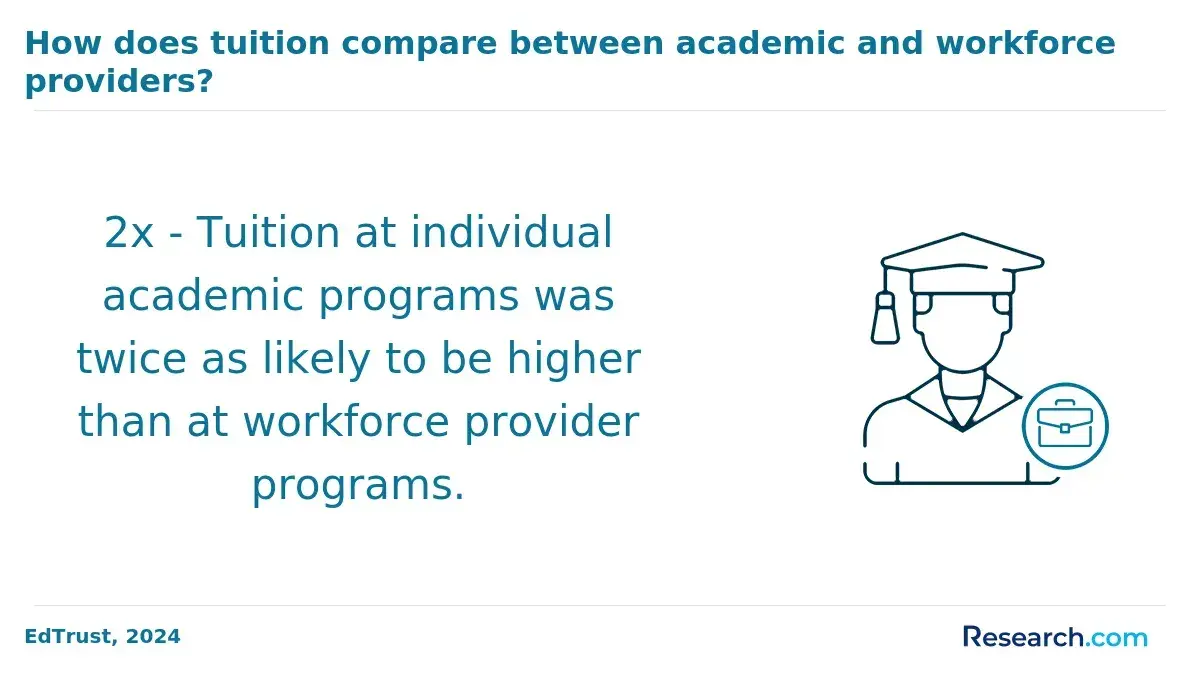
Tuition, fees, and living expenses for online dental assistant programs are generally lower than those for traditional on-campus options, making them an appealing choice for budget-conscious students. These cost differences often result from reduced overhead and the flexibility that online programs offer compared to their on-campus counterparts.
Below is a breakdown of the main cost factors influencing the total price of each learning format, highlighting key aspects of the cost comparison of online vs on-campus dental assistant programs:
- Tuition and Fees: Online dental assistant programs typically charge much lower tuition, often under $2,000, while on-campus programs can range from $9,000 to $20,000 depending on the school and program length. The lower operational expenses for online formats enable institutions to pass savings on to students.
- Living Expenses: Students pursuing dental assistant training online save significantly by avoiding relocation, commuting, and campus-related costs such as housing and meal plans. These savings are especially impactful for those living in high-cost urban areas or rural locations with limited access to physical campuses.
- Technology Costs: While on-campus students may incur textbook and supply costs totaling $500-$1,000 per semester, online students often receive digital materials at minimal or no extra charge. However, online learners must have reliable computers and internet, expenses generally offset by savings elsewhere.
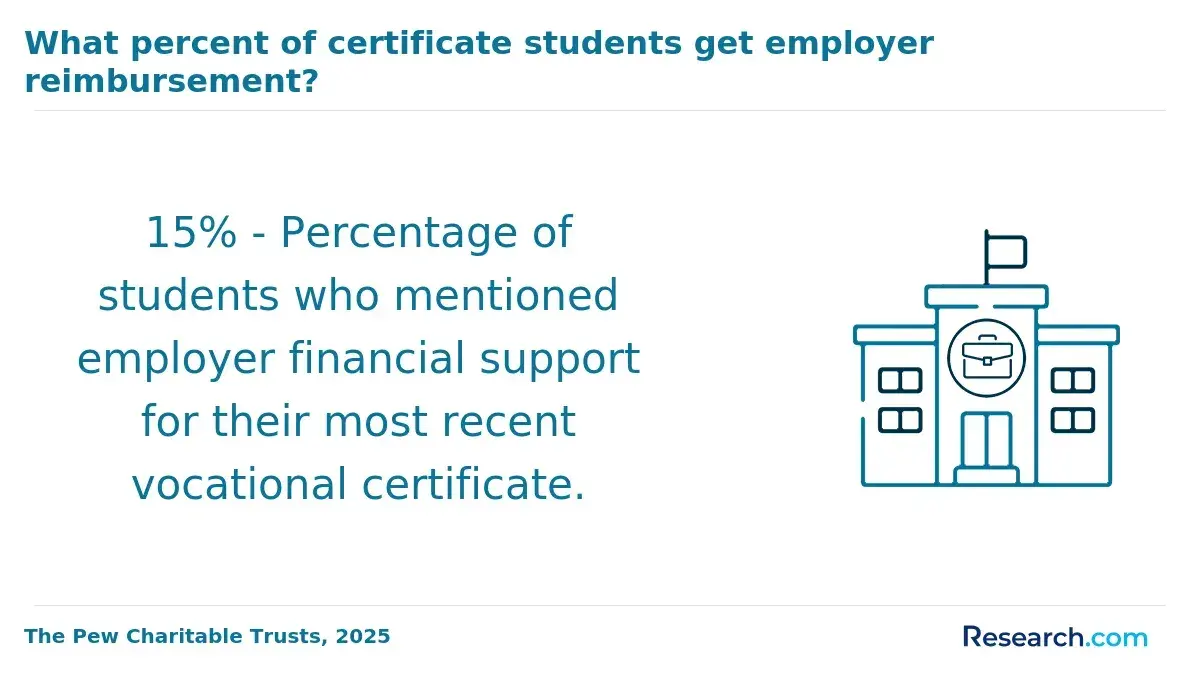
- Financial Aid Availability: Both online and on-campus students may qualify for federal aid, scholarships, or employer tuition reimbursement. Some localized workforce programs offer free dental assistant training, making affordable online dental assistant training even more accessible.
- Scheduling and Earnings Potential: The flexibility of online programs allows students to work part-time while studying, potentially reducing overall financial stress. Additionally, faster completion times mean graduates can enter the workforce sooner, starting to earn a salary earlier than traditional students.
For individuals considering affordable online dental assistant training options, evaluating these cost factors alongside accreditation and program recognition is essential to maximizing both financial and career outcomes. Those seeking a flexible approach to education may also find value in exploring other online college degrees for seniors.
Both online and on-campus dental assistant students may qualify for financial aid, but eligibility and accessibility often vary depending on the program format and the type of institution they attend. These differences largely hinge on accreditation status and whether the school participates in federal Title IV programs. To help clarify these distinctions, here is a comparison of the main financial aid options available for both online and on-campus dental assistant students.
- Federal Aid (FAFSA, Pell Grants, Federal Student Loans): Most accredited institutions offering on-campus and online dental assistant programs that participate in Title IV allow students to apply for federal financial aid by submitting the FAFSA. Federal grants like the Pell Grant are highly beneficial since they do not need to be repaid and typically cover a large portion of the training costs. However, some private or for-profit schools, particularly those offering online-only programs, may not participate in Title IV, limiting access to these federal resources. This makes understanding federal financial aid for online dental assistant programs crucial before enrollment.
- State Aid: Students enrolled in accredited programs, whether online or on-campus, may qualify for state-based scholarships and grants depending on their residency and institution type. State aid tends to be more accessible at public colleges and is less commonly available to students attending for-profit or unaccredited online schools. Residency requirements and institutional policies play a significant role in determining this eligibility.
- Scholarships and Grants: Numerous scholarships are offered by professional organizations such as the American Dental Association and the Dental Assisting National Board, which are available to both online and on-campus students with accredited programs. Some scholarships specifically support underrepresented groups and can award up to $5,000 annually. It's important to note that scholarships for on-campus dental assistant students may sometimes differ in application deadlines and criteria, reflecting variations in program logistics and networking opportunities.
- Employer Tuition Reimbursement: Dental offices and healthcare employers frequently provide tuition reimbursement or sponsorship, which is generally open to employees pursuing training in any format. While the program's accreditation is often a requirement, some employers show a preference for local, on-campus programs to facilitate hands-on training and externships that support career advancement.
- Private Student Loans: When federal and state financial aid options are unavailable-often the case for unaccredited or non-Title IV online programs-private loans through banks or lenders like Sallie Mae or Ascent become alternatives. These loans are accessible to both online and on-campus students but tend to have higher interest rates and less flexible repayment terms compared to federal aid.
Prospective students should verify their program's eligibility for federal financial aid and explore scholarships to maximize funding opportunities. For more insight into advancing education, considering the highest paid masters can also be beneficial for long-term career planning.
The credibility of both online and on-campus dental assistant programs largely depends on accreditation, faculty qualifications, and curriculum standards. Programs accredited by recognized bodies such as the Commission on Dental Accreditation (CODA) must meet rigorous educational and clinical benchmarks, ensuring consistent quality regardless of delivery format.
Faculty members teaching online courses typically hold the same credentials as those on-campus, maintaining expertise and instructional consistency. Curriculum requirements often include a blend of theoretical coursework and hands-on clinical experiences, with online and hybrid programs incorporating local in-person clinical hours and virtual simulations to fulfill practical training needs.
Employer and institutional perceptions emphasize accreditation and certification exam completion, like the Dental Assisting National Board (DANB) exams, as primary indicators of program quality rather than the modality of study. Graduates of accredited online programs have access to the same certification opportunities and career paths as their on-campus peers, and salary prospects generally show little difference when state licensing requirements are met.
While some employers may still prefer traditional classroom experience for perceived advantages in interpersonal and hands-on skills, this preference is diminishing as advancements in virtual labs, simulation technology, and coordinated externships enhance online program outcomes. These innovations, combined with strong industry partnerships, are increasingly validating online dental assistant education as a credible and competitive alternative to traditional campus-based learning.
Employers in the dental field generally do not show a distinct preference between online and on-campus dental assistant degrees; rather, their primary focus lies on key factors such as program accreditation, hands-on clinical training, and demonstrated competencies. Most hiring managers prioritize candidates who graduate from Commission on Dental Accreditation (CODA)-accredited programs, regardless of whether the education was delivered online or in person. Practical skills and clinical experience are essential, and online programs that incorporate required in-person externships or practicums are viewed favorably. While the reputation of the university or program can influence employer perceptions to some degree, it is typically less important than accreditation and tangible skills. Research shows that employers want new dental assistants to be "day-one ready," emphasizing the necessity of technical competence and strong interpersonal abilities over the mode of education.
Recent surveys indicate that attitudes toward online education in dental assisting have become more positive, especially following the widespread adoption of remote learning during the COVID-19 pandemic. As remote and hybrid work models gain traction in many industries, employers have grown more accepting of online degrees that provide flexibility, affordability, and ample learning resources. However, because dental assisting is inherently hands-on, employers still stress the importance of in-person clinical components. Online programs that integrate these experiences tend to receive more employer approval than fully virtual courses. Importantly, salary and career advancement prospects appear comparable between graduates from online and traditional pathways, provided the online program meets accreditation and clinical training standards.
When discussing these themes with a professional who completed an online dental assistant program, she remarked on how the in-person externship component was crucial in building her confidence and practical skills. She explained that employers were more interested in her demonstrated experience than the delivery method of her education. Reflecting on her job search, she found that her accredited online degree opened doors and that many employers valued the flexibility and discipline developed through remote study. She emphasized that being well-prepared clinically and professionally was the key factor in securing employment quickly, noting, "My education felt just as rigorous as traditional programs, and employers responded positively to my hands-on experience during externships." This perspective underscores that while employer preferences evolve, accreditation and real-world readiness remain paramount for success in dental assisting careers.
Salary comparisons between online and on-campus dental assistant graduates are increasingly influenced by a variety of factors beyond the format of education itself. Understanding these elements provides a clearer picture of earning potential for prospective students and professionals entering the field.
The following points outline the current salary trends and key influences on pay, illustrating why the question of whether employers pay more for on-campus dental assistant degrees is less relevant today:
- Location and Regional Demand: Geographic location remains the most significant factor in dental assistant salaries. Graduates in metropolitan areas or states with high demand, such as California and New York, tend to earn higher wages regardless of whether their education was online or in-person.
- Certification and Credentials: Holding certifications like the Certified Dental Assistant (CDA) credential directly impacts pay levels. Both online and on-campus programs prepare students for these qualifications equally, so salary differences stem from certification status rather than program type.
- Experience and Specialization: Career experience and specialized training increase earning potential over time. Initial salaries are similar across education formats, but advancement through extra credentials fosters greater salary growth.
- Employer Perception: Most employers now regard online and on-campus dental assistant degrees as equivalent, provided the program is accredited and includes clinical experience. This diminishes any systematic salary gap related to the learning format.
- Program Cost and Flexibility: Online programs typically cost between $3,500 and $17,000 per year and offer flexible schedules that attract working adults. While this flexibility supports timely workforce entry, it does not directly affect salaries.
Students evaluating programs online or on-campus are also encouraged to consider the reputation and accreditation of their educational institution. Exploring options among the best accredited non-profit online colleges can help ensure a solid foundation for career success in this competitive field.
Choosing between online and on-campus dental assistant programs depends largely on your personal learning preferences, daily lifestyle, and long-term professional goals. Each format offers distinct advantages, and understanding these differences can help you select the best path for your career development. Below are key factors to consider before deciding which option aligns with your needs and ambitions:
- Learning Style: On-campus dental assistant degree benefits include regular face-to-face interaction and hands-on practice, which are crucial for students who excel in structured and social learning environments. Online programs, in contrast, are designed for independent learners who thrive on self-paced study and digital simulations.
- Flexibility Needs: One of the main reasons students choose the best online dental assistant programs for flexible schedules is the ability to complete coursework anytime and anywhere. This flexibility suits individuals balancing work or family commitments, whereas on-campus programs often require adherence to fixed class times.
- Budget: Cost is a significant consideration. Online programs generally cost less than $2,000, making them appealing for those aiming to minimize expenses and reduce reliance on student loans. Traditional on-campus programs may exceed $10,000, not including additional costs such as transportation and materials.
- Networking Opportunities: In-person programs offer greater chances for direct networking with instructors and peers, fostering mentorships and potential job connections. While online students might have fewer in-person interactions, they can still access digital support and externships that provide valuable practical experience.
- Access to Campus Resources: On-campus students benefit from immediate access to equipment, dental models, and classroom support, which enhances hands-on learning. Online learners depend on virtual labs and scheduled instructor office hours, which, although comprehensive, may not fully replace physical training until clinical externships commence.
Considering these factors will help you determine the program format that best supports your educational and career objectives. For those exploring career options after trade school, this decision is an important step towards joining one of the top vocational degree careers.
Here's What Graduates of Online vs On-Campus Dental Assistant Programs Have to Say About Their Degree
- Sol: "Completing my dental assistant degree entirely online was a game-changer. The flexibility allowed me to balance family life while gaining the skills I needed, and I could study at my own pace without sacrificing quality education. Starting my career, I felt confident and prepared thanks to the comprehensive virtual labs and instructor support. This path didn't just give me a job; it gave me the freedom to grow personally and professionally in ways I never imagined."
- Bernice: "Attending the on-campus dental assistant program was an incredible experience that immersed me directly into the clinical environment. The face-to-face interaction with experienced faculty and hands-on practice built my confidence and technical skills. Beyond education, I developed strong relationships with peers, which created a supportive community that inspired me daily. This program truly shaped me into a dedicated professional ready to make a positive impact in patient care. "
- Ari: "The hybrid dental assistant program provided the perfect balance of flexibility and direct hands-on experience. I could complete coursework online while still benefiting from in-person training that solidified my practical skills. This blend allowed me to advance my career faster while actively learning the latest industry techniques. The hybrid format also boosted my time-management skills and adaptability, which are invaluable as a healthcare professional."
Other Things You Should Know About Online & On-Campus Dental Assistant Degree Programs
Most dental assistant programs require 120 to 300 hours of supervised clinical training before graduation. These hours usually include chairside assisting, infection control, radiography practice, and patient communication. State dental boards or program accreditors may set additional minimums for externships or hands-on laboratory work.
Students need a reliable computer, high-speed internet, and software compatible with virtual classroom platforms like Zoom or Blackboard to participate in online dental assistant degree programs in 2027. Specific software requirements may vary by institution.
- Online Dental Assisting Program | WVJC Online https://www.wvjc.edu/dental-assisting-online/
- Online VS Traditional Dental Assisting Schools Pros & Cons - GDAP https://gdap.net/online-vs-traditional-dental-assisting-schools-pros-cons/
- Online degree costs vs traditional degrees: which is more affordable? https://collegeonline.io/blogs/online-degree-costs-vs-traditional-degrees
- Compare Online Dental Assistant Schools with Financial Aid https://www.edumed.org/online-schools/dental-assistant-programs/financial-aid/
- Loveland Dental Assistant School | Dental Assistant Program https://lovelanddentalassistantschool.com/blog/dental-assisting/what-will-i-learn-in-a-loveland-dental-assistant-certification-program/
- Is It Worth It to Become a Dental Assistant? https://www.uei.edu/guides/dental-assistant/is-it-worth-it-to-become-dental-assistant/
- How Long Is a Dental Assistant Program in Canada? https://risiodental.com/how-long-is-a-dental-assistant-program-in-canada/
- Dental Assisting (Certificate Program) | Program Requirements https://www.monroecc.edu/etsdbs/mccatwip.nsf/OnlineCatalog-Programs/C025A7315B3B1CAA852565B4004A30AA
- Cost of Online Education vs. Traditional Education [2025]: Comparison https://educationdata.org/cost-of-online-education-vs-traditional-education
- Perceptions of dental students towards online education during the COVID-19 pandemic https://pmc.ncbi.nlm.nih.gov/articles/PMC8547755/