2027 Are There Any One-Year Online Dental Assistant Degree Programs Worth Considering?

Co-Founder and Chief Data Scientist
Choosing a one-year online dental assistant program is usually a trade-off between speed, flexibility, clinical training access, and state credential requirements. Many options advertised as “online dental assistant degrees” are actually certificates, diplomas, or career-training programs, not associate degrees. That distinction matters because employers, certification boards, and state regulators may treat credentials differently.
A strong one-year program can help students build entry-level skills in chairside assisting, infection control, dental radiography, patient communication, and dental office procedures. However, dental assisting is a hands-on healthcare role, so even online programs often require an externship, clinical placement, lab component, or supervised practice in a dental setting.
This guide explains whether a one-year online pathway is realistic, what programs are available, how to compare them, what they cost, and what to verify before enrolling. It is designed for students who want to enter the dental field quickly without overlooking accreditation, certification eligibility, clinical requirements, or financial aid limitations.
Key Points About One-Year Online Dental Assistant Degree Programs
- One-year online Dental Assistant programs focus on core practical skills and certification preparation, differing from traditional degrees that include broader clinical and administrative training over longer terms.
- Students should expect a hybrid format with virtual coursework and local externships to meet hands-on requirements set by accrediting bodies and maintain industry standards.
- These accelerated programs appeal to career changers and time-sensitive learners, with enrollment growing 15% annually due to rising demand for dental support professionals nationwide.
Is It Feasible to Finish a Dental Assistant Degree in One Year?
Yes, it can be feasible to complete dental assistant training in one year, but the credential is more often a certificate or diploma than a full degree. Accelerated and self-paced online programs are built for students who want job-focused training quickly, and some combine online coursework with required clinical practice. For example, Hudson Valley Community College offers a program with around 27 credit hours of study, which shows how compact some dental assisting pathways can be.
The main limitation is clinical training. Dental assistants must learn skills that cannot be mastered through reading or video modules alone, such as chairside assisting, instrument transfer, infection control procedures, radiography positioning, and patient preparation. As a result, a program may deliver lectures online but still require students to complete practical hours in a dental office, clinic, or approved externship site.
Students should also separate program completion from job readiness. Finishing coursework is one step; meeting state rules, completing clinical hours, and passing certification exams such as DANB certifications may add time. Requirements vary by state, especially for expanded functions, radiography, coronal polishing, or other delegated duties.
Prior credits may shorten the timeline in some cases, but transfer opportunities are often limited because dental assisting coursework is specialized and sequence-based. A motivated student can complete a one-year online certificate if the program has a clear clinical plan and the student meets state and certification requirements. A fully remote, one-year dental assistant degree with no in-person practice is uncommon and should be reviewed carefully before enrollment.
Are There Available One-year Online Dental Assistant Degree Programs?
Available one-year online dental assistant options exist, but students should read the credential name carefully. Most fast online programs award a certificate, certification of completion, or diploma rather than an associate degree. These programs are designed to prepare students for entry-level dental assisting tasks and, in some cases, national certification exams or clinical externships.
Students comparing these pathways can also review broader accelerated associates degree online options if they want a longer credential that may transfer more easily into future allied health or dental hygiene study.
| Program | Format and Length | What to Review Before Enrolling |
| SDSU Global Campus Online Clinical Dental Assistant Training | Fully online, 12-month program with 300 course hours | Covers dental sciences, radiology, infection control, and office management. Students receive vouchers for national certification exams such as the Dental Assisting National Board (DANB) components, with no prerequisites required. |
| Phlebotomy Career Training Online Dental Assistant Certification | Can be completed in about 16 weeks | Includes 1,040 hours of instruction plus a 40-hour clinical internship. The curriculum includes chairside assisting, radiography, patient management, and healthcare regulations. Certification exam passage is required to graduate. |
| Preppy 12-Week Online Dental Assistant Program | 12-week fully online program | Offers university certification, externship opportunities, and job assistance. It is designed for students seeking a rapid route into basic dental assisting preparation. |
When evaluating any one-year program, confirm whether the school arranges externships or expects students to find their own clinical site. Also verify whether the program meets the rules in the state where you plan to work, because dental assistant duties and credential requirements are not identical across the United States.
Why Consider Taking Up One-year Online Dental Assistant Programs?
One-year online dental assistant programs appeal to students who want a faster, more affordable route into healthcare support work than a multi-year degree. These programs typically take 9-12 months and focus on practical competencies such as chairside assisting, dental radiology, infection control, patient preparation, and dental office workflows.
- Faster workforce entry: Many programs are structured for completion within a year, and some can be finished in as little as 5-6 months by students who can handle an accelerated pace.
- Flexible scheduling: Online modules can help students continue working, caregiving, or managing other responsibilities while completing the academic portion of training.
- Focused career preparation: Instead of spending years on general education, students concentrate on the dental assisting tasks most relevant to entry-level dental office roles.
- Certification preparation: Some programs prepare graduates to sit for Dental Assisting National Board exams, which may strengthen employability or support compliance in states that require formal training.
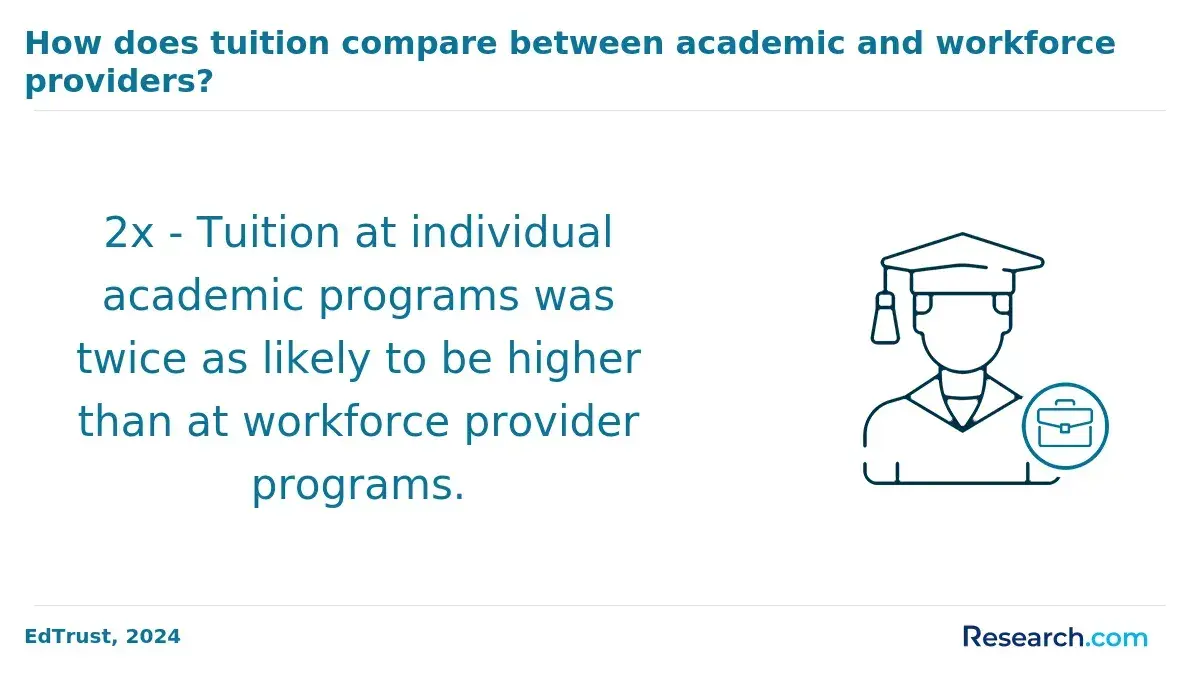
- Lower educational cost: Certificate programs generally cost less than associate degrees, especially when students do not need campus housing or relocation.
- Possible pathway to further study: Some students later use their dental assisting background to explore dental hygiene, healthcare administration, or other allied health fields, although credit transfer is not guaranteed.
The strongest candidates for these programs are organized, self-directed students who can learn academic material online while also arranging or completing hands-on practice. Students who are still comparing fast credential options can also review easy to get certifications that pay well to understand how dental assisting compares with other short healthcare and career-training paths.
What Are the Drawbacks of Pursuing One-year Online Dental Assistant Programs?
The convenience of a one-year online dental assistant program comes with real trade-offs. The biggest risks are choosing a program that is not accepted in your state, underestimating the clinical component, or assuming that an online certificate automatically qualifies you for every dental assisting duty.
| Drawback | Why It Matters | How to Reduce the Risk |
| Accelerated workload | A compressed schedule can be difficult for students balancing work, family, or limited study time. | Ask for a weekly time estimate and sample course calendar before enrolling. |
| Clinical placement challenges | Hands-on training may require a local dental office, and some schools provide limited placement support. | Confirm whether the school secures externship sites or whether you must arrange your own. |
| Limited in-person practice | Online simulations cannot fully replace supervised chairside experience with patients and dental teams. | Prioritize programs with documented clinical or externship requirements. |
| Fewer networking opportunities | Online students may have less direct contact with instructors, classmates, and local employers. | Use office hours, student forums, career services, and externships intentionally. |
| Limited program availability | Fully online one-year dental assistant programs are rare because dental assisting includes practical skills. | Be open to hybrid formats if they provide stronger clinical preparation and state alignment. |
Students should be cautious with programs that promise fast completion but provide vague details about clinical practice, certification eligibility, or state authorization. Before paying tuition, request written answers about accreditation, externship expectations, exam preparation, refund policies, and job placement support.
What Are the Eligibility Requirements for One-year Online Dental Assistant Programs?
Eligibility requirements for one-year online dental assistant programs are usually accessible because these programs are intended for entry-level students. Most schools focus on confirming basic academic readiness, age eligibility, and the ability to participate in any required clinical or externship setting.
- High school diploma or equivalent: Most programs require a high school diploma or GED. Some career programs may be more flexible, but completing secondary education is strongly recommended for certification and employment.
- Age requirement: Applicants typically must be at least 18 years old, especially when clinical training, patient contact, or workplace externships are involved.
- Background check: A background check may be required before clinical placement because students may work around patients, records, medications, or regulated equipment.
- CPR certification: Some programs or certification pathways require current CPR certification.
- Legal residency or citizenship documentation: Some institutions preparing students for state licensure, such as in New York, may ask for proof of U.S. citizenship or legal residency.
- Work experience alternatives: Current dental assistants may qualify for non-credit, advanced placement, or exam-preparation tracks if they can document validated hours and CPR certification.
- Interviews or placement exams: These are uncommon, but some schools may use them to assess readiness for accelerated study.
- Clinical participation: Students should be prepared to complete hands-on practice at an approved dental office, clinic, or externship site, even if academic coursework is online.
Applicants should also check state-specific rules before enrolling. Dental assistant titles, allowable duties, radiography requirements, and expanded-function permissions vary widely. Students considering longer-term education in healthcare or related fields can compare options using resources such as the highest paying bachelor degrees.
What Should I Look for in One-year Online Dental Assistant Degree Programs?
The best one-year online dental assistant program is not simply the fastest one. It is the program that fits your state’s rules, provides meaningful hands-on training, prepares you for relevant certification exams, and gives clear information about cost, schedule, and student support.
- Accreditation: Verify whether the program is accredited by the Commission on Dental Accreditation (CODA) or another recognized agency. CODA accreditation is especially important for students who want a credential with stronger recognition and may require at least 300 in-person clinical hours, even when coursework is delivered online.
- State compliance: Confirm that the program aligns with the dental assistant requirements in the state where you plan to work. This is critical for radiography, expanded functions, infection control rules, and job titles.
- Clinical training plan: Ask whether the school arranges clinical sites, helps students find externships, or requires students to secure their own placement. A vague clinical plan is a major warning sign.
- Curriculum quality: Look for coursework in infection control, dental anatomy, chairside assisting, radiography, CPR certification, dental materials, patient care, records, HIPAA, OSHA standards, and dental office procedures.
- Certification preparation: Determine whether the program prepares students for Dental Assisting National Board exams or other required exams in your state.
- Faculty expertise: Instructors should have relevant dental assisting, dental hygiene, dental office, or clinical education experience.
- Course delivery format: Check whether classes are synchronous, asynchronous, self-paced, or cohort-based. A self-paced program may offer flexibility, but it also requires stronger time management.
- Credit transfer policies: If you may pursue dental hygiene, healthcare management, or another allied health program later, ask whether credits transfer and get the answer in writing.
- Transparent tuition and fees: Confirm whether tuition includes books, lab kits, technology fees, background checks, CPR certification, uniforms, externship costs, and certification exam vouchers.
- Student support services: Strong advising, technical support, career coaching, externship assistance, and job-search help can make a meaningful difference in an accelerated online program.
Fully online one-year programs remain limited because clinical practice is part of responsible dental assistant preparation. Students who want accredited online education more broadly can review the best non profit accredited online colleges while checking whether each institution offers allied health programs that match their career goals.
How Much Do One-year Online Dental Assistant Degree Programs Typically Cost?
One-year online dental assistant programs generally range from about $1,000 to $3,000 in tuition for established and accredited courses. Some providers list lower rates, around $839 to $1,500, especially when tuition is paid upfront. Community colleges and private institutions may charge closer to $3,000 or a bit more.
| Cost Item | What to Check |
| Tuition | Confirm the total program price, not just the monthly payment or advertised base tuition. |
| Books and learning materials | Ask whether textbooks, online modules, lab kits, or software access are included. |
| Clinical or externship costs | Determine whether the school arranges placements and whether students pay separate site, insurance, or documentation fees. |
| Certification exams | Some programs include exam vouchers; others require students to pay exam fees separately. |
| Supplies and compliance requirements | Budget for possible CPR certification, background checks, immunization records, uniforms, safety equipment, or transportation to clinical sites. |
The total cost depends on the institution type, accreditation status, included services, and clinical requirements. A lower-priced program may be worthwhile if it meets state and certification expectations, but a cheap program with weak clinical support can cost more in the long run if graduates must complete additional training.
Compared with four-year dental-related programs that can cost tens of thousands of dollars, one-year online dental assistant certificates are typically a more affordable route into the field. Students should still compare total out-of-pocket costs, refund rules, payment plans, and financial aid eligibility before committing.
What Can I Expect From One-year Online Dental Assistant Degree Programs?
Students in one-year online dental assistant programs can expect a concentrated, career-focused curriculum. Most programs combine online lessons, quizzes, assignments, demonstrations, and exam preparation with some form of clinical practice or externship. The academic portion may be flexible, but the hands-on portion usually follows the schedule and availability of a dental office or approved site.
Common course topics include dental anatomy, dental terminology, infection control, chairside assisting, dental radiography, patient management, dental materials, appointment scheduling, records management, HIPAA, OSHA regulations, and basic dental office administration. Many programs also include preparation for certification exams or state-required competencies.
The clinical internship experience is one of the most important parts of training. During an externship or supervised clinical placement, students observe and practice professional behaviors, patient communication, sterilization procedures, operatory preparation, instrument handling, and chairside support. This experience helps students connect online coursework to real dental office expectations.
Students should be ready for a fast pace. Online flexibility does not mean the program is easy; accelerated coursework requires regular study, strong organization, and consistent communication with instructors. Graduates may also need to prepare for certification exams after completing the program, depending on their state and career goals. Those considering multiple short credentials can compare dental assisting with other well paying certifications.
Are There Financial Aid Options for One-year Online Dental Assistant Degree Programs?
Financial aid may be available for one-year online dental assistant programs, but eligibility depends heavily on the school, program length, accreditation, and whether the credential qualifies for aid under federal or institutional rules. Students should never assume that a short online program qualifies for FAFSA-based aid.
- Federal Aid: Eligible students may access Pell Grants, Stafford Loans, and Federal Work-Study jobs through FAFSA. This aid is only available for programs accredited by agencies recognized by the U.S. Department of Education.
- Institutional Scholarships and Grants: Some schools offer scholarships, tuition discounts, or need-based grants for dental assistant students. FAFSA applicants may be automatically considered for some awards, while others require separate applications.
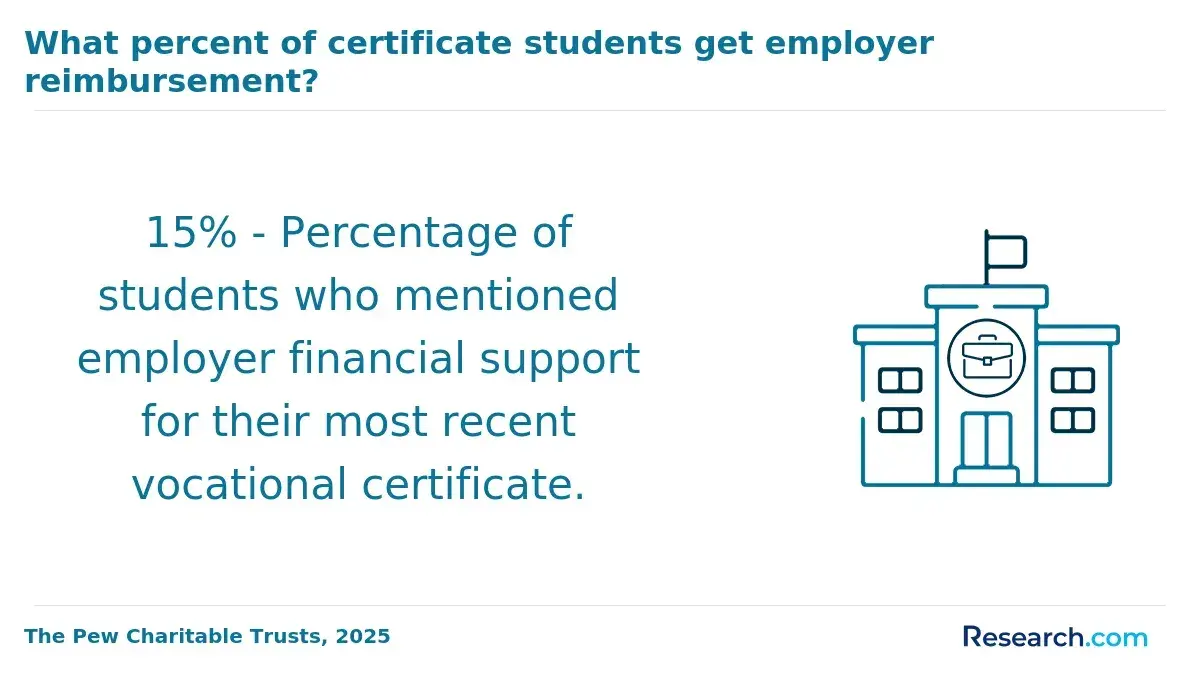
- Employer Tuition Reimbursement: Students already working in healthcare, dental offices, or related settings may qualify for employer-sponsored tuition reimbursement. Some career-focused programs, including those supported by the Workforce Innovation and Opportunity Act (WIOA), may provide financial assistance for qualifying individuals.
- Payment Plans: Students who do not qualify for traditional aid may be able to use interest-free payment plans that divide tuition into installments without added fees.
Contact the financial aid office before enrolling and ask whether the exact program you are considering is aid-eligible. Also ask when funds are disbursed, what happens if you withdraw, and whether exam fees, books, externship costs, or supplies are covered.
What Dental Assistant Graduates Say About Their Online Degree
- : "The one-year online Dental Assistant program helped me move into career training without putting the rest of my life on hold. The accelerated format required discipline, but the focused coursework made it easier to see how each topic connected to dental office work. Considering the average cost, it felt like a practical investment in a new healthcare path. — Arden"
- : "The flexibility was the biggest advantage for me. I could study around work, but the program still had structure, deadlines, and instructor support. Completing the degree in just one year gave me momentum and helped me feel more prepared to enter the dental field sooner than I expected. — Santos"
- : "I appreciated that the program emphasized practical outcomes instead of unnecessary filler. The online format let me review difficult topics at my own pace, and the cost was reasonable compared with traditional programs. It was a direct way to build dental assisting skills efficiently. — Leonardo"
Other Things You Should Know About Pursuing One-Yeas Dental Assistant Degrees
In 2027, reputable online Dental Assistant programs typically incorporate practical training components. These may include in-person clinical sessions or supervised externships at dental facilities, ensuring students gain essential hands-on skills alongside theoretical knowledge.
Yes, hands-on clinical practice is a critical component of Dental Assistant education. Most online programs incorporate mandatory externships or clinical placements at approved dental offices or clinics to provide practical experience. Without this clinical training, graduates may not meet state licensing or certification requirements.
Yes, many one-year online dental assistant programs require an in-person externship or practicum, usually lasting 80 to 300 hours. These clinical placements let students practice chairside assisting, sterilization, and patient preparation under supervision before graduation.
References
- Dental Assistant | Northwood Technical College https://www.northwoodtech.edu/academic-programs/degree-programs-and-certificates/dental-assistant
- How to pick a dental assistant school | DANB https://www.danb.org/news-blog/detail/blog/how-to-pick-a-dental-assistant-school
- 10 Reasons You Should Study Dental Assisting with FE https://www.foundationeducation.edu.au/articles/10-reasons-to-study-dental-assisting-with-foundation-education
- Why 2025 Could Be the Perfect Year to Start Your Dental Assisting Career with Online Programs https://www.assisting101.com/why-2025-could-be-the-perfect-year-to-start-your-dental-assisting-career-with-online-programs/
- Dental Assisting – Certified (Online) - Vancouver Community College https://www.vcc.ca/programs/dental-assisting--certified-online/
- What is the fastest you can become a dental assistant? https://www.kingsburgdentalassisting.com/blog/what-is-the-fastest-you-can-become-a-dental-assistant/
- Should I Study Dental Assisting Online or In-Person in Anderson? https://andersondentalassistantschool.com/blog/dental-assisting/what-will-i-learn-in-a-anderson-dental-assistant-certification-program/
- Should You Attend Dental Assistant School Online? https://www.schoolofdentalassisting-vancouver.com/online-program-pros-cons/
- How to Save By Completing Your Dental Assistant Program Online https://risiodental.com/save-money-by-completing-dental-assistant-program-online/
- How Much Do Dental Assistant Classes & Certification Cost? https://www.stepful.com/post/how-much-do-dental-assistant-classes-certification-cost