2027 Do Employers Pay for Dental Assistant Degrees: Tuition Reimbursement and Sponsorship Options

Co-Founder and Chief Data Scientist
Many prospective dental assistants hesitate to pursue their degree due to the high upfront costs. On average, tuition for a dental assistant program ranges from $3, 000 to $15, 000, which can lead to significant student debt for those without financial aid. About 60% of students rely on some form of assistance to manage these expenses.
This article explores whether employers provide tuition reimbursement or sponsorship options to ease this financial burden. It details the types of employer support available and offers guidance on how working professionals can leverage these benefits to make dental assistant education more affordable and accessible.
Key Benefits of Employers Paying for Dental Assistant Degrees
- Employers offering tuition reimbursement reduce student debt, enabling dental assistant graduates to start their careers without significant financial burdens, supporting a workforce with 8% less education loan default rates.
- Sponsorship programs often include contractual return obligations, ensuring job placement stability for dental assistants while providing financial support throughout their training period.
- Paid education incentives improve employee retention and skill development, increasing productivity and fostering career advancement opportunities within dental practices.
Do employers pay for dental assistant degrees?
Employer-sponsored education support is fairly common across various industries, with approximately 41% of U.S. employers offering some form of tuition assistance, though not all target dental or healthcare-related education specifically. Companies may choose to invest in dental assistant degree costs through employer sponsorship because well-trained dental assistants contribute directly to patient care quality and operational efficiency.
Supporting employees in gaining relevant credentials can reduce turnover and build a more skilled workforce, which is especially important in dental clinics and oral health organizations focused on quality service. The availability of such programs reflects broader trends of employers addressing skill shortages and prioritizing employee retention.
Payment for dental assistant degrees varies widely depending on the employer's budget priorities, industry demand, and the immediate relevance of the degree to the employee's role. Some employers require a commitment to remain with the organization for a certain time after funding education, while others restrict support to current employees rather than new hires.
Prospective students considering dental assistant tuition reimbursement programs should weigh these factors against local workforce needs and financial aid options. Researching industry trends and communicating with potential employers can clarify the likelihood of financial support. Additionally, exploring alternatives like an online pharmacy school might be beneficial for those interested in healthcare fields with employer-sponsored education opportunities.
What types of tuition assistance do employers offer for dental assistant degrees?
Employer-provided tuition support is a valuable resource for individuals pursuing a dental assistant degree, as it can significantly reduce out-of-pocket costs and lower financial risks associated with education. Such benefits help students focus more on their studies and less on the burden of tuition fees.
Common types of employer tuition reimbursement for dental assistant programs include:
- Tuition Reimbursement Programs: Employers repay employees for qualifying education expenses after successfully completing courses. These programs often cover partial or full tuition up to an annual cap, making them a cost-effective way to finance dental assistant training.
- Direct Sponsorship: Instead of reimbursement, some employers pay schools or training providers directly. This upfront payment simplifies the process and may come with access to specialized courses tailored to employer needs, helping employees gain relevant skills efficiently.
- Scholarships and Grants: Certain employers offer targeted scholarships or grants as part of workforce development initiatives. These awards typically apply to accredited dental assistant programs, further reducing educational costs without repayment obligations.
Coverage limits vary but generally range from a few thousand to several thousand dollars per year, with the benefits designed to support accredited dental assistant education programs.
For those considering accelerated paths, exploring options like medical assistant programs may also provide insights into expedited training and employer-supported education. Understanding these dental assistant degree sponsorship options from employers can enhance your approach to financing your education while preparing for a career in dental healthcare.
Who is eligible for employer tuition reimbursement for dental assistant degrees?
Employer tuition reimbursement eligibility plays a critical role in planning to fund a dental assistant degree through work benefits. These requirements influence when you can begin your studies, which programs are acceptable, and ultimately impact your return on investment. Knowing who qualifies for employer dental assistant degree support helps students align their education with company policies and career goals.
- Employment Status: Many tuition reimbursement programs require employees to work full-time or meet a minimum number of weekly hours before becoming eligible.
- Tenure Requirements: Typically, employees must have completed a probationary period such as six months or one year to qualify for support.
- Job Relevance: The dental assistant degree should directly relate to your current role or future responsibilities within the company to be approved.
- Academic Performance: Maintaining a minimum GPA or successfully passing required courses is often necessary to continue receiving tuition reimbursement benefits.
- Approval Process: Prospective students usually need prior approval from management or HR to ensure the chosen program aligns with employer criteria.
- Ongoing Employment: Employers may require employees to stay with the company during and after completing their education to protect their investment in tuition support.
Carefully evaluating these factors allows prospective students to select the right programs and timing that maximize benefits while meeting employer expectations. For those looking for flexible options beyond employer requirements, it can be helpful to explore alternatives such as easy nursing schools to get into that may serve as a stepping stone toward healthcare education.
Understanding dental assistant tuition reimbursement eligibility and knowing who qualifies for employer dental assistant degree support can significantly enhance a student's ability to reduce costs and increase educational ROI.
For individuals pursuing a dental assistant degree while working, knowing how employer tuition reimbursement programs operate can directly impact financial planning and reduce education costs. These programs offer valuable support but involve specific procedures and criteria that must be met. Below is an overview of how such reimbursement programs typically function to help students navigate the process more effectively.
- Approval Process: Employees usually need to obtain prior authorization before enrolling to ensure the courses align with professional goals and employer policies.
- Payment and Reimbursement Timing: Employers may pay tuition upfront to the school or reimburse employees after course completion upon submission of necessary paperwork.
- Documentation Requirements: Proof of tuition payment, enrollment verification, and official transcripts are commonly required to confirm eligibility and proper use of funds.
- Reimbursement Limits: Many programs impose annual or per-course caps, and reimbursement might cover only a portion of costs, sometimes excluding additional fees or supplies.
- Academic Performance Expectations: Maintaining a satisfactory grade or GPA is typically mandatory to qualify for reimbursement, ensuring the investment aligns with educational success.
Awareness of these key elements empowers dental assistant students to take full advantage of employer-sponsored tuition benefits and manage their educational expenses wisely.
Many employers have grown more receptive to supporting online dental assistant degrees, reflecting a broader acceptance of remote education. Research from the Society for Human Resource Management noted that about 58% of employers now consider online degrees to hold credibility comparable to traditional programs, though this perspective can vary depending on the field and role.
While employer sponsorship isn't universal, an increasing number recognize the potential benefits of investing in online education, particularly as workforce reskilling becomes a priority with ongoing industry changes.
When companies evaluate whether to fund online dental assistant training, they often assess several key elements. Accreditation remains a primary concern to ensure quality standards are met, while the curriculum's direct relevance to current or future job responsibilities weighs heavily in the decision.
Employers also look closely at the rigor and reputation of the program, including any hands-on clinical opportunities that might be part of the online format. Importantly, alignment with broader organizational goals and workforce planning often influences which educational investments receive support.
A professional who completed an employee-sponsored online dental assistant degree shared that navigating tuition reimbursement policies was initially intimidating, requiring discussions with human resources and careful documentation.
He described the process as "challenging but rewarding," noting how his employer valued his proactive approach to linking coursework with practical job skills. His experience underscored that while company sponsorship is possible, persistence and clear communication are crucial to accessing these benefits.
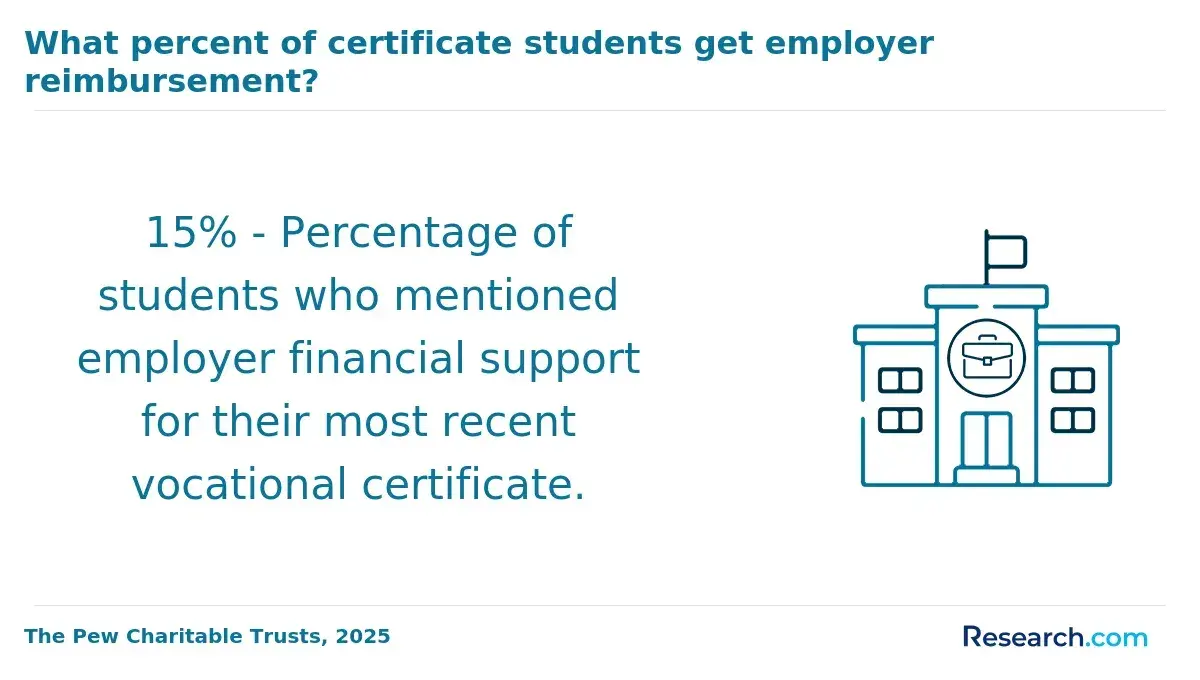
Tuition reimbursement limits are a key factor in assessing the affordability and return on investment of a dental assistant degree. They define the maximum financial support an employee can expect, which directly affects out-of-pocket costs.
Approximately 56% of U.S. employers provide tuition assistance, making it an important benefit for many students pursuing this career path. Understanding these caps helps candidates realistically plan their education expenses and long-term financial commitments.
Typical employer tuition reimbursement ranges from $2,500 to $5,250 annually, with some offering lifetime caps up to $25,000 or more. These amounts often depend on the employer's industry, size, and how closely the degree relates to the employee's job responsibilities, with healthcare companies generally providing higher support for dental-related training.
The IRS allows up to $5,250 per year in employer-paid education assistance to be tax-free, shaping many organizations' reimbursement policies within these federal guidelines.
Knowing the potential financial consequences of leaving an employer-sponsored dental assistant degree program early is essential for anyone considering this pathway. Around 60% of healthcare education agreements include penalties designed to discourage participants from departing prematurely. These measures typically require repayment or impose other restrictions, which can significantly affect your decision to enroll.
Common penalty scenarios include:
- Tuition Repayment Obligations: If you leave before fulfilling the contract terms, you may have to reimburse the employer for tuition and fees they already covered, often in full or by a prorated amount.
- Prorated Repayment Schedules: The amount you owe usually decreases the longer you stay with the employer after completing your coursework, giving incentive to remain for a specified period.
- Early Termination Clauses: Many agreements include fees or penalties if you end your employment sooner than the contract requires, adding a financial burden beyond tuition repayment.
- Restrictions on Future Benefits: Departing early might also disqualify you from accessing other employer-sponsored education programs or benefits in the future.
In discussing whether there are penalties for leaving such programs early, a professional who completed her dental assistant degree through employer tuition assistance shared valuable insights.
She reflected on the challenges of balancing work, study, and the obligation to stay with the company for the required period. "Knowing there was a repayment clause made me more committed to finishing the program and continuing my employment," she explained.
The contractual obligations initially felt daunting, but the structure also provided motivation and financial support she would have struggled to secure on her own. Her experience underscored how these programs, while binding, can ultimately offer a worthwhile investment when navigated with full awareness of the terms involved.
Evaluating the impact of employer-sponsored education on career earnings is essential for professionals considering a dental assistant degree, as it helps clarify how financial support can influence long-term success. Research indicates that workers who receive employer-funded education experience wage increases ranging from 8% to 15% compared to those without such backing.
Understanding these benefits can guide students and professionals in measuring the value of employer paid dental assistant degree benefits when planning their career paths.
- Increased Promotion Opportunities: Employer-sponsored education often opens doors to specialized roles such as expanded functions dental assistant positions, which come with higher salaries and greater responsibility. This access to advanced positions supports sustained career growth.
- Faster Career Progression: Employees with financial backing spend less time burdened by tuition costs, allowing them to focus on skill development. This accelerated learning curve frequently translates into quicker advancement within dental practices or related healthcare settings.
- Access to Higher-Paying Roles: Enhanced credentials obtained through employer support qualify individuals for better-compensated jobs, positively affecting their long-term earning potential dental assistant careers.
- Enhanced Skills and Qualifications: Tuition sponsorship enables learners to acquire advanced competencies and certification credentials, increasing their marketability in a competitive field and improving job satisfaction and stability.
- Return on Investment: Employer-paid education offers a compelling return on investment by reducing financial barriers upfront while boosting career earnings and growth over time, making it a strategically sound choice for aspiring dental assistants.
For those exploring educational options, comparing costs and benefits alongside tuition assistance programs is key. Some may also investigate affordable pathways through resources like the cheapest FNP programs online, which can offer relevant insights into balancing educational expenses with career objectives in healthcare fields.
Proactive communication and thorough preparation can significantly improve your chances when asking your employer to support your education. Studies show that 58% of employees report increased job loyalty when their employer invests in their education. Knowing how to navigate the steps to ask employer for dental assistant degree sponsorship ensures your request is both professional and compelling.
- Research Company Tuition Policies: Start by reviewing your employer's tuition reimbursement programs to understand eligibility criteria and coverage limits. Policies differ widely, so knowing the specifics helps tailor your request effectively.
- Prepare a Business Case: Develop a clear argument showing how the dental assistant program benefits both you and the company. Highlight improved skills, enhanced job performance, and potential contributions to your team to make your case stronger.
- Schedule a Meeting: Arrange a formal discussion with your supervisor or HR to present your proposal thoughtfully. A dedicated meeting demonstrates professionalism and allows for focused dialogue.
- Demonstrate Program Relevance: Emphasize how the dental assistant degree aligns with your current role or long-term career growth within the company. Showing direct value supports the rationale for employer sponsorship.
- Follow Up with Documentation: After your meeting, provide a summary of your request including program details, tuition costs, and expected outcomes. This keeps the conversation on record and facilitates decision-making.
For those researching educational pathways, exploring options like the most affordable BSN to DNP programs online can expand understanding of cost-effective continuing education. When considering how to request employer tuition reimbursement for dental assistant programs, these steps position you to make a confident, informed appeal.
Pursuing a dental assistant degree without employer funding requires careful planning to handle tuition expenses and avoid financial strain. Over 60% of college students depend on some form of financial aid, underscoring the need to explore multiple funding sources to support your education journey.
Consider these approaches to help finance your degree:
- Federal and State Financial Aid: Completing the FAFSA is essential to access grants, work-study programs, and low-interest loans that can reduce upfront costs and provide manageable repayment options.
- Scholarships and Grants: Numerous awards target healthcare students specifically, often offering non-repayable funding that can significantly lower your overall expenses.
- Personal Savings and Loans: Using savings can minimize debt, but federal student loans offer responsible borrowing options with flexible terms if additional funds are necessary.
- Income-Share Agreements: This alternative involves agreeing to pay a percentage of future income in exchange for upfront tuition support, which can be beneficial if you prefer to avoid traditional loans.
- Part-Time or Online Programs: Flexible scheduling and reduced commuting or housing costs can make these program formats more affordable and easier to manage alongside work commitments.
Evaluating these options in combination will help tailor a financial plan that fits your needs. Proactively seeking diverse funding can make achieving your dental assistant credential feasible, even without employer reimbursement.
What Graduates Say About Employers Paying for Their Dental Assistant Degrees
- Dione: "Completing my dental assistant degree was a financial challenge since the average cost can be quite high, around $6,000 to $10,000. Thankfully, my employer's tuition assistance covered most of these expenses, allowing me to focus on my studies without stress. This sponsorship not only made education affordable but also accelerated my career growth by giving me practical experience while studying. "
- Nina: "The dental assistant degree I pursued cost more than I initially expected, close to $8,000, which seemed daunting. Employer sponsorship truly eased this burden by funding a significant part of my tuition, making the pursuit of my dream job possible. Reflecting on this, I appreciate how their investment boosted my confidence and opened doors to advanced roles in dental care."
- Jeffrey: "As a professional, the cost of a dental assistant program often deters many, usually averaging around $7,500. My employer's tuition assistance was a strategic advantage that helped me obtain certification without financial strain. This support enhanced my credentials effectively and enabled me to deliver higher-quality care, benefiting both my career and workplace. "
Other Things You Should Know About Dental Assistant Degrees
Yes, some employers reimburse dental assistant exam fees when they sponsor training, usually after you pass the exam or finish probation. Common covered costs include the DANB Radiation Health and Safety exam, with reimbursement tied to a signed service agreement, often 12 to 24 months.
Many employers require recipients of tuition reimbursement to commit to working for the company for a certain period after completing the dental assistant program. This work commitment acts as a way to retain trained staff. The length and terms of these agreements differ, so employees should review their employer's contract details before accepting reimbursement.
- Dental Assistant Schooling & Certification Costs https://www.diamondbraces.com/blogs/careers/education-schooling-and-certification-costs-for-dental-assistants
- How Much Do Dental Assistant Training Programs Cost? - American Institute of Dental Assisting https://dentalassistantco.com/blog/much-dental-assistant-training-programs-cost/
- Hiring and paying temporary workers in the dental practice - CDA https://www.cda.org/newsroom/hiring-firing/hiring-and-paying-temporary-employees-in-the-dental-practice/
- Verifying that you are not a robot... https://iprospectcheck.com/dental-assistant-background-checks/
- Dental Assistant FAQs | Dorsey College, MI | Dental Assistant Training https://www.dorsey.edu/dental-assistant/dental-assistant-faqs/
- How much does a dental assistant earn? Salaries, requirements and prospects for the profession https://www.whitemad.pl/en/how-much-does-a-dental-assistant-earn-salaries-requirements-and-prospects-for-the-profession/
- Qualified Dental Assistant | Bismarck State College https://bismarckstate.edu/qualifieddentalassistant
- How to Pay for Dental Assisting School - Sunrise School of Dental Assisting https://sunriseschoolofdentalassisting.com/pay-dental-assisting-school/
- Scholarships, Grants, and Other Aid for Dental Assistant Programs https://careerkarma.com/blog/financial-aid-for-dental-assistant-programs/
- AB 873: Dentistry: dental assistants. | Digital Democracy https://calmatters.digitaldemocracy.org/bills/ca_202520260ab873