2027 Easiest Online Education Degree Programs That Pay Well: High-Salary Degrees with Simple Admissions

Co-Founder and Chief Data Scientist
Many prospective students face challenges when choosing online education degree programs that balance ease of admission with strong salary potential. According to the National Center for Education Statistics, enrollment in online education programs increased by 15% over the past five years, highlighting growing demand for flexible learning paths. However, not all programs offer competitive returns in the workforce.
This article explores high-salary online education degrees with straightforward admission requirements, helping readers identify options that maximize both career growth and accessibility. It will guide students through key program features and future job market trends to make informed decisions.
Key Benefits of the Easiest Online Education Degree Programs That Pay Well
- Many online education degree programs have streamlined admissions, requiring only a high school diploma and minimal standardized testing, increasing accessibility for diverse applicants.
- Flexible online formats allow students to balance studies with work or family, with enrollment in online education programs growing 12% annually, reflecting increasing demand for adaptable learning.
- Graduates of education degrees can expect strong job prospects, with a projected 8% employment growth in teaching-related fields and median salaries exceeding $55,000 annually.
How to Tell If Online Education Programs Have Easy Admission Requirements?
Simpler admission requirements in online education programs help reduce barriers for prospective students, especially working adults and career changers who need flexible and faster entry into the field. These streamlined processes allow candidates to start their studies sooner without lengthy delays and lessen the stress often associated with traditional admissions.
Many online education programs with simple entry requirements share several common features that make access more straightforward. These characteristics include:
- No prerequisite coursework: Programs often waive strict academic prerequisites, enabling applicants from varied educational backgrounds to apply and pursue their goals without additional preparatory classes.
- No entrance exams: About 45% of these programs do not require standardized test scores or entrance exams, which helps students balance study with work and family commitments.
- Holistic or experience-based review: Admissions focus on professional experience, motivation, and other personal qualifications rather than formal test results, allowing for a more comprehensive evaluation of each candidate.
- Provisional acceptance: Some programs offer conditional enrollment options so students can begin coursework while completing outstanding requirements, making it easier to transition into the program.
These approaches promote flexibility by recognizing diverse qualifications and life experiences, perfectly suited for nontraditional students aiming for high-paying education careers. For individuals exploring options, the cheapest online SLP programs provide examples of accessible pathways with simple admissions.
Programs designed with easy admission online education degree programs are shown to attract higher enrollment from adult learners, according to data from the National Center for Education Statistics, highlighting the growing importance of adaptable entry processes in today's educational landscape.
What High-Paying Jobs Can You Get With an Easy Online Education Degree?
Choosing accessible online programs with flexible admission requirements can significantly impact career success for students entering the education field. Current trends show steady demand and salary growth, especially for specialized roles. Incorporating high-paying education careers with easy online degrees in career planning is essential.
Below are several promising paths graduates may pursue.
- School administrator: Responsible for overseeing academic programs and managing staff to ensure effective school operations. This leadership role typically commands a salary between $90,000 and $110,000 annually, reflecting its importance in the education sector.
- Instructional coordinator: Focuses on developing curriculum and training educators to improve teaching standards. Median pay for this position is around $67,000, with employment expected to grow faster than average through 2032.
- Special education teacher: Provides tailored instructional support to students with diverse learning needs, earning about $62,000 per year. This role remains in high demand due to increasing educational inclusion initiatives.
- Education consultant: Advises schools and organizations on curriculum design and policy implementation. Consultants often have flexibility in work arrangements and can earn competitive salaries depending on expertise.
- Training and development specialist: Designs and conducts training programs for educators and staff, improving institutional effectiveness. Salaries typically vary but can be lucrative with experience and certification.
Prospective students should consider the MSW accelerated programs online as models of how flexible online education can support high-paying, fast career advancement opportunities through accessible pathways and well-aligned curricula.
Can You Get Into an Online Education Program With a Low GPA?
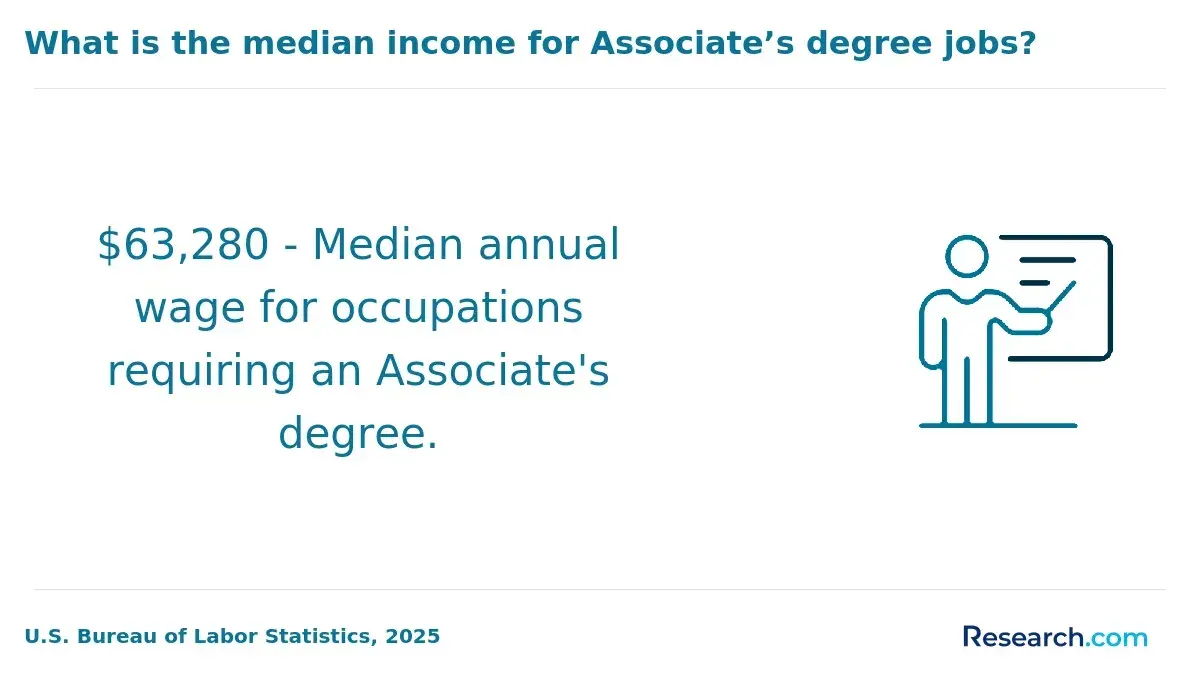
GPA requirements often reflect a student's prior academic performance and capacity to manage coursework, making them a key factor in admissions decisions. However, many online education programs adopt more comprehensive evaluation methods, acknowledging that a low GPA doesn't always capture an applicant's true potential. Over 40% of online programs incorporate holistic admissions that weigh additional factors alongside GPA.
Below are effective approaches for students with lower GPAs to improve their admission prospects:
- Leverage relevant work experience: Demonstrating practical skills and knowledge gained through professional roles in education or related areas can provide concrete evidence of readiness. Admissions committees often value real-world application that supplements academic history.
- Secure strong recommendation letters: References from supervisors or academic mentors can speak to an applicant's strengths, character, and persistence, helping offset a less competitive GPA by highlighting personal qualities and achievements.
- Complete prerequisite courses: Finishing foundational coursework shows current academic abilities and commitment. This approach can reassure admissions staff that the candidate can handle program demands despite past GPA challenges.
- Submit a thoughtful personal statement: Explaining the context behind a low GPA allows candidates to address obstacles openly and articulate motivation for success, making a case for readiness and resilience.
These strategies improve how admissions teams perceive applicants with nontraditional academic backgrounds. A graduate of an online education degree program shared her experience: "My undergraduate GPA was far from impressive, but the program I chose was flexible and valued my years working as a teaching assistant.
The admissions team paid close attention to my recommendation letters and the additional courses I completed after college. I remember feeling nervous during the application process because I wasn't sure if my low GPA would be a dealbreaker, but they saw my potential beyond the numbers. It was encouraging to have a chance at a quality education without being dismissed outright."
Her experience illustrates that gaining admission with a low GPA is possible when programs consider broader qualifications.
The duration of an easy online education degree can significantly impact students eager to enter the workforce quickly or advance their careers with minimal delay. Programs completed in under a year provide faster access to higher-paying roles, making program length a critical consideration.
Several key factors enable students to accelerate their studies efficiently:
- Accelerated courses: These are designed to cover required material in a shorter timeframe without sacrificing the quality of education. This allows students to progress faster through their degree requirements.
- Full-time enrollment: Taking a heavier course load each term expedites completion, though it requires strong time management and commitment. Students who choose this path often balance coursework with other life responsibilities carefully.
- Credit transfer and prior experience: Many programs allow students to transfer previous college credits or recognize relevant professional experience, reducing the number of courses needed to graduate.
- Flexible scheduling: Evening, weekend, or asynchronous classes enable continuous progress while accommodating work and personal obligations. This flexibility helps maintain momentum toward graduation.
Fast track online education programs with simple admission policies often streamline enrollment, making it easier for working adults and career changers to start quickly. While not all easy online education degrees can be completed in under one year, motivated students frequently find opportunities to finish rapidly.
For those interested in specific specializations, investigating online MLIS programs can also be beneficial, as they often offer flexible, affordable options with straightforward admission.
Students frequently compare online and on-campus programs to gauge which format demands less effort, often influenced by the different structures and environments they provide. According to a National Center for Education Statistics report, around 82% of students enrolled in online courses completed them, slightly lower than the 87% completion rate for traditional campus settings.
This data reflects that online learning remains challenging despite its accessibility.
Several factors may contribute to the perception that online education is easier or more accommodating:
- Flexible pacing: Online courses often allow learners to set their own schedules, making it easier to juggle work and personal responsibilities. This self-directed pace supports balancing commitments without strict class times.
- No commuting: Removing travel time frees up hours daily, reducing stress and fatigue associated with commuting. This can enhance concentration and overall productivity during study sessions.
- Access to digital tools: Recorded lectures, interactive modules, and online forums enable diverse learning styles and repeated review. However, these resources require students to remain motivated without in-person guidance.
A graduate of a straightforward online Education degree program shared his experience when asked if the online route was easier than attending classes in person. He explained that the convenience of managing coursework around a full-time job and family was a major advantage.
"Being able to re-watch lectures and work ahead when I had downtime helped me stay on track," he said. Yet, he noted that staying disciplined without the structure of scheduled classes was challenging at times. Still, for him, the flexibility made the journey notably less stressful compared to traditional campus study.
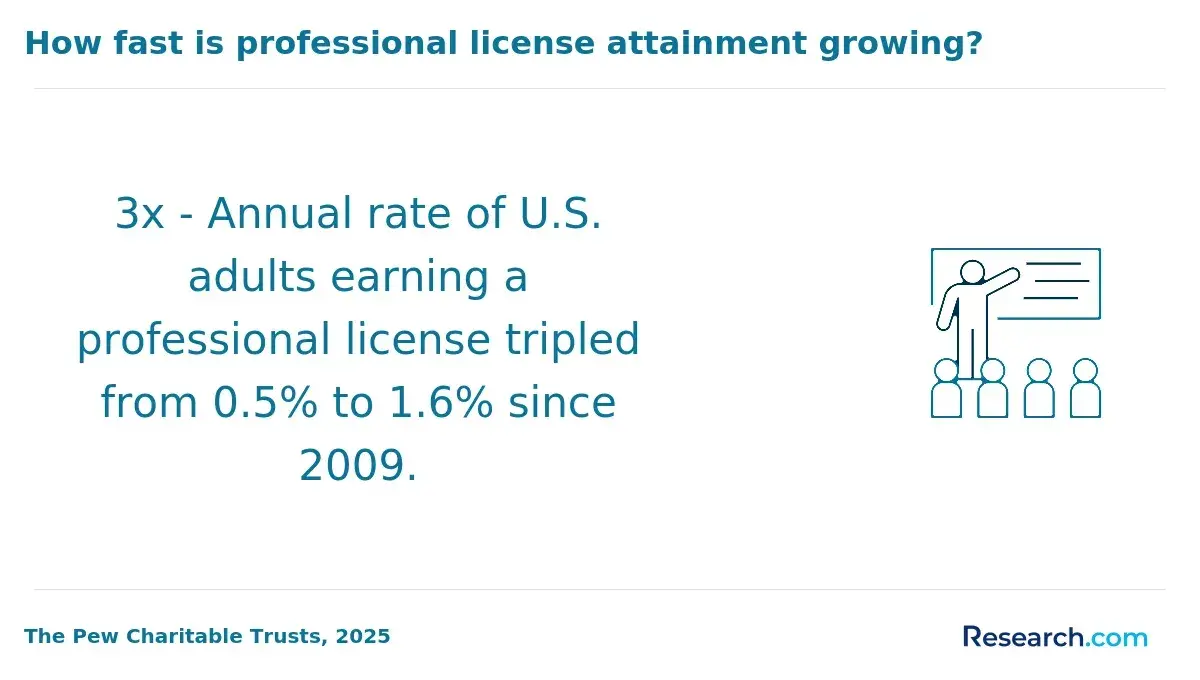
Accreditation plays a vital role for students exploring flexible or low-barrier online education programs, as it verifies that the curriculum and faculty meet established quality standards. This ensures degrees hold value for employers, licensing authorities, and further academic pursuits. Recent data from the National Center for Education Statistics shows that over 80% of online education programs offered by regionally accredited institutions maintain their accreditation, highlighting the growing legitimacy of these options.
Key types of accreditation to consider include:
- Regional Accreditation: This is viewed as the gold standard, awarded by agencies recognized by the U.S. Department of Education. Institutions with regional accreditation typically provide programs with transferable credits and degrees respected by employers nationwide.
- Programmatic Accreditation: Focused on specific education degrees, this accreditation is granted by bodies such as the Council for the Accreditation of Educator Preparation (CAEP). It confirms that teacher preparation programs meet professional standards necessary for certification and licensure.
Opting for an online education program with appropriate accreditation helps students avoid unrecognized certificates or diploma mills that could limit employment opportunities or access to federal financial aid.
For prospective students pursuing affordable online education programs with simple admissions, understanding tuition costs is a key factor. Tuition rates influence overall affordability and financial planning, especially for working adults or those with family commitments.
A recent trend shows that average tuition for online education degrees increased by around 3% over two years, reflecting a rise in demand and improvements in virtual learning platforms.
Here are some important points to consider regarding the average tuition cost for easy online education degrees:
- Typical cost range: Most fully online education programs fall between $10,000 and $30,000 for a full bachelor's or master's degree. These tuition rates are often comparable to on-campus programs but usually come with fewer ancillary fees and more flexible payment options.
- Fully online vs. hybrid formats: Fully online programs generally have slightly lower tuition than hybrid programs, which combine online coursework with occasional in-person sessions. Hybrid options may add campus fees or travel costs, increasing the overall expense.
- Factors influencing tuition: The length of the program, credit hour requirements, and additional fees such as technology or textbook costs all impact tuition amounts. It's essential to review these details carefully while comparing options.
Finding programs designed for accessibility does not always guarantee the lowest tuition, so evaluating cost alongside flexibility and admission simplicity is vital. Students aiming for high-paying education careers often benefit from exploring specialized options, including various masters programs online that may offer accelerated paths with competitive tuition rates.
Transfer credits play a critical role for many prospective students pursuing online education degrees, especially for working adults and career changers. By applying previously earned credits, students can shorten their program duration, sometimes by one or two semesters, which reduces both time and financial investment. A recent trend shows that about 40% of online students incorporate transfer credits, highlighting their importance in streamlining degree completion.
Key ways transfer credits for online education degrees help students finish more efficiently include:
- Reducing required coursework: Transfer credits allow students to bypass introductory or redundant classes, significantly decreasing the total number of courses needed to graduate.
- Lowering tuition costs: By avoiding repeated classes, students spend less on tuition and fees, making online education more affordable, an essential benefit for those balancing finances.
- Focusing on advanced study sooner: With foundational credits transferred, students can concentrate earlier on specialized or higher-level education courses that align with career goals.
- Enhancing scheduling flexibility: Transfer credits enable students to design personalized timetables centered around remaining coursework, a vital advantage for those juggling work and family commitments.
Understanding how transfer credits simplify online education completion requires proactive communication with admissions and academic advisors to determine eligible credits. This strategic approach can ensure credits are properly applied, thereby smoothing admission processes and accelerating graduation.
For individuals targeting high-paying careers, selecting from the best online degrees to get that accept transfer credits offers additional value by combining affordability with efficiency.
Online learners, especially those pursuing education degrees, face unique obstacles like juggling family, work, and study commitments without the benefit of on-campus resources. Access to specialized academic support helps these students remain motivated and succeed despite these challenges.
Key support services available to online education students include:
- Advising: Academic advisors offer tailored guidance on course selection and degree requirements, assisting students in managing their academic plans effectively throughout their program.
- Tutoring and Writing Assistance: Virtual tutoring and writing centers provide targeted help to improve comprehension of difficult topics and enhance the quality of assignments.
- Career Services: Students gain access to career counseling, resume development, and job placement support designed to prepare them for well-paying positions in the education sector.
- Technical Support: Reliable assistance with digital platforms and learning management systems ensures students can engage with online coursework smoothly, minimizing disruptions caused by technical issues.
Research shows that most online students consider academic advising and tutoring essential for their success. For those studying education, these resources help apply practical skills and obtain necessary certifications, thereby boosting confidence and closing experience gaps.
Overall, comprehensive academic support aids in student persistence and graduation rates, making it a critical factor in career-focused online education programs.
Choosing the right online education degree is essential for those aiming for well-paying jobs with straightforward admission requirements. Selecting a program that balances affordability, quality, and employment prospects can save time and money while enhancing career outcomes.
Consider these key factors when evaluating your options:
- Program cost: Lower tuition fees reduce financial burden without sacrificing educational standards. Public institutions frequently offer more affordable online programs, making them a practical choice.
- Duration: Shorter or accelerated degrees enable quicker workforce entry, helping students start earning sooner and potentially reducing overall expenses.
- Accreditation: Regional accreditation ensures academic credibility and improves eligibility for licensure and competitive job markets.
- Career support: Services like job placement and networking increase the likelihood of securing higher-paying roles post-graduation.
- Alignment with high-demand jobs: Focusing on fields such as educational technology or special education can lead to better salary prospects due to ongoing industry growth.
What Graduates Say About Their Easy Online Education Degrees That Pay Well
- Taylor: "Finding an easy online education degree program was a game-changer for me. I appreciated that the average cost, around $15,000, made it affordable without sacrificing quality. This degree opened doors to a fulfilling teaching career much faster than I expected. "
- Alexis: "I chose an easy online education degree program because I needed flexibility with work and family. The reasonable tuition fees, usually under $20,000, allowed me to invest in my future without debt piling up. Since graduating, I've seen a significant boost in my salary and career opportunities. "
- Kai: "After researching the easiest online education degrees that pay well, I enrolled in a program focused on practical skills and affordability, with costs averaging $17,000. Reflecting on the journey, the convenience and the career advancement I've gained have exceeded my expectations. This degree truly enhanced my professional standing. "
Other Things You Should Know About Education Degrees
Yes. Most online education degrees that lead to licensure require a supervised student teaching practicum, usually 12 to 16 weeks in a K–12 classroom. The placement is approved by the state licensure office or the program’s education department, and background checks are often required before placement.
Online education degrees in 2026 often have lower tuition costs and can be completed faster than traditional on-campus programs. Flexible scheduling and an accelerated curriculum allow students to finish their degrees more efficiently without incurring additional room and board expenses.
- How Online Degrees Can Boost Your Career Faster | Acacia https://acacia.edu/blog/how-online-degrees-can-boost-your-career-faster-than-traditional-programs/
- Delivering Excellence: Raising the Standards of Student Support in Distance Education - Distance Learning Institute https://distancelearning.institute/growth-philosophy/delivering-excellence-raising-standards-student-support-distance-education/
- Colleges That Accept Low GPA Scores | Find Options https://www.educationconnection.com/resources/colleges-that-accept-low-gpa/
- 6 steps to gaining accreditation for your online course (checklist) https://senseilms.com/how-to-get-a-course-accredited/
- Online Bachelor's Degrees | Coursera https://www.coursera.org/degrees/bachelors
- Top 10 Accredited Online Colleges And Universities 2025 https://www.accreditedschoolsonline.org/online-colleges/
- Top Benefits of Earning a Degree Online https://www.schiller.edu/blog/top-benefits-of-earning-a-degree-online/
- A Clear Path to Transfer Your College Credits to an Online Program https://global.nmsu.edu/blog/general/how-to-transfer-credits-to-an-online-college/
- Is Online School Hard? Answers to Distance Learning FAQs https://www.umassglobal.edu/blog-news/online-school-hard-answers-distance-learning-faqs