
2027 How to Become a History Teacher in Delaware: Requirements & Certification

Co-Founder and Chief Data Scientist
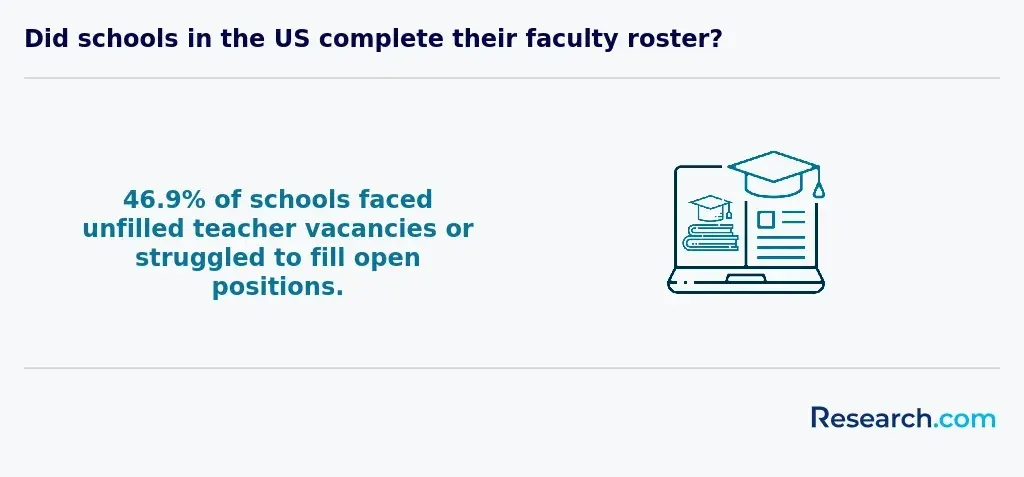
Becoming a history teacher in Delaware is a licensing decision as much as a career decision. You need the right degree, a state-approved educator preparation route, required assessments, supervised classroom experience, and a Delaware teaching license that matches the grade level you want to teach. The choice matters now because Delaware continues to face teacher staffing challenges, especially in high-poverty schools. According to Delaware’s Report Card, 23.43% of teachers in these schools were assigned to teach 568 courses outside their certified content areas, affecting approximately 12,979 students.
For aspiring history teachers, that shortage creates both opportunity and responsibility. Delaware schools need educators who can teach historical content accurately, help students evaluate evidence, connect the past to current civic questions, and support learners with different reading, writing, and discussion skills. This guide explains how to become a history teacher in Delaware, what certification usually involves, how reciprocity works, what salary data is available, which career paths may open later, and how to decide whether this teaching path fits your goals.
Quick Answer: How Do You Become a History Teacher in Delaware?
To become a history teacher in Delaware, you generally need to earn a bachelor’s degree, complete an approved teacher preparation program or qualifying alternative route, finish student teaching or supervised clinical practice, pass the required Praxis assessments for social studies, and apply through the Delaware Department of Education for the appropriate educator license and Standard Certificate. History is typically covered through Delaware’s middle level or secondary social studies certification structure rather than a separate standalone “history teacher” credential.
Key Things You Should Know about Becoming a History Teacher in Delaware
- Nationally, employment for high school teachers has been projected to decline by -1% between 2023 and 2033. Postsecondary teacher employment is projected to grow by 8% during the same period, which is faster than the average for all occupations in the United States [US Bureau of Labor Statistics (BLS), 2024].
- Delaware teaching candidates may be able to reduce education costs through options such as the federal TEACH Grant and University of Delaware scholarships.
- The median annual wage for postsecondary history teachers in the United States was $82,140 in 2023. The US BLS does not report specific wage data for history teachers in Delaware for that period. Neighboring-state mean annual wage data for postsecondary history teachers are available: New Jersey ($122,370), Maryland ($102,290), and Pennsylvania ($93,400) (US BLS, 2024).
- Common career options for history educators in Delaware include high school history teacher, curriculum coordinator, higher education instructor, education consultant, school administrator, museum educator, and library or archival education specialist.
- Delaware history teacher requirements
- Grants and scholarships for future Delaware history teachers
- Special certification rules for history teachers
- Certification reciprocity for out-of-state teachers
- History teacher salary expectations in Delaware
- Career paths for Delaware history teachers
- How to get started as an aspiring history teacher
- Professional development options in Delaware
- Helpful resources for Delaware history teachers
- Interdisciplinary training for history educators
- Networking and mentorship opportunities
- Ways to diversify a history teaching career
- Whether Delaware is a good state for history teachers
- Teaching controversial historical topics responsibly
- Private school teaching opportunities
- Using English teaching methods in history classes
- Legislative changes and career progression
- Next steps toward becoming licensed
- Improving engagement in history classrooms
- Challenges of teaching history in Delaware
- Using art to deepen historical understanding
- Combining history teaching with library science
What are the requirements to become a history teacher in Delaware?
Delaware history teachers usually follow the same basic path as other public school educators: academic preparation, clinical teaching experience, testing, and state licensure. The exact certificate depends on whether you plan to teach middle school or high school social studies, but history is normally included within social studies certification rather than treated as a separate license category.
| Requirement | What it means for aspiring history teachers | Decision point |
| Bachelor’s degree | You typically need a bachelor’s degree in education, history, social studies education, or a closely related field. Students comparing majors can start with history-related degree options. | Choose a program that prepares you for Delaware certification, not just a general history degree. |
| Educator preparation | Most candidates complete a state-approved teacher preparation program that includes coursework in pedagogy, classroom management, assessment, and subject-specific teaching methods. | Ask whether the program leads directly to Delaware licensure eligibility. |
| Student teaching or clinical practice | Supervised classroom experience helps you learn how to teach historical thinking, manage discussions, assess writing, and adapt instruction. | Prioritize placements in the grade level you want to teach. |
| Praxis assessments | Delaware candidates must pass state-approved assessments, commonly including the Praxis Subject Assessment for Social Studies. | Confirm the current test name, code, and passing score with the Delaware Department of Education before registering. |
| Licensure application | After meeting education, experience, and testing requirements, you apply through the Delaware Department of Education and submit required documentation. | Prepare transcripts, test score reports, clinical experience verification, and any required fees before applying. |
The strongest preparation combines historical content knowledge with teaching skill. A history major alone may not be enough for public school certification if it does not include an approved educator preparation sequence. Likewise, a general education program may not prepare you well for the reading, writing, source analysis, and civic discussion demands of history and social studies classrooms.
Questions to ask before choosing a Delaware teacher preparation program
- Is the program approved for Delaware teacher certification?
- Does it prepare candidates for middle level social studies, secondary social studies, or both?
- Where do student teaching placements usually occur?
- What Praxis support does the program provide?
- Can transfer credits, prior coursework, or alternative route options reduce time and cost?
- Does the program include training in culturally responsive teaching, literacy strategies, and discussion facilitation?
Are there grants or scholarships available for aspiring history teachers in Delaware?
Yes. Aspiring history teachers in Delaware may be able to use federal, institutional, and local funding sources to lower the cost of becoming certified. The best option depends on your school, degree level, financial need, academic profile, and willingness to meet service obligations.
| Funding option | Who it may help | Important caution |
| University of Delaware School of Education Undergraduate Awards and Scholarships | Students in the College of Education and Human Development (CEHD) may be considered for awards such as the Susan McLaughlin Scholarship, the Theodore S. Beck Scholarship, and the Wallace H. Maw Scholarship. | Availability, eligibility, and award amounts can change, so verify directly with the university. |
| Federal TEACH Grant | Students who agree to teach in high-need fields in low-income schools may qualify for up to $4,000 per year. | If service requirements are not fulfilled, the grant can convert to a loan that must be repaid. |
| Local education foundations | Community-based scholarships may support Delaware residents or future educators preparing to teach in local schools. | Deadlines and eligibility rules vary widely by foundation. |
| School or district employment benefits | Paraprofessionals, substitute teachers, or district employees may find tuition assistance or grow-your-own programs. | Benefits are employer-specific and may require a work commitment. |
Do not compare programs by tuition alone. Add fees, testing costs, background check costs, transportation for student teaching, lost wages during clinical practice, and the time required to finish the credential. If you are exploring helping professions beyond classroom teaching, reviewing child life specialist career requirements can also clarify how education, certification, and service work differ across student-centered careers.
How to reduce the cost of becoming a history teacher
- Complete general education credits at a lower-cost accredited institution before transferring, if your target program accepts them.
- Ask whether prior history coursework can satisfy major or content requirements.
- Apply early for institutional scholarships, not only federal aid.
- Compare traditional and alternative certification routes if you already hold a bachelor’s degree.
- Budget for Praxis preparation and retake costs in case you need more than one attempt.
Do history teachers need special certifications in Delaware?
Delaware does not generally require a separate, history-only public school teaching certificate. Instead, candidates usually pursue the appropriate Standard Certificate in Middle Level Social Studies or Secondary Social Studies. History is a core part of that broader social studies teaching area, along with related content such as civics, geography, economics, and government.
After completing the required academic preparation, candidates must pass state-approved assessments. The Praxis II Social Studies assessment is commonly associated with this pathway and evaluates knowledge that may include historical content, social studies concepts, and teaching-related application.
| Credential or requirement | Purpose | Why it matters |
| Delaware Initial License | Supports educators with less than four years of teaching experience. | It is typically the entry point for new public school teachers. |
| Standard Certificate in Middle Level or Secondary Social Studies | Authorizes teaching in the relevant social studies area, including history. | It connects your preparation to the grade level and subject area you plan to teach. |
| Praxis Social Studies assessment | Demonstrates content knowledge in social studies and history-related areas. | Passing scores are part of proving readiness for certification. |
| Student teaching | Provides supervised experience in real classrooms. | It helps you practice lesson planning, discussion management, assessment, and differentiation before becoming the teacher of record. |
Because certification rules can change, candidates should use official Delaware Department of Education guidance when planning coursework and testing. A program advisor can help, but the state certification office is the final authority.
Is there certification reciprocity for history teachers in Delaware?
Delaware has a process for educators who already hold valid teaching credentials from another state. Reciprocity can make the transition easier, but it is not automatic in every case. The Delaware Department of Education reviews out-of-state credentials to determine whether the applicant’s preparation, experience, assessments, and certificates align with Delaware requirements.
Teachers with qualifying licensure or certification from another state generally need to prepare the following items when applying to teach history or social studies in Delaware:
- Online application through the Delaware Educator Data System (DEEDS)
- Non-refundable application fee of $100
- Official transcripts
- Copy of educator credentials
Out-of-state teachers should not assume that a history endorsement in one state maps perfectly to Delaware’s social studies certificate structure. Before relocating or accepting a position, compare your current certificate, grade band, testing record, and years of experience against Delaware’s requirements.
Reciprocity checklist for out-of-state history teachers
- Confirm whether your current certificate is valid, active, and in good standing.
- Collect official transcripts from every college or university required for review.
- Download or request copies of all current and expired educator credentials.
- Check whether your previous Praxis or state test scores can be accepted.
- Submit your DEEDS application and respond quickly to any state requests for additional documentation.
How much do history teachers make in Delaware?
Salary expectations depend on the grade level, employer, salary schedule, degree level, years of experience, and whether the job is in a public school, private school, college, museum, or education organization. The most reliable salary comparison starts with the actual salary schedule or offer from the hiring district or institution.
For postsecondary history teachers, the median annual wage in the United States was $82,140 in 2023. The US BLS does not provide specific wage data for history teachers in Delaware for that period. Available mean annual wage data for neighboring states are New Jersey ($122,370), Maryland ($102,290), and Pennsylvania ($93,400) (US BLS, 2024).
| Salary data point | Amount | How to use it |
| US median annual wage for postsecondary history teachers in 2023 | $82,140 | Useful for understanding college-level history teaching, not necessarily K-12 public school pay. |
| New Jersey mean annual wage for postsecondary history teachers | $122,370 | Provides regional context but should not be treated as a Delaware salary estimate. |
| Maryland mean annual wage for postsecondary history teachers | $102,290 | Helpful for comparing nearby labor markets. |
| Pennsylvania mean annual wage for postsecondary history teachers | $93,400 | Another regional benchmark for college-level history instruction. |
Public school teacher pay is often determined by local salary schedules rather than a single statewide number. When comparing offers, look at base salary, step increases, graduate-credit incentives, pension participation, health insurance, planning time, class sizes, mentoring support, and contract expectations. If you are comparing teaching in multiple states, guides such as Nevada teacher certification pathways can help you understand how certification and compensation structures vary by state.
In the chart below, I have visualized the states that offer the highest compensation for history teachers.
What career paths are available for history teachers in Delaware?
A Delaware history teaching credential can lead to more than one professional route. Some educators remain in the classroom for their full careers, while others move into curriculum, administration, higher education, consulting, museums, archives, or educational technology.
| Career path | Typical preparation | Best fit for educators who want to... |
| Middle school or high school history/social studies teacher | Bachelor’s degree, educator preparation, Delaware license, social studies certificate | Work directly with students and build civic, historical, reading, and writing skills. |
| Curriculum coordinator | Teaching experience and often graduate-level preparation | Design courses, align lessons to standards, and support other teachers. |
| Higher education instructor | Advanced degree, usually in history or a related field | Teach college students, conduct research, or specialize in a historical field. |
| Educational consultant | Strong classroom record and expertise in curriculum or instruction | Advise schools, develop materials, lead workshops, or support program improvement. |
| School administrator | Teaching experience plus administrative preparation and credentials | Lead schools, supervise instruction, and influence schoolwide policy. |
| Museum, archive, or public history educator | History background plus experience with exhibits, archives, or public programming | Teach history through collections, community programs, and public interpretation. |
If you are still comparing state pathways, resources on how to become a teacher in Wisconsin can provide a useful contrast with Delaware’s certification structure.
How can aspiring educators get started as history teachers in Delaware?
The first step is to identify your starting point. A high school student, college student, career changer with a bachelor’s degree, and out-of-state licensed teacher will not follow the same timeline. Your fastest and most affordable route depends on how much college credit, classroom experience, and subject-area coursework you already have.
| Your situation | Likely route | Smart next move |
| You have not started college | Bachelor’s degree with an approved teacher preparation program | Choose an accredited institution and confirm that the program leads to Delaware social studies certification. |
| You are already majoring in history | Add or transfer into an educator preparation pathway if needed | Meet with an education advisor before you finish too many credits outside certification requirements. |
| You already have a bachelor’s degree | Alternative certification or post-baccalaureate teacher preparation | Compare time, cost, clinical experience, and licensure outcomes. |
| You hold an out-of-state teaching license | Delaware reciprocity review through DEEDS | Gather transcripts, credentials, and testing records before applying. |
Cost is often one of the biggest barriers. Candidates who need an affordable route should review the cheapest way to get a teaching credential in Delaware before committing to a program. The least expensive option is not always the best one, but understanding low-cost routes can help you avoid unnecessary debt.
Step-by-step plan for new candidates
- Decide whether you want to teach middle school, high school, or eventually college-level history.
- Choose a degree or certification pathway aligned with Delaware social studies requirements.
- Complete required history, social studies, education, and methods coursework.
- Build experience through tutoring, substitute teaching, volunteering, or youth programs when appropriate.
- Complete student teaching or supervised clinical practice.
- Prepare for and pass the required Praxis assessments.
- Apply for licensure and the appropriate Standard Certificate through Delaware’s system.
- Apply to districts, charter schools, private schools, or education organizations that match your goals.
What professional development opportunities are available for history teachers in Delaware?
Professional development matters because history teaching changes with new standards, classroom technology, student needs, source collections, and public debates about curriculum. Delaware educators can use state, district, institutional, and professional resources to keep improving after licensure.
- Professional Development Management System (PDMS): The Delaware Department of Education provides PDMS as a centralized platform where educators can find workshops, courses, and professional learning opportunities across instructional areas.
- Micro-credentials: Delaware’s micro-credential structure allows teachers to document targeted competencies. For history teachers, this can support growth in areas such as primary source analysis, literacy instruction, civic learning, or technology integration.
- Comprehensive Induction Program (CIP): Delaware works with districts and charter schools to support new school staff through training and induction activities that may include classroom management, instructional planning, and assessment practices.
- Online Vendor Guide: This resource helps educators identify organizations that provide training and professional learning services.
- District-based mentoring: New teachers should ask about mentor assignments, observation cycles, peer coaching, and release time for professional learning.
History teachers should choose professional development that solves real classroom problems. For example, a teacher struggling with document-based questions may benefit more from literacy-focused training than from a general technology workshop. A teacher leading tense discussions about race, war, immigration, or constitutional rights may need facilitation training and clear district guidance.

What are the best resources for history teachers in Delaware?
Strong history teaching depends on more than textbooks. Delaware teachers need state standards, primary sources, local history materials, museum partnerships, professional networks, and tools for helping students read complex historical documents.
- Delaware Department of Education: The state agency provides standards, instructional guidance, assessment information, certification resources, and professional learning access.
- Delaware Historical Society: Educators can use lesson materials, primary sources, and programs connected to Delaware history, including topics such as the Underground Railroad and WWII.
- Local museums and cultural institutions: Sites such as the Delaware Art Museum and New Castle Court House Museum can support field trips, object-based learning, and local history projects.
- Libraries and archives: Public, school, and university libraries can help teachers locate maps, newspapers, oral histories, government documents, and community records.
- Teacher communities: Department teams, district professional learning communities, online educator groups, and discipline-specific networks can help teachers share lessons and solve practical classroom challenges.
The best resources are those that help students do the work of historians: ask questions, evaluate evidence, compare perspectives, write arguments, and understand change over time. A worksheet collection is less valuable than a reliable source set paired with strong questions and clear writing expectations.
How can interdisciplinary training benefit history teachers in Delaware?
History teachers often become more effective when they borrow methods from other disciplines. Science education can strengthen inquiry, evidence evaluation, and data interpretation. English education can improve source reading and argument writing. Art education can make material culture, propaganda, architecture, and visual evidence more accessible. Library science can improve research instruction and information literacy.
For example, coursework from an online science education degree may help history teachers design inquiry-based lessons where students test claims against evidence. The goal is not to turn history into another subject; it is to give students more ways to investigate the past with discipline-specific rigor.
What networking and mentorship opportunities can advance my career as a history teacher in Delaware?
Mentorship can shorten the learning curve for new history teachers. A strong mentor can help you plan units, pace standards, handle parent communication, manage controversial discussions, interpret assessment data, and build classroom routines. Networking also matters for job openings, curriculum leadership opportunities, conference participation, and cross-district collaboration.
Look for mentorship through district induction programs, school-based department teams, professional learning communities, university alumni networks, museum education programs, and state professional learning platforms. You can also learn from educators in other subjects; for example, guidance on how to become a middle school math teacher in Delaware can highlight how Delaware certification, grade-band preparation, and instructional expectations differ across fields.
How can history teachers diversify their career paths in Delaware?
History teachers who want broader career options should build transferable skills intentionally. Curriculum writing, assessment design, educational technology, grant writing, public speaking, archival research, and teacher leadership can open doors outside a single classroom assignment.
Possible transitions include curriculum specialist, instructional coach, museum educator, education program manager, policy analyst, professional development facilitator, public historian, or digital learning content creator. If you want to explore broader options, a guide to jobs you can pursue with a teaching degree can help you compare school-based and non-classroom roles.
Is Delaware a good state for history teachers?
Delaware can be a practical state for history teachers who want to work in a smaller education system, build relationships across districts, and teach in communities with deep local and national historical connections. It may be especially meaningful for educators interested in civic learning, local history, and public policy. However, the decision should be based on licensure fit, salary, cost of living, working conditions, and long-term advancement opportunities.
One cost-of-living benchmark is important: single, childless adult residents of Delaware are able to afford typical expenses in the state with an annual income of $47,064 before taxes (Glasmeier & Massachusetts Institute of Technology, 2024). Prospective teachers should compare that figure with actual salary schedules from districts or schools where they plan to apply.
| Potential advantage | Potential drawback | What to check before deciding |
| Teacher shortages may create openings in some schools and subject areas. | Shortages can also signal workload pressure, staffing instability, or challenging school conditions. | Ask about class sizes, planning time, mentoring, turnover, and open positions by subject. |
| Delaware offers professional learning systems such as PDMS and induction support. | Not every professional learning opportunity will be history-specific. | Ask how your district supports social studies teachers specifically. |
| The state participates in policy efforts such as the Interstate Teacher Mobility Compact (ITMC). | Mobility rules still require careful credential review. | Verify current reciprocity rules with the Delaware Department of Education. |
| Local history resources can enrich instruction. | Teachers still need time, funding, and administrative support to use museums, archives, and field experiences. | Ask whether the school supports field trips, guest speakers, and project-based learning. |
In the chart below, I have illustrated the current state of teacher mobility within the United States.
How do history teachers in Delaware address controversial issues in their curriculum?
History teachers should approach controversial topics through evidence, standards, clear discussion norms, and multiple credible perspectives. The goal is not to avoid difficult history. The goal is to teach students how to examine sources, understand context, distinguish evidence from opinion, and participate in respectful civic discussion.
Effective strategies include using primary and secondary sources, previewing sensitive topics, setting discussion agreements, teaching historical context before debate, and assessing students on reasoning rather than personal agreement with a viewpoint. Educators who want experience across age groups may also review how to become an elementary school teacher in Delaware to understand how historical and civic topics are introduced earlier in schooling.
Should I consider private school teaching opportunities in Delaware?
Private schools can be worth considering, especially for educators who want smaller school communities, mission-driven instruction, or more flexibility in curriculum design. However, private school hiring and credential expectations may differ from public school requirements. Some schools may strongly prefer state certification, while others may emphasize subject expertise, teaching experience, or alignment with the school’s educational philosophy.
Before accepting a private school position, compare salary, benefits, class load, curriculum autonomy, accreditation, professional development, and whether the experience will help if you later move into Delaware public schools. For details, review private school teacher requirements in Delaware.
Can history teachers enhance their instructional strategies by integrating English teaching methodologies?
Yes. History classrooms depend heavily on reading, writing, speaking, and argumentation. English teaching methods can help history teachers improve document analysis, historical writing, vocabulary instruction, discussion routines, and evidence-based essays.
Useful strategies include close reading, annotation, thesis development, narrative structure, rhetorical analysis, Socratic seminars, and revision workshops. These methods are especially helpful when students struggle with dense primary sources or when they need to explain cause and effect, compare viewpoints, or defend historical interpretations. Educators interested in this connection can review how to become an English teacher in Delaware.
How do recent legislative updates affect career progression for history teachers in Delaware?
Policy changes can affect teacher pay, mobility, evaluation, certification renewal, and professional learning expectations. Delaware has introduced measures related to equitable salary structures and participation in the Interstate Teacher Mobility Compact (ITMC), both of which may influence how teachers evaluate long-term career opportunities in the state.
History teachers should monitor certification timelines, renewal requirements, continuing education expectations, and any changes described in Delaware teacher certification types and requirements. Relying on outdated program brochures or informal advice can create delays, especially for career changers and out-of-state teachers.
What next steps should I take to become a history teacher in Delaware?
If you are ready to move from research to action, start by confirming your route: undergraduate teacher preparation, alternative certification, reciprocity, or graduate-level preparation. Then verify Delaware’s current requirements before enrolling, testing, or applying.
- Choose the grade level you want to teach: middle school, high school, or postsecondary.
- Review Delaware Department of Education certification rules for social studies.
- Compare approved programs and ask each school how it leads to licensure.
- Estimate total cost, including tuition, fees, testing, transportation, and student teaching time.
- Map your Praxis preparation timeline.
- Build experience with adolescents through tutoring, substitute teaching, coaching, camps, or youth programs when appropriate.
- Apply through the official state system once requirements are met.
For a more focused pathway, visit how to become a high school history teacher in Delaware.
How can history teachers in Delaware enhance classroom engagement?
Engagement in history class comes from meaningful questions, strong sources, active discussion, and assignments that require students to think rather than memorize. Students are more likely to participate when they see how historical decisions, conflicts, laws, movements, and migrations connect to current civic life.
- Start units with an essential question rather than a list of dates.
- Use primary sources, maps, images, speeches, court documents, newspapers, and oral histories.
- Build lessons around historical problems students must investigate.
- Use structured discussion formats so all students can participate safely.
- Teach writing in stages: claim, evidence, reasoning, counterargument, revision.
- Connect Delaware history to national and global themes when appropriate.
- Use formative assessments to identify misunderstandings before major tests or essays.
Teachers who want to strengthen communication support for diverse learners may find useful perspective in how to become a speech pathologist in Delaware, especially when thinking about language development, comprehension, and classroom communication.
What are the challenges of teaching history to students in Delaware?
History teaching can be intellectually rewarding, but it is not easy. Delaware history teachers must balance standards coverage, student engagement, literacy gaps, assessment pressure, and community expectations around sensitive topics.
| Challenge | Why it matters | Better approach |
| Curriculum overload | Teachers may feel pressure to cover too many eras, regions, themes, and standards quickly. | Prioritize essential questions and recurring historical thinking skills. |
| Student reading levels | Primary sources and historical texts can be difficult for students who need literacy support. | Use scaffolds, vocabulary instruction, chunked readings, and guided source analysis. |
| Controversial topics | Lessons on race, war, immigration, religion, rights, and politics can generate strong reactions. | Use evidence-based routines, clear norms, and multiple credible perspectives. |
| Assessment pressure | Testing demands can narrow instruction if teachers focus only on test preparation. | Align assessments with standards while still teaching writing, inquiry, and discussion. |
| Resource limitations | Not every school has equal access to updated materials, technology, field trips, or planning support. | Use state resources, libraries, open archives, museum partnerships, and department collaboration. |
Understanding these challenges before entering the profession helps candidates choose stronger preparation programs and ask better questions during interviews. If you are comparing certification systems elsewhere, the guide to West Virginia teacher certification exams offers another state-specific point of comparison.
Can history teachers in Delaware integrate art to enhance historical understanding?
Yes. Art can help students interpret historical periods through images, objects, architecture, propaganda, memorials, clothing, political cartoons, and public monuments. Visual analysis is especially useful for students who struggle to connect emotionally or conceptually with text-heavy lessons.
History teachers can ask students to curate a mini-exhibit, compare wartime posters, analyze portraits for power and identity, design historically grounded artifacts, or connect museum objects to written primary sources. Educators interested in deeper arts integration can review the requirements to become an art teacher in Delaware.
Can history teachers in Delaware diversify their careers by integrating library science?
Library science pairs naturally with history education because both fields depend on research, source evaluation, information organization, and ethical use of evidence. A history teacher with library science training may be better prepared to teach research skills, manage archival materials, support inquiry projects, and guide students through misinformation and source credibility challenges.
This pathway may lead to roles in school libraries, archives, curriculum resource management, digital collections, or public history education. If this option interests you, explore how to become a school librarian in Delaware to compare certification and role requirements.
Common Mistakes to Avoid When Becoming a History Teacher in Delaware
| Mistake | Why it can hurt you | What to do instead |
| Choosing a history degree without checking teacher certification alignment | You may graduate with strong subject knowledge but still lack licensure eligibility. | Confirm that your program leads to Delaware social studies certification. |
| Assuming all online programs qualify for Delaware licensure | Some programs prepare teachers for another state or do not include required clinical practice. | Ask for written confirmation of Delaware licensure alignment. |
| Focusing only on tuition | Fees, testing, travel, books, and unpaid student teaching can change the real cost. | Calculate total program cost before enrolling. |
| Waiting too long to prepare for Praxis | Testing delays can postpone licensure or hiring. | Build a test preparation calendar before your final clinical semester. |
| Ignoring reciprocity details | An out-of-state credential may not transfer exactly as expected. | Use Delaware’s official review process and keep records organized. |
| Assuming salary outcomes are guaranteed | Pay varies by employer, role, degree level, experience, and contract. | Review actual salary schedules and benefits before accepting an offer. |
Key Insights
- History teachers in Delaware usually certify through middle level or secondary social studies, not a separate history-only public school credential.
- The core pathway includes a bachelor’s degree, approved educator preparation, student teaching, Praxis testing, and a Delaware licensure application.
- Delaware’s teacher shortage context may create opportunities, but candidates should still evaluate salary, workload, mentoring, school conditions, and cost of living.
- The federal TEACH Grant, University of Delaware scholarships, and local funding sources may help reduce preparation costs, but service obligations and eligibility rules matter.
- Out-of-state teachers can pursue Delaware reciprocity, but they should expect a credential review and should prepare transcripts, certificates, testing records, and the $100 application fee.
- Career growth can extend beyond the classroom into curriculum, administration, higher education, consulting, museums, archives, public history, or library science.
- The best history teachers combine content knowledge with literacy instruction, discussion facilitation, source analysis, civic reasoning, and culturally responsive teaching.
Related Articles for Nearby States
- 2027 How to Become a History Teacher in Maryland: Requirements & Certification
- 2027 How to Become a History Teacher in New Jersey: Requirements & Certification
- 2027 How to Become a History Teacher in Pennsylvania: Requirements & Certification
- 2027 How to Become a History Teacher in Virginia: Requirements & Certification
- 2027 How to Become a History Teacher in West Virginia: Requirements & Certification
- 2027 How to Become a History Teacher in New York: Requirements & Certification
- 2027 How to Become a History Teacher in Connecticut: Requirements & Certification
- 2027 How to Become a History Teacher in Rhode Island: Requirements & Certification
- 2027 How to Become a History Teacher in North Carolina: Requirements & Certification
- 2027 How to Become a History Teacher in Ohio: Requirements & Certification
References:
- dehistory.org. (2020, December 12). Educator Resources. https://dehistory.org/learn/educator-resources
- education.delaware.gov. (n.d.). Professional Learning. https://education.delaware.gov/educators/academic-support/standards-and-instruction/digital-de/professional-learning
- fastweb.com. (n.d.). History Teacher Education. https://www.fastweb.com/directory/scholarships-for-history-teacher-education-majors
- Glasmeier, A. K. & Massachusetts Institute of Technology. (2024). Living Wage Calculation for Delaware. https://livingwage.mit.edu/states/10
- glassdoor.com.au. (2024, June 05). High School History Teacher salaries in Delaware. https://www.glassdoor.com.au/Salaries/delaware-high-school-history-teacher-salary-SRCH_IL.0,8_IS3523_KO9,36.htm
- nj.gov. (2016, September 01). Social studies endorsement information. https://nj.gov/education/license/endorsements/2300S.pdf
- salary.com. (2024, July 29). High School History Teacher Salary in Delaware City, DE. https://www.salary.com/research/salary/recruiting/high-school-history-teacher-salary/delaware-city-de
- talent.com. (n.d.). History: Average Salary in Delaware, DE in 2024. https://www.talent.com/salary?job=history&location=delaware,+de
- teacherbuilder.com. (2023, May 12). How To Become a History Teacher in Texas. https://www.teacherbuilder.com/blog/how-to-become-a-history-teacher-in-texas
- US Bureau of Labor Statistics. (2024, August 29). High School Teachers. Occupational Outlook Handbook. https://www.bls.gov/ooh/education-training-and-library/high-school-teachers.htm
- US Bureau of Labor Statistics. (2024, April 3). Occupational Employment and Wages, May 2023: 25-1125 History Teachers, Postsecondary. Occupational Employment and Wage Statistics. https://www.bls.gov/oes/current/oes251125.htm
- US Bureau of Labor Statistics. (2024, August 29). Postsecondary Teachers. Occupational Outlook Handbook. https://www.bls.gov/ooh/education-training-and-library/postsecondary-teachers.htm
- zippia.com. (2023, November 20). Best states for a History Teacher. https://www.zippia.com/history-teacher-jobs/best-statesDelaware teacher certification overview
Other Things You Should Know About Becoming a History Teacher in Delaware
In Delaware, history teacher certification renewal involves earning six semester hours of approved coursework or equivalent professional development activities every five years. Renewal applications are submitted through the Delaware Educator Data System (DEEDS). Additional specific requirements may apply based on your current certification type.
The Delaware Department of Education issues history teacher certifications through its educator licensure office. Applicants must meet state preparation, testing, and background-check requirements before the certificate is granted, and schools verify that the license is valid for the intended grade level and subject area.





