2027 Graduation Rates for Online Web Development Master's Programs: Completion Statistics

Co-Founder and Chief Data Scientist
Juggling full-time work and family while tackling an online web development master's program exposes students to a high dropout risk, making graduation rates a critical measure beyond mere enrollment. Recent 2024 data reveals that only around 55% of students in comparable programs finish within the expected timeframe, highlighting persistent challenges in maintaining momentum amid competing priorities.
This rate signals underlying factors such as program flexibility, student support, and course design that directly affect completion likelihood. Understanding these nuances matters for prospective students weighing the real chances of securing their degree on time, not just the program's surface appeal.
The article examines graduation rates, completion statistics, and critical factors influencing timely degree attainment in online web development master's programs.
Key Things to Know About Graduation Rates for Online Web Development Master's Programs
- Graduation rates in online web development master's programs average around 55% nationally as of 2024, reflecting the tradeoff between program rigor and flexible pacing which can extend time-to-degree for many students.
- Employers increasingly differentiate candidates by completion status, with full degree attainment signaling project management skills and perseverance critical in web development roles, impacting hiring and advancement decisions.
- Programs with accelerated timelines often show higher upfront costs, emphasizing a timing-cost tradeoff where faster graduation may reduce overall expense but requires intense time commitment, affecting accessibility for working adults.
What Are the Graduation Rates for Online Web Development Master's Programs?
Graduation rates for online web development master's programs often reflect the complex realities that adult learners face rather than purely academic challenges. Completion statistics of online web development graduate degrees typically hover between 50% and 70% within six years, a range influenced heavily by student demographics such as part-time enrollment, work commitments, and family responsibilities.
For instance, a working professional pursuing a degree while balancing full-time employment may take significantly longer than the traditional two years to graduate, a factor rarely captured by headline graduation rates. This nuance means that prospective students should view these rates as indicators of broader trends shaped by program flexibility and support rather than as deterministic measures of individual success.
Interpreting program completion statistics requires attention to the structural elements that impact student persistence, including academic advising quality, cohort models, and pacing options. Programs that incorporate these supports often report persistence nearing 80%, underscoring how institutional design can offset some challenges of remote learning and improve retention.
However, lower graduation numbers in certain programs may reflect deliberate enrollment policies targeting working professionals prioritizing sustained career integration over accelerated timelines. Understanding how such factors play into both the education pathway and employer expectations can guide students to choose programs aligned with their personal circumstances and long-term professional plans.
For those exploring accelerated routes, examining available one year masters programs online may provide additional context on pacing and completion tradeoffs.
How Do Graduation Rates Compare Among Online Web Development Master's Programs?
Graduation rates for online web development master's programs often reflect profound differences in program structure and student circumstances rather than a straightforward measure of quality. For instance, institutions with cohort-based models typically show higher completion within expected timeframes because the shared pacing fosters accountability and peer support.
By contrast, programs offering fully flexible, self-paced curricula may report lower graduation rates as the ability to pause or slow down enrollment leads to extended or interrupted timeframes, particularly for part-time students balancing full-time employment.
Data from the National Center for Education Statistics in 2024 indicates that STEM-related online master's programs, including web development, exhibit six-year completion rates spanning from roughly 55% to 75%, underscoring variability tied to admissions selectivity, advising intensity, and availability of academic resources.
These differences mean prospective students should scrutinize how graduation statistics align with their personal conditions and educational goals. Programs with robust tutoring, mentoring, and structured schedules may better support those juggling career and family demands but often require firmer commitments and less flexible pacing.
Conversely, open-enrollment options accommodating stop-outs or part-time progress can increase persistence challenges, reflected in longer time-to-degree or temporary withdrawal risks. For working professionals or career changers, understanding whether published graduation rates include part-time and stop-out students, or predominantly full-time, continuously enrolled cohorts, is critical for realistic timeline expectations and persistence planning.
A graduate recalled comparing two online master's programs: one reported a 70% six-year graduation rate but required fixed-term, cohort enrollment, while the other had a lower 55% completion figure with largely self-paced options. She found admissions advisors unusually candid about how the first's statistics excluded students who withdrew temporarily, a common situation for part-timers, while the latter counted all enrollees regardless of enrollment intensity.
This nuance shaped her decision, balancing the security of structured support against the freedom to adjust study intensity amid ongoing job duties, ultimately choosing the program that aligned more closely with her unpredictable schedule despite a statistically lower completion rate.
How Do Online Web Development Master's Program Graduation Rates Compare to On-Campus Programs?
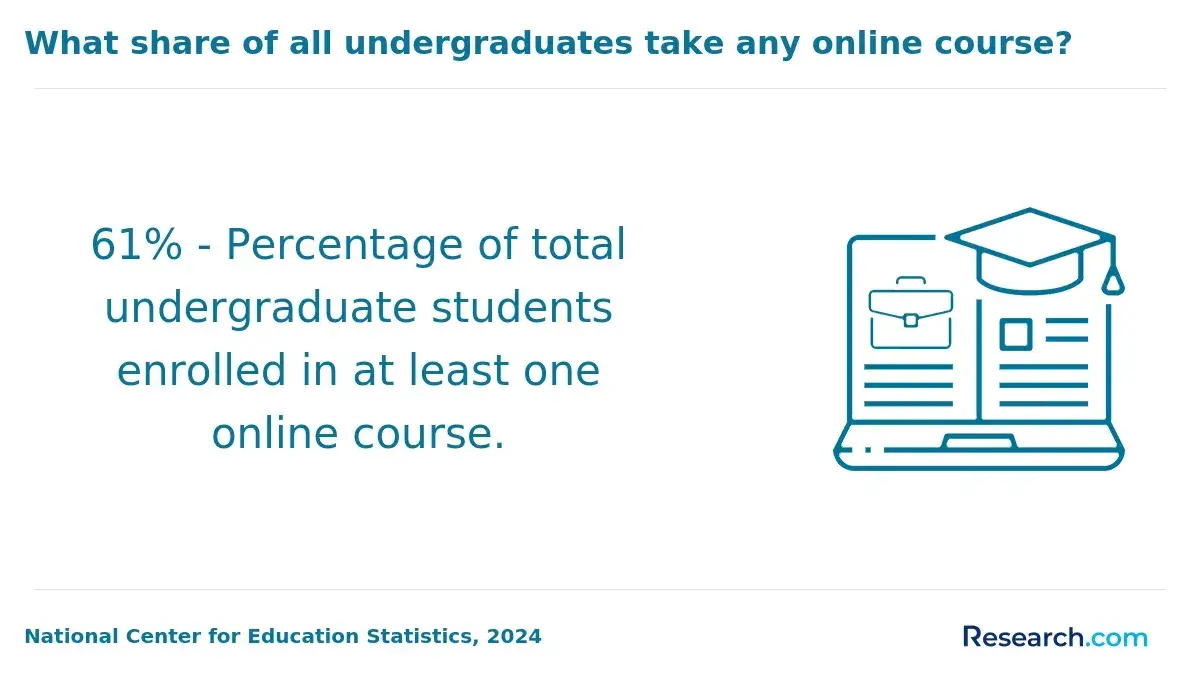
Graduation rates for online web development master's programs tend to be lower than those for traditional on-campus tracks, but this disparity is often less an issue of program quality and more a reflection of differing student circumstances. Many online enrollees balance full-time jobs and family responsibilities, leading to higher part-time attendance and extended completion timelines.
For example, with nearly 70% of online master's students in tech fields enrolling part-time compared to under 30% on campus, longer degree paths are a practical tradeoff for flexibility rather than an indicator of academic failure or weaker outcomes.
Direct comparisons between online and campus graduation rates can therefore be misleading without considering these enrollment patterns and support mechanisms. Programs that integrate synchronous sessions, ongoing mentorship, and robust advising report markedly improved completion rates, narrowing the historical gap.
According to a 2024 report from the National Center for Education Statistics, about 65% of on-campus students in computer-related master's finish their degree within six years, while roughly 58% of fully online students do so, illustrating how institutional design and student engagement shape persistence more than delivery mode alone.
Recognizing this helps prospective students weigh completion statistics within the realistic context of their professional demands and support access, which ultimately impacts timely degree attainment and workforce readiness.
Graduation rates in online web development master's programs hinge on managing enrollment intensity and academic sequencing, with significant practical consequences for completion timelines. Part-time study, common among working adults balancing family and employment, often extends degree duration and raises stop-out risks, underscoring the importance of flexible pacing options tailored to fluctuating workloads.
A 2024 study from the National Center for Education Statistics highlights that students maintaining continuous enrollment experience a 25% higher completion rate, indicating how interruptions can severely impact progress and workforce entry.
The impact of academic advising and cohort structure on graduation rates emerges clearly in programs that provide personalized guidance to navigate prerequisite courses and minimize delays. Cohort-based models foster accountability and peer engagement, enhancing persistence in complex curricula where capstone projects or practicum requirements can stall momentum.
Efficient transfer credit policies also influence completion by reducing redundant coursework, a critical factor considering many students enter these programs with varied technical backgrounds and prior learning.
For prospective students, analyzing completion and retention patterns in online web development programs reveals how employer expectations for relevant, up-to-date skills intersect with the necessity of practical workload management.
Programs that align academic demands with real-world constraints, such as the doctorate in leadership online models emphasizing this balance, better support successful outcomes. Understanding these operational tradeoffs helps learners select pathways that realistically fit their circumstances and career timelines.
Student support services directly affect on-time graduation rates in online web development master's programs by shaping how students manage complex academic and life demands.
Robust academic advising enables learners to strategically sequence courses to avoid bottlenecks that can delay progress, especially for part-time students balancing work and family. Programs with integrated early-alert systems and proactive tutoring reduce stop-outs by identifying and assisting struggling students before issues snowball.
According to the National Center for Education Statistics in 2024, programs with such comprehensive supports show graduation rates roughly 12% higher than those without, highlighting the tangible impact of responsive faculty access, technical assistance, and career services on persistence and completion.
Technical support plays a particularly critical role during the first term when digital platform familiarity is typically low, preventing withdrawals tied to frustrating technical barriers. Cohort-based program models further reinforce accountability and sustained engagement, increasing persistence by up to 15% compared to self-paced formats, even though some students may value schedule flexibility more than peer interaction.
For working professionals and career changers, the ability to tap into targeted career coaching alongside mental health resources and re-enrollment assistance after interruptions often makes the difference between finishing within the planned timeframe or extending their studies by multiple semesters.
One recent graduate recounted that early in the program, overwhelming project deadlines and a challenging new coding framework triggered doubts about continuing. An academic advisor intervened with tailored advice about workload pacing and connected the student to specialized tutoring sessions that clarified difficult concepts.
Access to faculty during virtual office hours helped address questions promptly, easing frustration. Career coaching later provided clear milestones tied to employment goals, which reinforced motivation despite balancing a full-time job and family obligations.
This personalized support network was instrumental in maintaining momentum and finishing the degree on schedule with confidence rather than burnout or delay.
Completion timelines for online web development master's programs are heavily influenced by enrollment intensity and individual pacing constraints, with many students facing a clear tradeoff between accelerating degree completion and managing professional or personal responsibilities. Full-time students can often finish in about two years, aligning with program sequencing and capstone requirements, while part-time students typically extend their path closer to four years, balancing coursework with work and family demands.
These extended timelines, while offering necessary flexibility, tend to lower graduation rates and increase the risk of stop-outs or temporary leaves caused by financial strain, workload conflicts, or health issues, which are factors that significantly shape the average graduation timeline for online web development master's programs.
For prospective students, understanding these dynamics is critical when estimating time to complete an online web development master's degree and setting realistic academic goals. Persistence and institutional support, including clear advising on course loads and sequencing, play crucial roles in helping students stay on track.
Given the prevalence of part-time enrollment, accounting for over 60% of online graduate students, the challenge is often maintaining continuous enrollment without extended breaks. This reality makes it essential for learners to weigh how program flexibility correlates with their ability to graduate timely while managing external commitments.
Those seeking accelerated options or reduced admissions barriers might consider alternatives such as an MBA without GMAT or GRE to align educational investment with career timeline demands.
Graduation outcomes for online web development master's programs hinge significantly on enrollment patterns and students' capacity to balance coursework with external responsibilities. Full-time students generally achieve degree completion within standard timeframes more reliably.
Data from the 2024 National Center for Education Statistics indicate around 65% of these students graduate within six years. This faster pace stems from concentrated course loads that allow continuous progress and reduce the risk of dropping out or extending timelines due to competing life demands.
Conversely, part-time students, many of whom juggle jobs and family, face longer and more unpredictable routes to graduation. These students often take twice as long to complete their programs, reflecting intermittent enrollment and challenges in maintaining consistent academic momentum.
For example, a working software developer enrolled part-time might gain valuable practical skills on the job but struggle to engage fully with asynchronous coursework when work deadlines intensify, thereby slowing degree advancement. Program flexibility and timely academic advising play critical roles in mitigating these risks, as working professionals benefit most from self-paced options and targeted support that accommodate fluctuating work and life schedules.
The choice between full-time and part-time enrollment involves clear tradeoffs in pacing, workload, and persistence risks. Full-time enrollment maximizes credit accumulation speed but carries burnout potential, while part-time study offers adaptability at the cost of prolonged completion.
Understanding these dynamics is essential when planning course sequencing and managing expectations about time to degree, especially for those balancing employment. Ultimately, students must weigh how their professional and personal contexts align with program structures that either accelerate or accommodate longer pathways to graduation.
Retention rates within online web development master's programs provide a crucial early indicator of whether students will ultimately graduate, but interpreting these figures requires nuance.
Programs with retention below 70% often see graduation rates under 50%, according to a 2024 study by the National Center for Education Statistics. This gap highlights how stop-out behaviors, such as temporarily pausing studies, can disrupt progress, particularly for students balancing work and family obligations.
For example, a part-time student who encounters rigid course sequencing may face extended times to degree or attrition if the program lacks flexible pacing or leave options.
Beyond raw persistence, the availability of academic advising, technical support, and cohort interaction significantly shapes completion outcomes. Cohort-based models that foster peer engagement tend to improve both retention and graduation by smoothing social and academic challenges.
In contrast, fully asynchronous programs often struggle with early dropouts. When prospective students review retention data alongside graduation statistics, they gain insight into whether a program's structure aligns with their professional and personal demands.
This allows more informed decisions about the feasibility of on-time completion versus extended study periods, acknowledging that lower retention may signal hidden support gaps or misaligned expectations rather than immutable barriers.
Graduation rates fundamentally determine whether students can transform their investment of time and money in an online web development master's program into a completed credential with tangible career benefits. For example, a student juggling full-time work and family obligations who experiences delays or dropouts faces extended tuition payments and missed opportunities to leverage a completed degree for advancement.
Evaluating completion statistics to measure financial and career ROI in online web development master's degrees reveals that delays not only increase direct costs but also postpone entry into higher-paying roles, diminishing the overall value of the program. Persistence factors like program support and flexible pacing critically affect whether students avoid these extended burdens.
Data from the National Student Clearinghouse Research Center (2024) indicates average graduation rates around 60% within six years for computer-related online graduate programs, highlighting significant completion risk. Students should consider how academic advising, curriculum design, and real-world project integration influence persistence and timely degree attainment, as these can shift the balance between sunk costs and market-ready skills.
Employers often prioritize completed degrees as evidence of technical proficiency and discipline; thus, not graduating can lead to a poor return on the financial commitment. This reality underscores why careful scrutiny of graduation rates is essential when choosing an online master's program.
Prospective learners can further refine program choices by consulting resources like the nonprofit university listings, which often highlight institutions with robust support systems and stronger completion outcomes. Ultimately, how graduation rate trends influence online web development master's program return on investment depends on managing opportunity costs, program quality, and labor market alignment so that time invested results in career-relevant credentials rather than elongated enrollment with uncertain payoff.
Graduation rates for online web development master's programs offer more than just raw percentages; they provide insight into how well programs accommodate the realities of working professionals and career changers managing multifaceted commitments. For example, programs with high completion rates often feature flexible scheduling, robust academic support, and tailored retention strategies designed for adult learners.
Conversely, lower completion rates may reveal rigid curricula or insufficient advising, signaling potential challenges for those balancing study with full-time employment. Prospective students evaluating student completion likelihood in online web development degrees should consider metrics like persistence rates and average time-to-degree as key indicators of a program's ability to support sustained progress.
A 2024 report by the National Center for Education Statistics found that online master's programs in computer-related fields have an average completion rate of about 62% within six years, underscoring the likelihood that a significant minority may require extended timelines or risk non-completion. Enrollment intensity and access to student resources such as tutoring and technical assistance are critical factors shaping these outcomes.
To further inform decision-making, learners might explore specialized pathways which accommodate unique backgrounds, such as veterans navigating career transitions. Resources like cybersecurity degree online for veterans programs illustrate tailored support models relevant to some web development learners.
Interpreting graduation data alongside these contextual elements allows a clearer assessment of program fit and realistic expectations for completion success.
What Do Graduates Say About Graduation Rates for Online Web Development Master's Programs?
- Jason: "When I first reviewed the graduation rates, I saw them as a useful benchmark but knew my situation, balancing a full-time job and two young kids, would make things tougher. The part-time enrollment option really helped stretch out the coursework, but even so, I learned that persistence and timely communication with advisors made a huge difference in staying on track. Those statistics didn't fully capture how flexible pacing affected my time-to-degree."
- Nora: "I approached the graduation rates cautiously because I'd heard stories of students dropping out due to workload and poor advising. In practice, the faculty's responsiveness and the well-structured course sequencing helped mitigate some of those risks for me. Still, I realized the completion stats mostly apply to students who can dedicate consistent time; the program's intensity required recalibrating my expectations about deadlines and balance."
- Alexander: "Looking back, the published completion numbers were a rough indicator but didn't match the complexity of managing coursework alongside work and personal challenges. The cohort format provided some peer support, but it was the personalized academic guidance that helped me push through difficult modules. I learned that understanding how the program structures workload across semesters is critical to avoid burnout and stay engaged throughout."
Other Things You Should Know About Web Development Degrees
Project-heavy curricula demand sustained application of skills, which can increase workload intensity but also foster deeper engagement and practical readiness. However, these programs often see lower graduation rates if students underestimate the time investment required outside of lecture content. For career changers lacking prior experience, project-based requirements may pose significant barriers unless adequate preparatory resources and checkpoints are provided. Selecting programs with structured milestones and available support for complex projects can mitigate dropout risks linked to real-world assignments.
Graduation rates alone do not capture employer valuation of an online web development master's credential. Employers often prioritize demonstrable skills and portfolio outcomes over simply degree completion. Programs with robust industry partnerships or internship components tend to better align graduate success with job market demands, possibly sacrificing some graduation rate in pursuit of rigor. Students should critically evaluate whether a program's reputation and practical outcomes justify potentially lower completion rates, especially when aiming for competitive or specialized web development roles.
Tutoring, faculty office hours, writing support, and code review labs improve completion rates in online web development master's programs. Programs with 24/7 LMS access, advising, and technical help desks reduce withdrawal risk. Many schools also require 30 to 36 credit hours and capstone milestones to keep students on schedule.
- MSc Web Development https://www.roehampton.ac.uk/study/postgraduate-taught-courses/web-development/
- How to Calculate the Return on Investment of a Design Education https://ixdf.org/literature/article/how-to-calculate-the-return-on-investment-of-a-design-education
- Best Master's in Web Development Programs https://www.computerscience.org/degrees/masters/web-development/
- Data Shows Student Support Is Central to Higher Ed’s Future - Every Learner Everywhere https://www.everylearnereverywhere.org/blog/data-shows-student-support-is-central-to-higher-eds-future/
- Boost Student Retention With Support Services - EducationDynamics https://www.educationdynamics.com/boost-student-retention-with-support-services/
- Explore the Best Web Development Degree Programs | Cyberdegrees.org https://www.cyberdegrees.org/listings/web-development/best-programs/
- Online master's degree guide: Programs, costs, and how to apply https://www.edx.org/resources/guide-to-online-masters-degrees