2027 Top Universities Offering Online Web Development Master's Degrees

Co-Founder and Chief Data Scientist
Employers increasingly demand specialized expertise and proven practical skills from graduates of online web development master's programs, making curriculum relevance and applied learning opportunities critical factors in program evaluation. Differences in program design-such as emphasis on front-end, back-end, or full-stack development, integration of real-world projects, and alignment with emerging frameworks-directly influence job readiness.
Accreditation status and faculty industry experience also impact employer perception and credential value. Flexible scheduling and targeted certifications cater to working professionals but may trade off depth or cohort engagement. This article compares top universities based on these substantive academic, workforce, and experiential criteria that shape graduate outcomes and career trajectories.
Key Benefits of Top Universities Offering Online Web Development Master's Degrees
- Curricula emphasizing current frameworks risk quicker obsolescence due to fast-evolving tech, requiring continuous self-directed learning beyond program completion to maintain market relevance.
- Employers increasingly value project-based outcomes from online programs, reflecting practical readiness more than pedigree, signaling a shift toward skills validation over institutional reputation.
- Rising tuition costs for online master's degrees correlate with extended completion times; prospective students must weigh financial impact against delayed workforce reentry when selecting programs.
Which Universities Offer the Best Online Web Development Master's Degrees?
Institutions that deliver the best online web development master's degrees typically demonstrate strong structural and academic cohesion, marked by rigorous curricula that balance foundational computer science with advanced application in web technologies. These programs often feature specialized tracks tailored to emerging industry demands, integrating front-end, back-end, UX/UI design, and software engineering components.
Faculty composition can also vary significantly, with superior programs employing instructors who have both academic credentials and direct industry experience, fostering applied learning and project-based engagement. The presence of experiential components, such as capstone projects and real-world client collaborations, further distinguishes institutions committed to producing graduates equipped with immediately applicable skills.
This institutional design translates directly into measurable student outcomes. Graduates from top accredited online web development master's programs for working professionals tend to demonstrate heightened employability, aligning with employer expectations for technical skill validation and adaptability to evolving technology stacks. These programs commonly align coursework with relevant industry certifications and incorporate workload expectations calibrated for professionals balancing full-time work, which affects completion rates and skill retention.
A 2024 study by the National Center for Education Statistics (NCES) highlights that 73% of employers prioritize candidates whose competencies are underpinned by skill-focused, comprehensive curricula, underscoring the importance of program quality in workforce readiness.
Tradeoffs arise between the flexibility demanded by diverse student populations and the academic rigor required to ensure mastery. Programs with fully asynchronous designs offer accessibility but may sacrifice interaction dynamics that synchronous sessions provide, which enhance networking and peer learning. Similarly, highly specialized curriculum depth can limit broader applicability for learners seeking multidisciplinary roles, while more generalized programs may falter in comprehensive technical training.
Prospective students evaluating online web development master's degrees must weigh these differences carefully in light of their career trajectories, balancing convenience with content depth to ensure long-term professional return. For those interested in related fields, exploring pathways such as an artificial intelligence degree online can provide complementary skill sets in advancing technology domains.
Why Does Accreditation Matter for Online Web Development Master's Programs?
Accreditation serves as a practical measure of academic rigor and institutional accountability in online Web Development master's programs. It enforces curriculum standards that ensure comprehensive coverage of essential concepts, relevant technologies, and evolving industry practices. Programs with recognized accreditation are subject to regular external review, promoting continuous improvement and faculty qualifications aligned with current professional requirements. This structural oversight directly influences the program's ability to deliver a credential that employers and educational institutions respect as legitimate and consistent.
The implications of accreditation extend beyond academic validation into how degrees translate into professional opportunities and mobility. Employers frequently use accreditation as a proxy for candidate quality, favoring graduates from accredited programs which reflect vetted preparation. Credit transferability is often restricted for unaccredited programs, limiting students' options to pursue further education or certifications without duplicating coursework.
For example, a graduate from a non-accredited online Web Development master's attempting to obtain industry certification may find their prior education insufficient, creating additional time and cost burdens. According to a 2024 survey by the National Association of Colleges and Employers, 68% of employers prefer applicants holding degrees from accredited online programs in technology fields, underscoring how accreditation signals practical value in competitive job markets and long-term career resilience.
Which Universities Offer the Most Flexible Online Web Development Master's Programs?
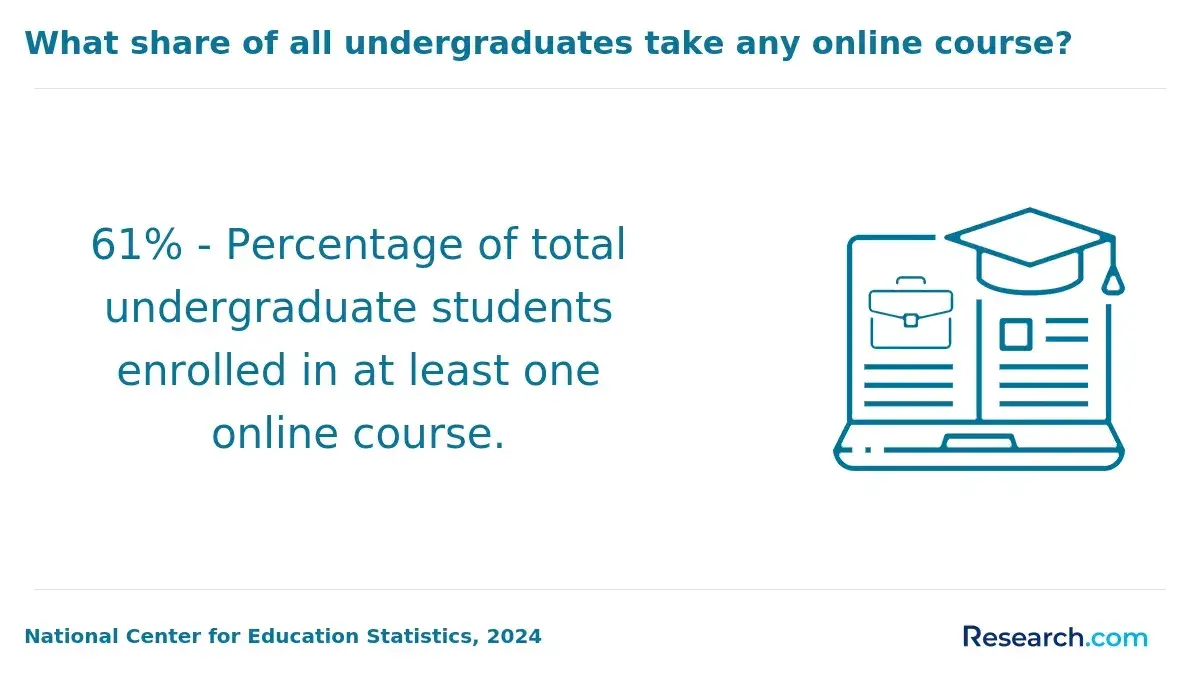
Flexibility in online web development master's programs hinges primarily on how courses are structured and paced. Programs offering fully asynchronous coursework, where students can access content on demand without mandatory login times, enable learners to fit study around complex schedules.
Part-time options and modular course designs further facilitate personalized progression, allowing students to prioritize electives or concentrate on specific skill sets over extended periods. Self-paced models versus fixed cohort start dates greatly influence flexibility, as asynchronous formats often permit multiple enrollment windows annually, accommodating working professionals better than traditional semester-based systems.
According to 2024 data from the National Center for Education Statistics, programs with multiple start dates and asynchronous delivery see an 18% higher degree completion rate, underscoring the tangible benefits of adaptable program architectures.
However, this flexibility carries tradeoffs affecting time management and academic engagement. Students balancing full-time jobs may find modular, self-paced courses helpful, but risk longer completion times if motivation or routine lags. Programs requiring synchronous sessions or capstone projects can restrict scheduling freedom and challenge those who rely on asynchronous formats.
For instance, a student juggling family responsibilities and work might thrive in a program with open enrollment and online projects but face difficulties if required internships demand set hours or regional presence. Moreover, reduced cohort interactions in highly flexible programs may limit peer collaboration and networking, factors critical for career positioning in tech industries where demonstrated teamwork and communication are valued.
A graduate recalled choosing a program that emphasized unrestricted asynchronous learning and frequent course start dates because it allowed him to continue full-time consulting while studying. He initially hesitated, worrying that the absence of regular class meetings would hinder his progress, but found that breaking courses into shorter, stackable modules made deadlines manageable.
Still, when a mandatory group project surfaced late in the curriculum, coordinating with peers across time zones became frustrating, prompting him to prioritize clearer communication channels early on. This experience highlighted how structural flexibility can empower a student's lifestyle yet demands proactive discipline and contingency planning to navigate inherent scheduling tradeoffs.
Online web development master's programs designed for working professionals commonly prioritize flexible scheduling through asynchronous coursework and part-time enrollment options. These programs often integrate employer-aligned curricula emphasizing current frameworks and technologies while ensuring accessibility to faculty who combine academic expertise with industry experience. The best options accommodate career pacing by offering accelerated tracks or adjustable deadlines, which are critical for learners managing full-time jobs and complex commitments. According to recent data from respected educational research bodies, programs with such flexibility consistently report higher retention rates among adult learners juggling professional responsibilities.
In practice, these structural elements affect how well students balance workload demands and maintain steady academic progress without sacrificing job performance or personal obligations. Programs that embed practical projects, internships, or capstone experiences aligned with real-world requirements enhance employability and facilitate quicker salary growth after graduation.
However, working professionals must evaluate whether the degree's scheduling promotes consistent engagement since erratic pacing can delay completion and weaken knowledge retention. A growing share of flexible online master's degrees in web development for career advancement now also include virtual networking and career coaching to offset challenges posed by reduced face-to-face cohort interaction.
Tradeoffs often arise with such flexibility, including longer timeframes to finish a degree or fewer integrated practicum opportunities compared to full-time, campus-based models. While this slower path limits immediate immersion, it better supports sustainable learning and work-life balance, which are paramount for employed students. Identifying programs that align with these priorities, and that hold adequate accreditation, is essential; prospective students should consult compilations of online universities that are accredited to verify institutional quality consistent with these outcomes.
Tuition for leading online web development master's programs in 2024 typically spans from around $15,000 to upwards of $50,000, with variations primarily influenced by the type of institution and program structure. Public universities frequently offer lower costs, especially for in-state enrollees, reflecting subsidized rates that can fall below $20,000 for full degree completion. In contrast, private and research-intensive schools justify higher tuition-often exceeding $40,000-through expanded access to specialized technology, faculty expertise, and extensive applied learning components embedded within their curricula. Additional mandatory fees for technology access, course materials, or enrollment processes further increase the effective price, making a direct tuition comparison insufficient for evaluating total financial commitment.
Prospective students must weigh these costs against tangible benefits such as curriculum depth, specialization, and program pacing. For instance, accelerated or highly specialized tracks often carry premium pricing but promise faster entry into the job market or niche expertise, while part-time or flexible formats may be less expensive yet accommodate ongoing employment. Working professionals frequently face decisions balancing tuition price, employer tuition assistance policies, and potential debt levels, where choosing a costlier but more adaptable program could yield better long-term returns through enhanced portfolio development and employer recognition. This dynamic underscores the importance of aligning program affordability with individual career goals and financial risk tolerance rather than selecting based solely on sticker price.
An online web development master's student recalled hesitating when applying during rolling admissions. Although intrigued by a well-regarded program with higher tuition, they delayed submitting materials while comparing cheaper alternatives offering less flexible pacing. Waiting risked limited spots, but the student prioritized readiness and funding alignment over speed, ultimately feeling relieved once accepted months later. Their experience highlighted how cost considerations intertwine with timing and strategic preparation, influencing not just enrollment but overall educational pathway satisfaction.
Online web development master's programs with the most competitive admissions typically reflect factors beyond mere institutional brand recognition. Selectivity often stems from limited cohort sizes, rigorous academic and professional prerequisites, and specialized curriculum demands that align closely with industry competency standards. According to enrollment data from the National Center for Education Statistics, many of the most selective online web development master's programs report acceptance rates below 25%. These programs frequently require demonstration of prior coding or software engineering experience, coupled with strong academic backgrounds, as well as evaluation of portfolios or project outcomes, underscoring the emphasis on tangible skills over standardized tests alone.
Applicants confronting the hardest online web development master's degrees to gain admission must prepare extensively, often balancing professional responsibilities with the need to meet prerequisite coursework or demonstrate substantial portfolio work. Programs incorporating synchronous live sessions and capstone projects attract a more qualified and competitive pool, primarily working professionals seeking both skill advancement and career impact. This environment favors candidates who have strategically planned their application timing and cultivated relevant experience, as admissions committees prioritize readiness for complex problem-solving and innovation embedded in these curricula.
The tradeoffs involved in highly selective programs include restricted flexibility due to cohort-based intensity and time-specific commitments, which may limit access for those requiring greater scheduling accommodation. However, competitiveness also tends to enhance peer quality and faculty engagement, fostering a learning community aligned with evolving workforce expectations. Prospective students should carefully weigh these factors against their career objectives and learning preferences, as admissions competitiveness directly influences both educational experience and long-term professional value within web development. For those considering alternative but related credentials, exploring a degree in project management may offer complementary pathways aligned with leadership roles in tech fields.
Universities that tend to be more transfer-friendly for graduate students in online Web development master's programs typically exhibit several key institutional features. Public universities often lead in this regard due to standardized transfer credit policies shaped by state regulations and established articulation agreements. Additionally, institutions emphasizing competency-based education leverage prior learning assessments to recognize professional experience, certifications, and relevant non-traditional credits. Programs designed specifically for working adults and career changers frequently incorporate flexible curriculum models and credit evaluation systems to accommodate diverse educational backgrounds and accelerate degree completion.
These transfer-oriented structures can significantly reduce time-to-degree and overall educational costs by minimizing redundant coursework, which is a critical consideration for many graduate students balancing employment and study. However, such flexibility sometimes comes with tradeoffs, including more rigid alignment with accreditation requirements that restrict elective options or specialization paths.
For example, a professional transitioning from software development into a leadership role might benefit from transferring substantial technical credits but could face challenges if core management courses must be completed at the receiving institution. According to recent data from the National Center for Education Statistics, nearly 60% of graduate students successfully transferring credits enroll in public universities, reflecting the widespread adoption of clear transfer frameworks in these institutions.
Online web development master's programs that effectively connect students with internships typically embed strong institutional frameworks fostering employer engagement. These include formal partnerships with tech firms, startups, and industry consortia, regional accreditation tied to workforce needs, and structured cohort or practicum requirements that guarantee hands-on experience. Dedicated career services teams and active alumni networks further enhance placement rates by providing personalized guidance and access to curated internship opportunities.
According to data from the National Center for Education Statistics in 2024, about 65% of online graduate programs featuring integrated internships report over 50% placement success, reinforcing the value of aligning academic design with industry connections.
Such support systems impact students' practical experiences by elevating the relevance and quality of internships secured, improving scheduling flexibility through coordinated employer collaboration, and expanding networking avenues that often lead to post-graduate employment. Programs with embedded internship components typically equip students with clearer expectations and preparation aligned to real-world Web Development roles, reducing the friction common in self-driven internship searches. A student in a well-supported program, for instance, may access exclusive positions at growing tech companies through career services, whereas those in less connected programs face more uncertainty and fragmented professional pathways.
However, these benefits can come with tradeoffs: programs heavily reliant on structured internships may impose rigid timelines and geographic constraints, which can disadvantage remote learners without local industry presence. Conversely, programs emphasizing flexibility might require students to independently source internships, risking lower placement rates and inconsistent quality. Prospective students must weigh the value of such embedded support against their individual needs for autonomy and schedule adaptability when choosing an online Web Development master's program.
Online web development master's programs displaying the best job placement rates typically feature curricula tightly integrated with industry requirements, emphasizing hands-on project work, internships, and partnerships with local and regional employers. These structural elements create pipelines that increase graduate visibility and relevance in hiring processes, ensuring skills align with current technology stacks and development methodologies.
Programs that mandate capstone projects or workplace practicums tend to facilitate smoother transitions to roles in software engineering, UX design, and system architecture, reflecting workforce demand trends observed in recent 2024 government labor reports. Such design considerations heavily influence graduate success rather than institutional prestige alone, a distinction crucial for those exploring top accredited online web development master's degrees for career placement success.
Reported placement rates across programs can vary based on specialization focus and student demographics; for example, working professionals returning to school may leverage existing networks for employment faster than recent undergraduates entirely new to the field. Also notable is the variation in data reliability, as some institutions report employment figures months after graduation while others measure immediate post-completion outcomes, potentially overstating short-term placement. Students should weigh these tradeoffs, understanding that broader multidisciplinary programs may offer flexibility but less targeted job market alignment compared to specialized tracks, which often command higher initial salaries yet may limit adaptability if demand shifts.
Placement metrics also face inherent limitations such as self-reported employment statuses and uneven geographic labor market conditions impacting web development graduates differently. For instance, graduates from programs with embedded certifications and cutting-edge cloud or cybersecurity curriculum often report more stable, long-term career outcomes, especially in competitive technology hubs. Prospective students seeking comparative clarity might consider detailed analyses alongside options like cheap online masters in finance programs that reflect similar data transparency challenges but robust workforce integration models.
Selecting a graduate school for an online web development master's involves balancing critical tradeoffs in cost, curriculum design, specialization depth, flexibility, experiential learning, and career outcomes. Rather than institutional prestige alone, the specific program structure and its alignment with real-world skills and employer expectations largely determine employability and long-term professional positioning in web development fields.
- Curriculum Structure and Rigor: Programs that integrate theoretical foundations with updated, practical technologies prepare graduates to meet employer demands without skill readiness gaps. Overly generic or outdated curricula risk lower workplace productivity, reducing immediate career impact.
- Accreditation and Academic Credibility: Regional accreditation by recognized bodies ensures credit transferability and employer recognition. Without proper accreditation, students may face challenges validating their credentials across organizations.
- Specialization Depth: Choices around focused tracks versus broad coverage affect career trajectory; deeper specialization can facilitate roles requiring niche skills but may limit broader adaptability.
- Experiential Learning Integration: Programs embedding internships or project-based practicums increase real-world readiness and networking opportunities, often correlating with higher employment rates post-graduation.
- Delivery Format and Flexibility: Asynchronous or part-time options cater to working professionals managing workload constraints, influencing time-to-completion and degree accessibility.
- Cost and Financial Tradeoffs: Tuition and fees must be weighed against potential salary uplift and debt tolerance, especially considering long-term professional growth.
- Internship or Practicum Availability: Access to industry placements supports application of skills and enhances employer alignment, a factor increasingly reported as beneficial in graduate employment outcomes.
- Faculty Industry Experience: Instructors with active industry involvement typically offer more relevant, current insights, bridging academic knowledge with workplace realities.
- Employer Alignment and Job Placement Outcomes: Robust partnerships and career services correlate strongly with measurable post-graduation employment metrics; according to a 2024 National Center for Education Statistics report, graduates engaging career services show 25% higher employment in their field within six months.
- Transfer Credit or Prior Learning Policies: Programs accepting validated prior coursework or certifications can shorten time-to-degree and reduce overall workload for students with relevant backgrounds.
Students comparing online web development master's program quality factors should prioritize flexibility and selectivity rooted in these operational realities. This lens supports informed graduate school admissions selectivity and flexibility assessment that goes beyond branding.
For professions with evolving salary standards, such as criminal profiling, understanding precise career outcomes is essential. Resources like criminal profiler salary data highlight the value of targeted program evaluation aligned with employment expectations.
What Graduates Say About Top Universities Offering Online Web Development Master's Degrees
- Jason: "Completing my master's degree in web development helped me secure a solid internship that prioritized portfolio depth over formal licensure. I quickly learned that many employers value demonstrable experience and problem-solving skills, which pushed me to focus heavily on building diverse projects. Transitioning into a full-time role was smoother than I expected, though salary growth plateaued initially due to lack of long-term industry certifications."
- Camilo: "The flexibility of the online web development program allowed me to balance a full-time job while upskilling, which was critical as I navigated career pivots. However, I found competing for senior roles challenging without significant hands-on experience in team-led projects. My takeaway is that while the degree opens doors, continuous on-the-job learning and internships remain key to advancing beyond entry and mid-level positions."
- Alexander: "After graduating, I quickly moved into remote work opportunities that my university network recommended, which was a huge advantage in today's market. Employers were less concerned with my degree itself and more focused on practical certifications and contributions to open-source projects. That said, I remain cautious about over-reliance on remote roles since promotion prospects can sometimes be slower compared to in-person positions."
Other Things You Should Know About Web Development Degrees
Many do. Programs often end with a capstone, thesis, or portfolio built from real web apps, usually worth 3 to 6 credits. Schools may require a minimum GPA of 3.0 and a final project review before graduation.
Online master's programs often market flexible pacing, but the intensity of coursework and project deadlines may still rival or exceed on-campus alternatives. Candidates must assess how continuous coding assignments, collaborative projects, and timed exams fit into their current life and work commitments. Programs with regularly scheduled synchronous sessions or cohort-based deadlines can foster discipline but may limit flexibility. Students should prioritize self-directed formats only if they have proven strong time management skills, as falling behind can significantly impact mastery of complex skills.
Faculty backgrounds influence how relevant and current the curriculum remains relative to evolving web technologies. Programs where instructors maintain active industry roles or research in emerging web standards tend to deliver content that aligns closely with employer needs. Without this industry connection, students risk learning outdated frameworks or missing exposure to contemporary challenges like cybersecurity in web applications. When choosing a program, prioritize those that highlight faculty credentials and their engagement with current development communities or professional networks.
Some programs focus narrowly on front-end or back-end technologies, while others offer broader coverage including UX/UI, databases, and cloud integration. Specialization may increase immediate job readiness in a specific role, but it can limit adaptability as technology trends shift. Conversely, broader programs develop versatility but may sacrifice depth in critical skill areas. For most career changers, or those targeting leadership roles, a balanced curriculum that covers core full-stack concepts alongside elective specialties is advisable to maintain relevance and mobility in a competitive job market.
- Top Web Development Degree Programs | ComputerScience.org https://www.computerscience.org/degrees/web-development/
- How to Become a Web Developer https://www.snhu.edu/about-us/newsroom/stem/how-to-become-a-web-developer
- Explore the Best Web Development Degree Programs | Cyberdegrees.org https://www.cyberdegrees.org/listings/web-development/best-programs/
- Best Web Development Master's Degree Programs, Jobs, and Salaries https://careerkarma.com/blog/web-development-masters-degrees/
- MSc Web Development https://www.roehampton.ac.uk/study/postgraduate-taught-courses/web-development/
- Web Development Internships: 561+ Web Development Intern Jobs https://internshala.com/internships/web-development-internship/
- Best Web Development Master's Programs 2026 https://hakia.com/degrees/web-development/best-masters-programs/
- Online Free Full Stack Web Development Internship https://www.webstackacademy.com/internship/online-free-full-stack-web-development-internship/
- Your 9 Compelling Reasons to Become a Web Developer [+ a Bonus] https://sundancecollege.com/blog/reasons-to-become-a-web-developer/
- Web Development Internship – Full Stack Training | SkillSecureX https://skillsecurex.com/full-stack-web-developer-intern/