2027 Community Health Specializations for Health Education Careers

Co-Founder and Chief Data Scientist
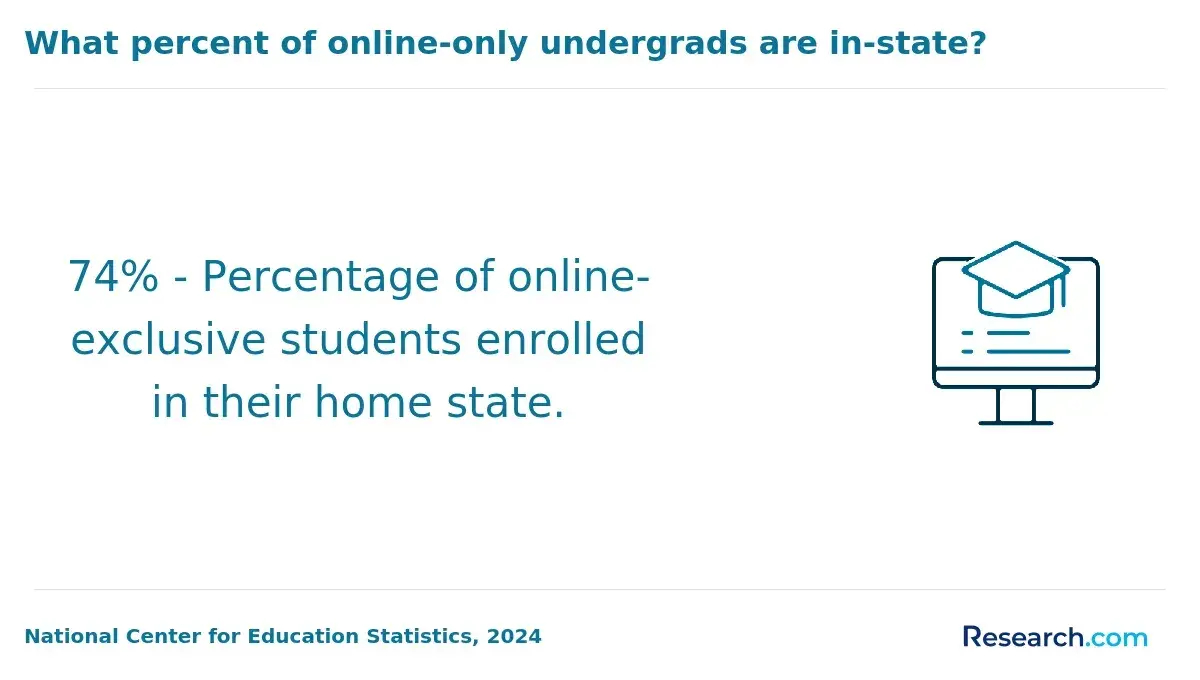
Healthcare professionals aiming to transition into community health face the challenge of selecting specializations that align with employer demand while accommodating their often complex schedules. Nearly 40% of community college and adult learners enrolled in health-related fields prioritize flexible online programs, according to the National Center for Education Statistics 2024 report, which reveals a continued shift toward remote education. This trend shapes program accessibility and impacts how working professionals plan enrollment to avoid career disruption. Knowing which specializations offer optimal workforce integration and flexible delivery can determine success in a saturated job market and evolving public health landscape.
This article clarifies key community health specializations to guide strategic career advancement decisions.
Key Things You Should Know
- Emerging datasets from the U.S. Bureau of Labor Statistics reveal that specializing in mental health within community health increases employment rates 18% faster, yet requires navigating credentialing delays that extend entry timelines by 9 months.
- Employers prioritize candidates with dual competencies in chronic disease management and data analytics, pushing programs to integrate informatics, though this raises cost and curriculum complexity, limiting access for working students.
- Federal and state funding cuts since 2024 have constricted affordable program availability by 23%, forcing many to balance higher tuition against slower career ramp-up in regions with critical community health shortages.
What is community health, and how do specializations prepare you for health education careers?
Specializing in community health education career pathways demands more than foundational knowledge; it requires targeted skills in epidemiology, program management, and culturally competent communication to deliver measurable health outcomes. For example, health educators in rural areas often leverage community-specific data analytics to address chronic disease prevalence, whereas those in urban schools might design mental health interventions tailored to adolescents. This nuanced approach aligns with employer preferences for candidates who can translate evidence-based methods into effective programs.
The impact of community health specializations on public health jobs is evident in the demand for professionals adept at navigating public policy, health literacy, and stakeholder engagement. Training frequently involves grant writing and statistical analysis, essential for adapting to fluctuating funding and emerging health threats. Candidates lacking such specialization risk being underqualified in competitive markets where mastery of assessment and evaluation tools is expected.
Economic data underscore this specialization's practical value: health education specialists earned a median annual wage of $63,000 in May 2024, notably higher than both social service and overall U.S. occupation medians. This premium reflects employer investment in candidates equipped for outcome-driven roles. Selecting a specialization aligned with targeted community needs enhances employability and long-term relevance, especially when combined with recognized credentials such as online environmental health and safety programs accredited.
Which community health specializations are most in demand for health education roles?
Chronic disease management dominates the community health program specializations with highest demand, driven by high prevalence and healthcare costs linked to diabetes, cardiovascular disease, and obesity. Employers emphasize health education roles that reduce hospital readmissions and long-term care expenses through targeted management strategies. For professionals weighing educational pathways, understanding this focus shapes job prospects and practical credential needs.
Behavioral health promotion and addressing social determinants of health present distinct workforce dynamics. Public health departments in urban centers increasingly require educators adept at customizing interventions for low-income and culturally diverse populations where chronic disease rates are disproportionate. This specialization entails navigating economic and educational barriers rather than generic outreach, reflecting how top community health careers for health education professionals extend beyond clinical knowledge to community engagement and equity.
The integration of technology-driven tools, such as telehealth and mobile health applications, represents another critical competence. Effective chronic disease self-management programs now demand skills in digital engagement and data interpretation, which often necessitate training beyond traditional degrees. This trend influences both hiring patterns and salary scales, where combining certifications in health informatics with chronic care management may access higher-paying jobs in integrated systems.
Given these complexities, students pursuing an online health administration degree should consider how credential requirements align with their intended community health roles and the practical realities of working with underserved populations and technology platforms.
What degree levels support community health specializations for health education careers?
Employers in public health and nonprofit sectors typically require a bachelor's degree as the baseline credential for entry-level roles specializing in community health degree programs for health education careers. This level equips graduates with skills in program planning, health promotion, and epidemiology necessary for managing outreach or analyzing health trends. However, positions focused on policy development or advanced program evaluation-especially those addressing persistent challenges like maternal mortality, which remains more than twice the Healthy People 2030 target despite recent improvements-demand higher qualifications.
A master's degree, such as an MPH with a community health concentration, is preferred for practitioners seeking supervisory roles that necessitate data-driven decisions, grant management, or intervention design. The additional rigor of graduate education aligns with workforce trends in urban health departments and organizations addressing complex maternal health inequities. Prospective students evaluating the best degree levels for community health specialization in health education should note that without a master's, career growth beyond practitioner-level roles is constrained. For those weighing further education, several master of healthcare administration programs offer focused pathways relevant to such advancement.
Doctoral degrees (PhD or DrPH) are largely reserved for academic and high-level research roles targeting systemic health disparities, offering the analytical skills required for shaping national health frameworks. Ultimately, assessing local workforce demands and role expectations is essential before deciding on the appropriate credential for a strategic pivot or advancement in community health.
How do online community health programs compare with campus options for specialization?
Online community health specialization programs versus campus-based options present stark differences in practical skill acquisition and workforce readiness. Campus programs often embed fieldwork, labs, and direct networking that are essential for hands-on training, particularly in mental health outreach or epidemiology. For example, students aiming for roles requiring supervised clinical hours benefit from campus resources hard to replicate in fully online formats.
Employers increasingly expect candidates to demonstrate real-world experience along with academic credentials. While online degrees may parallel campus programs in theory and offer exceptional accessibility, graduates can encounter hurdles meeting specialized licensing or client-facing experience prerequisites. This gap is evident in mental health services, where despite 22.8% of adults experiencing mental illness, only 48.4% access treatment, revealing a critical demand for practitioners skilled through experiential learning.
Key operational tradeoffs in comparing online and traditional community health education career pathways include:
- Campus programs coordinating internships and preceptors versus students independently arranging these in online formats
- Asynchronous online schedules limiting immediate mentor feedback crucial for skill mastery
- Online formats offering flexibility for working professionals or those geographically constrained
Deciding between online and campus paths requires aligning logistical realities with career objectives. Campus routes better prepare those targeting clinical or leadership roles demanding deep specialization and credentialing. Conversely, online options suit candidates prioritizing convenience or incremental skill development without relocation. Prospective students should also explore options like the fastest RN to BSN program online as a model for accelerated, flexible learning aligned with workforce demands.
What courses and skills are covered in common community health education specializations?
Specializing in community health education involves a complex balance between broad foundational skills and focused expertise, which directly influences employability and role suitability. Core subjects like epidemiology, biostatistics, and health communication build essential competencies for data-driven programming and public outreach. However, gaps remain-only 23.6% of U.S. high schools teach all 16 CDC-recommended sexual and reproductive health topics, indicating uneven preparedness for specialized sexual health education roles.
Practical skill sets extend to community needs assessments, policy advocacy, cultural competency, and grant writing. For example, the approach to opioid addiction prevention in rural areas demands distinctly different community engagement strategies than chronic disease education in urban clinics. These situational nuances require professionals to adapt interventions thoughtfully rather than apply generic solutions.
Employers prioritize evidence-based program development, cross-sector collaboration, public health law understanding, and digital health promotion capabilities. Navigating political resistance or institutional budget constraints adds complexity, making ethics and management training crucial for sustainable careers.
When selecting a specialization, prospective students must weigh the tradeoffs between versatility and targeted expertise. Broad training may open diverse roles such as school health coordinators or policy analysts, while niche focus can strengthen competitive differentiation but limit immediate placement options.
What are the typical admission requirements for community health specialization programs?
Admission to community health specialization programs hinges on more than academic credentials; practical experience and alignment with pressing public health issues weigh heavily. Most programs expect a bachelor's degree in relevant fields such as health sciences or social sciences, alongside a GPA typically between 2.5 and 3.0. However, applicants benefit from substantive public health engagement, often one to three years, involving work or internships that tackle social determinants or environmental health challenges. For example, roles addressing environmental impacts-like the air quality issues affecting over 137 million Americans per the American Lung Association's 2024 report-require demonstrated proficiency in epidemiological or environmental data analysis.
Letters of recommendation serve as critical validation of leadership and communication capabilities vital for stakeholder collaboration and advocacy in community health settings. Personal statements should concretely connect professional objectives to local and national health priorities, illustrating a candidate's capacity to navigate complex contexts such as underserved urban or rural populations.
Prospective students face additional hurdles with prerequisites like statistics or health policy courses that some programs mandate prior to enrollment. Clinical or fieldwork placements frequently require background checks and immunization documentation, introducing potential delays in admission timelines. Decisively, applicants must evaluate how these operational demands intersect with career planning and workforce entry timing.
How long do community health specialization programs take, and what do they cost?
The increasing predominance of telehealth has fundamentally shifted the competencies required for community health roles, pressing students to prioritize programs that integrate practical telehealth skills alongside theoretical foundations. Employers now expect graduates to navigate remote patient engagement, digital health literacy, and data interpretation effectively, making program design and delivery critical factors in graduate employability.
Program lengths vary notably: certificates and associate degrees generally span 12 to 18 months, bachelor's degrees typically take 3 to 4 years but can accelerate with transfer credits, and graduate certificates or master's specializations require 12 to 24 months of concentrated, full-time study. For working professionals, hybrid and online formats offer critical flexibility but transfer some burden onto technology proficiency and self-directed learning capabilities.
Costs contrast sharply between public and private institutions: public community colleges charge approximately $4,000 to $8,000 annually for associate programs, while bachelor's degrees at public universities range from $15,000 to $30,000 per year in-state. Private college tuition often doubles these figures. Graduate certificates are priced between $6,000 and $12,000, necessitating a careful evaluation of return on investment and wage potential.
Programs lacking clinical placements or employer partnerships risk producing graduates with inadequate hands-on experience, an increasingly risky gap as telehealth sustains over 20% of outpatient visits. Practical exposure aligned with real-world telehealth standards is essential to ensure that the skills gained translate into workplace readiness and sustainable career outcomes.
How can you verify accreditation and program quality in community health education?
Accreditation in community health education directly influences graduate employability and employer trust. Regional institutional accreditation ensures basic academic standards, but the critical differentiator lies in programmatic accreditation from bodies like the Council on Education for Public Health (CEPH) or the National Commission for Health Education Credentialing (NCHEC). Employers rely on these credentials to verify that graduates possess competencies aligned with current public health needs.
Outcomes data, such as graduation rates and job placement statistics, provide a tangible measure of program effectiveness. For example, programs reporting over 80% placement for community health worker roles within six months demonstrate stronger alignment with workforce demands. Considering the U.S. Bureau of Labor Statistics' projection of 14% employment growth for CHWs from 2024 to 2034, enrolling in accredited, outcome-verified programs reduces the risk of investing in outdated education that fails to translate into job opportunities.
Students should validate accreditation and program quality through multiple channels:
- Confirm regional and national accreditations with recognized agencies.
- Review curriculum against standardized public health competencies.
- Check faculty credentials and employer recognition via direct outreach to local health departments or employers.
Be cautious with low-cost or online programs lacking specialized accreditation, as these often restrict eligibility for federal aid and certification exams, potentially prolonging job searches and limiting career progression. Verifying these elements prior to enrollment is essential for realistic workforce entry and long-term career viability in community health education.
What jobs, salaries, and advancement paths follow a community health specialization?
Specializing in community health typically channels professionals into roles such as health educators, community health workers, program coordinators, or health policy analysts, with median salaries varying between $45,000 and $70,000 depending on experience and region. These roles often require balancing direct fieldwork with administrative responsibilities, demanding bilingual abilities and cultural competency in many localized settings.
Entry-level positions, usually within nonprofits or government agencies, start near $40,000 but offer quicker wage growth with demonstrated specialization and impact. For example, a community health worker targeting chronic disease prevention in underserved urban areas might progress to program management within five years, boosting earnings by over 30%. Conversely, health policy analysts generally need a master's degree, face competitive entry conditions, but can then command salaries surpassing $80,000, influencing public health policy at various government levels.
Workforce growth in community and social service roles is projected at 7.8% over the decade, outpacing average job market increases. However, career advancement often depends on additional certifications, graduate education, and strategic professional networking. Candidates in rural or resource-limited contexts may need to adapt via relocation or telework to access better opportunities.
Tradeoffs include ongoing documentation of outcomes and clear evidence of effectiveness to employers. Aligning education and targeted skills with practical employer expectations in public health agencies or healthcare providers remains critical to long-term employability and income potential.
Are certifications or licenses required for community health educators in different settings?
Certification requirements for community health educators are deeply contingent on the work environment and role specifics. For positions within public health agencies and government, obtaining the Certified Health Education Specialist (CHES) or Master Certified Health Education Specialist (MCHES) credential is often mandatory to validate competency and align with standardized employer criteria. This credential indicates mastery of evidence-based health promotion and disease prevention practices.
In contrast, educators operating in healthcare settings may face additional mandates, such as state licensure or specialized certifications, especially when their duties involve clinical patient education or chronic disease management. For example, a hospital-based health educator might need to comply with state health licensing boards, reflecting a stricter regulatory framework than community outreach roles in nonprofits.
This distinction creates practical tradeoffs: those aiming for stability in federal or local health departments generally need CHES/MCHES certification soon after degree completion to avoid employment barriers. Freelancers or nonprofit educators can sometimes operate without formal certification but should consider how this affects program credibility and competitive positioning.
- Nearly 60,400 health educators were employed in the U.S. in 2022, with a 7% growth projected through 2032.
- Certification timelines should be aligned with career goals and targeted employer expectations to prevent costly delays or mismatches.
Research.com provides additional data and workforce insights relevant for those navigating credential decisions in this evolving sector.
Other Things You Should Know About Community Health
Employers in public health and nonprofit sectors place higher value on specialized community health credentials due to the practical skills and focused knowledge these specializations provide. However, broad health education degrees may offer more flexibility across sectors. Candidates seeking roles tied closely to community-based interventions should prioritize specializations, while those aiming for administrative or policy positions might benefit from a generalized credential.
Research-heavy community health programs develop strong analytical and data management skills but may delay direct community engagement experiences. Practice-oriented programs emphasize applied skills and fieldwork but often include less rigorous research training. Students must assess their career goals: those targeting research or policy roles should choose research-intensive tracks, whereas those aiming for immediate practice in community settings should select practice-focused programs.
Program location significantly shapes the demographic context of community health training, affecting exposure to diverse populations and health challenges. Urban-based programs may provide experience with complex, multicultural environments but also face resource constraints; rural programs offer insights into underserved areas but might lack specialty services. Students should select programs aligned with their intended practice communities to maximize relevant skills and employer connections.
References
- Is an MPH in Community Health Right for You? https://masterspublichealth.com/mph-in-community-health/
- Guide to Health Education Careers | NCHEC https://www.nchec.org/guide-to-health-education-careers
- Online Public Health Degrees: Find Your Program https://www.degreesforgood.org/online-degrees/public-health-programs/
- Best Master’s in Health Education Online Programs for 2025 https://www.onlinemastersdegrees.org/best-programs/health-education/
- What Is the Difference Between Public Health and Community Health? https://online.worcester.edu/programs/nursing/msn-public-health/public-health-community-health-difference/
- Top 25 Online MPH Community Health Degree Programs - MPH Online https://www.mphonline.org/best-online-mph-community-health/
- Specializations https://www.publichealthdegrees.org/specializations/
- Community Health Worker Certification by Jurisdiction https://www.astho.org/topic/brief/community-health-worker-certification/
- Community Health and Public Health | University of Phoenix https://www.phoenix.edu/articles/healthcare/community-health-and-public-health-differences.html
- Health Outcomes Accreditation - NCQA https://www.ncqa.org/programs/accreditations-in-health-outcomes/