2027 Online Community Health Degrees With Urban Community Health Concentrations

Co-Founder and Chief Data Scientist
Urban community health professionals often confront workforce demands intensified by shifting demographics and persistent care gaps in underserved areas. Navigating those challenges while advancing careers typically requires flexible education that balances rigorous content with real-world application-yet many programs fail to accommodate working adults' schedules or geographic constraints. According to the National Center for Education Statistics, over 40% of postsecondary students now enroll exclusively in online courses, signaling a structural shift toward remote learning driven by accessibility and time management needs. This trend affects community health learners seeking specialized urban concentrations who must weigh program format, curriculum relevance, and timely credentialing. This article evaluates online community health degree options with urban community health tracks to guide professionals through evidence-based decisions that align education delivery with career mobility and field readiness.
Key Things You Should Know
- Accelerated online urban community health degrees often require upfront tuition of $15,000-$30,000, reflecting a cost-access tradeoff where faster completion can reduce lost earnings but limits options for federal aid utilization.
- Employers prioritize candidates with practicum integrations in urban settings, as reported by the Association of State and Territorial Health Officials, meaning programs lacking embedded fieldwork risk limiting graduate job placement in high-need areas.
- Labor market forecasts from the Bureau of Labor Statistics predict urban community health roles will grow 12% by 2030, pushing candidates to choose programs aligned with urban health policy competencies to ensure long-term role relevance.
What is an online community health degree with an urban community health concentration?
Choosing an online community health degree with an urban concentration targets a specialized skill set required to navigate complex public health challenges within densely populated city environments. Graduates gain expertise in urban health infrastructure, policy application, and multisector collaboration with local agencies and NGOs. For instance, developing programs to mitigate asthma in high-density housing or managing vaccination outreach for transient urban populations illustrates the practical scope of these programs compared to broader community health tracks.
Urban community health programs online often stress data-driven interventions and community engagement strategies that reflect socioeconomic disparities and cultural diversity unique to metropolitan settings. This focused approach tends to improve employability in urban-centric roles but may restrict flexibility for positions in rural or suburban contexts without additional specialization.
Employment data from the U.S. Bureau of Labor Statistics 2024 indicates median wages ranging from $48,200 for community health workers to $110,680 for advanced health services managers, highlighting career progression potential. However, candidates should weigh licensing requirements and role-specific credentials that vary by state and position. The program's online format can support working professionals balancing employment and education while pursuing this niche concentration.
Prospective students should also explore financial considerations, including how a master in health information management salary might compare within the broader health services field, to ensure alignment with long-term objectives.
How do online and on-campus community health programs compare for urban-focused study?
Online and on-campus community health programs with an urban focus diverge most significantly in how they develop practical skills and professional networks, which influence job readiness and employer preference. On-campus programs enable direct engagement in urban fieldwork and community projects, a crucial advantage in public health agencies that prioritize candidates with verifiable urban experience. This alignment is increasingly relevant as the labor market for population and community health roles is set to grow between 7% and 36% from 2023 to 2033, per the U.S. Bureau of Labor Statistics summarized by American International College.
Conversely, online community health degrees with urban focus comparison highlight flexibility as a key advantage for working professionals or those unable to relocate. However, the burden to independently secure local internships relevant to urban settings can delay workforce integration. Employers often scrutinize online candidates for hands-on experience outside virtual curricula, underscoring the need for students to actively pursue community health initiatives in their local urban environments.
Choosing between formats depends heavily on career timing and goals. For example, a mid-career professional seeking to pivot into urban health might opt for online learning to maintain employment while earning credentials but must proactively engage with urban practicum opportunities. Recent high school graduates aiming for immersive learning and direct mentorship usually benefit more from on-campus programs.
For those evaluating specific pathways, the practical realities and employer expectations should guide decisions over convenience or program reputation alone. Prospective students can explore options further by researching specialized programs such as a healthcare administration degree online linked to urban community health practice.
Which accredited schools offer online community health degrees with urban community health tracks?
Urban community health degrees with an online format cater to distinct labor market demands that traditional public health programs often overlook. Applicants who focus on urban health specializations-such as those offered by the University of Illinois at Chicago or the University of North Carolina at Chapel Hill's Gillings School-must consider how workforce expectations shape curriculum choices, especially regarding applied skills like GIS data analysis and community engagement. These programs blend core coursework in epidemiology and health equity with practical exposure through hybrid practicum components, which impacts eligibility for certain public health certifications and licensure.
The practical implication for graduates lies in employer preferences for candidates who can manage chronic disease initiatives and address social determinants in metropolitan settings. Practicum placements become a critical differentiator, often influencing successful job placement in local health departments or nonprofits focused on city populations. Prospective students should evaluate regional accreditation and the strength of practicum support within these online accredited schools with urban community health degree programs to mitigate friction in credential recognition and job market competitiveness.
Given the surge of 42,084 public health degrees awarded in the United States as reported by Data USA's 2024 education profile, standing out requires programs that integrate employer connections and practical field training. Accelerated options for career pivoters emphasize strategic time-to-completion without sacrificing depth. Professionals also often compare related pathways, such as online ADN programs for non nurses, when mapping broader public health or healthcare leadership goals.
What courses and specializations are typically included in an urban community health curriculum?
Urban community health degree courses train students to navigate the complexities of dense, diverse populations by emphasizing skills in demographic analysis, epidemiology, and tailored health policy. Employers in this field expect candidates to combine rigorous quantitative abilities with nuanced community engagement, especially given urban health challenges like communicable diseases and socioeconomic disparities.
Specializations in urban community health programs frequently focus on areas such as mental health interventions, substance abuse prevention, and chronic disease management. These tracks emphasize culturally competent program design, often for vulnerable groups including immigrants and low-income families, requiring adaptive communication strategies across shifting urban environments.
Practical experience is crucial, with fieldwork typically involving internships or service projects in city health departments or nonprofits. This hands-on exposure teaches students how to coordinate multiple agencies and navigate institutional constraints to implement equitable health initiatives effectively.
One workforce reality is moderate compensation; according to the Southern New Hampshire University, health education specialists earned a median annual salary of $62,860 as of May 2023, reflecting the balance between specialized expertise and market demand. Graduates often find roles in municipal health departments, NGOs, or hospital outreach but must maintain flexibility due to fluctuating policy landscapes and resource limitations.
Those considering an educational pivot should also evaluate complementary pathways; for example, exploring options like an RN to BSN online program can enhance clinical knowledge alongside public health skills.
What admission requirements and prior experience do online urban community health programs expect?
Applicants to online urban community health programs face a practical threshold where academic credentials and relevant experience together determine admission viability and workforce readiness. A bachelor's degree in public health or related fields such as social sciences, nursing, or psychology is universally required, with many programs enforcing a minimum GPA around 3.0. However, acceptance of lower GPAs may depend on conditional coursework or compensatory professional experience, which typically spans 1 to 3 years in environments like urban health outreach, case management, or nonprofit roles.
The GRE remains a common requirement but is increasingly waived for candidates demonstrating substantial professional or graduate coursework background. Letters of recommendation and reflective personal statements play an evaluative role, focusing on applicants' nuanced understanding of urban health disparities and systemic challenges rather than generic career aspirations.
From an employability perspective, programs prioritize candidates ready to engage deeply with data analysis, program evaluation, and policy work. Prospective students without hands-on experience would do well to secure internships or volunteer roles to avoid skill gaps that hinder early career progression. Consider the stark contrast: candidates with practical exposure can transition more seamlessly into mid-level public health roles, while those without spend additional time bridging operational deficits.
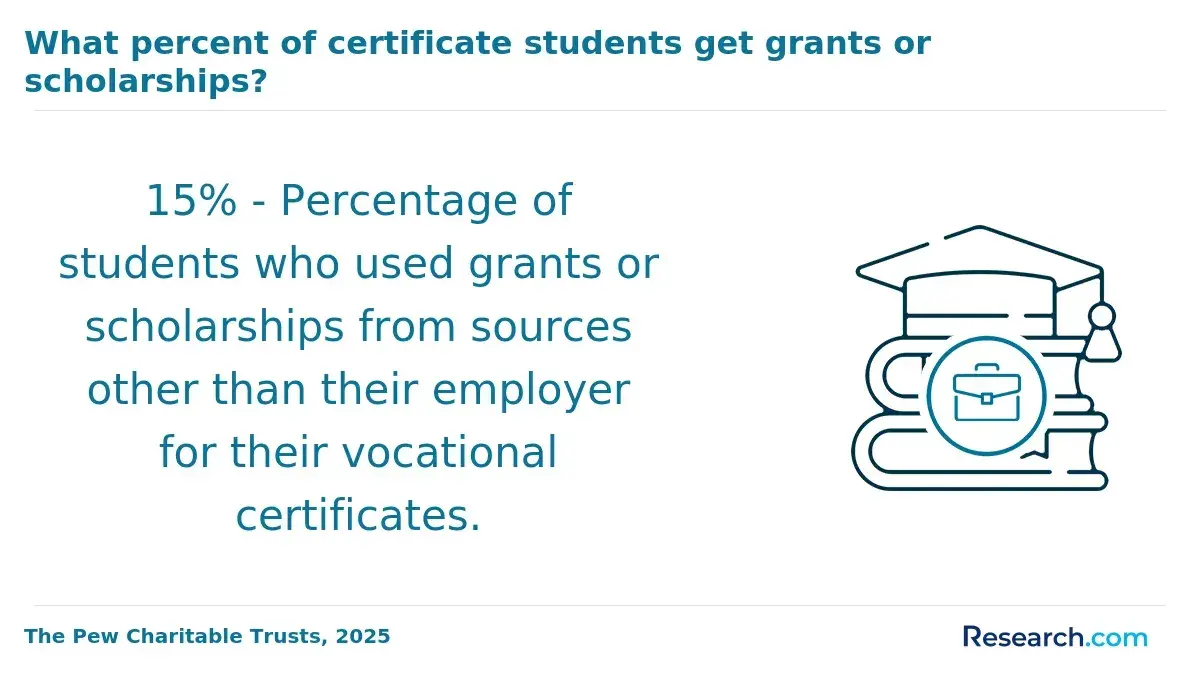
Financially, the Texas State University online MPH in community health and behavior is positioned as a cost-effective option, charging $500 per credit hour with a total tuition around $21,019. This pricing is relevant for students managing work-life balance amid career shifts, offering accessible accredited education without excessive debt burdens.
How long do online community health programs take and what do they cost?
Professionals aiming to pivot or advance in urban health must weigh the significant time and financial investment inherent in online MPH programs. Full-time enrollment typically spans 18 to 24 months, while part-time study can extend beyond three years, affecting both total costs and workforce reentry timing. For example, a public health employee enrolling part-time may face a prolonged period without full salary leverage from the new credential, impacting immediate return on investment.
Drexel University's online MPH in Urban Health exemplifies these dynamics with a requirement of about 48-50 credit hours and a tuition rate of $1,062 per credit after a 25% discount applied to the standard graduate rate. Total tuition is estimated between $50,976 and $53,100, excluding supplemental fees for materials and technology. These figures necessitate early financial planning, often involving employer tuition assistance or federal aid.
Decision-makers must also consider employer expectations in urban health sectors, which increasingly demand specialization reflected in concentrated, rigorous curricula. Prospective students should balance accelerated program completion with the risk of burnout and incomplete coursework, particularly when juggling employment demands.
What careers can you pursue with an online community health degree in urban health?
Urban health careers within community health require more than generalist skills; they demand proficiency in navigating diverse social dynamics and data-driven program design to address persistent urban inequities. Professionals often juggle direct outreach in underserved neighborhoods with behind-the-scenes efforts like grant writing and epidemiological analysis. For example, a public health analyst might translate neighborhood-level data into actionable prevention strategies for chronic diseases or substance abuse, requiring both cultural competence and quantitative literacy.
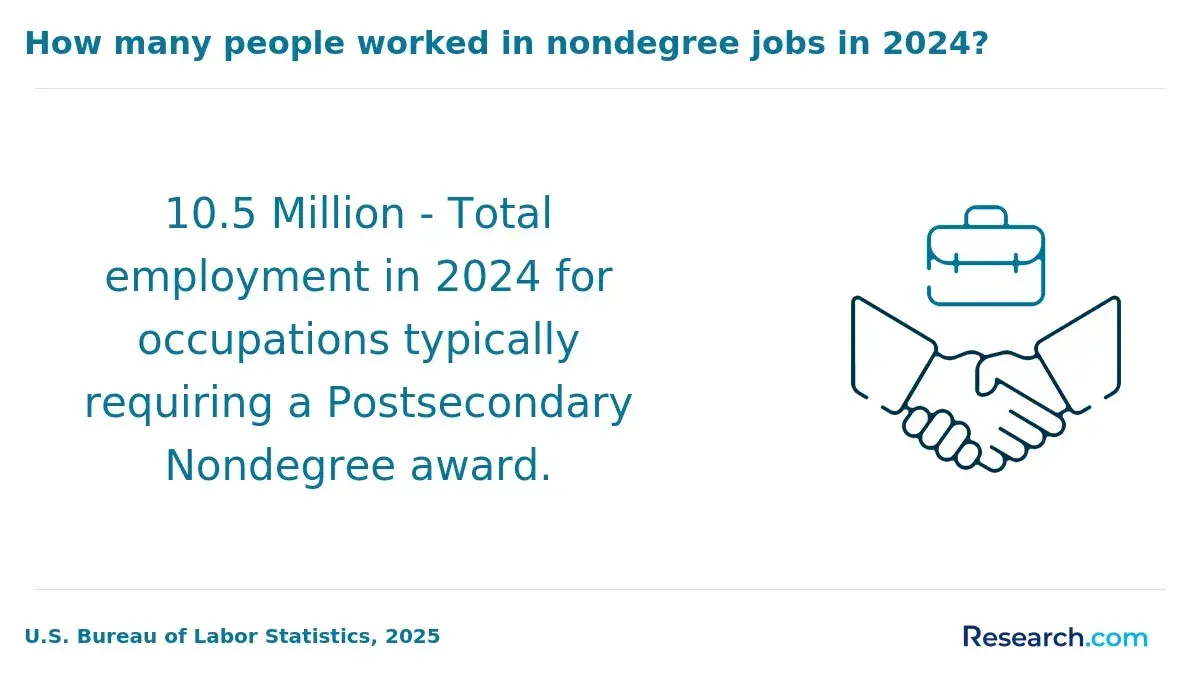
Employment projections from the U.S. Bureau of Labor Statistics indicate a 13% growth in community health worker roles from 2023 to 2033, driven by expanding urban populations and intensifying focus on social determinants of health. However, this growth accompanies increasing expectations: candidates must demonstrate proven impact in managing complex initiatives and collaborating across city agencies, nonprofits, and healthcare systems.
Key practical considerations include:
- Balancing fieldwork challenges in resource-limited urban settings with administrative duties.
- Prioritizing certifications or graduate education in epidemiology, health policy, or management to advance beyond entry-level positions.
- Building networks with municipal health departments and community organizations to access opportunities.
Understanding these operational realities helps clarify the tradeoffs inherent in urban community health pathways and informs strategic decisions grounded in workforce demands and evolving public health trends.
What salary ranges and advancement opportunities exist for urban community health professionals?
Salary progression for urban community health professionals is tightly linked to geographic region, institutional type, and skill specialization. Entry-level roles in city health departments or nonprofits typically begin around $50,000 to $60,000, but mid-career practitioners with 5 to 10 years' experience in cities like New York, Baltimore, and Los Angeles can expect $65,000 to $80,000. These metropolitan areas, noted for their high concentration of public health degree holders per Data USA's 2024 report, represent competitive labor markets where advanced quantitative skills-such as epidemiology or data analysis-can push salaries beyond $90,000, especially in government or grant-funded environments.
The developmental path often transitions from program coordination to management, then policy analysis or executive positions. However, advancement hinges on more than experience; professionals must balance fieldwork with strategic networking and often pursue additional credentials like an MPH focused on urban health to remain competitive. Those specializing in tailored interventions for urban health disparities typically accelerate career growth but must maintain agility amid shifting urban policies and funding.
Community-based nonprofit roles offer valuable hands-on experience yet generally report slower salary progression, which may delay entry into leadership tier roles within larger systems. Navigating this landscape demands ongoing reskilling, particularly in federal and city grant management, to demonstrate impact on urban populations and secure senior positions.
Are licenses or professional certifications required for urban community health roles?
Licenses and certifications are unevenly prioritized across urban community health roles, shaping employability in distinct ways. While many jobs require a bachelor's degree in community health or related fields, formal licensure typically applies to specialized niches, such as health education coordination or public health nursing. For instance, employers frequently prefer candidates holding Certified Health Education Specialist (CHES) credentials, especially when seeking expertise in designing targeted urban health promotion initiatives.
Practical distinctions emerge across job functions: policy advocacy and program management roles often demand verifiable certifications like CHES or Certified in Public Health (CPH) to improve competitiveness in government agencies and large nonprofits. Conversely, frontline community outreach positions usually forego formal licensing requirements, emphasizing field experience and employer-specific training over credentialing.
State-specific regulations also introduce a layer of complexity, as some certifications or licenses are mandatory based on location. Prospective students should factor geographic credential variations into their educational planning to avoid misalignment with target job markets.
From a cost and accessibility standpoint, transfer-friendly programs-such as online BS degrees with significant credit recognition-can reduce financial barriers for students pursuing career-relevant licensure quickly and affordably. Assessing whether licensure or practical experience is more valued by intended employers informs strategic decisions, particularly for students navigating tradeoffs between time-intensive credential programs and on-the-job skill development.
How can students evaluate and choose a reputable online urban community health program?
An urban community health degree's value hinges on measurable practicum experience integrated with rigorous academic content, directly affecting employability. For instance, the University of Memphis' MPH urban health concentration requires 42 credit hours, including 3 practicum hours and a culminating project, reflecting a meaningful balance of theory and applied work. Prospective students must scrutinize whether practicum experiences are supervised and tied to credible urban health organizations, as this influences skill development and access to field-relevant networks.
Employers prioritize candidates with concrete exposure to social determinants, policy implications, and culturally competent interventions. Programs lacking theses or capstone components often fall short in preparing graduates for roles demanding independent research, particularly in government or nonprofit sectors. Additionally, fewer practicum hours usually indicate weaker field training, which compromises job readiness.
Working professionals should weigh online program flexibility against the necessity of authentic practicum opportunities. Virtual fieldwork may not always carry the same weight with employers as in-person experiences connected to local urban settings. Evaluating faculty expertise and program outcomes-such as graduation and placement rates-offers insight into a program's true rigor and returns.
Other Things You Should Know About Community Health
In 2027, online urban community health degrees equip students with skills in data analysis and program evaluation through courses focused on statistics, public health informatics, and practical applications. Collaborations with urban health departments ensure alignment with current employer needs for data-driven decision-making and effective program assessments.
Career advancement depends more on practical skills, professional experience, and employer relationships than on program delivery format. However, online graduates may initially face employer bias or fewer networking opportunities compared to on-campus peers, especially in tightly knit urban health sectors. To mitigate this, online students should actively seek internships, local professional groups, and certifications that demonstrate commitment and build relevant networks beyond the virtual classroom.
Accreditation is non-negotiable as it ensures program credibility, eligibility for licensure, and employer recognition. After verifying accreditation, focus on specialized urban community health content that addresses systemic inequities, cultural competency, and urban policy. Programs lacking this targeted curriculum may limit your relevance in urban settings despite strong general community health instruction. Prioritizing both accreditation and urban specialization maximizes career relevance and employer confidence.
References
- Community Health, M.A. (Online) - Brooklyn College https://www.brooklyn.edu/academics/programs/community-health-ma/
- The Advantage of Online Learning for Community Health Workers Explained - Community Health Worker Training https://chwtraining.org/advantages-of-online-learning/
- View of New competences to manage urban health: Health City Manager core curriculum https://www.mattioli1885journals.com/index.php/actabiomedica/article/view/9430/8707
- Top 25 Online MPH Community Health Degree Programs - MPH Online https://www.mphonline.org/best-online-mph-community-health/
- Community Health Career - Public Health https://www.publichealthonline.org/community-health-career/
- What Skills Are Needed for Public Health Jobs? https://zabeelinstitute.ae/blog/skills-needed-for-public-health-jobs/
- Learn public health | edX https://www.edx.org/learn/public-health
- Careers https://www.publichealthdegrees.org/careers/
- Urban College Blog | Urban College of Boston https://www.urbancollege.edu/ucb-news-events/2026/3/11/a-new-pathway-for-community-health-workers-at-urban-college-of-boston
- Developing Sustainable Community Health Worker Career Paths | Milbank Memorial Fund https://www.milbank.org/publications/developing-sustainable-community-health-worker-career-paths/