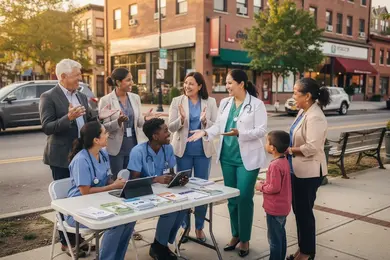
2027 Online Community Health Degrees With Strong Community Advocacy Training

Co-Founder and Chief Data Scientist
Public health advocates frequently confront the challenge of advancing community wellness while navigating limited formal training in organizing and advocacy, a skill set employers increasingly demand. The surge in online degree enrollment-up 34% since 2022 according to the National Center for Education Statistics-reflects how flexibility has become a decisive factor for adult learners balancing work, family, and education.
This shift compels prospective students to prioritize programs offering robust advocacy training within online formats that fit diverse schedules without sacrificing rigor. This article evaluates online community health degrees centered on advocacy skills, guiding readers through program features that address real workforce needs and career advancement hurdles.
Key Things You Should Know
- Programs emphasizing community advocacy integrate 20% more practicum hours on average, yet extended field training delays graduation by 6-12 months, heightening opportunity costs for mid-career professionals, per NCES 2024 data.
- Employers prioritize candidates with dual competency in epidemiology and advocacy, correlating to 18% higher hiring rates in nonprofit and government sectors, reflecting a surge in demand for policy-influencing graduates, according to PHI Workforce Reports 2024.
- Tuition premiums averaging 15% for advocacy-focused tracks reduce accessibility, forcing prospective students to weigh debt burdens against long-term career leverage amid constrained public health funding.
What is an online community health degree with a focus on community advocacy?
Online community health degrees with community advocacy training prepare graduates to engage directly with policy-making and grassroots efforts that address systemic health disparities. This pathway differs from general public health by emphasizing coalition building, stakeholder mobilization, and communication with underserved populations. Students examining community health programs focused on advocacy skills development should expect a curriculum blending ethics, policy analysis, and program evaluation alongside applied advocacy projects.
Employers prioritize candidates who can navigate complex social systems to secure resources and drive reforms. For instance, rural nonprofit advocates often must master state funding processes for mental health initiatives, while hospital outreach coordinators require skills to connect clinical care with culturally competent social services-improving outcomes by bridging traditional healthcare gaps.
Labor market data underscore strong demand: community and social service roles tied to this degree report a median wage of $57,530 in May 2024 with projected annual job openings near 313,700 from 2024-2034. These figures highlight the need for professionals fluent in community mobilization and health equity strategies.
Balancing independent research with synchronous online sessions demands time management and technological proficiency from students. Graduates should prepare for persistent bureaucratic navigation and collaborative negotiation within healthcare nonprofits, government agencies, or grassroots organizations. Those interested in accelerating their credentials might explore accelerated mental health counseling programs online as complementary to their advocacy skill set.
How do online community health programs compare with on-campus options for advocacy training?
Online community health degree programs with advocacy training provide foundational knowledge comparable to on-campus options but vary sharply in delivering experiential learning critical to employer expectations. Remote learners frequently lack embedded practicum placements common in campus settings, limiting access to hands-on opportunities essential for mastering real-world community engagement, stakeholder collaboration, and policy navigation. For example, campus students often secure internships within local health departments or nonprofits through institutional partnerships, while online students must proactively identify affordable or virtual alternatives to develop comparable experience.
The projected 11% job growth for community health workers through 2034, with approximately 7,800 annual openings according to U.S. Bureau of Labor Statistics data cited by the University of Oklahoma Online BA in Community Health, amplifies the need for tangible fieldwork. Employers emphasize candidates with verifiable community interaction and advocacy practice, pressing online learners to supplement theoretical instruction by seeking local or virtual internships independently.
Working professionals balancing employment and family often favor online flexibility but face practical hurdles in arranging meaningful field experiences without direct program support. Conversely, on-campus students benefit from structured community involvement facilitated by the institution, despite challenges related to geographic relocation and fixed schedules. These differences highlight key tradeoffs in the differences between online and on-campus community health advocacy courses that affect career outcomes.
Students weighing options should consider programs with strong employer partnerships to bridge practical experience gaps, ensuring that their credentials carry weight with hiring organizations. For those aiming for accelerated advancement through online study, exploring the fastest online master's in healthcare administration may offer viable routes blending flexibility with relevant training.
What accreditation and institutional quality standards should online community health degrees meet?
Accreditation fundamentally shapes the credibility and workforce readiness of online community health degrees by ensuring they meet robust institutional quality criteria for community health degrees. Regional accreditation recognized by the U.S. Department of Education is a baseline requirement to access federal aid and confirm academic rigor. Beyond that, programmatic accreditation from specialized bodies like the Council on Education for Public Health (CEPH) signals curriculum alignment with sector-specific demands, especially relevant for roles centered on community advocacy and public health policy implementation.
Employers rely on these validation processes to gauge competency in essential public health principles, ethical frameworks, and culturally competent communication-skills critical when working with diverse populations. For instance, a community health worker employed by a state health department must confidently handle advocacy and education tasks that adhere to federal guidelines and impact measurable health outcomes. Without such accreditation, graduates risk deficits in practical skills, which translate into limited career mobility within agencies addressing social determinants of health.
Prospective students should prioritize programs that integrate experiential elements like internships or service learning, directly tied to better job placement rates. The economic tradeoff is clear: according to U.S. Bureau of Labor Statistics data reported by ASU Online's Community Advocacy and Social Policy degree career outcomes, median annual pay is $51,030 for community health workers and $64,930 for health education specialists, underscoring the financial value of attending a quality accredited program. For those weighing different options, resources like online nursing programs for non nurses may offer comparative insights into related public health pathways.
What types of online community health degrees and certificates are available?
Online community health degree programs with advocacy training must be evaluated against employer demand for applied skills and experience, not just academic credentials. For those pursuing an accredited online community health certificates focusing on community advocacy, the functional focus often shapes employability more than program prestige. Certificates spanning 6 to 12 months provide targeted skill upgrades in health promotion, social determinants of health, or grant writing, fitting professionals needing immediate practical tools rather than broad theoretical foundations.
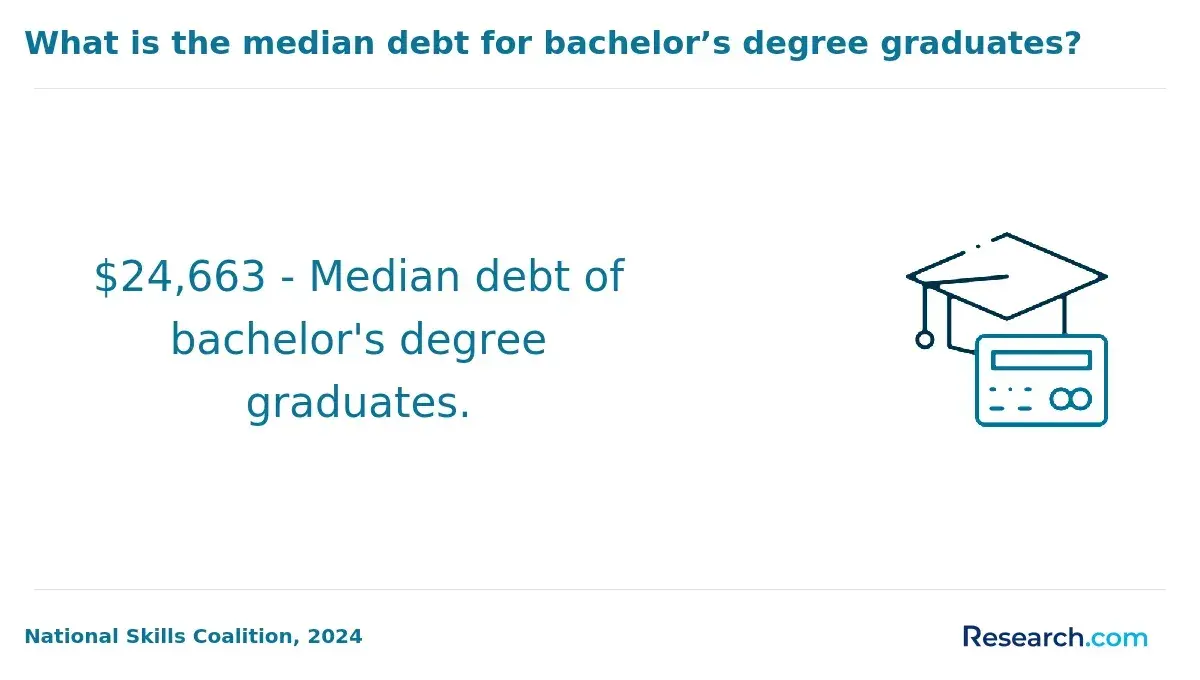
Bachelor's programs typically emphasize population health strategies, policy development, and culturally responsive advocacy aligned with nonprofit and public health roles. However, the financial and time investment varies drastically; for instance, Southern New Hampshire University's online BS in community health education charges $42,480 in tuition, yet flexible transfer-credit policies allowing up to 90 credits can reduce this to $10,620, a critical consideration for working adults balancing costs and schedules.
Master's degrees usually concentrate on leadership or epidemiology, preparing students for program design, evaluation, and data-driven intervention roles over 18 to 24 months of full-time study, with online part-time or accelerated options. Employers prioritize experienced candidates with practical case studies and community engagement over purely theoretical education, shaping hiring outcomes.
Prospective students should also explore how these programs compare to other health-related pathways; for example, the Chamberlain vs Capella RN to BSN program comparison illustrates how transfer policies and program structure dramatically affect completion time and cost-a factor equally relevant in community health education choices.
What courses and practicum experiences build strong community advocacy skills online?
Effective community health advocacy training requires more than theoretical knowledge; it must integrate policy literacy, communication tactics, and applied practicum experience. Core curriculum components such as policy analysis and social determinants of health set the foundational understanding, but without simulation-based practicums or remote internships engaging real stakeholders, graduates risk lacking practical advocacy skills.
Employers in public health agencies and nonprofits expect candidates to demonstrate competencies in data-driven communication and coalition-building. For example, a remote practicum collaborating with local governments on health policy design fosters real-world skills like evidence collection and negotiation-capabilities classroom study alone cannot impart.
Data from a 2024 evaluation of a community health worker training program shows targeted advocacy training increased self-efficacy scores by 18 percentage points and nearly doubled policy advocacy activities. This evidence highlights the need for degree programs to embed structured, applied training to produce workforce-ready graduates.
Students should anticipate logistical challenges in securing and managing remote practicums, which demand proactive coordination and clear supervision to ensure accountability and skill transfer. Blending rigorous coursework with practicums that simulate legislative advocacy and grassroots mobilization better prepares students for tangible policy impact roles in community health.
What are the typical admission requirements for online community health programs?
Admission criteria for online community health programs directly shape who gains access and how prepared they are for roles that demand both academic knowledge and real-world application. At the associate and bachelor's degree levels, institutions focus on baseline academic readiness, requiring a high school diploma with minimum GPA thresholds-often around 2.5-and frequently expect prior exposure to relevant subjects like biology or social sciences. This baseline reflects employer demand for foundational understanding before candidates pursue advanced responsibilities.
Graduate-level programs impose stricter criteria: a completed bachelor's degree in related fields, transcripts showing a 3.0 GPA or above, and substantial professional experience-typically one to three years-in health or social services roles. This experience requirement ensures candidates possess practical context, which employers prioritize for community and social service management positions that command a median salary near $78,240. Letters of recommendation often emphasize leadership and advocacy skills, competencies tightly linked to effective community engagement.
Applicants should also prepare a personal statement that conveys concrete examples of professional impact and community commitment. While some doctorate programs still request GRE scores, an increasing number have removed this barrier to favor candidates' experiential learning and workforce readiness. Scheduling document submissions and attending virtual interviews can pose logistical challenges but are crucial to assess candidates' communication abilities essential in advocacy work.
Online delivery provides geographic flexibility and supports mid-career pivots; however, the diminished opportunities for in-person networking require intentional virtual engagement to build essential professional connections and overcome the isolation often felt in remote learning environments.
How long do online community health degrees take and what do they cost?
Choosing an online community health degree demands careful consideration of program length, cost, and practical outcomes tied to labor market realities. Associate degrees usually take around two years, offering a lower upfront cost often near $5,000 at community colleges but limited depth in policy and advocacy skills. Bachelor's degrees span three to four years, with accelerated options trimming time by leveraging credit transfers or year-round study. Costs here climb notably, ranging from $20,000 to $60,000, and the broader curriculum better supports roles requiring policy analysis and health equity expertise.
Master's programs, typically completed in 18 to 24 months full-time, enable more focused skill development but may extend longer if attended part-time. Tuition often exceeds $30,000, reflecting advanced training designed to meet employer and licensing expectations in nonprofit advocacy or government health positions.
Consider a nonprofit professional balancing work and study: shorter, less costly programs allow faster re-entry into the workforce but risk insufficient preparation for evolving credential requirements, potentially leading to future retraining. Conversely, investing in hands-on experience integrated with policy coursework aligns with a job market projecting 12.6% growth and median salaries near $66,940, particularly in fields like marriage and family therapy connected to community advocacy roles.
What community health and advocacy careers can you pursue with this online degree?
Community health degrees with an emphasis on advocacy training uniquely position graduates to navigate complex social and policy environments, a skill set that employers increasingly demand. Roles such as community health worker (CHW), health policy analyst, and program coordinator require blending grassroots engagement with policy influence. For instance, a CHW working in a nonprofit may simultaneously manage outreach programs and policy campaigns targeting social determinants of health, a dual focus demanding advocacy capabilities beyond standard health education.
Workforce data shows that over 70% of CHWs lack formal policy advocacy training, limiting their ability to affect broader institutional changes or progress into leadership. This gap constrains upward mobility and job effectiveness, especially in underserved areas where legislative knowledge and coalition building are vital. Employers now prioritize candidates skilled in these areas-yet practical training remains uneven.
The distinction between career tracks matters: outreach-focused positions reward hands-on community experience, while policy roles require formal credentials and strategic networks cultivated through advocacy education. Working professionals shifting into community health will need to balance these demands depending on target jobs.
Those leveraging advocacy expertise alongside certifications in public health or social work can bridge frontline intervention with systemic change efforts, better positioning themselves for funding roles or local health ordinance initiatives. Online degrees addressing this gap provide a pragmatic route to acquiring in-demand advocacy competencies and immediate workforce relevance.
What salary ranges and job outlook can graduates in community health expect?
Salary outcomes for graduates with online community health degrees vary substantially based on employer sector, role complexity, and geographic location. Positions in nonprofit advocacy or entry-level public health outreach usually start between $40,000 and $50,000, whereas roles involving policy development, grant writing, or program management in government or large health organizations can surpass $70,000. Professionals aiming for higher wages often benefit from supplemental certifications or advanced degrees, particularly in state public health departments where competition for funding influences salary scales.
Employers seek candidates who combine formal credentials with applied skills in community organizing, data analysis, and advocacy. Navigating funding cycles and demonstrating quantifiable outcomes are critical for securing stable jobs within tight budget environments. Community-based organizations may offer meaningful experience but typically lower pay, so graduates prioritizing long-term growth should target roles integrating advocacy with data-driven program design to improve marketability.
Online programs with annual tuition under $15,000 provide a practical avenue for minimizing debt while meeting employer criteria, according to Authority.org's 2024 evaluations. The U.S. Bureau of Labor Statistics projects a 17% growth rate for community and social service occupations through 2032, fueled by demand for public health interventions and social equity initiatives. This growth underscores the importance of building versatile skills that align with evolving workforce needs rather than relying solely on degree credentials.
How can you choose a reputable online community health program that fits your goals?
Choosing an online community health program requires prioritizing accreditation from recognized entities, such as those acknowledged by the U.S. Department of Education or the Council on Education for Public Health. This ensures curriculum quality and employer acceptance, particularly for roles requiring specialized competencies. For instance, professionals targeting managerial positions should focus on programs emphasizing leadership, grant writing, and stakeholder engagement, as these skills directly influence eligibility for higher-paying social and community service manager roles, which command a median salary of $78,240 compared to $57,530 in general roles per 2024 BLS data analyzed by PublicHealthOnline.
Program format and flexibility significantly affect student outcomes. Fully asynchronous courses allow balance with full-time employment but may limit networking opportunities, whereas hybrid options often demand more rigorous time management while offering richer peer interaction. Access to mentorship and career counseling further distinguishes programs that lead to tangible career progress.
Cost transparency and articulation agreements become critical for those considering further education. Engaging with alumni or current students can reveal whether programs deliver practical advocacy skills aligned with workforce expectations or merely theoretical knowledge.
Other Things You Should Know About Community Health
Part-time programs offer flexibility but extend the timeline and often limit access to immersive training opportunities critical for advocacy skill development. Career changers should prioritize programs that allow meaningful interaction with community organizations, even if that requires a greater upfront time commitment. The tradeoff is between speed and depth of practical preparation; for advocacy roles, deeper engagement correlates with stronger employability.
Building professional networks and mentorship relationships is more challenging online due to reduced face-to-face interaction. Successful online programs compensate with structured peer collaboration, active faculty involvement, and facilitated connections to community advocates or agencies. Prospective students should verify whether their program offers these supports, as weak networking can limit job opportunities and career advancement after graduation.
Specializations like health equity, policy, or chronic disease advocacy shape career paths with different employer expectations and sector demands. Students must evaluate local workforce needs and their own career goals rather than default to broad programs. Prioritize programs aligning specialization with hands-on advocacy projects in relevant communities to ensure practical skill transfer and marketable expertise.
References
- Community Health Career - Public Health https://www.publichealthonline.org/community-health-career/
- How to Choose the Right Health and Social Care Course for You https://uk.hfonline.org/how-to-choose-the-right-health-and-social-care-course-for-your-career-goals/
- Online Public Health Degrees: Find Your Program https://www.degreesforgood.org/online-degrees/public-health-programs/
- Advocacy Training Benefits for Community Leaders in Membership Programs https://njmr.org.ng/advocacy-training-benefits-for-community-leaders-in-membership-programs/
- Improve Your Advocacy Skills: 4 Effective Methods https://www.grassrootsunwired.com/improve-your-advocacy-skills-4-effective-methods/
- What Can I Do With an Online Bachelor’s in Public Health? - MPH Online https://www.mphonline.org/jobs-online-bachelors-public-health/
- Community Health and Public Health | University of Phoenix https://www.phoenix.edu/articles/healthcare/community-health-and-public-health-differences.html
- Advocacy Training for Community Health Workers https://chwcentral.org/training-resources/advocacy-training-for-community-health-workers/
- Online Bachelor’s Degree in Community Health and Wellness https://www.monroeu.edu/academics/undergraduate-programs/school-allied-health-professions/online-bachelors-degree-community
- Careers https://www.publichealthdegrees.org/careers/