2027 Community Wellness Roles You Can Target With a Community Health Degree

Co-Founder and Chief Data Scientist
Facing a healthcare system strained by widening disparities, many community health graduates confront an urgent question: which roles best align with evolving demands and flexible career paths? With the U.S. Bureau of Labor Statistics projecting a 12% growth in community and social service occupations by 2032, opportunities expand—but navigating varying credential requirements and employment settings complicates strategic planning.
Notably, a 2024 National Center for Education Statistics report highlights that 45% of community health students enroll part-time or online, signaling a shift toward adaptable education models that impact workforce entry timelines and mobility.
This article identifies viable community wellness roles suited to diverse program formats and career objectives, equipping readers to align their degree choices purposefully with workforce realities.
Key Things You Should Know
- The Bureau of Labor Statistics projects a 13% growth rate in community health educator roles through 2032, but employers increasingly prioritize candidates with combined data analytics skills, requiring supplemental training beyond standard degrees.
- Employers report 42% of community health positions demand experience with local policy advocacy; degree programs lacking practical policy components can limit immediate job readiness and advancement potential.
- Median tuition for public community health bachelor's programs rose 7% between 2022 and 2024, extending time-to-degree for working adults balancing cost and coursework intensity, which affects career pivot timing and earnings trajectory.
What does a community health degree cover and how does it prepare you for wellness roles?
A community health degree curriculum and career preparation equip graduates with the ability to analyze localized health data and implement targeted interventions, tailoring programs to specific populations. For example, an urban public health worker may design vaccination outreach based on epidemiological trends, while an occupational health specialist focuses on injury prevention in manufacturing environments.
This shapes the roles and skills developed with a community health degree, emphasizing a balance of technical competencies like GIS mapping and health informatics alongside interpersonal communication vital for stakeholder collaboration.
The demand side reflects an 11% employment growth projected for community health workers through 2034, with a median wage around $51,030. However, real-world hiring often prioritizes candidates with certifications and substantial field experience, underscoring that academic knowledge alone can limit entry into preferred health promotion or disease prevention roles. Employers particularly value measurable outcomes and cultural competence to address health disparities effectively.
Students should examine programs that integrate data literacy with social determinants of health, recognizing that internships or fieldwork are critical to gaining the contextual insight necessary for job readiness. These factors influence long-term adaptability amid changing public health funding and priorities.
Professionals exploring a strategic shift may also consider an accelerated masters in counseling to complement their community health expertise.
What community wellness jobs can you get with a community health degree?
Positions available with a community health degree vary in complexity and demand a balance between specialized knowledge and practical skills. Health education specialists, expected to grow 7% from 2023 to 2033, must navigate diverse settings—from rural areas with limited internet to urban centers with multicultural populations—requiring tailored program design and cultural competency. These nuances affect both immediate employability and long-term progression.
Top job opportunities with a community health degree often involve program coordination and community outreach management, which require more than public health expertise. Skills in budgeting, multi-agency collaboration, data analytics, and grant writing are essential to overcome logistical challenges and secure sustainable funding.
Outreach managers particularly face the operational tradeoff of engaging vulnerable populations while meeting rigorous institutional reporting standards.
Wellness coaches emphasize behavior modification within corporate or clinical environments, where measurable health outcomes influence employer investment. Although advanced certifications can improve employability in these roles, they also delay workforce entry, a critical consideration for those seeking immediate employment.
Graduates pursuing community wellness careers, for community health graduates, must prepare for ongoing education to stay current with evolving health trends and technologies, ensuring adaptability and career resilience.
For those evaluating further education linked to healthcare leadership, a healthcare management degree can offer complementary skills that enhance leadership potential in public health settings.
How much do community wellness professionals earn and what is the job outlook?
Salary trends for community wellness professionals vary significantly by experience, sector, and geography, with entry-level coordinators earning closer to $45,000 and seasoned wellness program managers in corporate or healthcare settings reaching six-figure incomes. Those pursuing advanced degrees or certifications typically see stronger salary growth due to expanded responsibility and leadership roles.
The job outlook for community health degree holders is shaped by shifting employer priorities, particularly in the rising emphasis on preventive health and measurable outcomes. Organizations increasingly demand proficiency in data analysis and program evaluation to justify investments in employee wellness initiatives.
For example, corporate wellness programs expanding mental health and chronic illness management support signal growing opportunities but require candidates who can demonstrate clear ROI.
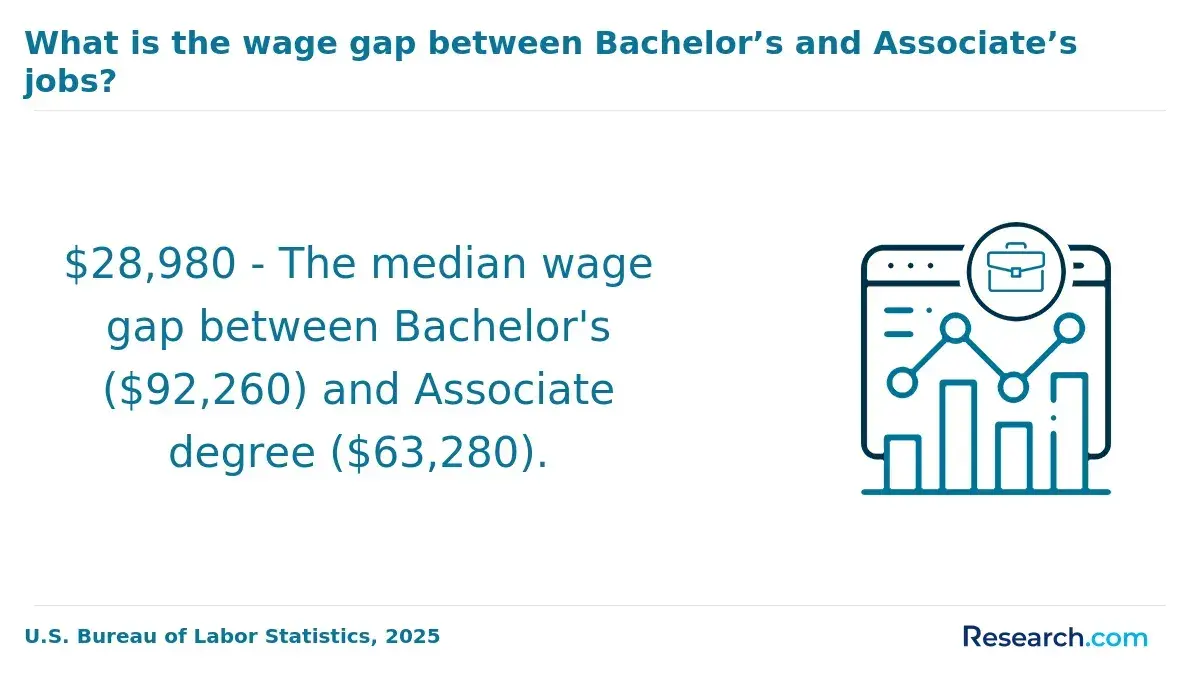
Prospective students should weigh the tradeoffs between education timelines and earning potential carefully. While bachelor's degrees may grant access to entry or mid-level positions, advanced degrees often enhance eligibility for top-tier roles but entail higher upfront costs and longer commitments.
Additionally, securing relevant internships or practicum experience remains pivotal for penetrating competitive job markets, especially in metropolitan areas dense with wellness providers.
Those aiming to pivot quickly into health-related fields might consider specialized paths such as 12-month accelerated nursing programs online for non nurses, which provide alternative practical routes with defined timelines.
What types of community health degrees are available and which level do you need?
Choosing a community health degree program requires careful alignment between educational level and concrete job roles. Entry-level roles like community health worker or wellness coach typically require an associate's or bachelor's degree, emphasizing foundational public health knowledge and communication skills.
For example, aspiring wellness coaches supporting corporate employee well-being programs benefit from a bachelor's degree combined with targeted certifications, a pathway that also intersects with flexible options like RN to BSN programs for those transitioning from nursing backgrounds.
Mid-level and leadership positions usually mandate a master's degree focused on program design, epidemiology, and health policy, critical for roles such as health educators and program managers who often operate within public health departments or nonprofits. In these contexts, practical experience through internships or field placements is essential due to employer expectations.
Doctoral degrees (PhD or DrPH) fundamentally shift the trajectory toward research, policy analysis, and academic leadership, demanding rigorous methodological skills and publication records suited to those targeting federal research or policy influence.
The variance in salaries—from approximately $58,900 to $90,700 for wellness coaches—illustrates how advanced degrees correspond with greater responsibility and oversight. Deciding among community health degree programs and specializations entails weighing time commitment, cost, and intended career function. This strategic choice influences employability, compensation range, and workplace complexity.
What courses and skills are typically included in a community health degree program?
A community health degree integrates applied skills essential for addressing workforce shortages and operational needs in health organizations. Core subjects like epidemiology and biostatistics equip students to analyze population health data critically, which is vital for directing interventions in, for example, underserved urban areas where chronic disease spikes demand targeted prevention.
This program builds competency in health communication, policy analysis, and cultural sensitivity to effectively engage diverse populations. Given that behavioral health counselors are projected to face a shortfall of approximately 87,630 professionals by 2036, graduates gain priority access to these high-demand roles.
Such workforce trends, reported by the 2023 Behavioral Health Workforce Brief from HRSA, dictate a strategic emphasis on grant writing and resource management skills to overcome typical funding constraints faced by nonprofits.
Graduates must also master qualitative and quantitative research methods to develop and evaluate health interventions rigorously. The anticipated deficit of 12,530 other mental health providers underlines that combining analytical abilities with community engagement enhances employability.
Added coursework in health law and ethics prepares candidates to adapt to changing regulatory frameworks—an increasingly important employer criterion.
The curriculum's practicum components expose students to complex community dynamics, focusing on leadership and project management within limited-resource environments. This hands-on experience is essential, as real-world delivery of behavioral health services directly intersects with social determinants of health and resource limitations common in government or nonprofit sectors.
How do online community health programs compare with on-campus options for training and outcomes?
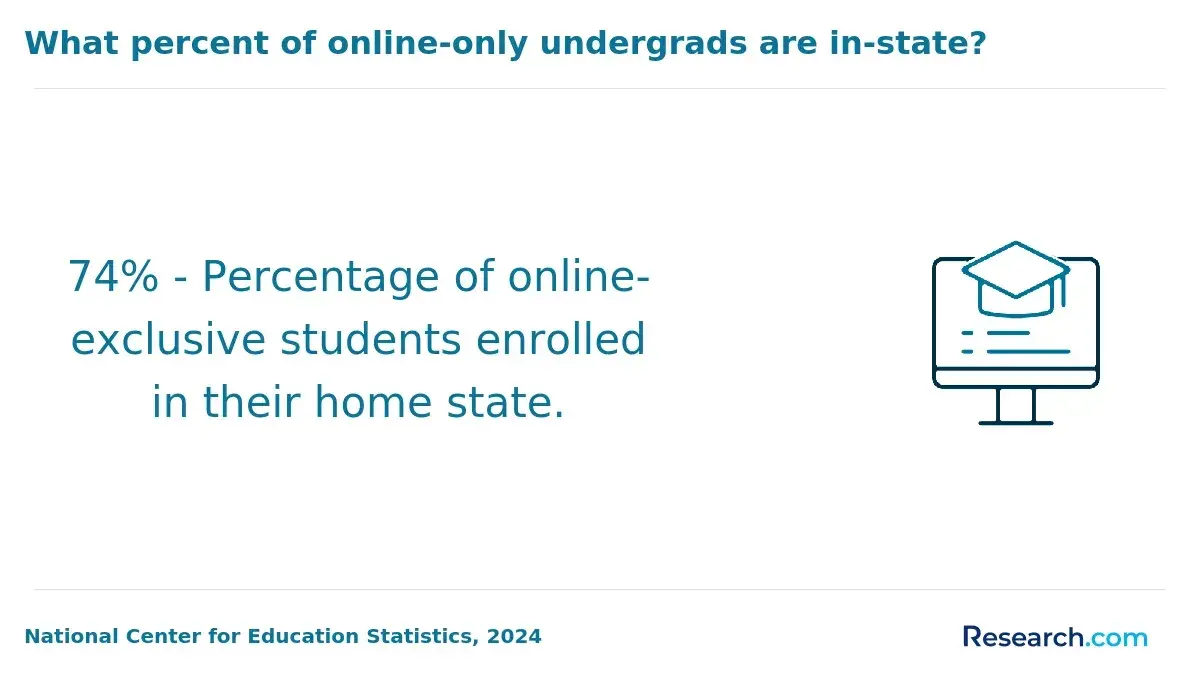
Community health education paths diverge sharply in their practical impact and employability outcomes, despite similar foundational content between online and on-campus formats. Employers in public health and nonprofit sectors prioritize candidates with verified hands-on experience managing community initiatives-an area where traditional on-campus programs excel by integrating structured internships and direct collaborations.
Online programs accommodate those constrained by geography or schedule, offering digital simulations and remote practicums. However, these alternatives fall short of replicating the dynamic, face-to-face stakeholder engagement essential in real-world community settings.
Given the global wellness economy's projected 7.6% annual growth through 2029, according to the Global Wellness Institute, this experiential gap can influence a graduate's ability to transition into applied roles within community wellness.
Prospective students should weigh key factors: on-campus access to healthcare partnerships fosters regulatory compliance and culturally competent outreach skills prized by employers. In contrast, online learners must independently secure field placements, often without institutional support, but gain flexibility valuable for emerging roles like telehealth coordination or digital wellness management.
Those targeting traditional community health management or direct service positions benefit from on-campus programs' immersive training. Meanwhile, online formats better suit strategic moves toward tech-enhanced health roles where broad knowledge and digital fluency outweigh hands-on depth.
What accreditation and program quality standards should community health students look for?
Choosing a community health program accredited by the Council on Education for Public Health (CEPH) significantly affects employability, as many employers require graduates to demonstrate competencies aligned with rigorous national standards. For instance, a candidate for a corporate wellness coordinator role must show proficiency in data-driven health assessments and program evaluations—skills reliably embedded in CEPH-accredited curricula but often absent from non-accredited degrees.
Beyond accreditation, candidates should scrutinize the program's practical learning opportunities, such as internships and community-based projects, which bridge academic theory and workplace readiness. According to workforce data, over 70% of health and wellness coordinators in the U.S. are women, with a median age of 47, indicating a growing demand for professionals who combine modern knowledge with seasoned judgment.
Another critical evaluation factor is faculty expertise; instructors actively engaged in the field and holding advanced degrees contribute to mentorship and networking advantages. Programs offering straightforward pathways to certifications like Certified Health Education Specialist (CHES) provide measurable career benefits.
Additionally, analyzing graduation rates and job placement within community health sectors can reveal the program's long-term value against its cost and time investment.
What are the typical admission requirements and application steps for community health degrees?
Admission criteria for community health degrees balance academic standards with relevant experience, which directly shapes post-graduation employability within community hospitals and wellness centers. Candidates typically need a high school diploma or equivalent, with many programs enforcing a minimum undergraduate GPA between 2.5 and 3.0.
Advanced tracks may require prerequisite coursework in biology, statistics, or social sciences. While submitting SAT or ACT scores is often optional, doing so can enhance applications for competitive programs.
The application process generally includes transcripts, personal statements, and recommendation letters; some programs also mandate resumes highlighting healthcare or volunteer experience. Employment data from Zippia's 2024 report reveal that over 40% of jobs in community hospitals and wellness centers pay above $60,000 annually, emphasizing the premium placed on candidates with practical community health involvement.
Programs featuring internships or practicums offer tangible advantages by improving job placement rates, especially in underserved or rural areas. Background checks and immunization records are common prerequisites for clinical components, adding logistical complexity that applicants should anticipate.
Working professionals transitioning into community health benefit from programs recognizing prior learning or certifications, which can reduce time to completion. Conversely, inflexible admissions that overlook experiential credits risk prolonging education duration and delaying access to well-paying community wellness roles.
How long does it take to earn a community health degree and what does it cost?
Opting for an associate degree in community health allows swift entry into supportive roles like health educators or outreach coordinators within about two years, contingent on full-time enrollment. This path typically requires 60 credit hours and offers a practical balance for those needing faster workforce reentry or limited financial investment.
A bachelor's degree demands roughly double the credit hours—120 over four years—expanding eligibility to mid-level roles involving program management and data analysis. However, this extended timeline can increase total costs and delay earning potential, factors critical for working professionals evaluating return on investment.
Annual tuition varies significantly by institution type, ranging from approximately $3,500 at public community colleges up to $23,000 at private nonprofits, exclusive of books and living expenses. Candidates should anticipate additional indirect costs and consider employer tuition assistance or scholarships cautiously due to their unpredictability.
Salary data reveal wellness coordinators average around $49,659 annually, underscoring moderate income potential at entry to mid-career levels. Choosing between degree levels should consider long-term goals, such as supervisory responsibilities or specialization, since the bachelor's credential often aligns with higher labor market demand and improved advancement prospects.
Do community wellness roles require certification or licensure and how do you qualify?
Certification and licensure requirements in community health roles vary significantly depending on the function and employer. Positions centered on health education, outreach, or program management often require only a bachelor's degree but typically do not mandate formal licensure.
However, roles involving clinical or therapeutic interventions—such as licensed social workers or registered dietitians—require recognized credentials and state licensure.
Certifications like Certified Health Education Specialist (CHES) or Certified Wellness Practitioner (CWP) are increasingly valued since they signal specific expertise in behavior change and program evaluation.
In government or nonprofit settings, especially those utilizing complex, granular data such as the Sharecare Community Well-Being Index covering millions of U.S. residents, candidates must combine strong data skills with applied experience to design and measure effective interventions.
For example, a health outreach coordinator working in urban policy may face competitive hiring conditions that prioritize both certification and practical use of localized well-being metrics.
Smaller nonprofits often lean toward practical experience over formal credentials, presenting a tradeoff for candidates deciding where to focus limited time and effort. To navigate this landscape effectively, prospective professionals should:
- Identify specific certifications or licenses demanded by their target employers.
- Complete certification programs that match those requirements.
- Develop hands-on experience using community health data and evaluation tools.
- Gauge employer preference for credentialing versus experiential qualifications to allocate resources strategically.
Other Things You Should Know About Community Health
Advanced degrees like a Master's in Public Health or Community Health can open higher-level administrative and policy positions, but many frontline and program coordinator roles remain accessible with a bachelor's degree plus experience. Candidates should carefully weigh program costs and time commitment against their specific career goals; if leadership or research-based roles are the aim, graduate education is a worthwhile investment. Otherwise, gaining substantial field experience and focused certifications can deliver practical advancement within a shorter timeframe and lower financial burden.
Employers in public agencies, nonprofits, and healthcare systems often require overlapping but distinct skill sets. Public health departments demand strong epidemiological and data analysis skills, while nonprofits prioritize community outreach and grant writing. Healthcare providers look for integration of clinical knowledge with community program implementation. Understanding these nuances before selecting electives or practical experiences during a community health program can tailor skill development and improve alignment with your target employer's expectations.
Community health positions typically involve varied workloads that include fieldwork, data collection, and outreach, often with deadlines tied to funding cycles or grant reporting. These roles can experience spikes during public health emergencies or campaign launches. Candidates should prioritize programs that prepare them for time management and multi-stakeholder coordination. Recognizing that some roles require irregular hours or travel is crucial for setting realistic expectations about work-life balance and long-term career sustainability.
References
- Become A Certified Wellness Coach https://cawellnesscoach.org/become-a-certified-wellness-coach/
- How to Become a Community Mental Health Worker in 2026: Essential Skills & Qualifications - Mental Health Degree https://mentalhealthdegree.org/careers/community-mental-health-worker/
- Community Health & Wellness | Keuka College https://www.keuka.edu/academics/programs/community-health-and-wellness
- Wellness Careers: Paths, Skills, and Opportunities https://www.shms.com/en/news/wellness-careers/
- Share On Social https://www.northampton.edu/news/online-vs-on-campus-degree-whats-the-best-option-for-me.html
- Online vs Hybrid vs Campus Learning in Healthcare: Which Is Right for You? https://www.edumed.org/articles/online-vs-hybrid-vs-campus/
- Department of Public Health at UNT Health Admissions Information https://www.unthealth.edu/tcom/public-health/admissions/index.html
- Online Bachelor’s Degree in Community Health and Wellness https://www.monroeu.edu/academics/undergraduate-programs/school-allied-health-professions/online-bachelors-degree-community
- Job Outlook and Salaries for Population Health Management | CUNE https://www.cune.edu/news/population-health-jobs
- Careers in Community Health - MPH Online https://www.mphonline.org/community-health-jobs/