2027 Community Health Specializations for Patient Navigation Careers

Co-Founder and Chief Data Scientist
Facing escalating patient complexity and fragmented care coordination, individuals pursuing patient navigation careers must identify specializations that align with evolving workforce demands and education access. Despite rising demand for patient navigators, fewer than 35% of Community Health enrollment options offer fully online support, according to a 2024 National Center for Education Statistics report, limiting flexibility for adult learners balancing employment and family obligations. This gap constrains timely credential acquisition and career mobility critical for meeting employer expectations in high-need sectors such as oncology and chronic disease management. This article examines specialized Community Health pathways tailored to practical scheduling, industry relevance, and sustainable career growth for patient navigators.
Key Things You Should Know
- Certification in patient navigation specialties aligned with chronic disease management yields 18% higher placement rates but demands 250+ practicum hours, limiting accessibility for mid-career changers balancing work commitments.
- Employers increasingly prefer candidates versed in digital health tools; 62% of surveyed healthcare organizations require EHR proficiency, shifting training focus toward technology integration over traditional community outreach.
- Public funding constraints reduced Community Health navigation program availability by 12% in 2025, forcing tuition increases averaging 7%, disproportionately affecting lower-income students seeking timely reskilling.
What is community health, and how does patient navigation fit within this field?
Community health patient navigation roles in the United States primarily function to mitigate barriers that prevent vulnerable populations from accessing timely care. This practical intervention directly addresses gaps in behavioral and chronic disease management by facilitating connections to insurance resources, transportation, and culturally competent providers. For example, a navigator aiding someone with a mental health diagnosis may counter stigma and locate treatment pathways that the individual might not discover independently.
Challenges persist in workforce readiness because employers emphasize applied skills such as case management, multidisciplinary coordination, and a thorough understanding of local health systems. Strong organizational capabilities and cultural competence differentiate viable candidates, especially given that over half of adults with untreated mental illness remain unserved, as per National Institute of Mental Health data. This stark reality underscores the demand for roles dedicated to improving access and outcomes through patient navigation.
Training programs must balance theoretical foundations with immersive practicum experiences that simulate real-world casework, particularly in specialties like cancer care or maternal health. Such specialization shapes a candidate's utility and marketability in this sector. Students evaluating programs should consider whether curricula adequately prepare them for the nuanced workflows integral to behavioral health navigation and general community health contexts.
For those interested in advanced clinical roles linked to behavioral and psychiatric contexts, exploring the fastest MPHNP programs may represent a strategic complement or alternative pathway to broaden their impact within community health.
Effective community health patient navigation impacts community health outcomes by reducing disparities and streamlining care pathways for traditionally underserved populations.
What community health specializations best prepare you for patient navigation roles?
Effective community health specializations for patient navigation prioritize chronic disease management, health education, and social services coordination. Chronic Disease Management and Diabetes Education sharpen skills necessary for addressing the complex needs of populations with long-term conditions-a critical consideration given projections that diabetes diagnoses in U.S. adults could more than double by 2050, with associated medical costs exceeding $400 billion annually. Navigators proficient in diabetes care coordination fulfill pivotal roles in insurance navigation, referral facilitation, and tailored education, especially within high-risk urban healthcare settings.
Key community health areas that enhance patient navigator skills further include public health nursing and community health worker programs. These pathways build competencies in culturally competent communication and crisis resource management, which are linked to reduced hospital readmissions and better outpatient adherence. However, overly narrow specialization without interdisciplinary exposure risks limiting adaptability across diverse healthcare environments.
Students evaluating community health specializations for effective patient navigation should emphasize programs that integrate practical clinical placements and cross-sector partnerships addressing social determinants of health. Absence of formal training in behavioral health or motivational interviewing can hinder a navigator's capacity to foster lifestyle changes, undermining patient trust and engagement.
Realistically balancing chronic disease expertise with hands-on patient engagement and resource navigation aligns training with employer demand and longer-term workforce trends. Prospective students may also consider a healthcare management degree to broaden operational and administrative capabilities relevant to patient navigation roles.
What degrees and certificates are available for community health and patient navigation?
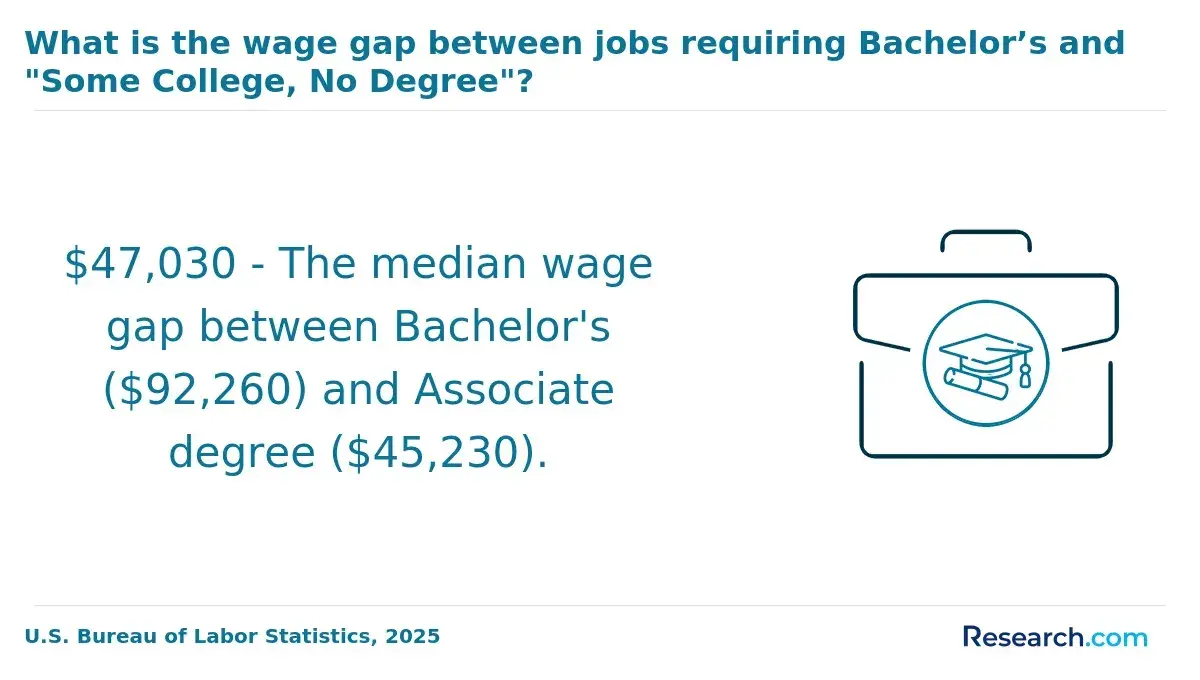
Entry points into community health and patient navigation degree programs often prioritize associate and bachelor's degrees, which ground students in public health basics, care coordination, and communication. Bachelor's offerings with a focus on public or community health include deeper exposure to healthcare systems and patient advocacy, positioning graduates for roles demanding strategic oversight. Quick credentialing is typically sought through certificate programs, which span 6-12 months and emphasize practical skills-these fit clinicians or social workers shifting into navigation but omit leadership development found in degree tracks.
Master's degrees in public health (MPH) with patient navigation or community health specializations align more closely with employer expectations, particularly in hospitals and nonprofits managing complex patient care, such as oncology. The rising demand is underpinned by projections from the American Cancer Society estimating a 24% increase in U.S. cancer survivors by 2032, elevating the need for expert navigation in survivorship and follow-up care.
Certification credentials like Certified Patient Navigator (CPN) or Oncology Patient Navigator have become critical for professional validation, requiring clinical experience coupled with formal training. Employers favor these certifications as signals of readiness for multifaceted care coordination, though balancing the time investment against hands-on competence remains a central consideration.
For working professionals limited by time or finances, an online certificate combined with employer-supported clinical hours offers a pragmatic alternative to extensive degree programs. When evaluating educational pathways, it is important to consider how each option supports specific workforce demands-degrees deliver leadership and policy preparation, while certificates enable faster clinical integration aligned with certificates in community health and patient navigation careers. Those seeking a comparative assessment of advanced healthcare education might consider a healthcare administration degree as part of broader strategic career planning.
How do online community health programs for patient navigation compare with campus options?
Online community health patient navigation programs require candidates to weigh critical operational tradeoffs between flexibility and experiential depth. While campus programs provide structured clinical placements through embedded partnerships with local healthcare systems, enabling hands-on skill development in geriatric navigation, online options demand students proactively source their own internships. This distinction shapes workforce readiness, as employers value demonstrated interaction with aging populations-a demographic expected to grow 47% by 2050 per the U.S. Census Bureau.
Remote learners benefit from scheduling flexibility and can maintain employment during study, but risk delays in securing clinical sites and uneven exposure to complex patient care scenarios. In contrast, campus versus online community health navigation degrees often reveal a gap in the quality and immediacy of practical training essential for navigating multifaceted care coordination in senior care networks and chronic disease management.
Students must critically assess:
- Immediate access and networking versus scheduling flexibility
- Guaranteed clinical placements versus independently sourced internships
- Depth of practical skills in aging population navigation versus potential gaps in hands-on patient interaction
Programs combining synchronous online learning with hybrid intensives mimic the campus advantage but remain rare. Given these dynamics, cost considerations intersect with outcomes. Prospective learners might compare options such as the cheapest fastest RN to BSN online pathways for related scalable investment insights, facilitating a strategic pivot grounded in practical competencies.
What courses and skills are taught in community health specializations for patient navigators?
The critical challenge in community health specializations for patient navigation lies in bridging theoretical knowledge with tangible outcomes in high-impact settings such as maternal health inequities. For example, addressing the 2.6 times higher maternal mortality rate among non-Hispanic Black women requires navigators skilled in coordinating perinatal care interventions shown to cut severe maternal morbidity by up to 30%, per CDC data.
Curricula emphasize practical competencies including:
- Applying health behavior theories to engage and retain patients
- Managing data collection and compliance with HIPAA and healthcare regulations
- Communicating effectively with culturally diverse and low-literacy populations
- Collaborating across medical, social service, and community organizations
- Utilizing electronic health records and case management platforms
Employers expect candidates to handle complex patient logistics such as transportation and insurance navigation in real-world, time-sensitive scenarios like managing chronic conditions or maternal health emergencies. Programs lacking supervised internships limit student access to these indispensable experiences, affecting employability. Practical program designs that integrate measurable skill application rather than abstract theory equip candidates to meet these workforce demands most reliably.
What are the admission requirements for community health programs focused on patient navigation?
Admission for community health programs centered on patient navigation balances foundational healthcare knowledge with demonstrated practical experience. Most programs require at least a high school diploma, though a significant number prefer candidates with postsecondary credentials such as associate degrees or certifications in health sciences, social work, or public health. Proof of hands-on experience, often through volunteer work or internships, is critical to verify readiness for complex patient engagement challenges, especially in rural areas where cultural competence and adaptability are essential.
Programs frequently prioritize applicants knowledgeable about health disparities and underserved populations, reflecting data like a CDC report showing rural Americans face 23% higher mortality rates than urban counterparts. This leads to prerequisites including coursework in communication, health promotion, or health equity, as well as background checks and immunization verification due to community and clinical setting requirements.
Admission criteria may incorporate entrance exams or personal statements to assess motivation and critical thinking. For working professionals, hybrid or online formats offer flexibility, but employers increasingly favor candidates with recognized certifications or accredited community health worker credentials aligned with these programs. Regional residency or commitment to serve underserved communities is sometimes mandated, often linked to federal funding conditions geared toward improving rural health outcomes.
Successful candidates must navigate tradeoffs between academic preparation, relevant experience, and geographic commitments, as employers expect an immediate, culturally sensitive impact in high-need communities.
How long do community health specializations take, and what do they typically cost?
Choosing between certificate programs and associate degrees in community health for patient navigation hinges on balancing time, cost, and practical readiness. Certificate options, typically 6 to 12 months and costing $3,000 to $10,000, often align better with working adults needing a fast pivot and employers' baseline requirements, especially in federally funded or clinical settings where supervised fieldwork is standard. These programs focus tightly on practical skills like resource coordination and behavioral health essentials, enabling quicker workforce entry.
Associate degrees extend up to 2 years, with tuition ranging from $5,000 to $15,000 depending on institution type, offering deeper clinical foundations but potentially delaying employment and raising upfront costs. For student decision-making, this creates a tradeoff between broader expertise and faster, more affordable credentialing.
A real-world scenario illustrates this: patient navigators addressing substance use disorders must efficiently understand complex social determinants and recovery pathways. Shorter programs can deliver these competencies within limited hours-which is critical given the Substance Abuse and Mental Health Services Administration's 2024 NSDUH report noting only 6.7% of 48.7 million individuals with substance use disorders received treatment, signaling urgent workforce needs.
Because ongoing field training is often necessary regardless of credential choice, learners who front-load practical experience during study can reduce onboarding delays and better meet the evolving challenges facing community health employers.
What accreditations and industry-recognized certifications matter for patient navigation careers?
Certification significantly influences employability for patient navigators, with credentials like the Certified Patient Navigator (CPN) and Certified Patient Advocate (CPA) distinguishing candidates who can effectively coordinate care across complex health systems. These certifications are not just formalities; they align with the demonstrated need for navigators to manage intricate patient pathways, especially among vulnerable populations facing multiple social determinants of health.
Employers in hospital systems and community clinics prioritize certified professionals, as validated by a 2024 Cochrane review showing navigation programs reduce unplanned hospital admissions within a year and increase outpatient visits soon after engagement. This evidences how certified skills translate into improved patient outcomes and operational efficiencies.
Training programs accredited by bodies like the Patient Advocate Certification Board (PACB) ensure curriculum relevance to national standards and practical competencies such as electronic health record use and data tracking. Without accreditation, professionals risk wage stagnation and limited advancement opportunities, as many roles require ongoing certification to keep pace with evolving healthcare policies and technologies.
For individuals transitioning from fields like nursing or social work, obtaining navigation certification bridges regulatory knowledge with care coordination capabilities, enhancing workforce adaptability. However, the added time and financial investment in certification should be weighed against realistic job market advantages, particularly in community health settings with varying certification recognition.
What jobs, work settings, and career paths are available in patient navigation?
Patient navigation roles in 2026 require candidates to navigate complex healthcare environments where credentialing variability and employer expectations create practical barriers to entry and career mobility. The field is expanding primarily within healthcare delivery, social services, and public health frameworks, with key positions including patient navigator, community health worker, care coordinator, and case manager. Individuals entering this workforce should anticipate workloads that frequently surpass 50 patients per month in resource-constrained settings, underscoring the importance of technology skills and efficient caseload management.
Employment for community health workers, including patient navigators, is projected to grow 14% from 2022 to 2032-almost triple the average for all occupations. This trend correlates with greater emphasis on addressing social determinants of health and managing patient care transitions. However, career progression often hinges on acquiring specific clinical qualifications for roles like nurse navigators in oncology or shifting toward program management and policy-making in public health departments, areas that demand different skill sets and educational investments.
Key tradeoffs involve balancing the absence of standardized credentials against employer-specific training programs, affecting salary scales and geographic employment flexibility. Candidates must critically evaluate which certifications or training providers are recognized by the institutions where they intend to work. These dynamics highlight the importance of strategic decision-making in education and workforce planning for patient navigators and allied community health roles.
What are the salary expectations and job outlook for community health patient navigators?
Patient navigators in community health operate at a complex intersection of finance, insurance, and patient advocacy, where median salaries vary notably by location and specialization, typically ranging from $40,000 to $55,000 annually. Those concentrating on financial navigation or insurance literacy tend to earn toward the higher end, driven by rising demand linked to pervasive medical debt, which remains the foremost source of personal debt in collections. With 57% of U.S. adults unable to cover an unexpected $1,000 medical expense, navigators who reduce cost-related nonadherence play a tangible role in patient outcomes and healthcare system efficiency.
The outlook for community health patient navigators is robust, with employment projected to grow 18% through 2032, far surpassing average occupational growth. Growth is especially pronounced in hospitals, outpatient centers, and public health agencies adapting to regulatory complexity and escalating healthcare costs. Employers increasingly prioritize candidates holding certifications in financial navigation, health literacy, and cultural competency, reflecting nuanced workforce needs.
Working environments vary-from oncology clinics to chronic disease programs-requiring adaptability to diverse patient financial situations and insurance plans. Without specialized training, navigators confront stagnant wages and constrained career paths. Investing in credentials aligned with healthcare finance and policy is a strategic step that expands opportunities and income potential in this niche.
Other Things You Should Know About Community Health
Specialized training in areas like oncology or maternal health offers immediate employer appeal and skill depth but can limit mobility across patient populations. Broad-based community health programs increase versatility for diverse roles but may require additional on-the-job learning in targeted specialties. For career advancement, candidates should weigh whether a niche focus aligns with their preferred work settings and long-term growth or if a generalist pathway better fits evolving job markets.
Employers in community health consistently prioritize practical field experience over theoretical knowledge alone. Programs lacking substantial practicum or internship components tend to produce graduates who struggle with real-world complexities such as cultural barriers and health system navigation. Students should select educational paths that integrate robust hands-on training with diverse community placements to maximize employability and readiness for complex patient cases.
Employers expect navigators to possess both soft skills-such as communication and cultural competence-and targeted knowledge relevant to their patient population. Specializations that align closely with prevalent regional health issues usually command higher demand and clearer career pathways. Students must research local workforce needs and prioritize community health specializations that match those demands to ensure the best employment outcomes.
References
- Community Needs and Navigation - Journal of Oncology Navigation & Survivorship https://www.jons-online.com/issues/2014/june-2014-vol-5-no-3/1271-community-needs-and-navigation
- Indigenous Patient Navigation Program https://fnim.sehc.com/indigenous-education-programs-and-services/indigenous-patient-navigation-program/
- Patient Navigation Professional | Canadian Healthcare Education Network https://www.chenetwork.ca/aan-ppnc
- ClinicalTrials.gov https://clinicaltrials.gov/study/NCT03077386
- Patient Navigation in Cancer Care: A “New” Frontier https://triagecancer.org/patientnavigation
- Patient Navigator Training & Credentialing | American Cancer Society https://www.cancer.org/health-care-professionals/resources-for-professionals/patient-navigator-training.html
- Level 1 Health Navigation Fundamentals Online https://catalog.rmphtc.org/product
- About Patient Navigation - National Navigation Roundtable https://navigationroundtable.org/patient-navigation/about-patient-navigation/
- Patient Navigation: A sustainable and cost-effective tool to improve cancer patient outcomes | ICCP Portal https://www.iccp-portal.org/news/patient-navigation-sustainable-and-cost-effective-tool-improve-cancer-patient-outcomes
- Online Bachelor’s Degree in Community Health and Wellness https://www.monroeu.edu/academics/undergraduate-programs/school-allied-health-professions/online-bachelors-degree-community