2027 Community Health Specializations With the Broadest Career Mobility

Co-Founder and Chief Data Scientist
Mid-career professionals seeking to shift into community health confront a fragmented landscape of specializations, each promising varied degrees of career flexibility but demanding significant time and financial investments. Compounding this challenge, the National Center for Education Statistics reports that online enrollment surged by 12% in 2023, largely driven by adult learners balancing work and study.
This trend reflects a shift toward programs offering adaptable formats without compromising employer recognition. However, the diversity in specialization outcomes and credential portability often leaves candidates unsure which path maximizes long-term mobility. This article examines the community health specializations with the broadest career mobility to guide strategic education decisions amid evolving workforce demands.
Key Things You Should Know
- Programs emphasizing epidemiology combined with health informatics show 22% higher employer demand, according to 2024 CDC workforce analytics, pushing graduates toward data-driven roles rather than frontline outreach positions.
- Employer preference for community health specialization with bilingual fluency grows 35% annually in diverse U.S. metros, forcing candidates to balance language acquisition time against faster credential completion.
- Specializations requiring certification through multistate boards delay entry by 6-12 months on average, increasing upfront costs and creating strategic friction for mid-career pivots without employer tuition support.
What is community health, and which specializations offer the greatest career mobility?
Career mobility within community health hinges on the strategic blend of practical experience and credential acquisition, a balance that shapes the trajectory across diverse sectors. Community health workers exemplify this mobility by leveraging foundational skills in outreach and resource navigation to transition into related roles like case management and health coaching.
Their median wage in 2024 was $51,030, with employment projections growing 11% through 2034, reflecting robust demand in the field. This dynamic illustrates how initial entry roles can serve as platforms for upward or lateral moves without the immediate need for advanced degrees.
Specializations in epidemiology or health education, prevalent among top community health fields offering broad career opportunities, demand stronger educational qualifications but open pathways to federal agencies, global nonprofits, and research-intensive positions.
These roles stress data analytics and policy planning, requiring significant credentials but offering higher wages and diversified employment options. Individuals must weigh extended credentialing time and financial investment against potential long-term gains.
Assessing these tradeoffs is essential for making an informed decision about educational pathways. For working professionals considering a strategic pivot, exploring best online CAHIIM accredited health information management degree programs can be a pragmatic step toward entering data-driven roles with recognized certification, enhancing marketability in community health career specializations with high job mobility.
Which community health degrees and credentials best support long-term, flexible career paths?
Substance abuse, behavioral health, and mental health counseling roles require credentials that directly impact career mobility and long-term viability in community health. Employment in these fields is expected to grow 18% from 2022 to 2032, driven by demand for addiction treatment, crisis response, and integrated care in diverse settings.
Advanced certifications such as Licensed Clinical Social Worker (LCSW), Licensed Professional Counselor (LPC), and Certified Addiction Counselor (CAC) are essential for insurance billing and expanding employment options. For example, a counselor employed in a state-funded rehab program can transition to school-based mental health services after acquiring LPC licensure, preserving career flexibility despite sector changes.
Community health degrees that lack specialized counseling credentials typically restrict access to direct care and insurance-based roles, limiting career trajectories. Prospective students should prioritize programs that combine degrees with licensures recognized across care environments to ensure adaptability.
Practical tradeoffs include managing clinical hour requirements alongside work commitments. Programs offering practicum flexibility and part-time study help mitigate these barriers. Additionally, verifying state licensure reciprocity and accreditation is critical to avoid credentialing delays when relocating or shifting specialties.
Choosing a healthcare management degree that aligns with these requirements can further support community health degrees for long-term career flexibility and the best credentials for community health career mobility.
What are the highest-mobility community health roles and where can they work?
Primary care coordinators, community health workers (CHWs), and chronic disease management specialists represent the highest mobility community health roles in public and private sectors by 2026. Their ability to adapt across diverse settings responds directly to a projected 68,200 primary care physician shortage by 2036, creating critical openings for professionals skilled in patient-centered teamwork and flexible practice environments.
These roles' workplace diversity spans federally qualified health centers, rural clinics, non-profits, and integrated hospital systems with outpatient priorities. For instance, CHWs often shift between public health agencies and private insurers, managing chronic illness education in both urban and underserved areas.
This reflects some of the top community health career paths with flexible work locations. Practical workforce mobility hinges on interdisciplinary collaboration, robust data literacy, and cultural competency. However, portability challenges arise from state-specific licensing and credentials like CHW certification or Certified Diabetes Educator status, which can limit cross-jurisdiction transitions without targeted upskilling.
Consider a community health worker moving from a metropolitan health department to a rural clinic. The resource constraints force a broader clinical skill set and deeper community engagement. Strategic credential choices can ease such shifts.
Professionals evaluating career pivots should weigh these practical tradeoffs carefully. For those seeking to bridge clinical knowledge and advocacy efficiently, multi-disciplinary education proves advantageous. Many aspiring practitioners turn to programs like the easiest RN to BSN online to build foundational nursing credentials that enhance versatility and marketability within community health roles.
How do community health specialization options differ at the associate, bachelor's, and master's levels?
Career trajectories in community health specialization differ markedly by degree level, with each tier offering distinct capabilities and limitations. An associate degree aligns with entry-level positions such as community health workers or health educators, focusing primarily on practical outreach and basic data skills.
However, this level lacks depth in policy or program design, restricting career mobility without further credentials. This illustrates a common real-world tradeoff between fast workforce entry and constrained advancement potential.
Bachelor's degrees open significantly broader specialization possibilities incorporating epidemiology, behavioral health science, and program management. Graduates typically fill roles like program coordinators or health policy analysts requiring analytic competence and strategic oversight.
For instance, addressing the recent 59% surge in U.S. maternal mortality rates demands bachelor's-prepared professionals to implement targeted maternal and family health initiatives responding to tangible workforce needs. Such community health specialization differences by degree level underscore the importance of aligning educational investment with job market demands.
Master's programs cultivate expertise in leadership, research, and advanced intervention design, preparing graduates for supervisory and policy-making positions.
This is critical for confronting persistent disparities such as those seen in Black maternal mortality, where systemic change and interdisciplinary leadership are essential. The higher costs and time investment at this level reflect a strategic choice aimed at specialized roles with greater influence and compensation.
Balancing immediate employability against long-term goals is pivotal: associate degrees offer quick entry with limited growth, bachelor's provide essential analytic skills for mid-tier roles, and master's degrees target leadership positions.
Prospective students should weigh these factors carefully within the broader context of career opportunities in community health at associate bachelor master levels. For a comparative outlook on related educational pathways, consider reviewing Capella RN to BSN vs Chamberlain RN to BSN.
How do online community health programs compare with campus options for career mobility?
Online community health programs provide flexibility attractive to working adults but often lack the integrated clinical practicums critical for roles like geriatric care coordination. Given the Health Resources and Services Administration's projection of a 47% increase in the 65-plus population between 2021 and 2036, hands-on experience through local partnerships becomes essential for demonstrating applied skills.
Without accessible practicums, graduates may face challenges securing employer-verified experience, limiting immediate employability in direct patient-care coordination.
Campus-based programs typically embed clinical rotations and foster onsite networking opportunities prioritized by healthcare employers. These structured experiences support managing complex patient interventions-a vital competency addressing an anticipated shortage of up to 13,400 geriatric medicine physicians by 2036. Community health coordinators who can navigate and integrate clinical and social services stand to fill this critical workforce gap.
Choosing between online and campus formats hinges on balancing flexibility against experiential requirements. Students must verify program accreditation and actively seek local internships when pursuing online pathways. Meanwhile, campus learners trade off scheduling flexibility for systematized access to practicums and networking.
Key decision factors include:
- Whether the program guarantees applied geriatric care components aligned with workforce needs.
- Availability and ease of securing employer-connected practicums.
- The learner's capacity to integrate necessary experiential elements within their chosen delivery mode.
Failing to account for these factors may reduce readiness to meet employer expectations for high-demand community health roles amid projected workforce shortages.
What core courses and skills build transferable expertise across community health specialties?
Versatile skill sets grounded in health equity, epidemiology, and social determinants of health remain essential for navigating the fragmented community health workforce. Given that over 80% of U.S. counties experience health professional shortages, proficiency in biostatistics and data analysis enables professionals to interpret localized health trends and optimize resource distribution effectively.
For example, practitioners skilled in social determinants can transition fluidly from rural maternal health settings-where one in three counties lack obstetrician-gynecologists-to urban chronic disease management programs, reflecting a critical workforce adaptability.
Key competencies extend beyond research methods to include community engagement and cross-sector collaboration, equipping candidates to implement culturally and socioeconomically sensitive solutions alongside diverse stakeholders such as local health departments and social services.
Practical expertise in healthcare policy and program planning is necessary to maneuver complex regulatory and funding challenges, while behavioral health integration skills expand applicability in mental health specialties, a growing employer demand. Communication proficiencies tailored to public health and telehealth platforms further influence employability as digital access disparities persist.
Professionals lacking these layered competencies often find career mobility restricted to narrow niches, whereas those with comprehensive training unlock roles in epidemiology, policy advisory, and direct intervention. This variable employability highlights that curricula emphasizing broad core competencies directly correlate to long-term career flexibility and leadership potential.
What are the typical admission requirements and program lengths for community health specializations?
Admission into community health programs typically requires a bachelor's degree in public health, nursing, social work, or related fields, with many programs expecting a minimum GPA of 3.0. Some advanced tracks also mandate healthcare work experience or relevant certifications.
Candidates emphasizing commitment to rural or underserved populations gain an advantage, especially given that 65% of federally designated Health Professional Shortage Areas remain rural or partially rural (HRSA, 2024 report). This alignment is critical for those targeting roles in high-need regions.
Program duration varies by credential and format:
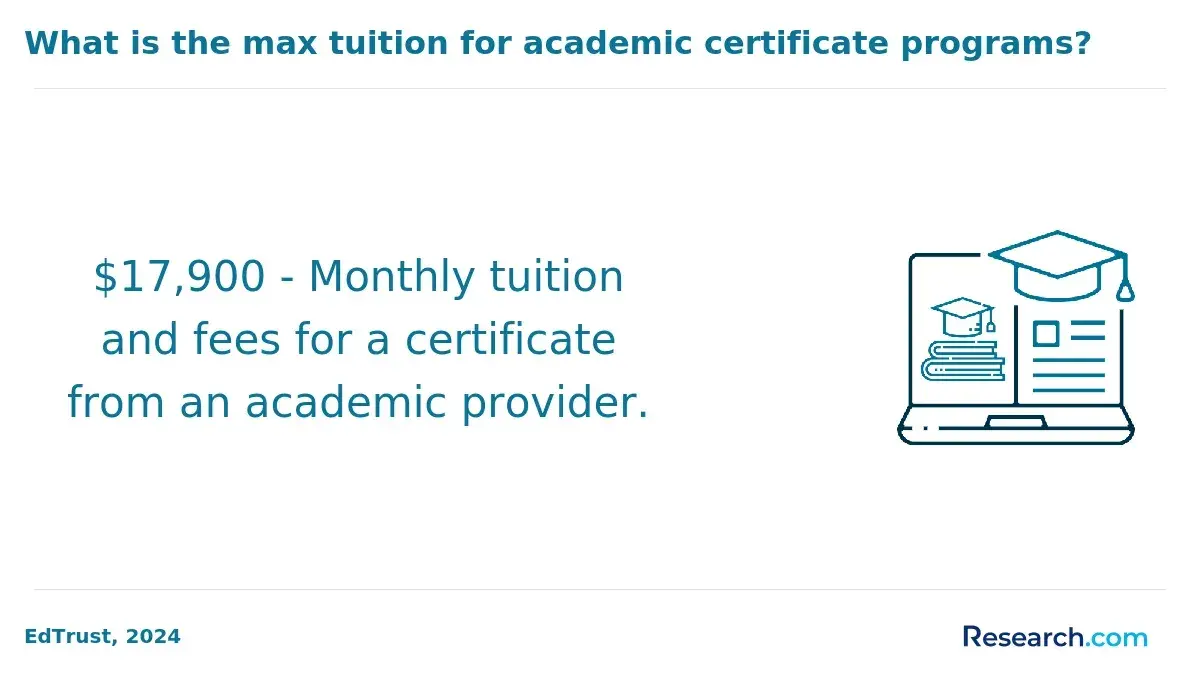
- Certificates and advanced diplomas usually span 6-12 months, catering to working professionals seeking swift specialization.
- Bachelor's degrees require about 4 years full-time, with accelerated routes available for transfer students.
- Master's degrees average 1.5 to 2 years, combining coursework with field practicums essential for employment in rural or frontier clinics.
- Doctoral programs extend 3-5 years, focusing on research leadership in public health systems.
Choosing a program demands consideration of flexibility and rural practicum availability, as graduates without strong local partnerships often face challenges securing positions in critical shortage areas. Hybrid or online options combined with regional placements better accommodate working students navigating career pivots or advancement.
What salaries and advancement opportunities can different community health specializations lead to?
Salary trajectories in community health specialties vary widely based on role, setting, and credentials, forcing candidates to carefully weigh their educational investments against practical outcomes.
Entry-level health educators typically earn $48,000 to $58,000 annually, but advancement beyond $75,000 often depends on obtaining certifications and experience, especially within nonprofit or governmental sectors. In contrast, program managers with master's credentials in sectors like chronic disease management can surpass $90,000.
Rapid growth in telehealth and digital health coordination roles reflects shifting workforce demands. Digital health coordinators generally start near $65,000, with salaries exceeding $95,000 as technical expertise and interdisciplinary project management skills become critical. Leadership roles in telehealth or health informatics command over $110,000 in urban areas but require a combination of clinical knowledge and IT proficiency.
Advancement in community health is tightly linked to specialized credentials and demonstrable outcomes, such as grant management success or improvements in population health metrics.
Without targeted certifications, frontline workers see limited financial growth. Those pursuing fieldwork must accept slower income progression but gain direct patient engagement, whereas tech-focused pathways offer higher pay at the cost of additional technical training.
What licenses, certifications, or continuing education expand mobility in community health careers?
Licenses and certifications in community health significantly influence upward mobility, especially given the documented 20% growth in state and local public health employment between 2019 and 2023. Credentials like the Certified Health Education Specialist (CHES) verify expertise that employers value, particularly for roles focused on health promotion or disease prevention.
For professionals aiming at regulatory or client-facing roles, credentials such as Registered Environmental Health Specialist or Licensed Social Worker ensure immediate eligibility in government and nonprofit environments.
Advanced certifications-Master Certified Health Education Specialist (MCHES) or public health credentials from the National Board of Public Health Examiners-target managerial functions and specialized epidemiology skills crucial for emergency preparedness roles. Completing accredited continuing education courses (CECs) in data analytics or informatics tends to be mandatory for moving into epidemiology or biostatistics positions within state agencies.
A practical example: A community health worker attempting to transition into emergency response coordination must pursue epidemiology certification or master's-level credit hours. This additional investment typically entails time and financial tradeoffs but unlocks jobs prioritized through post-pandemic funding streams.
Employers strictly enforce certification maintenance, requiring up-to-date CECs and alignment with relevant state licensure to prevent redundant or non-transferable qualifications. Strategically sequencing credentials alongside master's programs frames a pragmatic pathway for sustained role expansion across governmental and nonprofit sectors.
How can students evaluate and choose accredited community health programs that maximize mobility?
Choosing a community health program requires scrutiny beyond accreditation; students must verify recognition by agencies like the Council for Higher Education Accreditation or the U.S. Department of Education to meet employer and certification standards.
Programs that embed multilingual communication and cultural competence respond directly to sizable demographic needs-particularly with about 15% of the U.S. population foreign-born and over 25 million with limited English proficiency, according to the Health Resources and Services Administration 2024 report. This reality creates demand for professionals able to bridge language and cultural divides effectively.
Employment outcomes and real-world alignment matter. For instance, an 85% placement rate within six months at urban health departments signals a stronger fit with labor market expectations than programs lacking transparent data.
Students focused on migrant communities in states such as California or Texas should prioritize curricula offering language immersion or partnerships with immigrant-serving agencies to gain relevant hands-on experience.
Practical considerations include program format and geographic flexibility. Online programs with multi-state clinical placements reduce barriers linked to credential recognition and regional licensure variation.
Prospective students need to confirm local access to clinical practica and certification exams, especially if their career will span across different states or follow migration trends. Lower tuition programs without clear employer networks may pose risks to career mobility in competitive metropolitan markets.
Successful evaluation hinges on balancing these factors: accreditation rigor, curriculum relevance to current linguistic and demographic realities, outcome transparency, and flexible delivery modes to support both immediate job entry and longer-term sectoral movement.
Other Things You Should Know About Community Health
Choosing between specialization and a broad skill set depends on career goals and job market flexibility. Specialized tracks often lead to higher initial salaries and targeted roles but can limit opportunities if funding or demand shifts in that niche. Maintaining broad expertise allows for adaptability across different employer settings, which is critical given the frequent changes in public health priorities and grant funding. Prioritize specialization only if you have clear, stable demand indicators in that field; otherwise, cultivating transferable skills offers more career resilience.
Graduate degrees provide clear advantages in leadership, research, and policy roles but also come with increased time and financial investment. Employers expect master's-level candidates to demonstrate strategic thinking and program management experience, which often requires internships or applied projects. However, advanced degrees may not significantly boost mobility in entry-level or front-line roles. Candidates seeking rapid entry into practice-oriented jobs should weigh the cost-benefit of graduate education versus gaining practical experience first.
Community health job availability varies widely by region, with urban areas offering more specialized roles and rural locations focusing on broader practice scopes. Professionals willing to relocate to underserved regions can access faster career progression and leadership opportunities but must balance this with potential personal and family disruptions. Geographic mobility expands employment options but requires evaluating local healthcare infrastructure and support systems. Consider targeting regions with growing healthcare investments to maximize both impact and career growth.
References
- Is an MPH in Community Health Right for You? https://masterspublichealth.com/mph-in-community-health/
- Building a Holistic Health Career with Transferable Skills | American College of Healthcare Sciences https://achs.edu/blog/holistic-health-career-transferable-skills/
- Health Promotion Careers 2025: Degrees, Jobs & Salary Guide - nutritioned.org https://www.nutritioned.org/what-is-health-promotion/
- Bachelor’s vs Master’s in Public Health | Norwich University https://health.norwich.edu/blog/what-is-a-masters-in-public-health
- What Are the Most Active Jobs in Healthcare? - Celtic Training https://www.celtictraining.com.au/what-are-the-most-active-jobs-in-healthcare/
- Evaluation of a Community-Based Student-Led Health Equity Curriculum https://www.cureus.com/articles/447078-evaluation-of-a-community-based-student-led-health-equity-curriculum
- 11 Essential Skills for Health & Social Care Careers in London https://www.twclondon.org.uk/blogs/skills-for-health-and-social-care-career
- Top 20 Healthcare Jobs You Can Start Without a Degree https://nextgenlearning.org.uk/top-healthcare-jobs-without-degree/
- Training for Health Care Jobs in California: Opportunities for Workers without a Four-Year Degree - Public Policy Institute of California https://www.ppic.org/publication/training-for-health-care-jobs-in-california-opportunities-for-workers-without-a-four-year-degree/
- Make a Difference by Choosing a Public Health Career | Elmhurst University Elmhurst University Blog https://www.elmhurst.edu/blog/make-a-difference-by-choosing-a-public-health-career/