2027 Online Community Health Degrees With Government and Nonprofit Health Alignment

Co-Founder and Chief Data Scientist
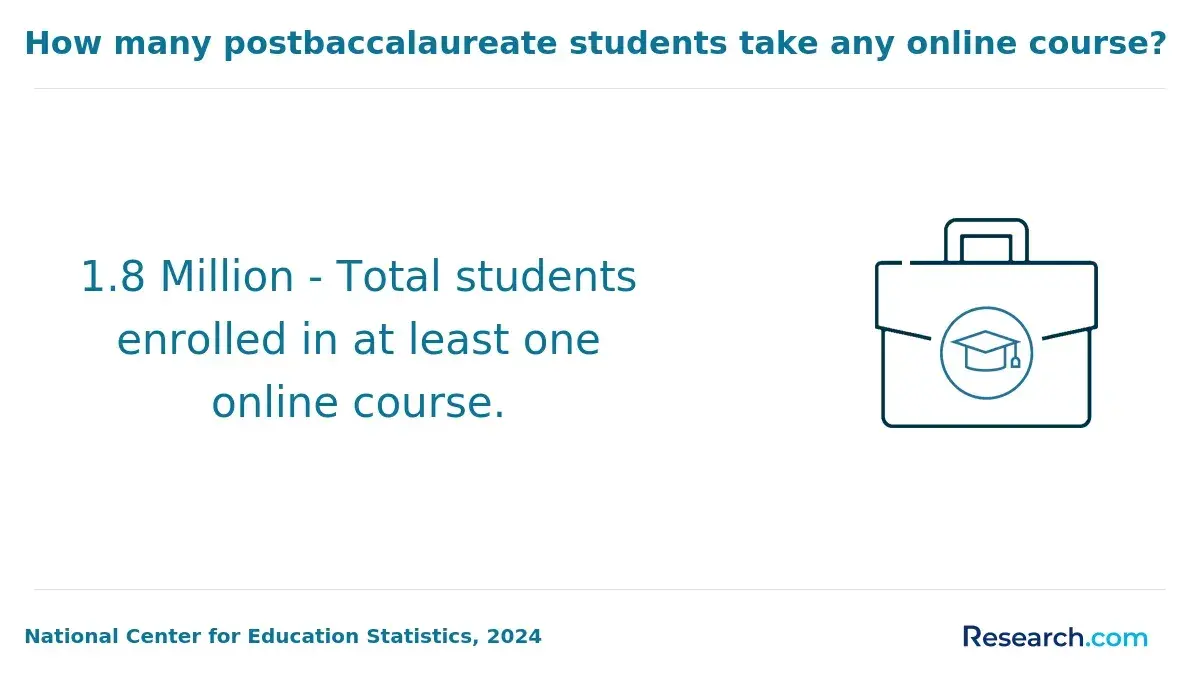
Professionals seeking to pivot into community health careers confront the critical challenge of aligning their education with evolving government and nonprofit sector expectations while managing complex life and work commitments. With the National Center for Education Statistics reporting a 45% increase in online enrollment among adult learners since 2021, flexibility has shifted from a convenience to an operational necessity.
This trend signals a workforce demand for programs that integrate practical community health skills with streamlined pathways to public and nonprofit roles, directly affecting the timing and modality choices of candidates. This article assesses online community health degrees that strategically interface with government and nonprofit health priorities, offering guidance to optimize career alignment and educational investment.
Key Things You Should Know
- Government-aligned online community health degrees typically require 24-30 months to complete, balancing affordable federal aid eligibility with limited employer tuition reimbursement programs, which constrains mid-career students' cost-benefit timelines.
- Employers emphasize curricula featuring policy navigation and grant-writing skills, reflected in a 15% higher hiring rate reported by public health agencies employing graduates who complete government-focused tracks.
- Tradeoffs include restricted elective diversity in accredited programs, prioritizing nonprofit compliance frameworks over innovative community intervention methods, which impacts graduates' adaptability in nontraditional health roles.
What is an online community health degree?
Success in online community health degree programs hinges on navigating the intersection of government mandates and nonprofit priorities while mastering data analysis, program management, and culturally competent communication. Graduates frequently face real-world challenges like tailoring federal health policies to specific community contexts-such as a coordinator adjusting protocols in a local nonprofit to meet unique population needs. This practical adaptability is critical given the layered regulatory landscape and funding requirements common in these sectors.
Curricula in such programs emphasize epidemiology, health education, nonprofit operations, and grant writing, reflecting the operational demands students will encounter. Securing practicum placements that align with both federal guidelines and employer expectations is often complex, particularly for working professionals balancing remote hours and employment obligations. These logistical realities affect program selection and completion timelines.
The labor market outlook for community health roles-commonly classified within community and social service occupations-shows nearly 314,000 annual job openings and a median wage near $57,530, signaling steady demand but also a competitive environment. Graduates must demonstrate tangible experience with government-aligned programs to strengthen their candidacy. Roles vary widely, from policy analysts to health educators, each requiring an ability to synthesize prevention-focused strategies across diverse stakeholder groups.
Prospective students should also explore how this degree complements broader workforce pathways, such as careers in health information management, which have distinct salary trajectories and professional expectations. More details on this can be found at health information management salary.
How do accredited online programs meet U.S. quality standards?
Accredited online community health programs in the U.S. differentiate themselves by meeting rigorous U.S. quality standards through alignment with authoritative bodies like the Council on Education for Public Health (CEPH) and regional accreditors. Beyond theory, these programs enforce measurable competencies in areas such as health policy, program planning, and data analysis, and crucially require practical fieldwork or practicum hours. This experiential component enables learners to translate classroom knowledge to real-world scenarios across clinical, nonprofit, and government settings, addressing a persistent gap in purely online education models.
From an employer perspective, graduates from accredited programs are expected to possess validated skills that support the design and evaluation of intervention strategies. Labor market data indicate a 7% growth in roles for health education specialists through 2033, with a higher 13%-17% growth for combined positions involving health education specialists and community health workers, amounting to approximately 14,000 annual job openings. Candidates lacking accredited credentials often encounter hiring disadvantages, particularly in public sector and nonprofit roles tied to government funding and grant accountability.
Prospective students should confirm accreditation status and ensure integrated experiential learning to overcome common readiness challenges. This approach aligns with workforce needs for roles involving federal reporting and inter-agency coordination and supports strategic investment in career-building community health credentials. For those evaluating varied educational pathways, resources detailing top offerings like healthcare administration can provide comparable benchmarks on program structure and demand.
Which community health jobs accept online degrees?
Securing community health jobs that accept online degrees requires more than credential recognition; employers in government and nonprofit aligned community health careers prioritize practical experience and targeted skill sets. For example, federal and state health departments expect proficiency in data analysis, grant writing, and community engagement, often fulfilled through capstone projects or virtual practicums-but supervised, field-based internships remain essential. Without these, candidates risk delayed entry into roles like health policy analyst or epidemiology technician.
The market median salary for health education specialists was $62,860 in May 2023, reflecting a stable income for positions achievable via online study, yet real competitiveness hinges on specialization areas such as underserved population outreach or program evaluation. Certification, like the Certified Health Education Specialist (CHES), increasingly complements online degrees, particularly for nonprofit and government employers.
Applicants should remain mindful of the budget constraints typical in public sector hiring, which lead managers to rigorously assess experiential learning alongside academic credentials. Those currently pursuing community health education remotely would benefit from actively seeking remote or local internships during their study. In this respect, exploring options like online RN programs for non nurses in Florida can guide professionals intending to pivot strategically.
Ultimately, combining rigorous online coursework with verified real-world experience forms the foundation for advancing into program coordination, outreach management, or supervisory roles within community health.
What courses are in a community health curriculum?
The selection of courses within a 2026 community health degree curriculum courses reflects labor market demands that prioritize applied skill sets over theoretical breadth. For instance, epidemiology trains students to accurately interpret disease trends, a capability central to outbreak response roles in government agencies, while biostatistics supports data-driven decisions essential for nonprofit grant applications and policy formulation. These core courses anchor a curriculum aligned with employer expectations for measurable impact.
Programs that closely match job requirements often include integrated behavioral science and health education courses designed to develop intervention strategies focused on social determinants of health. This combination addresses practical needs in community clinics and advocacy groups where program evaluation and accountability are non-negotiable. Understanding ethics and cultural competency is fundamental for professionals serving marginalized populations and adhering to nonprofit standards.
When reviewing any online community health program course list, students should evaluate the balance between quantitative methods, applied practice, and communication training. This constellation of skills is vital given that community and social service occupations project approximately 313,700 job openings each year from 2024 to 2034, according to BLS data summarized by PublicHealthOnline. Practical components, such as internships, ensure students encounter field realities, helping reduce skill gaps frequently noted by employers.
Those weighing pathways to enter this field should also consider programs offering flexible formats and relevant course integration. Notably, affordable RN to BSN online programs serve as a viable model for merging clinical exposure with community health competencies, illustrating the benefits of formats conducive to working professionals.
How do online and campus programs compare?
Choosing between online and campus community health programs involves balancing flexibility, cost structures, and access to professional networks-factors that directly affect working adults aiming for a career shift or specialization. For example, a full-time case manager pursuing a community health educator role may prefer an online format for its per-credit cost model (such as $550 per credit hour at the University of Oklahoma) and scheduling flexibility, but must actively seek local internships to fulfill field placement requirements crucial for licensure.
Campus programs typically demand higher fixed tuition but offer immediate access to labs, clinics, and in-person mentorship, which can accelerate skill acquisition and networking vital for competitive public health positions. Employers increasingly accept accredited online degrees, provided students supplement coursework with relevant practicum experience and maintain engagement through virtual alumni resources.
Effectively, selecting a program depends on individual professional circumstances, access to local practicum opportunities, and one's capacity to proactively build networks-variables that significantly shape readiness and career trajectory in community health.
What are the admissions requirements for community health programs?
Admission into community health programs frequently hinges on meeting specific academic benchmarks-typically a high school diploma or GED, paired with standardized test scores like the SAT or ACT for undergraduate tracks. However, these baseline qualifications only tell part of the story. For applicants targeting government or nonprofit sectors, demonstrating interdisciplinary knowledge and community engagement becomes essential, especially as many employers prioritize candidates with immediate practical readiness over those requiring extended on-the-job training.
For instance, students aiming for programs such as the University of Oklahoma's Online BA in Community Health-which has a median salary near $51,030 and projected 11% job growth through 2034-must ensure their transcripts align closely with prerequisites to avoid enrollment delays that could impede timely entry into the workforce.
Applicants improve their competitiveness by:
- Accumulating volunteer or employment experience in health departments or NGOs
- Clearly articulating career objectives directly tied to community health outcomes
- Fulfilling background checks and immunization requirements tied to practical placements
Graduate programs generally demand a completed bachelor's degree, letters of recommendation, and documented practical experience such as internships. Missing coursework or inadequate documentation often pushes admission back by at least one semester, a significant setback given workforce demands. Preparing strategically to meet these operational hurdles can determine whether candidates seamlessly transition into roles that require minimal additional training-or face prolonged onboarding in public health roles.
How long does a community health degree take and cost?
Choosing a community health degree involves balancing time investment, financial cost, and career impact, particularly when comparing master's and doctoral pathways. Master's programs typically require 2 to 4 years, with online options at public universities costing between $10,000 and $25,000 annually for in-state students. Doctoral programs-whether traditional PhDs or practice-focused degrees like the Doctor of Community Health (DCH)-often extend beyond three years with annual costs exceeding $30,000, reflecting greater specialization and workplace differentiation.
A practical consideration is completion time tied to enrollment status: full-time students accelerate progress but may face limited employment flexibility, while part-time students extend duration past six years but often sustain steady incomes. The time-cost tradeoff aligns with career goals, especially in nonprofit and government sectors driven by sustainability and measurable improvement outcomes.
The DCH's emphasis on entrepreneurship and process improvement signals growing employer interest in applied skills, though this requires budgeting beyond tuition for fees, technology, and potential residencies. Employer tuition assistance and public health scholarships may offset expenses, but prospective candidates must weigh this against longer program durations and financial commitments.
What salaries do community health graduates earn?
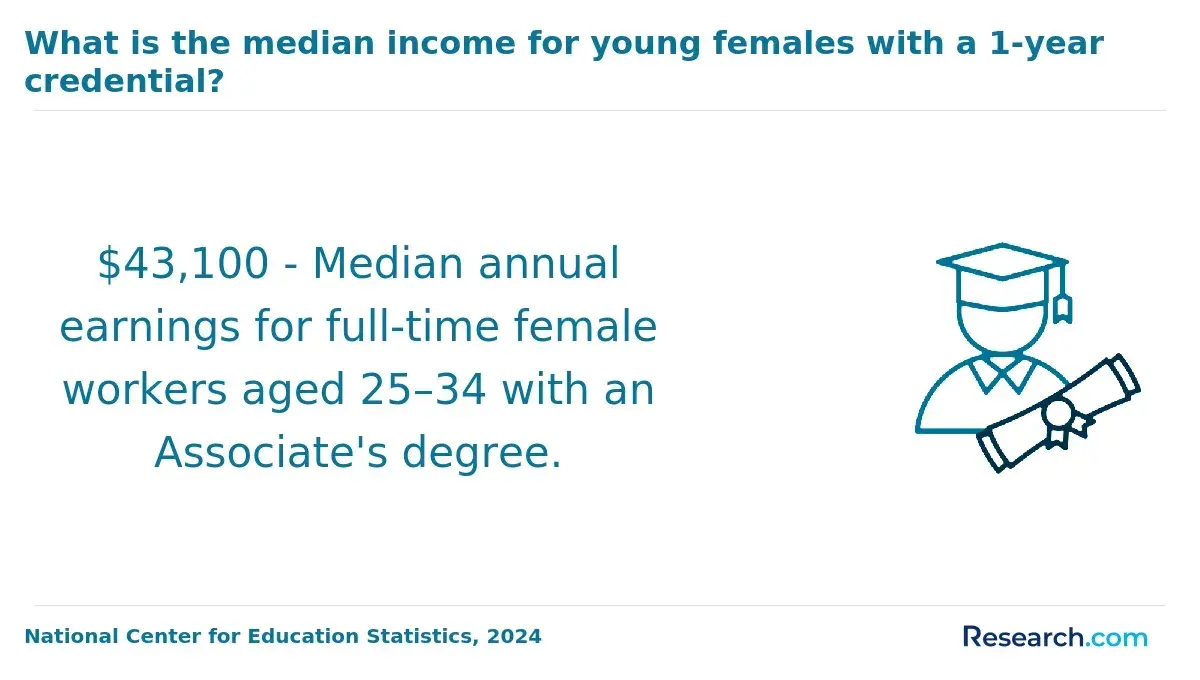
Salary outcomes for community health graduates in the U.S. vary sharply based on location, employer type, and credentialing, with median earnings between $45,000 and $65,000. Entry-level positions typically start near $41,000, but advanced certifications like the Certified Health Education Specialist (CHES) credential boost earning potential by 15-20% and open access to supervisory or grant-funded roles.
Employers in government and well-funded nonprofits often require CHES for promotions, meaning those without it may face slower wage growth and limited advancement, especially in niche areas such as epidemiology outreach or chronic disease prevention. Geographic disparities also play a significant role: urban centers in California and New York offer salaries around 20% above the national average, while rural employers tend to pay closer to the lower end of the scale.
Graduates aiming for meaningful wage gains should budget time and resources for CHES preparation and renewal while pursuing practical experience in underserved communities. This combination is critical to overcoming entry-level salary ceilings and qualifying for project management or higher-responsibility roles frequently linked to better compensation.
What is the job outlook for community health careers?
Employment growth for community health workers and related specialists is projected to outpace many fields, with a 13% increase expected from 2024 to 2034. However, this demand intensifies competition, particularly for jobs that combine program management, direct service delivery, and policy advocacy. Positions like Health and Safety Coordinator, Program Manager-Nonprofit, and Health Educator offer median salaries ranging approximately from $56,000 to $66,000, signaling stable middle-income options without requiring clinical licensure.
For professionals weighing an entry into community health, the choice between immediate employment and skill development is critical. Employers increasingly expect candidates to manage complex tasks such as designing outreach to marginalized populations while juggling funding limitations. Gaining competencies in grant writing, data analysis, bilingual communication, and digital health literacy broadens access to leadership roles and government positions focused on health equity.
Success in this sector hinges not only on formal education but also on acquiring practical experience that meets workforce realities. Graduates lacking specialized certifications or experience may find advancement stalled despite growing job openings. The balance between low-barrier access roles and those requiring advanced qualifications requires thoughtful navigation.
What certifications or licensure may community health graduates need?
Certification is often a gatekeeper to employment and wage progression in community health, particularly within government and nonprofit sectors. The Certified Community Health Worker (CCHW) credential remains the most prevalent certification, validating essential skills like outreach, education, and advocacy. However, employers typically require state-specific certification or registration-entailing approved training and a passing exam-with ongoing continuing education mandates to retain licensure in many states.
More specialized roles require additional credentials, such as the Certified Health Education Specialist (CHES) or Certified in Public Health (CPH), which provide credibility for managing complex programs, including federally funded initiatives. For instance, a community health professional seeking to oversee grant compliance must secure CHES certification to meet employer and regulatory demands. Because licensure standards and certification requirements vary widely by state, candidates must research local rules, as some states do not license community health workers but prefer certified individuals.
The U.S. Bureau of Labor Statistics projects roughly 7,800 community health job openings annually through 2034, underscoring steady demand. Without recognized certification, candidates risk limited job scope, lower wages, and exclusion from government-funded opportunities. Prospective students should weigh educational programs offering integrated certification paths to reduce post-graduation challenges, especially when balancing work and exam preparation. Key considerations include cost, training accessibility, and time investment relative to the anticipated career benefits and employer expectations.
Other Things You Should Know About Community Health
Online community health degrees in 2027 align curricula with government and nonprofit sector needs by offering courses in policy development, program planning, and health administration. These programs often include internships and partnerships with relevant organizations, ensuring graduates are well-equipped to meet industry-specific demands.
The workload in online community health programs often requires consistent weekly commitments that can conflict with full-time employment, especially when synchronous sessions or group projects are involved. Working professionals should select programs with flexible asynchronous options and clearly defined timelines to avoid burnout. Programs lacking this flexibility increase the risk of prolonged completion times and diminished work-study balance, impeding career advancement goals.
Credit transferability in community health degrees is inconsistent due to diverse curriculum focus areas and varying accreditation types. Students transferring credits may face delays or lose credits if prior coursework does not align with program-specific competencies or practicum requirements. Evaluating institutions with standardized accreditation and transparent credit policies avoids unnecessary repetition and additional costs, making transfer planning a critical step for those shifting programs.
Prioritizing degrees with direct employer affiliations benefits students targeting government or nonprofit jobs by offering tailored skills, networking, and internship pipelines that translate into smoother job placement. Broad public health programs provide wider foundational knowledge but may require additional sector-specific training post-graduation. Candidates focused on immediate alignment with nonprofit or government roles should choose specialized programs, while broader degrees suit those seeking flexibility across health sectors.
References
- Quality Standards and Accreditation of Distance Education Programs in a Pandemic - OJDLA https://ojdla.com/articles/quality-standards-and-accreditation-of-distance-education-programs-in-a-pandemic
- Community Health Worker Curriculums - RHIhub Toolkit https://www.ruralhealthinfo.org/toolkits/community-health-workers/4/training/curriculum
- Community Health Worker Certification by Jurisdiction https://www.astho.org/topic/brief/community-health-worker-certification/
- Top 25 Online MPH Community Health Degree Programs - MPH Online https://www.mphonline.org/best-online-mph-community-health/
- Health and Human Services: Campus & Online Degrees and Careers https://www.publichealthonline.org/human-services/online-degree-programs/
- Public Health and Community Health Education Degree (PHCH) https://mcla.edu/academics/academic-departments/phch/
- Community Health Workers-Occupation Summary - Texas Career Check https://texascareercheck.com/OccupationInfo/OccupationSummary/21-1094.00
- Accreditation Guide - Quality Online Schools | Sora Schools https://soraschools.com/blog/accreditation-a-parents-guide-to-quality-online-schools
- What Is a Community Health Degree? https://www.nec.edu/news/what-is-a-community-health-degree
- Community health workers: Salary, career path, job outlook, education and more - RaiseMe https://www.raise.me/careers/community-and-social-service/health-educators/community-health-workers/