2027 Online Community Health Degrees With Public Health Outreach Career Alignment

Co-Founder and Chief Data Scientist
Public health outreach coordinators often confront tight deadlines to develop programs addressing urgent community issues while juggling incomplete training and limited access to advanced credentials. The challenge intensifies since 58% of adult learners pursuing degrees online in 2024, according to the National Center for Education Statistics, prioritize flexibility that traditional formats cannot provide. This shift signals growing demand for adaptive, accessible educational models that fit irregular schedules yet maintain rigor.
Without carefully aligned programs, professionals risk stagnating, disconnected from evolving career requirements and employer expectations. This article evaluates online community health degrees that align with public health outreach careers, clarifying pathways that optimize timing, relevance, and job market mobility.
Key Things You Should Know
- Employment data from the Bureau of Labor Statistics shows a 12% growth in community health outreach roles through 2031, but employers often require field experience beyond online degrees, complicating immediate job placement.
- National surveys reveal a 35% wage premium for candidates with blended practical certifications alongside online degrees, signaling employer preference for hybrid skill sets rather than purely virtual credentials.
- Median tuition costs for accredited online community health degrees surged 8% between 2022 and 2024 per NCES data, raising budget constraints that affect time-to-completion decisions for working adults.
What is an online community health degree?
Online community health degree programs in the United States equip students with applied skills essential for effective public health outreach roles, emphasizing disease prevention, program design, and evaluation under real workforce constraints. Graduates frequently navigate complex environments such as managing workplace wellness programs in corporate settings or driving vaccination efforts in underserved communities, requiring adaptable strategies and sector-specific compliance knowledge. This degree pathway supports professionals balancing employment with study through fully remote curricula that integrate current public health frameworks.
Employers prioritize foundational competencies in epidemiology, program assessment, health communication, and statistics, alongside practical experience obtained through fieldwork or practicums. These applied learning components are critical for demonstrating readiness to hiring managers, especially when transitioning into community health outreach roles. Candidates should evaluate program access to local internships and on-the-ground networking, as robust experiential learning opportunities separate effective degrees from theoretical ones.
Employment data reveals diverse sector absorption: 27% of graduates enter healthcare settings collaborating with clinical teams, 24% join corporations crafting employee health initiatives, 19% engage in academia, 17% influence government policy, and 12% work with nonprofits focused on equity. This distribution reflects a demand for cross-sector fluency and underscores the strategic importance of verified career services tailored for online learners. Professionals researching career paths with a public health outreach degree must also consider factors impacting the health information management salary entry-level to align educational investments with market realities.
Which accreditation should online community health programs have?
CEPH accreditation remains a decisive factor for online community health program accreditation requirements, directly affecting employability and hiring eligibility within public health. Employers consistently require degrees from CEPH-accredited programs to validate educational rigor and relevance, especially for advanced roles in epidemiology, program planning, and policy analysis. However, accreditation alone does not guarantee workforce readiness.
Employers increasingly emphasize a blend of academic credentials and applied experience. A 2024 survey found that 71% of U.S. employers expect a master's degree for entry-level public health positions, yet 56% prioritize candidates with practical experience such as internships or community-based projects. This dynamic underscores the need for programs combining accreditation with substantial experiential learning aligned with employer needs.
Consider a candidate pursuing roles in government health departments: selecting a CEPH-accredited online community health degree program accreditation standards that includes practicum placements in local health agencies is critical. Neglecting this integration can severely limit job prospects despite strong academic credentials. Programs lacking recognized accreditation or applied components frequently impede career progression in competitive markets.
Prospective students must assess accreditation status early and carefully evaluate whether curricula support skill development aligned with targeted employers. Those seeking advanced research pathways might explore healthcare PhD programs online that merge accreditation with relevant applied practices to meet both academic and workforce expectations.
How do online and campus community health degrees compare?
Online community health degrees offer necessary flexibility for working professionals, but significant differences versus campus programs affect career readiness and employer preferences. Campus programs deliver structured, hands-on experiences such as internships, lab work, and direct mentorship that are vital for sectors emphasizing community engagement and partnership building. Employers tend to favor candidates with tangible experience in community-based settings, which campus programs more reliably provide through local collaborations.
In contrast, online degrees require students to independently secure fieldwork opportunities, potentially delaying workforce competency. Additionally, some online curricula prioritize theory over applied public health outreach strategies, risking skill gaps upon graduation. For example, a hospital staff member pursuing advancement via an online degree may need to seek supplemental community project experience to qualify for outreach coordinator roles.
Growth projections from the U.S. Bureau of Labor Statistics estimate a 7% increase for health education specialists by 2033, spotlighting demand for graduates who can immediately contribute to public health initiatives. Recent high school graduates aiming for government health departments benefit from campus programs with integrated practicum hours aligned to agency partnerships. When weighing campus and online community health degree differences, prospective students should assess access to experiential learning and employer networking relevant to their target sector and region. Working professionals interested in healthcare management may find valuable insights in an online MBA healthcare program that balances flexibility with strategic workforce outcomes.
What classes are included in community health coursework?
Pursuing a community health degree core courses pathway demands balancing quantitative rigor with interpersonal acuity, reflecting real employer expectations in public health outreach program curriculum roles. For example, epidemiology and biostatistics provide critical tools for analyzing health data and supporting evidence-based interventions, yet students must also grasp sociocultural factors that shape community health outcomes. This multidimensional skillset prepares graduates to address challenges such as tailoring outreach efforts in underserved urban clinics or rural populations, where systemic disparities often complicate program success.
Curricula that integrate social determinants of health and public health policy contextualize health disparities within legislative and regulatory frameworks, essential for professionals aiming to work with government or nonprofit sectors. Program planning courses emphasize measurable objectives and outcome evaluation, aligning closely with employer demands for demonstrable impact rather than theoretical knowledge alone.
Practical constraints, including managing workload diversity from data analysis to culturally competent communication, require disciplined time management. Internships or practicum experiences bridge coursework with field realities, enhancing job readiness in complex environments. Data from ASU Online indicate the median annual wage for community health workers was $51,030, which highlights the economic necessity of selecting programs that emphasize both technical and outreach competencies. Students exploring options might consider accredited alternatives alongside specialized tracks like RN to BSN online programs to diversify their credentials and employment possibilities.
What admission requirements do community health programs usually ask for?
Admission to community health programs hinges not only on academic credentials but also on concrete, career-relevant experience. Most programs require a bachelor's degree with foundational coursework in health or social sciences and generally expect a GPA above 3.0. GRE scores remain optional for many but can be decisive in highly selective cases emphasizing quantitative analysis. Letters of recommendation must speak directly to practical skills and leadership demonstrated through research or community engagement. The statement of purpose is not just formal-it must clearly connect applicant goals to tangible population health outcomes.
Professionals currently in public health or adjacent fields should highlight skills in project management, data interpretation, and fieldwork to differentiate themselves. Prerequisites often include epidemiology, biostatistics, or environmental health courses, which are essential preparation for graduate-level demands. International candidates face additional hurdles with required TOEFL or IELTS scores to verify English proficiency.
Employers value graduates with applied training and documented outreach experience, significantly influencing hiring decisions. For instance, candidates showcasing leadership in community health campaigns generally secure better roles aligned with sector needs. According to a 2023-2024 Columbia Mailman survey, MPH holders report average salaries near $92,500, underlining how meeting program prerequisites and demonstrating practical expertise correlate with early career market value. Candidates underestimating these requirements risk delays or diminished job prospects after graduation.
How long does an online community health degree take?
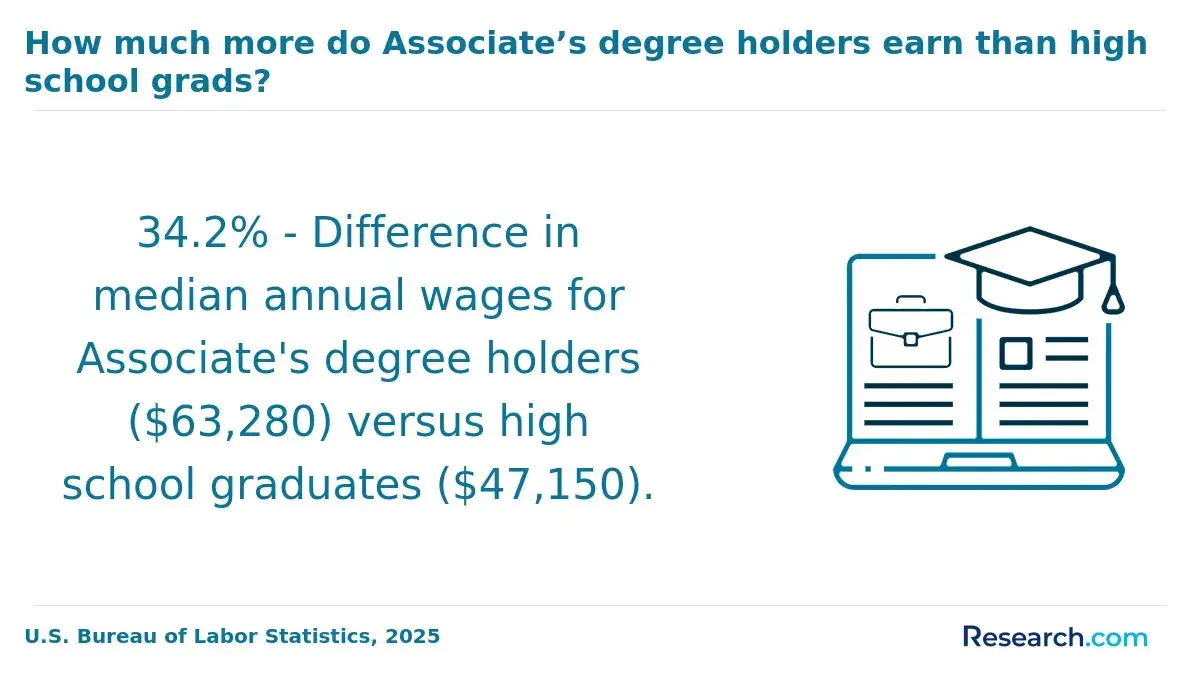
Balancing program length with practical experience is a decisive factor in community health education. While associate degrees typically require about 2 years full-time, and bachelor's degrees demand 4 years, part-time students face significantly extended timelines-often doubling to 6-8 years. This duration can hinder continuous workforce engagement, a critical component given employer preference for candidates who combine education with hands-on experience.
Graduate study-master's level-usually spans 18-24 months full-time but often includes internships and capstone projects that can extend time investment. For working professionals aiming to shift roles or advance, flexible pacing and clearly outlined practicum demands are essential to avoid delayed entry back into the workforce. Choosing accelerated bachelor's programs may shorten completion to about 3 years but requires heavy course loads and limited scheduling flexibility, often unrealistic for those balancing jobs or families.
Graduates with efficient degree completion paired with real-world health experience are more competitive; data from Columbia Mailman shows 73% employment post-graduation versus only 15% pursuing further education. Delaying workforce entry to meet program requirements without concurrent field engagement risks lowering post-degree employability.
How much do online community health degrees cost?
Tuition for online community health degrees typically ranges from $7,000 to $30,000 for a bachelor's, but cost alone offers limited insight into program value or workforce readiness. Public institutions charge around $200 to $400 per credit, whereas private schools often exceed $700 per credit. Choosing a program with flexible pacing or competency-based credit can reduce expenses by allowing faster completion, especially important for professionals pivoting careers.
Additional fees for technology, course materials, and practicum placements can add $1,000 to $3,000, reflecting essential requirements for licensure or certification in many states. Candidates relying on employer tuition assistance or federal aid must ensure regional accreditation and adherence to public health standards to secure funding.
Deciding on cost alone risks underpreparing for roles like medical and health services manager, an occupation with a projected 23% growth through 2034 according to the U.S. Bureau of Labor Statistics. Programs that integrate leadership and outreach skills alongside core curriculum offer better employment prospects.
Working students face time commitments beyond tuition, including unpaid internships or capstone projects often required for credential recognition. Investing in accredited, more costly degrees can yield higher salaries long-term, outweighing initial savings from cheaper, less comprehensive options.
What jobs can you get with a community health degree?
The practical value of a community health degree lies in its direct alignment with workforce demand, most notably for health education specialists, which have roughly 6,700 annual openings. These roles require more than academic knowledge; employers expect candidates to demonstrate skills in program design, cultural competency, and evaluation tailored to diverse populations. For instance, working with urban underserved groups demands fluency in navigating socioeconomic barriers and partnering with multiple local agencies, contrasting sharply with rural roles focused on telehealth access.
Transitioning into disease prevention or community resource management positions requires competencies beyond credentials, including data analysis, stakeholder engagement, and grant writing. These skills are crucial to overcoming common challenges such as limited program funding and operational autonomy, particularly within smaller nonprofit or government entities.
Salary trajectories are uneven and influenced by geography, sector, and certifications like Certified Health Education Specialist (CHES). Federal and state agencies tend to offer higher wages but often seek expertise in epidemiology or health policy areas that a standard community health curriculum may inadequately cover. This mismatch necessitates intentional program selection aligned with targeted roles and employer expectations. Professionals should weigh these factors carefully before committing to this educational path to avoid misalignment between qualifications and job market realities.
How much do community health graduates earn?
Salary outcomes for community health graduates vary widely based on specialization, location, and employer type, influencing practical return on investment decisions. Entry- to mid-level salaries range between $48,000 and $75,000, with public health outreach coordinators in urban hospitals or nonprofits typically starting near $50,000. In contrast, epidemiologists-a more advanced specialization-earn median salaries closer to $81,000, reflecting robust demand and expected growth of 19% in these roles over the coming decade.
Professionals serving rural or underserved populations face lower salaries but may mitigate this through loan forgiveness and public service incentives. Advancement beyond $70,000 often requires ongoing credentials or advanced degrees, signaling that credentialing commitments directly affect long-term earning potential. Employers prioritize candidates with data analysis capabilities combined with community engagement experience, valuing skills in health communication platforms and project management software.
Career trajectories diverge significantly: those embedded in state health departments or large healthcare systems-especially in roles involving outbreak response or research-can expect salaries exceeding $90,000 within five to seven years. Conversely, grassroots outreach roles tied to grant funding offer incremental raises and less predictable income growth. Geographic flexibility and industry alignment remain pivotal factors impacting salary ceilings and job stability in this field.
What certifications help with public health outreach careers?
For professionals targeting practical roles in public health outreach, certification choices shape career opportunities significantly. The Certified Health Education Specialist (CHES) emphasizes community-oriented educational skills, catering to those working directly in underserved urban populations. In contrast, the Certified Public Health (CPH) credential prioritizes broader disciplinary competency, aligning better with program management and policy-focused positions in governmental and large nonprofit agencies.
Specialized certifications like Certified in Public Health Preparedness (CPHP) add measurable value for emergency and disaster response roles, while grants management credentials address compliance and funding efficiency in federally supported organizations.
Key workforce implications include:
- CHES certification often leads to roles with on-the-ground community interaction requiring tailored educational approaches.
- CPH holders tend to compete for supervisory or analytical positions where epidemiological and policy expertise matter.
Salary benchmarks-such as the $56,500 average annual earnings reported for health education specialists-reflect the tangible returns associated with recognized certifications.
Prospective candidates must factor in exam preparation time, renewal costs, and continuing education demands, which collectively affect long-term career sustainability and employer trust. Strategic credentialing choices should hinge on targeted roles and sectors, balancing immediate employability with progression potential over time.
Other Things You Should Know About Community Health
Part-time and self-paced formats offer flexibility but can limit immediate skill application and networking opportunities critical in community health professions. Extended program durations may cause students to lose momentum in developing practical outreach and communication skills, which are best reinforced through consistent, interactive learning environments. Students should weigh convenience against the potential disadvantage in employer perception; programs with scheduled, cohort-based activities and live interaction better simulate workplace dynamics and improve readiness for real-world public health challenges.
Online community health programs often struggle to provide immersive cultural competence training that comes from in-person fieldwork in diverse communities. This limits students' exposure to nuanced social determinants and communication barriers, which are crucial for effective outreach. Applicants seriously aiming for hands-on community roles should supplement online coursework with internships or local volunteer work to build the interpersonal skills and cultural sensitivity employers expect.
For careers centered on public health outreach, prioritizing strong internship or practicum placements yields more practical benefits than research-heavy programs alone. Direct field experience enhances problem-solving and relationship-building skills that are crucial for community engagement and program success. Research components remain important but should not overshadow the value of hands-on placements that connect students with public health agencies, nonprofit organizations, or local health departments actively engaged in service delivery.
References
- Top 25 Online MPH Community Health Degree Programs - MPH Online https://www.mphonline.org/best-online-mph-community-health/
- Faculty of Graduate and Postdoctoral Studies | University of Manitoba - Community Health Sciences (MPH) https://umanitoba.ca/graduate-studies/admissions/programs-of-study/community-health-sciences-mph
- Careers with a Public Health Degree: From Epidemiology to Health Education https://www.scuhs.edu/bshs-article/careers-with-a-public-health-degree-from-epidemiology-to-health-education/
- Health and Human Services: Campus & Online Degrees and Careers https://www.publichealthonline.org/human-services/online-degree-programs/
- What Is Community Health? | University of Phoenix https://www.phoenix.edu/articles/healthcare/what-is-community-health.html
- What is Community Health Development? Roles, Career, Salary & Course Guide https://icmhs.co.ke/blog/what-is-community-health-development
- Top 10 Online Bachelor’s Degree Public Health Programs https://www.masterspublichealth.net/best/online-bachelors-public-health/
- Online Public Health Degrees: Find Your Program https://www.degreesforgood.org/online-degrees/public-health-programs/
- Careers https://www.publichealthdegrees.org/careers/
- Careers in Public Health. Life’s Work https://www.publichealthcareers.org/