2027 Best Online Community Health Degrees for Care Navigation Careers

Co-Founder and Chief Data Scientist
Care navigators face increasing pressure to manage complex patient needs while aligning with rapidly evolving health systems. Many professionals seeking advancement or career shifts grapple with programs that lack flexibility, a crucial barrier given that 52% of adult learners now prioritize online accessibility when pursuing degrees, per the National Center for Education Statistics.
This signals a structural shift in higher education, where rigid schedules and location constraints no longer accommodate workforce realities, especially in health sectors requiring both practical experience and formal credentials.
This article evaluates the best online community health degrees designed specifically for care navigation careers, focusing on program accessibility, employer recognition, and career outcomes to aid strategic educational choices.
Key Things You Should Know
- Graduates from accredited online community health programs face employer preference for candidates with field experience, making hybrid models with clinical components more valuable despite longer completion times, according to 2024 HR demand surveys.
- States with higher Medicaid expansion correlate with increased community health worker roles, impacting regional wage growth by up to 15%, referencing labor market reports from the U.S. Bureau of Labor Statistics.
- The average total cost for online community health degrees rose 8% since 2023, forcing candidates to weigh accelerated certificates against bachelor's programs for quicker entry but reduced career mobility, as outlined by the National Center for Education Statistics.
What is an online community health degree and how does it prepare you for care navigation careers?
Online community health degree benefits for care navigation extend beyond theoretical knowledge, emphasizing case management, resource coordination, and real-world patient advocacy. Graduates are positioned to act as effective intermediaries who identify social determinants of health, connect patients with services, and remove barriers such as transportation and language in clinical or hospital environments.
For instance, care navigators applying these skills can significantly improve patient access by streamlining follow-up procedures and reducing redundancy.
This practical focus addresses employer demand for professionals who can impact patient outcomes without requiring clinical licenses, highlighting systems-level problem-solving over individual treatment. Health communication, data analysis, and policy comprehension are core competencies that align with workforce needs to lower readmission rates and address evolving healthcare challenges.
However, students eyeing this path should weigh the demands of online study—time management and technology accessibility—essential to translating coursework into effective, patient-centered interventions.
Labor market data underscores the value of this training: the median annual wage for community health workers was $51,030 in 2024, with a robust employment growth projection of 11% through 2034. This stems from demand for adaptable care navigators within diverse settings such as clinics, insurance firms, and nonprofits.
Those exploring options might also compare these programs against related credentials—online health information management degree programs CAHIIM accredited—for alignment with specific career goals and employer expectations.
Which accredited online community health programs are best for launching a care navigator career?
The practical value of accredited online community health degree programs for care navigation lies in their direct alignment with employer expectations and workforce demand. Candidates focusing on care navigator careers must prioritize programs offering rigorous academics combined with embedded internships or practicum experiences in local health systems to master patient advocacy, health education, and systems navigation.
This combination addresses the sector's need for professionals adept at cross-sector collaboration and real-time problem-solving.
Programs recognized by the Council on Education for Public Health (CEPH) meet essential competency standards, ensuring graduates are prepared for roles like California's expanding community health worker positions, which project a 19.1% job growth from 2023 to 2033.
Such regional labor market trends emphasize the advantage of selecting programs that incorporate state-specific healthcare policies and insurance frameworks.
Online community health programs must also offer flexibility to accommodate professionals transitioning from allied health or social work, balancing synchronous community engagement or clinic partnerships tailored to distinct urban or rural contexts. The absence of these experiential elements often results in graduates who lack the nuanced communication and coordination skills care navigators need.
Prospective students evaluating educational pathways should consider comprehensive programs that integrate healthcare data analytics and electronic health record training—capabilities increasingly critical for care navigators. For additional insight on accelerated options relevant to healthcare and administration, see the usual healthcare administration degree offerings.

How do online community health degrees compare to on-campus programs for care navigation training?
Choosing between online and on-campus community health degrees for care navigation hinges on how students access practical training and employer networks. On-campus programs typically integrate structured clinical placements through partnerships with local health organizations, offering consistent hands-on care coordination experience valued by employers.
In contrast, online community health degree benefits for care navigation lie primarily in flexibility and accessibility, but students must independently secure and manage practicums, often resulting in uneven skill development timelines and networking challenges.
For example, an online student must proactively establish connections with healthcare providers to fulfill fieldwork requirements, whereas on-campus peers usually access prearranged practicum sites and institutional support, which reduces logistical burdens and accelerates competency progression.
These tradeoffs significantly affect workforce readiness, particularly in tight labor markets like California, where median annual salaries for community health workers reach $59,124—16% above the national median.
Graduates with robust, location-specific clinical experience, often gained on-campus, typically command higher wages and stronger employer recognition. However, online paths can expedite program completion and broaden access, benefiting those balancing work or distance obstacles, albeit demanding greater self-discipline and networking acumen.
Prospective students evaluating this educational pathway should consider these dynamics closely, weighing how care navigation practice acquisition aligns with career goals and market demands. Those interested may explore master of healthcare administration programs as complementary routes within related health leadership fields.
What accreditation and program quality standards should online community health degrees meet?
Regional accreditation recognized by the U.S. Department of Education is the baseline standard for any online community health degree, as it impacts eligibility for federal aid and employer trust.
Programs aligned with curriculum standards from organizations like the Council on Education for Public Health (CEPH) or National Commission for Health Education Credentialing (NCHEC) ensure coverage of essential competencies such as health promotion, disease prevention, care coordination, and cultural competence. Without these benchmarks, graduates may lack practical skills employers require.
For instance, a candidate emerging from a regionally accredited program with integrated practicum experience is far better positioned to manage the complexities of patient navigation and system interactions—a necessity given the Bureau of Labor Statistics' projection of 7,800 annual community health worker openings. This practical grounding also influences median earnings, with data indicating a $51,030 median pay for online bachelor's graduates in community health by 2025.
Students evaluating program quality criteria for community health degrees should prioritize opportunities for real-world application such as virtual simulations and community projects. Programs that omit these tend to produce graduates less prepared for workforce demands.
Additionally, strong advising, transparent outcomes, and clear certification pathways (like CHW or CHES credentials) mitigate risks linked to program length, cost, and flexibility tradeoffs.
For comparative insight, particularly in nursing-related health education, see the major differences between WGU vs Chamberlain.
What courses and specializations in community health support a care navigation career path?
Programs emphasizing care navigation within community health must align closely with employer expectations for operational competence, particularly in navigating healthcare complexities and patient advocacy. Coursework focused on health communication, cultural competency, and social determinants of health anchors this foundation, but the value of specialized training in health informatics and behavioral health cannot be overstated.
For example, a care navigator working alongside interdisciplinary teams must proficiently use electronic health records to coordinate chronic disease management while addressing mental health factors that complicate patient engagement.
Real-world practicums or internships serve as critical gateways to employment, providing essential exposure to multi-provider coordination and insurance intricacies that theoretical knowledge alone does not cover. Hiring managers prioritize candidates capable of translating these experiences into compliant, patient-centered care interventions amid socioeconomic constraints.
Employment projections reflect a 14% growth rate for community health workers through 2032—three times the average in the U.S.—indicating a market demand that rewards specific skill sets in integrated care management.
Students should rigorously evaluate programs for substantive content in patient advocacy law, insurance navigation, and data management to avoid post-graduation credentialing gaps that hinder upward mobility.
What are the typical admission requirements for online community health bachelor's and master's programs?
Admission requirements for online community health programs reveal practical barriers that influence candidate suitability and workforce readiness. Bachelor's programs generally demand a high school diploma with a GPA around 2.5 to 3.0, occasionally waiving standardized tests—a tradeoff balancing access with academic rigor.
Master's applicants face stricter conditions, needing a bachelor's degree with at least a 3.0 GPA, relevant transcripts, letters of recommendation, and a statement of purpose that situates their career trajectory within care navigation.
Working professionals without direct experience in community health frequently encounter hurdles requiring foundation courses or bridging certificates, delaying entry despite steady job openings—approximately 7,800 annually in hospitals and nonprofits—where employers now prefer stronger academic and practical preparation. This creates a tension between workforce demand and candidate readiness that influences hiring success.
Applicants must also consider logistical realities: technology access for fully online delivery, synchronous schedules, and balancing these with existing obligations. The admission framework is thus designed not merely to vet academic credentials but to ensure candidates can sustain program demands and apply learning effectively in varied environments.
How long do online community health degrees take and what do they cost?
Completing an online community health bachelor's degree typically demands a four-year commitment, paralleling traditional timelines, though accelerated paths reduce this to roughly 2.5-3 years by leveraging heavier course loads or prior credits. Graduate certificates or associate degrees offer shorter alternatives, often finishing in 1 to 2 years.
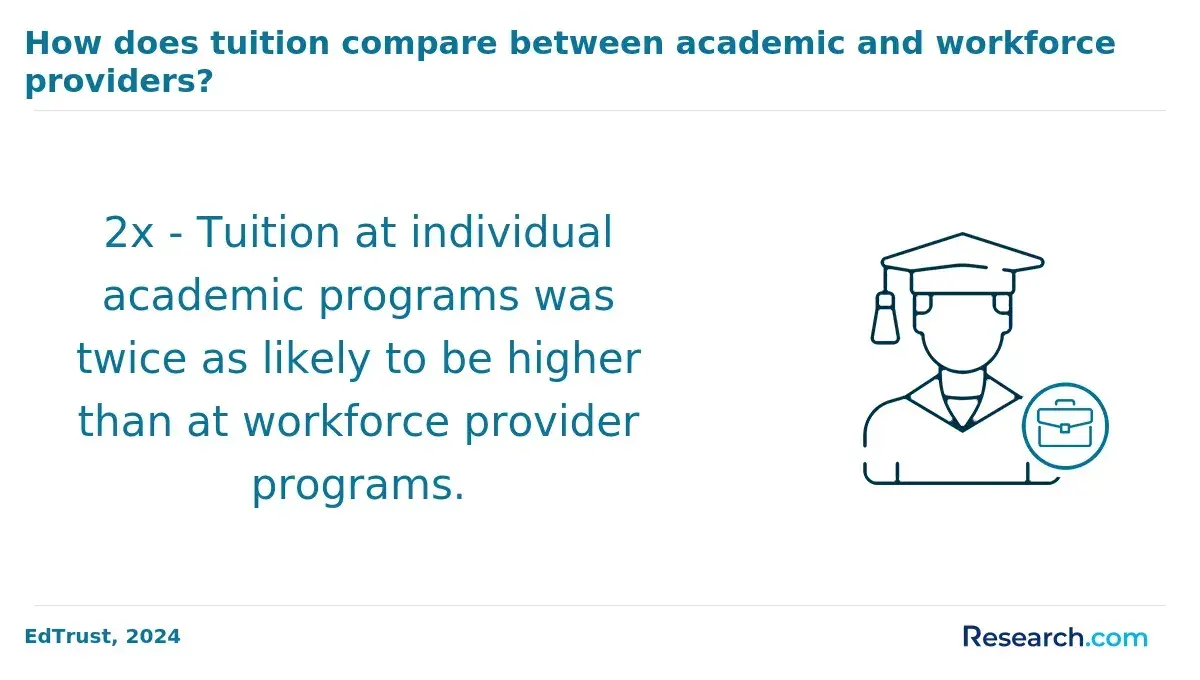
Tuition costs vary significantly: public universities generally charge between $12,000 and $30,000 total, whereas private institutions may surpass $40,000. Pricing per credit hour can range from $300 to $600, with about 120 credits required for a bachelor's degree.
For working adults, balancing course intensity against income and personal time is a central challenge. For example, taking 15 credit hours per semester can achieve degree completion in three years but often necessitates employer support or schedule flexibility to avoid burnout.
Employers increasingly prioritize practical skills over credentials alone. Combining online coursework with local internships or fieldwork can enhance employability without extending time-to-completion. The projected rapid growth in positions for community health workers and care coordinators through 2034 favors those who graduate with relevant experience and manageable debt.
Students must also consider ancillary expenses like technology fees, materials, and potential lost wages during periods of heavier study. Careful evaluation of credit costs, anticipated completion timelines, and financial aid availability provides the clearest decision framework for maximizing return on investment in this domain.
What jobs can you get with an online community health degree in care navigation?
Graduates with an online community health degree in care navigation enter a competitive labor market where practical skills in electronic health records management and cross-sector communication are critical. For instance, hospitals hiring care coordinators expect candidates capable of streamlining complex treatment plans to lower readmission rates and ease clinical workloads.
Employers span hospitals, public health departments, insurers, and nonprofits, emphasizing candidates' ability to connect patients with resources efficiently amidst diverse social determinants of health.
Mid-level roles such as health services manager or program coordinator extend responsibilities into data tracking and policy execution within vulnerable populations. This demands technological proficiency and cultural competency, which applicants must demonstrate alongside their academic credentials. Candidates lacking clinical experience often face stronger competition, making certifications in care management or health informatics valuable differentiators.
Tuition for relevant online graduate programs averages about $500-$550 per credit hour, targeting working professionals who need flexible pacing and immediate application of skills.
While this cost is moderate compared to highly specialized degrees, students should evaluate local labor market demand and certification requirements to mitigate saturation risks and maximize return on investment.
How much do community health and care navigation professionals earn and what is the job outlook?
Wage potential for community health and care navigation professionals hinges heavily on education, location, and employer type. Entry-level workers with certificates or short-term training often earn around $40,000 annually, while those with higher qualifications and experience can approach or exceed $55,000. Urban healthcare centers and government roles generally offer the upper range of wages, contrasting with nonprofit and rural areas where remuneration tends to be lower.
Students face a critical choice between quick certificate programs and more comprehensive degree paths. Certificate courses, such as the Metropolitan State University of Denver's foundations CHW program priced under $500, provide rapid entry into outreach or educational roles but limit upward mobility. Employers increasingly prefer associates or bachelor's degrees for complex care coordination or supervisory positions, which carry higher pay and better job stability.
The projected 12% growth in this field through 2034 emphasizes demand for preventive care and patient advocacy in underserved communities and aging populations. However, practical tradeoffs include:
- Lower upfront cost and faster entry with certificates versus longer-term wage gains with degrees
- More immediate employment in basic roles versus eligibility for supervisory or specialized posts
- Regional salary disparities shaping compensation expectations
Understanding these elements is crucial for prospective students prioritizing realistic job outcomes and long-term career sustainability within the evolving healthcare landscape.
Do care navigators need certification or licensure, and how can a degree help you qualify?
Certification alone often provides an entry point into care navigation but rarely supports growth beyond initial roles. Employers frequently require or prefer credentials like Certified Patient Navigator (CPN) and dual community health worker-patient navigator certifications to establish competency in managing healthcare systems and patient advocacy.
However, degrees in community health or related fields remain a decisive differentiator for complex roles, particularly in hospital or interdisciplinary settings where deeper knowledge of health disparities, chronic disease management, and team collaboration is essential.
For example, a hospital care navigator without a degree may struggle to meet employer expectations around analytical skills and evidence-based care coordination, which degree programs systematically develop.
Career implications of these choices are significant:
- Dual certification can lead to noticeable salary increases—data from the IIEN Institute shows a 47% rise within 24 months—reflecting employer recognition of integrated skill sets.
- Degrees open pathways to leadership or program development roles and provide competitive advantages for advancement, which certification alone rarely guarantees.
- Balancing time-intensive degree coursework with work and navigating diverse state regulations for certification are practical hurdles students face.
Informed candidates should prioritize nationally accredited programs aligned with their long-term goals, weighing faster certification routes against broader, degree-driven career frameworks.
Other Things You Should Know About Community Health
In 2027, some top online community health degree programs for care navigation careers include those offered by Johns Hopkins University, the University of North Carolina at Chapel Hill, and Arizona State University. These programs provide comprehensive curricula that incorporate essential skills in care coordination, health education, and policy development.
Employers prioritize accreditation and demonstrated practical skills over program delivery mode. Online degrees from regionally accredited institutions are accepted on par with traditional degrees, provided candidates can show competency in community assessment, care coordination, and data handling. Graduates should be prepared to detail how they honed applicable competencies remotely and provide portfolios or examples of projects to offset any employer bias favoring on-campus credentials.
For entry or mid-level care navigation roles, bachelor's degrees with community health focus offer adequate preparation and quicker workforce entry. However, master's degrees provide advanced training in program design, policy interpretation, and leadership skills critical for upper-level care coordination roles or management positions. Candidates aiming for strategic career growth should prioritize master's programs with strong practicum components tied to health systems.
Some online programs do not fully replicate the complexities of direct client engagement or interdisciplinary team collaboration found in care navigation jobs. Students should supplement degree coursework with field internships, volunteer work, or employer-supported mentoring to develop communication skills, crisis intervention, and cultural competence. Without this, graduates risk gaps in practical readiness despite academic knowledge.
References
- Get Certified | Navigator Certifications https://www.navigatorcertifications.org/getcertified/
- Online Bachelor’s Degree in Community Health and Wellness https://www.monroeu.edu/academics/undergraduate-programs/school-allied-health-professions/online-bachelors-degree-community
- Online Public Health Degrees: Find Your Program https://www.degreesforgood.org/online-degrees/public-health-programs/
- Share On Social https://www.northampton.edu/news/online-vs-on-campus-degree-whats-the-best-option-for-me.html
- Community and Health Services Navigation https://cambriancollege.ca/programs/community-and-health-services-navigation
- Career FAQ | Patient Navigation and Community Health Worker Training https://patientnavigatortraining.org/network/career/
- Certificate or Certification: What’s the Difference? - Journal of Oncology Navigation & Survivorship https://www.jons-online.com/issues/2015/october-2015-vol-6-no-5/1355-certificate-or-certification-whats-the-difference
- Health and Human Services: Campus & Online Degrees and Careers https://www.publichealthonline.org/human-services/online-degree-programs/
- Community Health Worker Navigator (CHWN) https://ce.normandale.edu/community-health-worker
- Community Healthcare Navigator, Proficiency Certificate - Fully Online | School of Nursing and Health Professions | Academic Pathways | Programs and Courses | Hudson County Community College https://www.hccc.edu/programs-courses/academic-pathways/nursing-health/community-healthcare-navigator-prof-cert-online.html