2027 Community Health Job Market Outlook Through 2030

Co-Founder and Chief Data Scientist
Facing a tightening labor market and evolving healthcare demands, graduates and professionals targeting community health roles grapple with timing program entry and balancing work-study commitments. The 15% surge in adult learner enrollment in community health-related programs reported by the National Center for Education Statistics reveals a shifting landscape where flexible, often online formats are crucial for mid-career pivots but may not fully equip students with hands-on skills preferred by employers.
This tension forces candidates to weigh accessibility against qualification depth amid projected workforce shortages. This article assesses hiring trends, educational delivery models, and credential relevance to guide strategic decisions for career advancement through 2030.
Key Things You Should Know
- Projected 17% job growth by 2030 in community health roles, per BLS 2024, concentrates demand on bilingual candidates, forcing applicants to weigh language proficiency investments against higher starting wages.
- 79% of employers require at least a bachelor's degree plus 2-3 years' field experience, signaling a shift toward credential-heavy hiring that limits entry-level accessibility but raises role complexity.
- Average certification exams can cost $600-$1,200 with prep time exceeding 6 months, presenting timing and financial barriers that disproportionately affect career changers entering community health mid-career.
What does the community health job market look like in the United States through 2030?
Projected demand for community health roles in the United States remains strong through 2030, shaped by persistent healthcare needs and ongoing workforce turnover. The future employment outlook for community health workers in the U.S. forecasts roughly 1.9 million healthcare job openings annually through 2034. However, this robust growth masks important competition nuances tied to credential levels. Positions requiring advanced certifications or bachelor's degrees experience a crowded candidate pool, making practical experience and specialized skills critical for successful employment.
Employers seek proficiency in digital health applications, data collection, and culturally sensitive communication. Urban community health workers often collaborate with large hospital systems and focus on data-driven program evaluation, whereas rural roles demand greater autonomy and multitasking due to limited resources. This divergence affects not only job functions but also the educational paths most suitable for each setting.
Students must weigh program cost, duration, and practical training components like internships carefully. Programs lacking hands-on experience can extend job search times despite the favorable community health job market trends in the United States. One practical option for workers aiming to enhance their qualifications is pursuing an online CAHIIM accredited health information management degree, which can offer relevant skills and credentials aligned with employer expectations.
Making strategic choices about certification levels and target sectors directly impacts employability amid evolving workforce demands.
What entry-level and advanced careers are available in community health settings?
Entry-level community health jobs in the United States such as community health workers, outreach coordinators, and health educators typically require a certificate or associate degree and emphasize direct interaction with vulnerable populations through education and resource navigation. The median wage for these roles was $51,030 in May 2024, a 4.4% increase from the previous year, driven by sustained funding and demand within public health departments, nonprofits, and healthcare systems.
Advanced community health career opportunities nationwide often demand a bachelor's or master's degree in public health, health administration, or related areas. Roles like epidemiologists, program managers, and health policy analysts involve tasks such as population health data analysis, cross-sector collaboration, and policy impact. For example, program managers in a state health department must balance resource allocation with regulatory compliance and reporting outcomes.
Career progression requires careful consideration of education costs versus the development of leadership skills, data analysis expertise, and evidence-based program experience. Employers prioritize candidates with demonstrated real-world competencies and communication strength, but gaining these credentials often challenges prospective professionals due to limited internships and networking opportunities.
A structured pathway beginning with certificate or associate programs, advancing through targeted bachelor's or master's degrees, and augmented by relevant internships best positions individuals for leadership roles. For those seeking doctoral-level advancement, reviewing doctorate in healthcare administration programs is advisable to align educational pursuit with practical workforce outcomes and strategic career pivots.
How do salaries and earning potential compare across major community health roles?
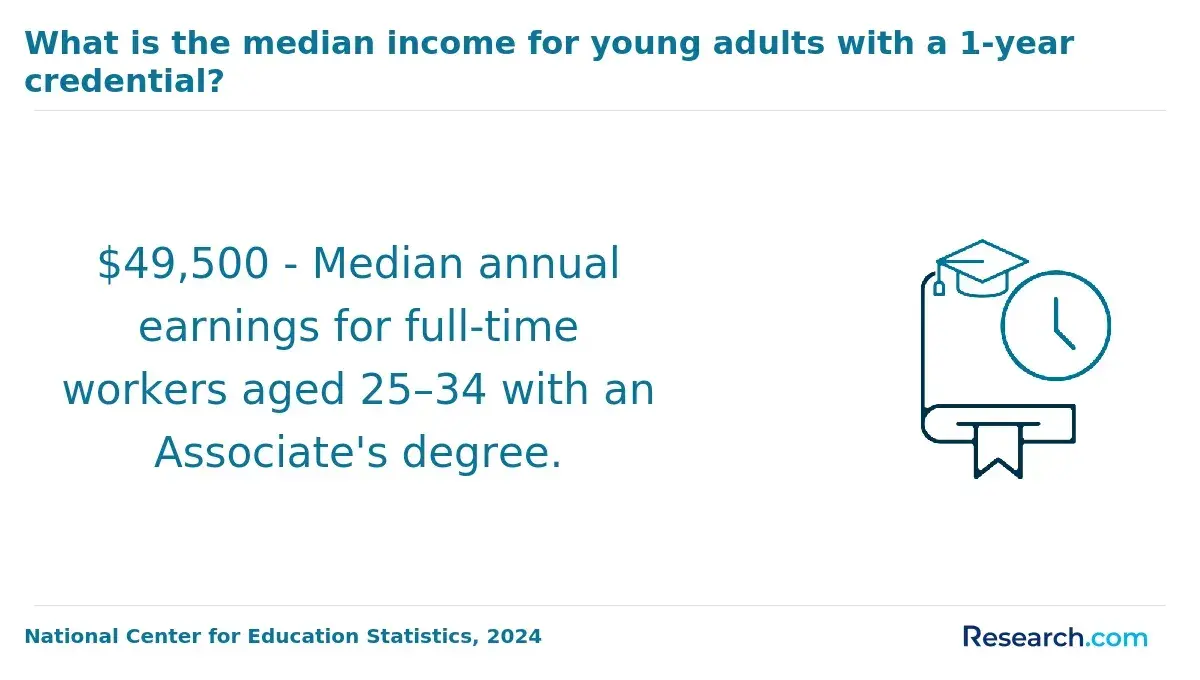
Salary disparities for community health roles in the US hinge heavily on educational background and licensure status. Registered nurses in community settings earn median salaries between $70,000 and $85,000 annually, mirroring their advanced clinical qualifications. In contrast, community health workers without clinical licensure, often possessing certificates or associate degrees, typically earn $40,000 to $50,000. This split in earning potential signals employer prioritization of clinical competencies in hiring and compensation decisions.
Regional demand factors further complicate these comparative salaries for community health roles in the US. Rural employers sometimes offer higher wages to retain experienced community health nurses due to scarcity, while bilingual professionals may access supplemental stipends. Growing workforce shortages-predicted by the World Health Organization's estimate of a 10-11 million global health worker shortfall-are expected to fuel a wage premium over the next decade for nurses and care coordinators with specialized skills.
Choosing to pursue a Bachelor of Science in Nursing (BSN) or a Public Health degree with clinical emphasis can unlock $20,000 to $30,000 in increased earning potential across major community health jobs. This option, however, involves longer education timelines and potential debt burdens. To navigate these tradeoffs, exploring degrees like masters healthcare administration offers paths aligning skill acquisition with market needs while balancing practical constraints.
Understanding these salary differentials offers critical guidance to professionals evaluating educational investments and workforce positioning in community health, with tangible implications for career trajectory and financial outcomes.
What degrees or training do you need to work in community health?
Entry into community health roles typically demands at least a bachelor's degree in public health, social work, health education, or a related discipline, with employers favoring programs that incorporate practical fieldwork. For positions involving epidemiology or program management, a master's degree such as an MPH is increasingly essential to achieve competitive salaries and leadership roles. Certifications like Certified Health Education Specialist (CHES) can provide targeted validation of skills in patient education and wellness advocacy.
The U.S. Bureau of Labor Statistics forecasts a 7.8% employment growth rate for the community and social service sector from 2022 to 2032, well above the average for all occupations. This growth escalates demand for specialized skills in data analysis, cultural competency, and intervention design. For example, community health workers in urban healthcare often require bilingual abilities and mental health first aid training to address specific population needs.
When assessing community health degree requirements in the United States, prospective students must consider the tradeoffs between program length, cost, and career mobility. While an associate degree may suffice for support roles, it limits advancement without comprehensive policy knowledge. Doctoral studies often align with research or academic pathways rather than direct service delivery. Mid-career shifts often necessitate practical upskilling in areas such as grant writing or program evaluation, which can be efficiently achieved through targeted online certificate programs.
In districts serving vulnerable populations, employers increasingly expect cultural humility training and proficiency with electronic health records, making internships and local health department networking critical for employability. Candidates without this preparation frequently face challenges bridging academic credentials with employer expectations in this growing labor market. Similarly, students evaluating online health information management programs CAHIIM accredited should prioritize curricula that emphasize health information systems, regulatory compliance, and practical experience. Those exploring accelerated direct entry MSN programs online will find such pathways aligning with strategic pivots into healthcare roles.
How do online community health programs compare with on-campus options for quality and outcomes?
Online and on-campus community health programs differ primarily in how they deliver necessary practical experience, a critical factor for employer recognition and workforce readiness. Traditional on-campus tracks offer direct supervision through clinical or community placements, ensuring students gain applied skills valued in real-world roles. In contrast, many fully online programs leave students responsible for securing practicums, which can result in uneven experiential training and diminished employer confidence.
According to U.S. Bureau of Labor Statistics data, healthcare support roles, particularly in preventive and population health, are projected to grow 15.2% from 2023 to 2033. This growth emphasizes the importance of demonstrated competencies-such as communication and cultural competence-that are best cultivated in environments with structured, supervised fieldwork.
In local public health departments and nonprofit sectors, candidates from online programs lacking arranged internships often face hurdles proving practical readiness despite academic knowledge. Conversely, online curricula that integrate synchronous mentorship and formal practicum partnerships can closely replicate on-campus outcomes, particularly benefiting working adults juggling employment and study.
Prospective students should assess whether an online program mandates supervised internships, fosters live instructor interaction, and offers career placement support. These elements counterbalance inherent challenges of remote learning and influence long-term career access within the evolving community health workforce.
Which accreditations should community health programs have to support strong career prospects?
Employers in public health increasingly require degrees from programs accredited by the Council on Education for Public Health (CEPH) as a baseline credential to ensure workforce readiness. Hiring managers in local health departments specifically prioritize candidates from CEPH-accredited community health programs because these credentials validate foundational skills in population health assessment, program planning, and evaluation. Without this accreditation, candidates often face significant barriers to entry, especially where licensure or federal funding rules dictate eligibility.
For example, a graduate aiming to work in state or local health initiatives might encounter delays or outright rejection if their education lacks CEPH recognition. This challenge is compounded by tightening labor markets; Canada's Job Bank predicts serious shortages of community health physicians and related roles due to aging workforces and rising demand. The practical takeaway is that non-accredited programs increase risks of stalled career trajectories and limit mobility within regulated public health sectors.
Additional certifications like the Certified Health Education Specialist (CHES) or Certified Public Health (CPH) credentials add value but do not replace the fundamental requirement of CEPH accreditation. Employers expect specialty certifications as supplements, not substitutes, for accredited degrees. Students and working professionals should verify accreditation early to avoid costly investments in programs that might not meet professional standards or workforce expectations.
This accreditation functions as a credential safeguard, aligning educational outcomes with documented workforce shortages and elevating employability across public and private sectors aiming to fill critical community health roles over the next decade.
What courses and skills are typically included in a community health degree curriculum?
A community health degree demands a careful balance between broad interdisciplinary skills and targeted expertise to remain competitive in a funding-driven job market. Core competencies include epidemiology, biostatistics, health promotion, and ethics, which underpin the quantitative and ethical analysis necessary for addressing public health disparities. However, practical effectiveness hinges on mastering program planning, evaluation, and navigating complex policy environments.
Technical proficiency with data management software like SPSS or SAS, coupled with grant writing ability, directly influences employability, particularly for federally funded initiatives. For instance, the U.S. Department of Health and Human Services allocated $15 billion to workforce programs in fiscal 2022, largely supporting roles in primary care and community services.
Students and professionals face trade-offs between specializing-such as in maternal-child health or chronic disease prevention-and maintaining flexibility across diverse public health needs. Specialization may improve initial placement but limits versatility, while broader training supports adaptive roles but could dilute immediate appeal to employers focused on funded project goals.
Midcareer advancement often requires demonstrated expertise in data-driven decision-making and interagency collaboration to earn leadership positions and justify salary increases. Communication skills and cultural competency remain crucial for coordinating multidisciplinary teams and engaging vulnerable populations effectively.
What are the typical admission requirements, program length, and costs for community health degrees?
Choosing between associate, bachelor's, master's, or certificate pathways in community health hinges on balancing immediate workforce entry against long-term role complexity and leadership potential. Associate degrees typically require a high school diploma or GED and last about two years, positioning graduates for entry-level roles. Employers increasingly expect bachelor's degrees for independent community health positions, demanding at minimum a 2.5 GPA plus standardized test scores and sometimes prerequisite courses in biology or sociology.
Master's degrees add approximately two years post-bachelor's, targeting professionals aiming for leadership or specialized research roles, a commitment not justified if one's goal is immediate fieldwork. Certificate programs, less costly and shorter-three to twelve months-are practical for current health workers upgrading specific skills without full-degree investment.
- Public associate degree tuition averages $3,500 per year for in-state students.
- Bachelor's degrees cost $10,000-$15,000 annually at public universities, rising to $25,000-$35,000 at private institutions.
- Certificates range from $1,000 to $4,000.
Job growth projections at 11% through 2034 indicate steady demand, but urban and specialized nonprofit sectors often require at least a bachelor's degree, making the higher upfront investment necessary. Professionals with relevant experience may bypass some academic prerequisites, yet the credential impacts advancement prospects more than entry access.
Are certifications or licenses required for community health careers, and how do you obtain them?
Certification mandates in community health vary widely but remain a decisive factor influencing employability and career mobility. For example, a community health worker typically requires state certification or completion of an accredited program that combines structured coursework with supervised practical experience. This credentialing addresses rigorous competencies increasingly demanded by healthcare providers expanding ambulatory and virtual care.
Projected growth in ambulatory healthcare-estimated to generate over 1 million new jobs by 2030-intensifies employer preference for credentialed workers, largely due to reduced training costs and mitigated liability risks.
Candidates pursuing certification face tangible tradeoffs:
- Upfront investments in time and money for coursework, exam preparation, and continuing education requirements.
- Enhanced salary potential and broader job portability across regions and agencies.
- The risk of delayed workforce entry or lower wages if credentials are absent.
- Conversely, some community health roles without formal licensure depend on employer-led training with limited external recognition.
Strategic choices about credentialing should reflect state-specific regulations, employer expectations, and alignment with ambulatory care trends to optimize employment outcomes.
How can prospective students evaluate and choose a reputable community health program?
Program outcomes, especially employment rates within 6 to 12 months after graduation, offer a crucial lens for evaluating community health education. For instance, a program with a 90% placement rate in urban public health roles reveals active employer engagement and relevant training, unlike programs that lack transparent data and often leave graduates facing limited job market traction.
Accreditation from recognized organizations like the Council on Education for Public Health ensures curriculum rigor and employer recognition, particularly within hospitals and government agencies. Mandatory experiential learning, such as internships or community practicums, provides vital hands-on skills that distinguish candidates in a labor market where roughly 2.6 million healthcare jobs are projected to emerge over the next decade.
Specialization matters: epidemiology and health promotion streams often lead to nonprofit or public sector jobs, whereas healthcare administration tracks funnel graduates toward hospital or insurance industry roles. Selecting a program with tailored tracks aligned to specific career goals enhances job placement prospects.
Cost-benefit analysis should weigh total program expenses against alumni starting salaries and regional demand. For example, a costly metropolitan program with a 75% hiring rate and $60,000 median entry salary can offer better returns than more affordable, lower-performing options. Faculty with active industry ties further boost networking potential and curriculum relevance.
Prospective students should consult government datasets and industry reports to verify institutional claims and seek direct feedback from recent graduates or professional networks for a grounded view of employer responsiveness and preparedness on the job.
Other Things You Should Know About Community Health
Employers prioritize candidates with hands-on experience in community settings over purely academic credentials, especially for leadership roles. Internships, fieldwork, or service-learning integrated into degree programs significantly improve job prospects and career advancement. When selecting a program, prospective students should prioritize those with structured placements offering exposure to diverse populations and real policy or health promotion projects.
The choice depends on career goals and job market niches. Specializing-such as focusing on epidemiology, maternal health, or behavioral health-can provide an edge in competitive hiring sectors and enable higher salaries. However, maintaining versatile competencies allows for flexibility, especially in smaller organizations where employees must cover multiple roles. For early-career professionals, gaining breadth first and then specializing after understanding local needs tends to be a stronger long-term strategy.
Advanced degrees often require balancing continued employment with coursework, which can increase stress and time away from practical work. The return on investment depends on the program's connection to employers and the availability of roles matching the advanced qualifications. Professionals should evaluate if an advanced degree will lead to leadership or policy roles within their target organizations, rather than assuming automatic career progress; vocational certifications or targeted short courses may sometimes provide more efficient career advancement.
References
- Public Health Career Salaries: What to Expect Across Roles https://www.scuhs.edu/bshs-article/public-health-career-salaries-what-to-expect-across-roles/
- Online Bachelor’s Degree in Community Health and Wellness https://www.monroeu.edu/academics/undergraduate-programs/school-allied-health-professions/online-bachelors-degree-community
- What Is a Community Health Degree? https://www.nec.edu/news/what-is-a-community-health-degree
- Top Entry-Level Health and Human Services Jobs https://www.ultimatemedical.edu/blog/top-entry-level-health-and-human-services-jobs/
- Online Bachelor's Degrees in Public Health: Find the Right School https://www.edumed.org/online-schools/public-health-degrees/
- Understanding the Decision-Making Journey of Prospective Graduate Health Care Students https://eimpartnerships.com/articles/understanding-the-decision-making-journey-of-prospective-graduate-health-care-students
- Georgia | Home Health & Hospice License Requirements https://chapinc.org/location/georgia/
- Our 2030 Vision for the Health Workforce https://hrh2030program.org/2030vision/
- 17 of the Best Entry-Level Careers in Healthcare https://credenzahealth.com/career-advice/17-of-the-best-entry-level-careers-in-healthcare