2027 Community Health Worker vs Health Educator vs Patient Navigator: Pay, Growth, and Promotion Potential

Co-Founder and Chief Data Scientist
Choosing between becoming a community health worker, health educator, or patient navigator often hinges on nuanced factors beyond salary alone. With the National Center for Education Statistics reporting a 22% surge in adult learners enrolling in flexible, online healthcare programs since 2023, the educational landscape is shifting toward accessible, adaptable training. This trend transforms how candidates balance work, study, and career transitions amid growing workforce demands. Understanding pay scales, job growth trajectories, and advancement opportunities within these roles directly shapes smarter enrollment decisions and realistic career planning.
This article compares these key metrics to help professionals make informed pathway choices aligned with their goals.
Key Things You Should Know
- Median 2026 pay projections show patient navigators leading at approximately $49,000 annually, with health educators trailing by 12%, signaling strategic wage disparities affecting initial role selection and bargaining leverage.
- Employer demand growth favors community health workers by 19% through 2030, driven by expanded Medicaid programs, yet promotion bottlenecks frequently require additional certifications, complicating upward mobility.
- Health educator credentials often mandate a bachelor's degree, delaying workforce entry by 2-4 years and increasing educational debt, whereas community health worker pathways enable faster deployment in underserved markets.
What are the key differences between community health workers, health educators, and patient navigators?
Choosing between community health worker, health educator, and patient navigator roles requires evaluating distinct responsibilities, training demands, and employer expectations. Community health workers act as frontline liaisons to underserved populations, focusing on outreach and social service facilitation. Their median wage around $51,030 denotes entry-level accessibility without extensive formal education, making this path attractive for those prioritizing quicker workforce entry. This contrasts with health educators, who require at least a bachelor's degree to design and deliver tailored, evidence-based programming rooted in public health theory. Their roles often integrate tightly with institutional public health entities, offering structured career growth but necessitating more initial educational investment.
In practical terms, a health educator might craft a diabetes prevention program, while a patient navigator manages complex care coordination such as scheduling treatments or navigating insurance hurdles, often in specialized fields like oncology. Patient navigators typically need certification and excel in interdisciplinary collaboration, reflecting a middle ground in terms of skill specialization and educational requirements.
For those comparing patient navigator and community health worker roles, the former demands stronger organizational expertise and often higher credentials but can lead to more specialized employment contexts. Meanwhile, understanding community health worker vs health educator roles clarifies tradeoffs between immediate employment and longer-term professional development.
Students should also consider salary trajectories in adjacent roles; for example, exploring health information management salary entry-level data may inform broader career pivots within community health fields.
How do salaries compare for community health workers vs health educators vs patient navigators?
Salary differences between patient navigators and community health workers often reflect the educational and certification requirements tied to each role. Community health worker vs health educator salary comparison reveals a clear wage gap: community health workers typically earn between $44,000 and $50,000 annually, while health educators command $58,000 to $65,000, driven by their need for at least a bachelor's degree. Patient navigators, who often require clinical credentials or specialized certification, especially in areas like oncology, can reach salaries up to $55,000, placing them closer to health educators in compensation.
Community health workers remain a vital entry point for individuals seeking faster workforce entry with modest educational prerequisites-often just a high school diploma plus on-the-job training. However, this comes at the cost of initial pay. Employers in public health and non-profits typically offer lower salaries but may provide broader, flexible pathways for advancement within public health sectors.
For those weighing educational investment against salary prospects, pursuing a bachelor's degree or clinical certification often results in more immediate financial returns and upward mobility in healthcare roles. A strategic choice for many is enrolling in an affordable health administration degree, which can balance cost with stronger employment outcomes.
The projected 11% growth rate through 2034 for community health workers suggests increasing demand and some upward pressure on compensation, but current salary structures still reflect tight employer budgets and varied geographic and institutional factors.
What is the job outlook and growth potential for each of these community health careers?
The job outlook for community health workers, health educators, and patient navigators reflects a growing need tied directly to the expanding emphasis on accessible healthcare and preventive services. The projected 16% growth from 2022 to 2032 translates into approximately 35,000 annual openings, primarily in public health departments, hospitals, and nonprofits. However, this growth masks significant differences in career advancement pathways and workforce realities.
Community health worker job outlook and growth potential are closely tied to local funding and the ability to secure specialized certifications. Without additional credentials, upward mobility is limited, confining many to entry-level roles despite strong demand for connecting underserved populations to resources.
Health educators and patient navigators face distinct tradeoffs. Health educators must develop skills in data analysis and program evaluation to move into leadership roles, often requiring a bachelor's or master's degree. Meanwhile, patient navigators-especially those with clinical backgrounds-see some of the highest growth but risk career plateaus without ongoing training in care coordination or insurance navigation.
For working professionals seeking strategic advancement, integrating clinical training with management education is crucial. For example, pursuing an MBA in healthcare management can facilitate transitions to supervisory roles by aligning operational expertise with clinical insights. Balancing these educational investments against job market realities is key when evaluating health educator and patient navigator career growth trends.
What education and training do you need to become a community health worker, health educator, or patient navigator?
The education and certification requirements for community health roles vary significantly based on the position and career goals. Community health worker education and certification requirements typically emphasize practical training over formal degrees, often achieved through 6 to 12 months of focused programs offered by community colleges or health organizations. This suits candidates aiming for entry-level employment or those whose strengths lie in localized cultural competency rather than academic credentials.
Health educators, conversely, generally require a bachelor's degree in health education, public health, or related fields, supported by formal coursework in program planning and behavioral sciences. Certification from the National Commission for Health Education Credentialing is frequently a critical differentiator for employment and advancement. Senior roles may call for a master's degree or considerable professional experience, aligning with organizational needs for leadership and program management.
Training programs for health educators and patient navigators reveal different educational tradeoffs. Patient navigators often start with a high school diploma or associate degree plus specialized advocacy training, climbing to more advanced roles with bachelor's degrees in nursing or social work. The salary progression-from $52,000 at entry level to $90,000 in managerial positions-illustrates the tangible value of continued education and field experience.
For bilingual candidates or those in hospital settings, targeted certification and employer-sponsored training may expedite promotion faster than traditional degrees. Conversely, leadership in health education or navigation generally demands formal degrees paired with certification to meet employer expectations for expertise. When assessing pathways, candidates should weigh program length, cost, and placement outcomes carefully. For those considering degree advancement, exploring accredited BSN to MSN online programs might offer strategic options aligned with broader healthcare career goals.
Are degrees or certificates required, and which majors best prepare you for each role?
The credential requirements for roles in community health vary significantly and directly affect employability and advancement. Community health workers (CHWs) often rely on certificate programs emphasizing outreach and cultural competency, allowing quicker workforce entry through state-approved training typically lasting around six months. This pathway yields an average wage near $50,300 annually, with half earning between $38,800 and $58,500, demonstrating that certificates combined with experience can secure stable income without degrees.
In contrast, health educators generally require at least a bachelor's degree in public health, health promotion, or related social sciences. Degrees provide essential skills in behavior change theories and program evaluation, enabling candidates to design evidence-based interventions in clinical or community settings. Employers expect these roles to demand research literacy and analytical capabilities, making bachelor's credentials a practical necessity for meaningful responsibility beyond entry-level.
Patient navigators occupy a middle ground where certificates or associate degrees suffice for entry, but bachelor's degrees in nursing, social work, or healthcare administration markedly enhance promotion prospects. In complex fields like oncology, formal degrees equip navigators to manage coordination among multiple specialists and address insurance intricacies more effectively.
- Certificate routes offer speed and access for immediate employment in CHW roles.
- Degree pathways correlate with supervisory roles, higher pay, and advanced responsibilities, especially in health education and patient navigation.
- Employers prioritize credentials that align with the technical demands of care coordination and program planning.
Understanding these tradeoffs is critical for prospective students balancing rapid employment against long-term career growth in the community health sector.
How do online community health programs compare with on-campus options for these careers?
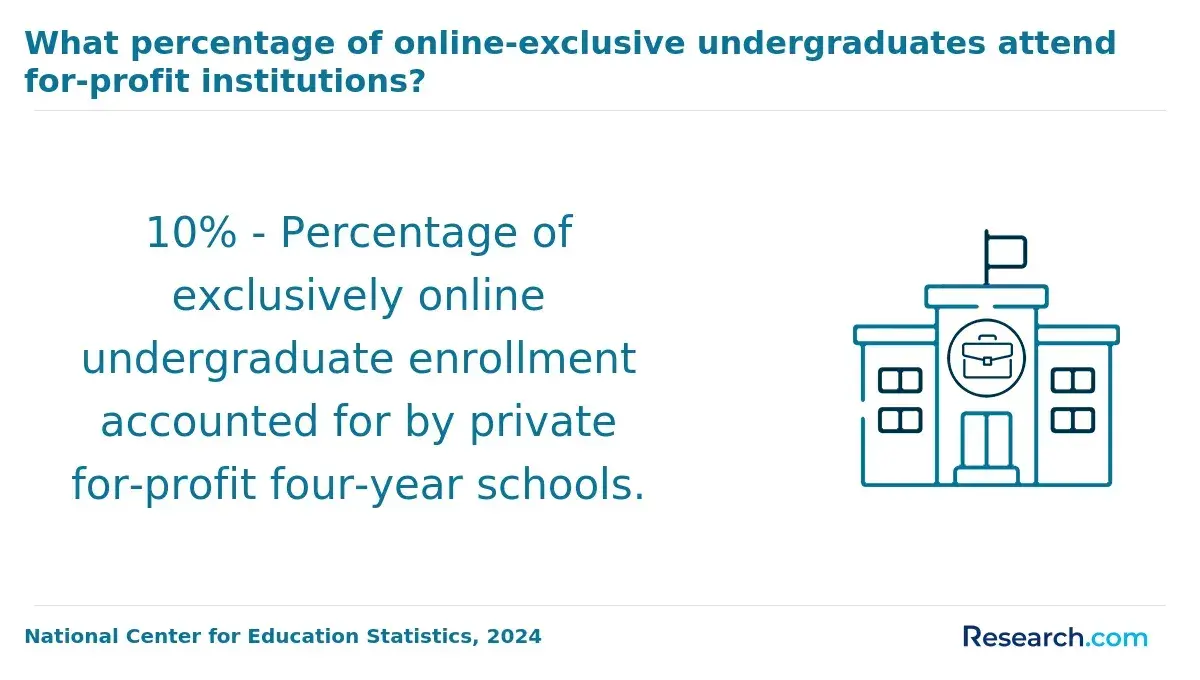
Online community health programs provide accessible theoretical foundations but often fail to deliver the essential hands-on experience demanded by employers, especially in roles like community health worker, health educator, and patient navigator. For instance, Washington State's labor market with an annual turnover near 29% and over 600 job openings illustrates how practical training directly influences employability and retention. Without integrated fieldwork or local employer connections, graduates may face hurdles securing positions that require demonstrated community engagement skills and cultural competency.
Conversely, on-campus programs typically incorporate structured practicums or internships that mirror employer requirements and cultivate applied skills in public health settings. Such placements not only improve job readiness but also visibly enhance promotion potential by validating experience in real-world environments like nonprofit agencies or clinics. A health educator trained solely online, without sufficient local partnerships or supervised fieldwork, risks delays in acquiring community trust and nuanced intervention techniques sought by employers.
Prospective students should carefully evaluate program access to verified internships and employer networks within their geographic area. This is especially critical in high-turnover occupations where immediate workforce integration depends on experiential learning. Prioritizing programs that guarantee employer-recognized practical components is essential; otherwise, even completed online credentials may limit career entry or advancement in community health roles.
What certifications or licenses are available or recommended for each of these roles?
Certification decisions in community health occupations carry significant implications for job access and role scope. For community health workers (CHWs), the Certified Community Health Worker (CCHW) credential-mandated in some states-balances documented training with standardized exams to validate foundational competencies in outreach and cultural mediation. Employers often treat this credential as a baseline requirement due to high turnover generating approximately 7,800 openings annually, per U.S. Bureau of Labor Statistics data.
Health educators face a distinct credentialing environment, where the Certified Health Education Specialist (CHES) credential functions as a differentiator. Achieving CHES requires a bachelor's degree and passing a comprehensive exam on program implementation and evaluation. In professional settings where grant writing and health policy expertise are critical, professionals without CHES may struggle to compete. Advanced certification like the Master Certified Health Education Specialist (MCHES) further positions candidates for management or strategic roles, especially within government or institutional organizations.
Patient navigators encounter a more fragmented certification landscape, with pathways often tied to clinical specialties or combined with licensure in counseling or social work. Certifications such as Certified Patient Navigator (CPN) coupled with oncology or chronic disease credentials enhance employability in hospital systems focused on patient retention and outcome tracking. Lacking such specialized credentials may restrict access to roles in highly regulated environments.
Choosing between these certifications should weigh:
What does the typical career ladder and promotion pathway look like in each career?
Career progression within community health roles varies sharply depending on educational requirements, workplace context, and credentialing pathways. Community health workers (CHWs) often enter through outreach or support roles with a median annual salary around $51,030, as per Coursera's 2026 CHW salary guide citing BLS data, and can anticipate an 11% growth rate through 2034. Advancement typically hinges on acquiring targeted certifications-such as in data collection or chronic disease management-to access supervisory or policy-focused positions, particularly within non-profit or clinical settings.
Health educators face more structured promotional pathways tied to formal degrees, often requiring a bachelor's or master's in public health or related disciplines. Their roles evolve from frontline education to program management and grant oversight, necessitating skills in strategic planning and measurable outcome evaluation. For example, someone moving from classroom instruction to coordinating a county-wide campaign must develop both leadership and program design expertise.
Patient navigators experience less predictable career trajectories, frequently shaped by healthcare system demands or specialties like oncology. Initial roles prioritize patient contact and coordination, but upward mobility often depends on clinical credentials or nursing qualifications to move into case management or multidisciplinary team leadership. Limited standardization in advancement pathways can impede progress without supplemental health training.
Choosing between these roles requires weighing entry barriers, educational investment, salary development pace, and the working environment. CHWs offer quicker entry with growing demand, health educators leverage formal credentials for leadership, and patient navigators navigate credential-driven bottlenecks balanced against clinical exposure.
How much do programs cost, and what financial aid options exist for these community health fields?
Cost variation in community health pathways directly affects short- and long-term workforce outcomes. Certificate and associate programs generally range from $2,000 to $10,000 depending on institution and program length, with community colleges often offering more affordable options ($3,000-$6,000). Universities and specialized providers push costs closer to $10,000 for certificates, while bachelor's degrees frequently exceed $30,000 annually. These price differences reflect not only credential level but also potential labor market returns and promotion ceilings.
Financial aid availability shapes access but comes with constraints. Federal Pell Grants can cover up to $7,395 in 2026 for eligible, accredited programs leading to credentialing, excluding many short-term certificates. Employer tuition reimbursement, common in hospital systems and health departments, significantly reduces net cost for patient navigators-whose median U.S. salaries sit between $45,000 and $65,000-but often require post-completion work commitments.
Students must weigh rapid employment via certificates against the plateaued earning potential versus the higher upfront investment and time away from work required for degrees that unlock supervisory and leadership roles. Employer-funded programs may lower risks by covering 40-60% of tuition, whereas self-funding can create heavier financial pressure despite quicker entry into the labor market.
- Certificate courses: Faster employment, lower up-front cost, limited salary growth
- Associate degrees: Balanced cost and enhanced career options, with moderate time investment
- Bachelor's degrees: High cost, longer completion time, access to leadership roles
Tuition is only part of total educational cost; mandatory fees, materials, and lost wages during study must inform decision-making. The research.com database offers actionable data for evaluating these trade-offs within the community health workforce landscape.
How can you choose an accredited, reputable program that aligns with your community health career goals?
Choosing between formal degrees and certificate programs in community health hinges on clear employer expectations and the intended role. For patient navigators, a bachelor's or higher degree can justify costs between $20,000 and $80,000 when aiming for supervisory or advanced clinical responsibilities. In contrast, certificate programs costing $2,000 to $10,000 and lasting 3 to 12 months provide a practical pathway for professionals targeting quick entry or lateral moves as care coordinators or navigators.
Decisions must consider state and sector-specific credential demands. For example, many community health worker positions require certifications from recognized health departments, whereas health educator roles often mandate bachelor's degrees. Misaligned credentials risk limiting job prospects or triggering unnecessary expenses.
Accreditation remains a critical filter. Programs overseen by established regional or national bodies that demonstrate measurable outcomes-such as employer partnerships, job placement statistics, and relevant practical training-offer stronger preparation for employment challenges.
Prospective students should balance tuition against ancillary fees like materials, exams, and licensing, while also factoring in delivery methods that fit their schedules. A full degree involves longer time commitments and higher costs but suits those targeting career advancement, whereas shorter certificates offer flexibility for those currently employed.
Other Things You Should Know About Community Health
In 2027, community health workers and patient navigators in hospitals may face more structured and high-pressure environments due to patient volume, leading to increased workload. In community settings, they often manage diverse outreach activities, requiring adaptability. Employer expectations vary: hospitals demand efficiency, while community employers may prioritize local health improvement.
Employer type significantly influences advancement potential for community health workers. Those employed by large health systems or government agencies typically have clearer promotion pathways and access to professional development resources. In contrast, community-based nonprofits often offer limited upward mobility, requiring workers to seek additional credentials or lateral moves to gain advancement. Candidates aiming for long-term career growth should prioritize employers with structured career ladders and investment in workforce training over smaller organizations despite their potentially stronger community ties.
Specialized certifications can provide immediate job market advantages for community health workers and patient navigators by validating specific skills like disease management or cultural competency. However, advanced degrees in public health, health education, or healthcare administration offer stronger returns for long-term leadership roles and salary growth, particularly in health educator positions. Professionals targeting mid- to upper-level management should prioritize degree programs, while those seeking entry-level or lateral opportunities may benefit more from targeted certifications.
Employers often prefer a CHW certification plus 1–3 years of field experience for supervisor roles, while health educator and patient navigator leads may need a bachelor’s degree in public health, health education, or social work. Some systems also require Epic or care-coordination training.
References
- Community Health Worker https://explorehealthcareers.org/careers/allied-health-professions/community-health-worker/
- Networks and Training Programs - NACHW - National Association of Community Health Workers https://nachw.org/generalresources/networks-and-training-programs/
- Patient Navigation and Community Health Worker Training https://patientnavigatortraining.org/
- Community Health Worker Navigator (CHWN) https://ce.normandale.edu/community-health-worker
- The Role of Community Health Workers | Culturally-Responsive Care https://www.capc.org/blog/enhancing-care-for-diverse-communities-the-role-of-community-health-workers/
- Financial Aid Guide https://www.publichealth.org/resources/financial-aid/
- How to Set and Achieve Career Goals in Health and Social Care | Royal Open College https://royalopencollege.org/blog/health-and-social-care/how-to-set-and-achieve-career-goals/
- Community Health Worker - KP Allied Health Scholars Academy | Kaiser Permanente Northern California https://scholarsacademy.kaiserpermanente.org/alliedhealthscholars/career-pathways/community-health-worker/
- Careers https://www.publichealthdegrees.org/careers/
- Online vs Hybrid vs Campus Learning in Healthcare: Which Is Right for You? https://www.edumed.org/articles/online-vs-hybrid-vs-campus/