2027 State-Approved Online Higher Education & Adult Education Degree Master's Programs

Co-Founder and Chief Data Scientist
Choosing an online master's degree in higher education and adult education is not just a question of convenience. For working educators, student affairs professionals, trainers, academic advisors, and adult learning specialists, the bigger question is whether the program will be recognized where they live, work, or plan to seek advancement.
Demand for online master's degrees in higher education & adult education grew by 33% nationwide over the last five years, showing that more professionals want graduate credentials without leaving their jobs. But flexibility alone is not enough. A program may be online, affordable, and well marketed while still creating problems if it lacks proper state authorization, recognized accreditation, or alignment with licensing or employer requirements.
This guide explains what “state-approved” means, how to verify a program’s approval status, how accreditation fits into the decision, what courses and costs to expect, and how employers may view the degree. Use it as a checklist before applying so you can choose a program that supports your career goals without creating avoidable credential risks.
Key Benefits of State-Approved Online Higher Education & Adult Education Degree Master's Programs
- State-approved online higher education & adult education master's programs ensure adherence to rigorous quality standards and regulatory compliance, enhancing academic credibility.
- Graduates from approved programs typically qualify for professional licensure and experience higher rates of career advancement in education sectors.
- Employers and industry organizations recognize these degrees as credible, improving job market competitiveness for graduates within an evolving education landscape.
What Does "State-Approved" Mean for an Online Higher Education & Adult Education Master's Degree Program?
A state-approved online higher education & adult education master's degree program is offered by an institution that has permission to operate or enroll students under applicable state rules. In practical terms, state approval confirms that the school has met the regulatory requirements needed to legally offer education to students in a particular state.
State approval is not the same as academic quality, program reputation, or employer acceptance. It is a legal authorization process. State education agencies or regulatory bodies may review whether an institution is properly registered, financially accountable, transparent with students, and authorized to deliver distance education. Depending on the state, the review may also consider curriculum structure, faculty qualifications, online delivery practices, student complaint processes, and disclosures about licensure outcomes.
This matters because online students are often physically located in a different state from the institution. A university may be authorized to offer a program in one state but not permitted to enroll students from another. The State Higher Education Executive Officers Association reports that nearly all U.S. states have approval or licensing processes for institutions offering distance education, which is why students should verify authorization before applying.
State approval, accreditation, and licensure are different
- State approval or authorization: Confirms the school can legally offer the program to eligible students in a state.
- Accreditation: Reviews academic quality through a recognized external accreditor.
- Licensure alignment: Indicates whether the program meets requirements for a regulated credential, when applicable.
For higher education and adult education master's degrees, state approval is especially important for professionals who may work in public institutions, adult education systems, workforce development, student services, training departments, or education administration. If the degree will later support doctoral study, students may also want to compare programs with online phd programs that meet rigorous academic standards.
How Can I Check If an Online Higher Education & Adult Education Master's Program Is State-Approved?
To verify state approval, do not rely only on a program brochure or an admissions conversation. Check the school’s public disclosures, confirm authorization through official state sources, and ask for written clarification if anything is unclear. With online graduate programs increasing by over 40% between 2015 and 2020, verification has become an essential step before enrollment.
Use this verification checklist
- Search the state education agency database: Start with the higher education board, department of education, or state authorization office in the state where the institution is based. Many states publish lists of licensed, exempt, approved, or authorized institutions.
- Check your own state’s rules: If you live outside the school’s home state, confirm whether the institution is allowed to enroll students from your state. Online programs must comply with rules based on student location, not just campus location.
- Read the school’s state authorization disclosures: Legitimate institutions usually publish state-by-state authorization information. Look for clear language explaining where the program can be offered and whether any restrictions apply.
- Review State Authorization Reciprocity Agreement information: Some institutions participate in the State Authorization Reciprocity Agreement, commonly called SARA. SARA can simplify authorization across member states, but students should still verify whether their specific program and location are covered.
- Ask for official documentation: If approval is not easy to confirm, request a written statement or documentation from the admissions office, registrar, graduate school, or compliance office. Keep a copy for your records.
- Confirm licensure disclosures if relevant: If you plan to use the degree for a regulated role, ask whether the program meets educational requirements in your state. A state-authorized program is not automatically a licensure-qualifying program.
A common mistake is assuming that accreditation automatically means state approval. Accreditation helps establish academic legitimacy, but state authorization determines whether the institution can legally offer the online program to students in a given jurisdiction. Students comparing workload and accessibility may also find it useful to review guidance on the easiest degree to get, while remembering that graduate program quality should not be judged by convenience alone.
Do Online Higher Education & Adult Education Master's Programs Meet State Licensing Board Standards?
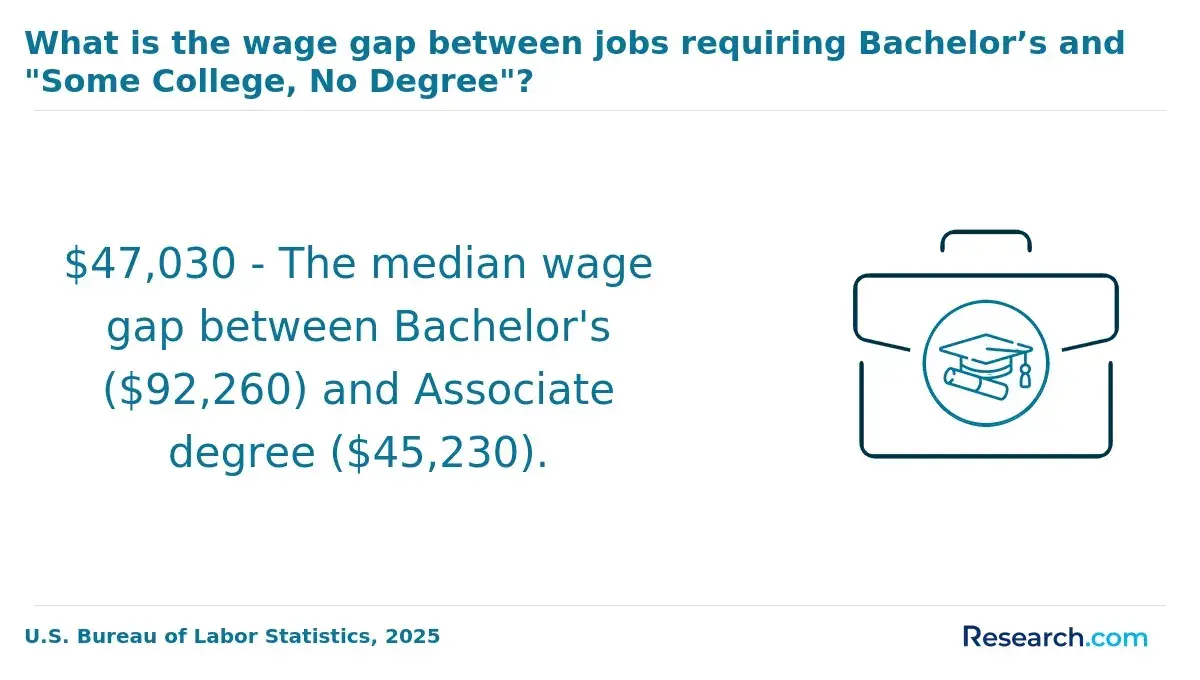
Some online higher education & adult education master's programs meet state licensing board standards, but not all programs are designed for licensure. The answer depends on the career outcome. Many roles in higher education administration, student affairs, academic advising, instructional design, corporate training, and adult learning do not require a state license. However, positions connected to K-12 administration, school counseling, public adult education, or other regulated education roles may have state-specific requirements.
Research from 2023 shows that more than 75% of state licensing boards expect programs to clearly align with professional standards and state-specific requirements. That expectation makes it important to separate general graduate preparation from licensure preparation.
What to review before assuming a program meets licensing standards
- Curriculum alignment: Review whether required courses match the competencies listed by your state board or credentialing authority. Course titles alone are not enough; compare official descriptions and learning outcomes.
- Faculty qualifications: Programs intended for regulated practice should have faculty with appropriate academic credentials, professional experience, and familiarity with current state requirements.
- Supervised training components: If your target credential requires fieldwork, practicum, internship hours, or supervised experience, confirm that the online program provides an approved pathway to complete those requirements in your state.
- Institutional authorization: The institution must be properly authorized to enroll students where they are located. For licensure-related programs, authorization and licensure disclosure rules are both important.
- Regulatory review: Licensing standards can change. Ask how often the program reviews state requirements and whether it maintains formal approval from any relevant board.
The safest approach is to contact the licensing board directly before enrolling. Ask whether graduates of the specific institution and program are eligible for the credential you want. Save written responses, especially if you may relocate.
When asked about earning a state-approved online higher education & adult education master's degree, one graduate emphasized the value of early verification: “Navigating state approval was confusing at first. But knowing the program met all licensing criteria helped me stay confident that my degree would be valid wherever I planned to work.” He also noted that supervised practicum experiences, when required, helped connect the online coursework to real professional expectations.
Are There Nationally Recognized Higher Education & Adult Education Programs Accepted by Most States?
Yes, some higher education & adult education master's programs are more widely accepted because they are offered by accredited institutions, follow recognized professional standards, and participate in interstate authorization systems. However, “accepted by most states” does not mean “automatically accepted for every purpose.” State authorization, employer recognition, transfer credit, and licensure eligibility can all be evaluated separately.
Recent data indicates that over 40% of graduate students enrolled online participate in programs accredited by agencies with national reach. That broad participation reflects a move toward more standardized quality signals, but students should still verify how a specific program is treated in their state and profession.
Signals of broader recognition
- National or regional accreditation: Accreditation from recognized bodies, including regional agencies or organizations such as the Council for the Accreditation of Educator Preparation (CAEP), can strengthen a program’s credibility and portability.
- Standardized curriculum guidelines: Programs built around nationally endorsed frameworks tend to be easier for employers, graduate schools, and agencies to evaluate.
- Interstate authorization agreements: Participation in the State Authorization Reciprocity Agreement can help institutions offer online programs across member states, though students must still check program-specific restrictions.
- Professional association alignment: Alignment with organizations such as the American College Personnel Association (ACPA) may indicate that coursework reflects current expectations in student affairs, adult learning, and higher education practice.
- Consistent academic standards: Clear admissions policies, defined credit requirements, structured assessments, and transparent learning outcomes make credentials easier to interpret across states and institutions.
If you expect to move across state lines, prioritize programs that publish authorization disclosures, accreditation details, and professional outcome information in plain language. Students considering alternative formats may also compare accelerated degree programs online, although graduate-level recognition should always be evaluated separately from speed or convenience.
Is Accreditation Required for State-Approved Higher Education & Adult Education Master's Programs?
Accreditation is not always required for a program to be state-approved, but it is often essential for practical reasons. State approval determines whether an institution can legally operate or enroll students. Accreditation evaluates whether the institution or program meets recognized academic standards. A program can be state-authorized without having the accreditation status that students, employers, federal aid programs, or other universities expect.
Approximately 7,000 U.S. postsecondary institutions hold some form of accreditation, which shows how central accreditation is to graduate education. For most students, the strongest choice is a program that is both properly state-approved and accredited by a recognized accreditor.
Why accreditation matters
- Academic credibility: Accreditation signals that the institution has undergone external review for curriculum quality, faculty qualifications, academic policies, and student support.
- Federal aid eligibility: Accreditation status is typically required for students to qualify for federal financial assistance. State approval alone does not guarantee aid eligibility.
- Credit transfer and doctoral admission: Other institutions often look for recognized accreditation when evaluating transfer credits, graduate credits, or applications to doctoral programs.
- Employer confidence: Employers may use accreditation as a shortcut for determining whether a degree comes from a credible institution.
- Ongoing oversight: Accreditation requires periodic review, which can encourage curriculum updates and stronger accountability.
Questions to ask before applying
- Is the institution accredited by an accreditor recognized by federal authorities or CHEA?
- Is the specific program separately accredited or professionally recognized, if that matters for your career goal?
- Is the program authorized to enroll students in your state?
- Does the program disclose whether it meets licensure or certification requirements in your state, if applicable?
A graduate of an online higher education & adult education master's program described accreditation as a key confidence factor. She initially felt unsure about choosing a state-approved program until she confirmed that the institution also held recognized accreditation. “Knowing the program underwent thorough evaluation gave me confidence,” she explained. She also pointed to responsive faculty and regular curriculum updates as signs that the quality assurance process mattered in day-to-day learning.
What Courses Are Required in State-Approved Higher Education & Adult Education Master's Programs?
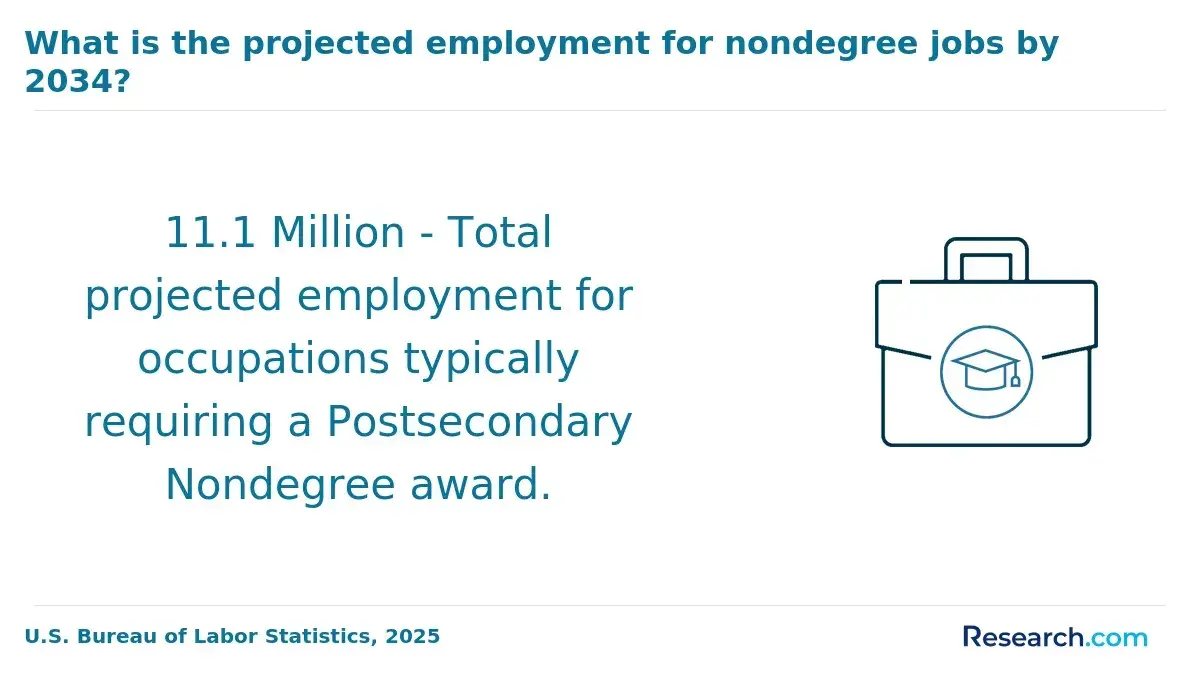
State-approved higher education & adult education master's programs usually combine learning theory, research, leadership, program design, and applied practice. In the U.S., master's degree programs generally require between 30 and 36 graduate credits to complete, though the exact curriculum depends on the institution, specialization, and whether the program is designed for a particular credential or career track.
Common required courses
- Foundations of Adult Learning: Introduces major theories of how adults learn, persist, and apply knowledge in academic, workplace, community, and professional settings.
- Research Methods: Builds the ability to read, design, and evaluate educational research using qualitative and quantitative methods.
- Curriculum and Instruction: Focuses on designing learning experiences, selecting instructional strategies, and assessing outcomes for adult learners.
- Higher Education Leadership: Examines governance, organizational behavior, policy, budgeting, ethics, and decision-making in colleges, universities, and related institutions.
- Capstone or Thesis Project: Requires students to apply graduate-level knowledge to a research question, institutional problem, program evaluation, or applied project.
Possible electives or concentration areas
- Student affairs and student development
- Community college leadership
- Workforce education and training
- Instructional design or online learning
- Diversity, equity, and access in adult learning
- Assessment, evaluation, and institutional effectiveness
When comparing curricula, look beyond course names. Review required projects, internship expectations, research requirements, and whether assignments connect to the kind of work you want to do. A strong program should help graduates analyze adult learning needs, design effective programs, use evidence in decision-making, and lead within complex education settings.
How Much Does a State-Approved Online Higher Education & Adult Education Master's Degree Cost?
Total tuition for state-approved online higher education & adult education master's degree programs in the United States typically ranges from approximately $15,000 to $45,000. The final cost depends on the institution, tuition model, credit requirements, fees, residency rules, and how long it takes to finish.
Do not compare programs by tuition alone. A lower advertised per-credit rate may still lead to a higher total cost if the program requires more credits or adds substantial fees. Likewise, a higher-cost program may be worth considering if it offers stronger career support, better employer recognition, or a curriculum closely tied to your goals.
Cost factors to review
- Per-credit tuition rates: Many programs charge by the credit hour. Public institutions, private universities, and out-of-state online programs may price credits differently.
- Total credit requirements: Most master's degrees require between 30 and 40 credit hours to graduate, so the number of required credits has a direct effect on total tuition.
- Technology and online learning fees: These may cover learning platforms, technical support, online course systems, or digital resources.
- Residency status: Some schools charge different tuition for in-state and out-of-state students, while others use one online tuition rate.
- Additional academic expenses: Textbooks, digital materials, proctoring, graduation fees, background checks, travel for any residency requirement, or internship-related expenses can increase the overall cost.
Questions to ask the financial aid office
- What is the full estimated cost of attendance, not just tuition?
- Are online students eligible for the same financial aid as campus students?
- Are scholarships, employer tuition benefits, assistantships, or payment plans available?
- Will tuition change during the program?
- Are there fees tied to internships, practicums, or capstone requirements?
A good cost comparison should include affordability, completion time, accreditation, state authorization, and career value. The cheapest program is not always the best option if it lacks recognition or does not support your intended career outcome.
Do State-Approved Higher Education & Adult Education Master's Programs Require the GRE or GMAT?
Many state-approved higher education & adult education master's programs do not require the GRE or GMAT, but policies vary by institution. Research shows that about 60% of graduate programs in education-related fields have adopted test-optional or test-waiver policies, reflecting a broader shift toward evaluating professional experience, academic history, writing ability, and career fit.
Applicants should still read admissions requirements carefully. “Test optional” means you may choose whether to submit scores. “Test waiver” means the school may waive the requirement if you meet certain conditions. “No test required” means scores are not part of the admissions process.
Common admissions approaches
- Test-optional policies: Applicants can decide whether GRE or GMAT scores strengthen their application. Strong scores may help some candidates, but they are not required.
- GPA-based waivers: Some programs waive testing for applicants who meet a minimum undergraduate GPA or have completed prior graduate coursework.
- Professional experience waivers: Relevant work in higher education, adult education, training, advising, administration, or related fields may support a waiver request.
- Holistic admissions: Programs may weigh transcripts, resumes, recommendation letters, statements of purpose, interviews, and writing samples together.
- Program-specific requirements: Some programs may still require GRE or GMAT scores because of institutional policy, competitive admissions, accreditation expectations, or state-related requirements.
How to strengthen an application without test scores
- Write a focused statement of purpose that connects the degree to a clear career goal.
- Use your resume to show leadership, teaching, advising, training, program coordination, or assessment experience.
- Choose recommenders who can speak to your readiness for graduate-level work.
- Submit a strong writing sample if the program allows or requires one.
- Explain any academic weaknesses directly and professionally when appropriate.
Students exploring broader online graduate options may also compare pathways to study psychology online, but each field and program should be evaluated on its own admissions standards and professional outcomes.
Do Employers Require Graduates to Come from State-Approved Programs?
Employers may not always use the phrase “state-approved,” but many do care whether a degree comes from a legitimate, authorized, and accredited institution. A 2023 survey by the National Association of Colleges and Employers found that 75% of employers emphasize whether a candidate's degree comes from an accredited or state-approved program.
For most higher education and adult education roles, employers are likely to evaluate the degree alongside experience, leadership ability, technical skills, and knowledge of the learner population. For roles tied to licensure, public education systems, or regulated credentials, program approval can carry more weight.
What employers commonly evaluate
- Academic recognition: Employers often prefer degrees from institutions that are accredited, state-authorized, and easy to verify.
- Institution reputation: A well-established institution may give hiring managers more confidence, especially in competitive administrative or leadership searches.
- Curriculum relevance: Coursework in adult learning, leadership, assessment, student services, curriculum design, or institutional policy can matter more when it clearly matches the job.
- Licensing and compliance: If the position requires a credential, the employer may verify that the degree satisfies state or board requirements.
- Work experience: Employers often value practical experience as much as, or more than, the credential itself. Internships, supervisory work, program management, teaching, advising, or training experience can strengthen the degree’s value.
How to reduce employer concerns about an online degree
- List the full institution name and degree title clearly on your resume.
- Highlight accreditation or relevant program recognition when appropriate.
- Emphasize applied projects, capstones, internships, or measurable work outcomes.
- Connect coursework to the responsibilities in the job posting.
- Be prepared to explain why the online format helped you build discipline, technology skills, and working-professional experience.
Graduates seeking advancement should choose a program that meets state approval standards while also building evidence of job readiness. Those comparing accelerated options in other fields may find a construction management accelerated degree useful as a point of comparison, but employer expectations vary by discipline.
Does a State-Approved Higher Education & Adult Education Master's Degree Increase Salary?
A state-approved higher education & adult education master's degree can improve salary potential, but it does not guarantee a raise. Graduates with these master's degrees typically earn between $55,000 and $80,000 annually, with outcomes shaped by job title, employer type, location, experience, specialization, and whether the degree qualifies the graduate for advancement.
The degree is most likely to affect earnings when it helps a professional move into leadership, administration, program management, instructional design, student services, workforce education, or policy-related roles. It may have a smaller immediate salary impact for professionals who remain in the same position without a promotion pathway.
Factors that influence salary outcomes
- Career advancement: A master's degree can support eligibility for supervisory, administrative, or specialist roles that offer higher compensation.
- Industry demand: Employers may pay more for expertise in adult learning, student success, curriculum development, workforce training, or educational leadership.
- Certification eligibility: If a credential is required or preferred for a target role, a state-approved degree may help graduates qualify.
- Program credibility: Degrees from properly authorized and accredited institutions are easier for employers to trust and verify.
- Experience integration: Salary growth is usually strongest when graduate education is combined with relevant professional accomplishments.
When the return on investment is strongest
- You already work in education and need a graduate credential to move up.
- Your employer offers tuition assistance or salary incentives for advanced degrees.
- The curriculum aligns directly with your target role.
- The program includes applied projects that can be used in a portfolio.
- You choose a program with a total cost that is realistic for your expected career path.
Before enrolling, compare the program’s total cost with realistic salary movement in your target positions. A credible master's degree can strengthen your qualifications, but career strategy, experience, and employer demand determine much of the financial payoff.
What Graduates Say About State-Approved Online Higher Education & Adult Education Degree Master's Programs
- Ruth: "Choosing a state-approved online higher education & adult education master's degree was a major decision because I was working full time and managing family responsibilities. The online format gave me the flexibility I needed, but the coursework still required discipline and careful planning. Finishing the program expanded my career options and helped me feel more prepared to lead in an education setting."
- Peter: "The program pushed me beyond my comfort zone. Online graduate study required consistency, strong time management, and a willingness to engage deeply with the material. Supportive faculty made a real difference, and the state-approved structure gave me confidence that the credential would be taken seriously. I now feel better equipped to advocate for adult learners and improve programs that serve them."
- Jordan: "I enrolled to gain specialized knowledge, but the practical assignments and professional connections became just as valuable. Completing a state-approved online higher education & adult education master's degree strengthened my credibility and helped me pursue leadership opportunities that once felt out of reach."
Other Things You Should Know About Higher Education & Adult Education Degrees
In 2027, institutions like Arizona State University, University of Florida, and Penn State offer state-approved online higher education & adult education master's programs. These programs are recognized by state education departments and ensure graduates meet necessary teaching standards.
State education agencies or state higher education commissions usually approve these programs, and the specific accreditor or approval office is named in the program listing. In 2027, verify that the program is authorized by the state and that the institution holds regional accreditation before enrolling.
References
- Advantages of taking a master's degree online - MUST University https://mustedu.com/advantages-of-taking-a-masters-degree-online/
- NO GRE Accredited Online Master's in Education [2026] - NO GRE Education Degrees in USA https://www.careerherd.com/online-masters-programs-in-education/
- Most Affordable Online Master’s in Education for 2025 https://www.onlinemastersdegrees.org/most-affordable/education-programs/
- State Institutional Approval Quick Chart https://wcetsan.wiche.edu/resources/state-institutional-approval-quick-chart
- Best Online Degree Programs for Working Adults https://www.scholaro.com/db/News/best-online-degree-programs-256
- The Benefits of Online Learning | Earn a Graduate Degree Online https://www.tuw.edu/school-news/benefits-of-online-learning-graduate-degree/
- Higher education in Poland - basic information https://migrant.info.pl/en/home/higher-education-in-poland/higher-education-in-poland-basic-information
- The 33 Cheapest Online Master's in Adult Education https://www.geteducated.com/online-college-ratings-and-rankings/online-masters-in-adult-education/
- Master of Education in Adult, Professional & Higher Education https://online.csuohio.edu/online-programs-and-courses-online-graduate-programs/adult-professional-higher-education
- 2025 Most Affordable Online Master's Degrees in Education https://www.onlineu.com/most-affordable-colleges/education-masters-degrees