2027 Competency-Based Online Higher Education & Adult Education Master's Degrees

Co-Founder and Chief Data Scientist
Many working adults and career changers face difficulty balancing job demands with earning a traditional master's degree in higher education & adult education. The standard credit-hour model often requires fixed timelines and set course sequences that can delay completion. Research shows that 62% of online higher education & adult education master's students opt for competency-based education (CBE) to accelerate graduation by demonstrating prior knowledge. This flexibility reduces costs and time to degree.
This article will explain how CBE differs from traditional programs, detail admissions and curriculum structures, and guide readers in deciding if a competency-based master's aligns with their career goals.
Key Benefits of Competency-Based Online Higher Education & Adult Education Master's Degree
- Competency-based online higher education & adult education master's programs offer flexible pacing, enabling working professionals to balance studies with career and personal commitments effectively.
- These programs emphasize accelerated skill acquisition by allowing students to progress upon demonstrating mastery, reducing time spent on familiar content compared to traditional credit-hour models.
- Students gain access to diverse, global networks of peers and faculty, fostering valuable professional connections that support career transitions and advancement worldwide.
What Is a Competency-Based Higher Education & Adult Education Master's Degree, and How Does It Work?
Prospective students exploring competency-based online master's programs in Higher Education and Adult Education will find this model tailored to demonstrate skill mastery over traditional credit hours. This approach suits those seeking flexibility, allowing progress based on proving competencies rather than seat time. Below are key features that reveal how these programs function and benefit adult learners and working professionals.
- Mastery Over Seat Time: Rather than accumulating credit hours, students must show they have mastered specific knowledge and skills. Progress depends on what learners can do and understand, ensuring education focuses on real-world capabilities.
- Self-Paced Learning: Students navigate through clearly defined modules at their own speed. This flexibility accommodates busy schedules, letting learners balance work, life, and study commitments effectively.
- Assessment-Driven Progress: Frequent evaluations such as projects, exams, and performance tasks assess learner understanding throughout the course. This continuous assessment replaces reliance on a single final exam.
- Faculty and Mentor Support: Though self-directed, these programs offer guidance from faculty or mentors who clarify expectations, provide feedback, and assist with academic challenges.
- Alignment with Adult Education Needs: Tailored for adult learners, the model emphasizes applicable skills and flexible pacing, supporting efficient and goal-oriented study paths.
Enrollment in competency-based degree programs in higher education and adult education has increased by over 30% in recent years, indicating growing interest in flexible, results-focused education pathways. Some prospective students may also explore complementary fields, such as online slp masters programs, which offer specialized competency-based options as well.
What Are the Admission Requirements for a Competency-Based Online Higher Education & Adult Education Master's Program?
Prospective students exploring competency-based online higher education & adult education master's programs should be aware of specific admission requirements that differ from traditional graduate degrees. These criteria help admissions committees gauge an applicant's readiness and fit for a competency-driven learning model. Below are key elements typically reviewed during the application process.
- Bachelor's Degree and Transcripts: A completed bachelor's degree from an accredited institution is essential. Official transcripts verify academic performance and demonstrate the applicant's preparedness for graduate-level study, including any GPA and prerequisites relevant to adult education master's programs.
- Professional Experience: Prior work experience in higher education & adult education or related fields is often preferred but not strictly required. Many programs value this experience as evidence of foundational skills and commitment to the field, especially for applicants transitioning careers or international students.
- Letters of Recommendation: Typically, one to three letters of recommendation are required. These letters should highlight academic strengths, professional capabilities, or potential for success in a competency-based education environment.
- Standardized Test Policies: Unlike traditional programs, competency-based education (CBE) frequently waives GRE or GMAT requirements. This waiver underscores the focus on demonstrated competencies rather than standardized test scores for admissions decisions.
- Holistic Evaluation: Admissions committees conduct a broad review considering academic records, relevant experience, personal statements, and alignment with program goals. Applicants are encouraged to emphasize competencies and practical insights gained through their careers to enhance their applications.
For prospective students seeking additional pathways to bolster their credentials, exploring certifications online can complement a competency-based master's program, offering tangible skills recognized by employers.
What Is the Minimum GPA Requirement for a Higher Education & Adult Education Competency-Based Master's Program?
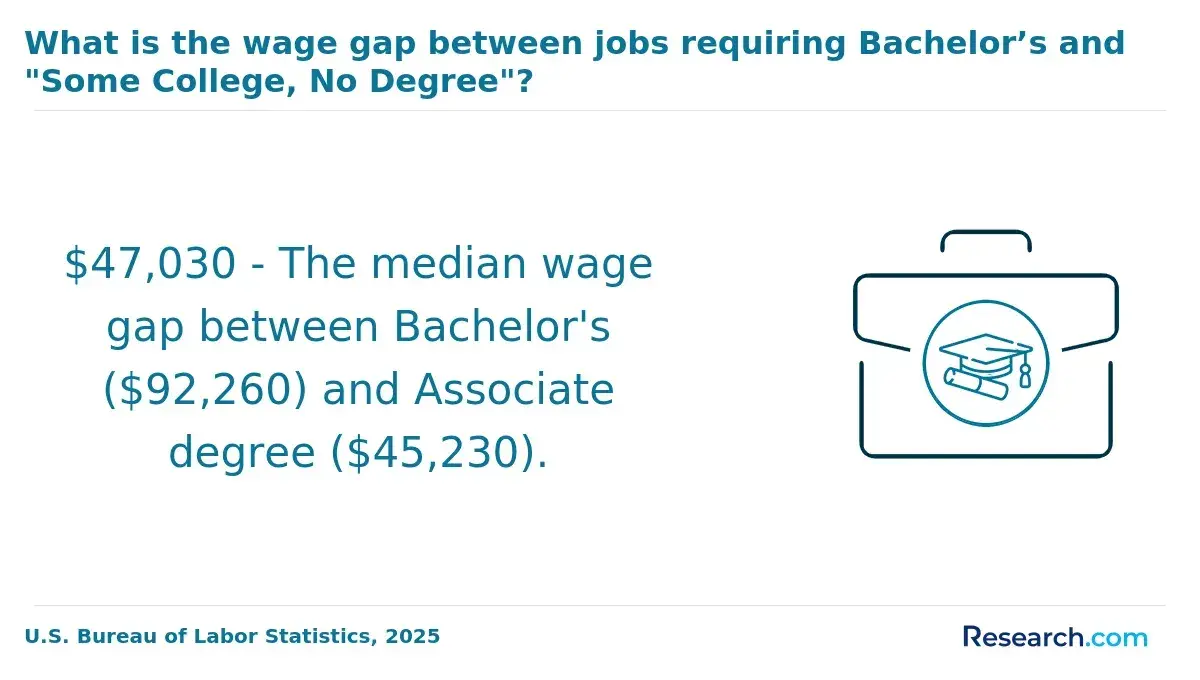
Prospective students exploring competency-based online higher education & adult education master's degrees often wonder about the minimum undergraduate GPA required to qualify. Understanding these expectations helps applicants assess their eligibility and approach the admissions process strategically. The following points summarize common GPA-related policies and evaluation alternatives used by many programs:
- Typical GPA Threshold: Many accredited higher education & adult education CBE master's programs commonly require a minimum undergraduate GPA around 3.0 on a 4.0 scale to demonstrate solid academic readiness.
- Consideration of Professional Achievements: Applicants with GPAs below the standard cutoff may still be competitive if they showcase substantial professional experience, leadership, or accomplishments relevant to higher education & adult education.
- Alternative Review Methods: Competency-based programs frequently evaluate candidates via portfolios, skills assessments, or practical demonstrations, which can help compensate for lower academic grades by evidencing mastery of key knowledge and abilities.
- Holistic Admissions Process: Admissions decisions generally factor in multiple elements beyond GPA, including recommendation letters, personal statements, and career history to present a fuller picture of applicant potential.
- Varying Institutional Requirements: GPA standards and flexibility differ widely across schools; targeted research and direct communication with admissions advisors ensure applicants receive accurate, personalized information.
A professional who transitioned careers by enrolling in a competency-based online higher education & adult education master's program shared that navigating the GPA concern was initially stressful. "I was worried my 2.8 GPA might hold me back, but the program valued my decade of academic administration experience," he said. He emphasized how submitting a detailed portfolio and demonstrating competencies during interviews helped him feel his application reflected his true abilities. "The process felt much less limiting than traditional programs, and reaching out to admissions advisors gave me the confidence to move forward despite my GPA," he added.
For those exploring competency-based online higher education and adult education master's degree options, understanding the program's pacing and duration is crucial. This flexible format accommodates diverse schedules, allowing students to advance based on their mastery and availability. Key aspects of time to complete online competency-based master's in higher education and adult education include:
- Flexible, Self-Paced Learning: The core appeal of CBE programs lies in letting learners move through coursework at their own speed. Unlike traditional credit-hour models, students aren't confined to fixed semesters, enabling faster or more gradual completion depending on individual circumstances.
- Typical Completion Timeframe: Students who dedicate significant effort may finish in as little as 12 months, while those balancing work and family obligations often take up to three years to complete their degree.
- Subscription-Based Tuition Structure: Many programs use a subscription tuition model rather than charging per credit hour. This rewards faster progress by lowering total costs when students reduce the number of subscription periods needed to complete competencies.
- Prior Learning Assessment and Transfer Credits: Students with relevant experience or prior coursework can often test out of certain competencies through PLA or transfer credits, shortening the overall timeline and avoiding redundant study.
- Planning a Realistic Schedule: Prospective students should assess their weekly work commitments, personal responsibilities, and familiarity with higher education and adult education subjects to set achievable goals, helping them maintain steady progress without undue stress.
For those seeking affordable options, exploring the cheapest online counseling degree programs can also offer insights into cost-effective pathways within competency-based education.
Prospective students weighing competency-based online higher education & adult education master's degrees often consider tuition structures to manage their budgets effectively. Below are several important aspects that clarify how costs are generally organized and what financial supports might be available:
- Tuition Models: These programs commonly feature either a flat subscription fee for a defined term, allowing unlimited coursework within that period, or a per-competency/per-credit approach that charges based on completed units, providing pace flexibility.
- Cost Benefits: Compared to traditional master's degrees, competency-based options frequently come with lower overall tuition, often ranging between $4,000 and $15,000, due to faster completion times and reduced administrative expenses.
- Financial Aid Opportunities: Many students qualify for federal aid such as grants and loans, and can often access employer tuition reimbursement or scholarships targeted at higher education & adult education graduate learners, which can substantially offset expenses.
- Additional Financial Considerations: Beyond tuition, budgeting should include technology fees, textbooks, and any required software licenses, which typically add several hundred dollars yearly.
- Comprehensive Cost Assessment: It's essential to factor in opportunity costs-like decreased earnings if studying reduces work hours-to grasp the full financial impact of pursuing these degrees.
Reflecting on the cost from a personal perspective, a professional who transitioned careers after completing a competency-based online higher education & adult education master's described the process as initially intimidating due to uncertainty around pacing and expense. She recalled how the subscription model allowed her to accelerate through familiar material, making her financial commitment more predictable and manageable. Employer tuition support was a crucial aid, but she emphasized the importance of planning for smaller, less obvious costs, such as digital platform fees and time away from work. Overall, she found that understanding the nuanced expenses upfront helped reduce stress and enabled her to focus fully on mastering the coursework.
For those considering a competency-based online master's degree in Higher Education & Adult Education, accreditation plays a pivotal role in ensuring program quality and acceptance. Accreditation impacts not only employer recognition but also qualification for federal financial aid. Key aspects of accreditation include the following:
- Regional Accreditors: The most respected regional accrediting agencies overseeing these programs are the Higher Learning Commission (HLC), the Southern Association of Colleges and Schools Commission on Colleges (SACSCOC), and the WASC Senior College and University Commission (WSCUC). They assess the institution comprehensively, emphasizing rigorous learning outcomes and assessments in competency-based education.
- Programmatic and Discipline-Specific Accreditation: Besides regional accreditation, specialized bodies such as the Council for the Accreditation of Educator Preparation (CAEP) and the International Registry of Online Learning (IROL) evaluate specific adult education or higher education programs to ensure alignment with professional standards and curriculum quality.
- Federal Financial Aid Eligibility: Being accredited by recognized bodies is essential for students seeking access to federal financial aid, including grants and loans. Without proper accreditation, funding opportunities are often unavailable.
- Verification of Accreditation Status: Prospective students should confirm accreditation through the U.S. Department of Education's Database of Accredited Postsecondary Institutions and Programs (DAPIP), which offers current, searchable details on institutional and program-level accreditation.
- Cautions About Unrecognized Accreditors: Some programs claim accreditation from organizations not approved by recognized authorities, often referred to as predatory accreditors. Credentials from these sources may lack academic credibility and are potentially rejected by employers or future educational institutions.
Competency-based online higher education & adult education master's degree programs center on well-defined, measurable learning outcomes that closely align with industry standards and professional expectations. This approach ensures students develop the precise skills needed for success in their careers. Below are key elements that characterize the competencies and curriculum framework of these programs:
- Defined Learning Outcomes: Curriculum is designed around specific, measurable objectives that reflect recognized benchmarks within higher education & adult education fields.
- Competency Domains: Core skill areas include analytical reasoning, leadership, specialized technical expertise, and ethical practice particular to higher education & adult education professionals.
- Applied Learning Approach: Instead of traditional coursework, instruction focuses on competency units, assessments, and projects that simulate authentic challenges encountered in higher education and adult education roles.
- Assessment Methods: Regular evaluations, such as case studies and reflective exercises, verify mastery of critical skills tied directly to professional competencies.
- Career Alignment: Prospective students are advised to thoroughly examine each program's competency framework to ensure it matches their career objectives within the higher education & adult education sectors.
Technology infrastructure significantly shapes the experience of students pursuing competency-based online higher education technology platforms for master's degrees. Selecting a program with the right delivery format and technical support is vital to success; key components of these systems include the following:
- Learning Management Systems (LMS): Programs often use well-known LMS platforms such as Canvas, Blackboard, or custom proprietary platforms tailored for competency tracking. These systems provide centralized access to course materials, assessments, and progress dashboards through an intuitive interface designed for adult learners.
- Asynchronous Learning: The flexibility of asynchronous learning is a hallmark of many delivery formats for adult education CBE programs, allowing students to engage with lectures, readings, and assignments on their own schedules. This approach supports mastery at an individualized pace, accommodating work and life commitments without the constraints of fixed class times.
- Synchronous Components: To enhance engagement, some CBE programs integrate live sessions, virtual labs, or real-time discussions. These synchronous elements encourage interaction, foster community, and provide immediate feedback when scheduled effectively.
- Accessibility and Mobile Compatibility: Quality CBE programs ensure compliance with accessibility standards such as WCAG and optimize their platforms for use across devices, including smartphones and tablets. This ensures students can study flexibly without technical barriers.
- Technical Support Services: Robust support through multiple channels like chat, phone, and email is essential for resolving LMS issues or multimedia troubleshooting, maintaining a seamless learning experience for remote students.
Prospective students should request a platform demonstration or free trial to verify if the technology aligns with their learning preferences and device capabilities. This hands-on experience is invaluable in selecting a program suited to their needs, whether for advancing their careers or pursuing further education such as a doctorate organizational leadership.
Prospective competency-based online higher education & adult education master's degree students need to understand how mastery is demonstrated differently from traditional exams. In these programs, assessment centers on practical demonstration of skills rather than timed tests. The following key points explain the distinctive aspects of competency-based mastery assessment methods in higher education and adult education programs.
- Performance-Based Assessments: Mastery is shown through assignments like simulations, capstone projects, and portfolios that require students to apply knowledge in real-world or professional settings. These tasks go beyond the scope of multiple-choice or time-constrained exams to truly measure competence.
- Faculty Evaluation Using Rubrics: Competency assessors or trained faculty review student submissions using standardized rubrics that correspond with higher education & adult education professional standards. This ensures fair and consistent evaluation across students.
- Mastery as a Threshold: Students must meet or exceed established criteria to demonstrate mastery. When initial work falls short, constructive feedback and opportunities for resubmission conform to a non-punitive, growth-focused assessment model.
- Evidenced Competency Over Grades: Instead of traditional letter grades, CBE programs emphasize documented mastery of skills and learning outcomes, which employers increasingly value as trusted proof of expertise.
This evidence-based approach to mastery is a significant factor for those exploring competency-based online higher education & adult education master's programs, offering a meaningful alternative to traditional academic grading.
For prospective students interested in comparable professional degrees, exploring options such as a cyber security masters can provide insight into the growing emphasis on competency over credits in many online master's programs.
Prior learning assessment (PLA) is a valuable option for students entering competency-based online higher education & adult education master's programs who have already acquired relevant skills and knowledge through professional experience, certifications, or previous coursework. PLA enables these learners to earn credit by proving their mastery of essential competencies, thereby accelerating their path to degree completion and reducing overall costs. Several common methods are widely employed in these programs to evaluate prior learning:
- Portfolio Evaluation: Students compile a detailed portfolio showcasing their work experience, certifications, and other relevant achievements. Faculty review this evidence to determine how well it aligns with the program's learning outcomes and award credit accordingly.
- Standardized Exams: Accepted exams such as CLEP and DSST allow students to demonstrate competence in specific subject areas without retaking equivalent courses, saving both time and tuition.
- Challenge Exams: Some institutions offer tailored exams that assess knowledge directly related to their curriculum. Successfully passing these can exempt students from specific courses by confirming their proficiency.
- Transfer Credit Limits: While many programs permit transfer of previous graduate or undergraduate credits, they often impose caps to ensure that substantial coursework is completed within the CBE program itself.
- Time and Cost Savings: By leveraging PLA, students can shorten program length and reduce tuition fees, making this approach attractive for adult learners balancing multiple commitments.
Prospective students are advised to gather comprehensive documentation of their educational background and professional achievements before applying. Engaging with admissions advisors about PLA policies can help maximize credit transfer opportunities and streamline the degree process.
For students pursuing a competency-based online master's degree in Higher Education & Adult Education, understanding how this credential translates into real-world career advancement is crucial. Employers are increasingly prioritizing demonstrable skills over traditional academic qualifications. The following points highlight significant career advantages associated with this degree.
- Varied Roles in Education Leadership: Graduates often secure positions such as academic advisors, program coordinators, student affairs specialists, and adult education consultants. These roles emphasize practical expertise in curriculum development, student engagement, and institutional management.
- Competitive Earnings Potential: Labor market analysis shows that professionals holding advanced degrees in Higher Education & Adult Education typically earn between $60,000 and $90,000 annually, with higher salaries possible in leadership or specialized academic administration roles.
- Broad Industry Demand: Higher education institutions, corporate training programs, nonprofit organizations, and government agencies seek candidates skilled in adult learning strategies and educational leadership, valuing credentials backed by competency-based learning.
- Advantage Through Competency Portfolios: Candidates can showcase verified skills and competencies in interviews and applications, providing tangible evidence of their readiness to contribute immediately in educational settings.
- Networking and Professional Connections: Active involvement in professional associations such as the American Association for Adult and Continuing Education and alumni networks from CBE programs can enhance job opportunities by providing mentorship, workshops, and exclusive employment resources.
What Graduates Say About Their Competency-Based Online Higher Education & Adult Education Master's Degrees
- Robin: "I chose the competency-based online higher education & adult education master's degree because I needed flexibility while working full-time. The cost was surprisingly affordable compared to traditional programs, which made it easier to commit without financial stress. Completing this degree has significantly boosted my confidence and opened up new leadership opportunities in my career."
- Fiona: "Looking back, the decision to pursue a competency-based online higher education & adult education master's program was transformative. The self-paced structure allowed me to focus on mastering skills relevant directly to my job, and the cost saved me both time and money over conventional routes. Professionally, it gave me practical tools that immediately improved my classroom effectiveness and student engagement."
- Jordan: "The affordability of the competency-based online higher education & adult education master's degree was a major factor in my decision. I appreciated that the program measured my progress by competency rather than credit hours, which made the experience more relevant to my professional growth. Since graduating, I've been able to apply what I learned in real-world settings, increasing my impact as an educator and leader."
Other Things You Should Know About Higher Education & Adult Education Degrees
Admission requirements typically include a bachelor's degree, transcripts, a statement of purpose, and possibly work experience in education or a related field. Some programs may also require standardized test scores or professional references to evaluate competency suitability.
Competency-based programs differ from traditional online master's degrees primarily in pacing and assessment. CBE programs allow students to progress as soon as they demonstrate mastery of a subject, often accelerating completion for those with relevant experience. Traditional programs follow fixed schedules tied to credit hours and semesters, which may not cater to all learning speeds. Both formats cover core content, but CBE focuses more on measurable outcomes than time spent in class.
Yes, many competency-based master's programs in higher education and adult education are available part-time in 2027. These programs typically allow students to progress through the curriculum at their own pace, balancing their studies with other commitments like work or family.
- Who Accepts the IACET CEU http://www.iacet.org/standards/ansi-iacet-2018-1-standard-for-continuing-education-and-training/continuing-education-unit-ceu/who-accepts-the-iacet-ceu/
- Guide to Competency Based Education in a University Setting https://online.uwa.edu/news/competency-based-education/
- The Complete Guide to Competency-Based Education https://www.d2l.com/blog/the-complete-guide-to-competency-based-education/
- Emerging technologies and adult learning: useful resources for educators - European Association for the Education of Adults https://eaea.org/2025/10/01/emerging-technologies-and-adult-learning-useful-resources-for-educators/
- Jobs with a Master’s in Adult Education | University of Phoenix https://www.phoenix.edu/articles/education/jobs-with-a-masters-degree-in-adult-education.html
- Master of Education in Adult Education | Yorkville University https://www.yorkvilleu.ca/programs/med-in-adult-education/
- Online Masters in Adult Education at Southern Oregon University https://online.sou.edu/degrees/education/msed/adult-education/
- Studion | 6 Types of Online Learning Platforms https://gostudion.com/perspectives/six-types-of-online-learning-platforms/
- How is Mastery Defined in Postsecondary Competency-Based Education? - C-BEN https://www.c-ben.org/how-is-mastery-defined-in-postsecondary-competency-based-education/
- Competency-Based Learning in Higher Education: A Backward Design Approach https://oes.com/us/blog/competency-based-learning-in-higher-education/